Japanese Print Movements
Japanese woodblock printmaking evolved through several distinct artistic movements, each with its own philosophy, techniques, and masters. Explore the movements that shaped this art form, from traditional ukiyo-e to modern shin-hanga and sosaku-hanga.
Meiji/Taishō Prints
c. 1868–1926
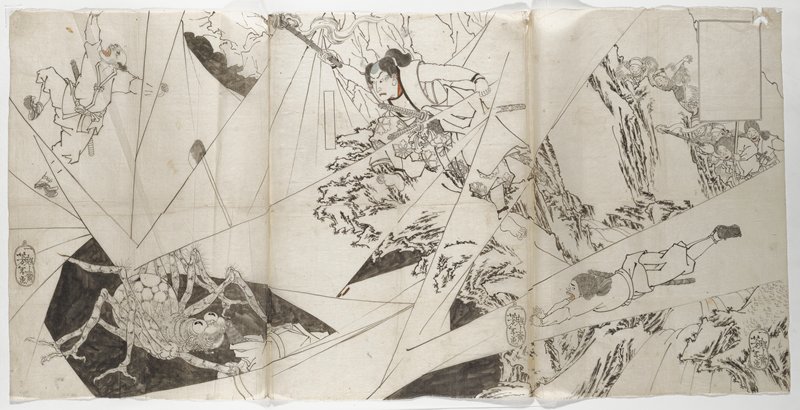
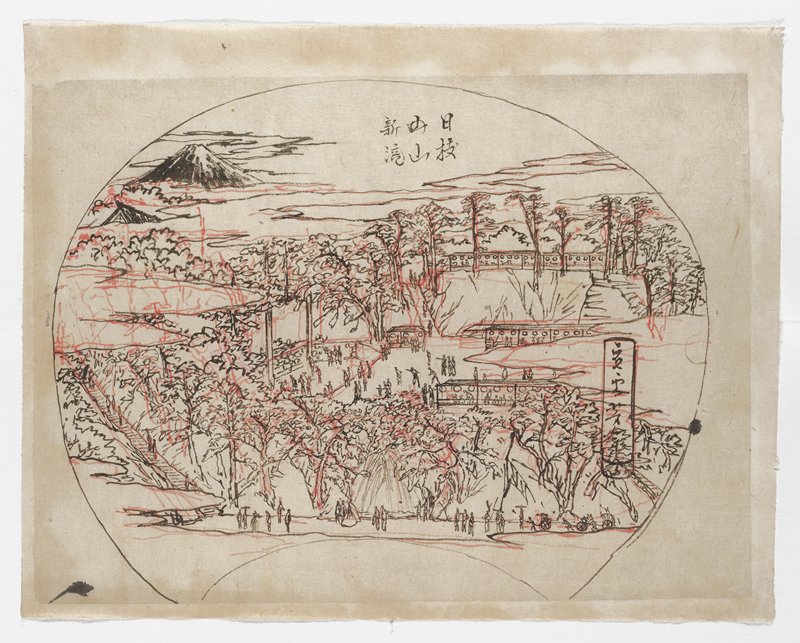
Meiji and Taishō era prints (1868–1926) bridge the transition from traditional ukiyo-e to the modern shin-hanga and sosaku-hanga movements. During this period, Japan underwent rapid modernization and Westernization, profoundly affecting the visual arts. Artists working in this transitional era experimented with Western techniques such as perspective, shading, and oil painting while often maintaining connections to traditional woodblock printmaking. Key figures include Tsukioka Yoshitoshi, who brought ukiyo-e to its dramatic culmination; Kobayashi Kiyochika, who pioneered light-and-shadow effects in prints; and Uemura Shoen, whose refined bijin-ga paintings influenced generations of later printmakers. The era also saw the emergence of the sōsaku-hanga ideal through Kanae Yamamoto''s 1904 "Fisherman," widely considered the first modern creative print.


Sōsaku-hanga
c. 1905–1980
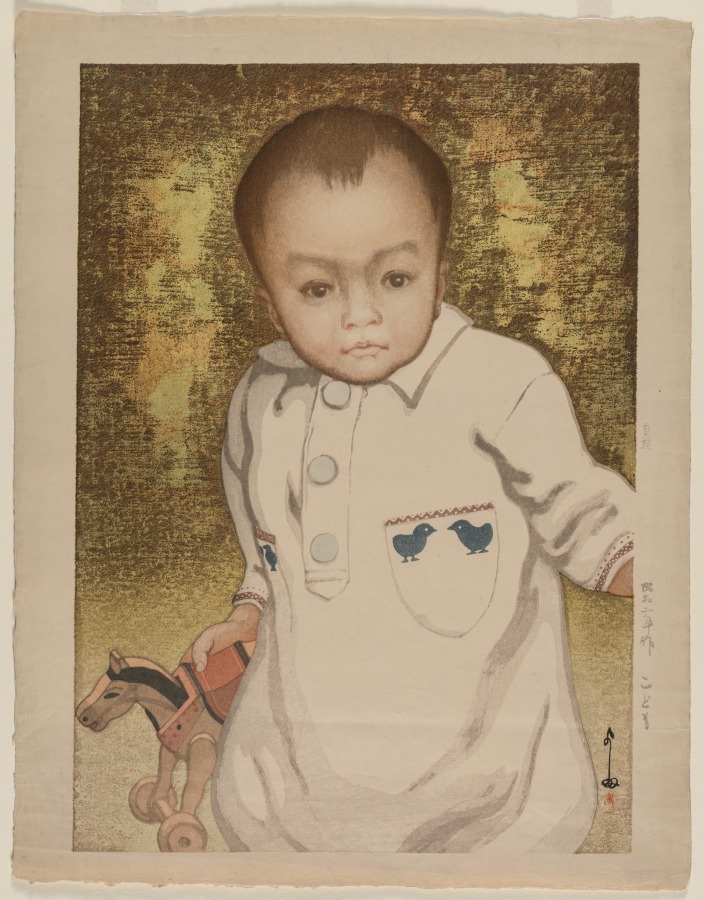
The "creative prints" movement (c. 1905–present) emphasized the artist as sole creator — designing, carving, and printing their own works. This broke from the traditional division of labor in ukiyo-e and was influenced by Western notions of individual artistic expression.

Shin-hanga
c. 1915–1960
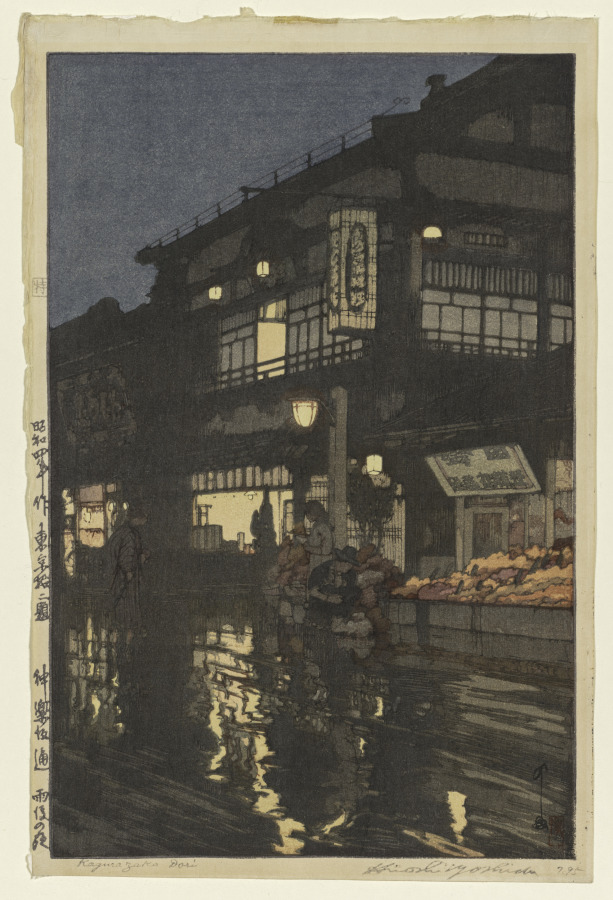
The "new prints" movement (c. 1915–1960) revitalized traditional ukiyo-e woodblock printing through collaboration between artists, carvers, and printers. Led by publisher Watanabe Shōzāburō, shin-hanga combined Western techniques like light and perspective with traditional Japanese subjects.
Contemporary Mokuhanga
c. 1970–present
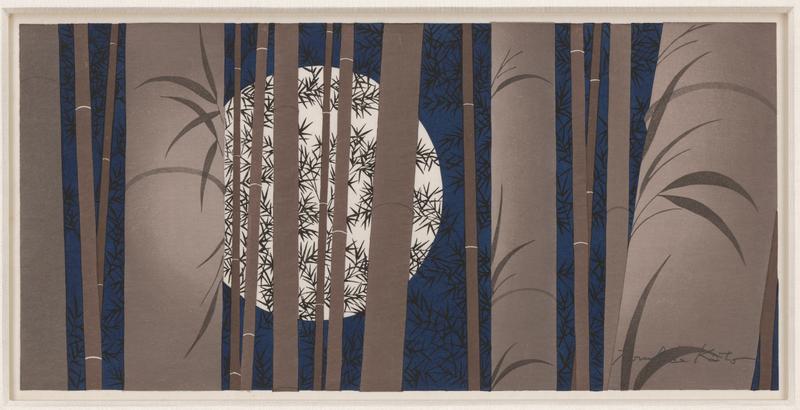
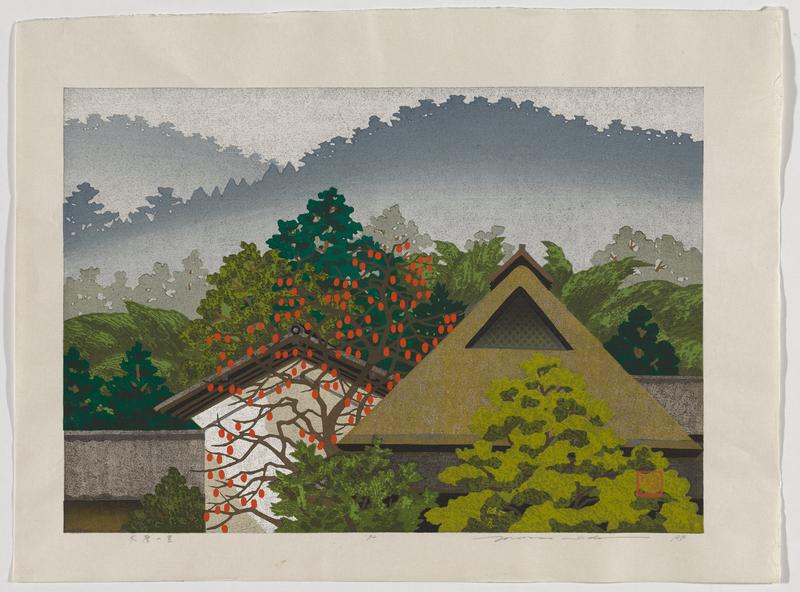
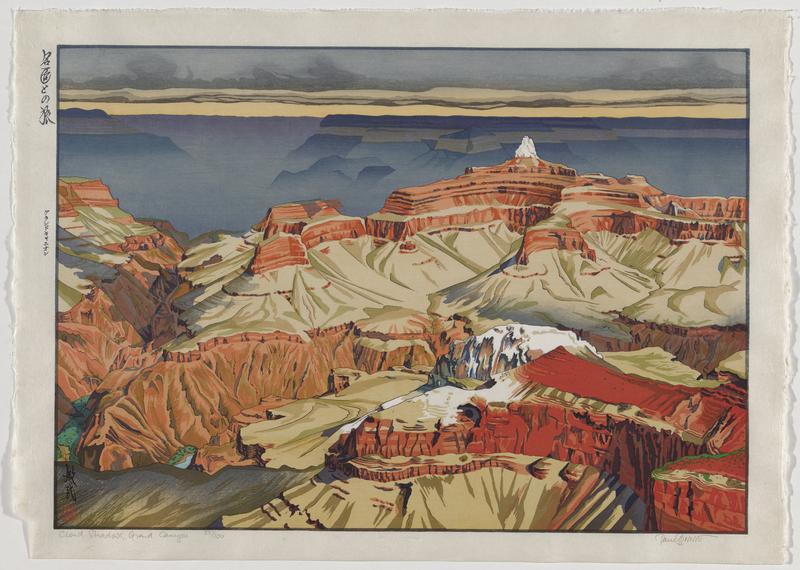
Contemporary mokuhanga (literally "wood-block print") encompasses artists working from approximately 1970 to the present who continue or reinvent traditional Japanese woodblock printing techniques. Unlike the earlier shin-hanga movement''s collaborative publisher model or sosaku-hanga''s insistence on artist-as-sole-creator, contemporary mokuhanga practitioners freely combine approaches — some carve and print their own blocks, others collaborate with master printers, and many integrate digital tools into their design process while maintaining hand-carved, hand-printed production. The movement is notable for its international character, with significant practitioners from Japan, the United States, the United Kingdom, Australia, and elsewhere, united by shared techniques and the International Mokuhanga Association founded in 2011.
Ukiyo-e
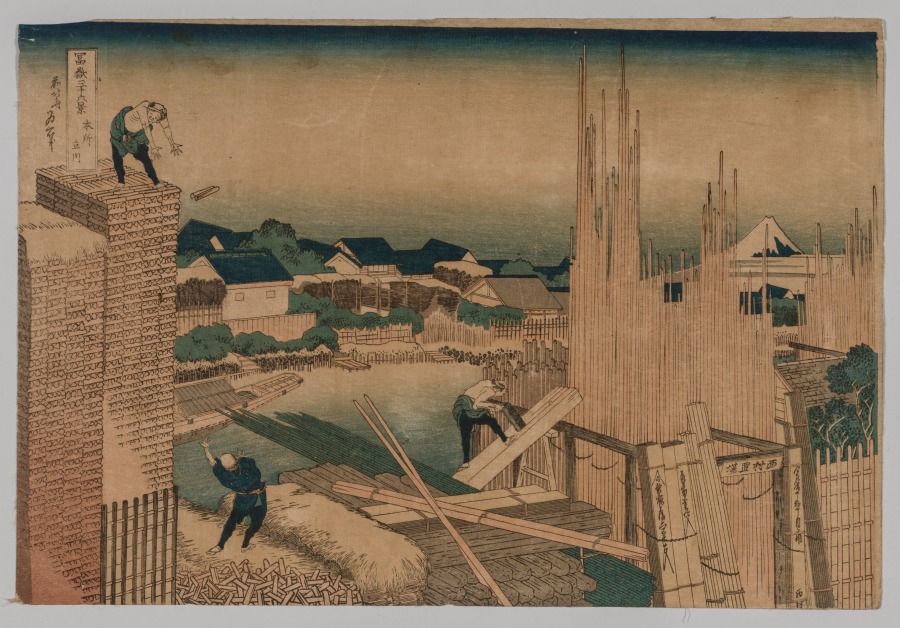
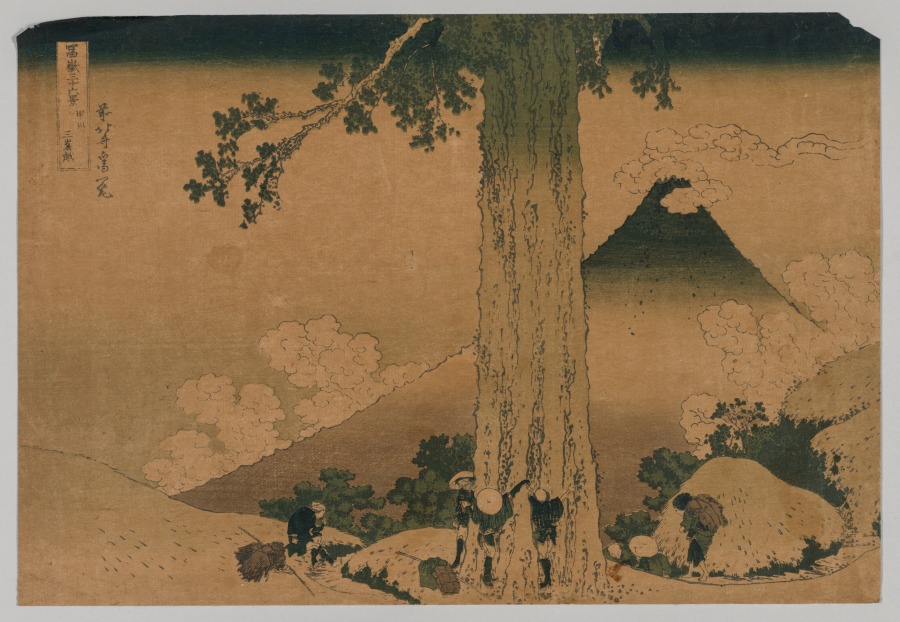
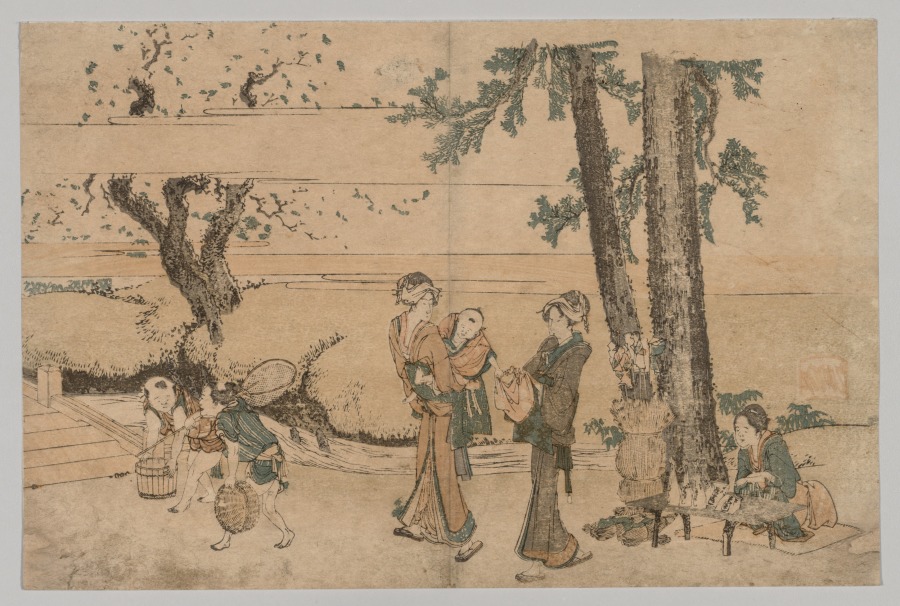
Ukiyo-e ("pictures of the floating world") is the dominant tradition of Japanese woodblock printing, flourishing from the seventeenth through nineteenth centuries. Originating in Edo (modern Tokyo), ukiyo-e artists depicted the pleasures and pastimes of the urban merchant class: kabuki actors, courtesans of the Yoshiwara, landscapes, flora and fauna, historical tales, and erotica. The collaborative production system — designer, carver, printer, and publisher — enabled mass production of affordable prints that became one of Japan's most significant artistic exports. In the late nineteenth century, ukiyo-e prints profoundly influenced European Impressionism, Post-Impressionism, and Art Nouveau.