Ukiyo-e
About Ukiyo-e
Ukiyo-e ("pictures of the floating world") is the dominant tradition of Japanese woodblock printing, flourishing from the seventeenth through nineteenth centuries. Originating in Edo (modern Tokyo), ukiyo-e artists depicted the pleasures and pastimes of the urban merchant class: kabuki actors, courtesans of the Yoshiwara, landscapes, flora and fauna, historical tales, and erotica. The collaborative production system — designer, carver, printer, and publisher — enabled mass production of affordable prints that became one of Japan's most significant artistic exports. In the late nineteenth century, ukiyo-e prints profoundly influenced European Impressionism, Post-Impressionism, and Art Nouveau.
Ukiyo-e Artists (5)
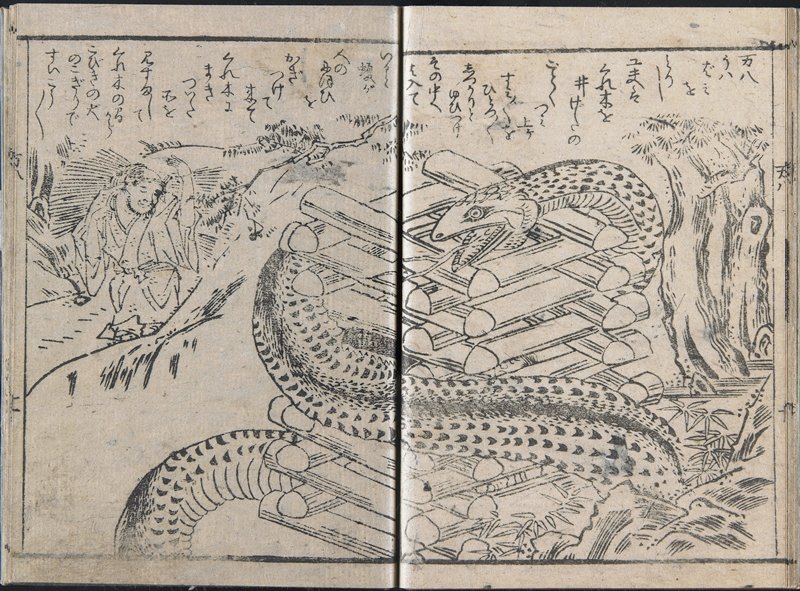
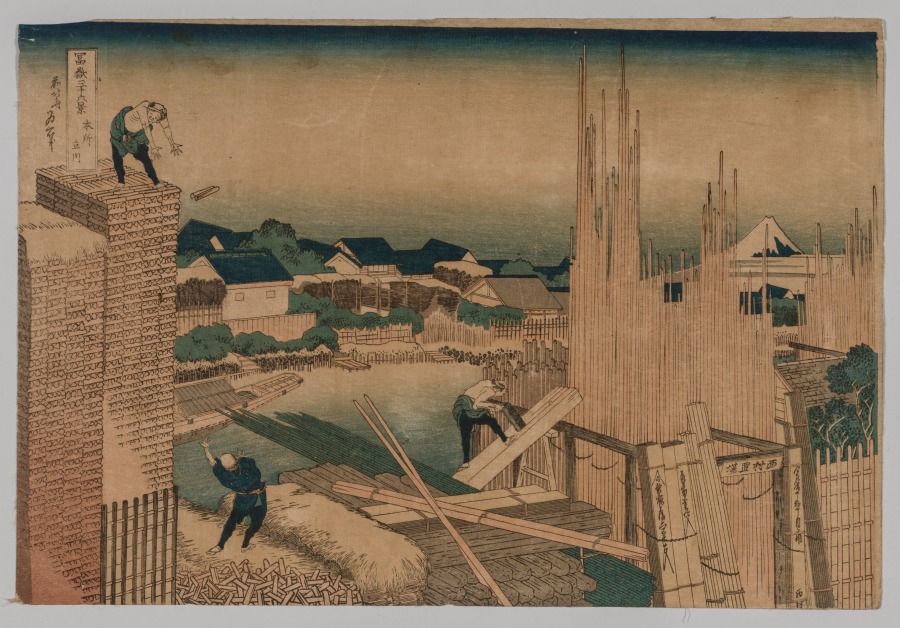


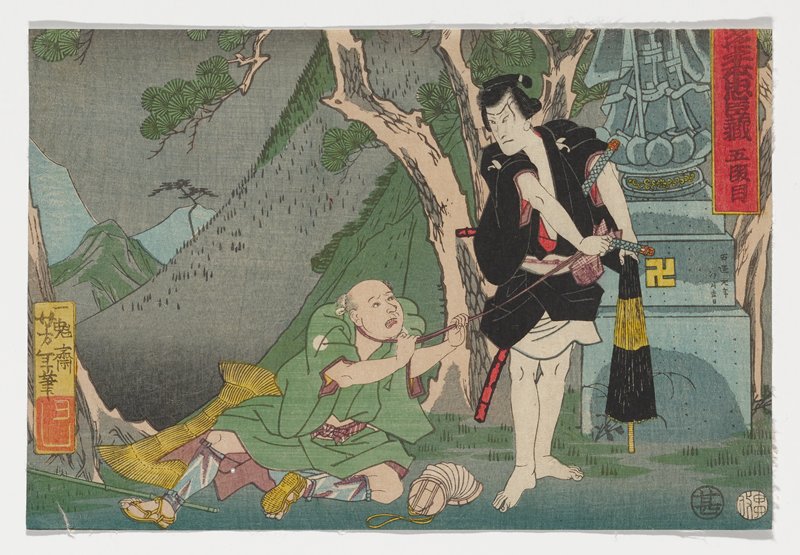
Notable Works

'The fox woman of Suwa in Shinano'
19th century
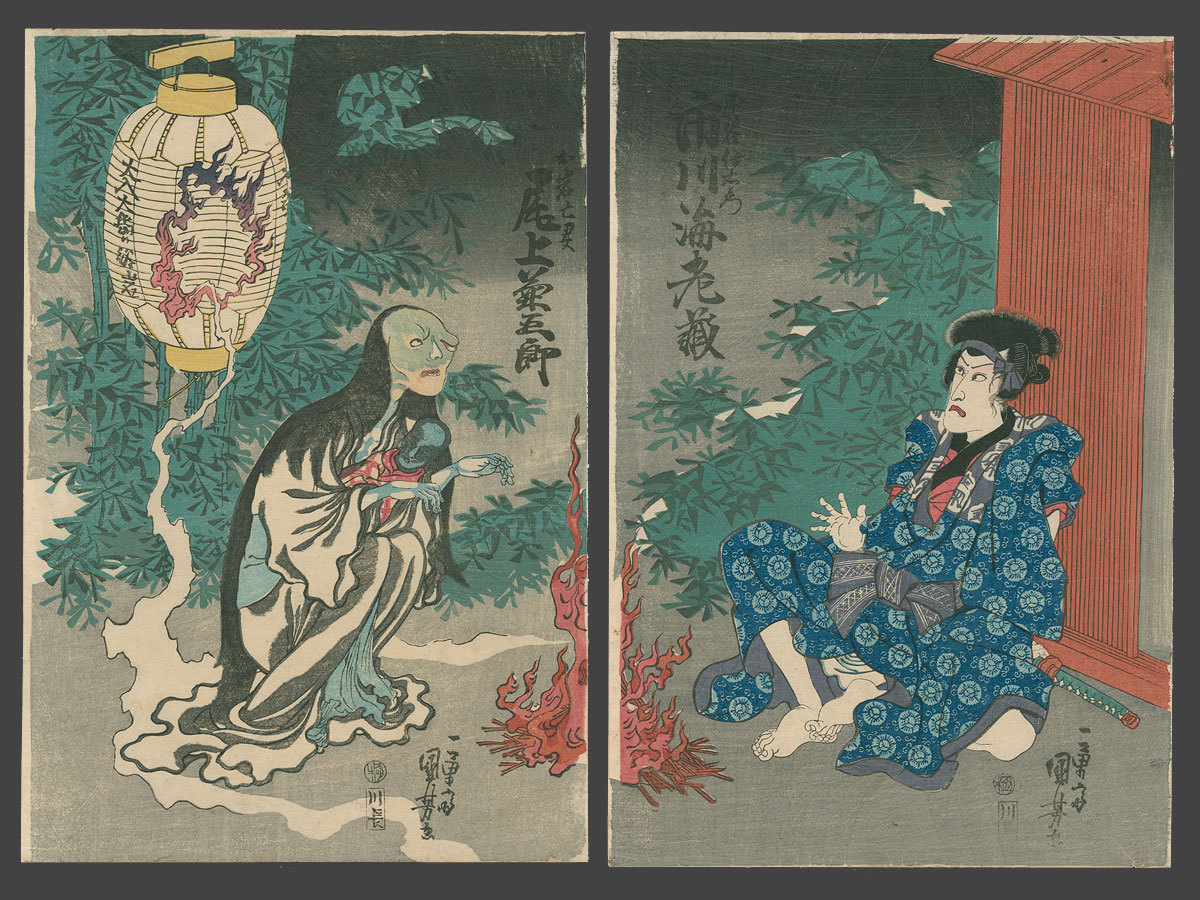
(Tokaido Yotsuya Kaidan)
Woodblock print
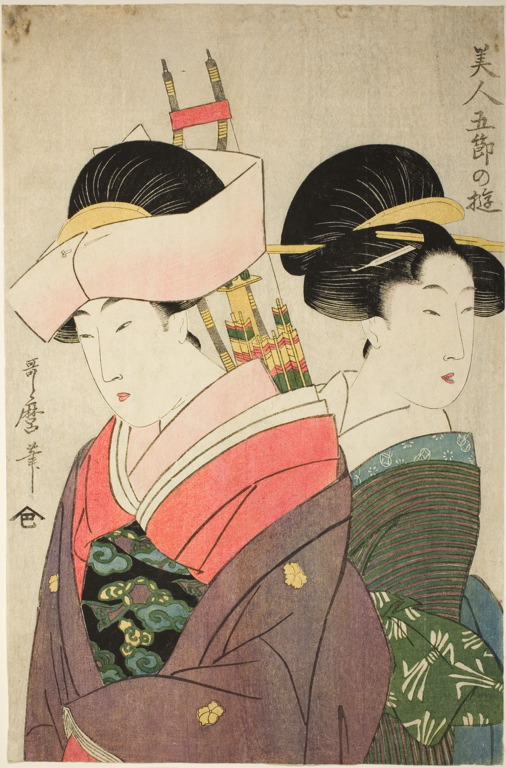
Bow (Hamayumi)
Woodblock print
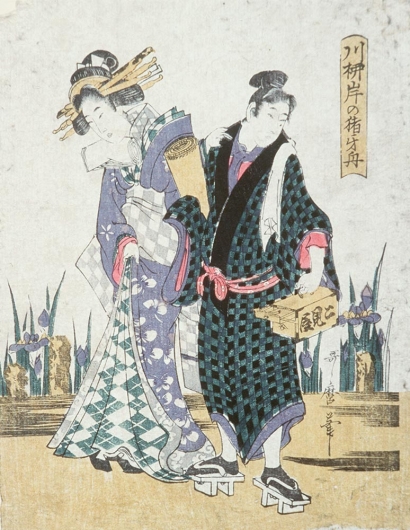
,{
Woodblock print
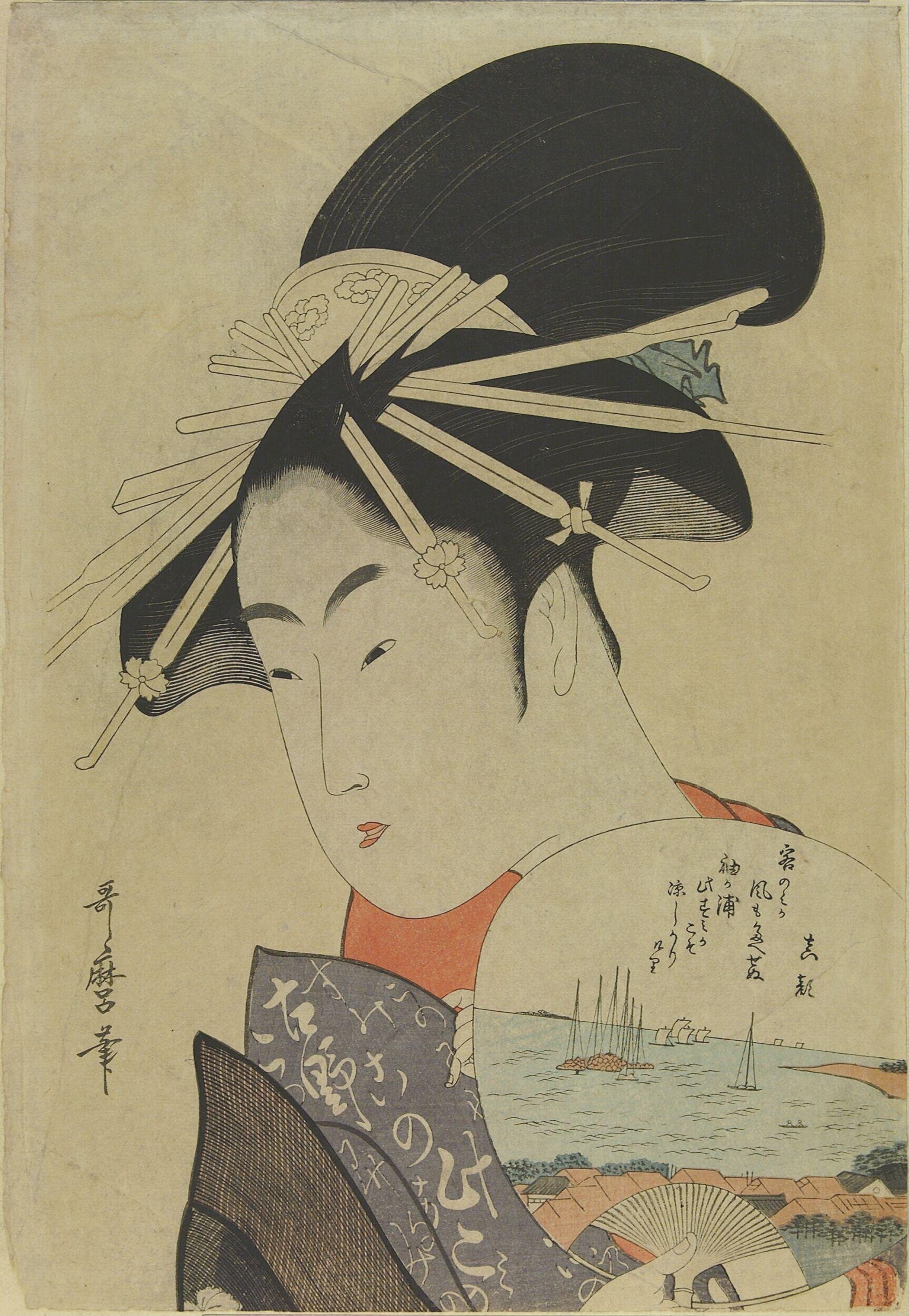
'Collected Beauties of the Southlands'
ca.1781

'Jigoku Daiyu, the Hell Courtesan, meditating'
19th century

'Komurasaki of the Tamaya brothel'
ca.1786

'Lovers beneath a cherry tree'
1788
Frequently Asked Questions
What is Ukiyo-e?
Ukiyo-e ("pictures of the floating world") is the dominant tradition of Japanese woodblock printing, flourishing from the seventeenth through nineteenth centuries. Originating in Edo (modern Tokyo), ukiyo-e artists depicted the pleasures and pastimes of the urban merchant class: kabuki actors, courtesans of the Yoshiwara, landscapes, flora and fauna, historical tales, and erotica. The collaborative production system — designer, carver, printer, and publisher — enabled mass production of affordable prints that became one of Japan's most significant artistic exports. In the late nineteenth century, ukiyo-e prints profoundly influenced European Impressionism, Post-Impressionism, and Art Nouveau.
Who are the most famous Ukiyo-e artists?
Notable Ukiyo-e artists include Kitagawa Utamaro, Katsushika Hokusai, Utagawa Hiroshige, Utagawa Kuniyoshi, Tsukioka Yoshitoshi.
What are Ukiyo-e prints known for?
Ukiyo-e ("pictures of the floating world") is the dominant tradition of Japanese woodblock printing, flourishing from the seventeenth through nineteenth centuries. Originating in Edo (modern Tokyo), ukiyo-e artists depicted the pleasures and pastimes of the urban merchant class: kabuki actors, courtesans of the Yoshiwara, landscapes, flora and fauna, historical tales, and erotica. The collaborative production system — designer, carver, printer, and publisher — enabled mass production of affordable prints that became one of Japan's most significant artistic exports. In the late nineteenth century, ukiyo-e prints profoundly influenced European Impressionism, Post-Impressionism, and Art Nouveau.
Related Movements
Want to rate Ukiyo-e prints?
Sign up to start rating