Biography
Takehisa Yumeji (竹久夢二, 1884–1934) was the defining visual artist of the Taisho era (1912–1926), a painter, printmaker, illustrator, poet, and designer whose iconic images of melancholy, large-eyed women came to embody the romantic sensibility of the period known as "Taisho Roman." His work, which synthesized European Art Nouveau and Jugendstil aesthetics with Japanese lyrical traditions, created a new visual vocabulary for expressing modern emotional life and exerted an enduring influence on Japanese illustration, graphic design, and popular culture.
Born on September 16, 1884, in Yamato Village, Oku District, Okayama Prefecture, Yumeji grew up in a rural farming family. From childhood he showed artistic talent and a poetic temperament that set him apart from his surroundings. After attending local schools, he moved to Tokyo in 1901 to pursue an artistic career, initially studying at the Waseda Junior High School and later briefly enrolling at the private art school run by the Western-style painter Fujishima Takeji. However, Yumeji was largely self-directed in his artistic development, absorbing influences eclectically from Japanese and Western sources rather than following any single master's teaching.
Yumeji first gained public attention through his illustrations for literary magazines and newspapers in the early 1900s. His drawing style — characterized by sinuous lines, elongated figures, and a combination of decorative elegance with emotional sensitivity — quickly found a devoted audience. His illustrations for the magazine "Chuo Koron" and his contributions to other literary publications established him as one of the most distinctive visual voices of his generation. By the 1910s, he had become enormously popular, his images reproduced on postcards, book covers, wrapping paper, and a wide variety of consumer goods.
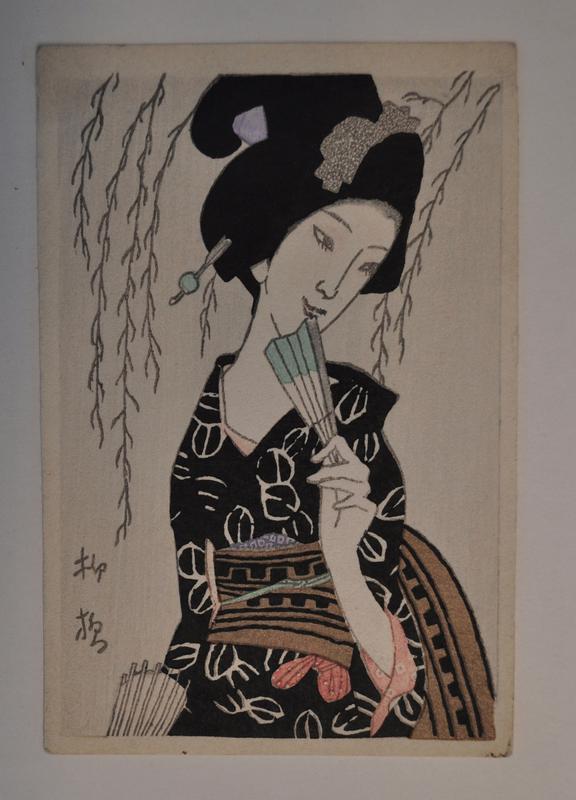
The women in Yumeji's art are his most famous creation and the visual signature of Taisho Roman. Known as "Yumeji-shiki bijin" (Yumeji-style beauties), these figures are typically depicted with elongated bodies, large dark eyes, slightly downturned mouths, and an air of wistful melancholy. They are modern women — dressed in both kimono and Western clothing, reading books, playing music, gazing out of windows — but suffused with a romantic sadness that spoke to the emotional sensibility of the Taisho era. Unlike the idealized beauties of traditional bijin-ga, Yumeji's women appear vulnerable, introspective, and psychologically present, embodying a modern conception of femininity that resonated with the era's engagement with individualism and emotional authenticity.
Yumeji's artistic production was remarkably diverse. He created woodblock prints, lithographs, watercolors, oil paintings, ink drawings, book illustrations, poster designs, textile patterns, and even toy designs. His woodblock prints, while less numerous than his paintings and illustrations, include some of his most celebrated images. These prints typically feature his characteristic women in atmospheric settings — standing beneath willows, walking in the rain, contemplating autumn leaves — rendered in soft colors with the flowing lines that define his style. He also designed covers for books and magazines that are considered landmarks of Japanese graphic design.
In 1914, Yumeji opened the "Minatoya" shop in Nihonbashi, Tokyo, selling his original designs applied to everyday objects — stationery, handkerchiefs, scarves, and decorative items. The shop was enormously popular and represented an early example of an artist creating a lifestyle brand. This commercial success, combined with his fame as an illustrator, made Yumeji one of the most visible cultural figures of the Taisho era, his aesthetic sensibility influencing fashion, interior design, and popular taste.
Yumeji's personal life was marked by a series of passionate and troubled romantic relationships that became the stuff of public fascination and fed the romantic mystique surrounding his art. His loves and losses were not merely biographical footnotes but integral to his artistic vision, infusing his images of women with an emotional authenticity rooted in lived experience. The melancholy that pervades his art was not merely a stylistic affectation but a reflection of genuine emotional turbulence.
In 1931, Yumeji traveled to Europe and the United States, visiting museums, galleries, and artists' studios. The journey, which lasted about a year, exposed him to European modernism firsthand and resulted in a body of sketches and paintings that show him engaging with new artistic ideas. However, his health had been declining, and upon his return to Japan, his condition worsened.
Yumeji died on September 1, 1934, in Shinjuku, Tokyo, at the age of forty-nine. His early death cemented the romantic legend that had grown around him during his lifetime. Today he is memorialized at the Takehisa Yumeji Museum in Okayama and the Yumeji Art Museum in Tokyo, both dedicated to preserving and exhibiting his work. His images remain deeply embedded in Japanese popular culture, instantly recognizable as symbols of Taisho-era romance and beauty. His influence on subsequent Japanese illustration — from shojo manga to contemporary fashion illustration — is profound and ongoing.
Key Facts
- Active Period
- 1884–1934
- Nationality
- 🇯🇵Japan
- Movement
- Meiji/Taishō Prints
- Works Indexed
- 91
Frequently Asked Questions
What is Takehisa Yumeji known for?
Takehisa Yumeji (竹久夢二, 1884–1934) was the defining visual artist of the Taisho era (1912–1926), a painter, printmaker, illustrator, poet, and designer whose iconic images of melancholy, large-eyed women came to embody the romantic sensibility of the period known as "Taisho Roman." His work, which synthesized European Art Nouveau and Jugendstil aesthetics with Japanese lyrical traditions, created a new visual vocabulary for expressing modern emotional life and exerted an enduring influence on Japanese illustration, graphic design, and popular culture.
When was Takehisa Yumeji active?
Takehisa Yumeji was active from 1884 to 1934. They were associated with the Meiji/Taishō Prints movement.
What artistic movements influenced Takehisa Yumeji?
Takehisa Yumeji's work was shaped by the Meiji/Taishō Prints tradition in Japanese woodblock printmaking. Meiji/Taishō Prints: Meiji and Taishō era prints (1868–1926) bridge the transition from traditional ukiyo-e to the modern shin-hanga and sosaku-hanga movements.
Where can I see Takehisa Yumeji's original prints?
Original prints by Takehisa Yumeji can be found in collections including Harvard Art Museums, Japanese Art Open Database, Ohmi Gallery, Art of Japan.
How much do Takehisa Yumeji prints cost?
Takehisa Yumeji is one of the most beloved artists in Japanese popular culture, and his iconic images of melancholy women have been reproduced countless times since his death. For collectors of his actual prints, the market ranges from affordable reproductions at $200-$500 to rare original lifetime prints at $5,000-$10,000. His paintings and watercolors occupy a higher price tier. The key challenge in Yumeji collecting is distinguishing original lifetime prints from the many posthumous reproductions that flood the market. Yumeji's imagery is so popular in Japan that publishers have produced reproduction prints for decades, and these are commonly encountered in shops and at auction. Original lifetime woodblock prints and lithographs, typically from the 1910s-1930s, are genuinely scarce and command premium prices. These can be identified by paper quality, printing technique, and provenance. Yumeji's most valuable prints are those featuring his signature 'Yumeji-style beauties' — elongated women with large eyes and melancholy expressions — in original editions with strong colors and fine condition. His book cover designs and magazine illustrations, while not prints in the traditional sense, are also collected. For Japanese collectors, Yumeji holds enormous cultural significance as the visual poet of the Taisho era, ensuring strong domestic demand that supports prices.
Woodblock Prints by Takehisa Yumeji (91)
Title unknown [Woman with green and white fan]
1910s–1930s
Woodblock print, ink and color on paper
![Bookplate design [woman playing shamisen] by Takehisa Yumeji](https://1.api.artsmia.org/800/132724.jpg)
Bookplate design [woman playing shamisen]
1910s–1930s
Woodblock print, ink and color on paper
![Title unknown [Michiyuki] by Takehisa Yumeji](https://1.api.artsmia.org/800/132723.jpg)
Title unknown [Michiyuki]
1910s–1930s
Woodblock print, ink and color on paper
![Title unknown [Young couple looking into a well] by Takehisa Yumeji](https://1.api.artsmia.org/800/132729.jpg)
Title unknown [Young couple looking into a well]
1910s–1930s
Woodblock print, ink and color on paper
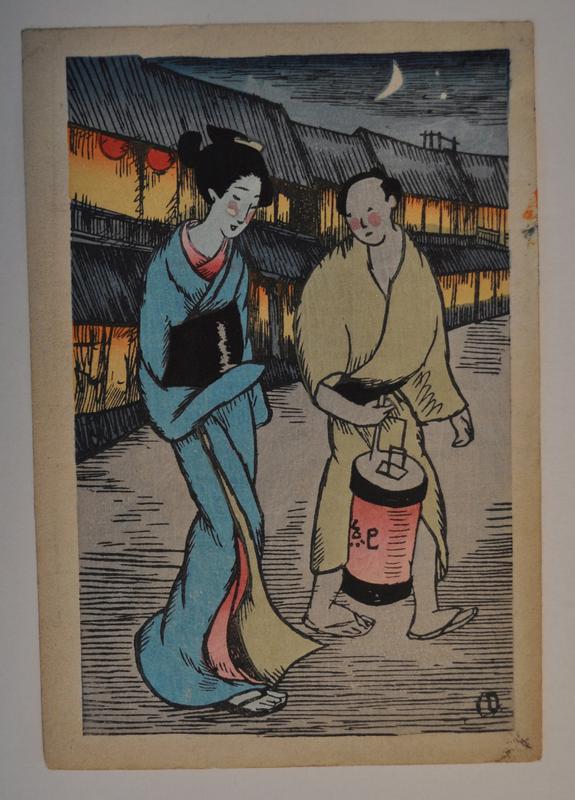
Courtesan and man attendant walking in the night, illustration from the book Narrow Alley (Roji no hosomichi)
March 1919
Woodblock print, ink and color on paper
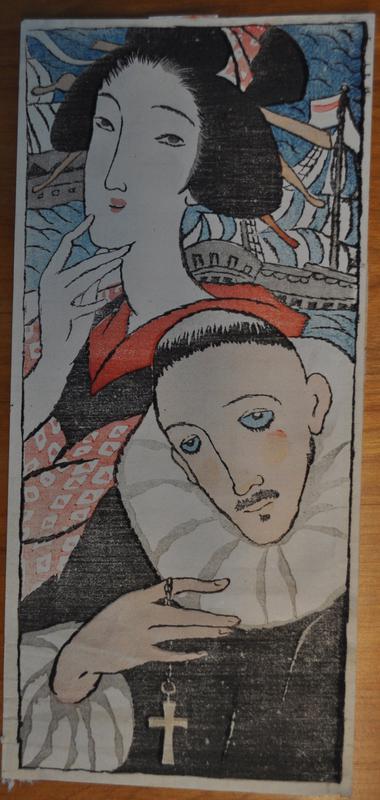
Saint Mary
November 1924
Woodblock print, ink and color on paper

Design for the songlet Dragon Gorges
c. 1930
Woodblock print, ink and color on paper
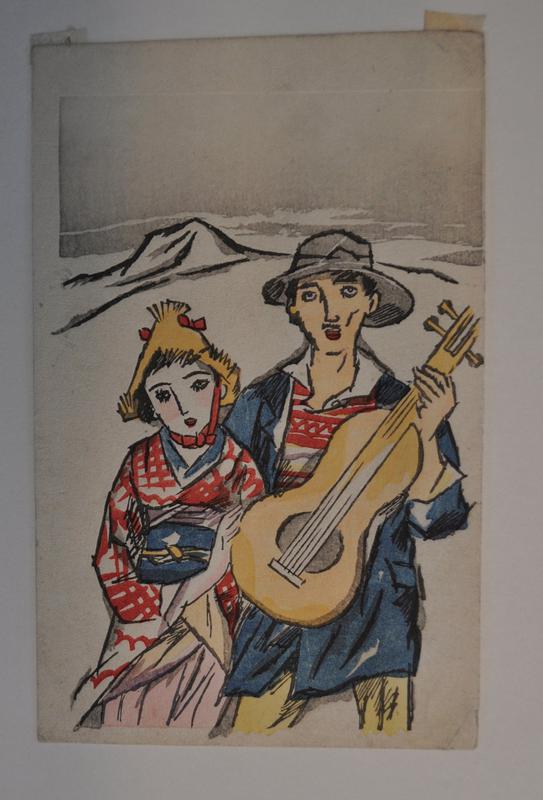
Design for the cover of the songlet Flying Island
c. 1930
Woodblock print, ink and color on paper
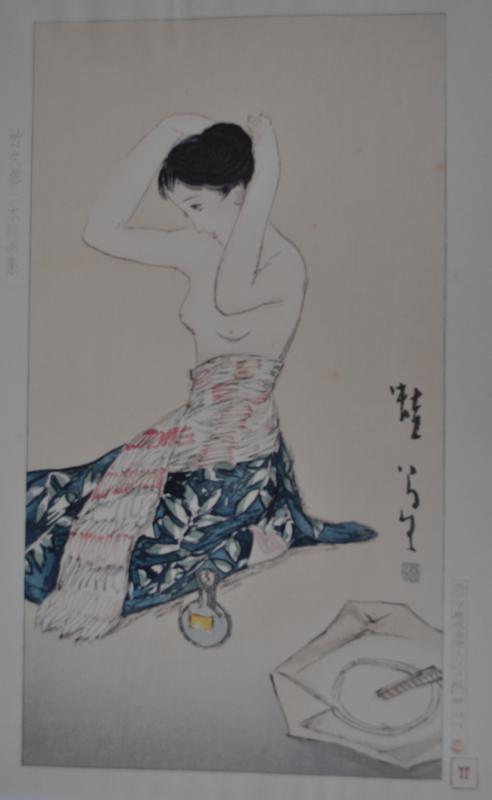
After the bath
1976
Woodblock print, ink and color on paper
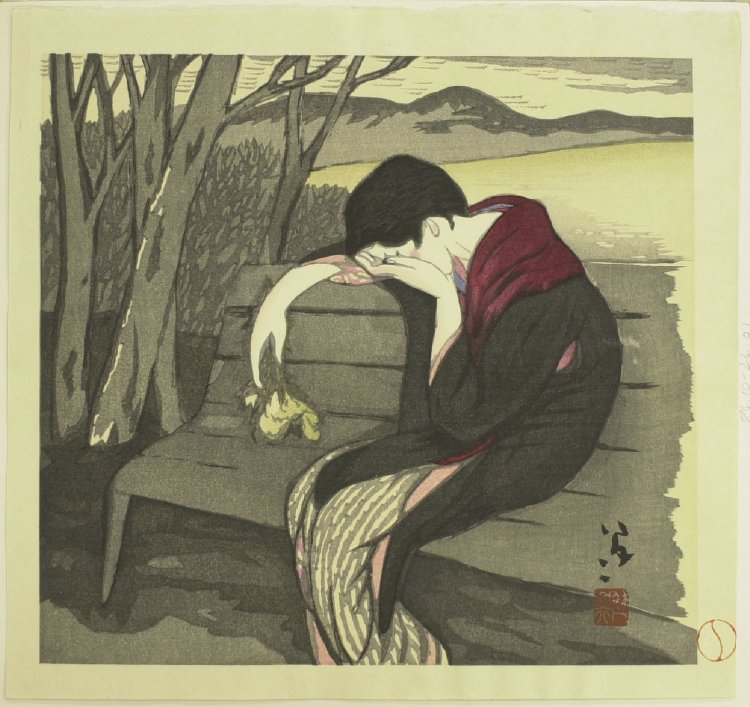
Woman in Despair
Woodblock print
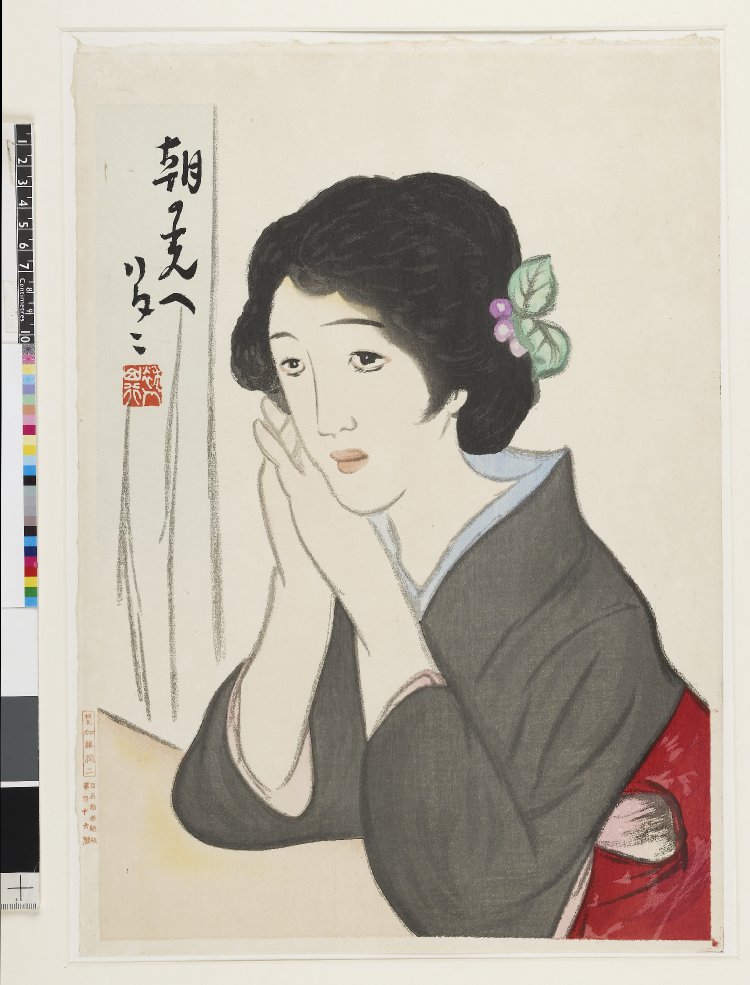
Asa no hikari e (To the Morning Light) / Onna judai (Ten Female Subjects)
Woodblock print

Tanabata Festival (Dinner Menu)
Woodblock print
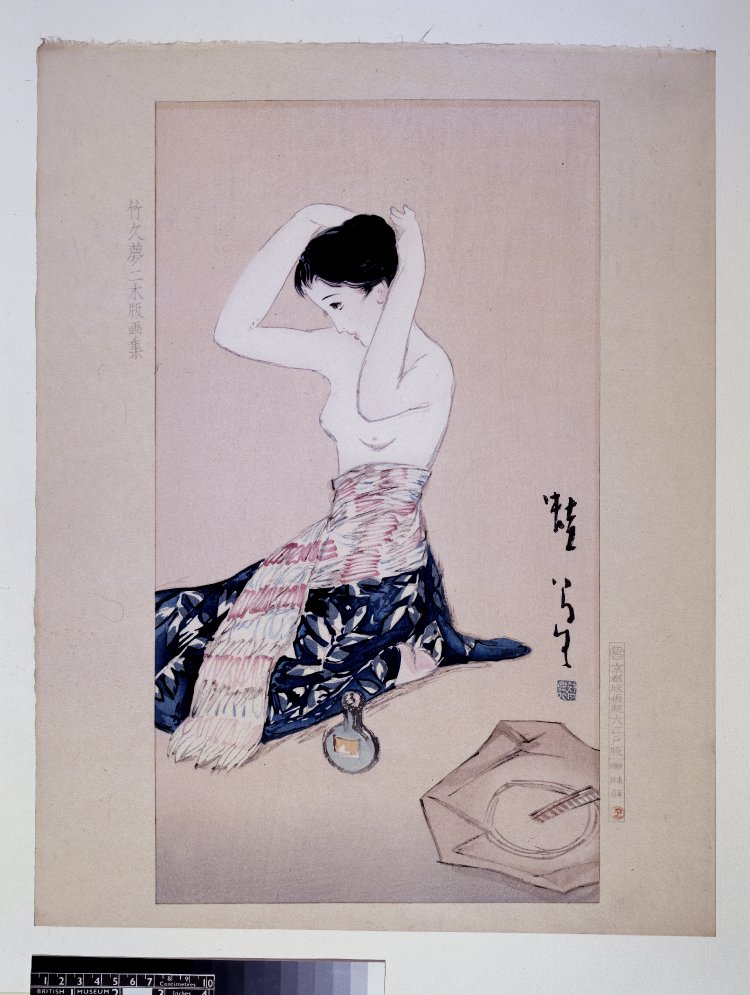
Frog / Takehisa Yumeji Mokuhangu-shu
Woodblock print

Hara Shobō
Woodblock print

Image No.6 Motherhood (1)
Woodblock print
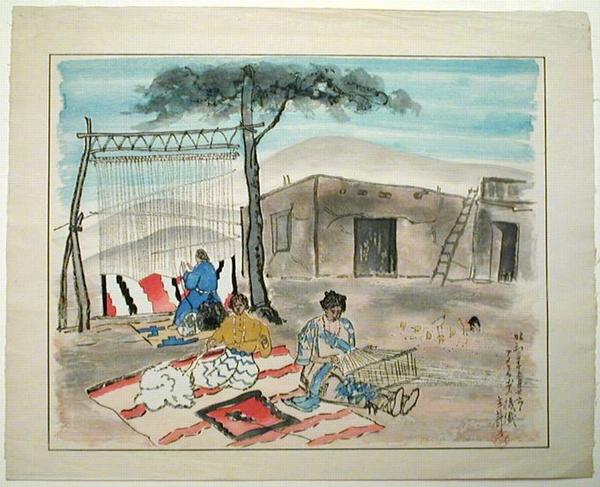
Kazue Yamagishi
Woodblock print
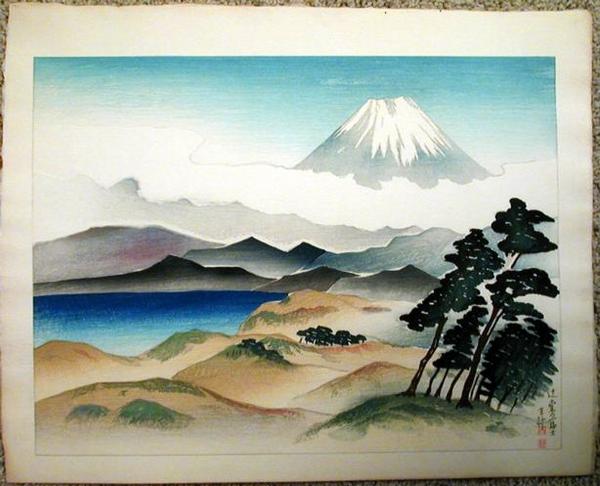
Tsujido no Fuji — 辻堂の富士
Woodblock print
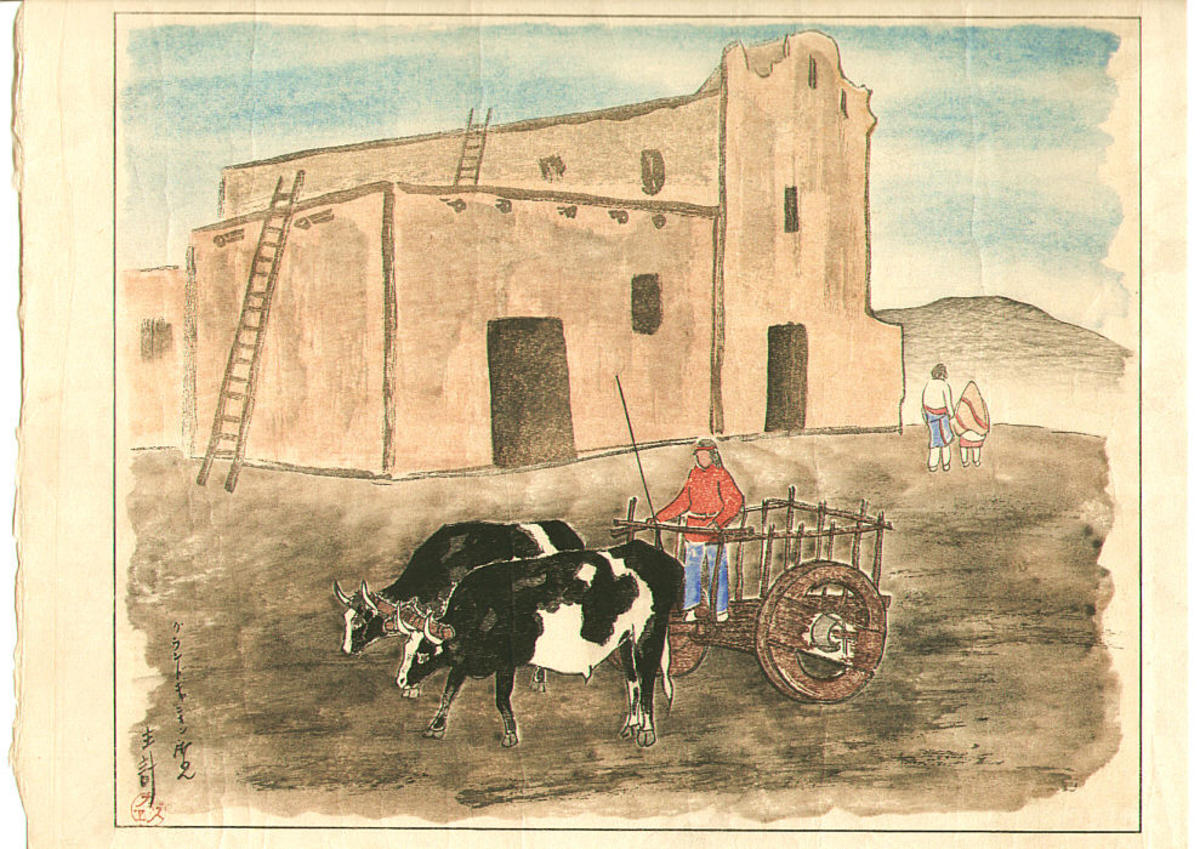
Ox Cart in Grand Canyon
Woodblock print
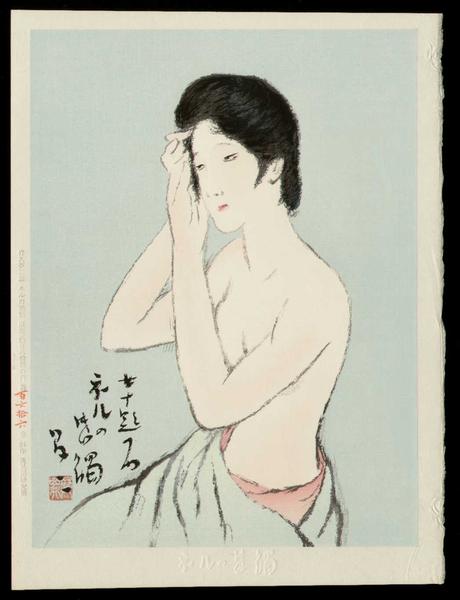
Sprucing Up — Neru no Kanshoku
Woodblock print
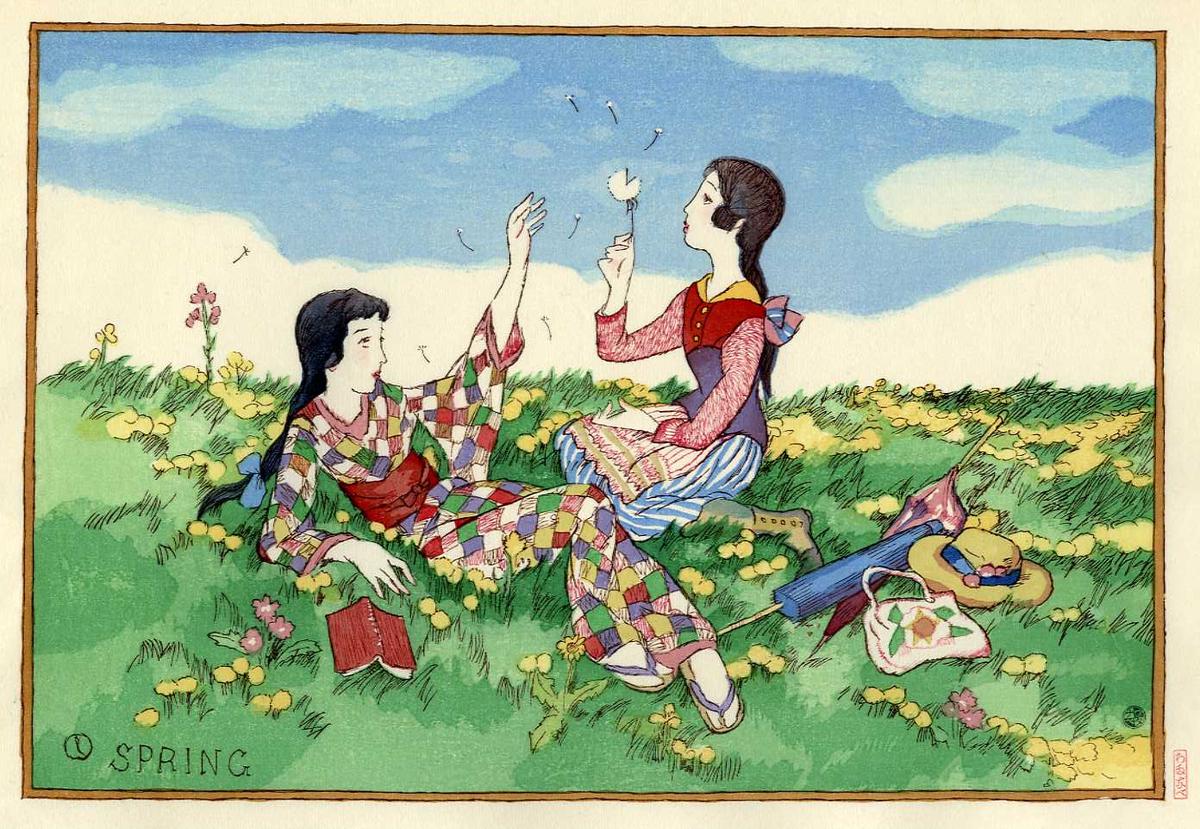
Spring
Woodblock print
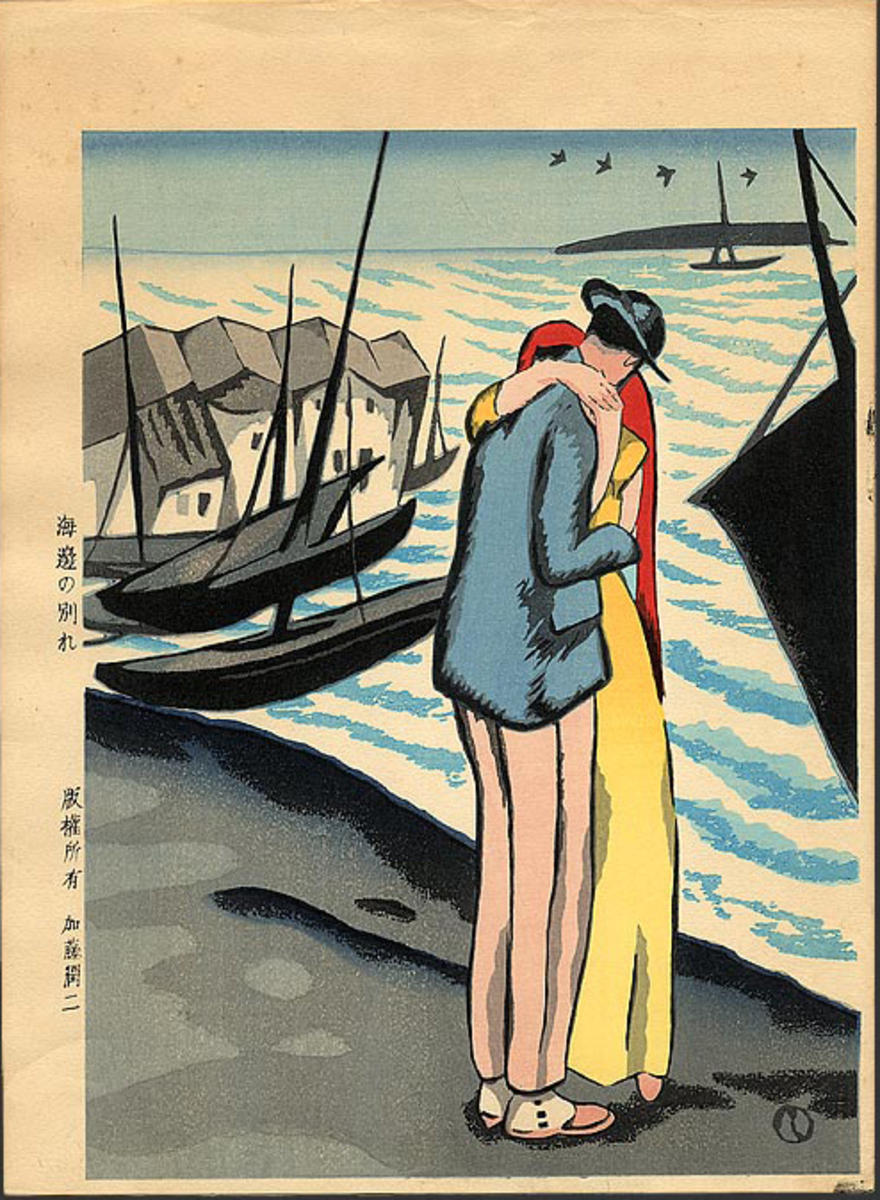
Seaside Farewell
Woodblock print
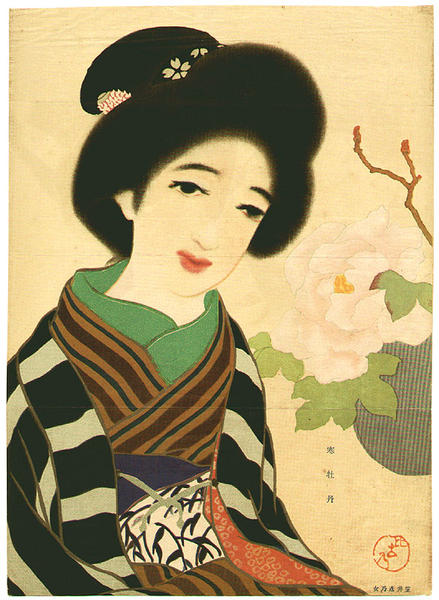
Peony in Winter
Woodblock print
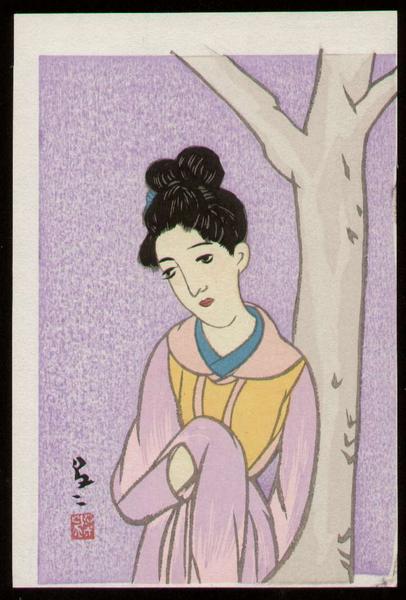
Woman in Lavender
Woodblock print
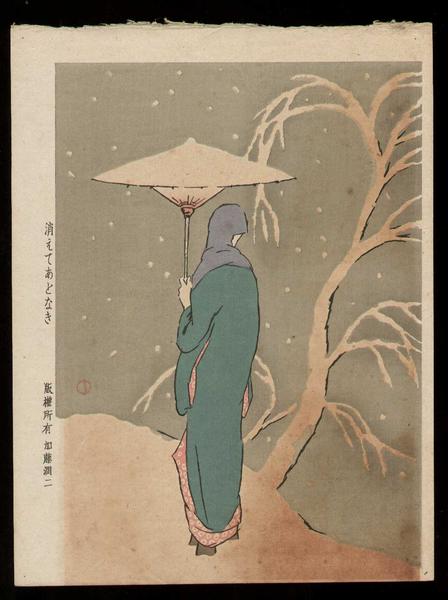
When the Flame Goes Out — きえてあとなき
Woodblock print
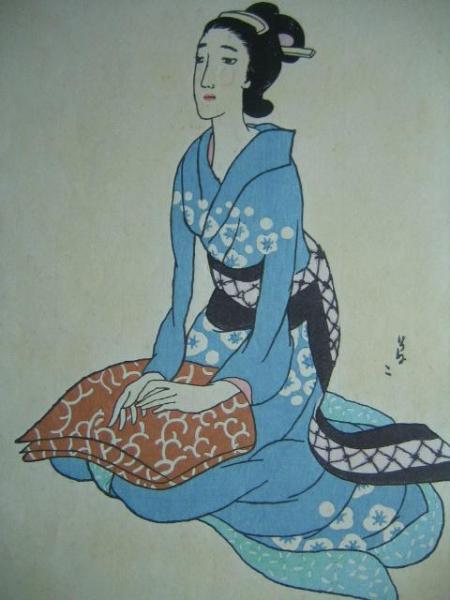
Younger Sister — 故小妹
Woodblock print

Kaeru - Frog
Woodblock print
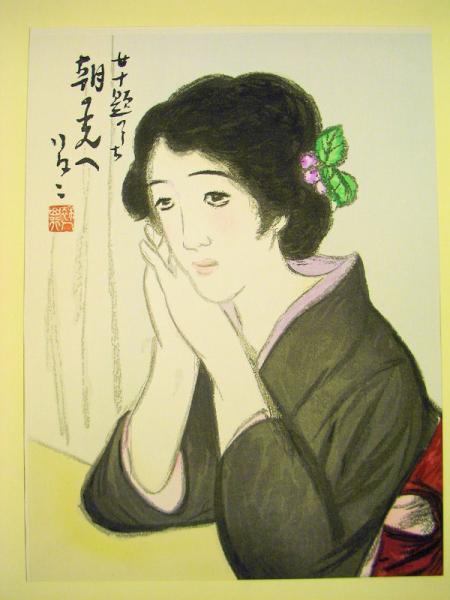
Facing the Morning Light — 朝の光へ
Woodblock print

Maihime- Dancer — 舞姫
Woodblock print
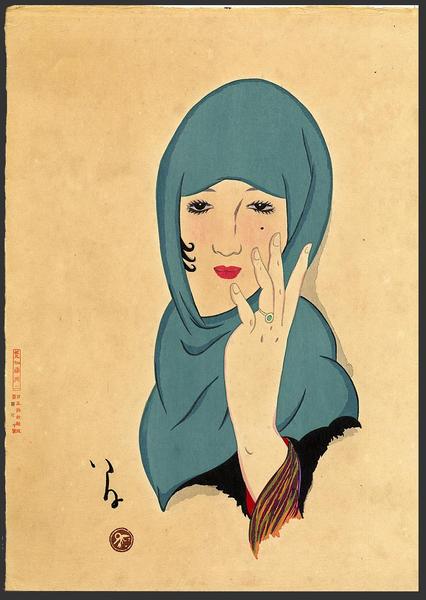
Ine
Woodblock print

Woman and Blossoms
Woodblock print
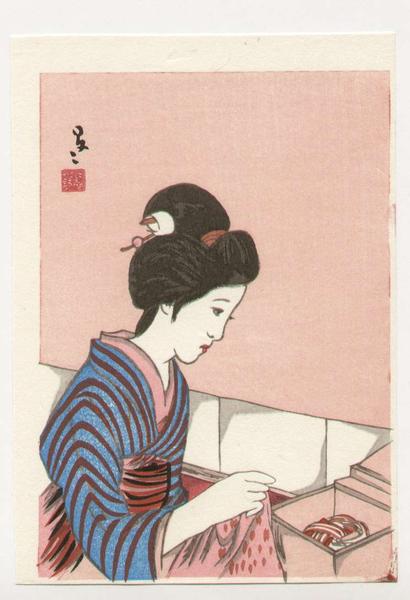
Bijin and hat box
Woodblock print
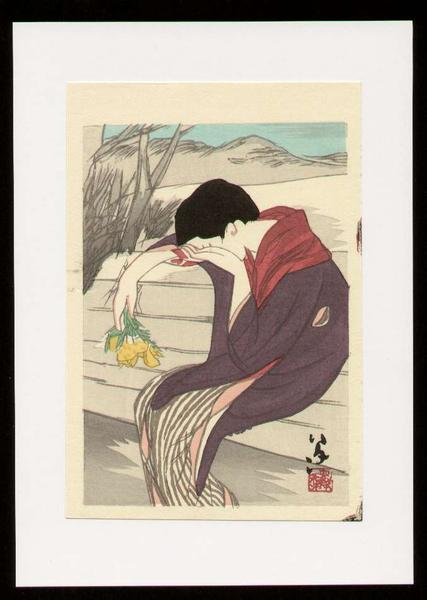
A Sad Woman
Woodblock print
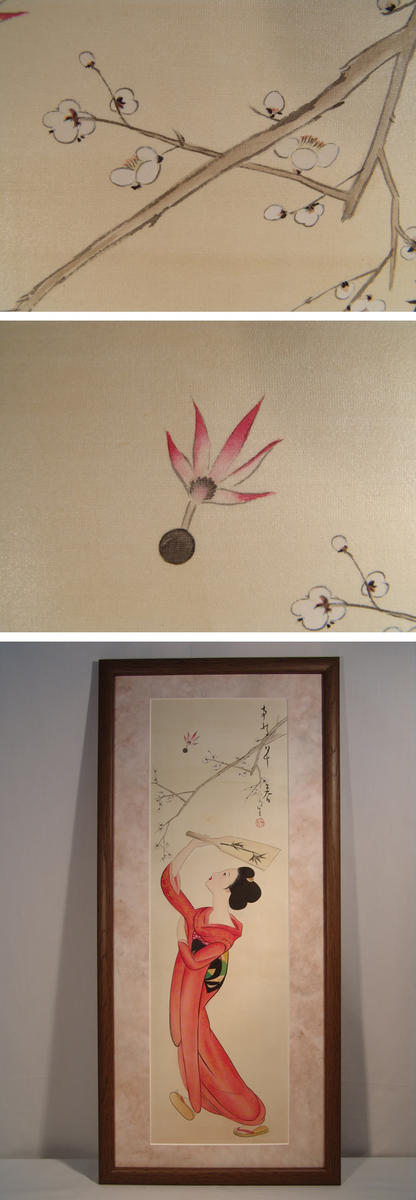
Bijin playing battledore
Woodblock print
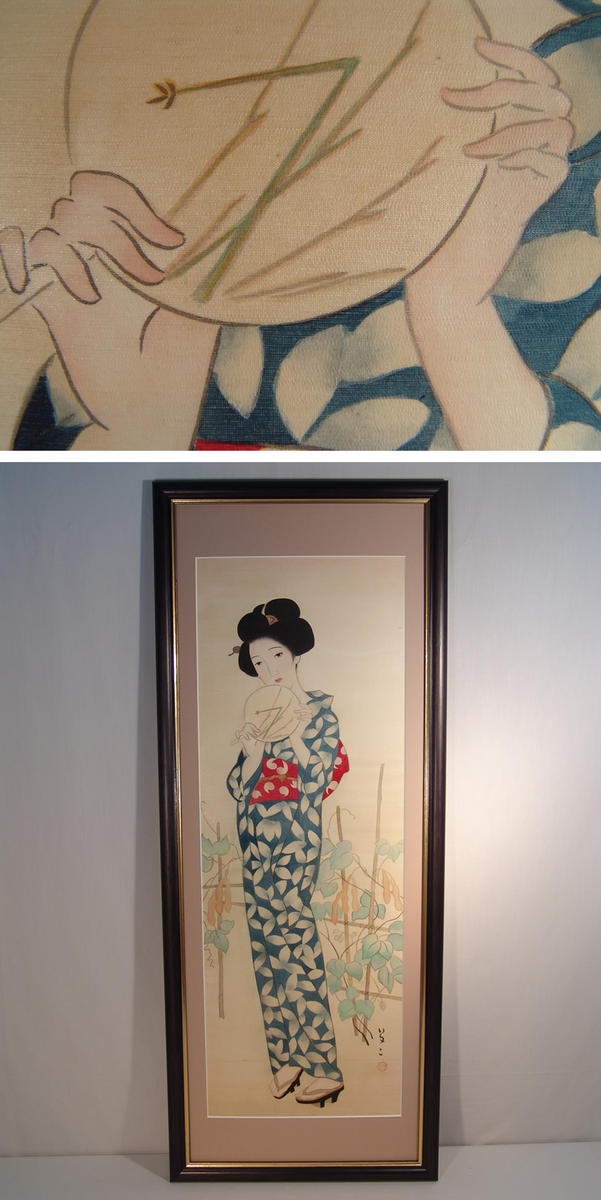
Bijin With Fan in Garden
Woodblock print
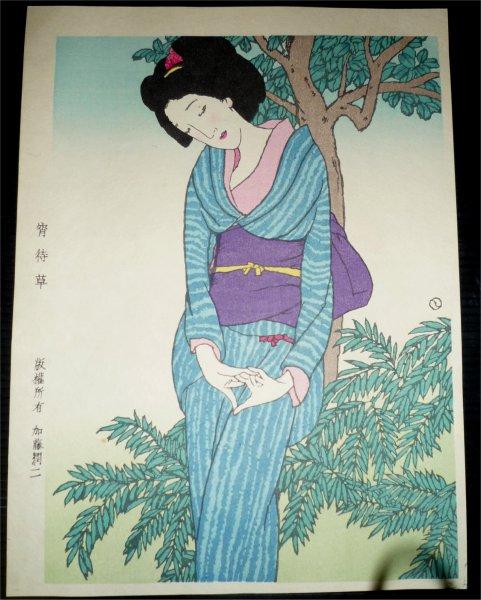
Evening Primrose — 宵待草
Woodblock print
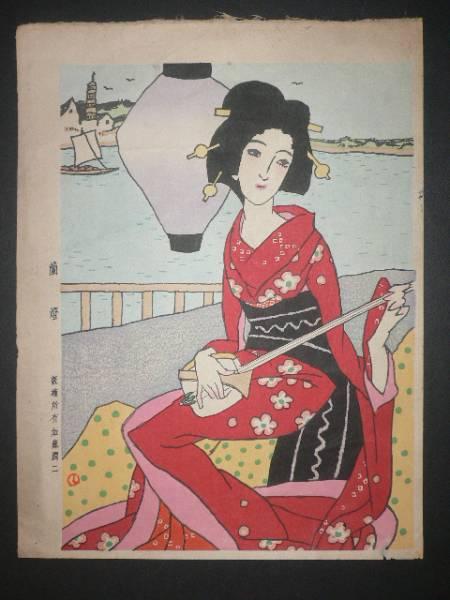
Ranto — 蘭燈
Woodblock print
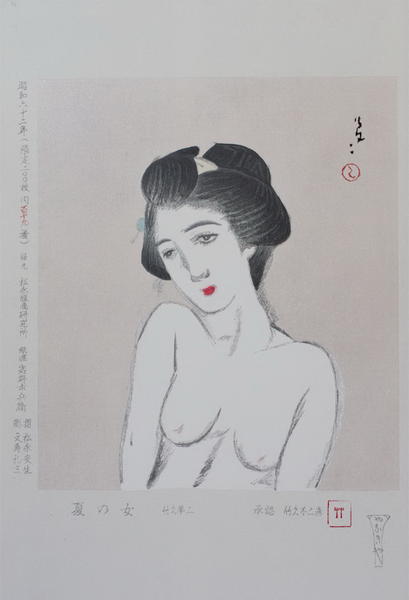
Summer Lady — 夏の女
Woodblock print

Dancing girl
Woodblock print
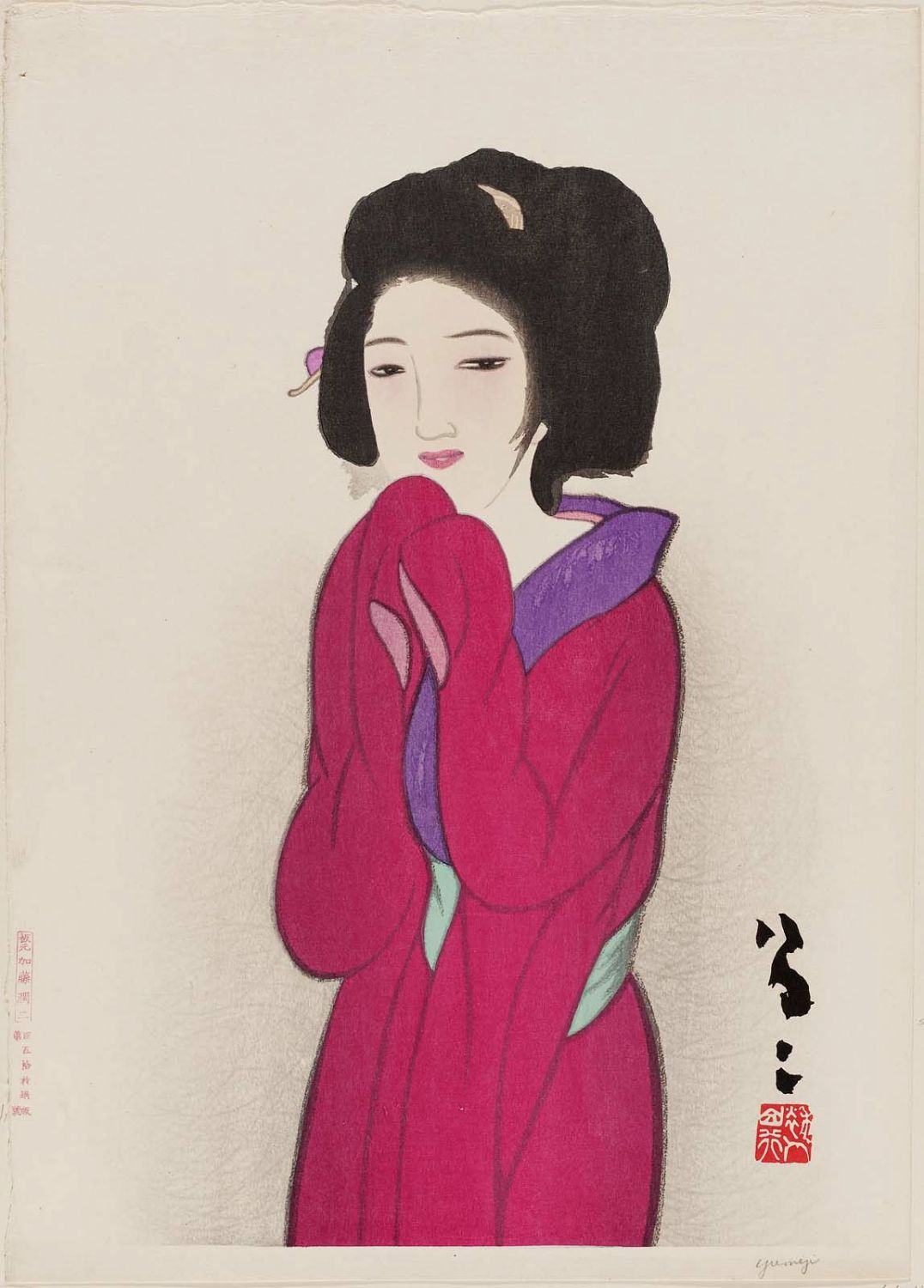
(long undergarment)
Woodblock print
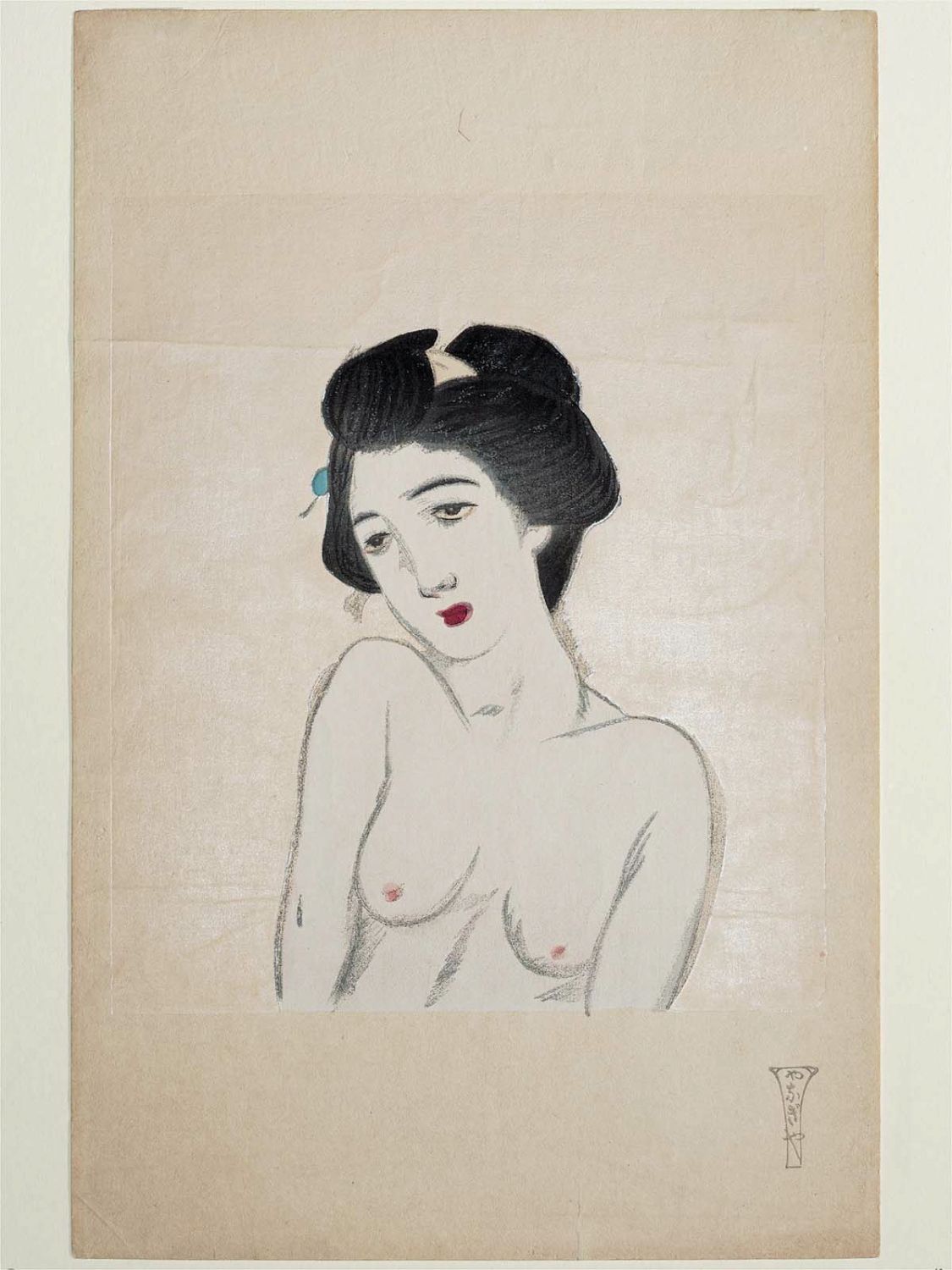
Bust portrait of nude woman
Woodblock print
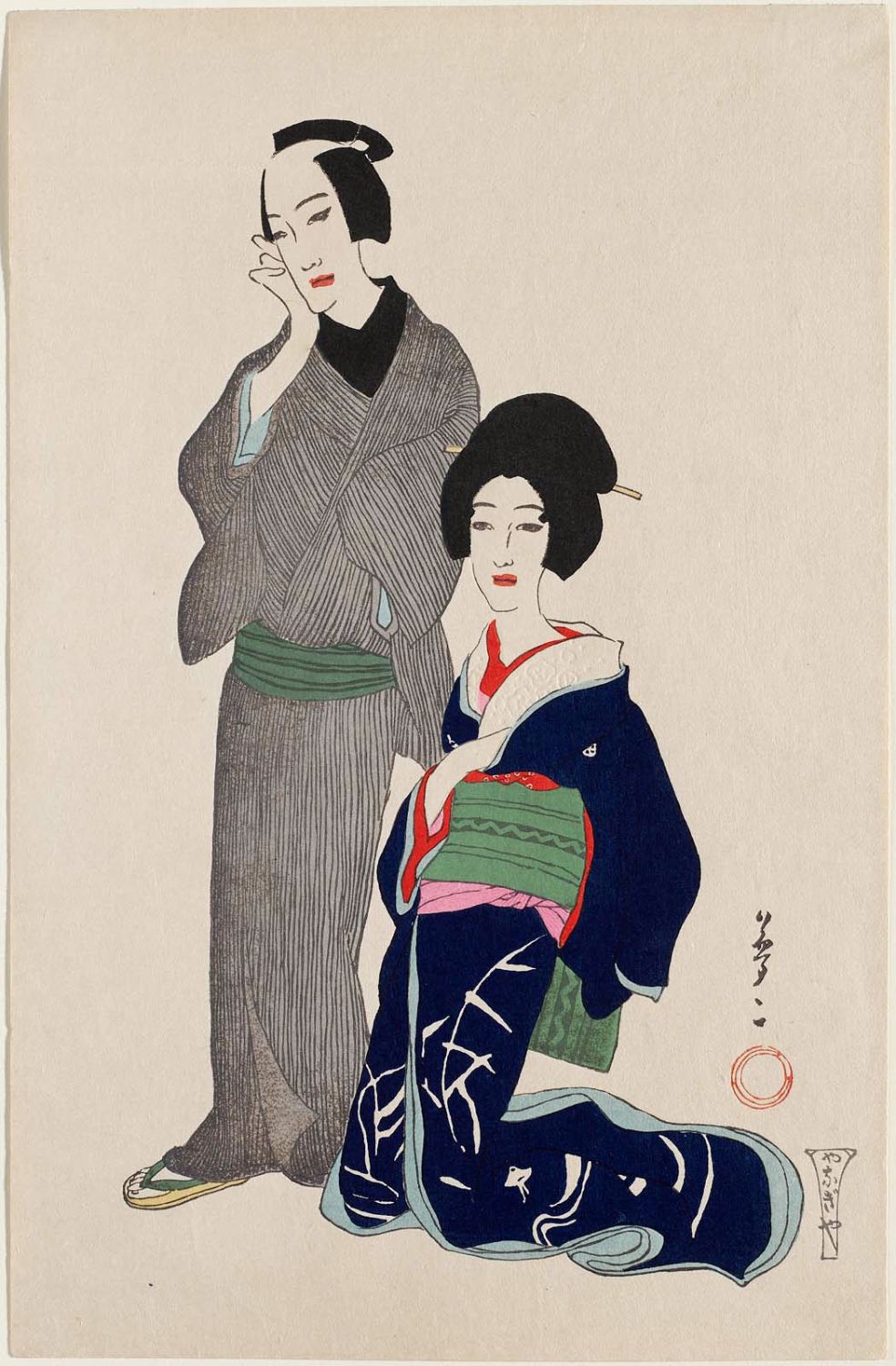
Hit Play at the Shin-Tomiza: Actors Nakamura Ganjirô as Chûbei and Nakamura Fukusuke as Umegawa
Woodblock print
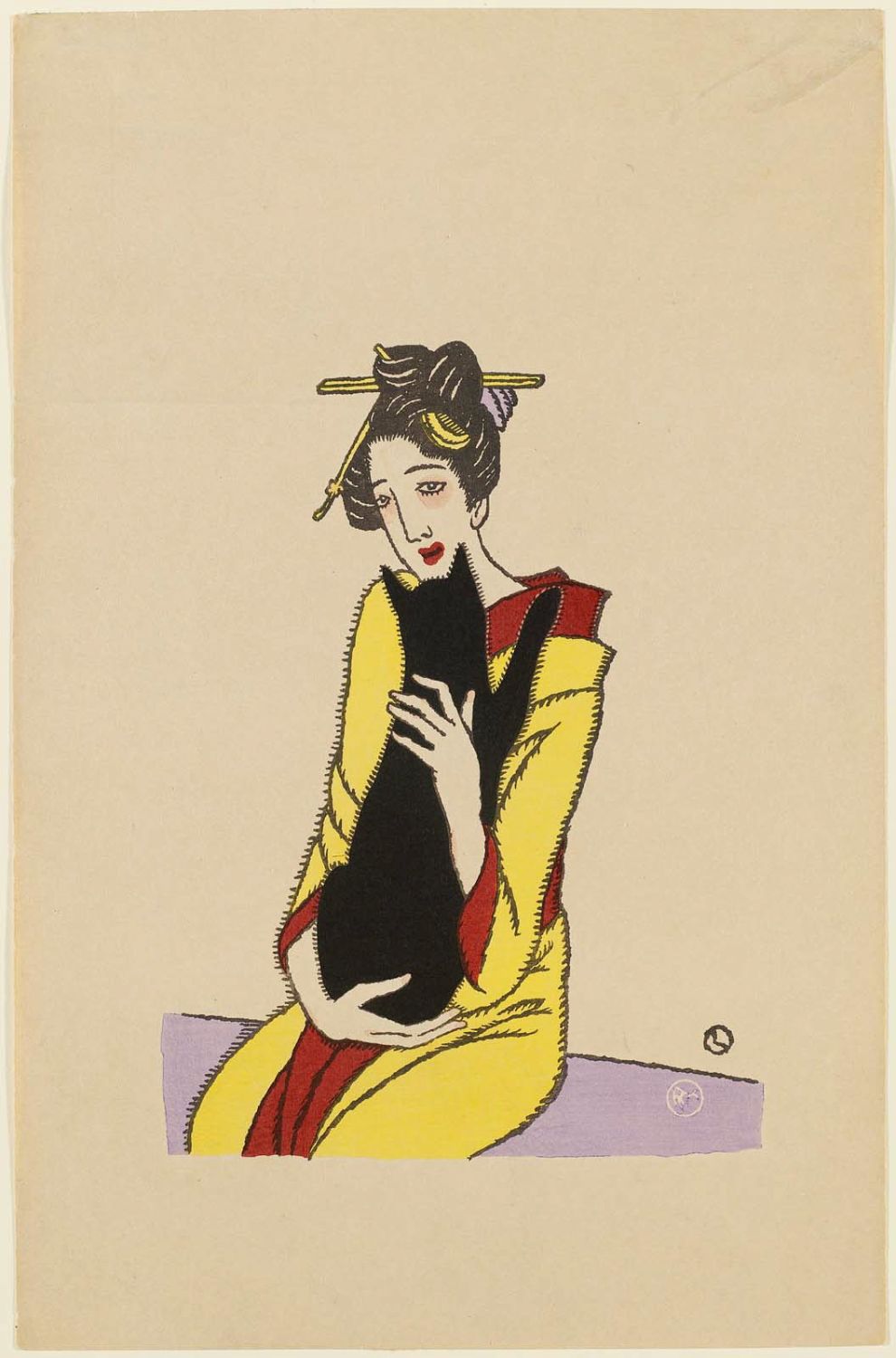
Woman and Cat
Woodblock print
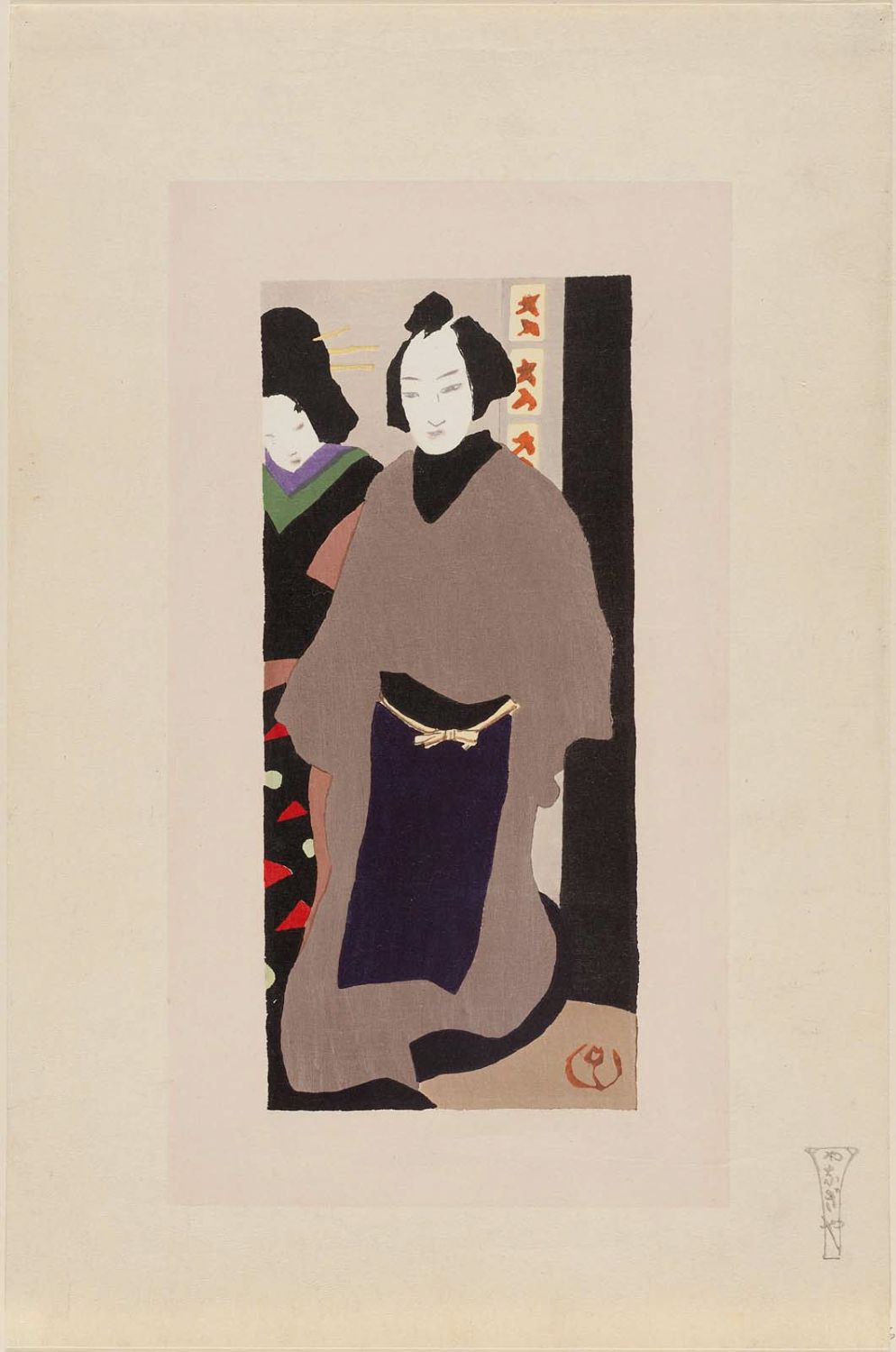
Bunraku Puppets
Woodblock print
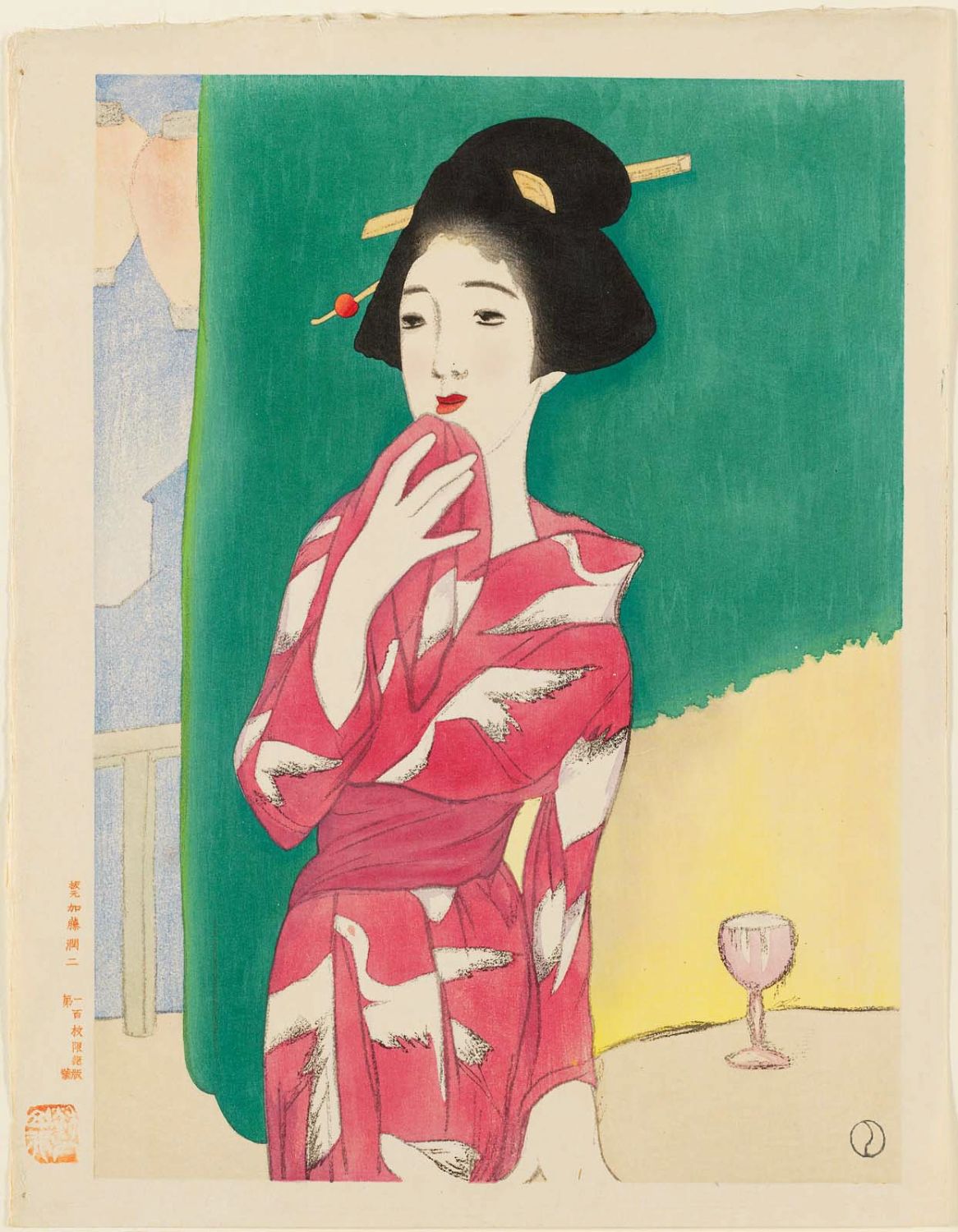
House of Pleasure on the Hill (Oka no seirô)
Woodblock print

Deshima from the series Twelve Views of Nagasaki (Nagasaki junikei no uchi)
Woodblock print
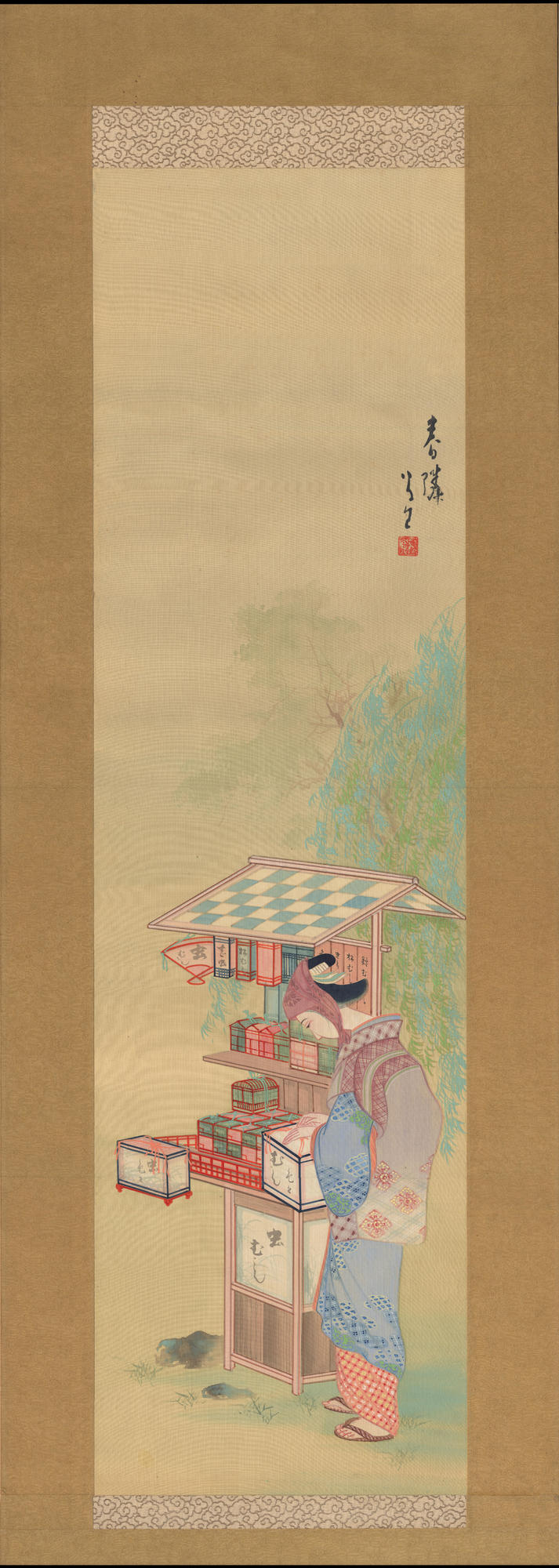
Bijin and Beetle Stall (1)
Woodblock print
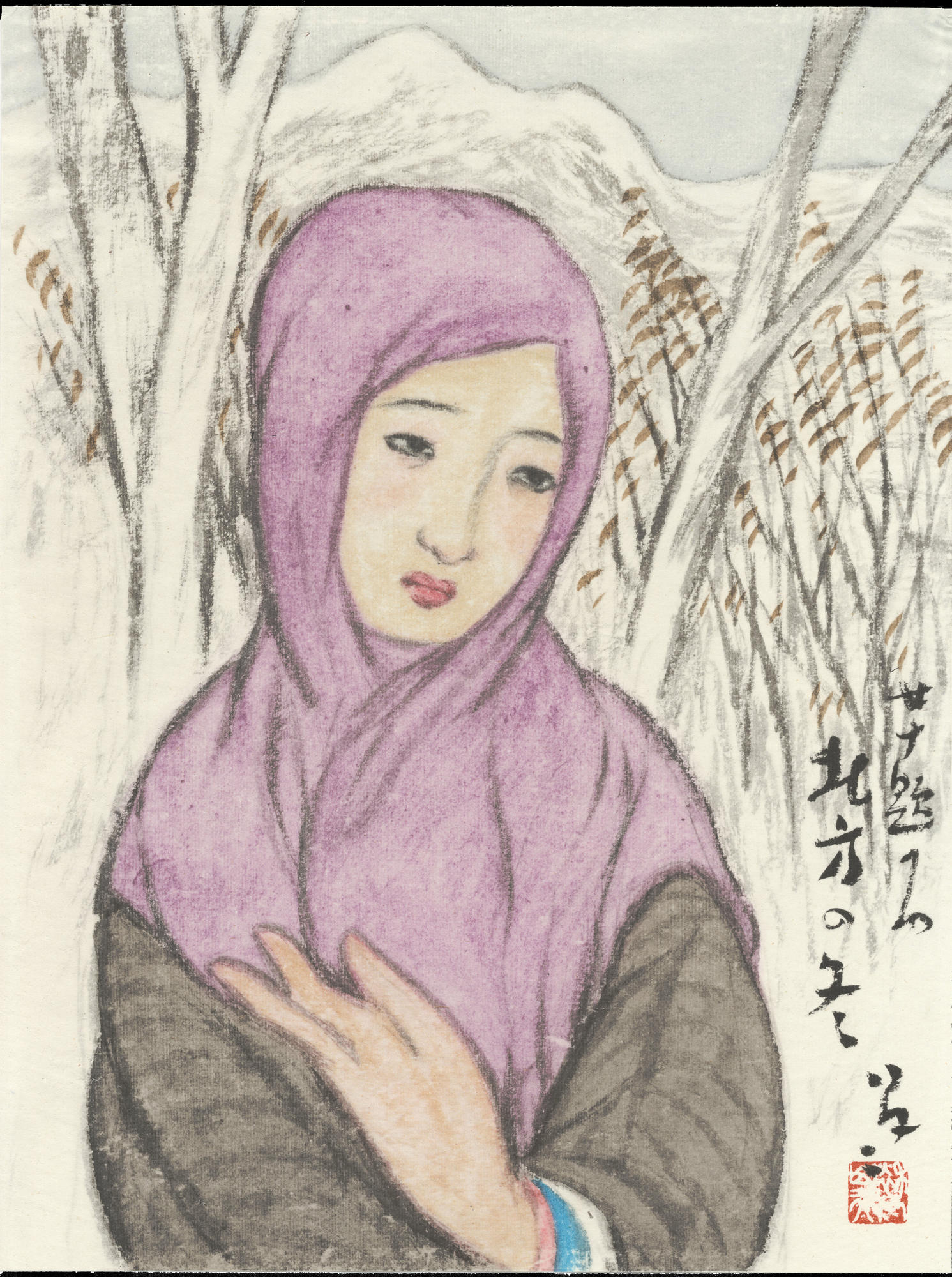
Northern Winter - 北方の冬
Woodblock print
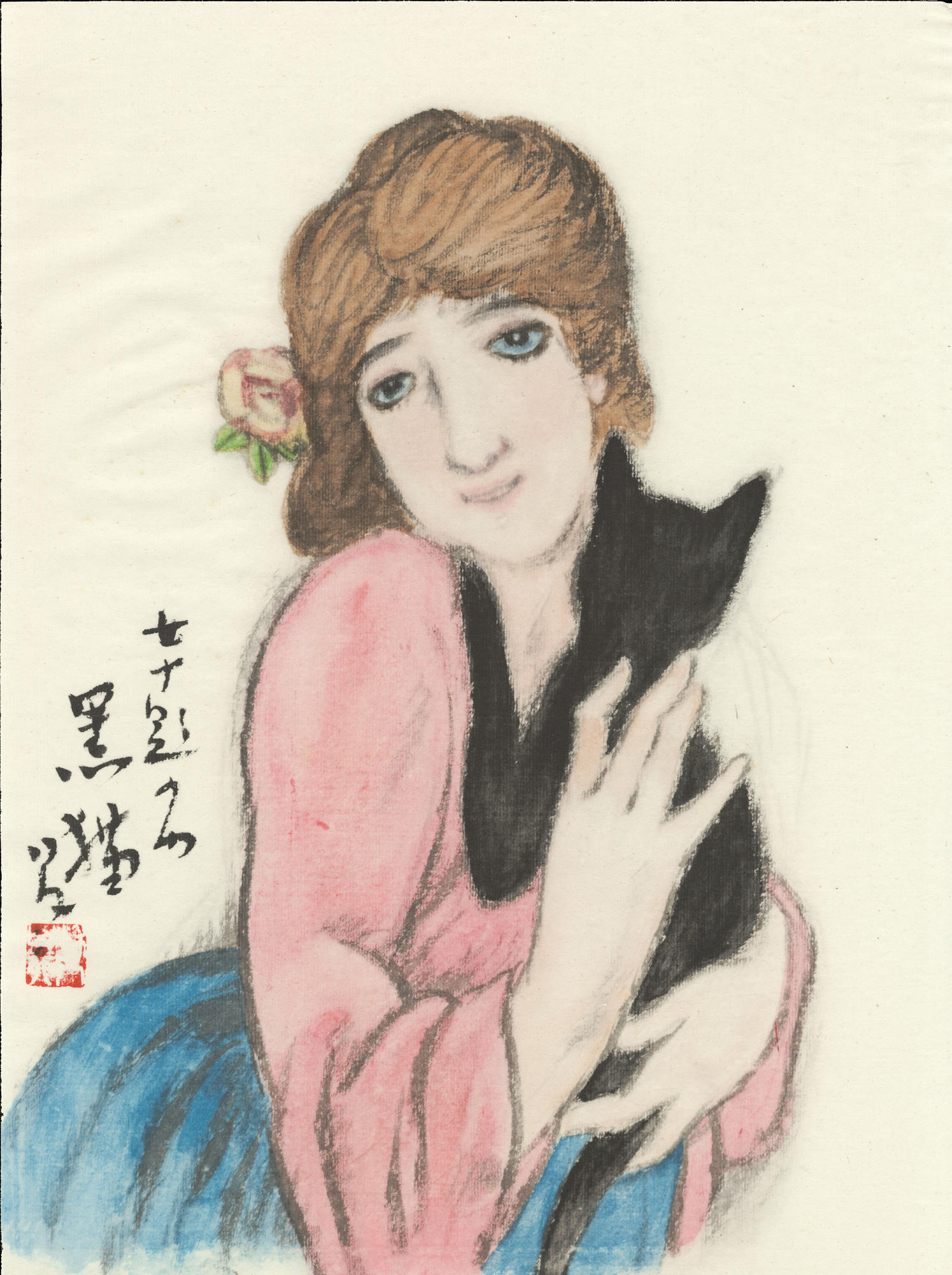
Black Cat - 黒猫
Woodblock print
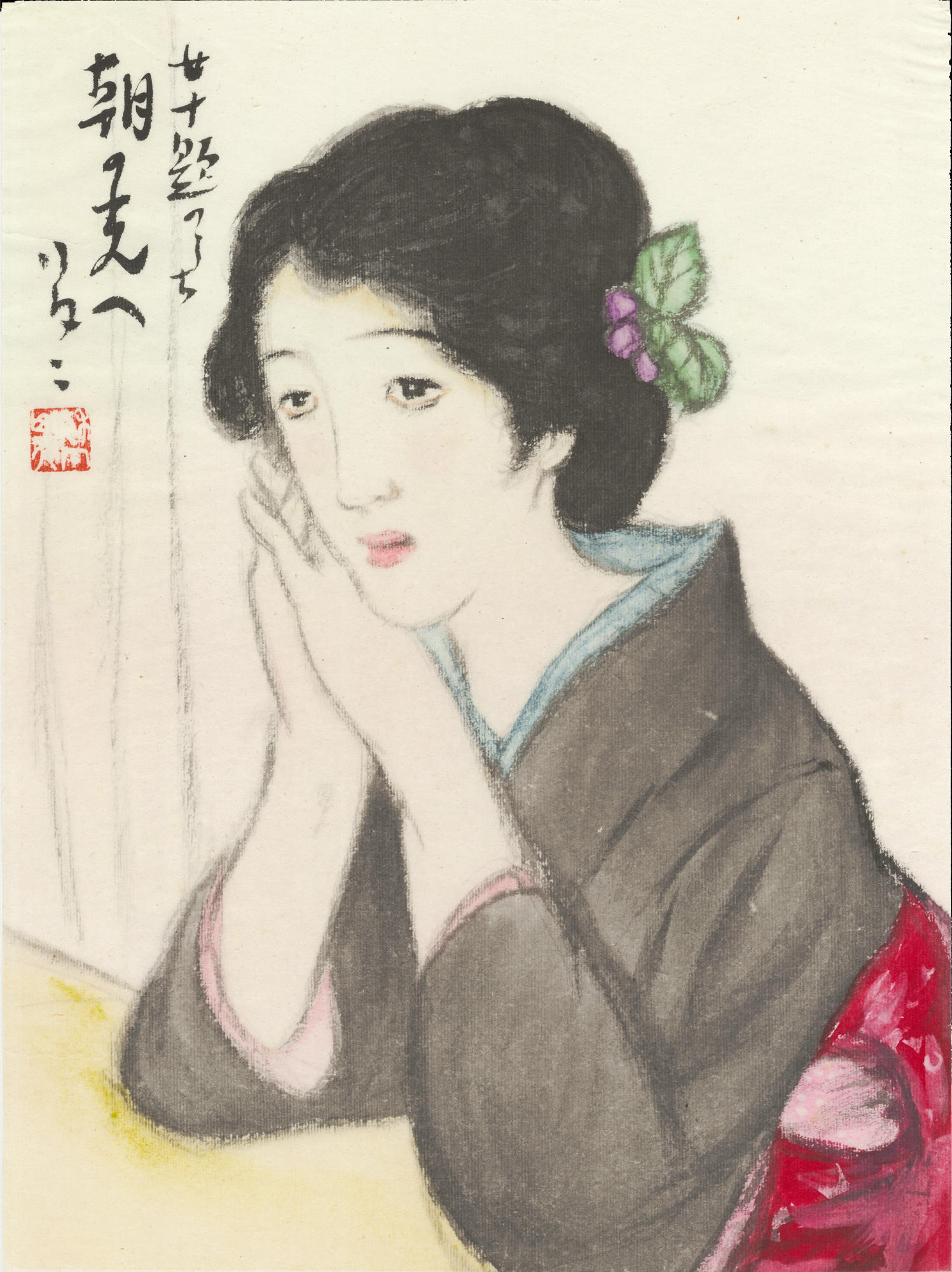
To The Morning Light - 朝の光へ
Woodblock print
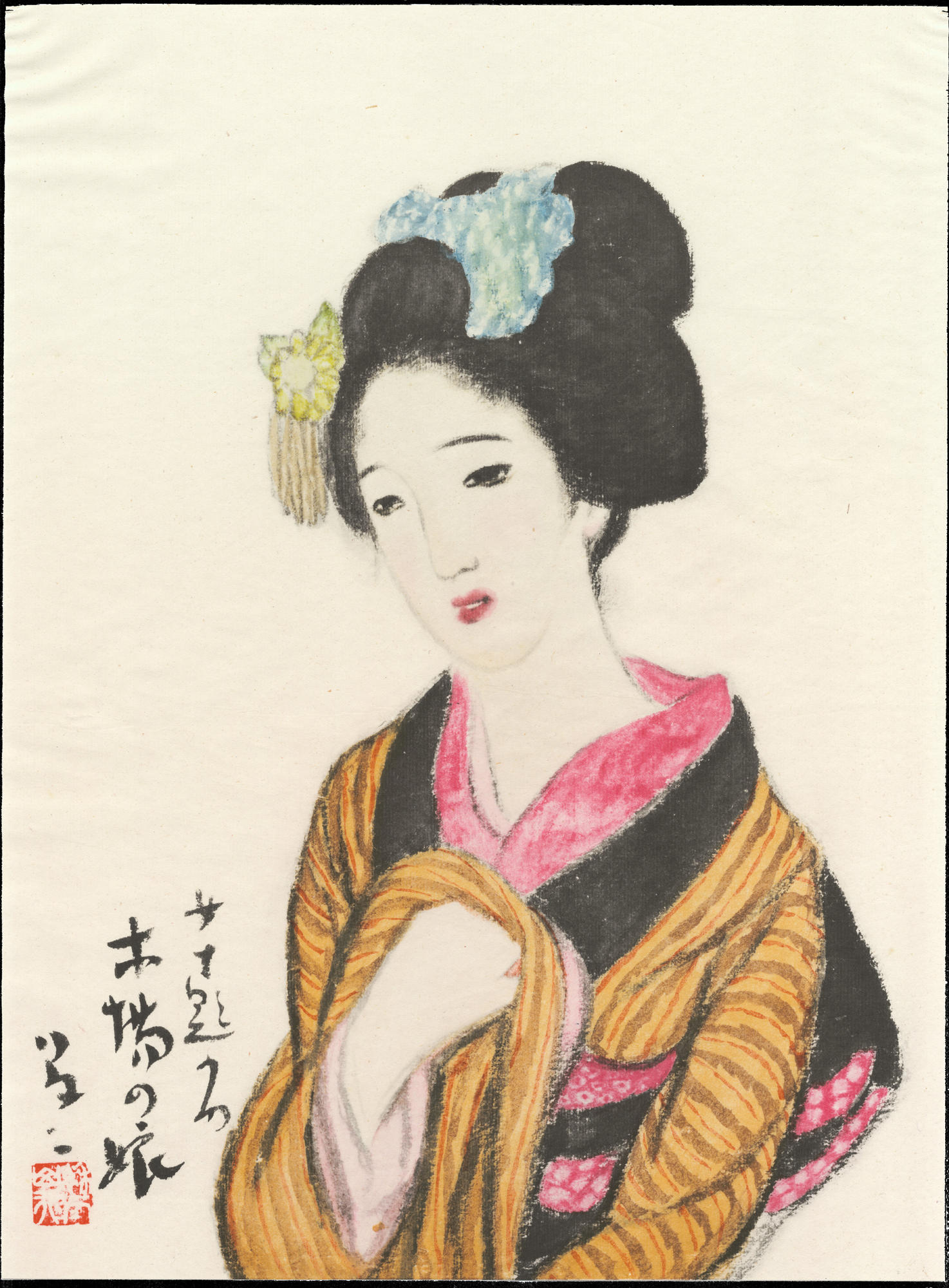
Timberyard Daughter - 木場の娘
Woodblock print
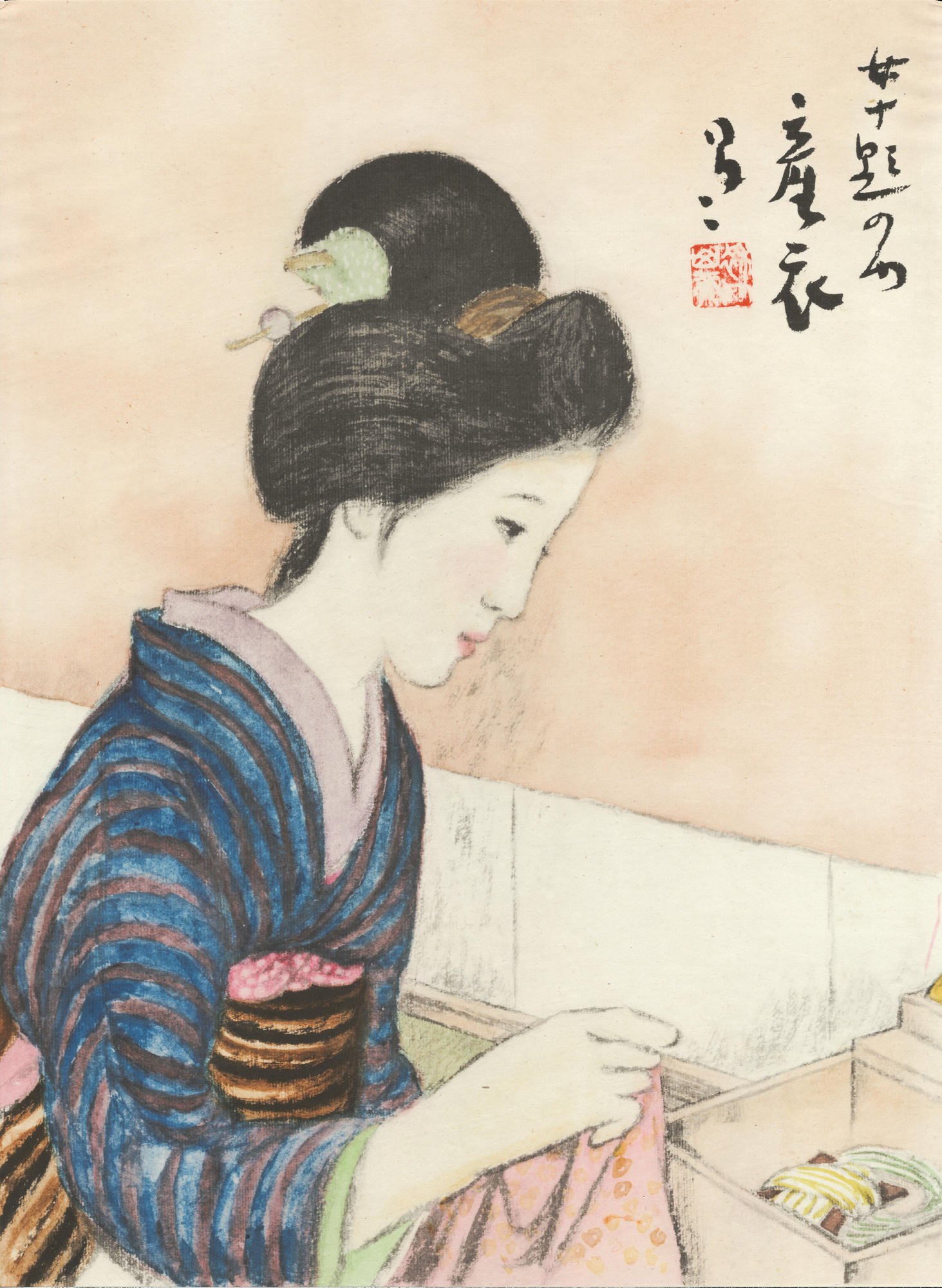
Babies Clothes - 産衣
Woodblock print
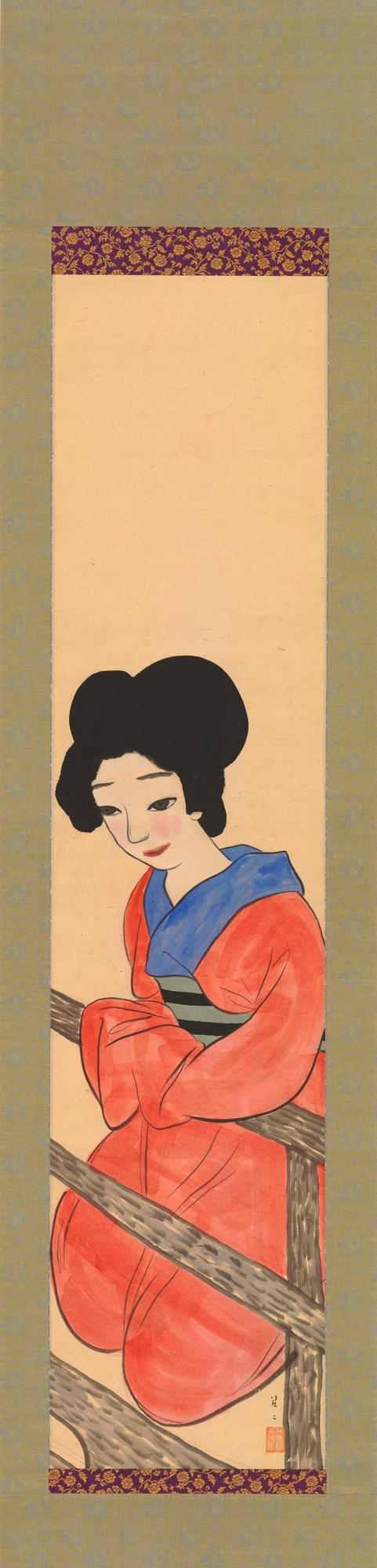
Bijin in Red (1)
Woodblock print
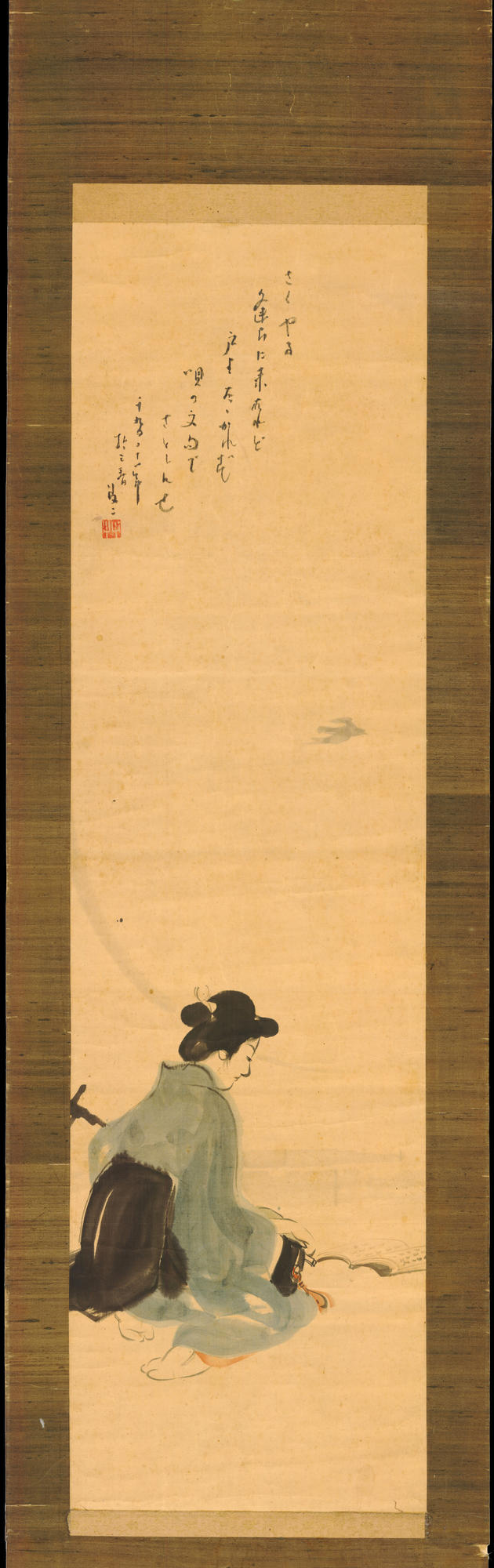
Evening Time (with 31 syllable poem)
Woodblock print
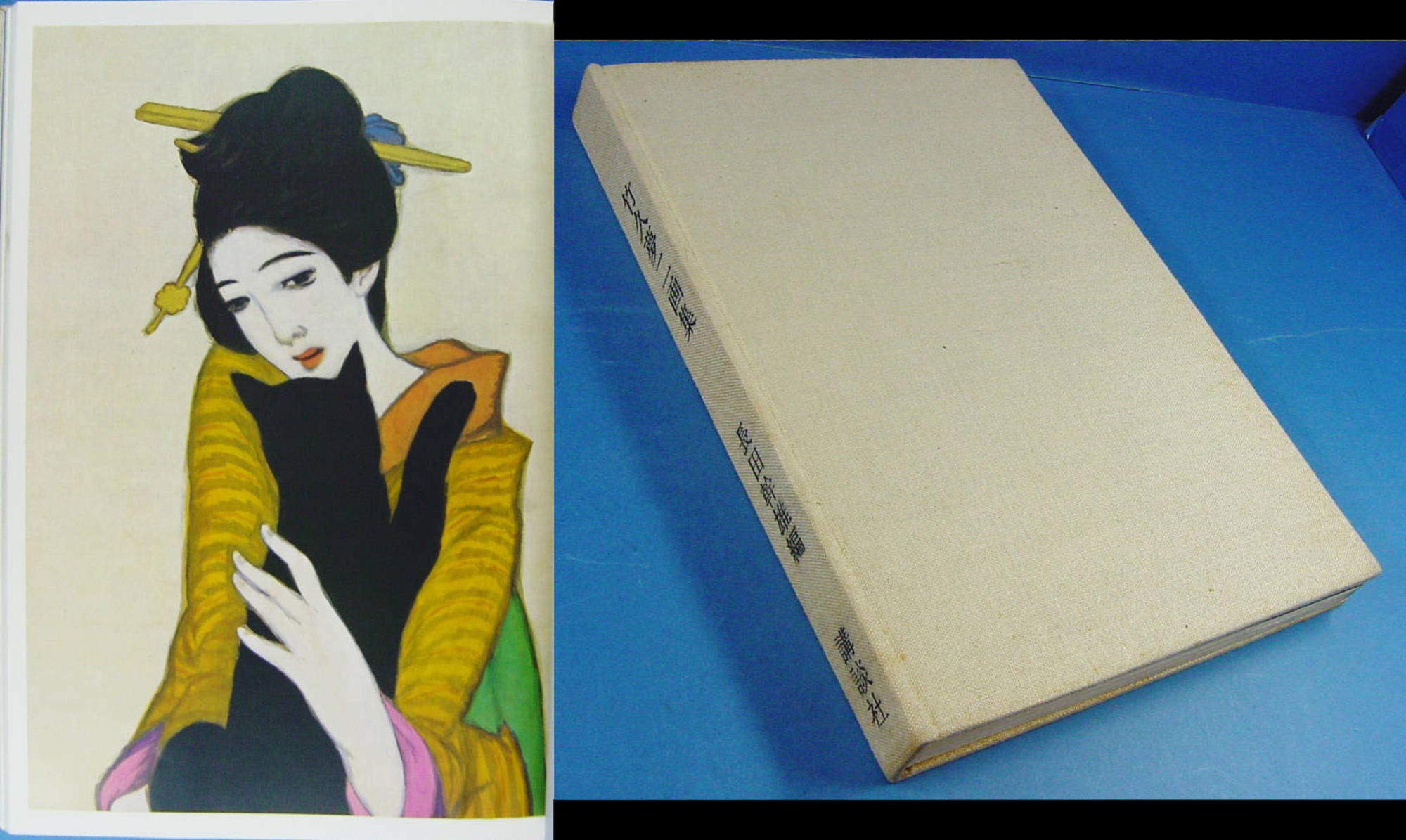
Takehisa Yumeji Painting Collection - 竹久夢二画集
Woodblock print
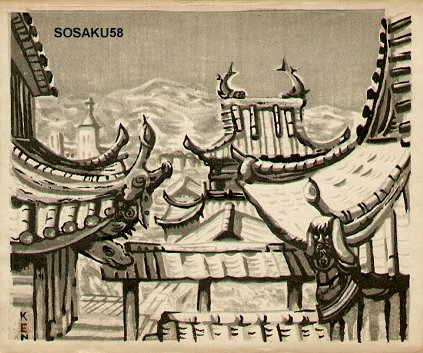
Roofs in Nagasaki
Woodblock print
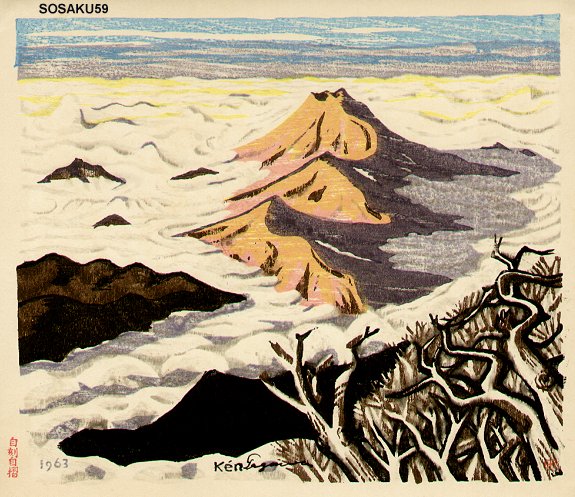
Mt. Unzen (with original folio)
Woodblock print
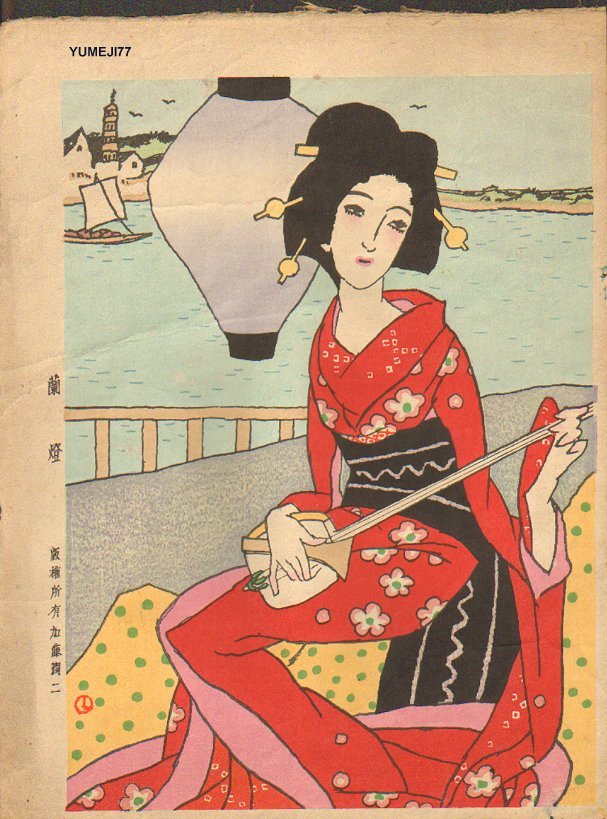
High Climb, woman with shamisen
Woodblock print
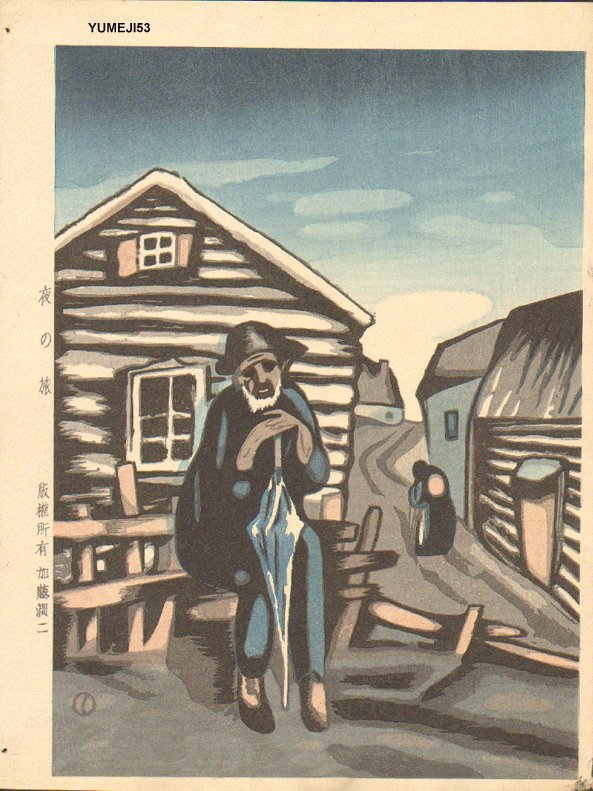
Night trip
Woodblock print

In Slow Stream
Woodblock print
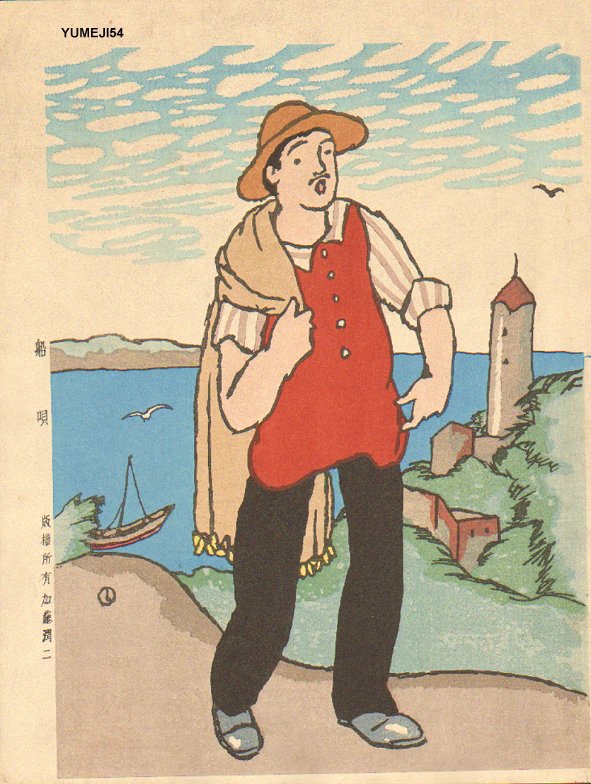
Boatman song
Woodblock print