Biography
Kawanabe Kyosai (河鍋暁斎, 1831–1889) was one of the most brilliant, versatile, and unconventional Japanese artists of the nineteenth century — a painter, printmaker, and satirist whose extraordinary technical skill and irreverent imagination produced a body of work that defies easy categorization. Celebrated in his own time as a genius of the brush and condemned as an eccentric provocateur, Kyosai bridged the worlds of traditional Japanese painting and popular woodblock printing with a creative energy that has few parallels in the history of Japanese art.
Born Kawanabe Toiku in Koga, Shimosa Province (modern Ibaraki Prefecture), on May 18, 1831, Kyosai showed precocious artistic talent from childhood. A famous anecdote relates that as a boy of seven, he fished a severed human head from a river and took it home to sketch, an early indication of the fearless curiosity about life and death that would characterize his mature work. At the age of seven he entered the studio of Utagawa Kuniyoshi, the great ukiyo-e master of warrior prints, where he spent two years absorbing the dynamic compositional techniques and love of the fantastic that would later inform his own printmaking. At nine he transferred to the studio of Maemura Tow, a painter of the Kano school, beginning a rigorous classical training in ink painting, brushwork, and the study of Chinese and Japanese painting traditions.
This dual education — the popular dynamism of ukiyo-e combined with the disciplined technique of Kano-school painting — gave Kyosai a unique artistic foundation. He became technically one of the most accomplished brush painters in Japan, capable of producing works of astonishing speed and precision. His ability to capture the essence of a subject in a few fluid brushstrokes was legendary, and public painting demonstrations in which he completed large-scale works before live audiences became a celebrated feature of the Tokyo art world.
Kyosai's subject matter was extraordinarily diverse. He was famous above all for his depictions of crows, which he rendered with an intensity and expressive power that elevated these common birds into symbols of wild freedom and dark beauty. His painting "Crow on a Snowy Branch" and related crow subjects are among the most sought-after Japanese paintings of the nineteenth century, with major examples achieving prices in the millions of dollars at auction. Beyond crows, Kyosai painted and printed landscapes, historical subjects, Buddhist deities, beautiful women, plants and animals, and scenes of daily life, all executed with consummate technical mastery.
His prints are perhaps most celebrated for their depictions of demons, ghosts, and supernatural creatures. Drawing on the rich Japanese tradition of yokai (monsters and spirits), Kyosai created images of hell, demonic revelry, and supernatural encounters that combine genuine eeriness with subversive humor. His "Hell Courtesan" and scenes of demons at play reveal an artist who could find comedy in terror and humanity in the monstrous. These supernatural prints, along with his satirical works depicting social commentary through animal allegories, demonstrate the extraordinary range of his artistic imagination.
Kyosai was also a gifted satirist whose work occasionally brought him into conflict with the authorities. In 1870, early in the Meiji era, he was arrested for producing prints deemed insulting to the new government — satirical images that mocked the rapid Westernization of Japanese society. He was briefly imprisoned and fined, an experience that only enhanced his reputation as a fearless truth-teller. His "Kyosai Gadan" (Kyosai's Treatise on Painting), published in 1887, is both a manual of painting technique and a witty, idiosyncratic commentary on the art world of his time, revealing his deep knowledge of Japanese and Chinese artistic traditions alongside his irreverent personal philosophy.
Despite his reputation for wild behavior — he was known for his love of sake and earned the nickname "Shojobo" (the drunken demon) — Kyosai was a disciplined and prolific worker who produced thousands of paintings, prints, drawings, and illustrated books over his career. He worked in virtually every format available to a Japanese artist: hanging scrolls, folding screens, hand scrolls, album leaves, woodblock prints, book illustrations, and even architectural paintings. His versatility was matched by his technical brilliance; whether working in delicate mineral pigments on silk or bold sumi ink on paper, he displayed a mastery of the brush that placed him among the greatest Japanese painters of any era.
Kyosai's influence on Western art was significant. The British architect Josiah Conder became his student in 1881 and later published "Paintings and Studies by Kawanabe Kyosai" (1911), one of the first serious Western studies of a Japanese painter. Kyosai's work was collected by European visitors to Japan and appeared in international exhibitions, contributing to the wave of Japonisme that influenced Impressionist and Post-Impressionist artists in Europe.
Kyosai died on April 26, 1889, at the age of fifty-seven. In the decades following his death, his reputation fluctuated — at times overshadowed by the more easily categorized artists of the Meiji era, at times celebrated by connoisseurs who recognized his singular genius. The twenty-first century has seen a major revival of interest in Kyosai's work, fueled by major exhibitions at the Royal Academy of Arts in London, the Kyosai Memorial Museum in Warabi (established by his descendants), and auction results that have confirmed his status as one of the most important and valuable Japanese artists of the modern era. His works are held in the British Museum, the Israel Goldman Collection, the Museum of Fine Arts Boston, and numerous Japanese institutions.
Key Facts
- Active Period
- 1831–1889
- Nationality
- 🇯🇵Japan
- Movement
- Meiji/Taishō Prints
- Works Indexed
- 132
Frequently Asked Questions
What is Kawanabe Kyosai known for?
Kawanabe Kyosai (河鍋暁斎, 1831–1889) was one of the most brilliant, versatile, and unconventional Japanese artists of the nineteenth century — a painter, printmaker, and satirist whose extraordinary technical skill and irreverent imagination produced a body of work that defies easy categorization. Celebrated in his own time as a genius of the brush and condemned as an eccentric provocateur, Kyosai bridged the worlds of traditional Japanese painting and popular woodblock printing with a creative energy that has few parallels in the history of Japanese art.
When was Kawanabe Kyosai active?
Kawanabe Kyosai was active from 1831 to 1889. They were associated with the Meiji/Taishō Prints movement.
What artistic movements influenced Kawanabe Kyosai?
Kawanabe Kyosai's work was shaped by the Meiji/Taishō Prints tradition in Japanese woodblock printmaking. Meiji/Taishō Prints: Meiji and Taishō era prints (1868–1926) bridge the transition from traditional ukiyo-e to the modern shin-hanga and sosaku-hanga movements.
Where can I see Kawanabe Kyosai's original prints?
Original prints by Kawanabe Kyosai can be found in collections including Victoria and Albert Museum, Art Institute of Chicago, Harvard Art Museums, Cleveland Museum of Art.
How much do Kawanabe Kyosai prints cost?
Kawanabe Kyosai's print market occupies an interesting position: his paintings are among the most expensive Japanese artworks of the nineteenth century (with major works reaching six and seven figures), while his woodblock prints remain relatively accessible to collectors. For prints specifically, prices range from around $300 for minor works to $30,000 for exceptional rarities, with most good examples selling in the $1,000-$4,000 range. Kyosai's most sought-after prints are his supernatural subjects — demons, ghosts, hellscapes, and yokai scenes — which combine his extraordinary draftsmanship with his unique dark humor. Satirical prints with social commentary and his celebrated crow subjects also command premium prices. His illustrated books and albums, while less expensive individually, are actively collected as they showcase the full range of his artistic imagination. The market has been strengthened by major museum exhibitions in recent years, particularly the 2015-2016 Royal Academy show in London. Condition is important, as with all Meiji-era prints, but Kyosai's market is driven primarily by subject matter and visual impact. The most dramatic compositions — particularly those featuring supernatural creatures or bold satirical content — consistently outperform quieter subjects. Collectors should note that Kyosai's print oeuvre is quite large, and many affordable entry points exist for new collectors interested in his work.
Woodblock Prints by Kawanabe Kyosai (132)
Untitled
1831-1889
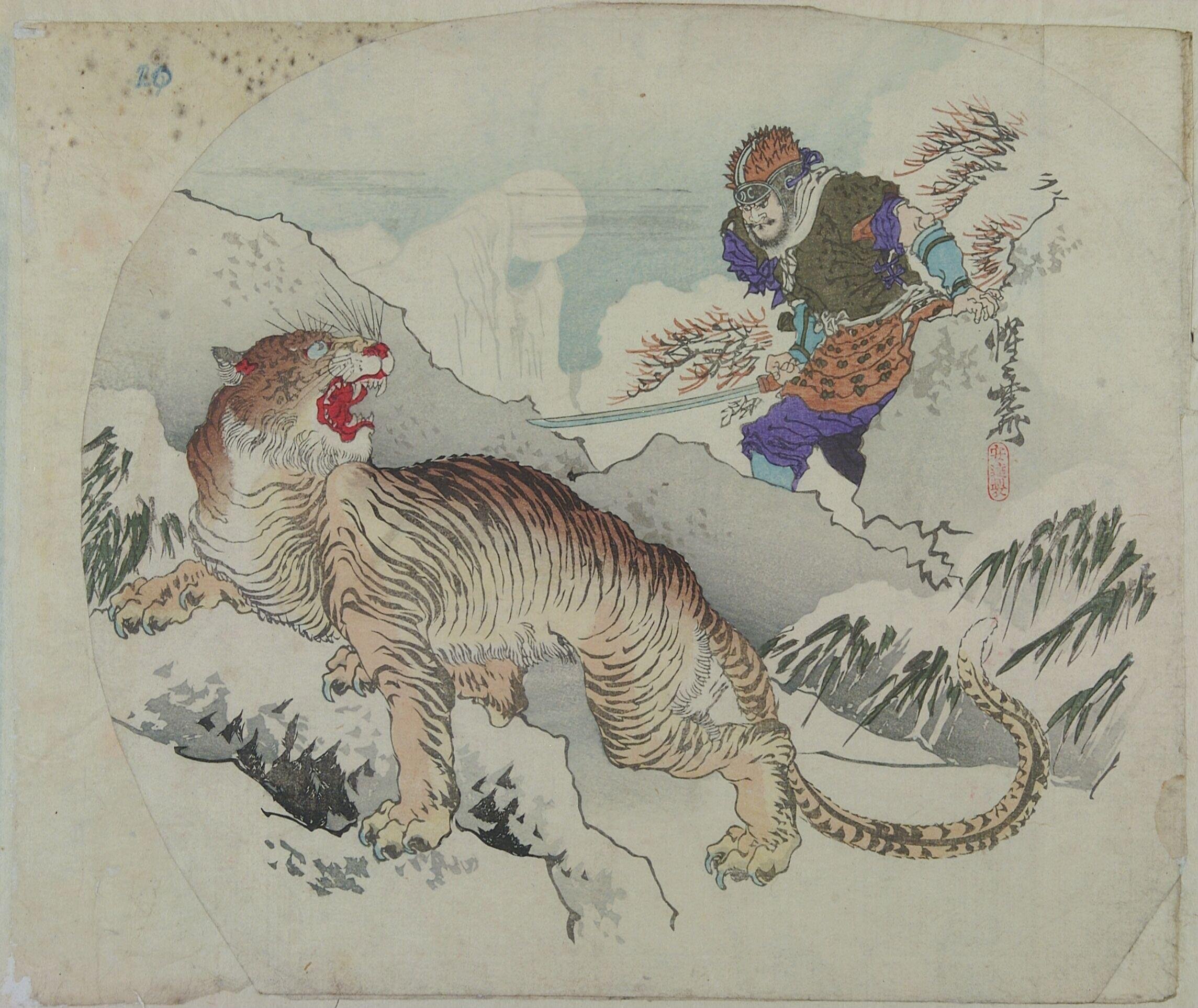
True Picture of a Live Wild Tiger
Late Edo period, sixth month of 1860
Yokohama woodblock print in ōban format; ink and color on paper
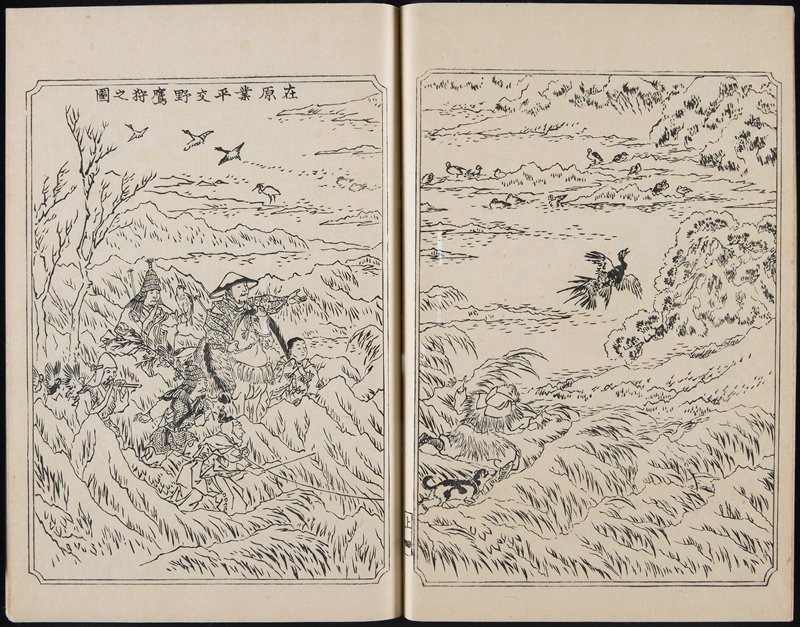
An Illustrated Mirror of Falconry, vol. 1, pt. 1
c. 1863–68
Woodblock printed book, ink on paper with mica

Chiyono Kotobuki (A Thousand Years of Long Life)
1863

Tenpōzan in Osaka: Viewing Children's Sumo (Naniwa Tenpōzan kodomo sumō shōran)
1863
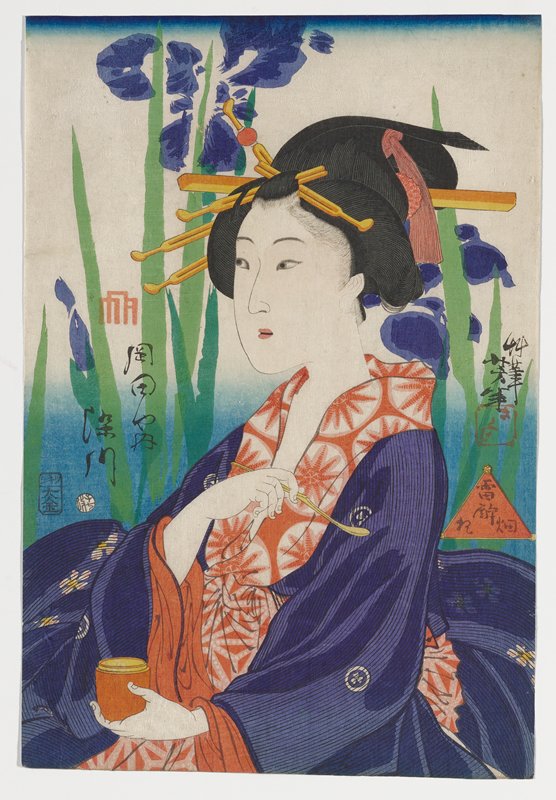
Somekawa
1864, 7th lunar month
Woodblock print (nishiki-e), ink and color on paper
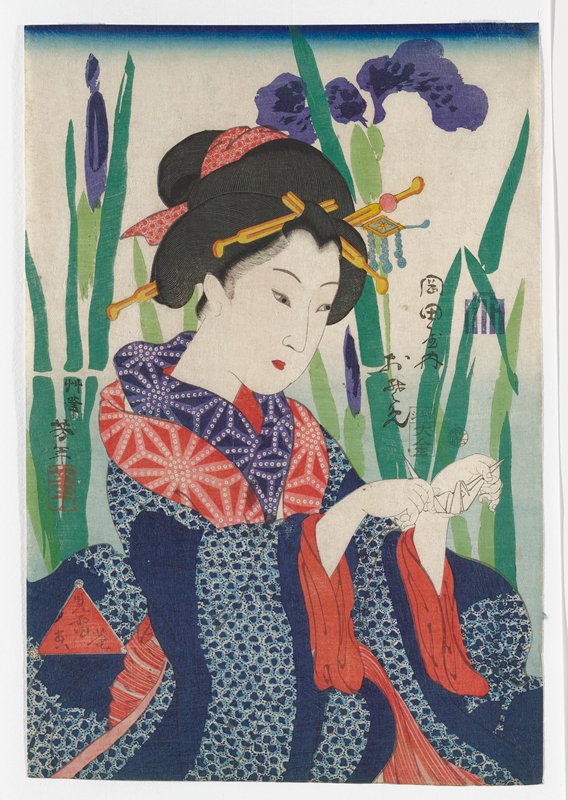
Osome
1864, 7th lunar month
Woodblock print (nishiki-e), ink and color on paper
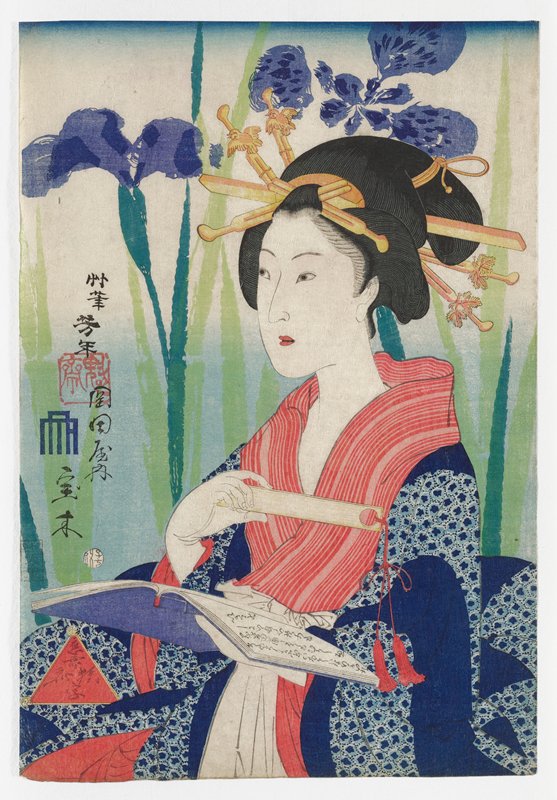
Takaragi
1864, 7th lunar month
Woodblock print (nishiki-e), ink and color on paper
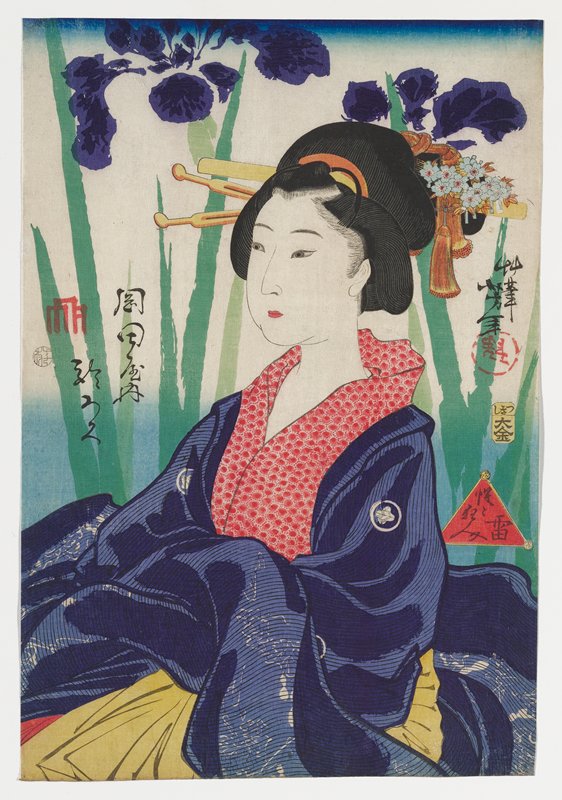
Oroku
1864, 7th lunar month
Woodblock print (nishiki-e), ink and color on paper

Wakato
1864, 7th lunar month
Woodblock print (nishiki-e), ink and color on paper

Untitled
1865-1875

Carp Ascending Falls
late 19th century
Color woodblock print

Crow on pine branch.
about 1868-1889
Hanging scroll; ink on paper
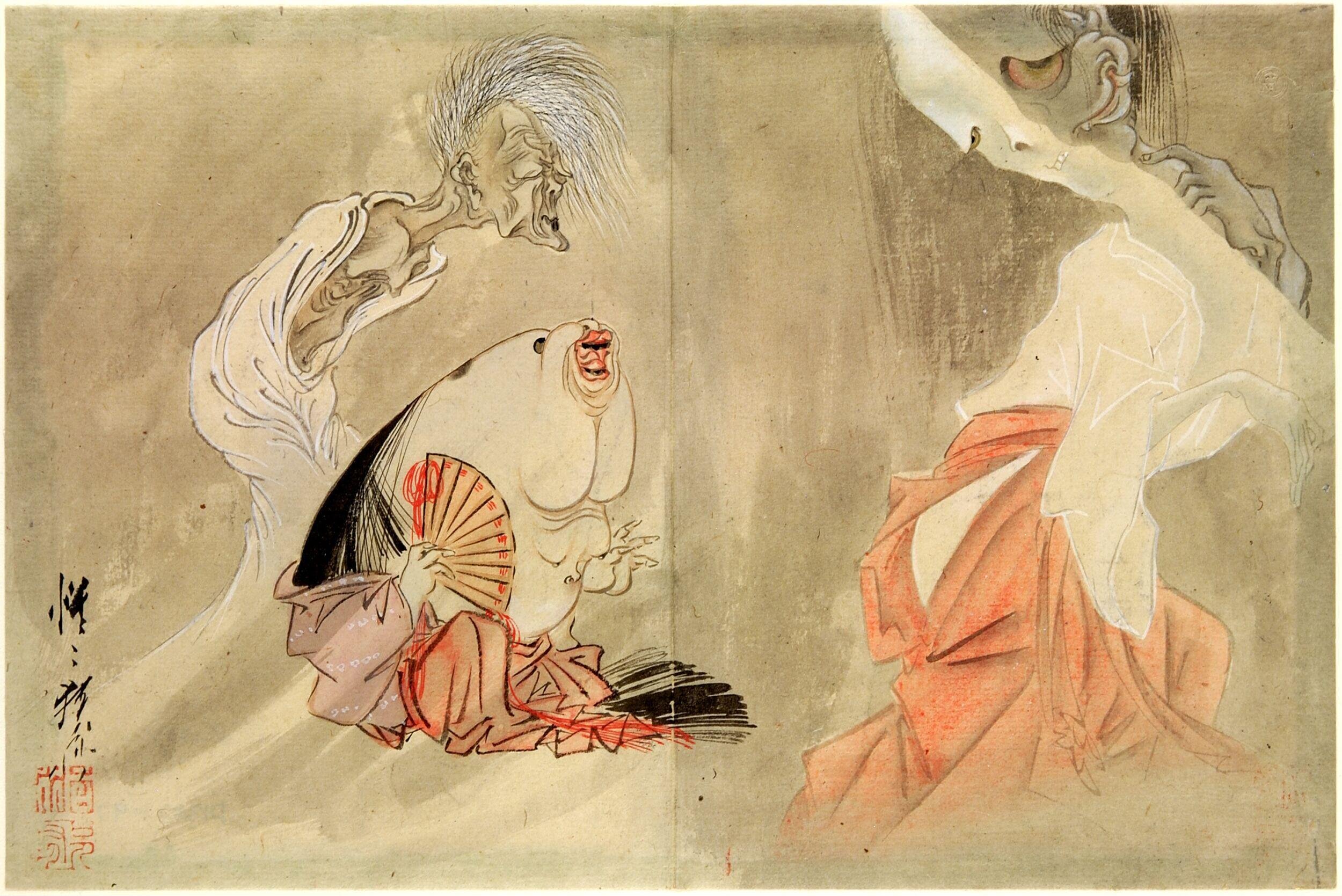
Goblins
Before 1870
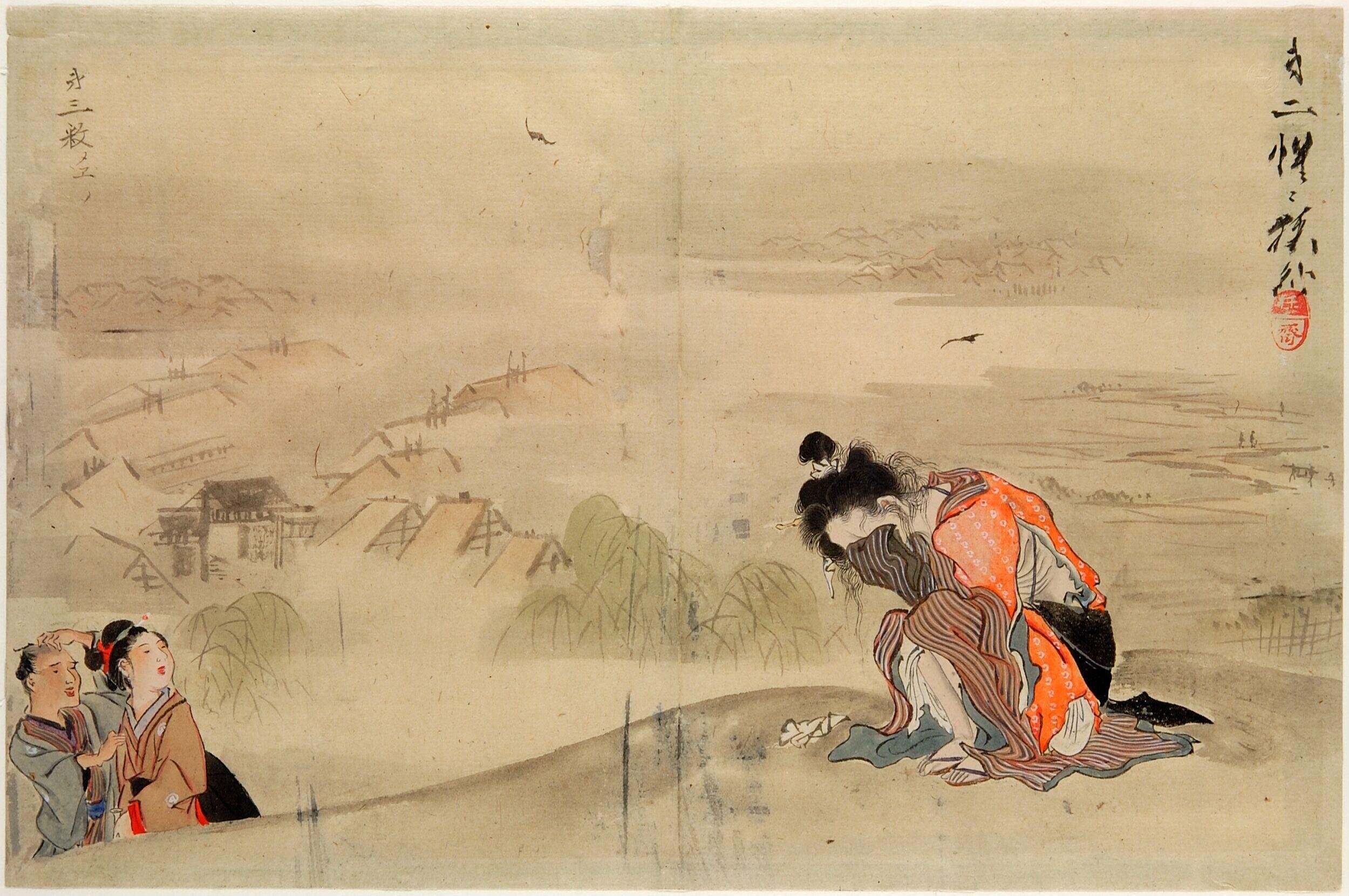
An Unfortunate Tale, II
before 1870

Battle of Nanba (Nanba senki no uchi)
after 1871
Color woodblock print, triptych
School for Spooks (Bakebake gakkō), No. 3 from the series Drawings for Pleasure by Kyōsai (Kyōsai rakuga, dai san gō)
1874 (Meiji 7)
Woodblock print (nishiki-e); ink and color on paper

Standing Screen (Tsuitate) of a Tiger
1878
color woodblock print; surimono

One Hundred Pictures by Kyōsai (Kyōsai hyakuzu)
1878
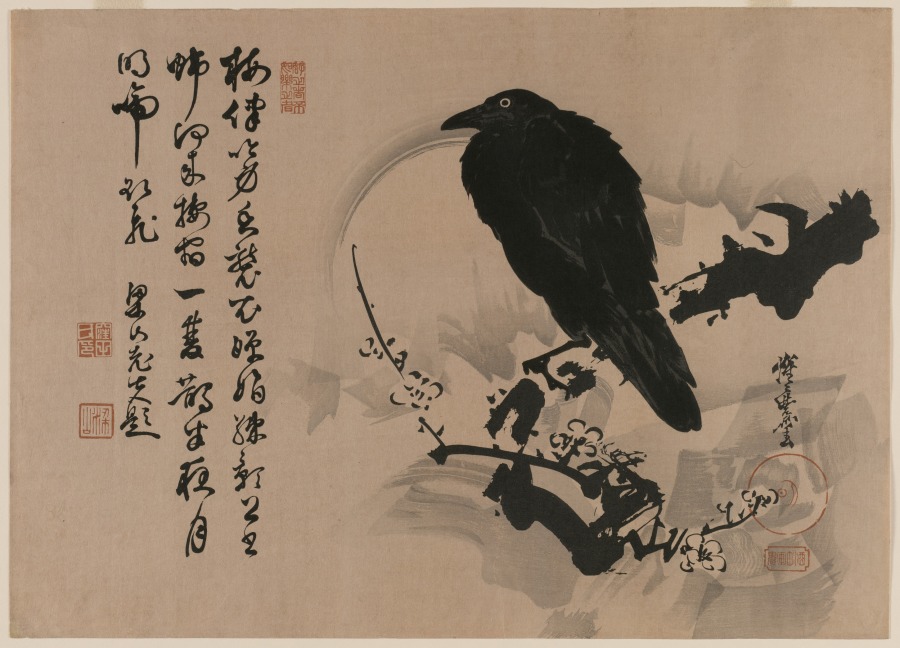
Full Moon with Crow on Plum Branch
1880s
color woodblock print

Kyosai rakuga
1881
Woodblock printed books, two volumes

Kyōsai's Idle Drawings
1881
Woodblock printed book, ink and color on paper
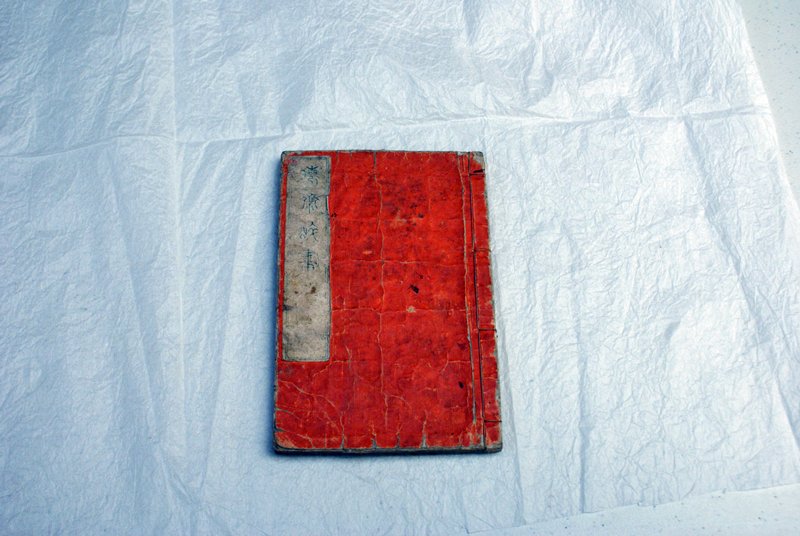
Kyōsai Drunken Pictures (Vol. 1)
1882
Woodblock printed book, ink on paper
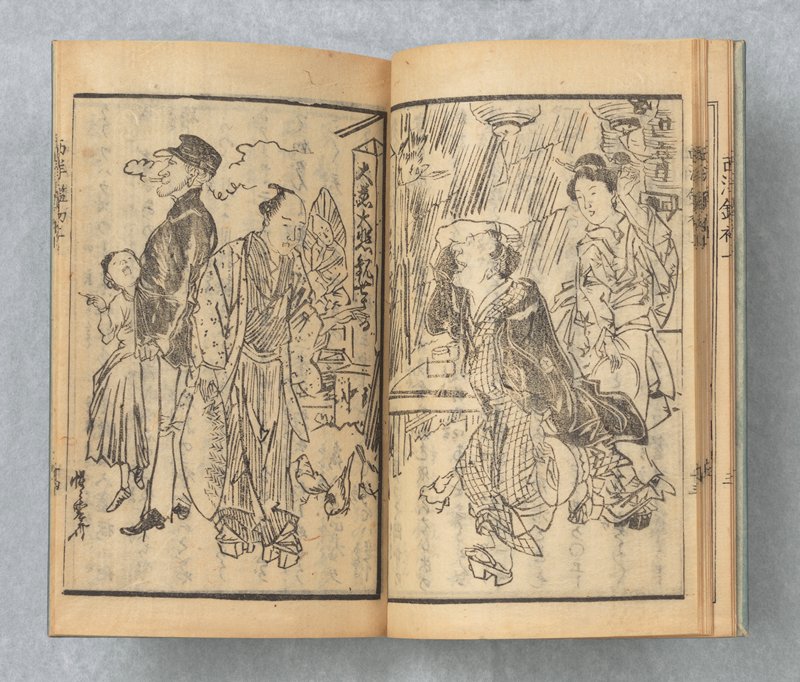
Collection of Humorous Leftovers (Kokkei zansai bukuro 滑稽残菜嚢), vol.
mid February 1882
Woodblock printed book, ink and color on paper
Warriors Oishi Sezaemon Nobukiyo and Terasaka Kichiemon Nobuyuki from the series Kenroku Yamato Kagami [Chūshingura]
1884 (Meiji 17)
Woodblock print (nishiki-e): ink and color on paper
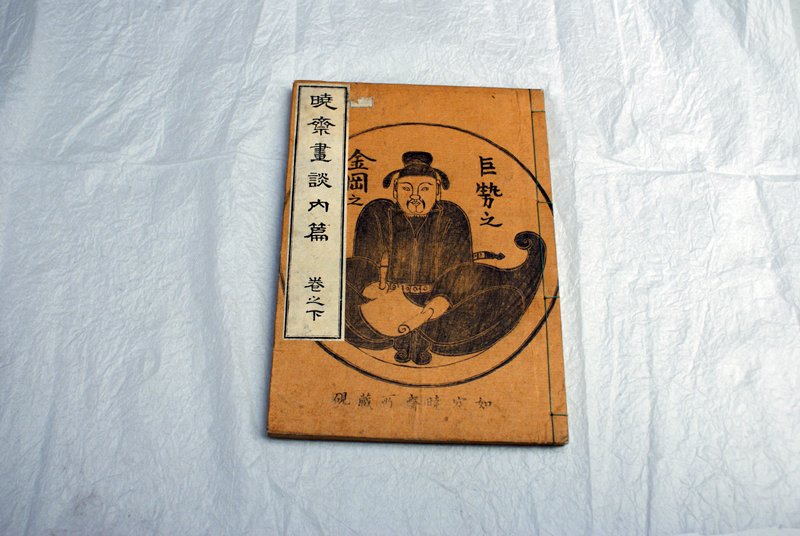
Kyōsai gadan
1887
Woodblock printed book, ink on paper

May: Shoki the Demon Queller Riding on a Tiger, Subjugating Goblins, from the series "Of the Twelve Months: the Fifth (Junikagetsu no uchi: gogatsu)"
1887
Color woodblock prints; oban triptych
Gyōsai's Discourses on Painting (Gyōsai gadan), vol. 1
1887 (Meiji 20)
Woodblock-printed book; ink and on paper
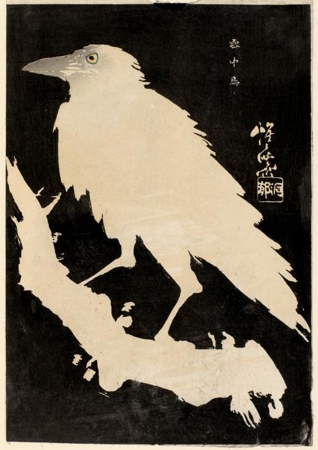
Crow in Snow (Settchû karasu)
Woodblock print
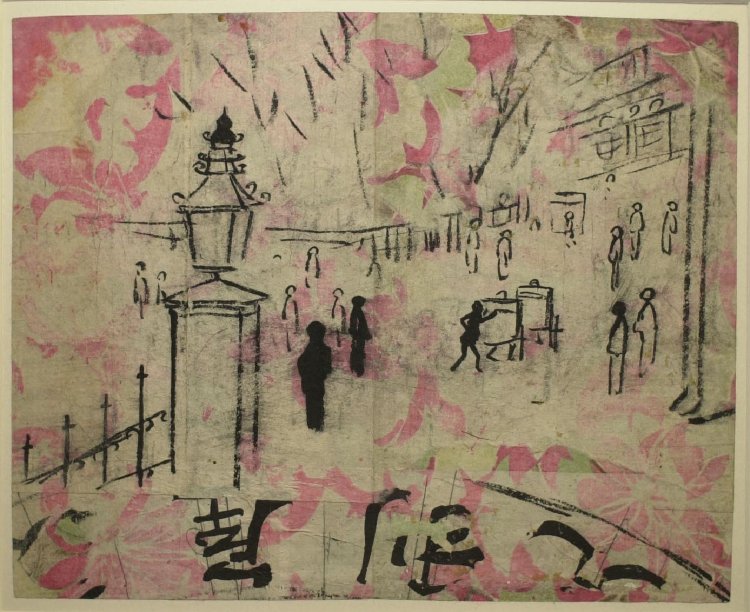
print / drawing
Woodblock print
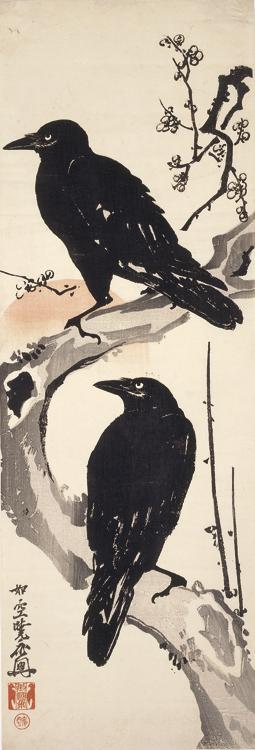
Two Crows on a Plum Branch
Woodblock print
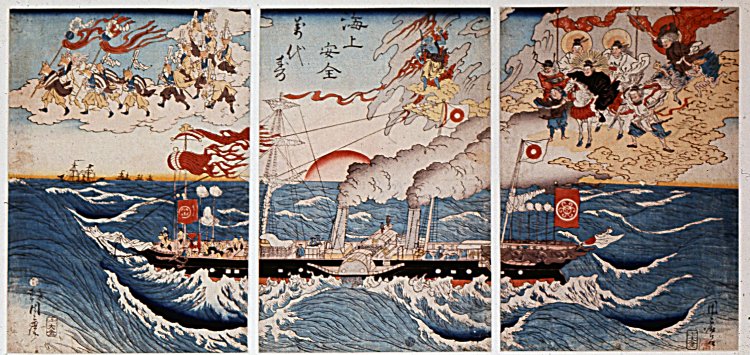
Kaijo anzen
Woodblock print
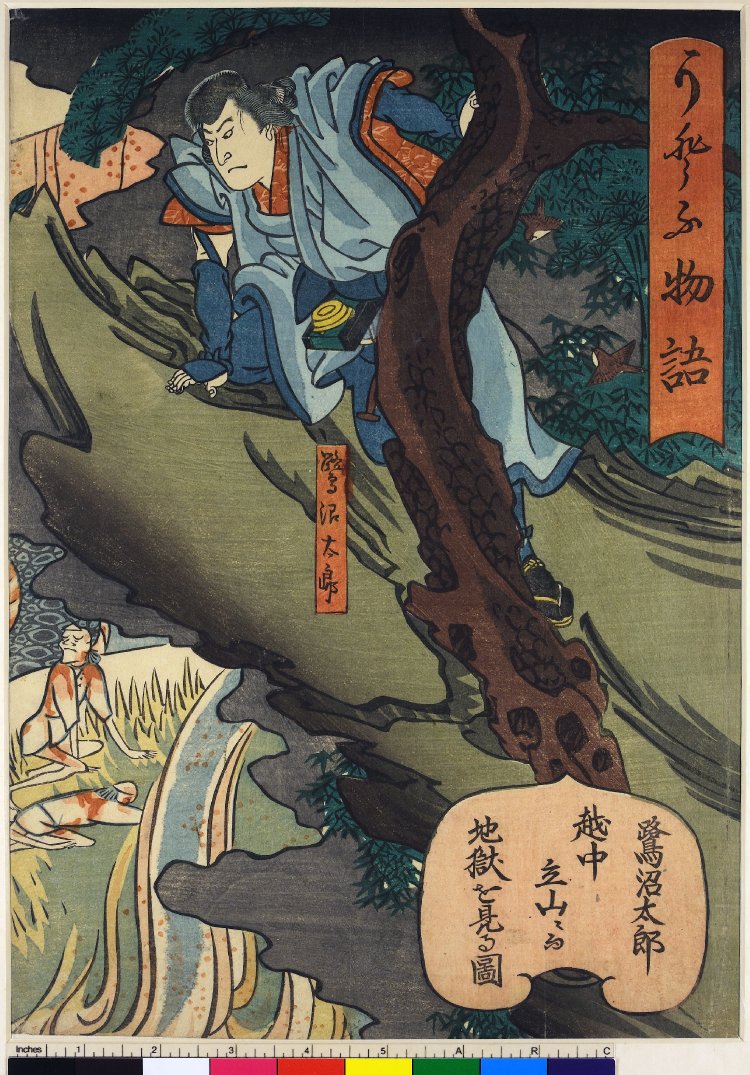
Uto monogatari Saginuma Taro Etchu Tateyama jigoku o hiru zu
Woodblock print
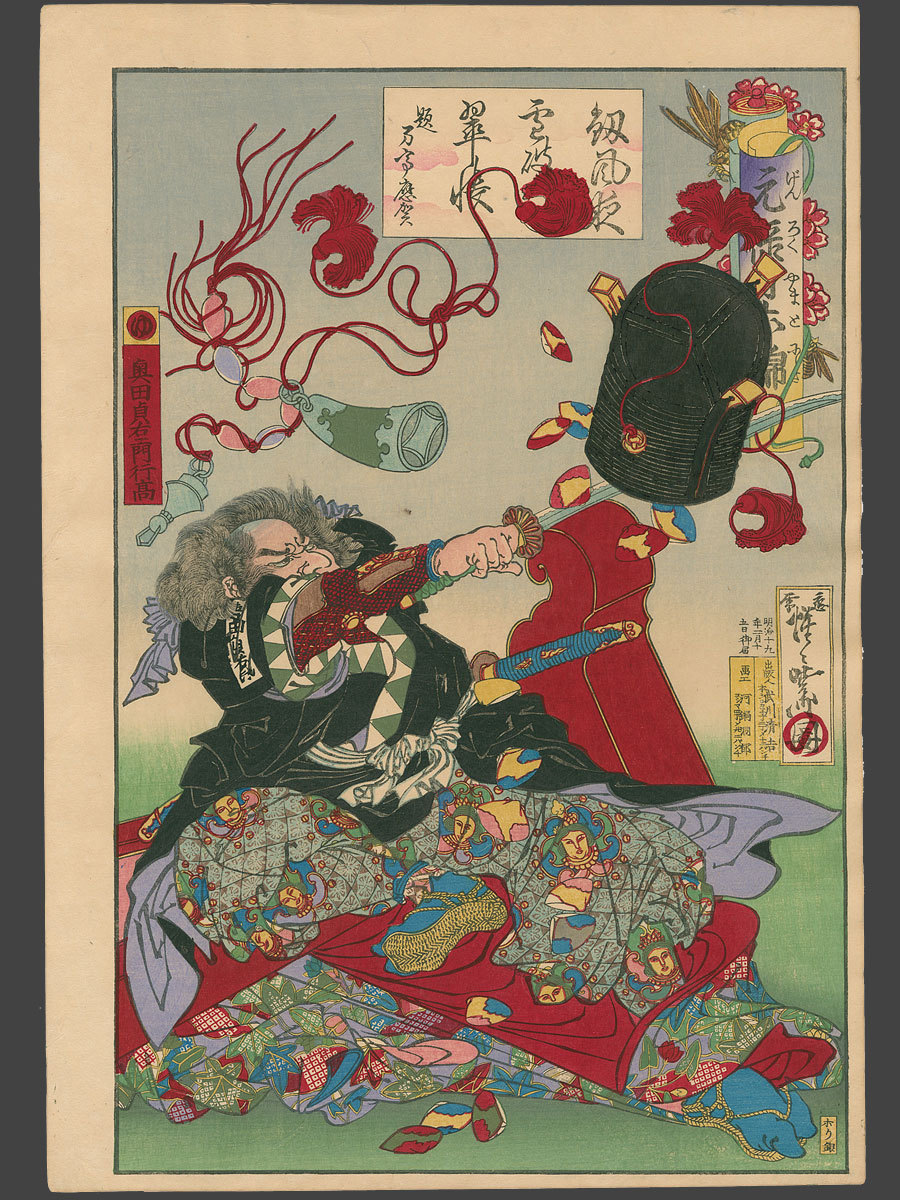
Okuda Sadaemon Yukitaka, from
Woodblock print

Okazaki, from the series Scenes of Famous Places along the Tôkaidô Road (Tôkaidô meisho fûkei), also known as the Processional Tôkaidô (Gyôretsu Tôkaidô), here called Tôkaidô
Woodblock print
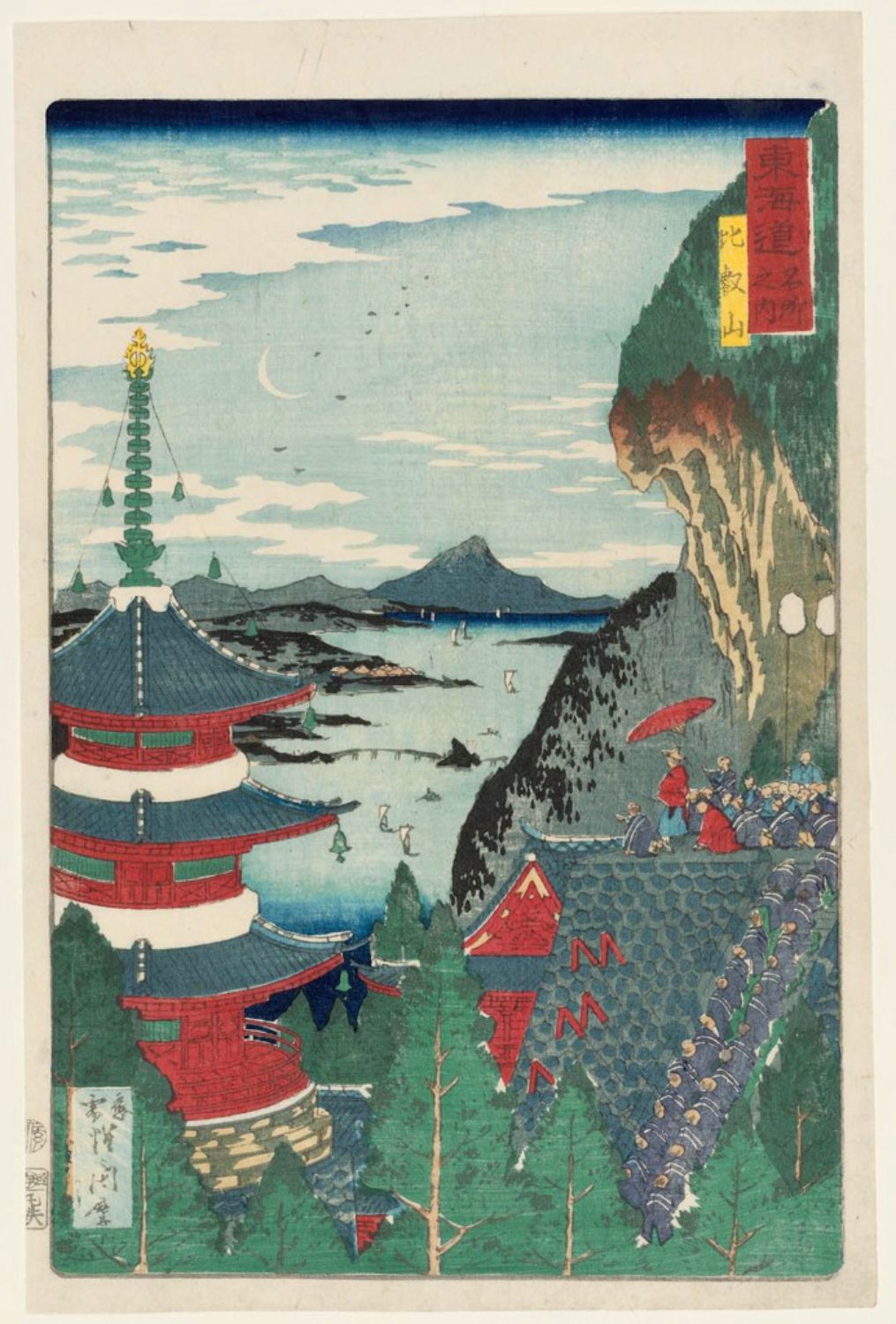
Mount Hiei (Hieizan), from the series Scenes of Famous Places along the Tôkaidô Road (Tôkaidô meisho fûkei), also known as the Processional Tôkaidô (Gyôretsu Tôkaidô), here called Tôkaidô meisho no uchi
Woodblock print
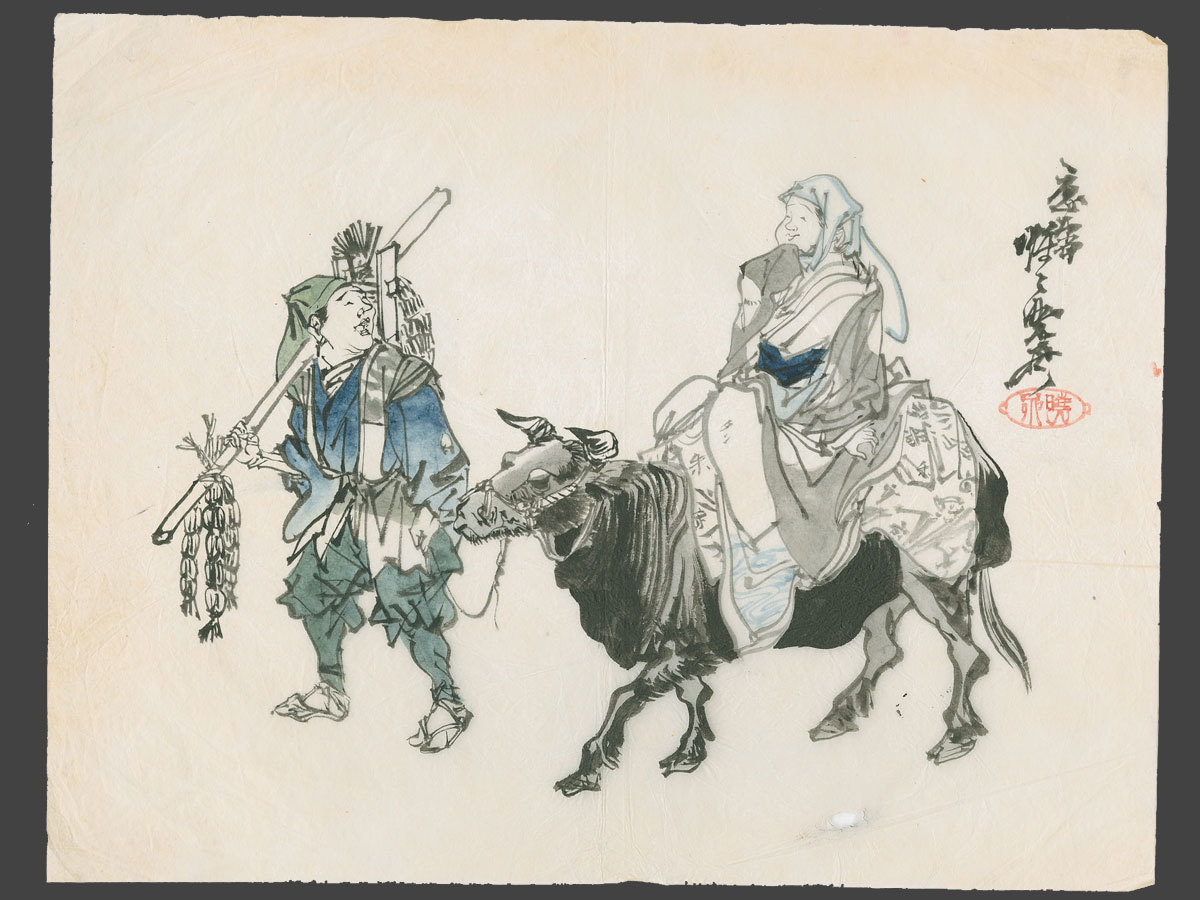
Drawing of a Traveling Couple
Woodblock print
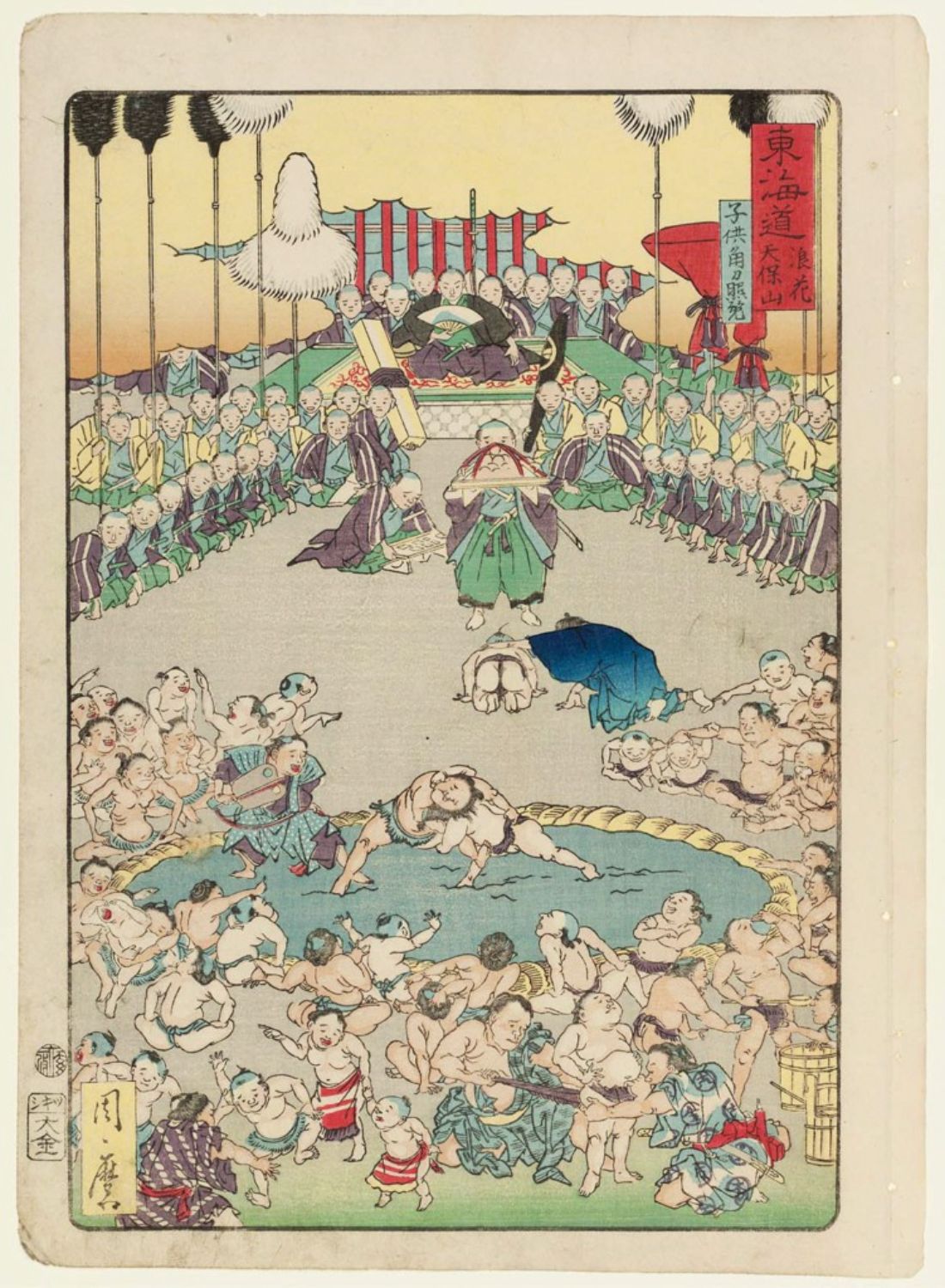
Tenpôzan in Osaka: Viewing Children's Sumo (Naniwa Tenpôzan kodomo sumô shôran), from the series Scenes of Famous Places along the Tôkaidô Road (Tôkaidô meisho fûkei), also known as the Processional Tôkaidô (Gyôretsu Tôkaidô), here called Tôkaidô
Woodblock print
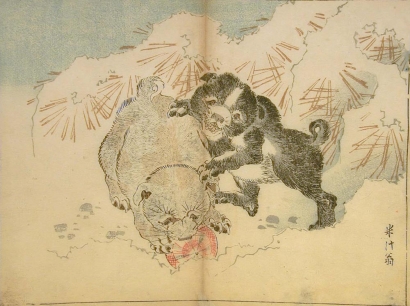
Two Puppies in the Snow
Woodblock print
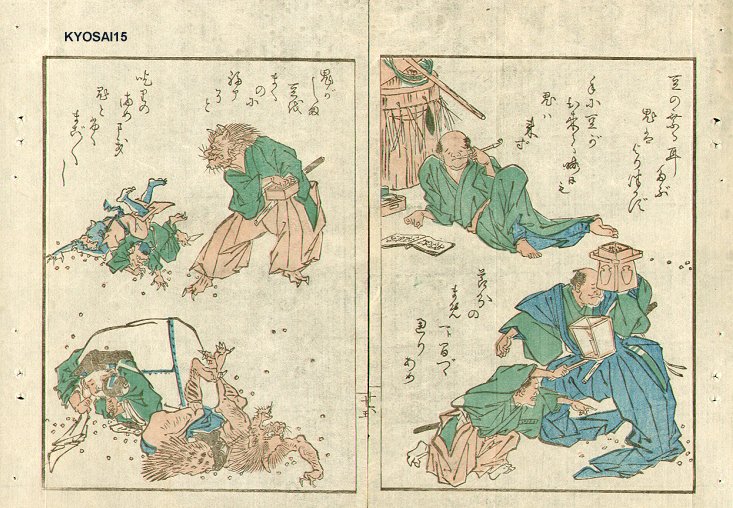
Comic sketch, diptych
Woodblock print
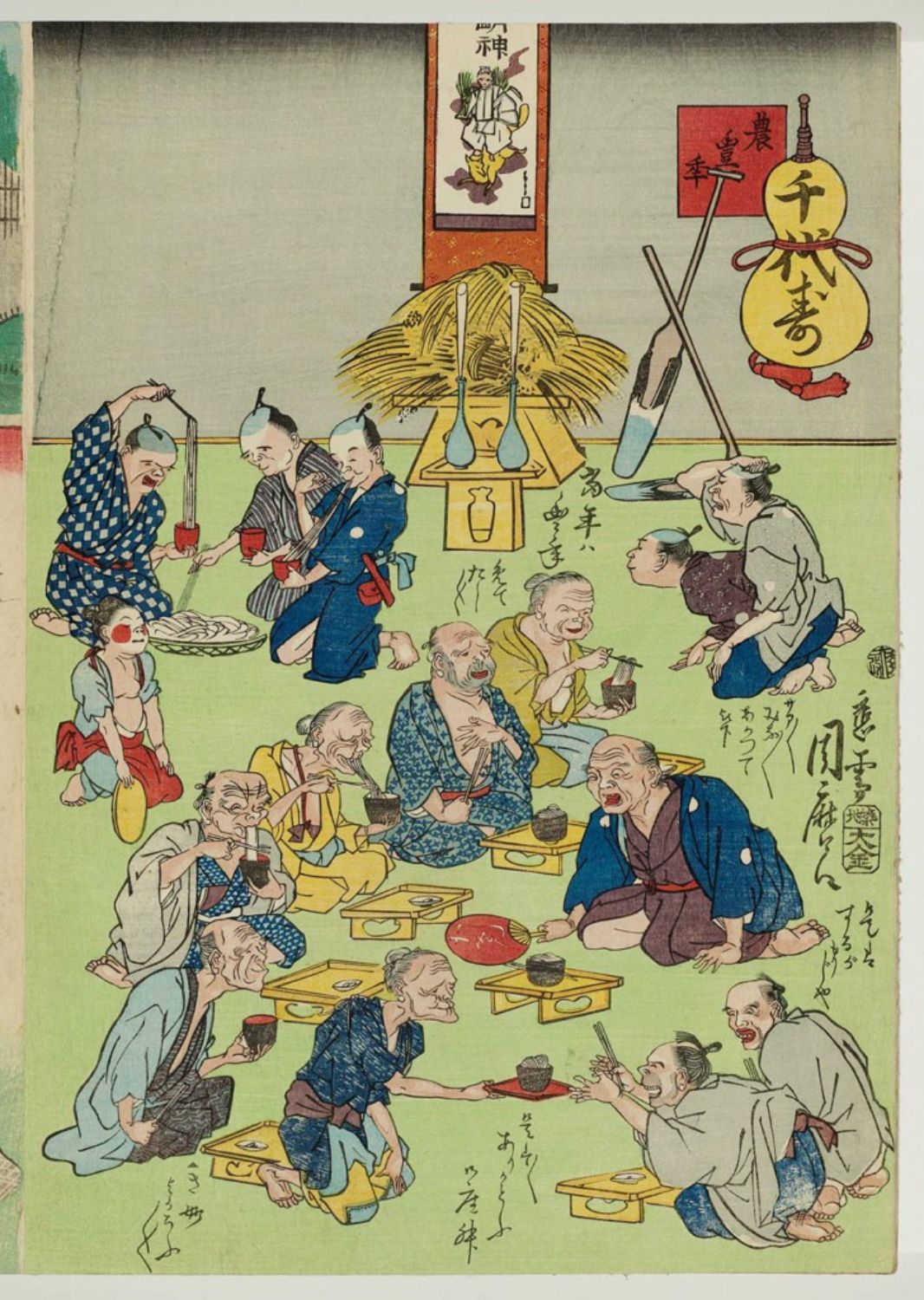
Celebrating the Good Harvest: Felicitations for a Thousand Ages (Nôhônen, Chiyo no kotobuki)
Woodblock print

Watching a Nô Play (Onô haiken no zu), from the series Scenes of Famous Places along the Tôkaidô Road (Tôkaidô meisho fûkei), also known as the Processional Tôkaidô (Gyôretsu Tôkaidô), here called Tôkaidô meisho no uchi
Woodblock print

totalCount
Woodblock print
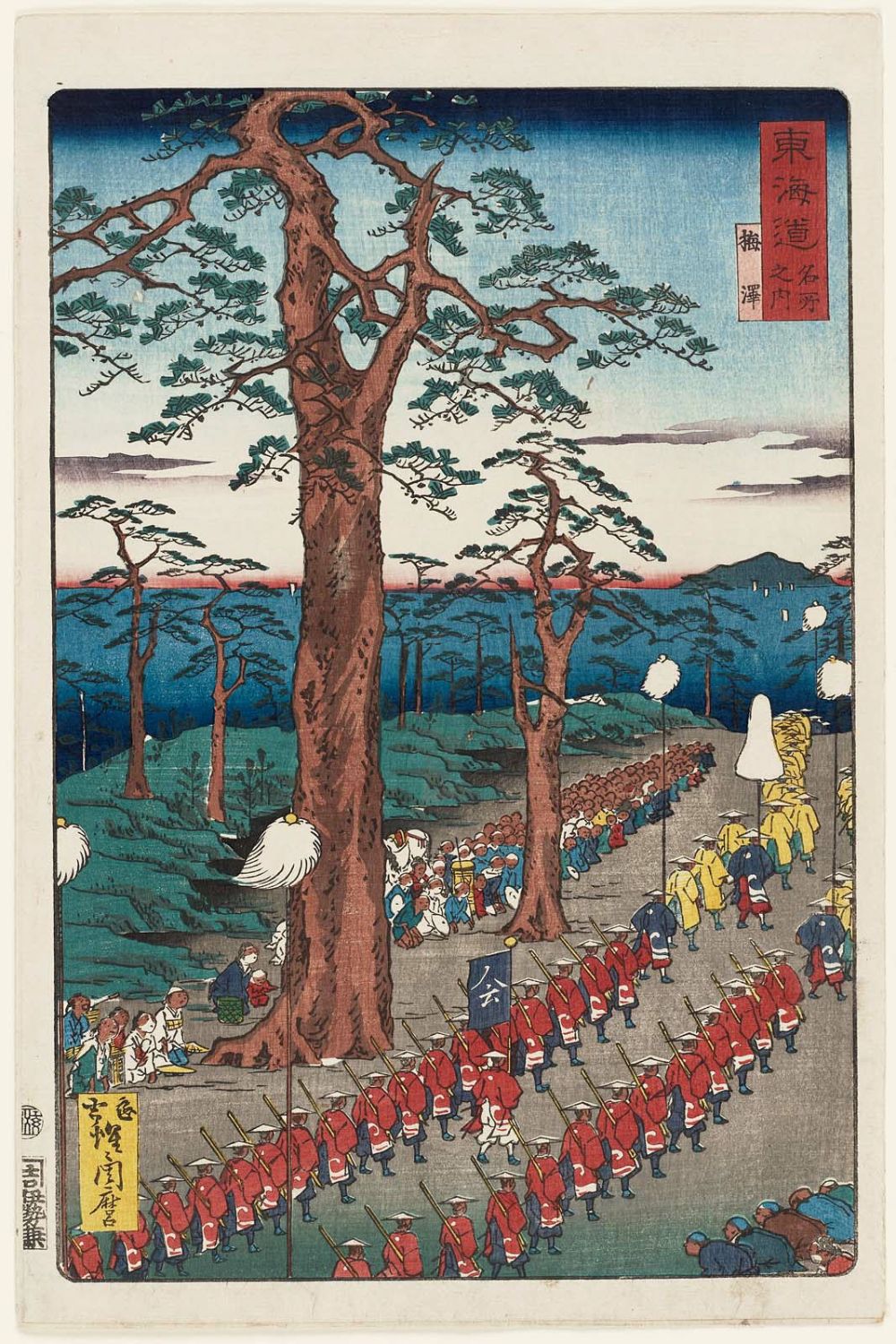
Umesawa, from the series Scenes of Famous Places along the Tôkaidô Road (Tôkaidô meisho fûkei), also known as the Processional Tôkaidô (Gyôretsu Tôkaidô), here called Tôkaidô meisho no uchi
Woodblock print
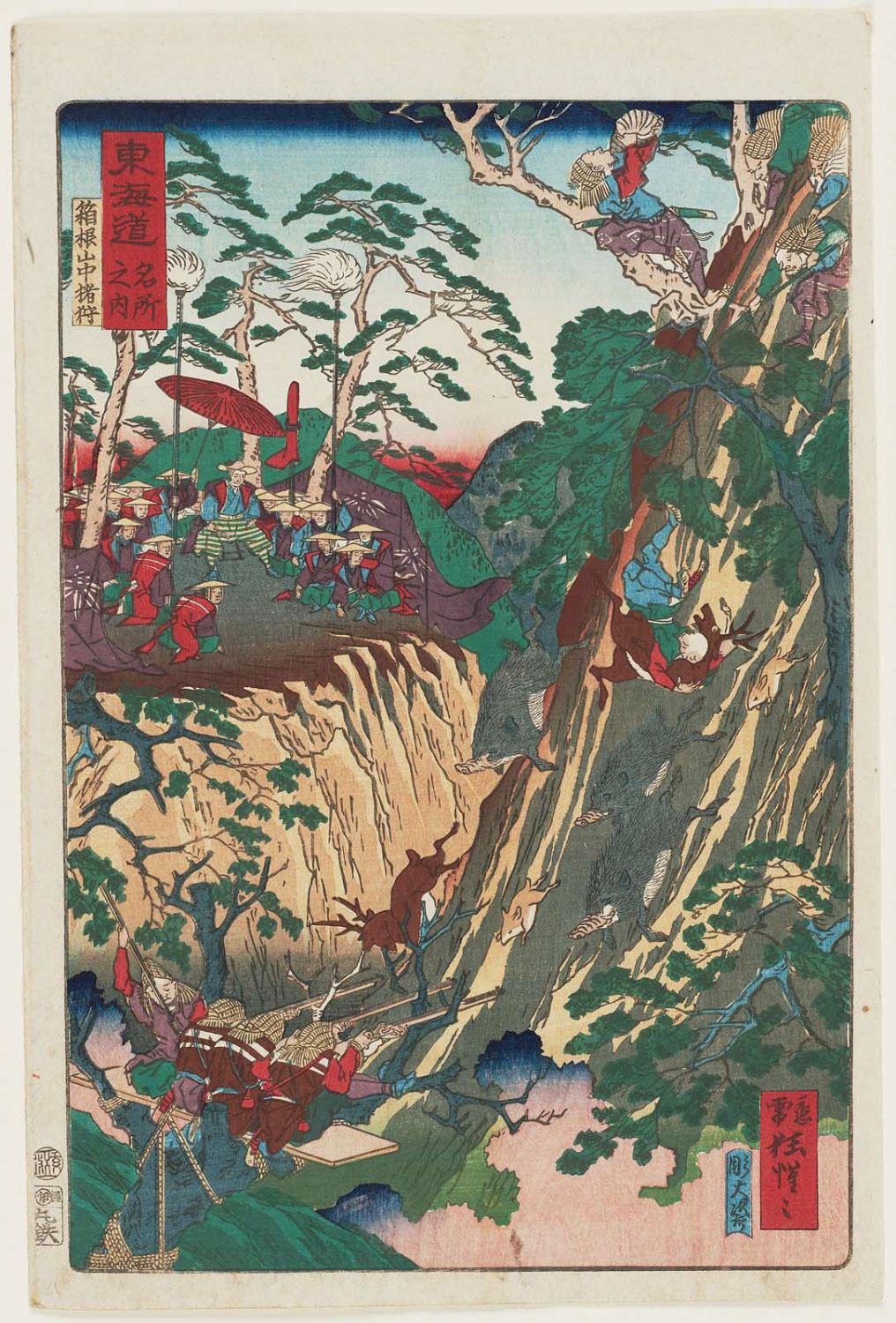
Hunting Boar in the Mountains of Hakone (Hakone sanchû inoshishigari), from the series Scenes of Famous Places along the Tôkaidô Road (Tôkaidô meisho fûkei), also known as the Processional Tôkaidô (Gyôretsu Tôkaidô), here called Tôkaidô meisho no uchi
Woodblock print
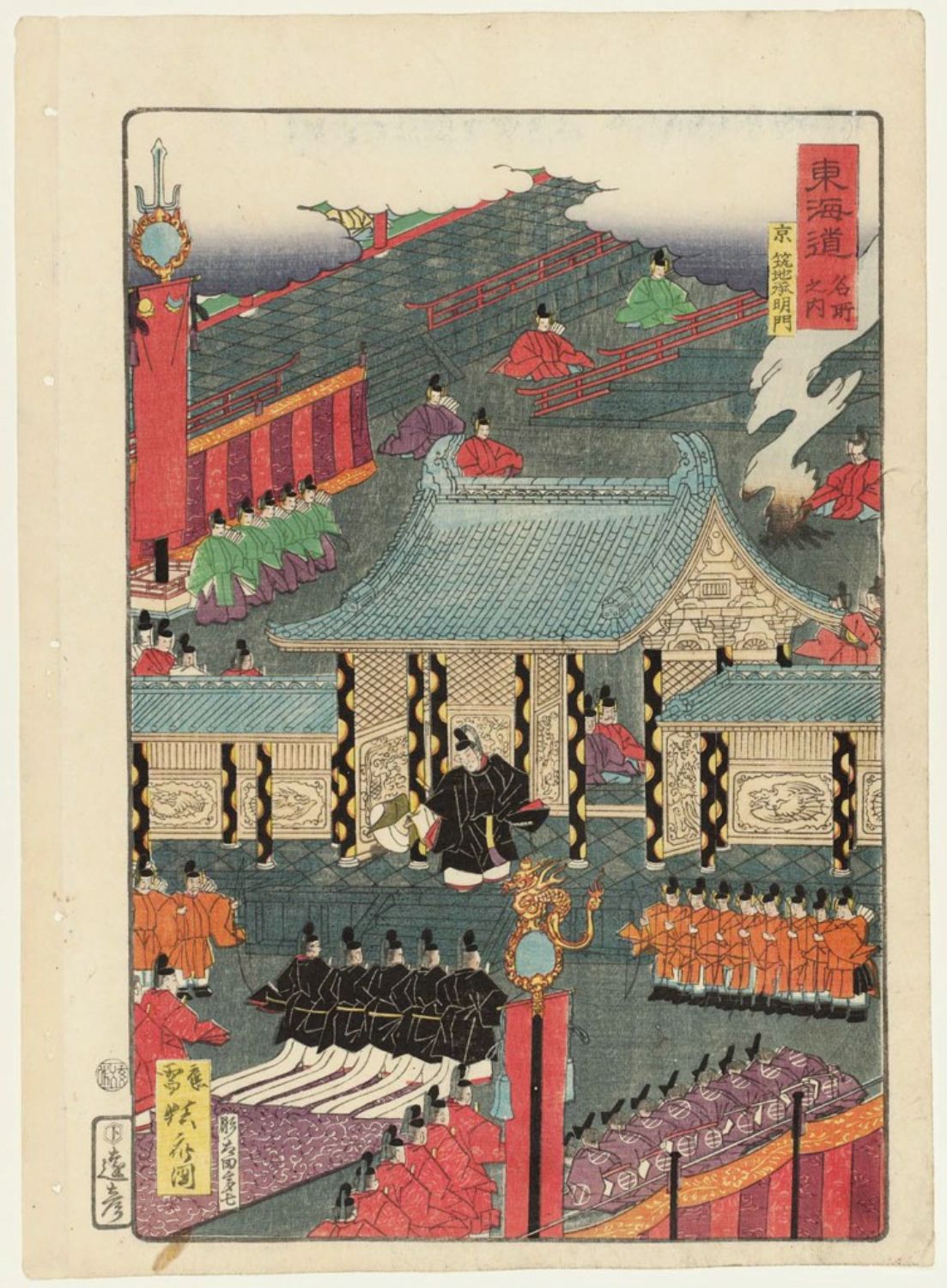
Kyoto: The Palace Wall and the Jômeimon Gate (Kyô, Tsukiji Jômeimon), from the series Scenes of Famous Places along the Tôkaidô Road (Tôkaidô meisho fûkei), also known as the Processional Tôkaidô (Gyôretsu Tôkaidô), here called Tôkaidô meisho no uchi
Woodblock print
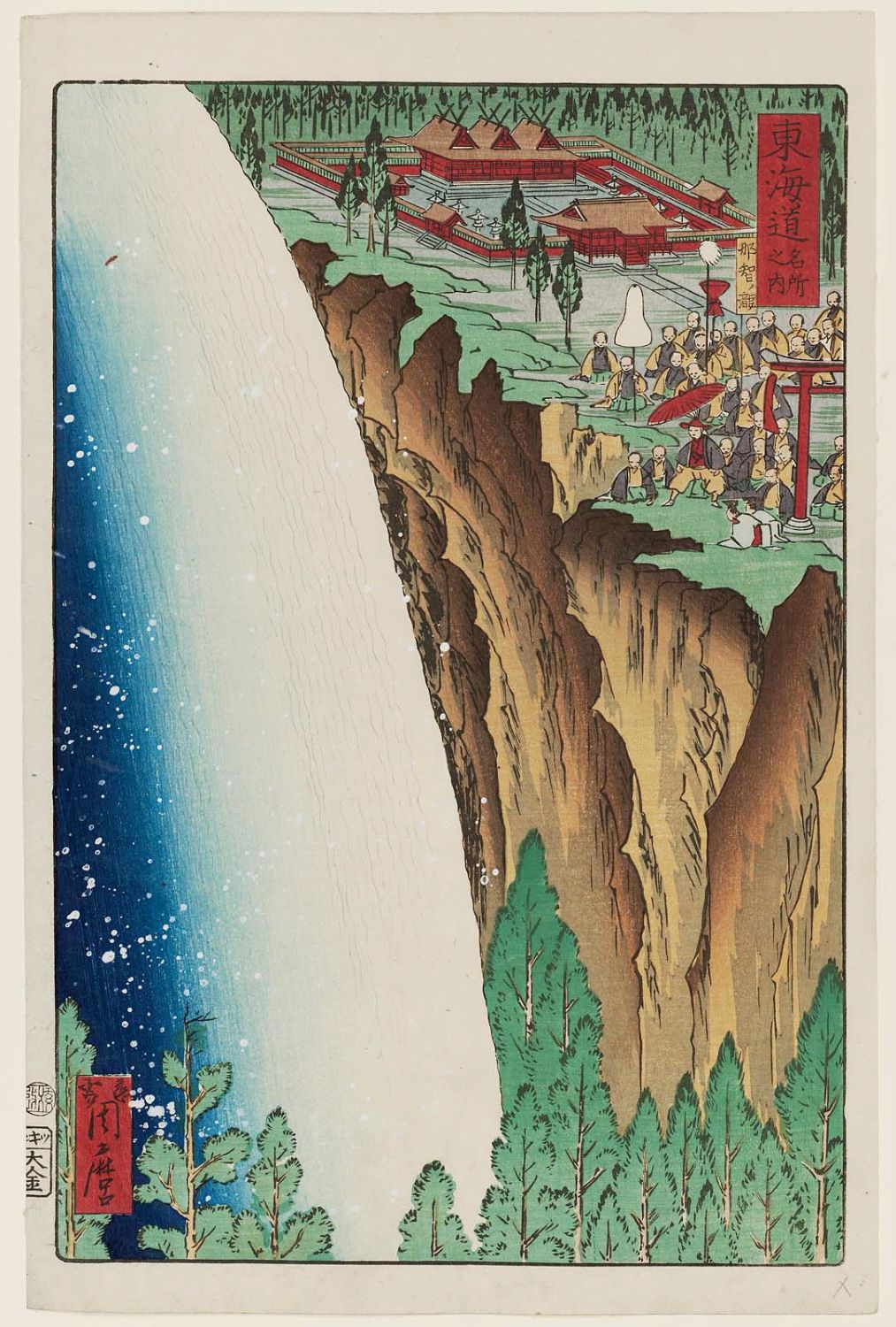
Nachi Waterfall (Nachi no taki), from the series Scenes of Famous Places along the Tôkaidô Road (Tôkaidô meisho fûkei), also known as the Processional Tôkaidô (Gyôretsu Tôkaidô), here called Tôkaidô meisho no uchi
Woodblock print
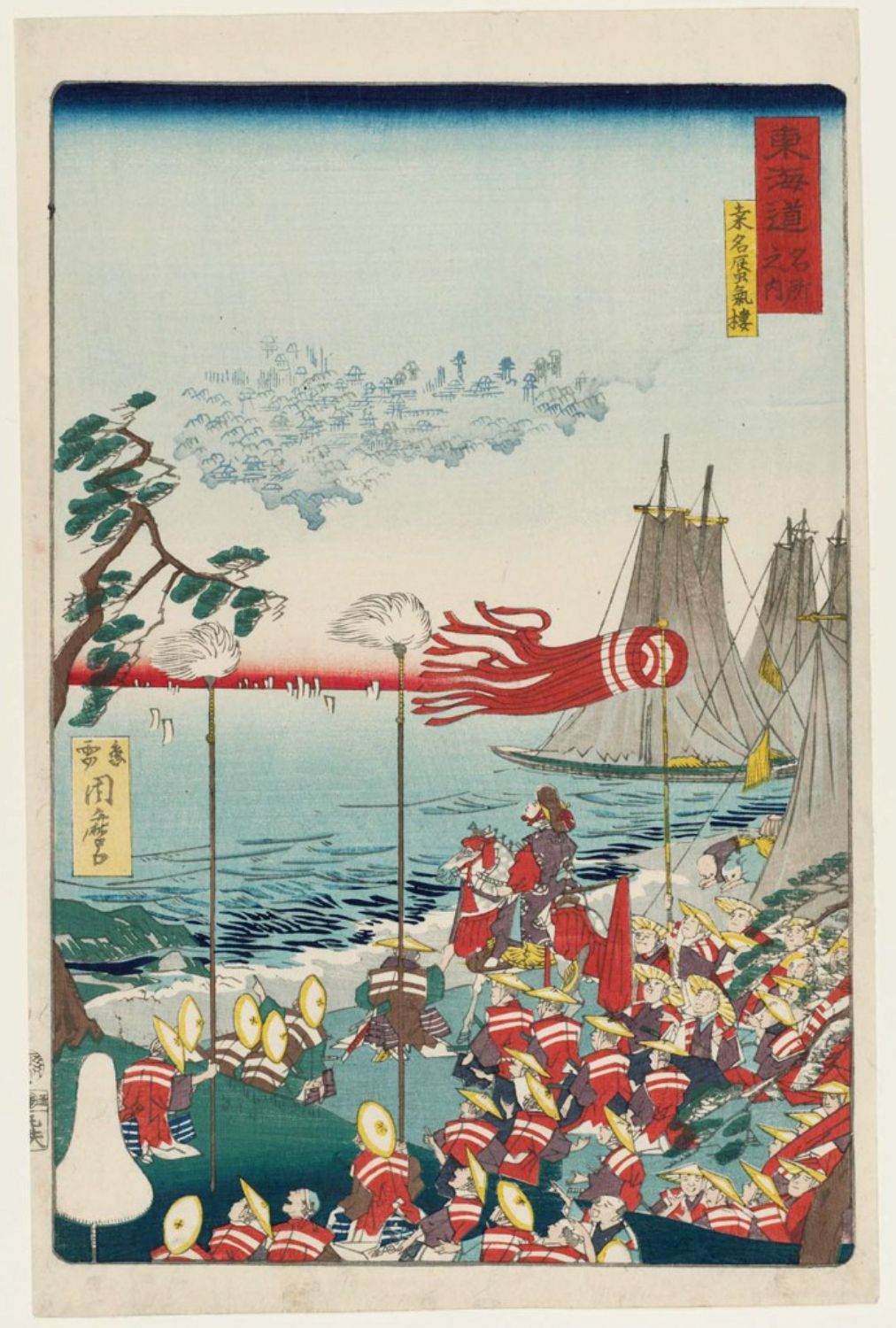
Mirage at Kuwana (Kuwana shinkirô), from the series Scenes of Famous Places along the Tôkaidô Road (Tôkaidô meisho fûkei), also known as the Processional Tôkaidô (Gyôretsu Tôkaidô), here called Tôkaidô meisho no uchi
Woodblock print
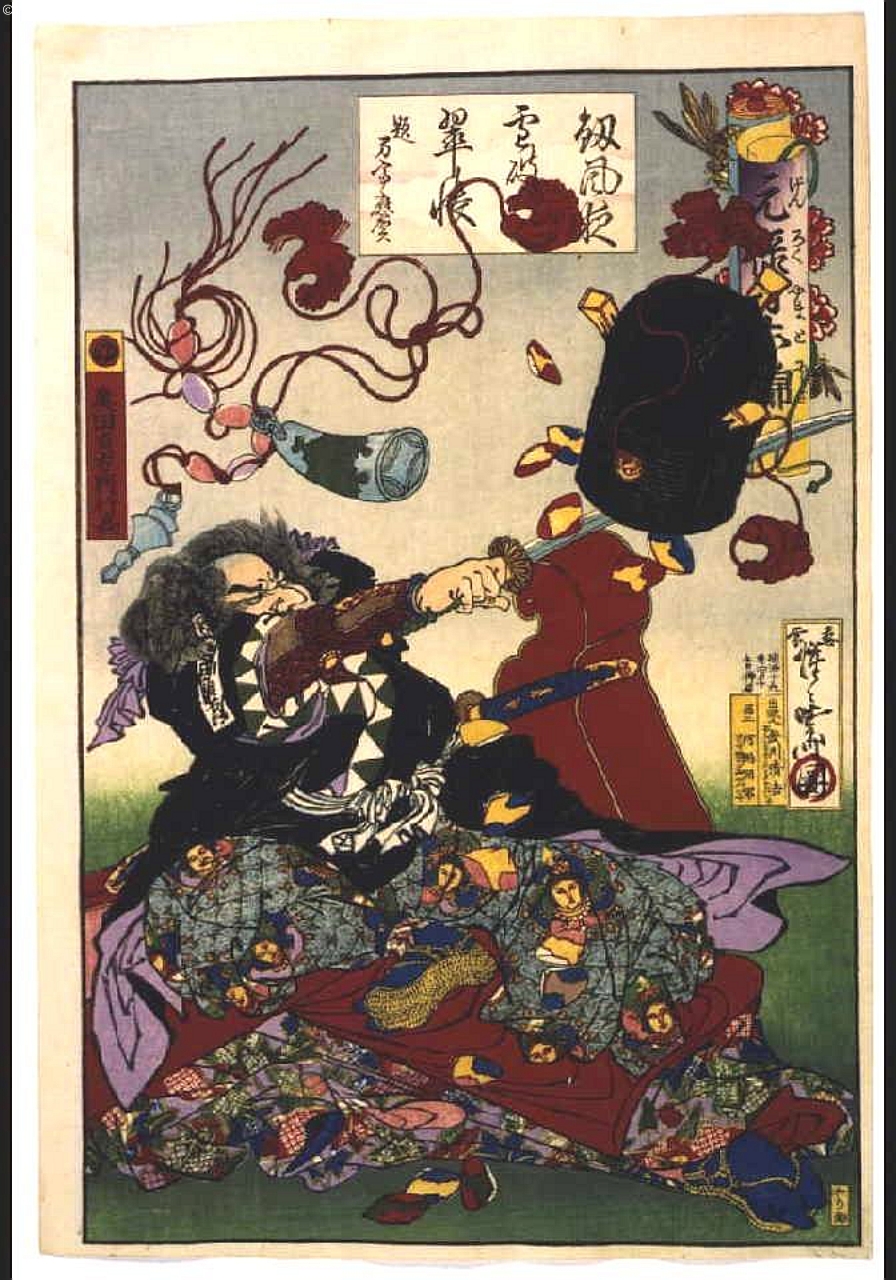
Yamato Warriors: Okuda Sadaemon Yukitaka, from Chushingura
Woodblock print
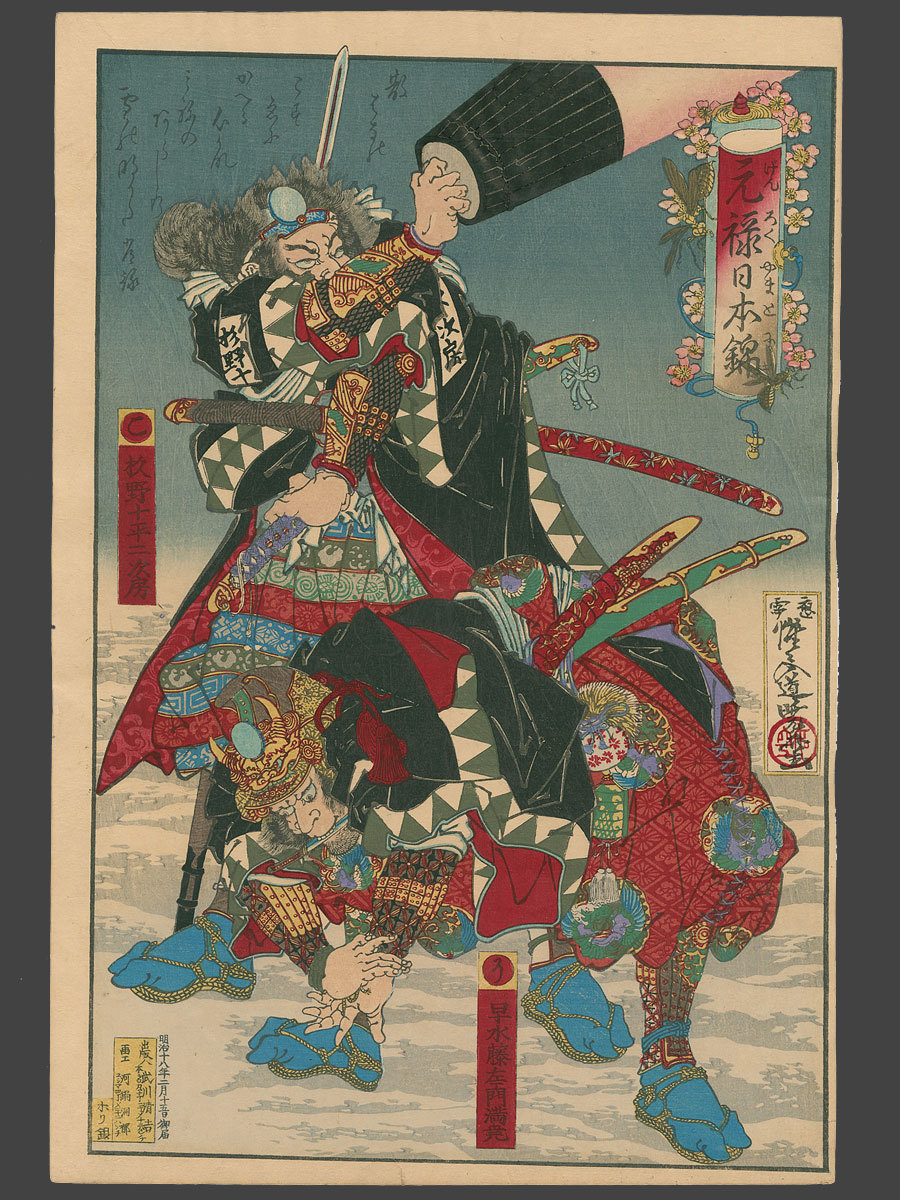
Sugino Jippeiji Tsugifusa and Hayami Tozaemon Mitsutaka
Woodblock print
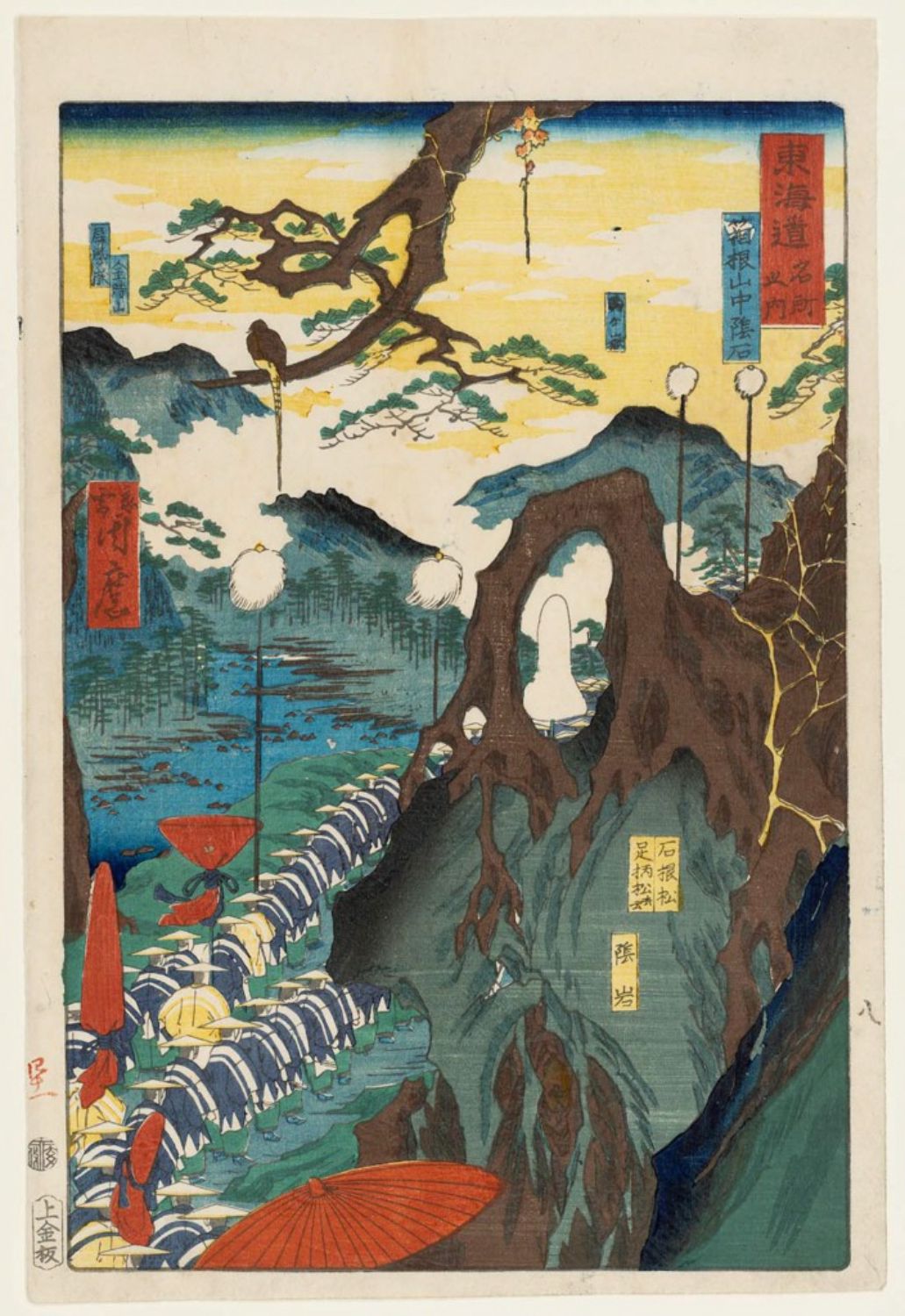
Kageishi in the Mountains of Hakone (Hakone sanchû Kageishi), from the series Scenes of Famous Places along the Tôkaidô Road (Tôkaidô meisho fûkei), also known as the Processional Tôkaidô (Gyôretsu Tôkaidô), here called Tôkaidô meisho no uchi
Woodblock print
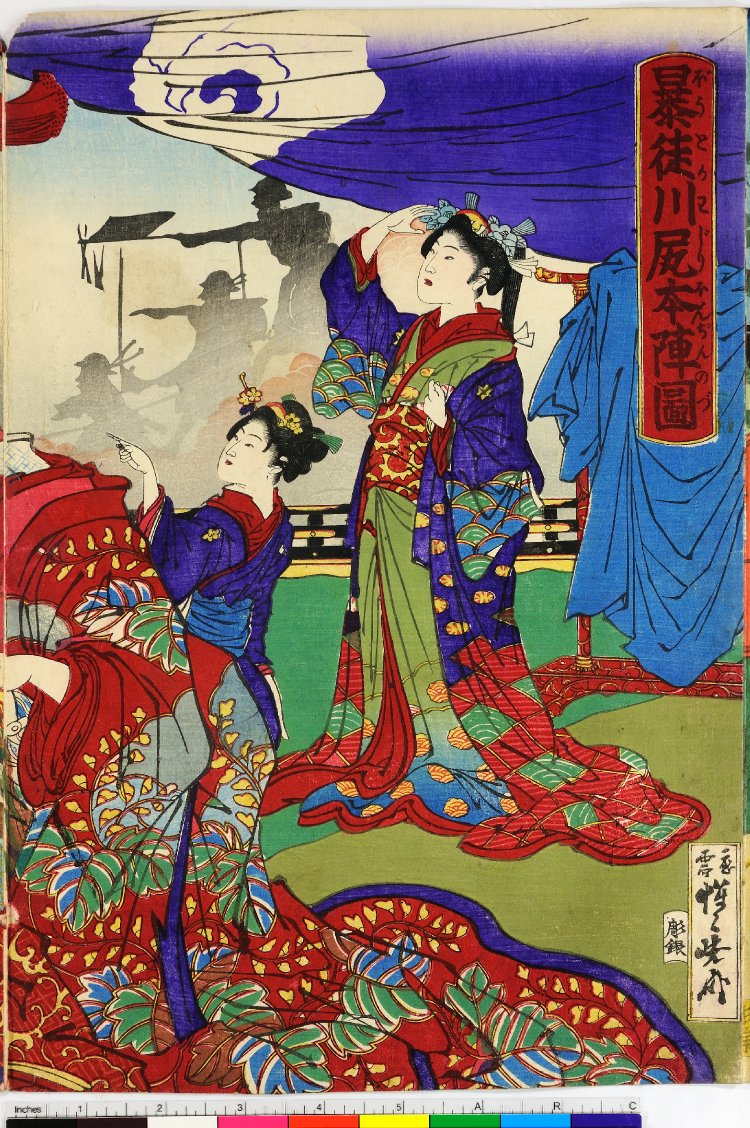
Bouto Kawajiri honjin no zu 暴徒川尻本陣図
Woodblock print
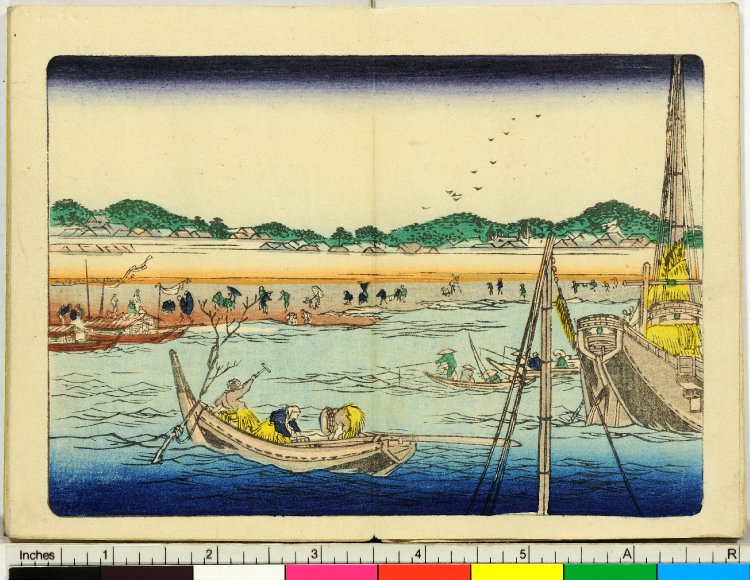
print / album
Woodblock print
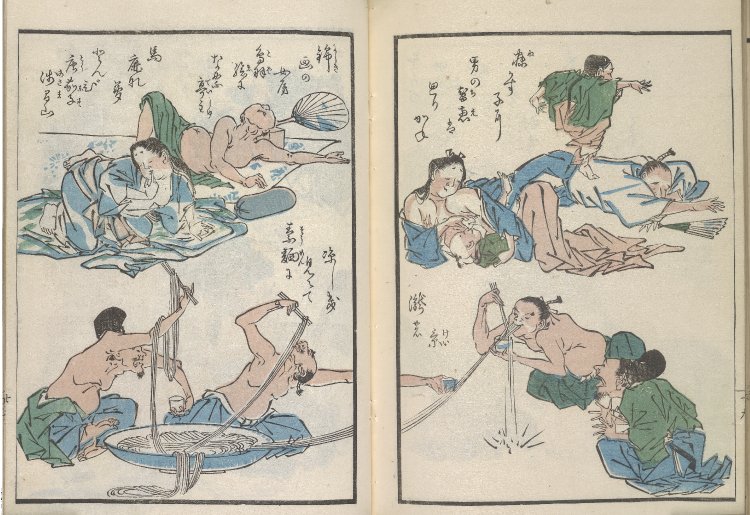
Kyosai gafu 狂斎画譜
Woodblock print
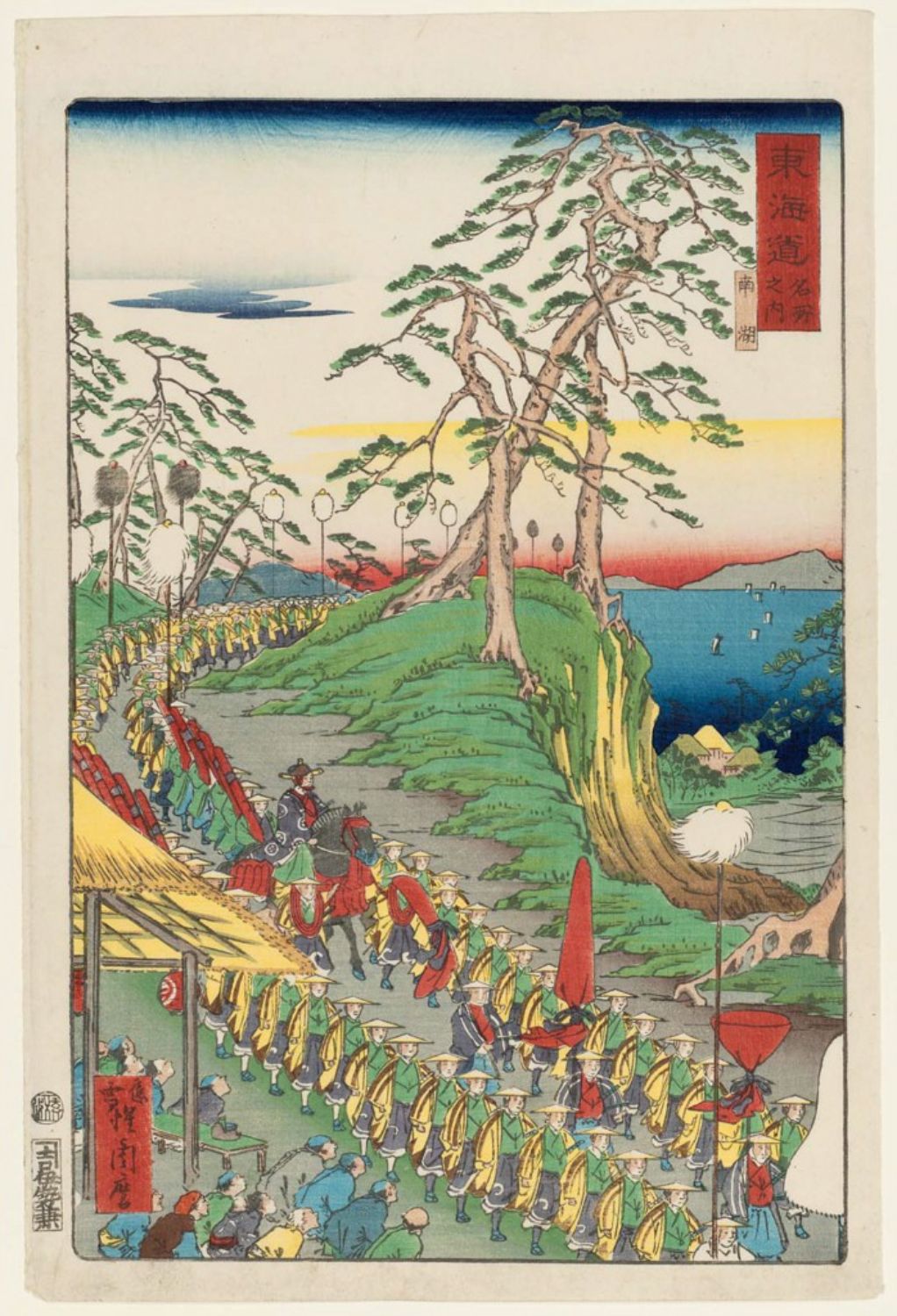
Nanko, from the series Scenes of Famous Places along the Tôkaidô Road (Tôkaidô meisho fûkei), also known as the Processional Tôkaidô (Gyôretsu Tôkaidô), here called Tôkaidô meisho no uchi
Woodblock print
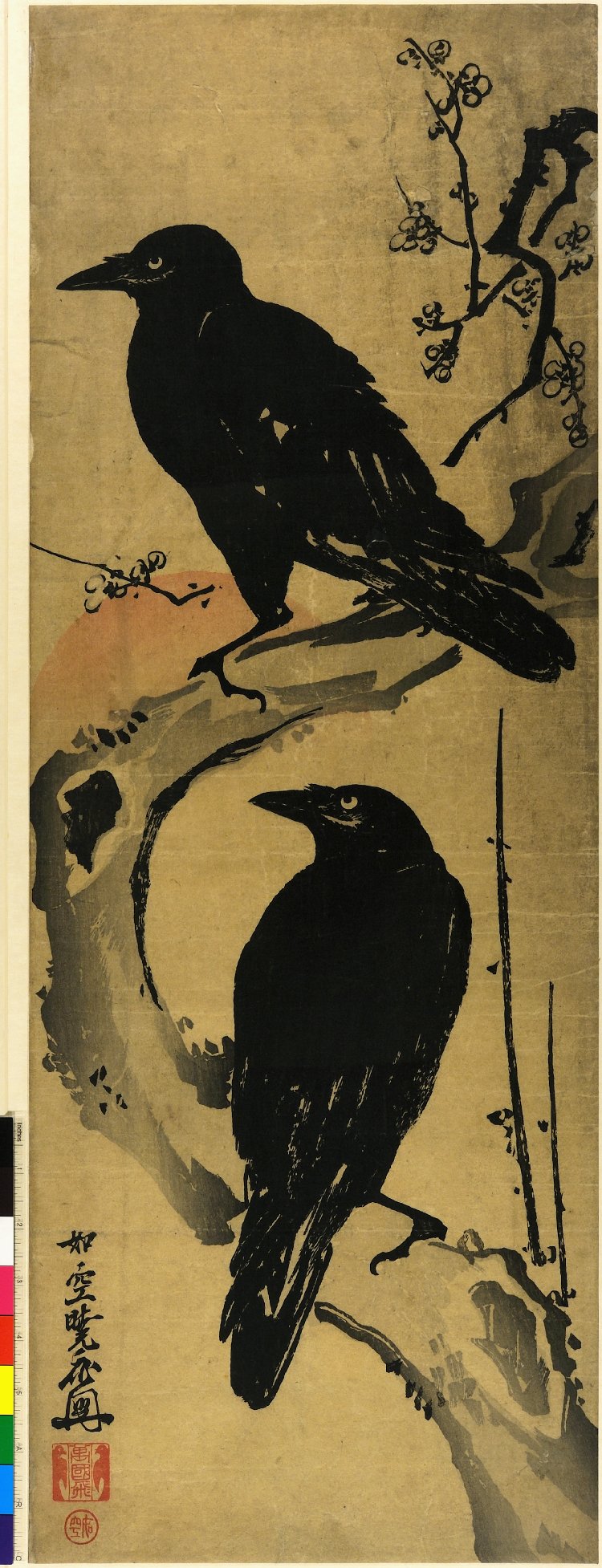
print / kakemono-e
Woodblock print
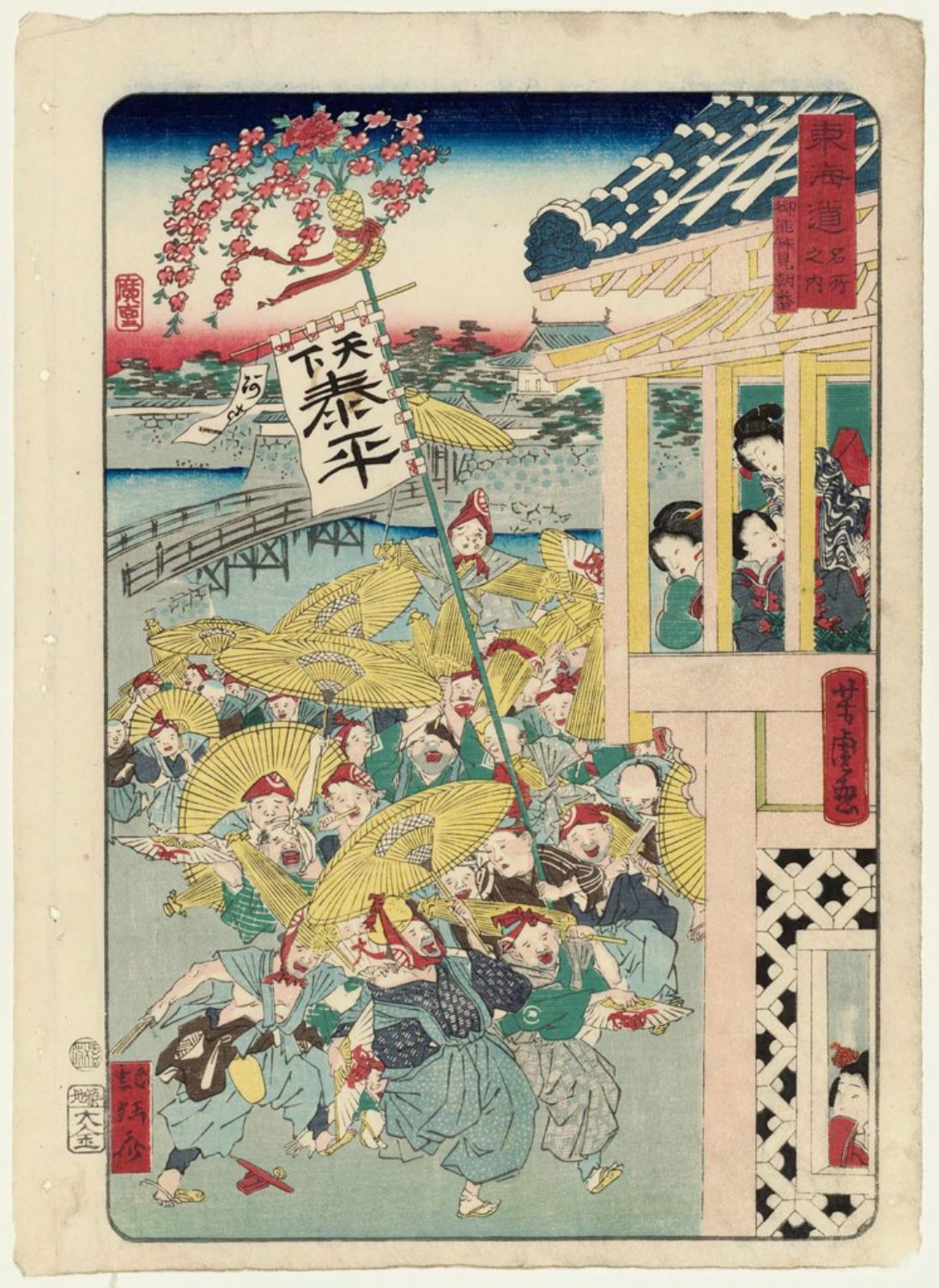
Morning of a Nô Performance (Onô haiken asaban), from the series Scenes of Famous Places along the Tôkaidô Road (Tôkaidô meisho fûkei), also known as the Processional Tôkaidô (Gyôretsu Tôkaidô), here called Tôkaidô meisho no uchi
Woodblock print
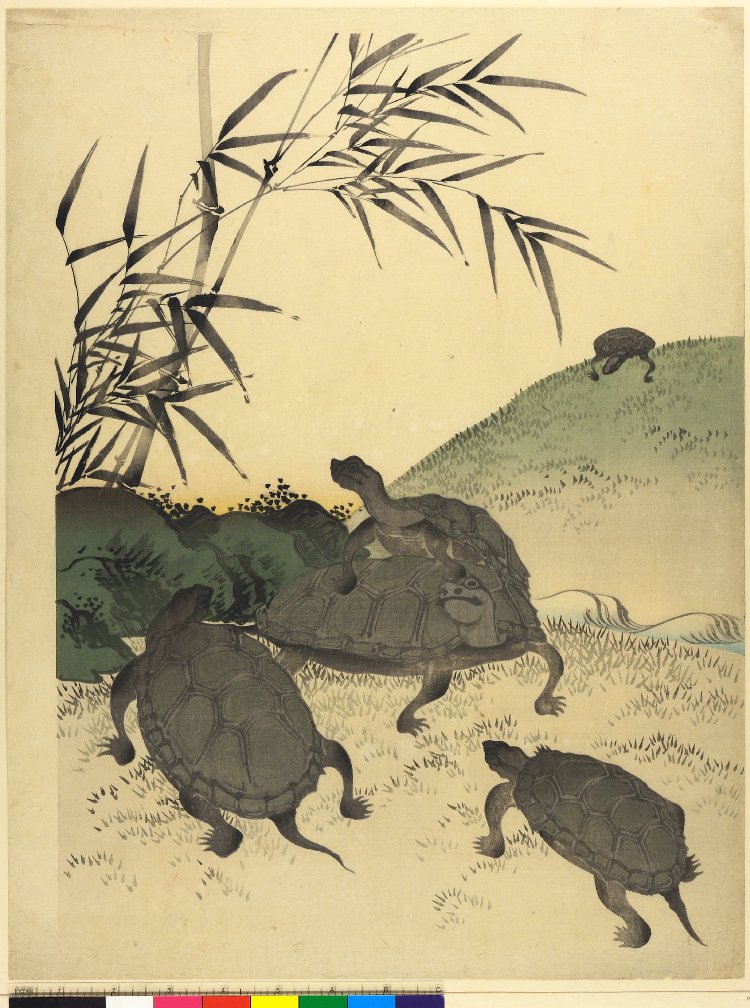
diptych print
Woodblock print

Images of the Fifteen Ashikaga Shoguns at the Tôji-in in Kyoto (Kyôto Tôji-in, Ashikaga jûgodai mokuzô no zu), from the series Scenes of Famous Places along the Tôkaidô Road, aka Processional Tôkaidô (Gyôretsu Tôkaidô), here called Tôkaidô meisho no uchi
Woodblock print
Tiger on Standing Screen and Painting Tools
1878
Woodblock print (surimono); ink, color, and metallic pigments on paper