
Utagawa Hiroshige
歌川広重
Also known as: Hiroshige, Ando Hiroshige, Ichiryusai, Utashige, 安藤広重
1797–1858
Biography
Utagawa Hiroshige (歌川広重), born Ando Tokutaro in 1797 in the Yaesu district of Edo (modern-day Tokyo), is widely regarded as the last great master of the ukiyo-e tradition and one of the most influential landscape artists in the history of Japanese art. Over a career spanning nearly four decades, Hiroshige transformed the woodblock print from a medium associated primarily with portraits of courtesans and kabuki actors into a vehicle for poetic, atmospheric depictions of the Japanese landscape. His work captured the changing seasons, the moods of weather, and the quiet rhythms of travel with a sensitivity that resonated deeply with his contemporaries and, decades later, with artists on the other side of the world.
Hiroshige was born into a family of minor samurai serving the Tokugawa shogunate. His father, Ando Gen'emon, held the hereditary post of fire warden for Edo Castle, a modest but respectable position. Tragedy struck early: his mother died in 1809, and his father followed just months later, leaving the twelve-year-old boy orphaned. Hiroshige inherited his father's fire warden post, a duty that carried a small stipend but demanded relatively little of his time, affording him the freedom to pursue artistic training.
Around 1811, at the age of thirteen or fourteen, Hiroshige entered the studio of Utagawa Toyohiro, a respected ukiyo-e master known for his graceful depictions of beautiful women and landscapes. It was under Toyohiro's tutelage that the young artist received the professional name Utagawa Hiroshige, marking his formal entry into the prestigious Utagawa school, the dominant artistic lineage of the late Edo period. He also used the art names Ichiryusai and, less frequently, Utashige during various phases of his career.
Hiroshige's earliest published works, appearing from around 1818, followed the commercial conventions of the day. He produced bijin-ga (pictures of beautiful women), yakusha-e (portraits of kabuki actors), and illustrations for popular fiction. These early prints were competent but largely unremarkable, showing the influence of his teacher Toyohiro. During this period, Hiroshige also experimented with bird-and-flower compositions (kacho-e), a genre in which he would demonstrate considerable skill throughout his career, bringing a delicate naturalism to his depictions of birds, insects, and plants.
The turning point came in the early 1830s, likely spurred by the success of Hokusai's Thirty-six Views of Mount Fuji, which demonstrated that landscape subjects could achieve enormous commercial popularity. In 1832, Hiroshige is believed to have traveled along the Tokaido, the great coastal road connecting Edo to Kyoto, possibly as part of an official procession delivering horses to the imperial court.
Published by Hoeido beginning in 1833, The Fifty-three Stations of the Tokaido was an immediate and resounding success. The series of fifty-five prints presented the landscape not as a static backdrop but as a living, breathing environment shaped by weather, light, and season. Rain lashes travelers at Shono; snow blankets the mountain pass at Kanbara; mist rises from the marshes at Numazu in the predawn darkness. Where Hokusai had approached landscape with bold geometry and an almost cosmic grandeur, Hiroshige brought intimacy, mood, and a deep empathy for the human figures who populate his scenes. The Hoeido Tokaido established Hiroshige as the foremost landscape artist in Japan and remained the benchmark against which all subsequent travel print series were measured.
Emboldened by this success, Hiroshige embarked on an extraordinarily prolific period of production. He created more than thirty additional Tokaido series for various publishers. He also turned his attention to other celebrated routes: The Sixty-nine Stations of the Kiso Kaido, a collaboration with Keisai Eisen begun around 1835, depicted the inland mountain route between Edo and Kyoto. Throughout the 1830s, 1840s, and 1850s, Hiroshige produced landscapes of remarkable range and consistency. Modern scholars estimate that he designed more than eight thousand individual prints over the course of his career.
In his final years, Hiroshige undertook what many consider his most visually daring work: One Hundred Famous Views of Edo, published between 1856 and 1858. The series, comprising 118 prints plus a title page, depicted the streets, bridges, shrines, rivers, and gardens of his beloved home city across the four seasons. The compositions are striking for their bold use of close-up foreground elements — a branch of plum blossoms, a cat on a windowsill, the cables of a ferry — that frame distant views, creating a dramatic sense of depth and an almost cinematic quality unprecedented in Japanese printmaking.
Hiroshige died on October 12, 1858, during a devastating cholera epidemic that swept through Edo. He was sixty-one years old. According to tradition, he composed a farewell death poem: "Leaving my brush on the road to the east, I shall go to see the famous views of the Western Paradise."
When Japan opened to international trade, Hiroshige's landscapes were among the most eagerly collected. Vincent van Gogh copied at least two of Hiroshige's prints in oil. The flattened perspectives, cropped compositions, and emphasis on atmosphere in Hiroshige's work left a lasting imprint on Impressionism and Post-Impressionism. Hiroshige is often described as the last great master of ukiyo-e. In his hands, the landscape print achieved its fullest expression — not merely as topographic record, but as a medium capable of evoking the transient beauty of rain, snow, moonlight, and mist with a subtlety that transcends cultural boundaries.
Key Facts
- Active Period
- 1797–1858
- Movement
- Ukiyo-e
- Works Indexed
- 200
Frequently Asked Questions
What is Utagawa Hiroshige known for?
Utagawa Hiroshige (歌川広重), born Ando Tokutaro in 1797 in the Yaesu district of Edo (modern-day Tokyo), is widely regarded as the last great master of the ukiyo-e tradition and one of the most influential landscape artists in the history of Japanese art. Over a career spanning nearly four decades, Hiroshige transformed the woodblock print from a medium associated primarily with portraits of courtesans and kabuki actors into a vehicle for poetic, atmospheric depictions of the Japanese landscape. His work captured the changing seasons, the moods of weather, and the quiet rhythms of travel with a sensitivity that resonated deeply with his contemporaries and, decades later, with artists on the other side of the world.
When was Utagawa Hiroshige active?
Utagawa Hiroshige was active from 1797 to 1858. They were associated with the Ukiyo-e movement.
What artistic movements influenced Utagawa Hiroshige?
Utagawa Hiroshige's work was shaped by the Ukiyo-e tradition in Japanese woodblock printmaking. Ukiyo-e: Ukiyo-e ("pictures of the floating world") is the dominant tradition of Japanese woodblock printing, flourishing from the seventeenth through nineteenth centuries.
Where can I see Utagawa Hiroshige's original prints?
Original prints by Utagawa Hiroshige can be found in collections including Art Institute of Chicago, Cleveland Museum of Art, Harvard Art Museums, Victoria and Albert Museum.
External Resources
Woodblock Prints by Utagawa Hiroshige (200)
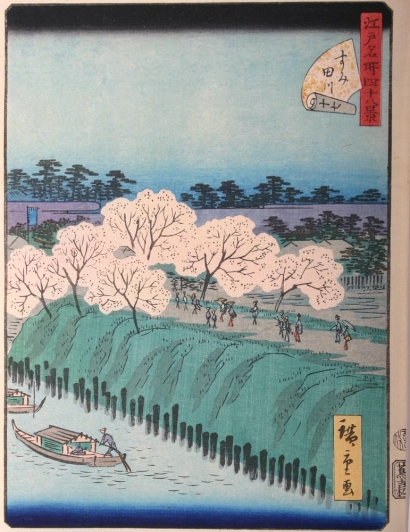
#17. Sumidagawa
Woodblock print
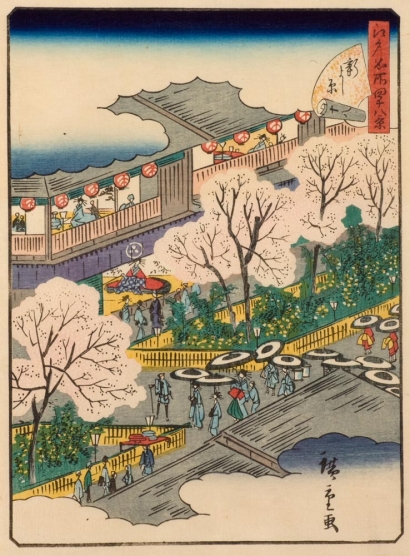
#18. Shin-Yoshiwara
Woodblock print
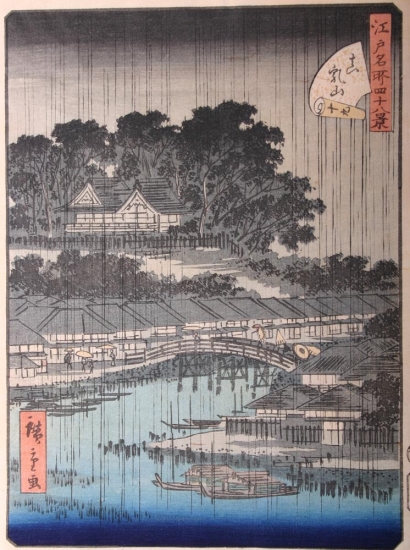
#19. Matsuchiyama
Woodblock print
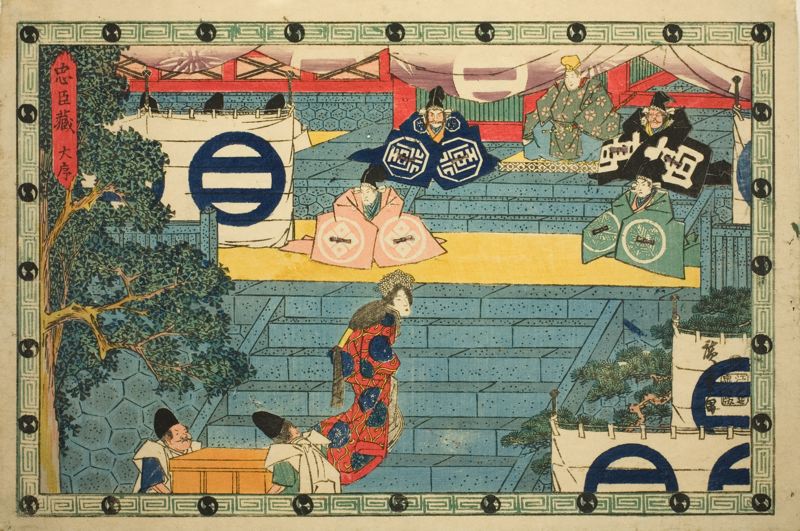
Scene 1 from Act XI of The Revenge of the Loyal Retainers
Woodblock print
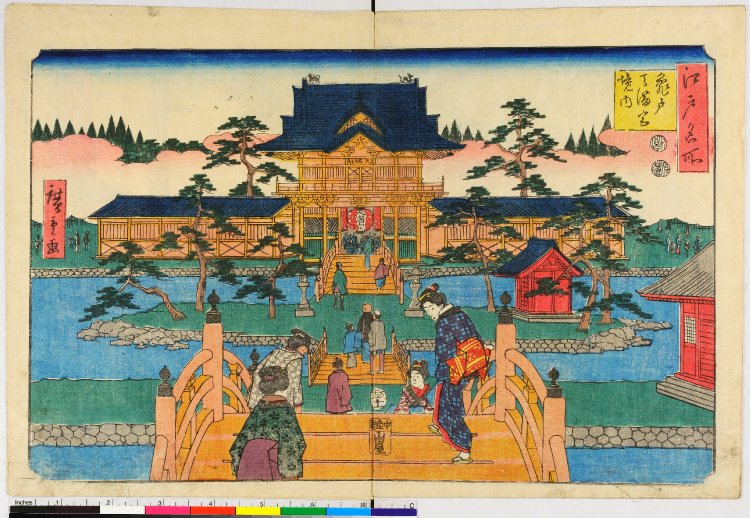
Edo Meisho
Woodblock print

Bushu Yokohama Gankiro 武州横浜岩亀楼 / Shokoku meisho hyakkei 諸国名所百景
Woodblock print
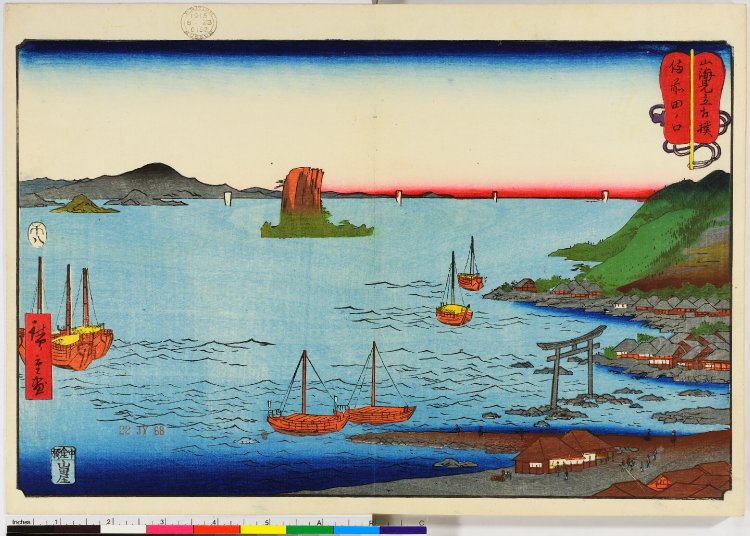
Sankai Mitate Sumo
Woodblock print
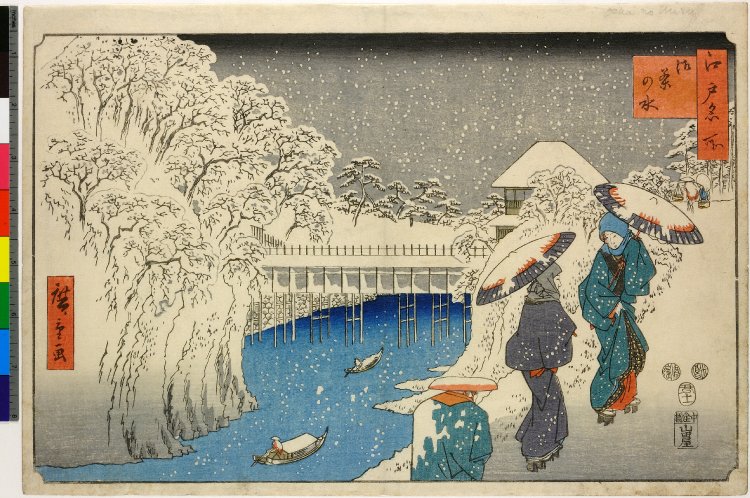
Ochanomizu / Edo Meisho zue
Woodblock print
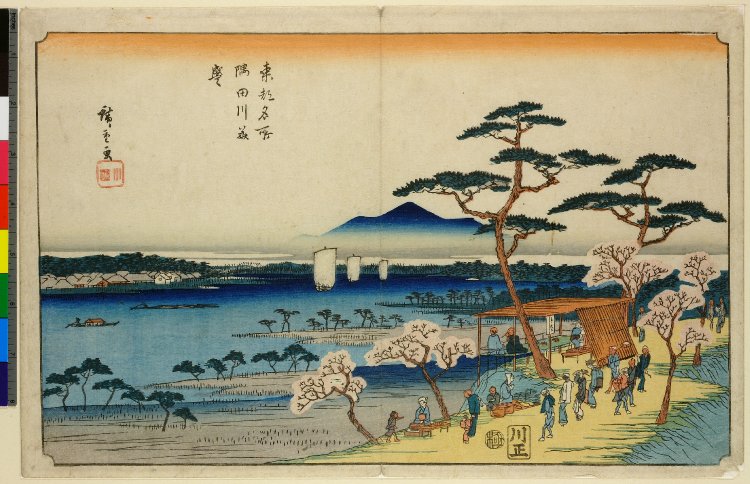
Toto meisho (Famous Places of the Eastern Capital)
Woodblock print
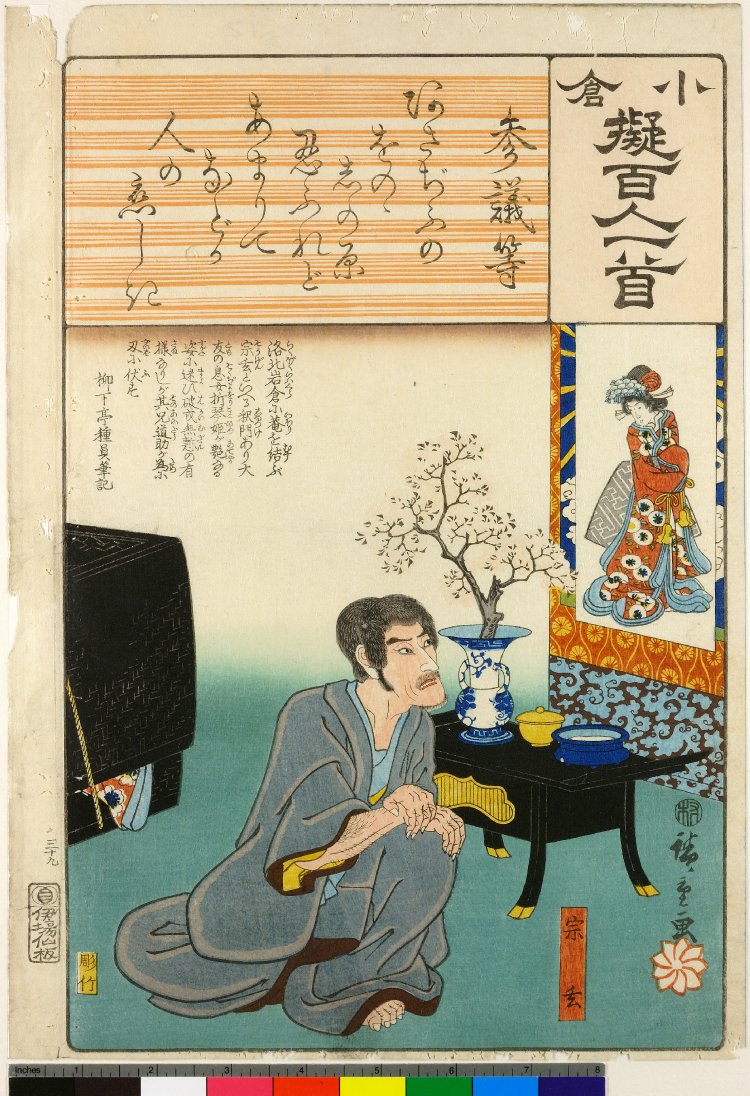
Sogen / Ogura nazorae hyakunin isshu (One Hundred Poems by One Poet Each, Likened to the Ogura Version)
Woodblock print

totalCount
Woodblock print
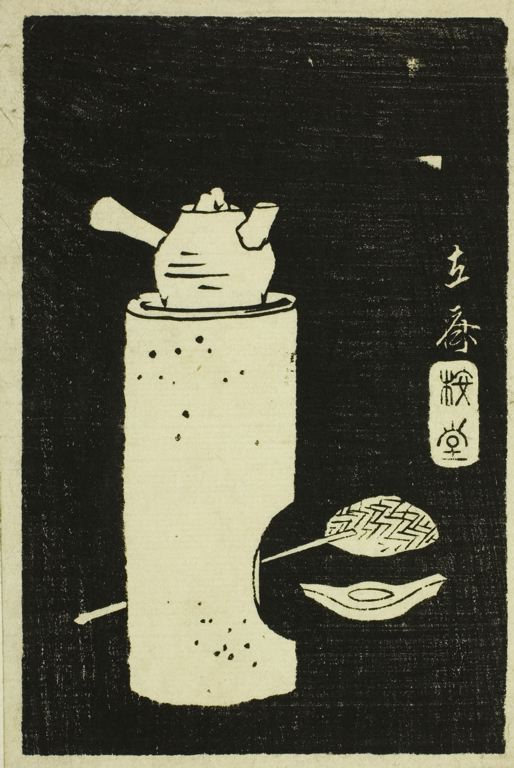
utagawa-hiroshige
Woodblock print
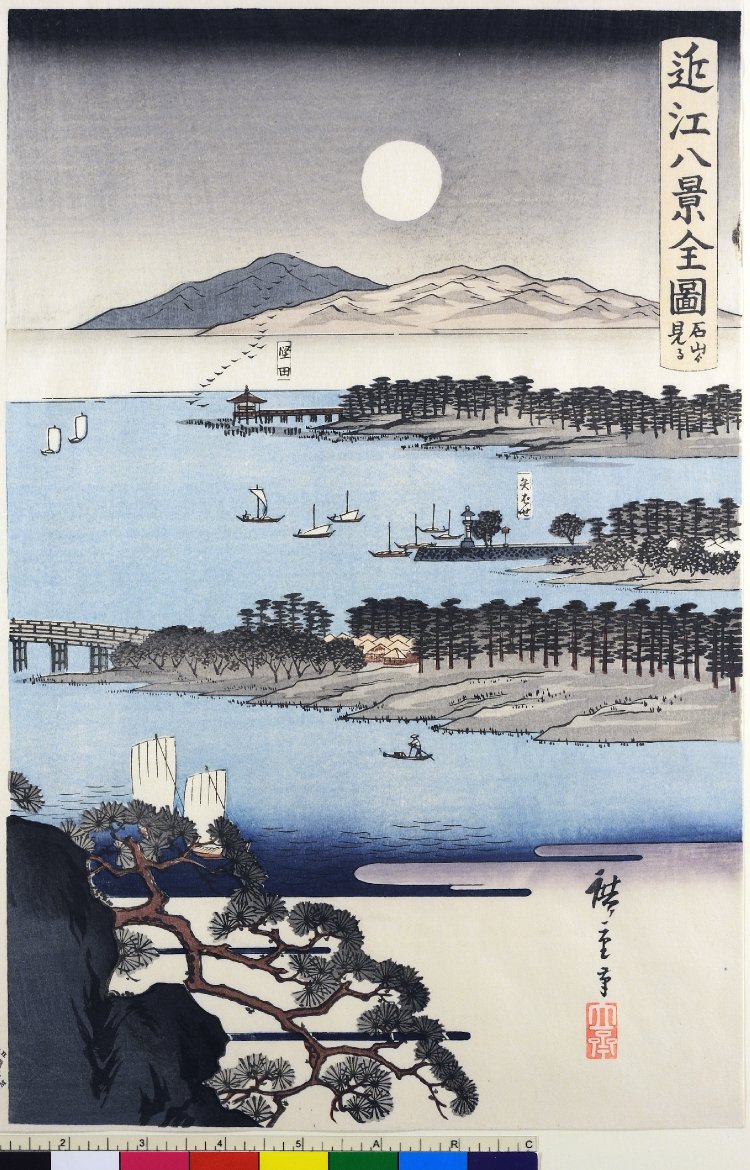
Omi Hakkei zenzu Ishiyama kara miru 近江八景全図石山から見る
Woodblock print
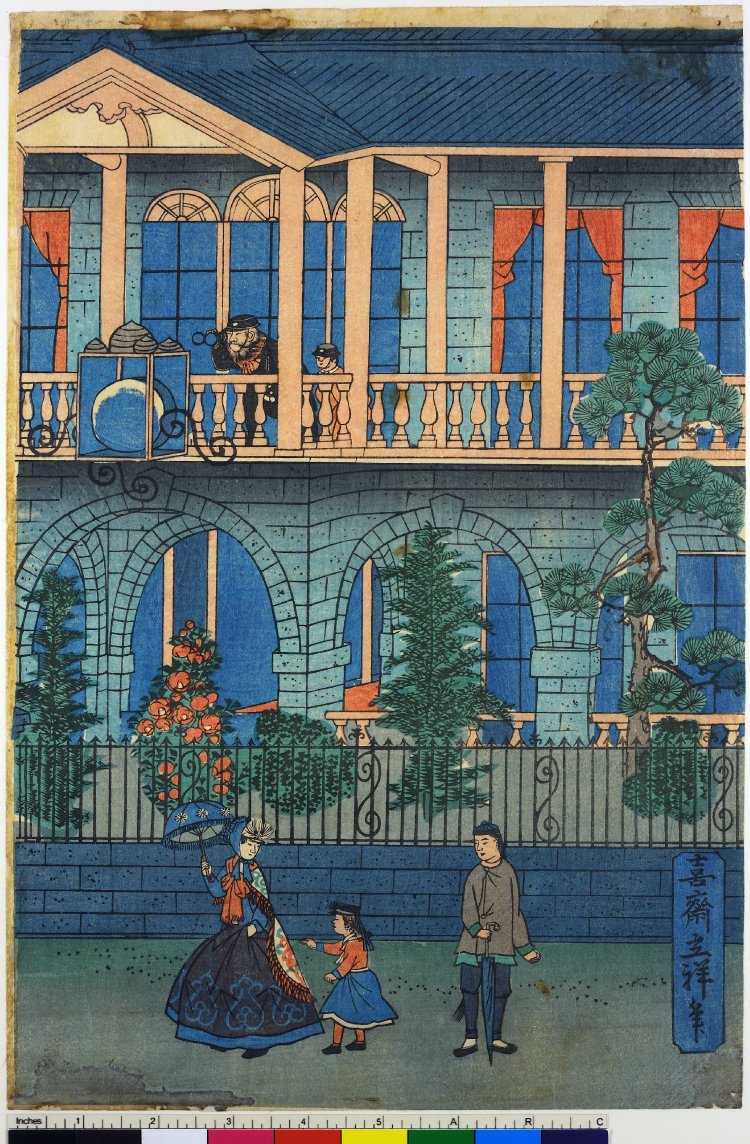
utagawa-hiroshige-ii
Woodblock print

Echigo Niigata no kei 越後新潟の景 / Shokoku meisho hyakkei 諸国名所百景
Woodblock print

Etchu Tateyama shinkei 越中立山真景 / Shokoku meisho hyakkei 諸国名所百景
Woodblock print
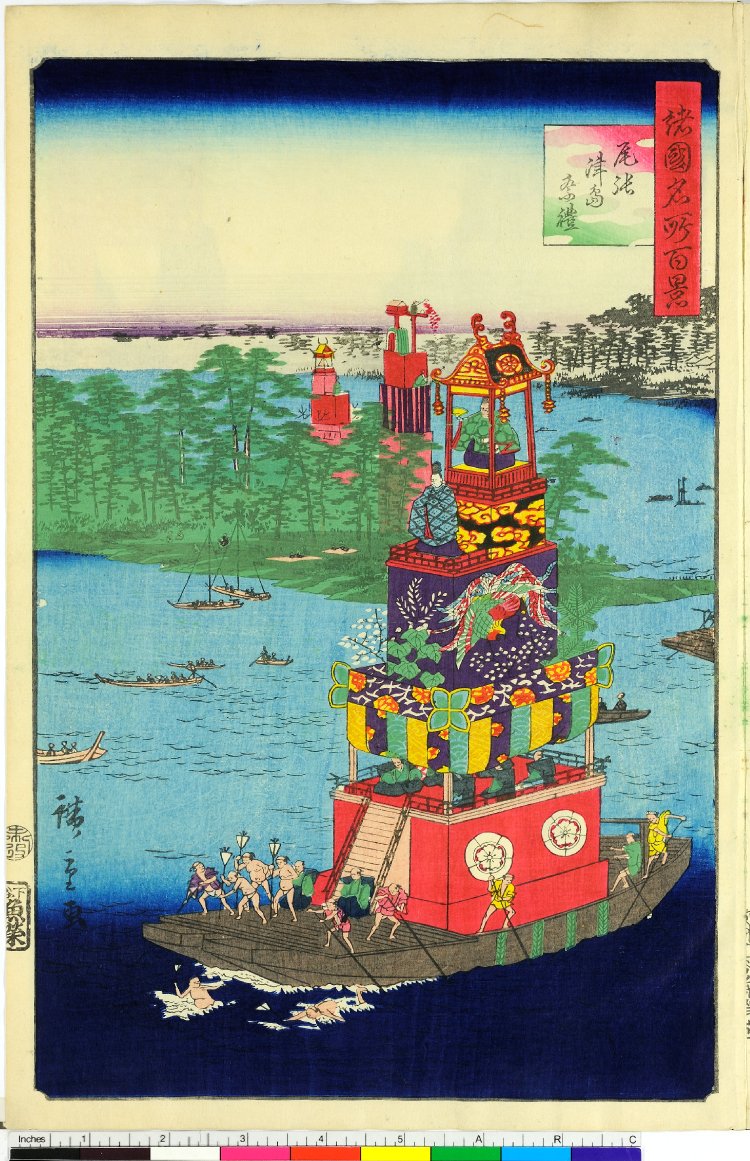
Owari Tsushima sairei 尾張対馬祭礼 / Shokoku meisho hyakkei 諸国名所百景
Woodblock print
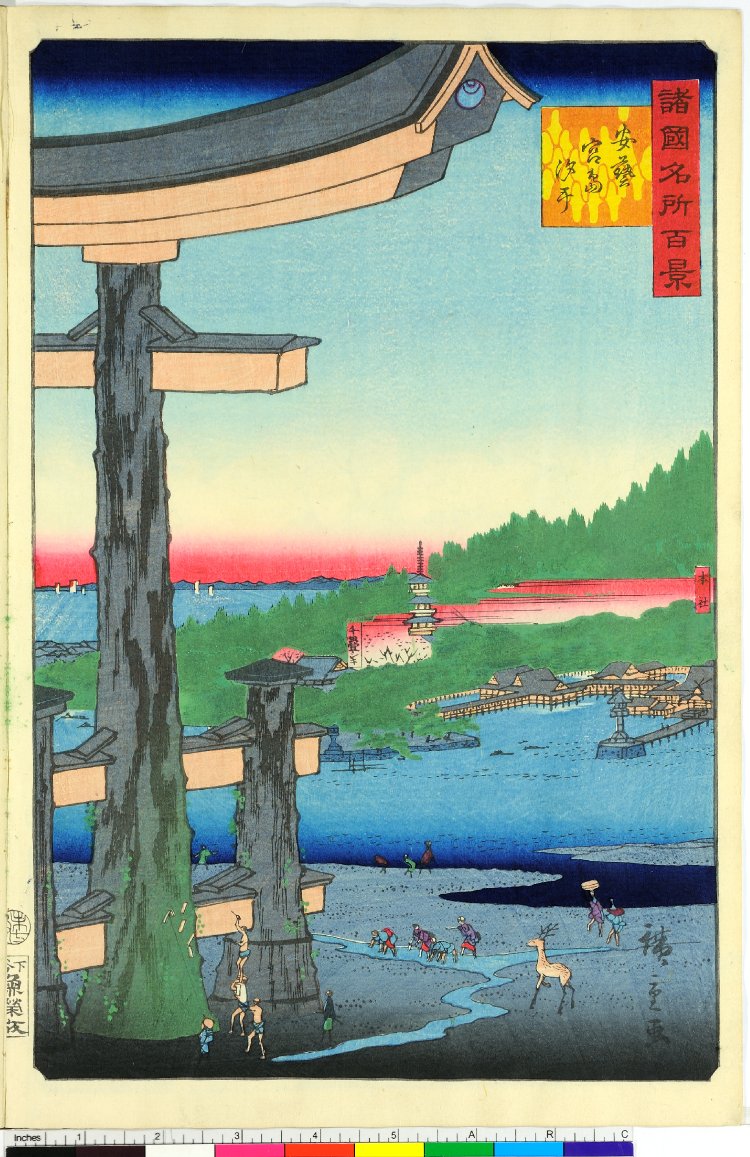
Aki Miyajima shiohii 安芸宮島汐干 / Shokoku meisho hyakkei 諸国名所百景
Woodblock print
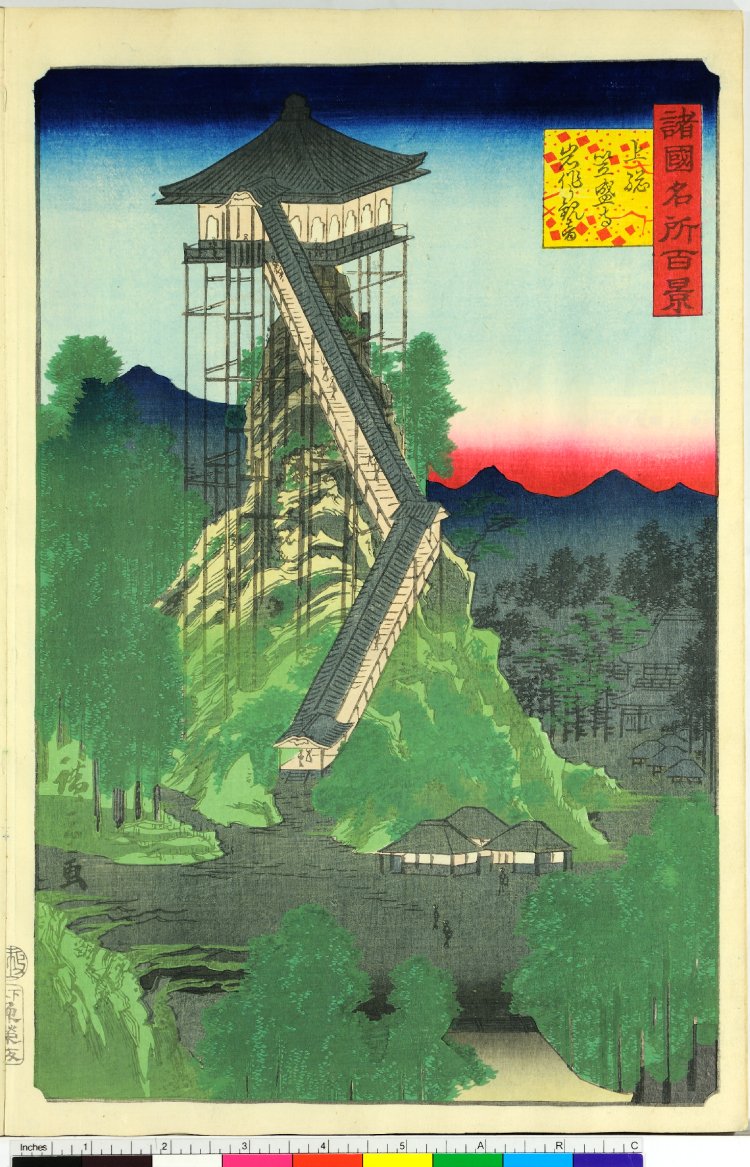
Kazusa Kasamoridera iwa-tsukuri Kannon 上総笠盛寺岩作り観音 / Shokoku meisho hyakkei 諸国名所百景
Woodblock print
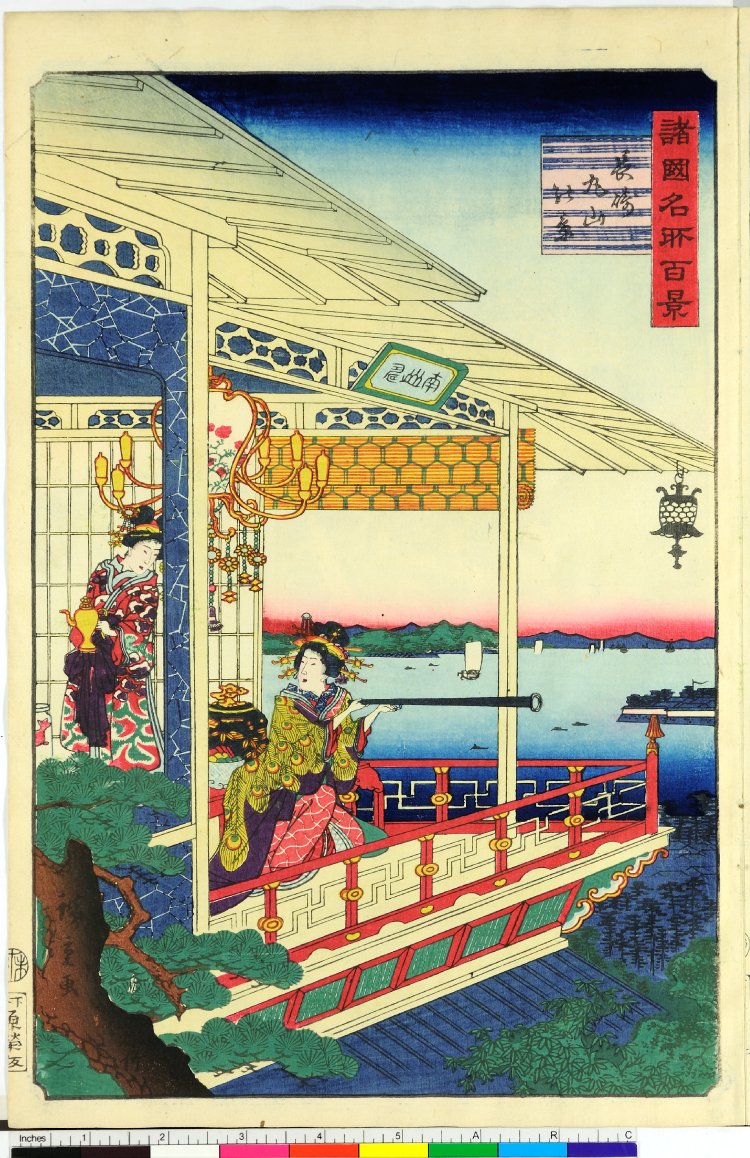
Nagasaki Maruyama no kei 長崎丸山の景 / Shokoku Meisho Hyakkei 諸国名所百景
Woodblock print
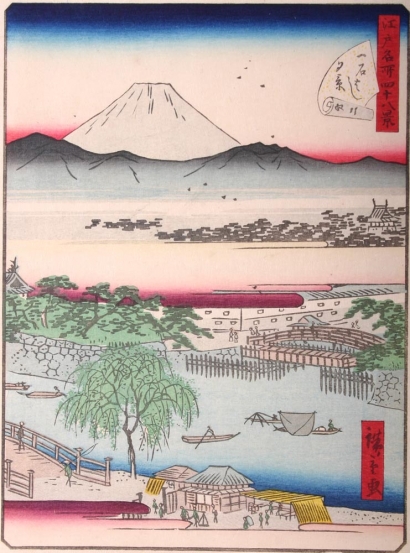
#2. Issekibashi
Woodblock print
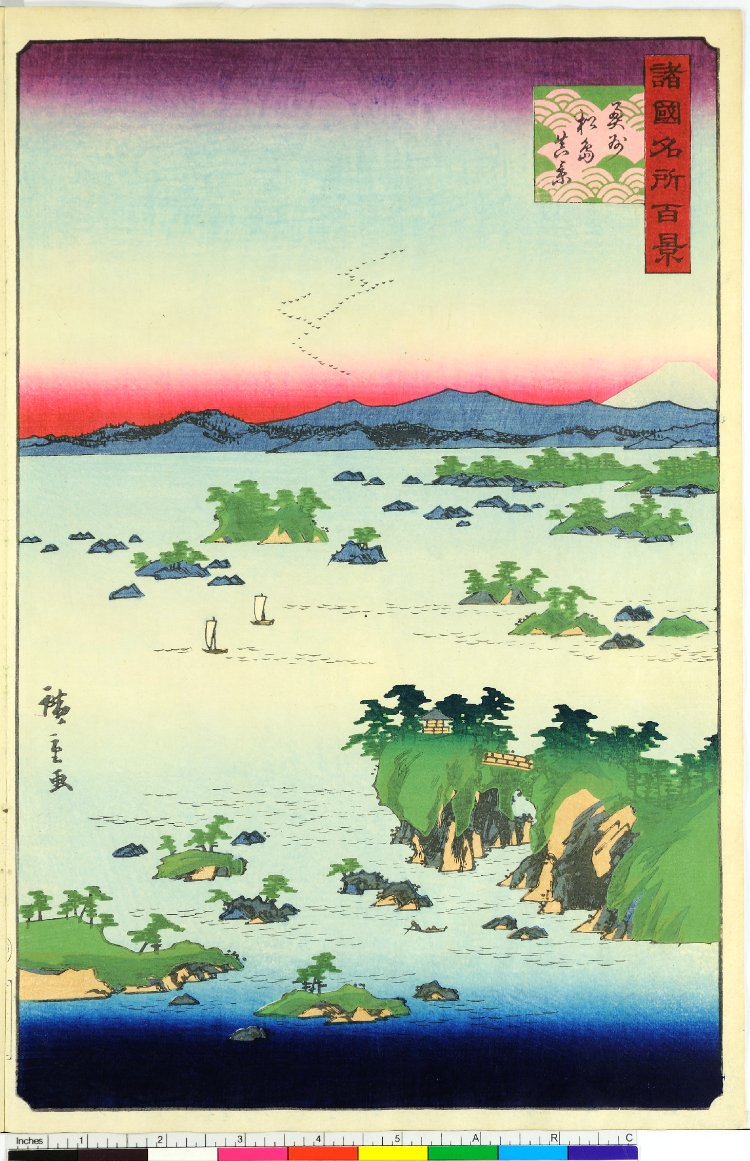
Oshu Matsushima shinkei 奥州松島真景 / Shokoku meisho hyakkei 諸国名所百景
Woodblock print
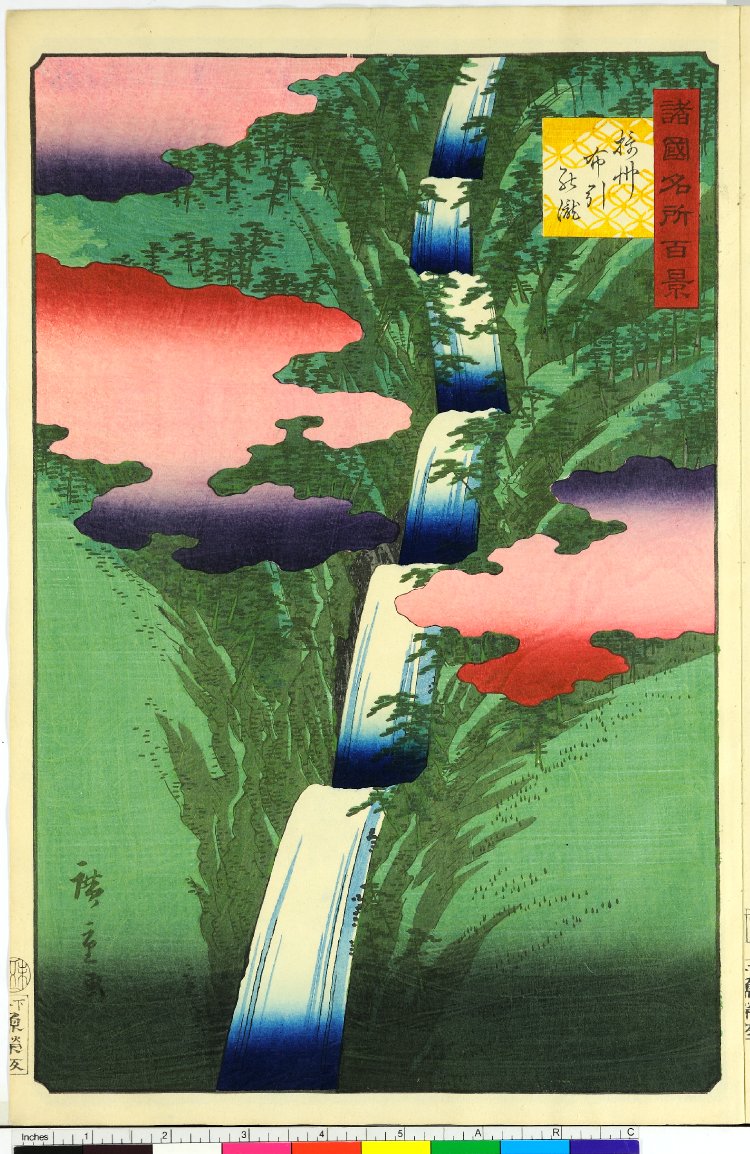
Sesshu Nunobiki no taki 摂州布引の滝 / Shokoku Meisho Hyakkei 諸国名所百景
Woodblock print
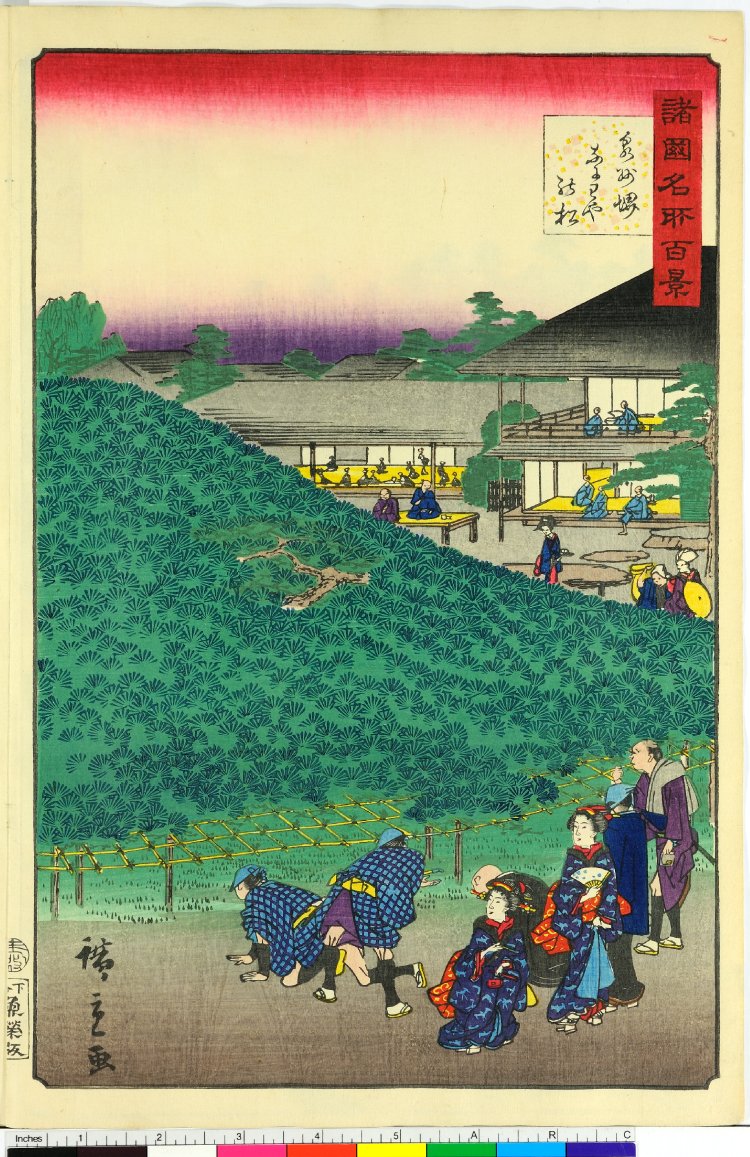
Senshu Sakai Naniwaya no matsu 泉州堺なにわやの松 / Shokoku Meisho Hyakkei 諸国名所百景
Woodblock print
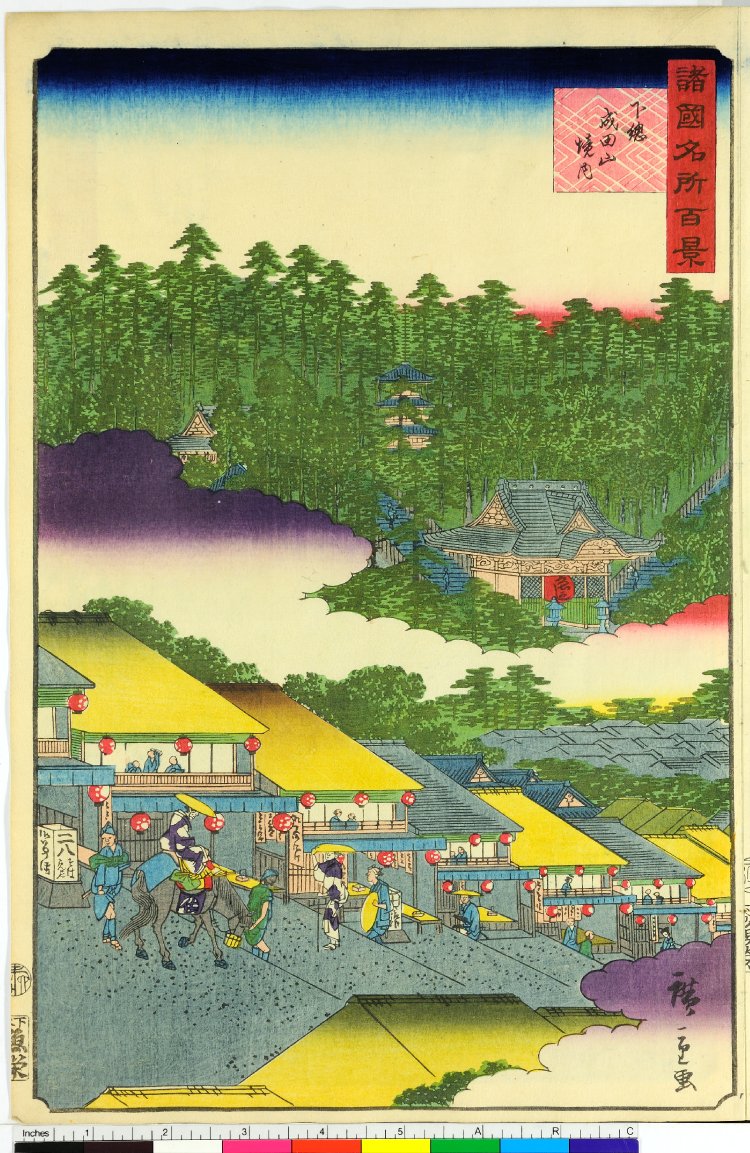
Shimosa Naritasan keidai 下総成田山境内 / Shokoku meisho hyakkei 諸国名所百景
Woodblock print
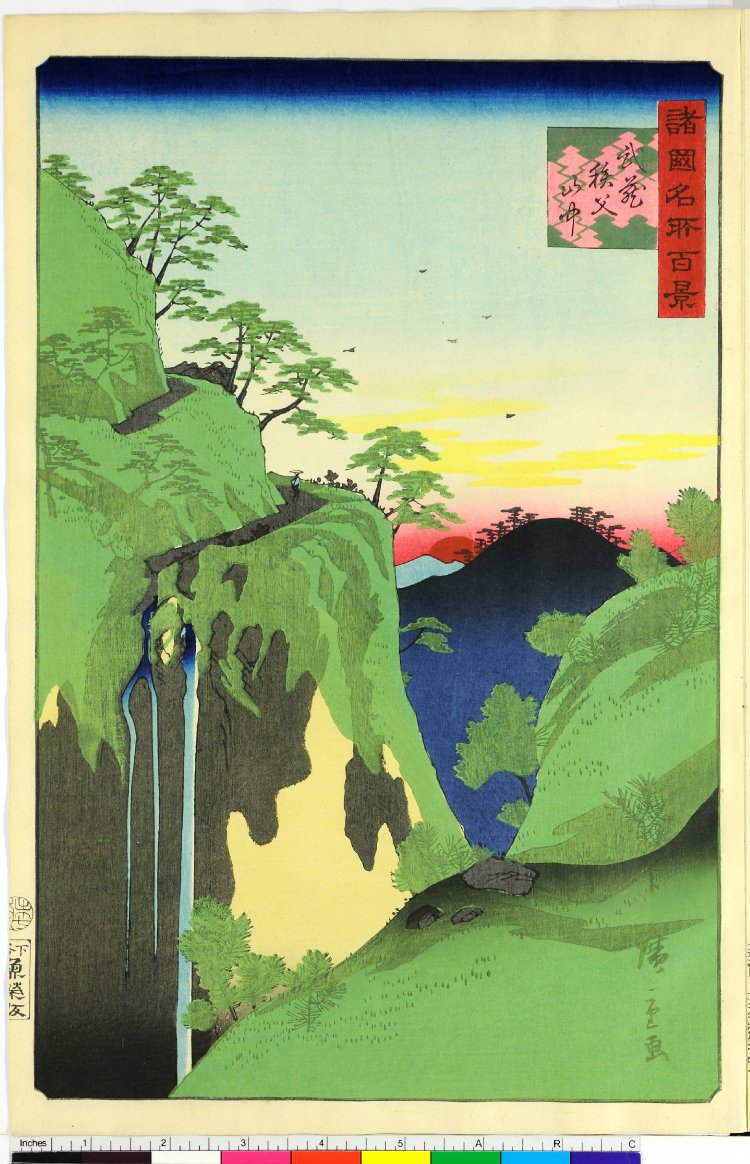
Musashi Chichibu sanchu 武蔵秩父山中 / Shokoku meisho hyakkei 諸国名所百景
Woodblock print
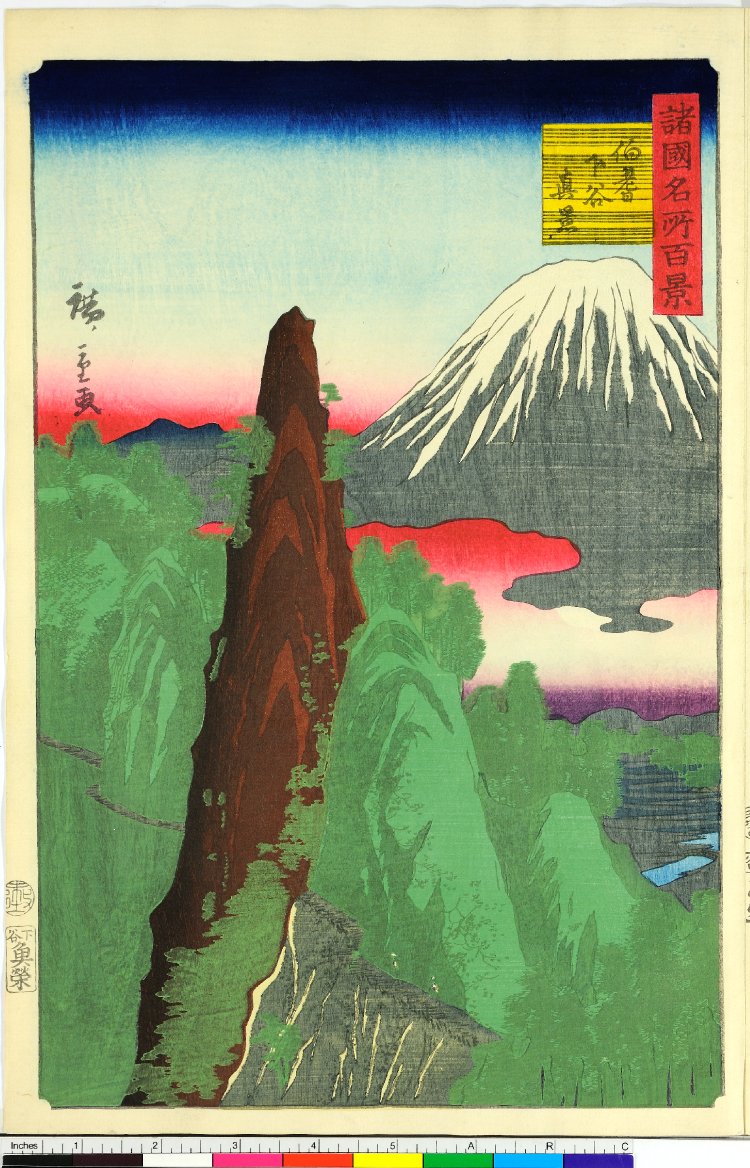
Hoki Shimotani shinkei 伯耆下谷 真景 / Shokoku meisho hyakkei 諸国名所百景
Woodblock print
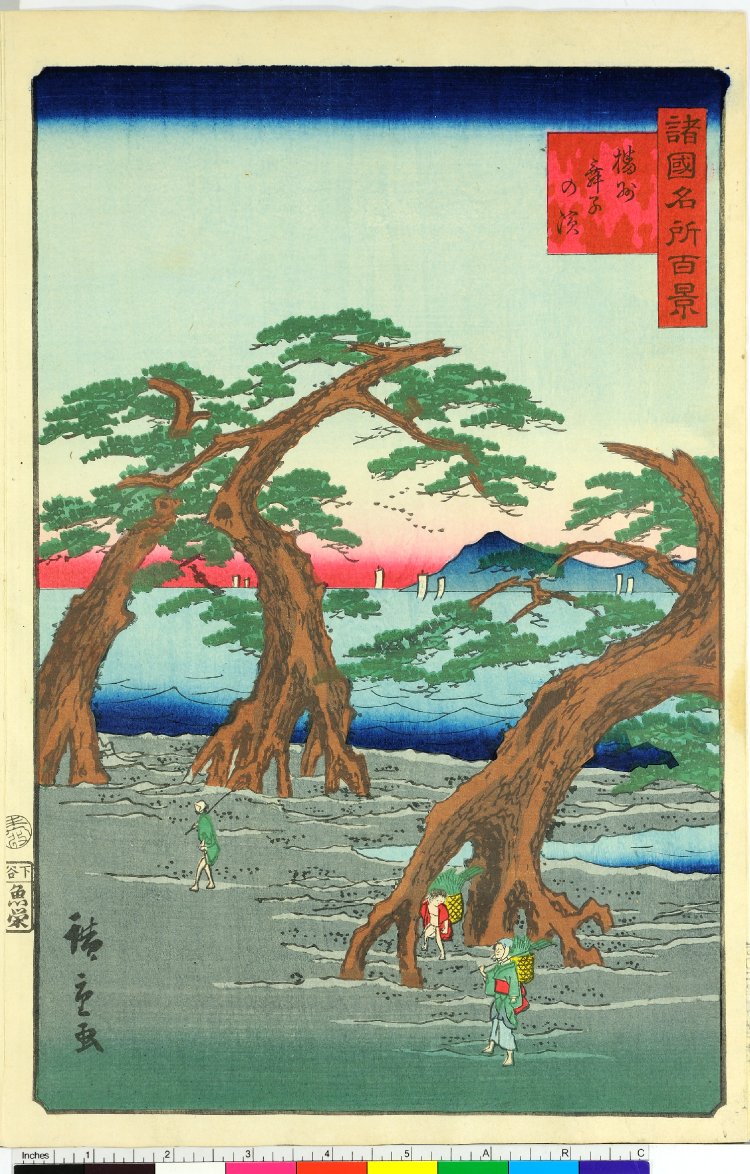
Banshu Maiko no hama 播州舞子の浜 / Shokoku Meisho Hyakkei 諸国名所百景
Woodblock print
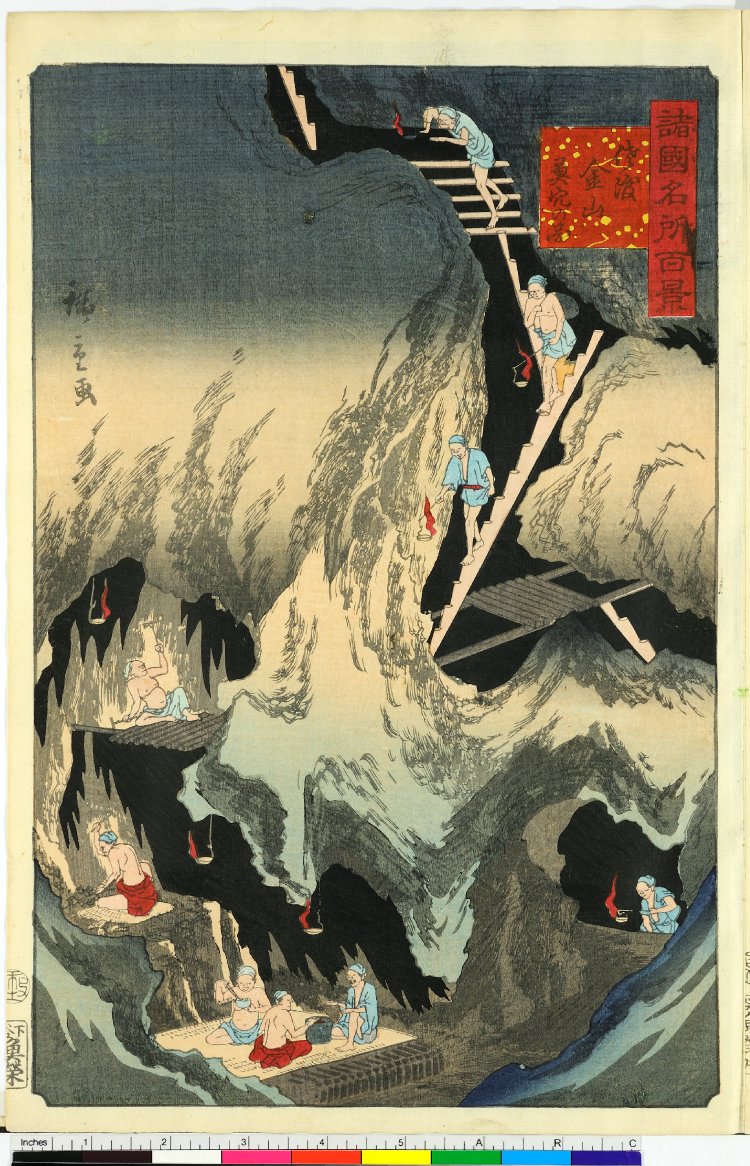
Sado kinzan oku ana no zu 佐渡金山奥穴の図 / Shokoku Meisho Hyakkei 諸国名所百景
Woodblock print
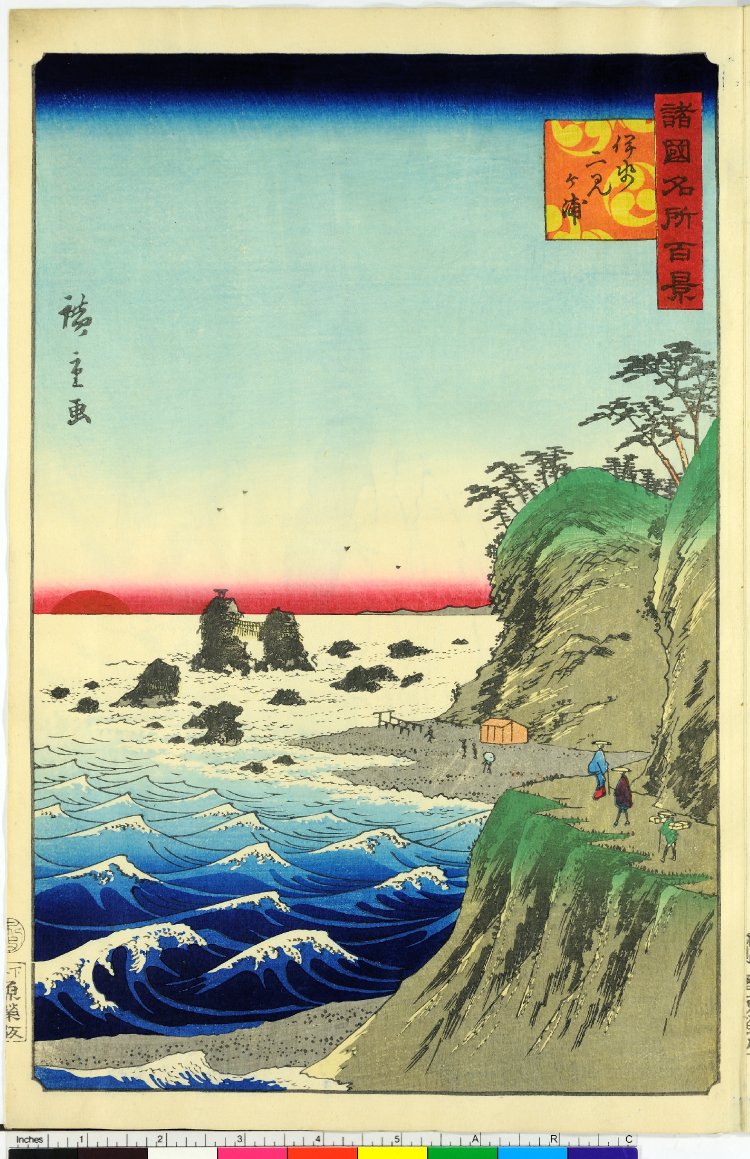
Ise Futamigaura 伊勢二見ヶ浦 / Shokoku meisho hyakkei 諸国名所百景
Woodblock print
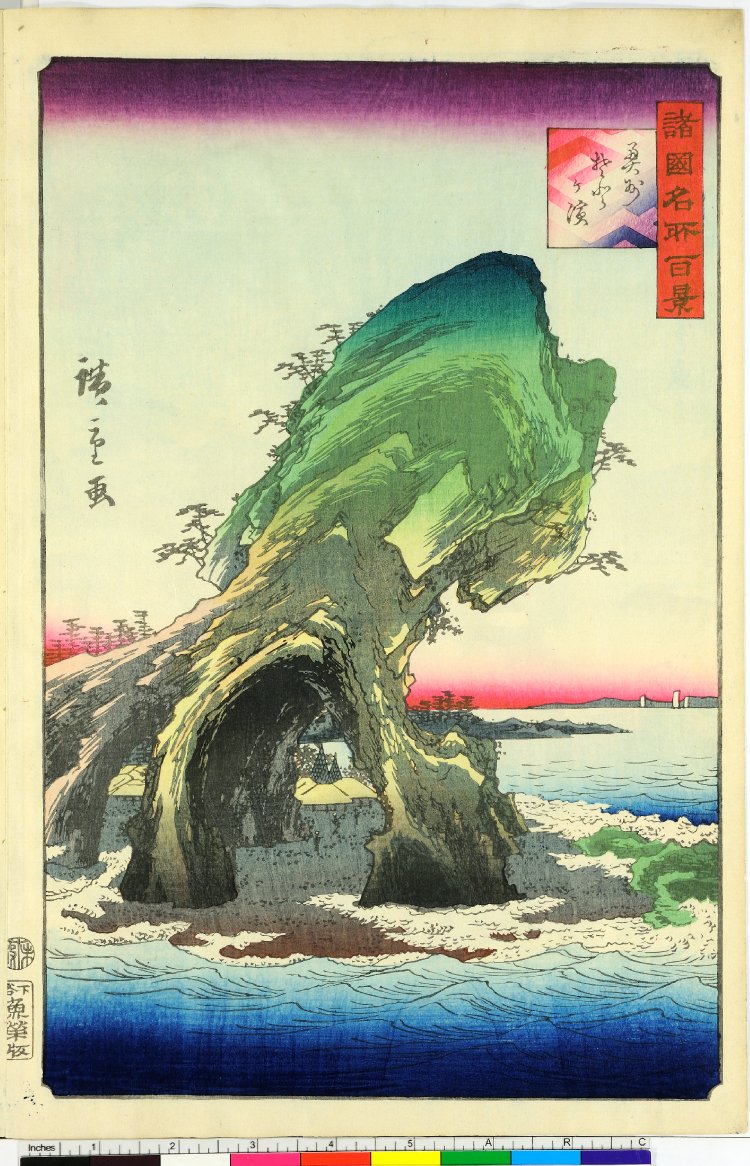
Oshu Sotogahama 奥州そとヶ濱 / Shokoku meisho hyakkei 諸国名所百景
Woodblock print
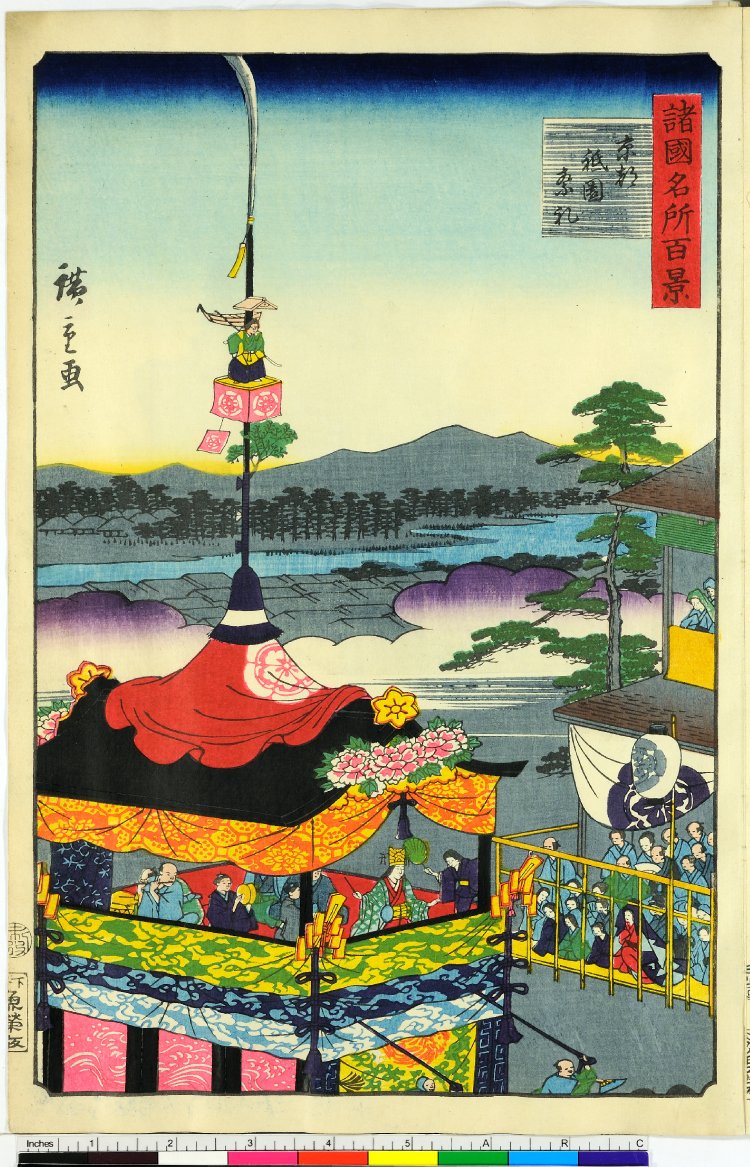
Kyoto Giion sairei 京都祇園祭礼 / Shokoku Meisho Hyakkei 諸国名所百景
Woodblock print
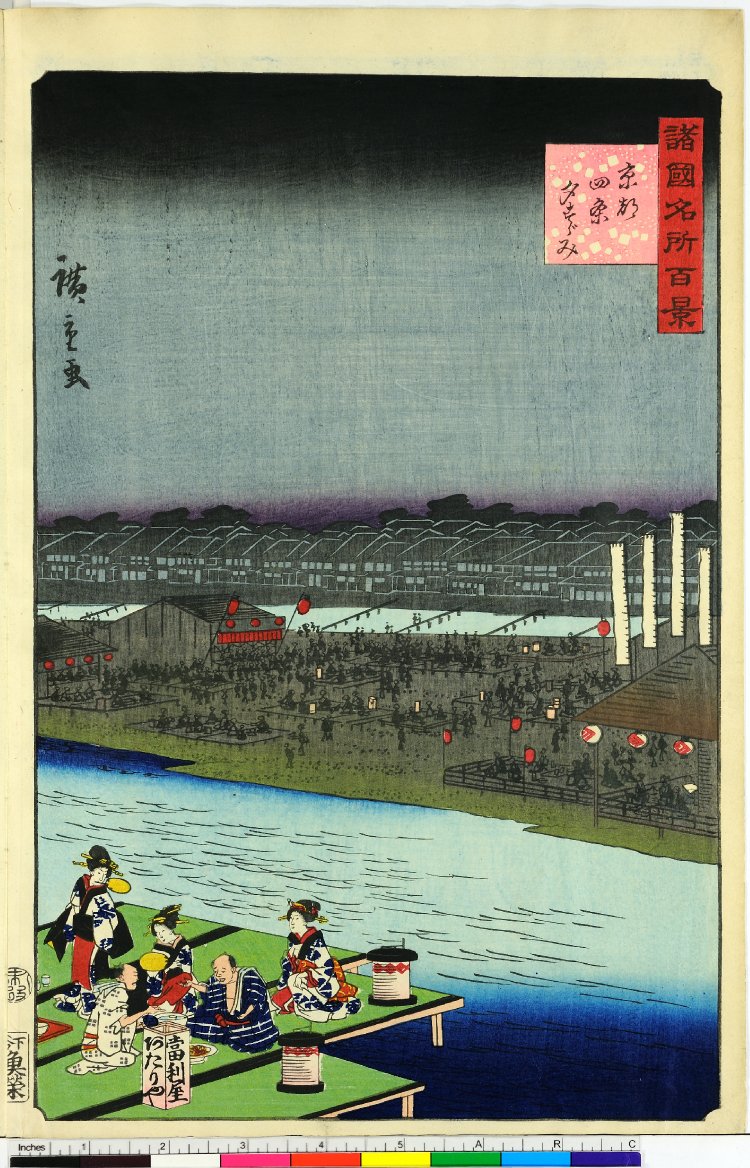
Kyoto Shijo yusuzumi 京都四条夕すずみ / Shokoku Meisho Hyakkei 諸国名所百景
Woodblock print
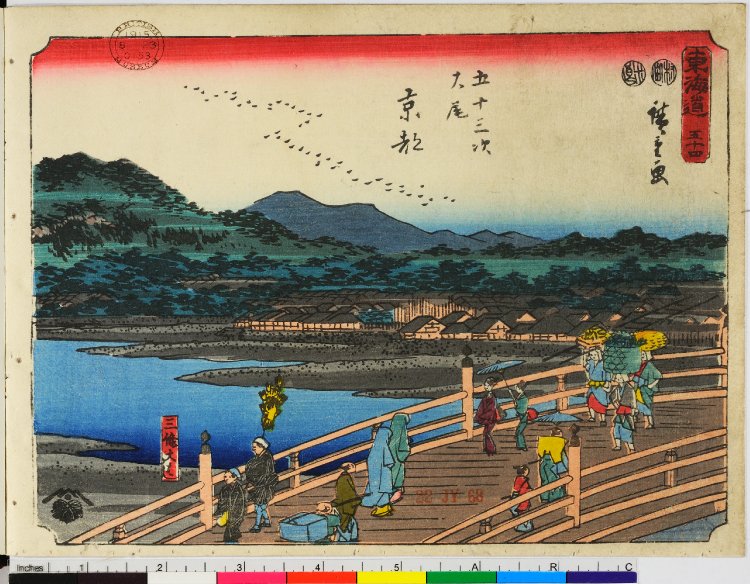
Tokaido
Woodblock print
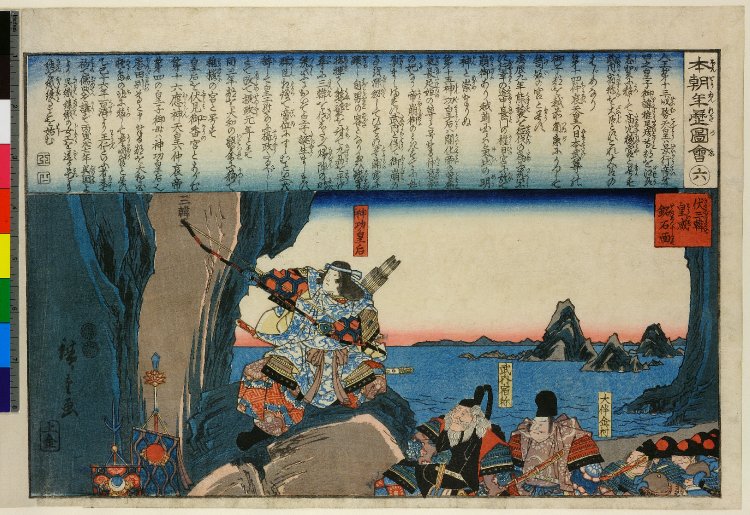
No 66 Echikawa / Kisokaido Rokujukyu-tsugi no uchi
Woodblock print
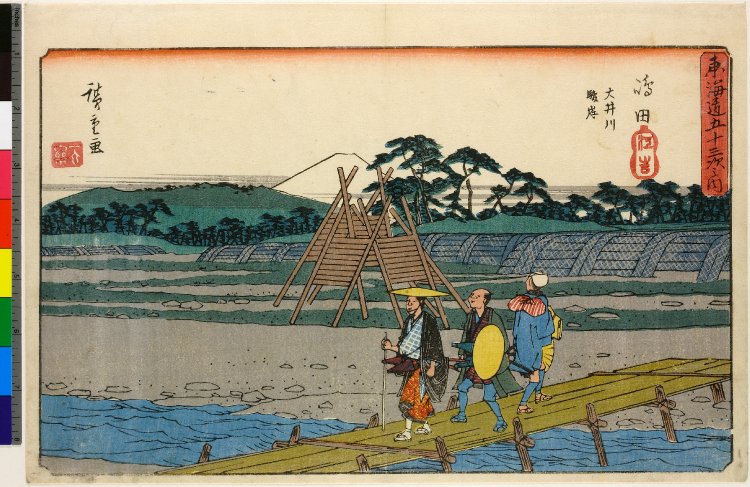
No 24 Shimada Oi-gawa Shungan / Tokaido Gojusan-tsugi no uchi
Woodblock print
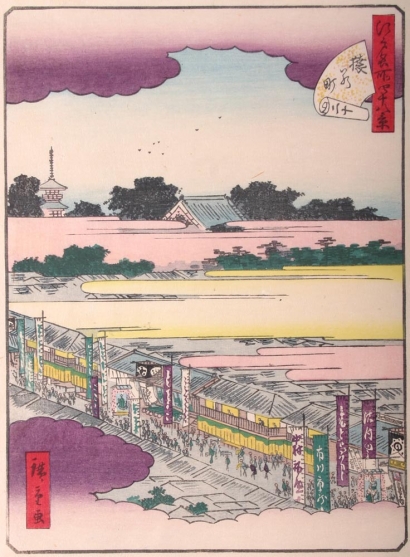
#20. Surawaka-cho
Woodblock print
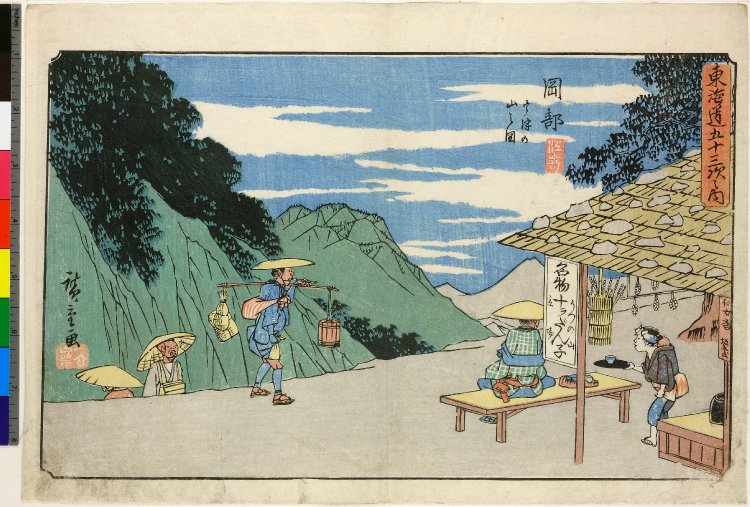
No 22 Okabe Utsu-no-yama no zu / Tokaido Gojusan-tsugi no uchi
Woodblock print
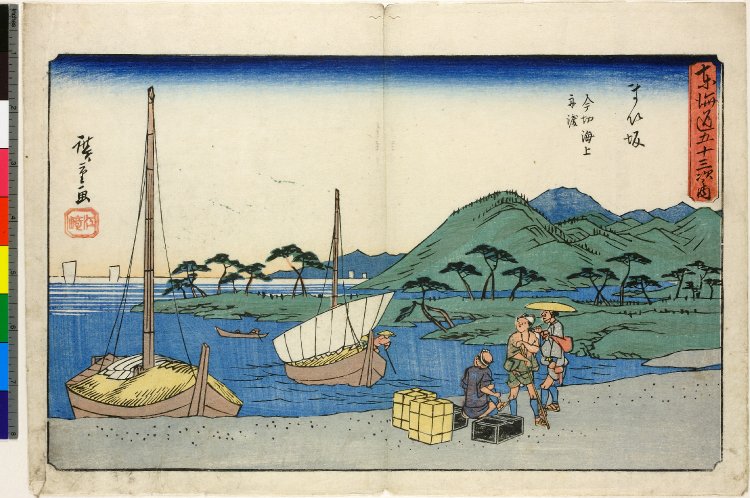
No 31,Maisaka Imagire kaijofune-watashi / Tokaido Gojusan-tsugi no uchi
Woodblock print

No 12, Hakone / Tokaido Gojusan-tsugi no uchi
Woodblock print
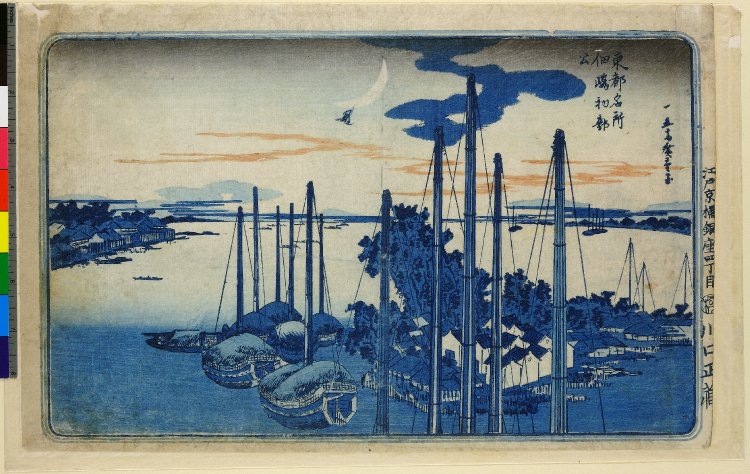
Tsukudajima hatsu-kakko (The first cuckoo at Tsukuda Island) / Toto meisho
Woodblock print
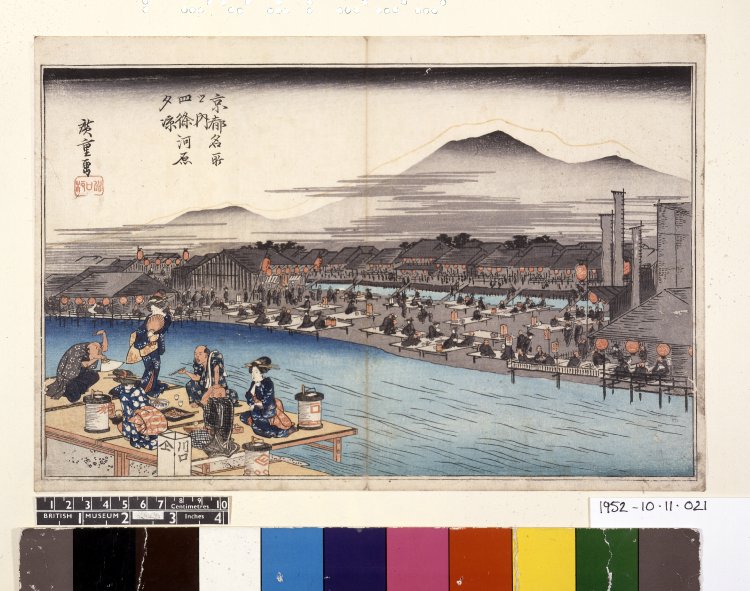
Shijo-Kawara yusuzumi / Kyoto Meisho no uchi
Woodblock print
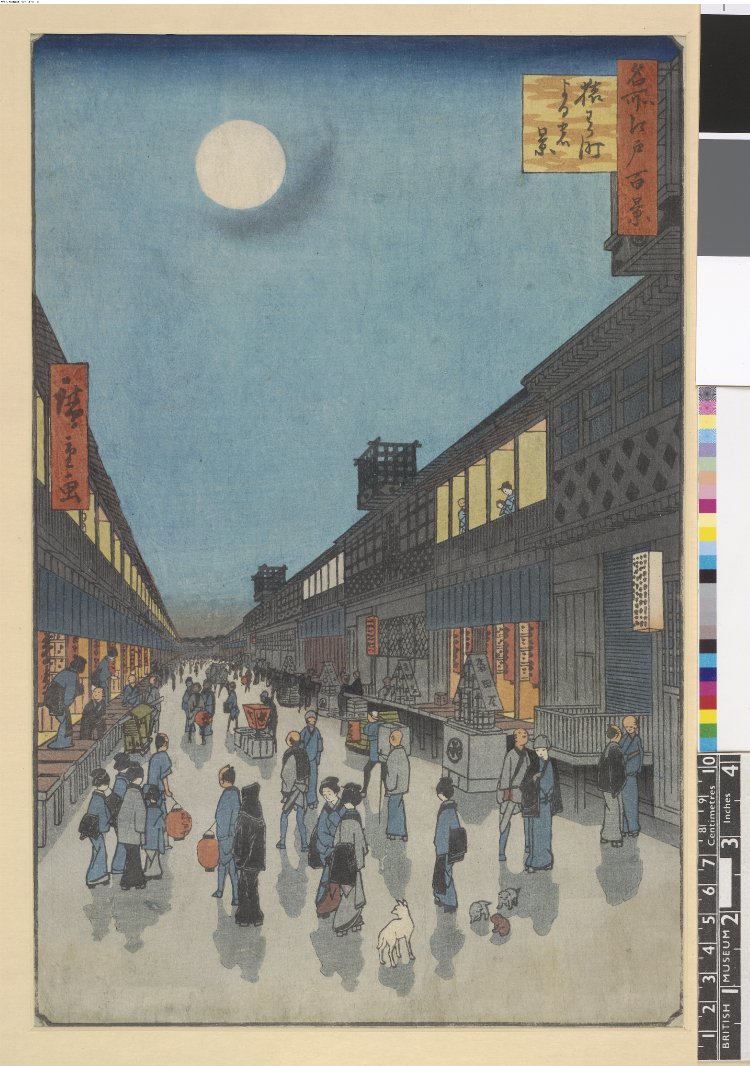
No 90, Saruwaka-machi yoru no kei / Meisho Edo Hyakkei
Woodblock print
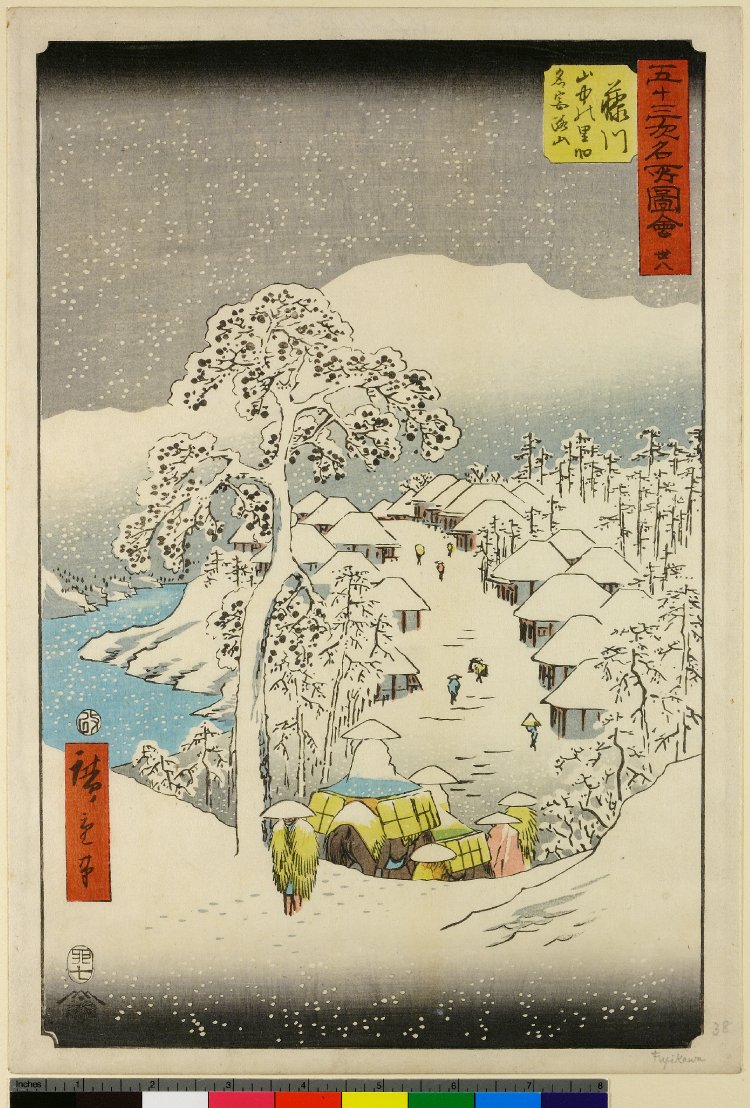
No 38 Fujikawa yama-naka no sato / Gojusan-tsugi Meisho Zue
Woodblock print
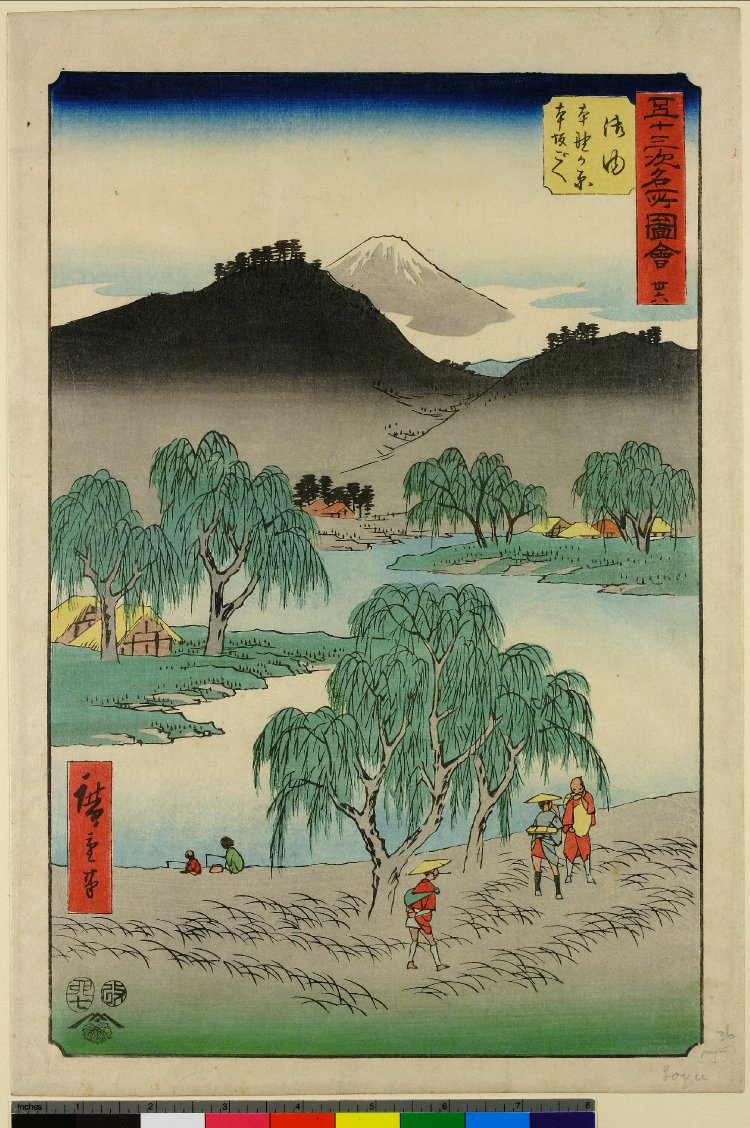
No 36, Goyu Honno-ga-hara / Gojusan-tsugi Meisho Zue
Woodblock print
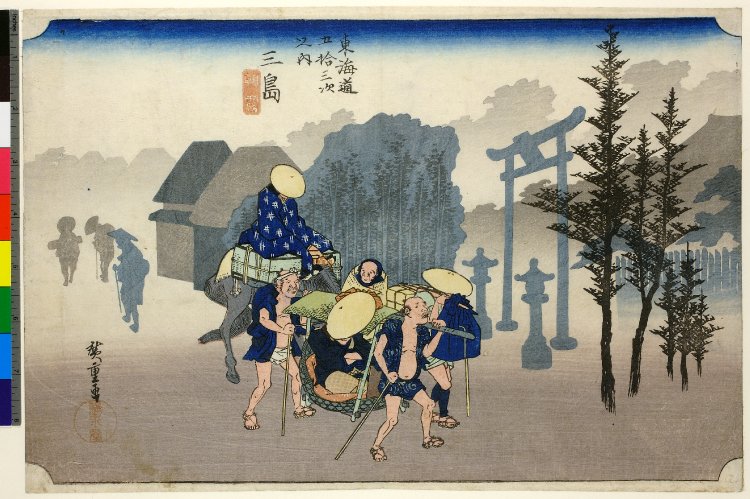
No 12,Mishima asa-giri / Tokaido Gojusan-tsugi no uchi
Woodblock print
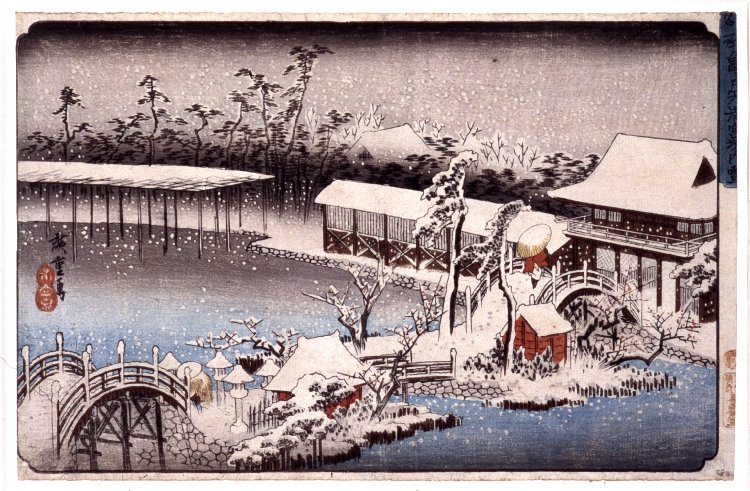
Kameido Tenmangu keidai yuki / Toto Meisho
Woodblock print
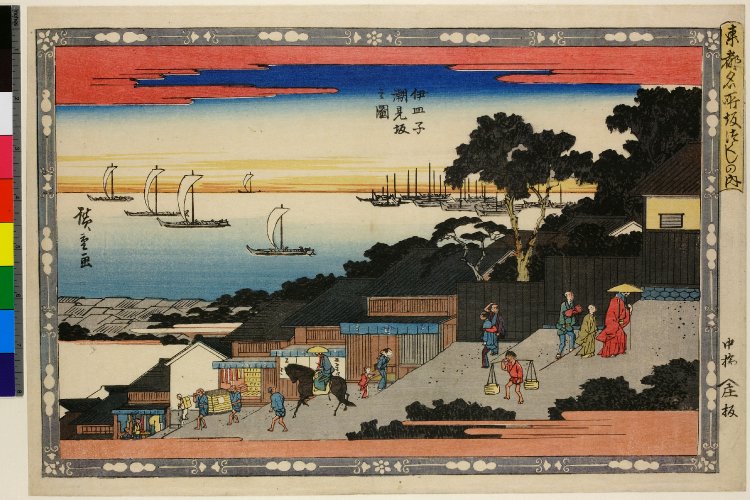
Isarago Shiomi-zaka no zu / Toto Meisho Saka-zukushi no uchi
Woodblock print
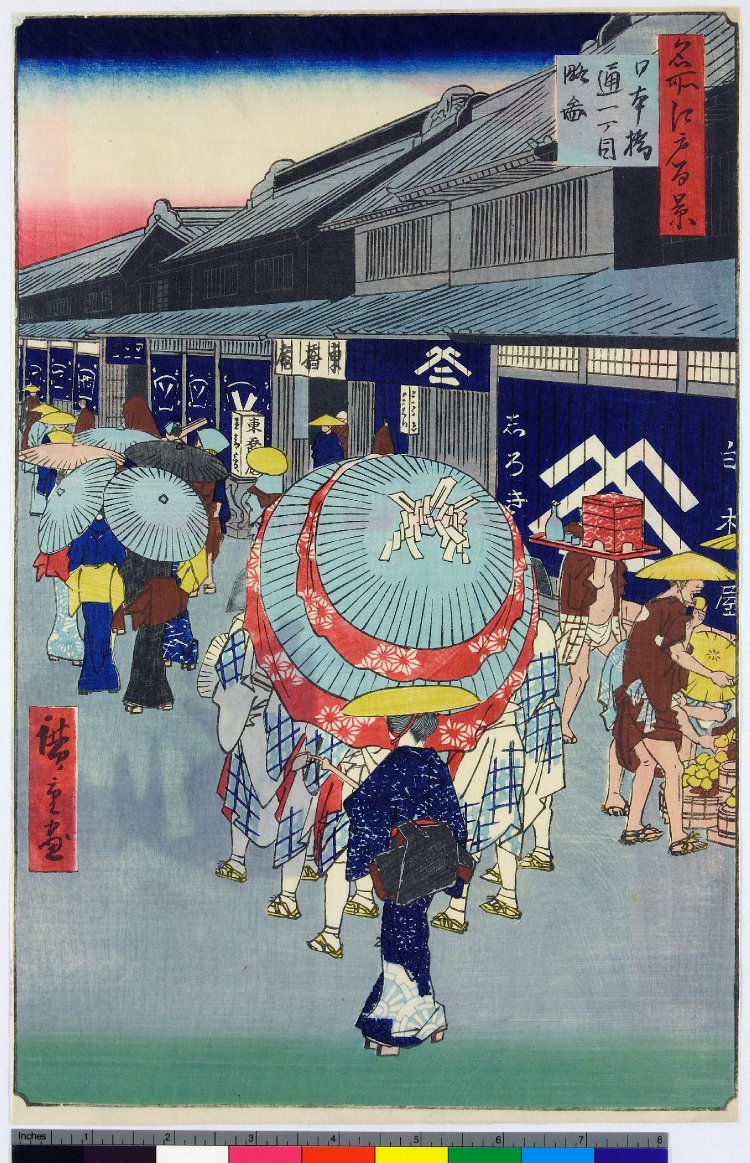
No 44 / Nihon-bashi-dori 1-chome / Meisho Edo Hyakkei
Woodblock print
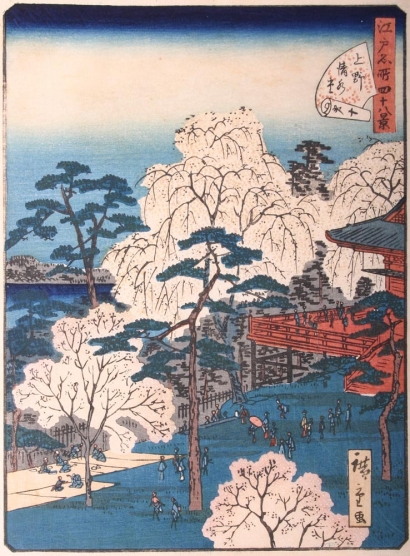
#10. Ueno
Woodblock print

#11. Nezu
Woodblock print
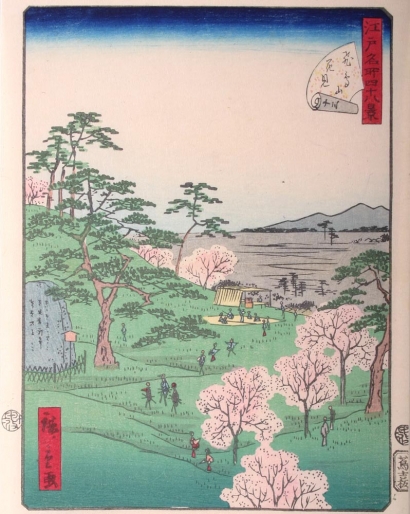
#13. Asukayama
Woodblock print
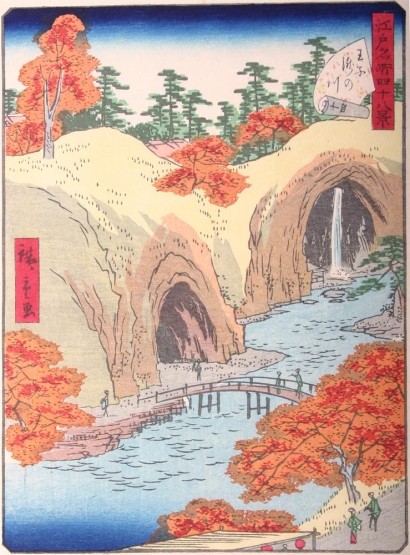
14. Oji-takinokawa
Woodblock print
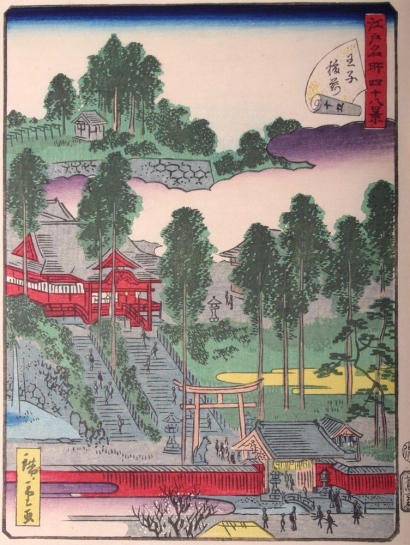
#15. Oji
Woodblock print
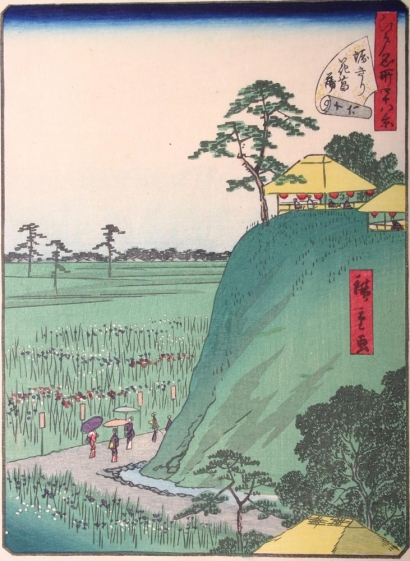
#16. Horikiri
Woodblock print
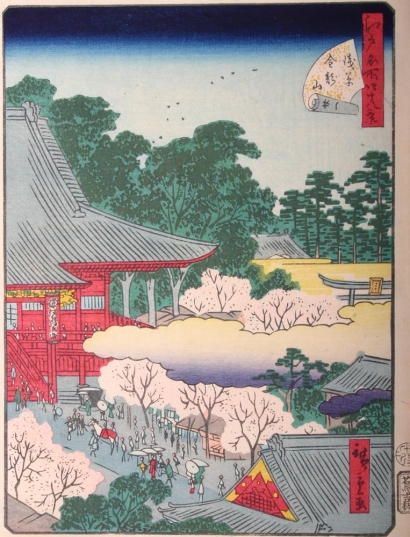
#21. Asakua
Woodblock print
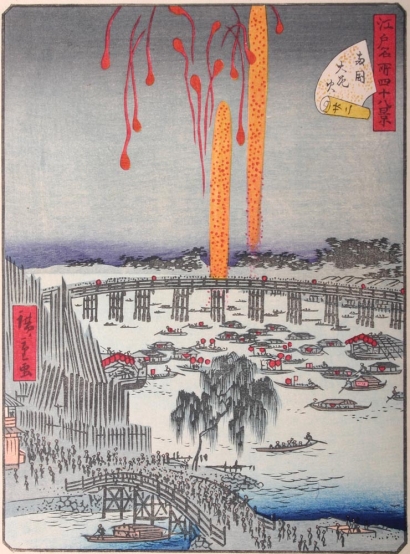
#22. Ryokoku
Woodblock print

#23. Yanagijima
Woodblock print
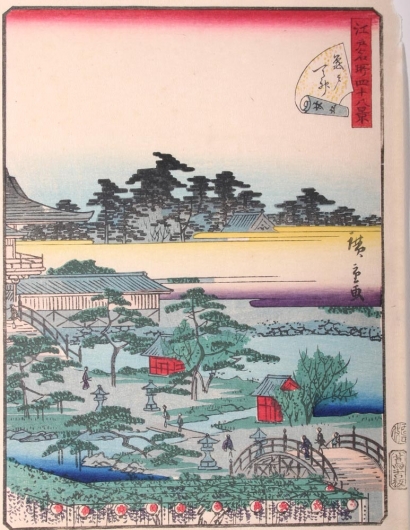
#25. Kameido Tenjin
Woodblock print

#26. Gohyakurakan
Woodblock print