Biography
Hiratsuka Un'ichi (1895-1997) was one of the founding figures of the sosaku-hanga (creative print) movement in Japan. Born in Matsue, Shimane Prefecture, he studied Western-style painting before turning to printmaking under the influence of Yamamoto Kanae, whose 1904 print "Fisherman" is considered the birth of sosaku-hanga. Hiratsuka became a tireless advocate for the principle that artists should design, carve, and print their own works, in contrast to the collaborative ukiyo-e and shin-hanga traditions.
Throughout his extraordinarily long career spanning over eight decades, Hiratsuka created more than 3,000 prints, predominantly bold black-and-white woodcuts characterized by strong contrasts and dynamic compositions. His subjects ranged from Buddhist temples and Shinto shrines to modern cityscapes, rendered with a distinctively powerful cutting technique. He was instrumental in organizing the Nihon Sosaku-Hanga Kyokai (Japan Creative Print Association) in 1918 and mentored generations of younger printmakers including Takeji Asano and Tomikichiro Tokuriki.
In 1962, Hiratsuka moved to Washington, D.C., where he continued to create prints and teach at several American universities until his return to Japan. He received numerous honors including the Order of the Sacred Treasure and was designated a Living National Treasure candidate. His longevity — he lived to 102 — made him a living link between the pre-war origins of sosaku-hanga and its postwar international recognition.
Key Facts
- Active Period
- 1895–1997
- Nationality
- 🇯🇵Japan
- Movement
- Sōsaku-hanga
- Works Indexed
- 239
Frequently Asked Questions
What is Hiratsuka Un'ichi known for?
Hiratsuka Un'ichi (1895-1997) was one of the founding figures of the sosaku-hanga (creative print) movement in Japan. Born in Matsue, Shimane Prefecture, he studied Western-style painting before turning to printmaking under the influence of Yamamoto Kanae, whose 1904 print "Fisherman" is considered the birth of sosaku-hanga. Hiratsuka became a tireless advocate for the principle that artists should design, carve, and print their own works, in contrast to the collaborative ukiyo-e and shin-hanga traditions.
When was Hiratsuka Un'ichi active?
Hiratsuka Un'ichi was active from 1895 to 1997. They were associated with the Sōsaku-hanga movement.
What artistic movements influenced Hiratsuka Un'ichi?
Hiratsuka Un'ichi's work was shaped by the Sōsaku-hanga tradition in Japanese woodblock printmaking. Sōsaku-hanga: The "creative prints" movement (c.
Where can I see Hiratsuka Un'ichi's original prints?
Original prints by Hiratsuka Un'ichi can be found in collections including Art Institute of Chicago.
Woodblock Prints by Hiratsuka Un'ichi (239)

Georgetown University Clock Tower
1967
Woodblock print

Brass Donkey from Turkey
1967
Woodblock print

Bridge Rail over the C & O Canal, Georgetown (Kanaru no rankan, Joojitaun)
1963
Woodblock print

Celestial Globe at Montrose Park (Tenkyugi, montoro-su paaku)
1963
Woodblock print

Three Gourds (Kabocha)
1963
Woodblock print

Locks on the C & O Canal (Kanaru no suimon)
1963
Woodblock print

Tree Stump (Kirikabu)
1963
Woodblock print

View of the Lakeshore at Matsue
1969
Woodblock print

Flower of the Evergreen Magnolia
1970
Woodblock print

Hokki-ji Temple, Nara
1970
Woodblock print

South Izu Peninsula
1970
Woodblock print

Mirror Number One
1970
Woodblock print

Mount Fuji from Kumoni Izu
1970
Woodblock print

Angel Dreaming Room
1971
Woodblock print

Stone Bodhisattva in the Freer Gallery of Art, Washington, D.C.
1971
Woodblock print

Nude at Studio
1972
Woodblock print

Eucalyptus, Santa Monica, California
1973
Woodblock print

Persian Tile Design
1973
Woodblock print

Stone Wall of Kumamoto Castle
1973
Woodblock print
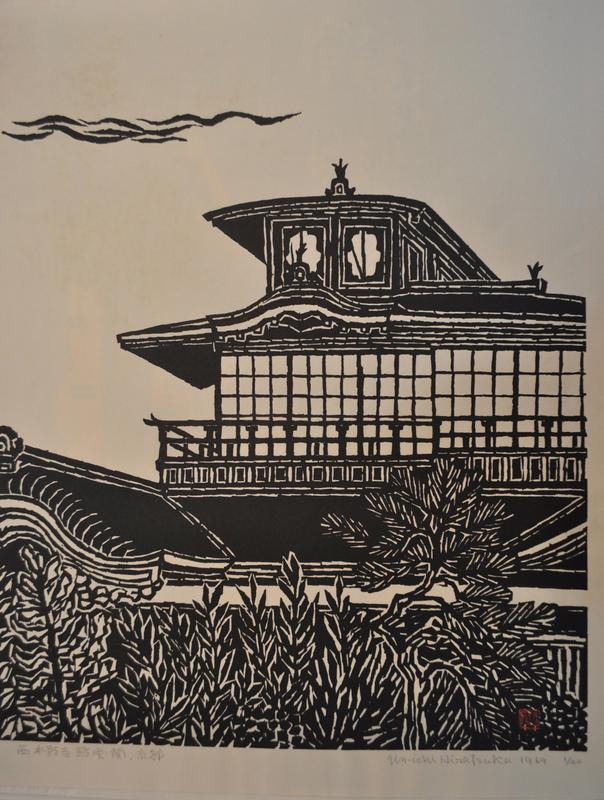
Hiunkaku at Nishihonganji, Kyoto
1969
Woodblock print, ink on paper

Greek Nude and Tang Period Flying Horse (Rafu To Temma)
1974
Woodblock print

Capitol, Washington, D.C.
1972
Woodblock print

Washing the Feet
1975
Woodblock print, ink on paper

Turkish Brass Donkey (Toruku shinchu no roba)
1976
Woodblock print

Portrait of a Girl with Accompanying Poem
1984
Woodblock print

Corn Husk Doll America
1985
Woodblock print

Georgetown Window, Washington, D.C.
1985
Woodblock print

Old Roof Tile of Kokobunji Temple, Izumo (Izumo Kokubunji Furu-gawara)
1985
Woodblock print

Stone Image of Bishunu
20th century
Woodblock print

Stone Observatory in Kiyonju
Woodblock print

Rice Fields in Valley ( sloping hill ) - decription
Woodblock print
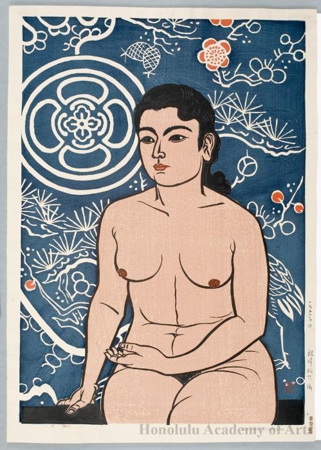
Nude Woman in Pines, Bamboo and Plums background
Woodblock print
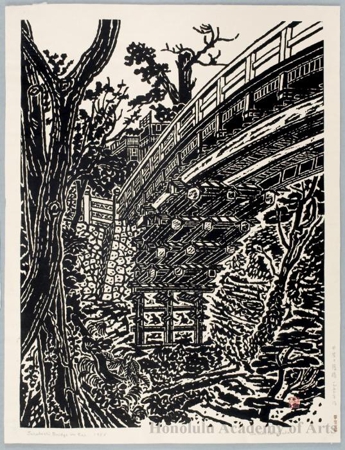
Saruhashi Bridge in Kai
Woodblock print
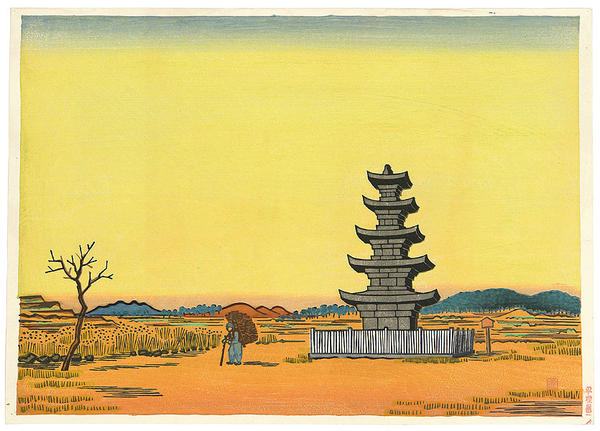
Old City in Kudara- Paekche- Korea
Woodblock print
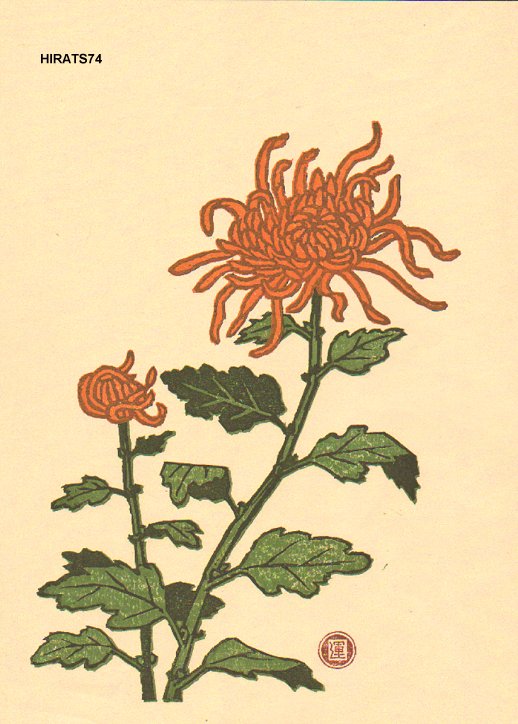
Chrysanthemum
Woodblock print
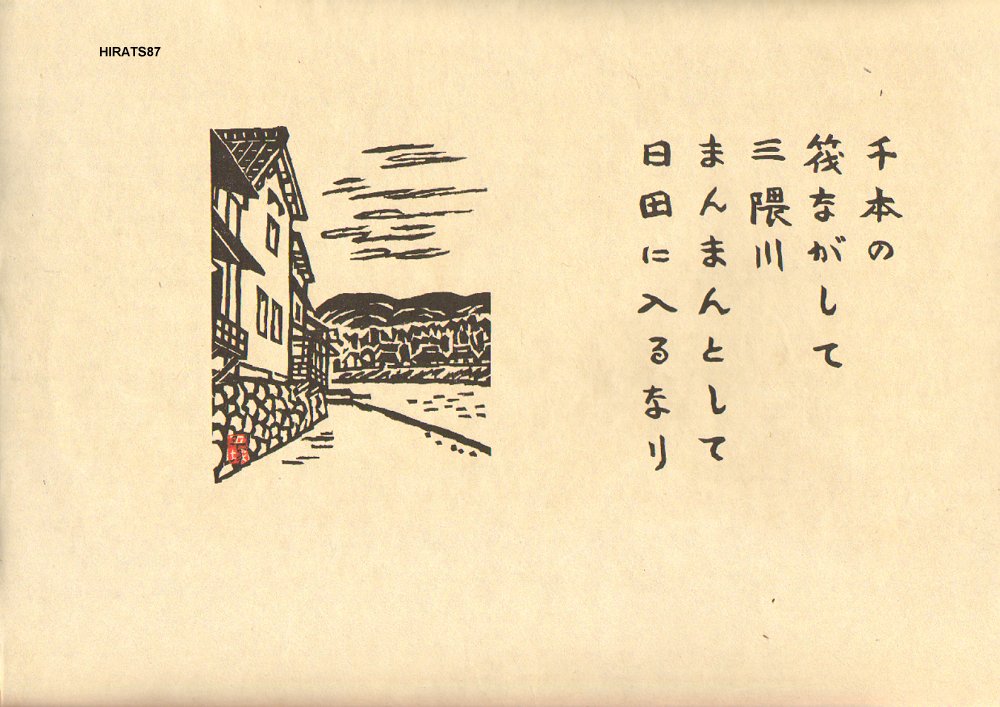
Memory of a Journey
Woodblock print
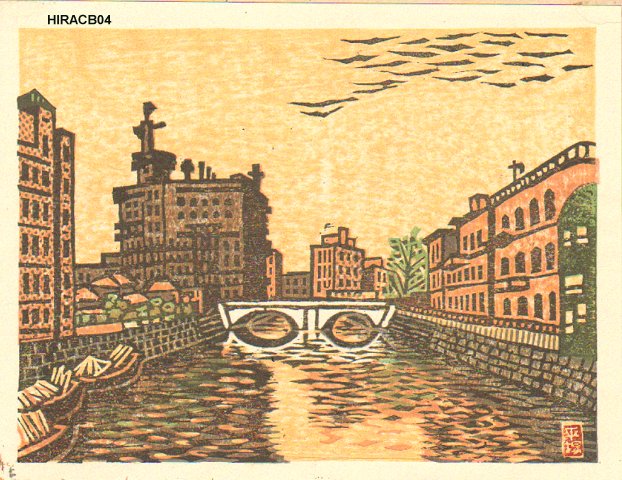
SUKIYA-BASHI (Sukiya Bridge)
Woodblock print
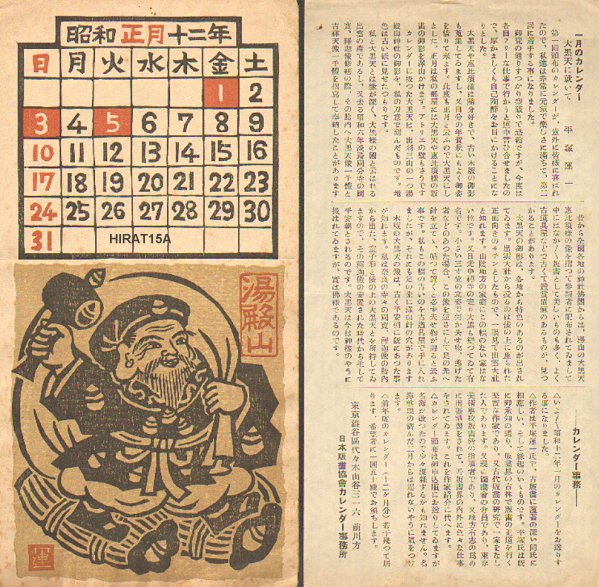
January
Woodblock print
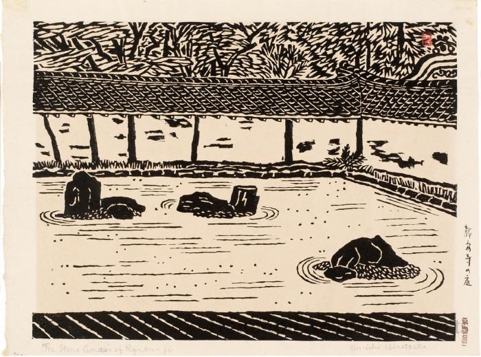
Untitled (unichi-hiratsuka)
Woodblock print
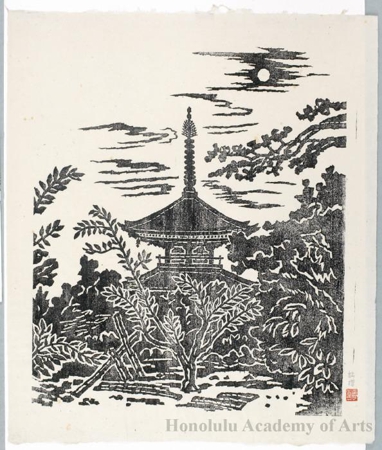
Untitled (unichi-hiratsuka)
Woodblock print
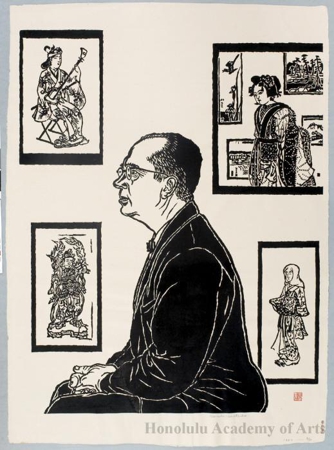
Untitled (unichi-hiratsuka)
Woodblock print
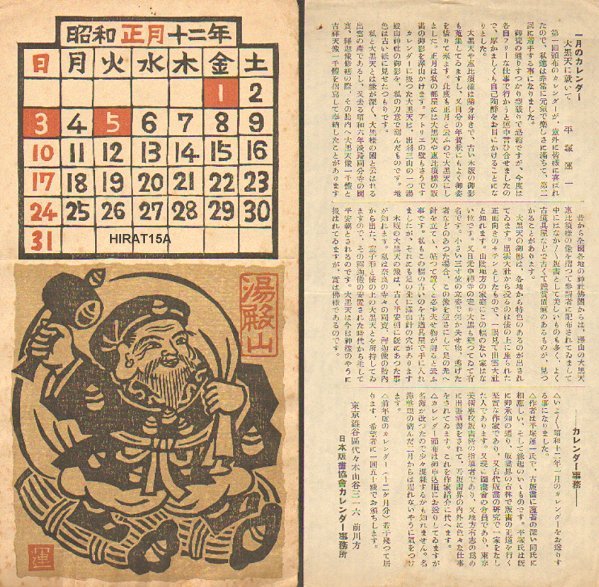
Untitled (unichi-hiratsuka)
Woodblock print
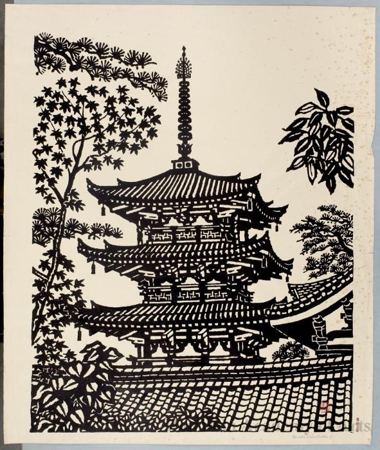
Höryüji Temple
Woodblock print
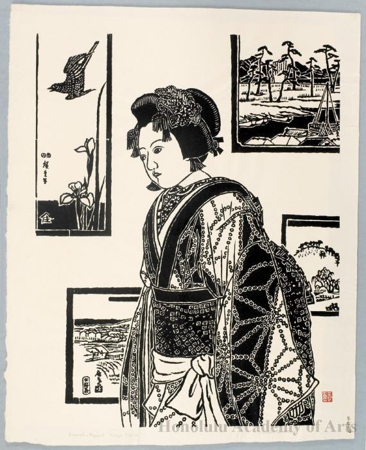
Bunraku Puppet: Yaoya Oshichi
Woodblock print
Unichi Hiratsuka (1895-1997)
Woodblock print
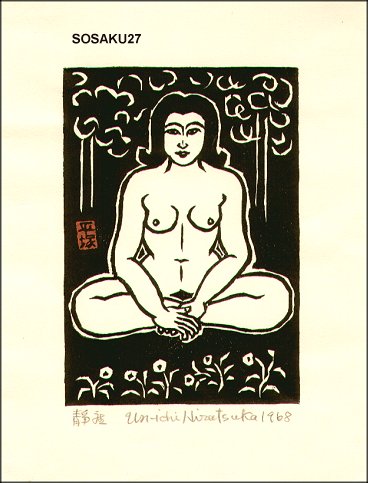
Tranquility
Woodblock print
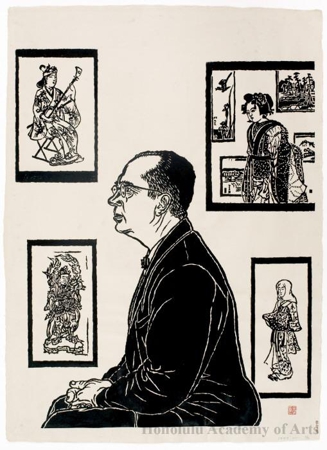
Portrait Print of James A. Michener (Under drawing)
Woodblock print
Akasaka Diet Library
Shōwa period,
Woodblock print; ink and color on paper
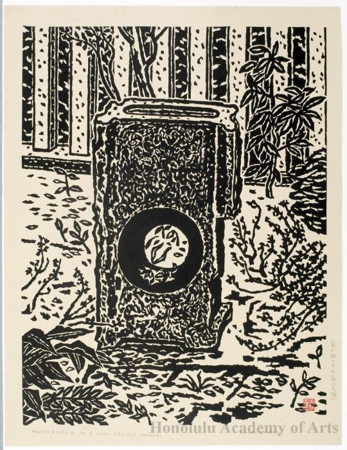
Whose a Sleeve of a Wash Trough, Iwakuni
Woodblock print
![Title unknown [Temple grounds] by Hiratsuka Un'ichi](https://1.api.artsmia.org/800/135549.jpg)
Title unknown [Temple grounds]
mid 20th century
Woodblock print, ink on paper
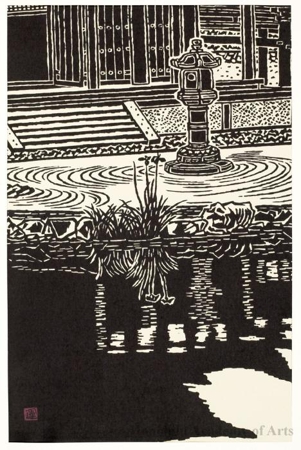
Lakeside at the Byödö-In
Woodblock print
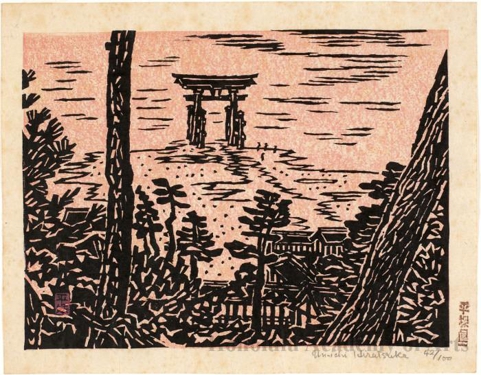
Torii Gate
Woodblock print
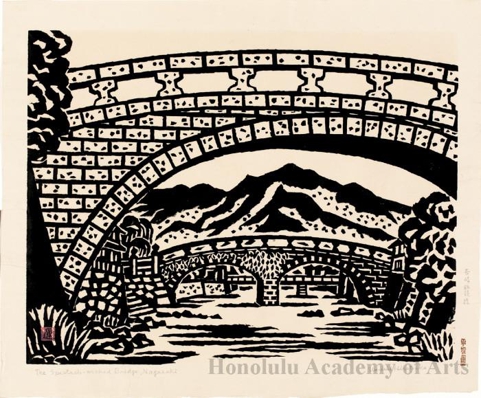
Megane Bridge in Nagasaki
Woodblock print
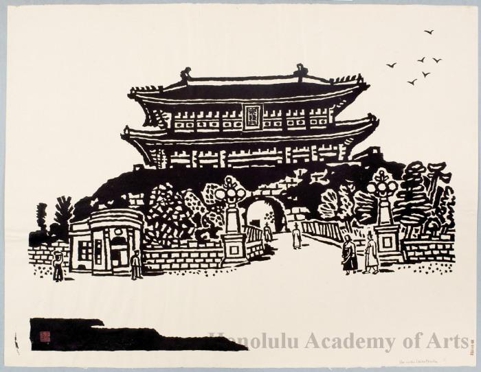
Main South Gate in Seoul
Woodblock print
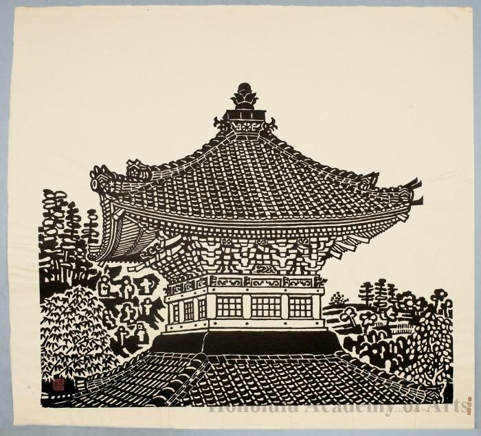
Sutra Depositry at Iwaya-ji Temple, Aichi Prefecture
Woodblock print
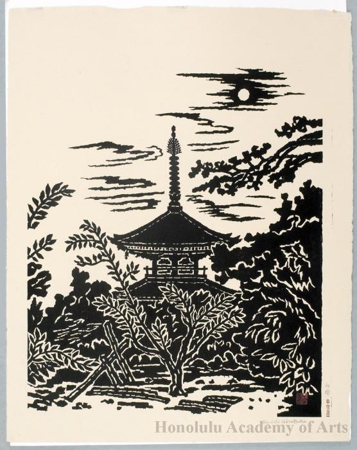
Pagoda
Woodblock print
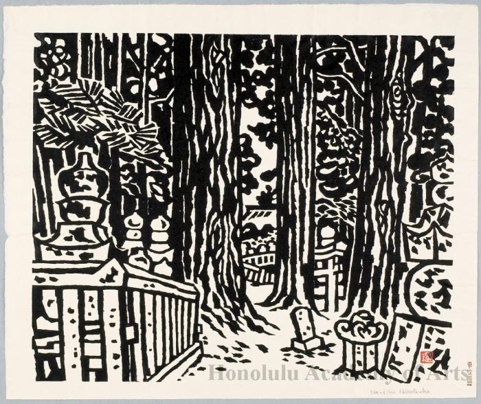
Sotoba in Forest ( Inner sanctuary of Mt. Köya)
Woodblock print
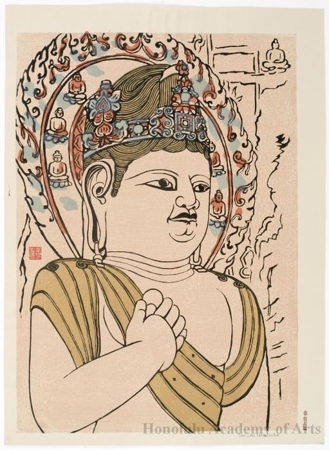
Stone Bodhisattva at Datong
Woodblock print

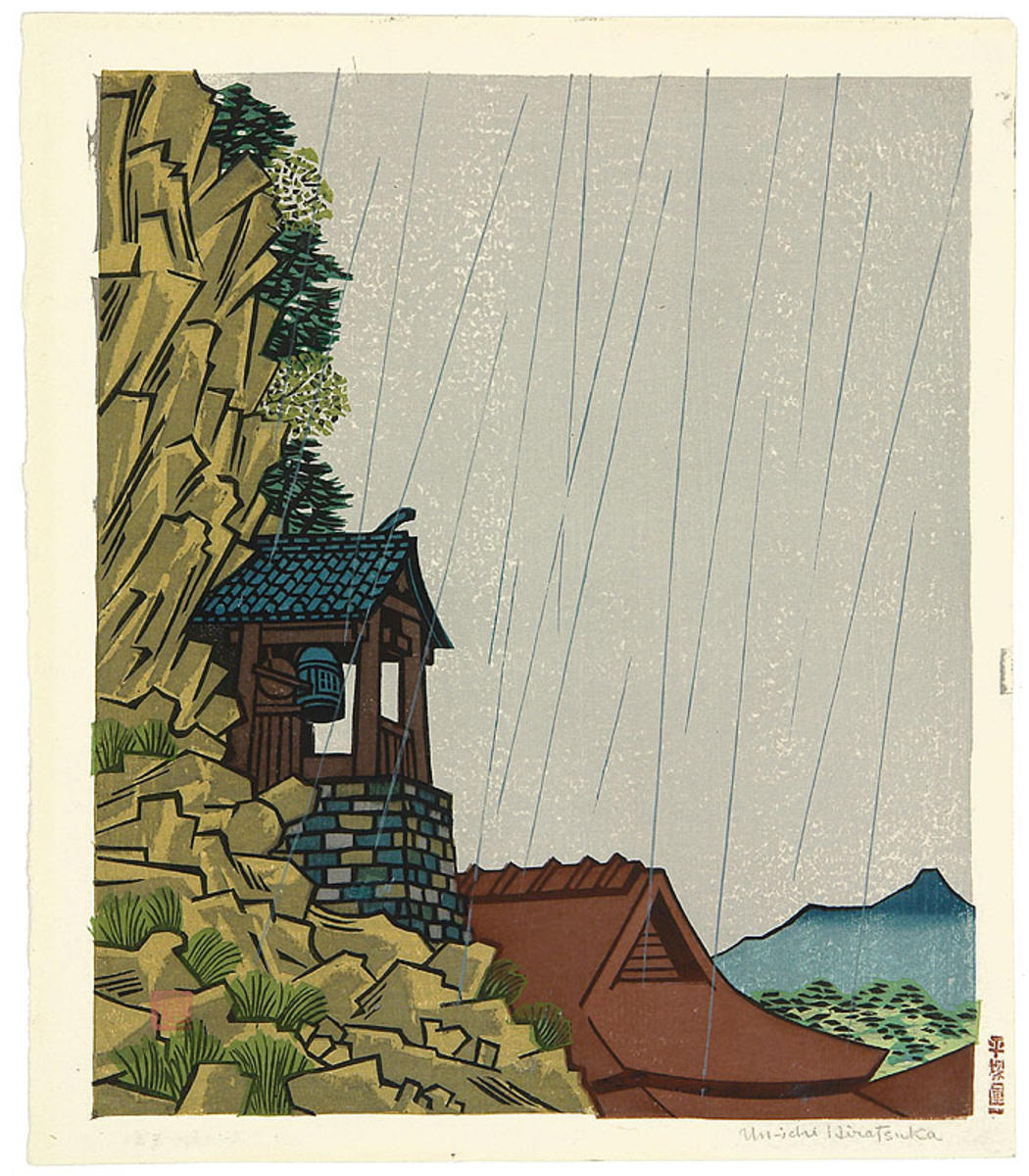
Yabakei-Rakan-ji in Rain
Woodblock print