Biography
Toshi Yoshida (1911–1995) was a Japanese woodblock print artist whose career traced a remarkable arc from the traditional shin-hanga landscapes of his famous father to bold abstract compositions and finally to vivid depictions of wildlife inspired by travels across Africa, the Americas, and beyond. As the eldest son and artistic heir of Hiroshi Yoshida, he inherited both a celebrated studio and the challenge of establishing his own artistic identity, which he accomplished through seven hundred or more prints that pushed the boundaries of the woodblock medium.
Born on July 25, 1911, in Tokyo, Toshi grew up immersed in art. His father Hiroshi Yoshida was one of the preeminent shin-hanga artists of the era, and his mother Fujio Yoshida was a distinguished painter and printmaker in her own right. His younger brother Hodaka would also become an important printmaker. Toshi contracted polio at a young age, which prevented him from attending school. Instead, he was homeschooled and spent his formative years sketching in his father's print workshop, absorbing the techniques and artistic philosophy of the Yoshida studio. He began drawing at the age of three and mastered every stage of woodblock print production under his parents' guidance. In 1926, at age fifteen, he chose animals as his primary subject matter—a deliberate decision to distinguish his work from his father's landscapes.
The first phase of Toshi's career was shaped by his father's tradition and by travel. In 1930, at the age of nineteen, he accompanied Hiroshi on a sketching trip to India and Southeast Asia, an experience that broadened his artistic horizons. A 1936 journey to China and Korea followed. During this period, Toshi worked in the shin-hanga style, producing realistic landscapes and animal subjects published through the Yoshida family workshop, where professional carvers and printers executed his designs under his supervision.
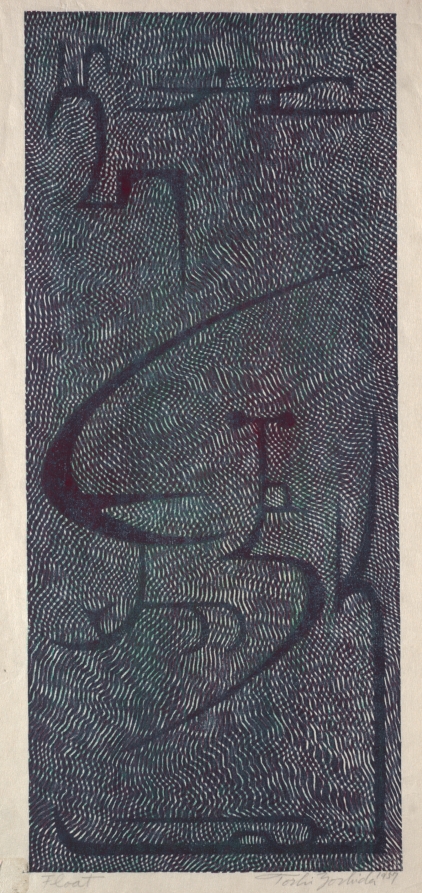
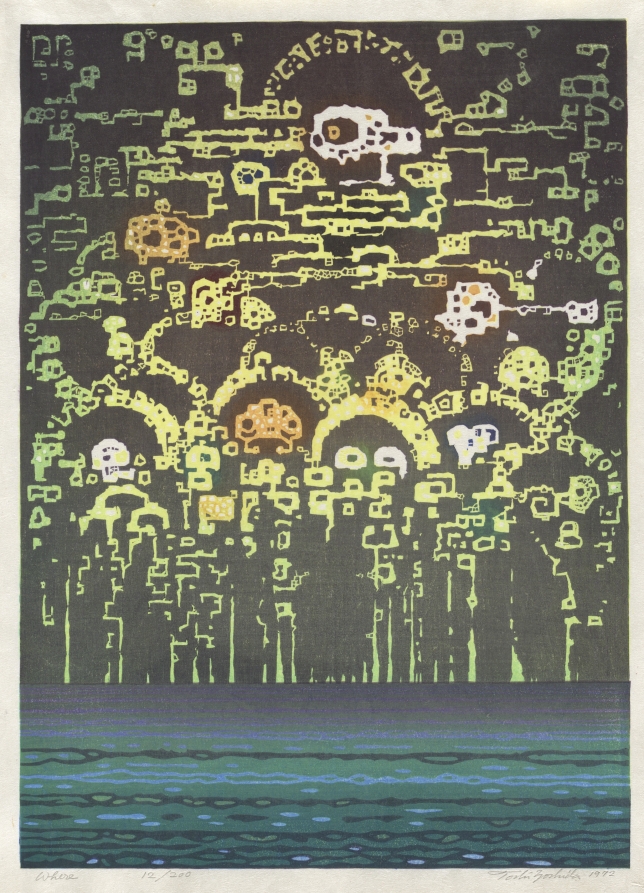
His father's death in 1950 proved to be a profound artistic turning point. At thirty-nine, Toshi became head of the Yoshida family and took over running the workshop. Rather than continuing in his father's footsteps, he made a decisive break from naturalism. Beginning in 1952, influenced by his brother Hodaka's explorations of abstraction, he embarked on a series of abstract woodcuts that represented a radical departure from everything he had previously created. Over the next two decades, from approximately 1954 to 1973, he produced around three hundred non-objective prints in the sosaku-hanga manner, carving and printing the blocks himself without the help of his workshop. These abstract works employed layered blocks and subtle color transitions to achieve effects of remarkable complexity and luminosity.
This middle period also saw Toshi establish himself as an international figure in printmaking. In 1953, he undertook a major trip to the United States, Mexico, London, and the Near East, making presentations in thirty museums and galleries across eighteen American states. His tireless advocacy for Japanese printmaking helped bring the art form to new audiences worldwide.
The third and final phase of Toshi's career began in 1971, when he returned to his innate affinity for animal subjects. The print Humming Bird and Fuchsia (1971) signaled this transition and served as a prelude to his most celebrated body of work: the African wildlife series. In 1973, he traveled to Africa, where he photographed and sketched the continent's diverse fauna and landscapes. The resulting prints—depicting lions, elephants, zebras, and birds in bold colors and simplified, powerful compositions—became his most recognizable works. The series continued through subsequent African visits and dominated his output for the remainder of his career. He also traveled to Antarctica, Australia, Canada, and Europe for artistic inspiration.
In 1980, Toshi founded a printmaking school in Nagano Prefecture that attracted international students, continuing the Yoshida family tradition of cross-cultural artistic exchange. Among his notable students were the artists Karyn Young, Carol Jessen, Sarah Brayer, and Micah Schwaberow.
Toshi's artistic style evolved dramatically across these three phases, yet certain threads remained constant: a bold approach to color, a willingness to experiment with the technical possibilities of the woodblock medium, and a deep engagement with the natural world. His shin-hanga works display the refined craftsmanship and atmospheric sensitivity of the Yoshida studio tradition. His abstract prints demonstrate an ability to create visual depth and luminous color effects through the careful layering of multiple blocks. His wildlife prints combine the directness and simplicity of design that woodblock printing demands with a naturalist's understanding of animal form and behavior.
Throughout his career, Toshi occupied a unique position between the shin-hanga and sosaku-hanga traditions. During his early and late periods, he worked with the family workshop in the collaborative shin-hanga model; during his abstract period, he embraced the sosaku-hanga principle of total artistic control. He signed his prints in pencil in the Western manner, typically in the bottom margin, and also applied a brush signature and red seal within the image.
Toshi Yoshida died of cancer on July 1, 1995, at the age of eighty-three. His works are held in major collections worldwide, including the Museum of Modern Art in New York, the British Museum, the Museum of Fine Arts in Boston, the Art Institute of Chicago, the National Museum of Australia, and the National Museum of Modern Art in Tokyo. As the pivotal figure in the Yoshida family's four-generation artistic dynasty, he ensured that the legacy his father had built continued to evolve, encompassing not just landscapes but the full breadth of the natural world.
Key Facts
- Active Period
- 1911–1995
- Nationality
- 🇯🇵Japan
- Movements
- Shin-hangaSōsaku-hanga
- Works Indexed
- 100
Frequently Asked Questions
What is Toshi Yoshida known for?
Toshi Yoshida (1911–1995) was a Japanese woodblock print artist whose career traced a remarkable arc from the traditional shin-hanga landscapes of his famous father to bold abstract compositions and finally to vivid depictions of wildlife inspired by travels across Africa, the Americas, and beyond. As the eldest son and artistic heir of Hiroshi Yoshida, he inherited both a celebrated studio and the challenge of establishing his own artistic identity, which he accomplished through seven hundred or more prints that pushed the boundaries of the woodblock medium.
When was Toshi Yoshida active?
Toshi Yoshida was active from 1911 to 1995. They were associated with the Shin-hanga and Sōsaku-hanga movements.
What artistic movements influenced Toshi Yoshida?
Toshi Yoshida's work was shaped by the Shin-hanga and Sōsaku-hanga traditions in Japanese woodblock printmaking. Shin-hanga: The "new prints" movement (c. Sōsaku-hanga: The "creative prints" movement (c.
What subjects did Toshi Yoshida depict?
Toshi Yoshida's prints frequently feature landscapes, urban scenes, portraits, temples & shrines, birds & flowers, seascapes.
Where can I see Toshi Yoshida's original prints?
Original prints by Toshi Yoshida can be found in collections including ukiyo-e.org, Cleveland Museum of Art, Art Institute of Chicago.
How much do Toshi Yoshida prints cost?
Toshi Yoshida prints offer excellent value for collectors interested in the evolution of Japanese woodblock printing from traditional to modern styles. As the son of Hiroshi Yoshida, Toshi inherited a mastery of technique while developing his own distinctive voice, particularly in his bold animal portraits and abstract compositions. Prices generally range from $200 to $5,000. Like his father, Toshi operated through the Yoshida family studio and maintained high production standards. The key edition types are: jizuri editions (bearing the "self-printed" seal, indicating Toshi's direct supervision of the printing): $1,000–$5,000 for major subjects. Studio editions (printed in the Yoshida studio during his lifetime): $500–$2,000. Posthumous family studio editions (printed after his death in 1995): $200–$800. The jizuri seal functions the same as on his father's prints — look for the small rectangular cartouche near the edition number. Early career prints from the 1950s–1960s, when Toshi was finding his individual style while still working in the family studio tradition, are among the most collected. His most valuable subjects include the African wildlife series (especially elephants and big cats), the abstract "Star" series, and his views of famous international landmarks. Prints from his travels to Africa, India, and the Americas have crossover appeal with wildlife art collectors. Jizuri editions: $1,000–$5,000. Studio editions: $500–$2,000. Posthumous editions: $200–$800. Toshi's market has grown steadily but remains more affordable than his father's, making him an excellent choice for collectors who appreciate the Yoshida aesthetic at a more accessible price point.
External Resources
Series by Toshi Yoshida
Woodblock Prints by Toshi Yoshida (100)

Ishiyama Temple (Ishiyamadera)
石山寺
1946
Color woodblock print
Shrine of the Paper Makers, Fukui
1951
Color woodblock print

Heirinji Temple Bell (Tsuriganedo), from the series "Four Landscapes" ("Fukei yondai")
釣鐘堂
1951
Color woodblock print

Opus No. 2
1952
Color woodblock print

Opus No. 12
1953
Woodblock print

German Girl
1954
Color woodblock print

Woman in Bagdad
1954
Color woodblock print

Myoko Hot Spring
1955
Color woodblock print
Float
1957
Woodcut

Unknown (Michi no)
未知の
1968
Color woodblock print
Where
1972
Color woodcut

Peaceful Wild Animals
1974
Color woodblock print

Tokyo Port Wild Bird Park (One Hundred Views of Tokyo, Message to the 21st Century)
東京百景 21世紀へのメッセージ
1989-99
Woodblock print, zinc anastic plate on paper
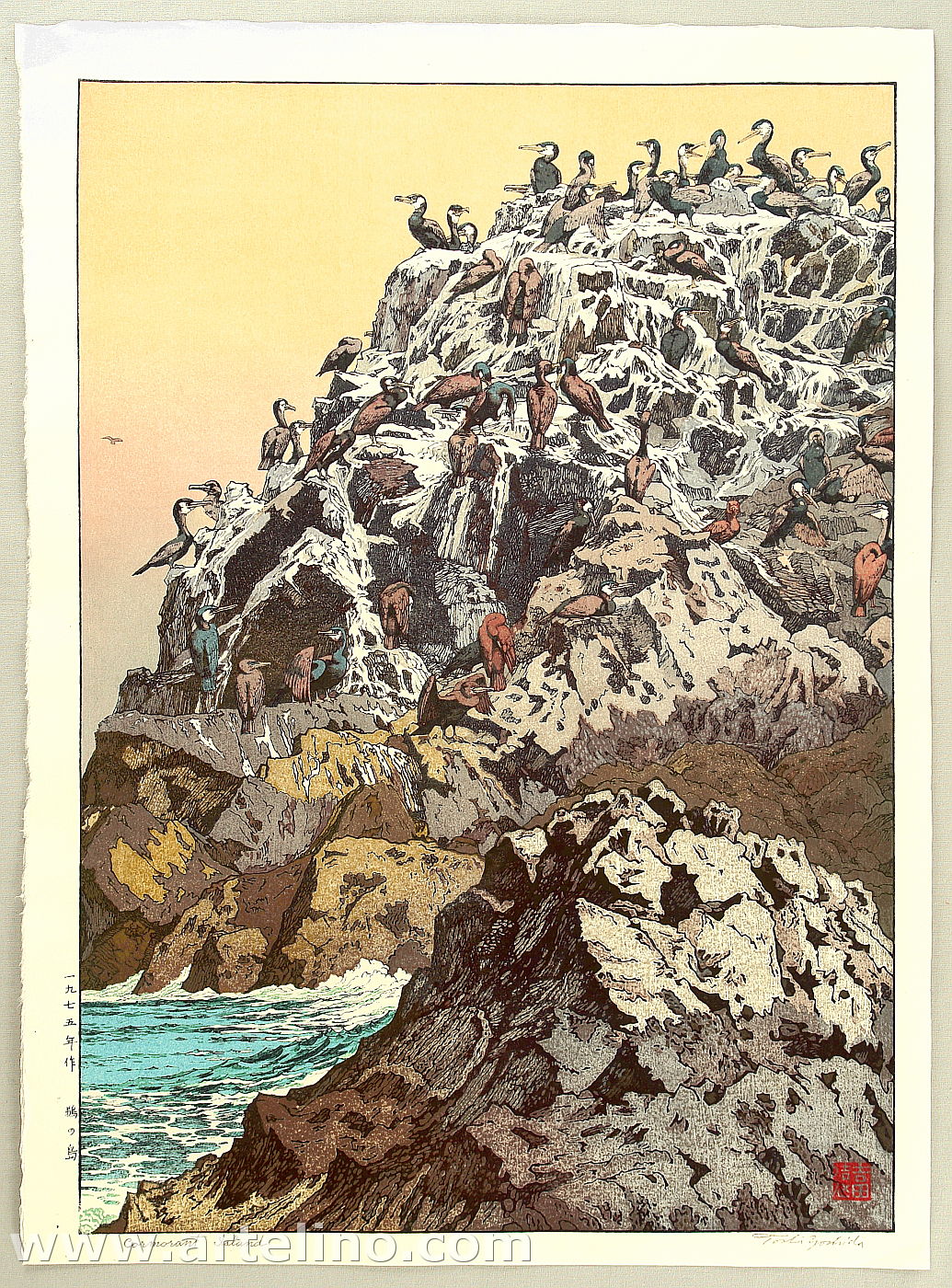
Cormorant Island
Woodblock print
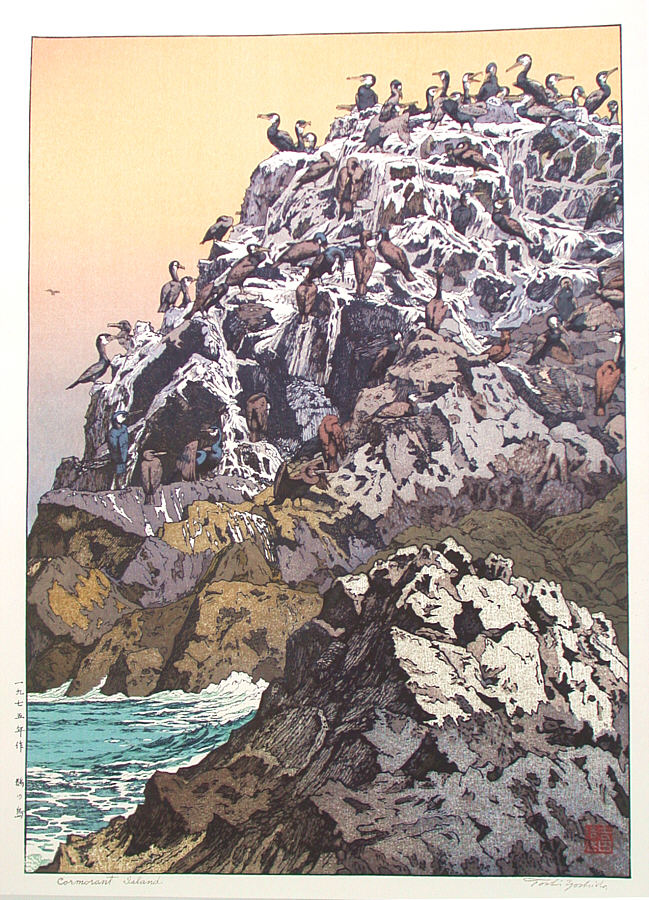
Cormorant Island
Woodblock print

Cormorant Island (large size)
Woodblock print
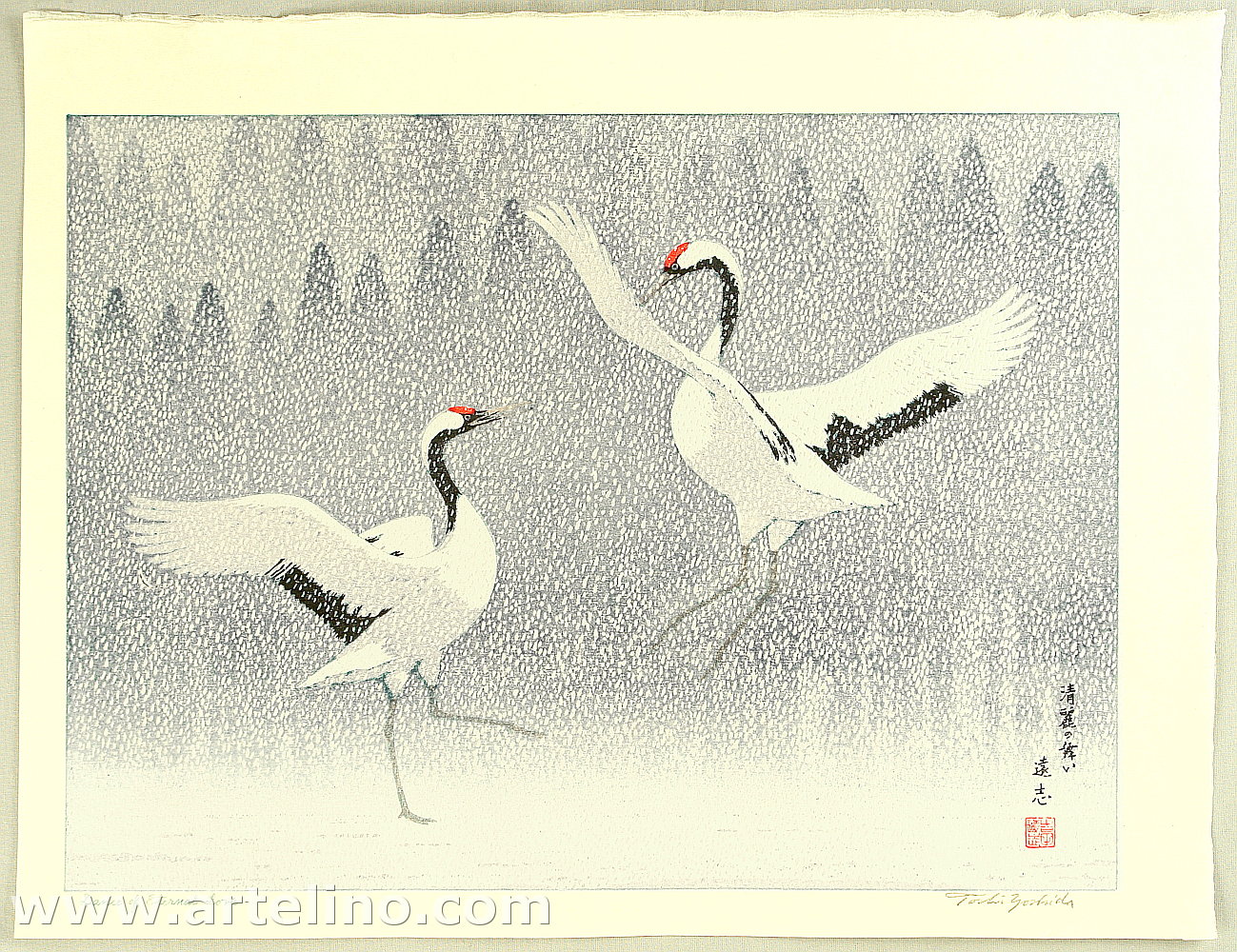
Dance of Eternal Love
Woodblock print
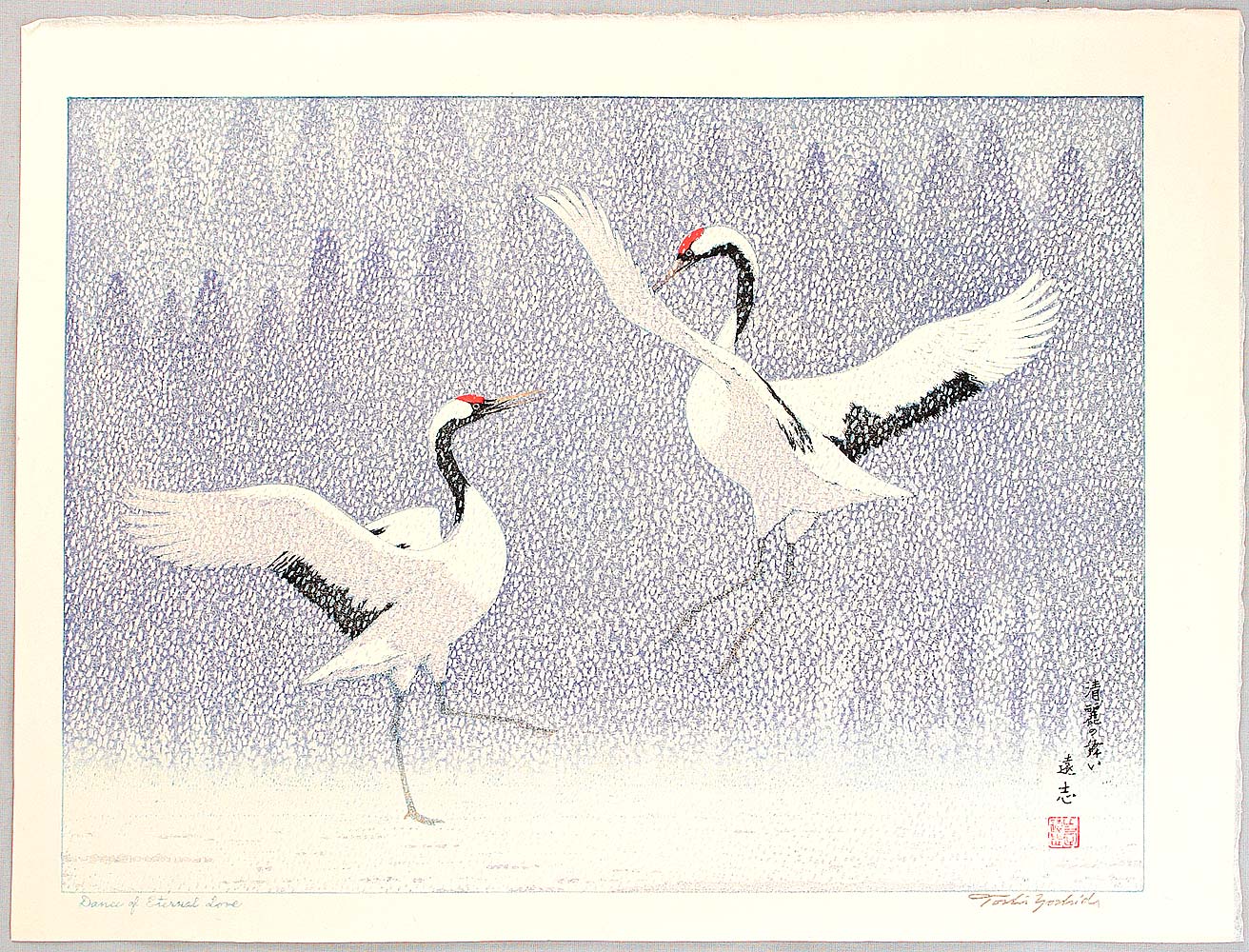
Dance of Eternal Love
Woodblock print
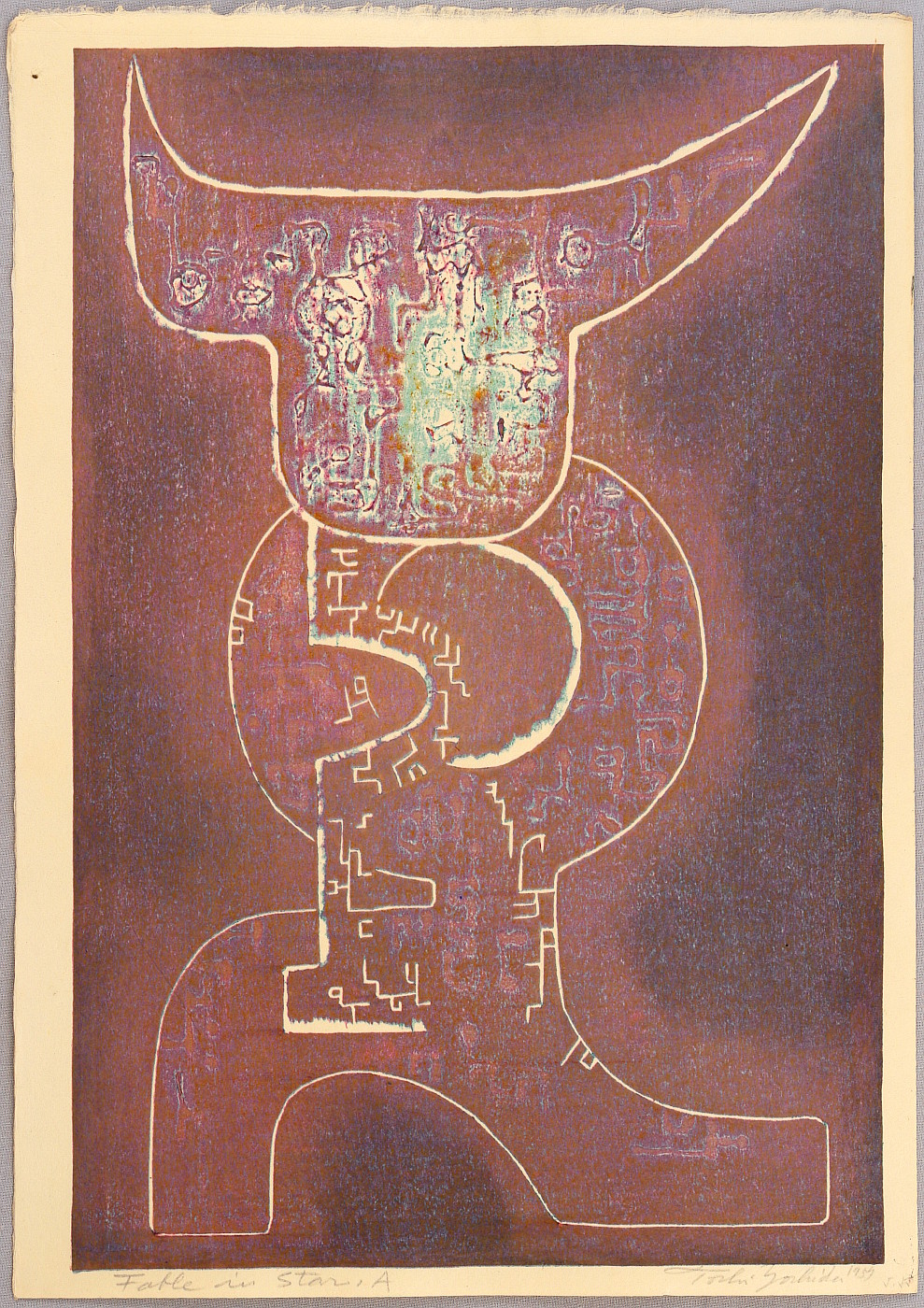
Fable in Star - A
Woodblock print
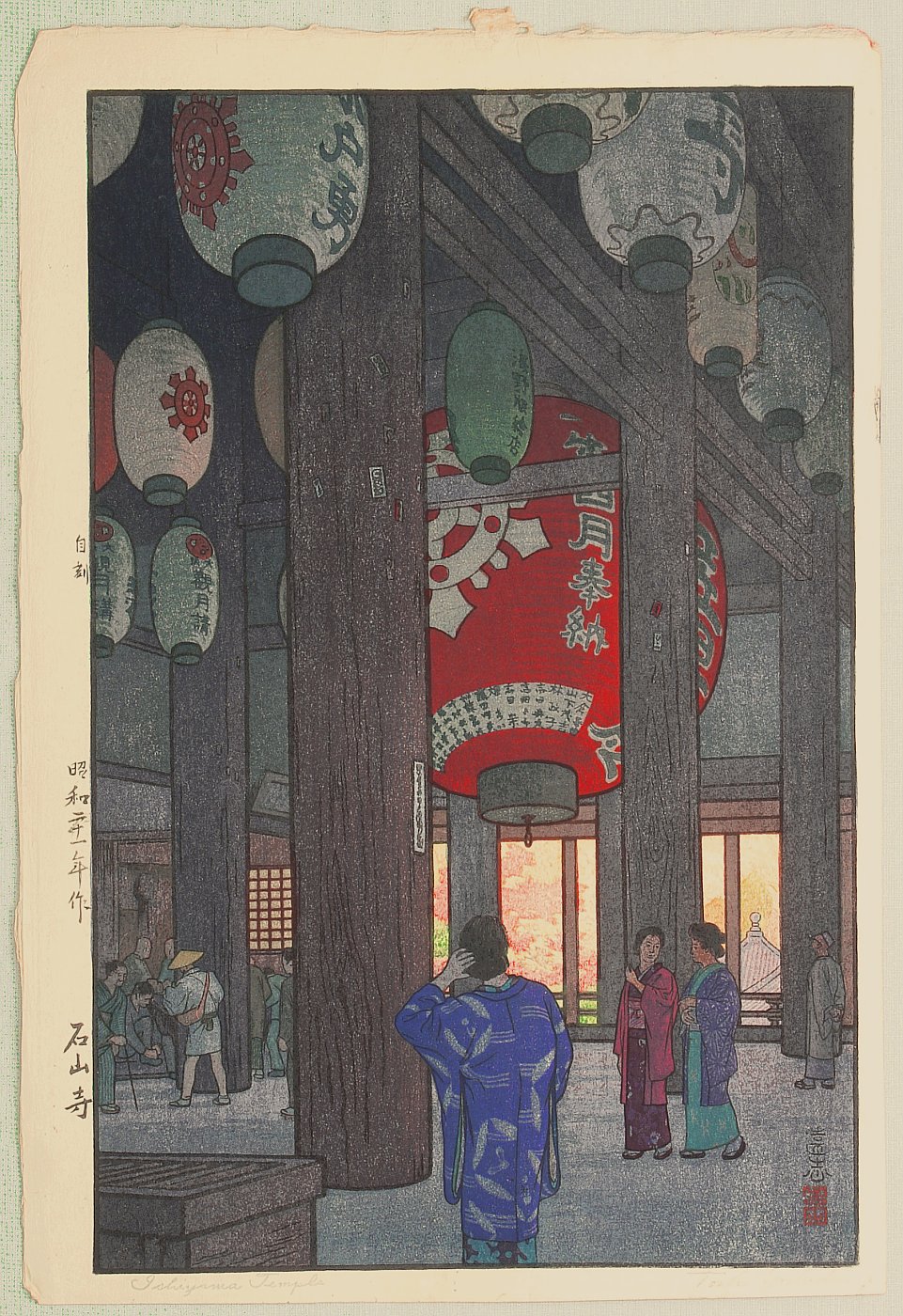
Ishiyama Temple
Woodblock print
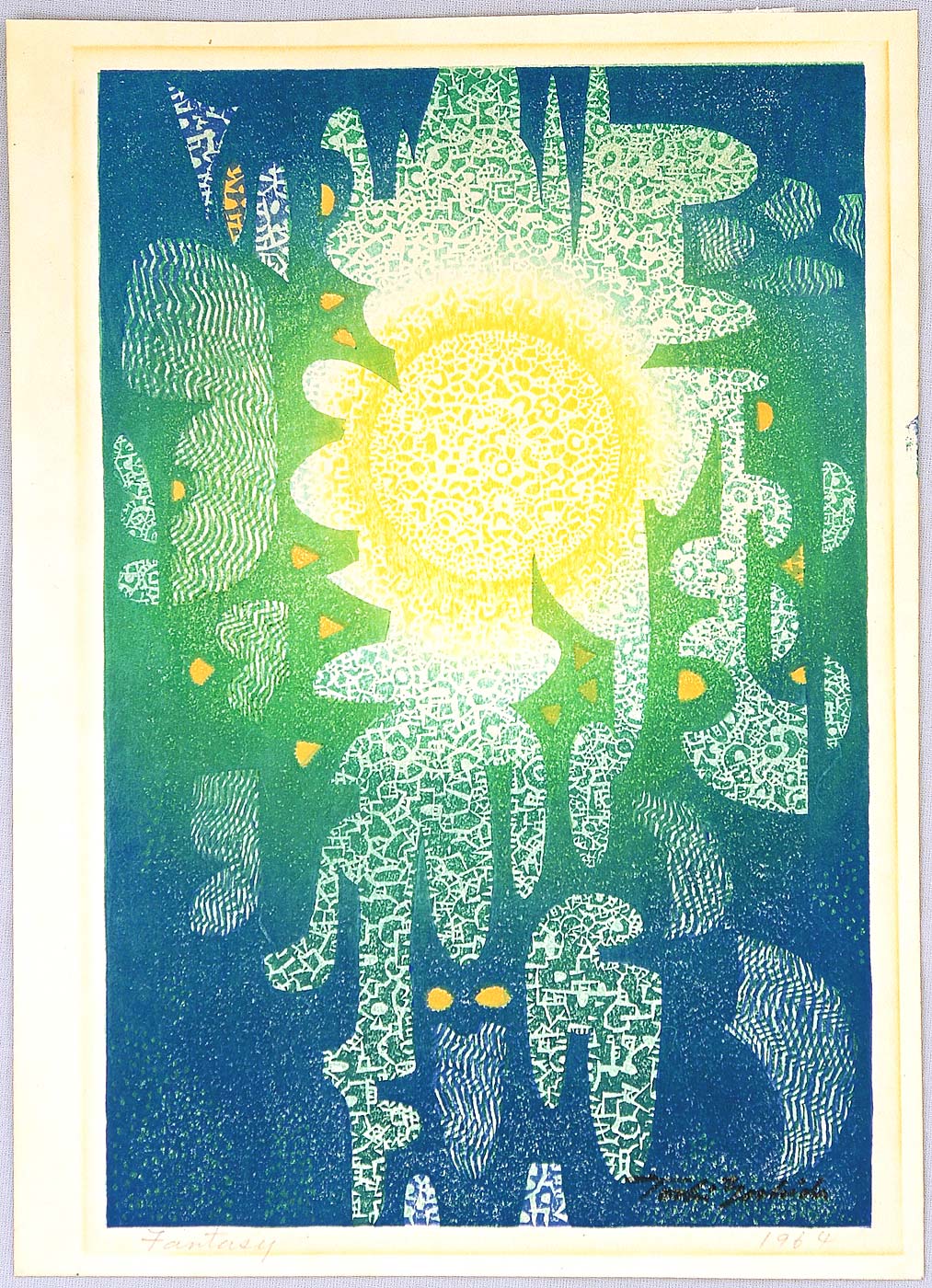
Fantasy
Woodblock print
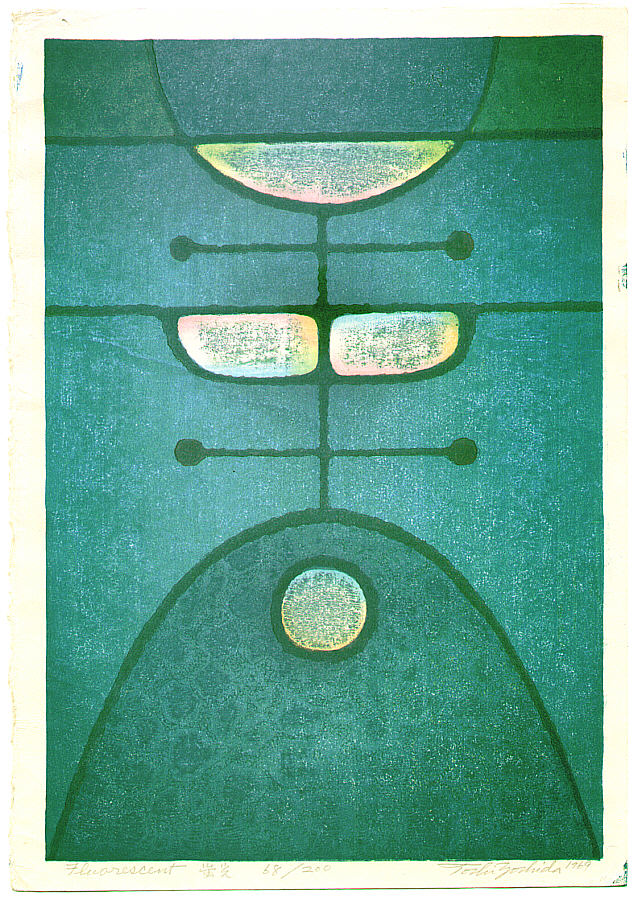
Fluorescent
Woodblock print
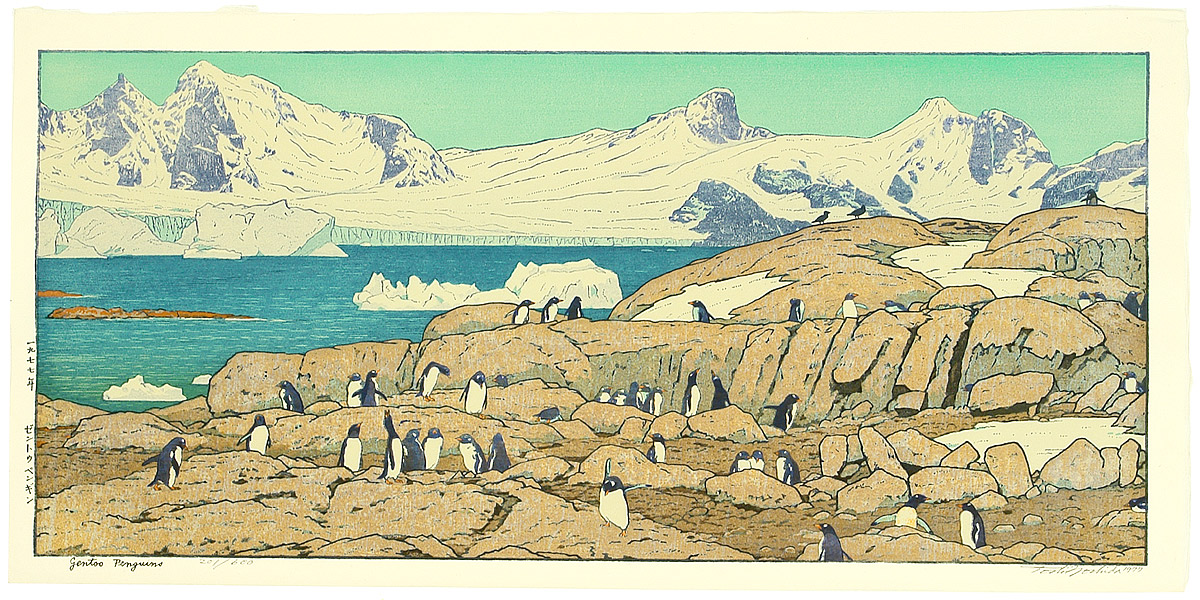
Gentoo Penguins
Woodblock print
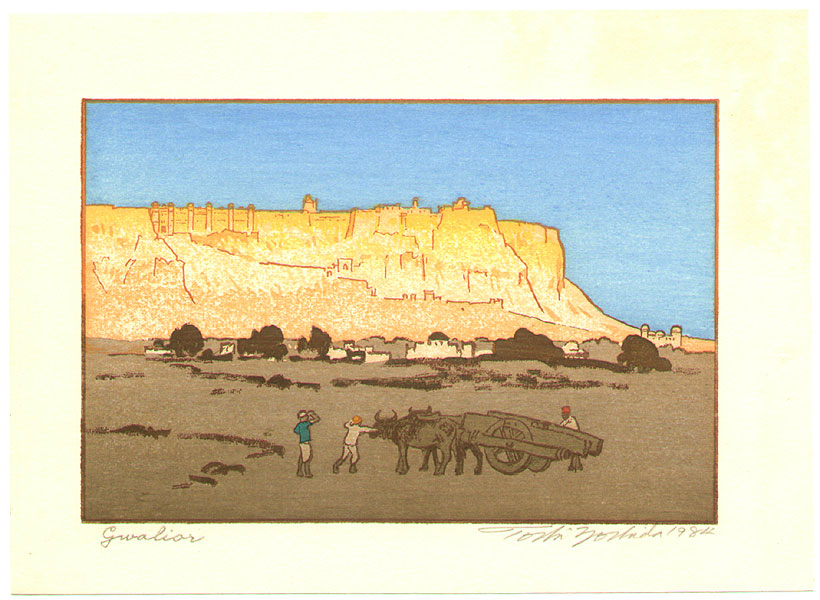
Gwalior
Woodblock print
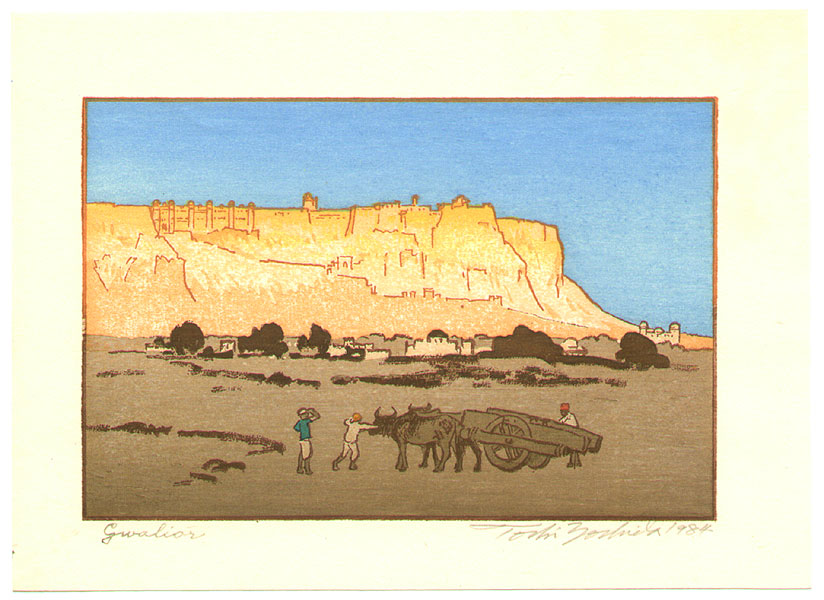
Gwalior
Woodblock print
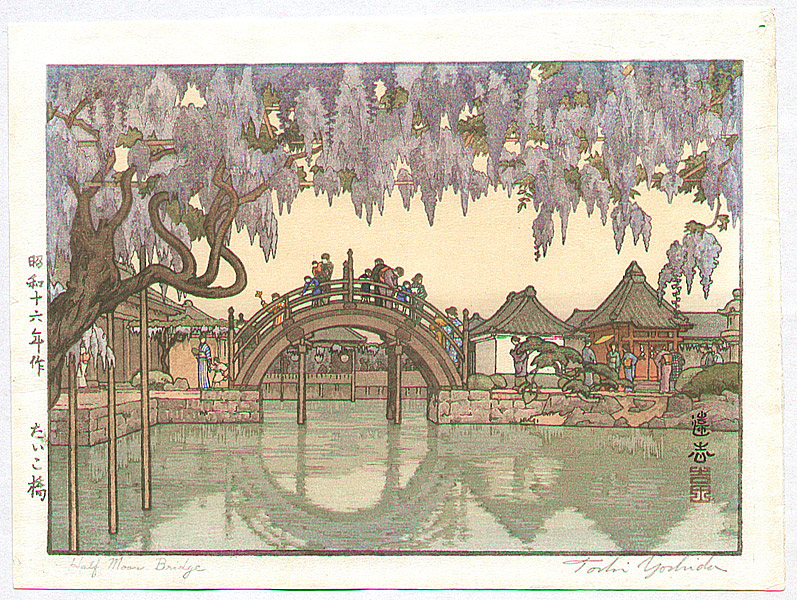
Half Moon Bridge
Woodblock print
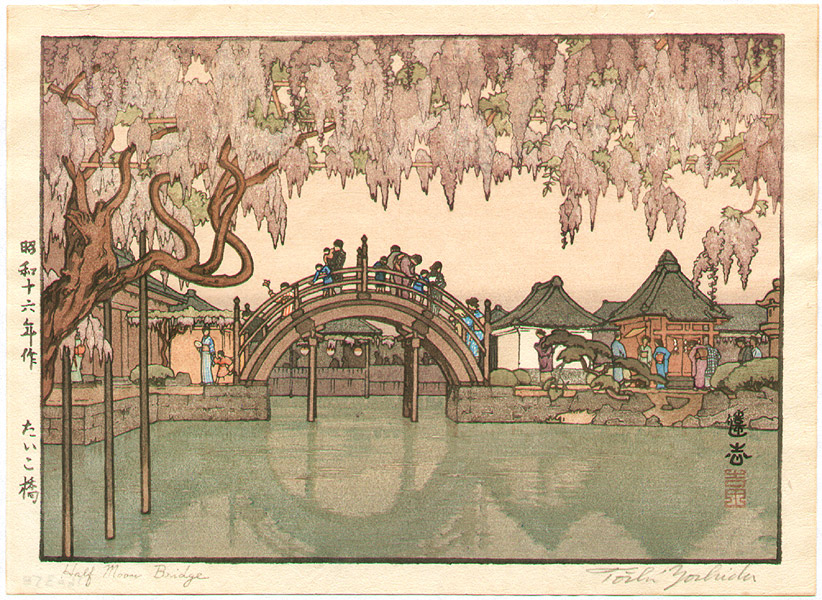
Half Moon Bridge
Woodblock print
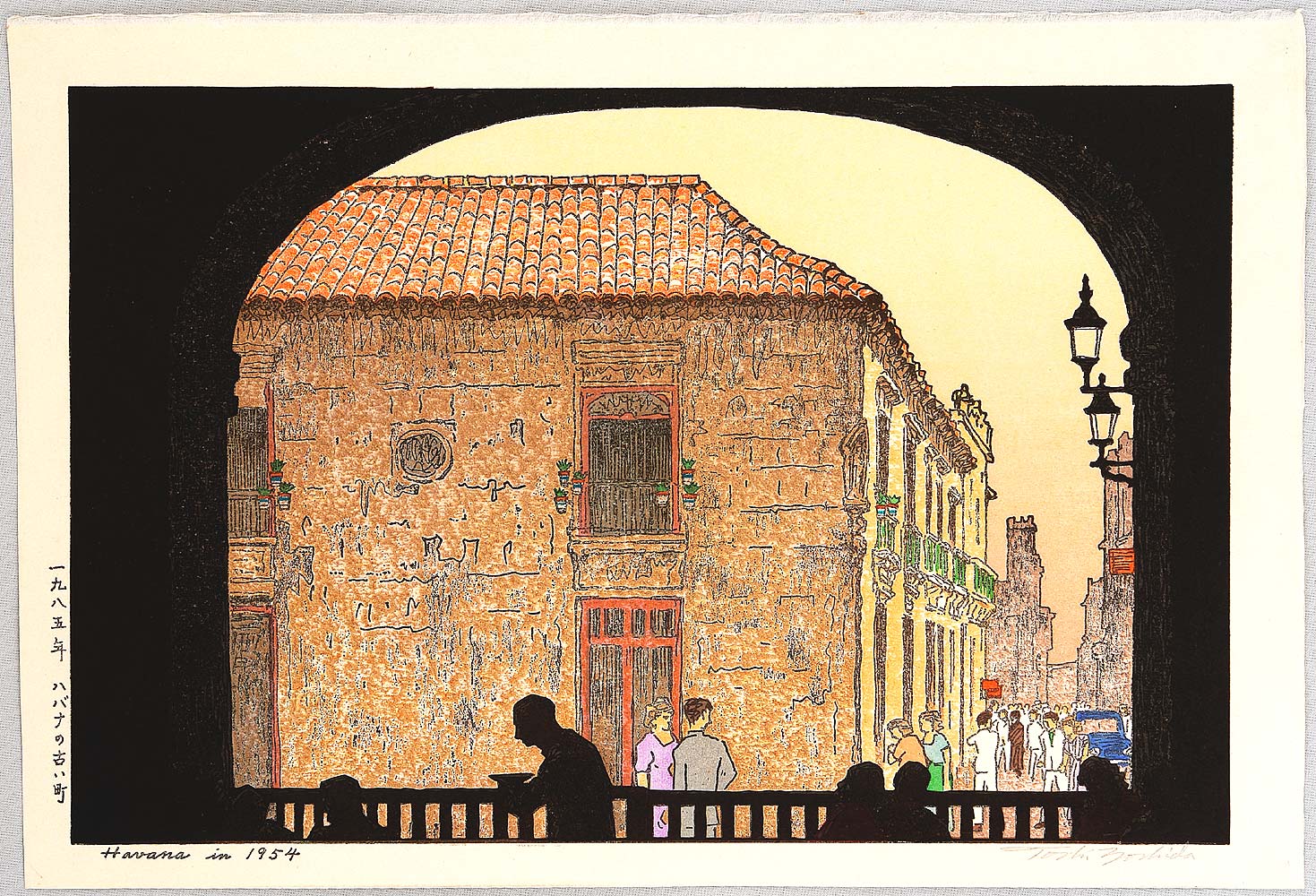
Havana in 1954
Woodblock print
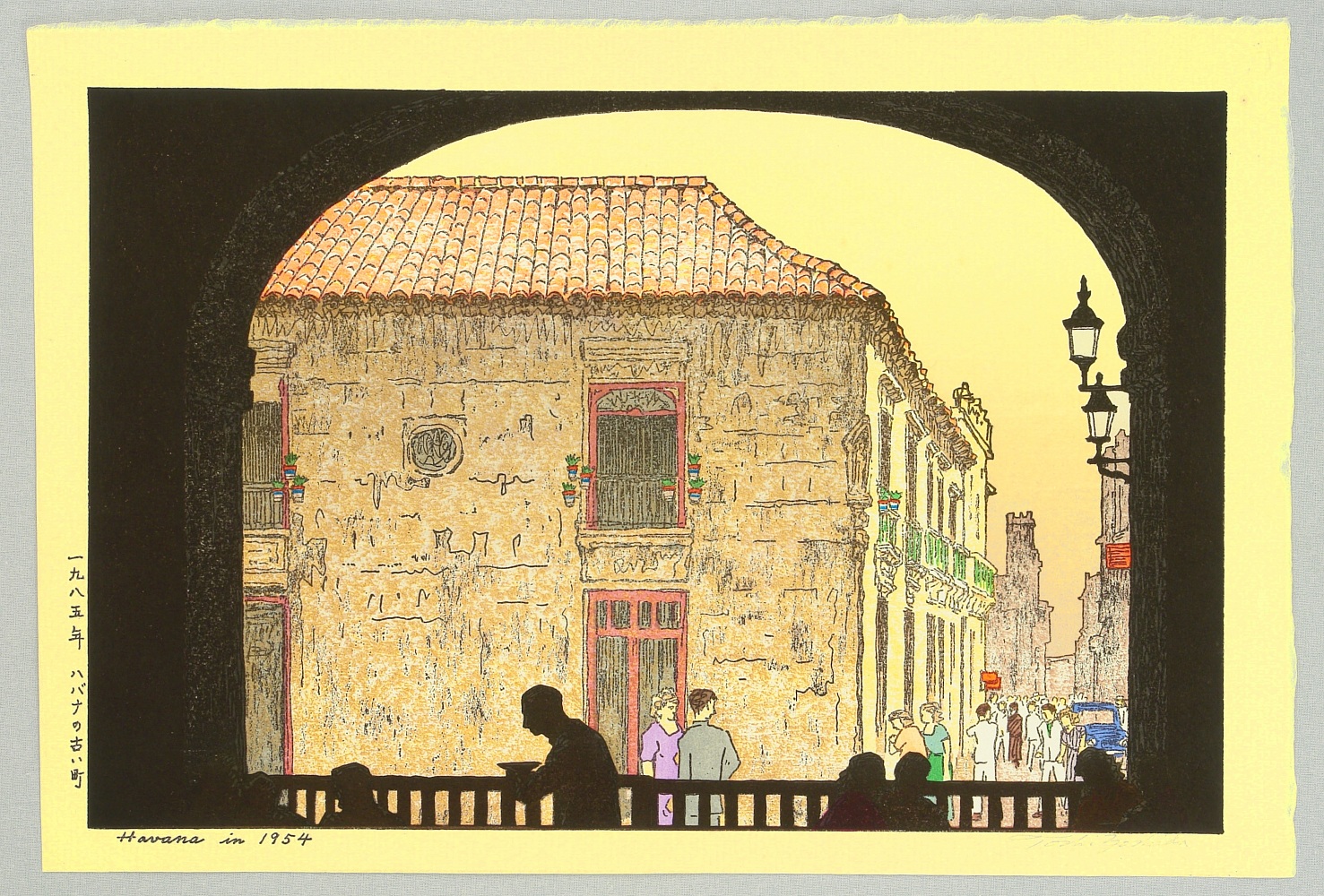
Havana in 1954
Woodblock print
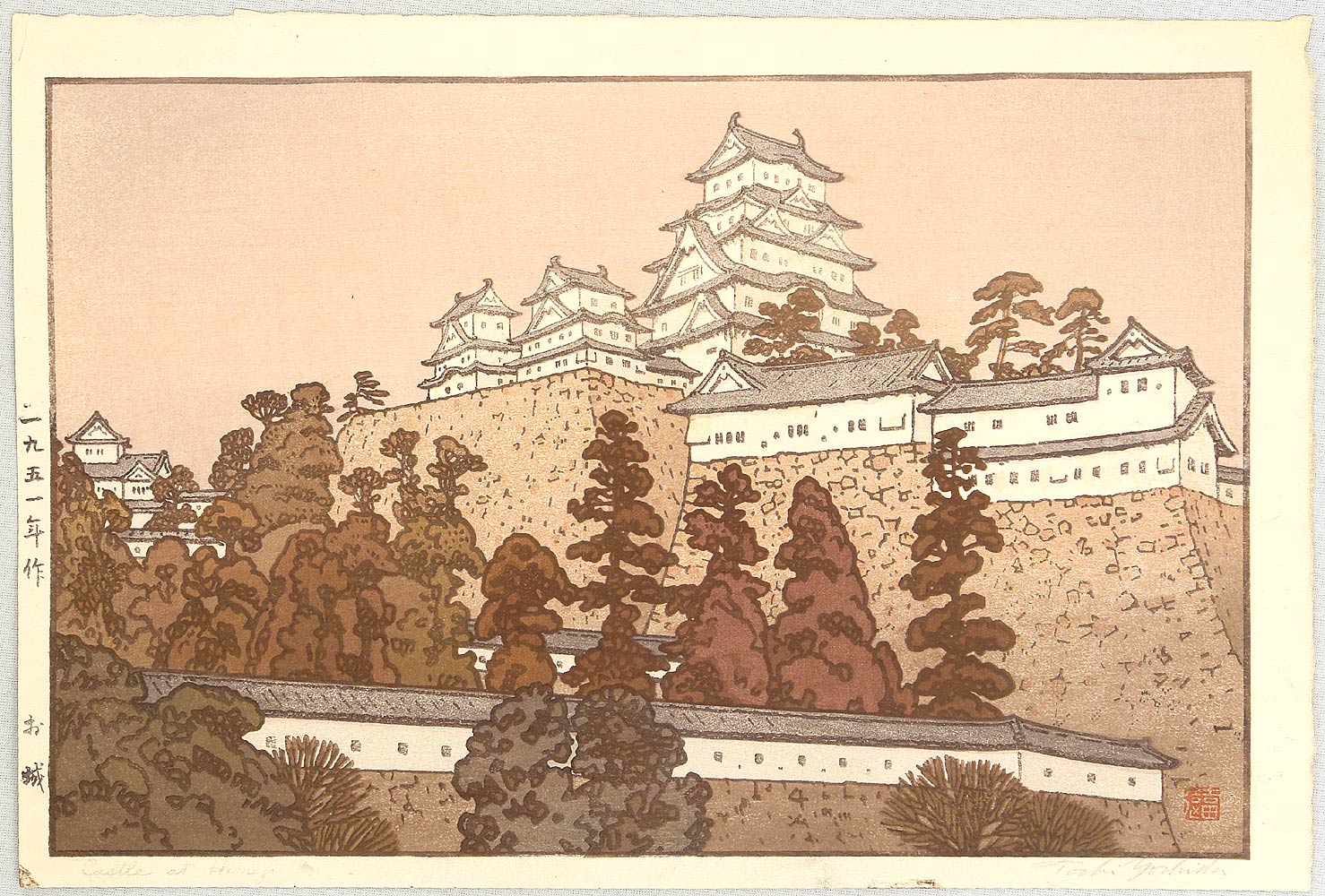
Himeji Castle
Woodblock print
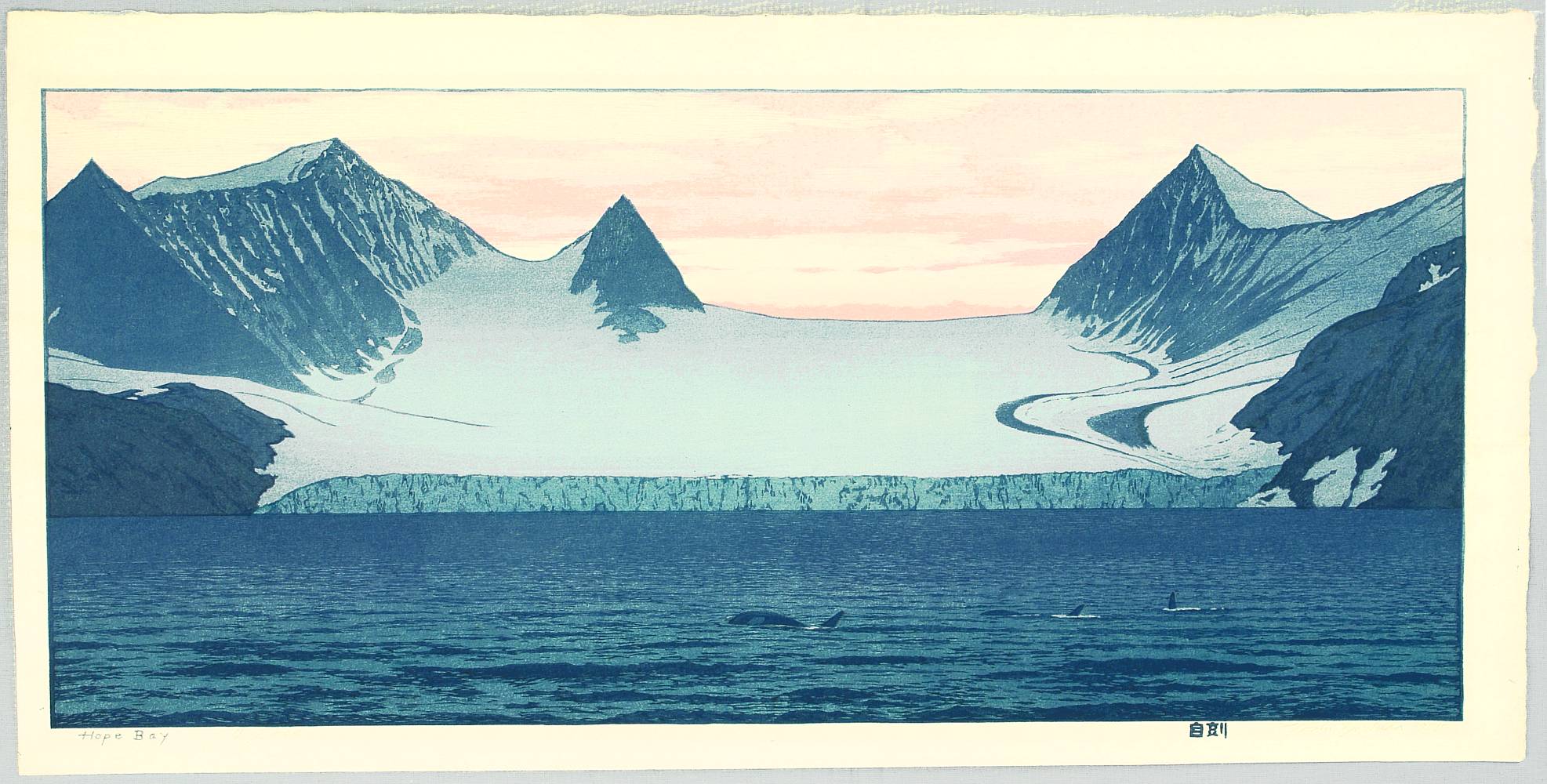
Hope Bay - Glacier and Orca
Woodblock print

Hummingbirds and Fuchsia
Woodblock print
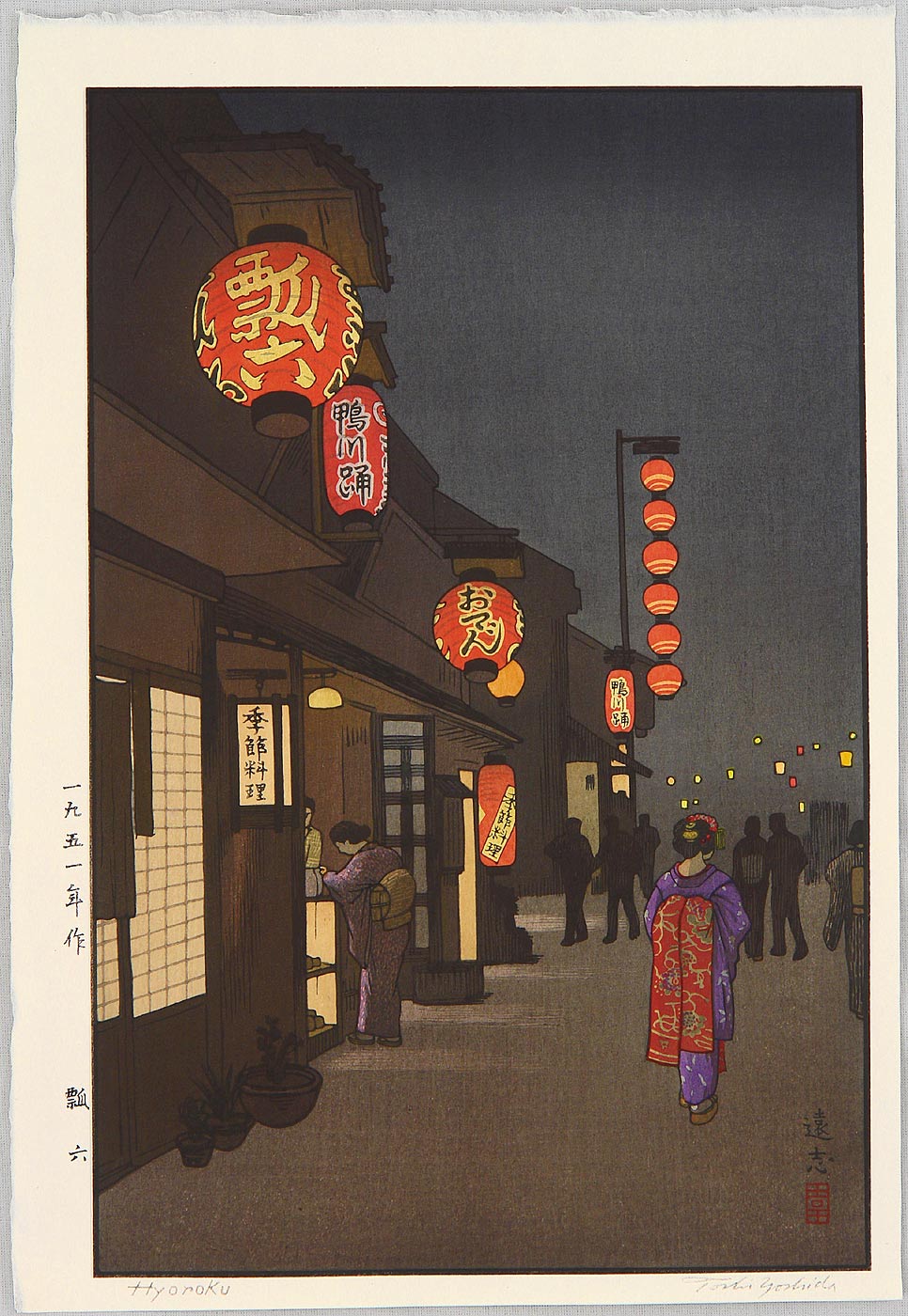
Hyoroku
Woodblock print
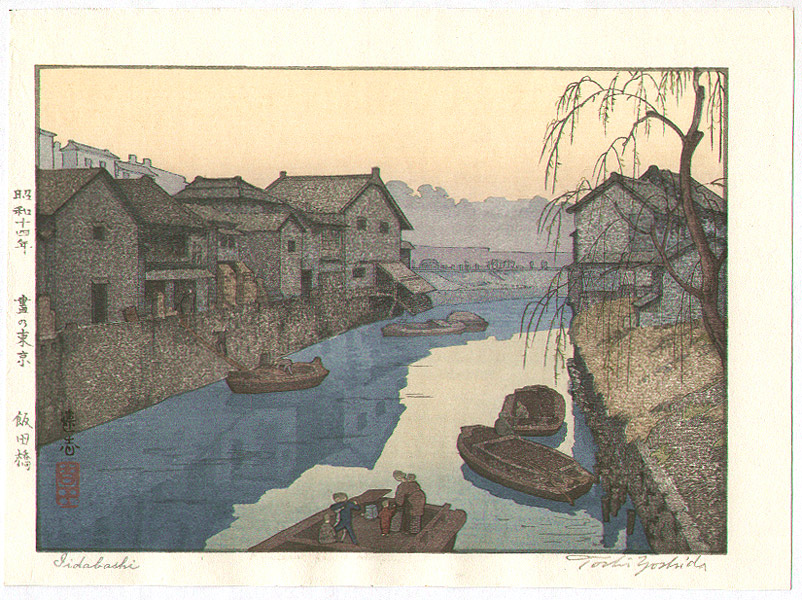
Iida Bridge
Woodblock print
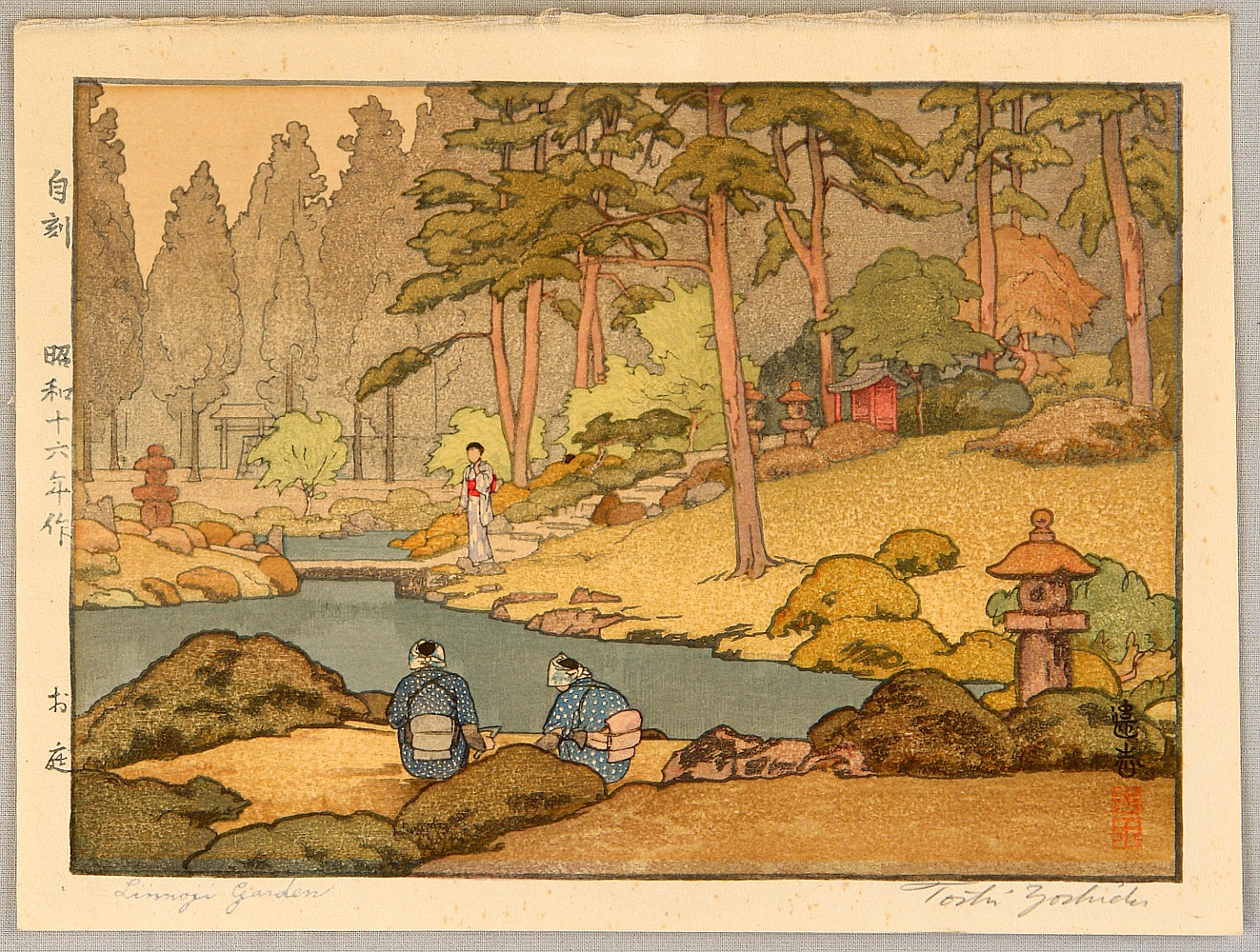
Japanese Garden
Woodblock print

Kikuzaka Street
Woodblock print
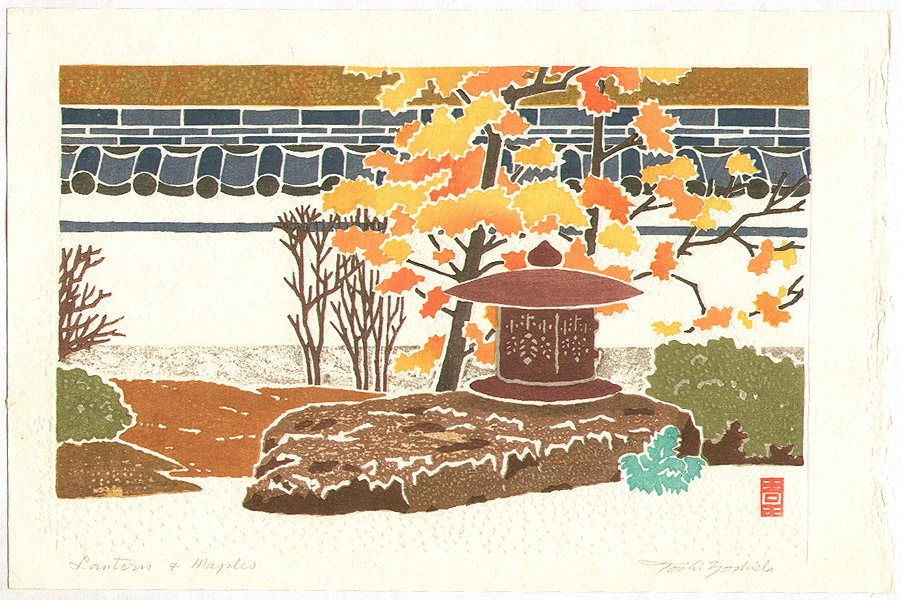
Lanterns and Maples
Woodblock print

Lanterns and Red Maples
Woodblock print
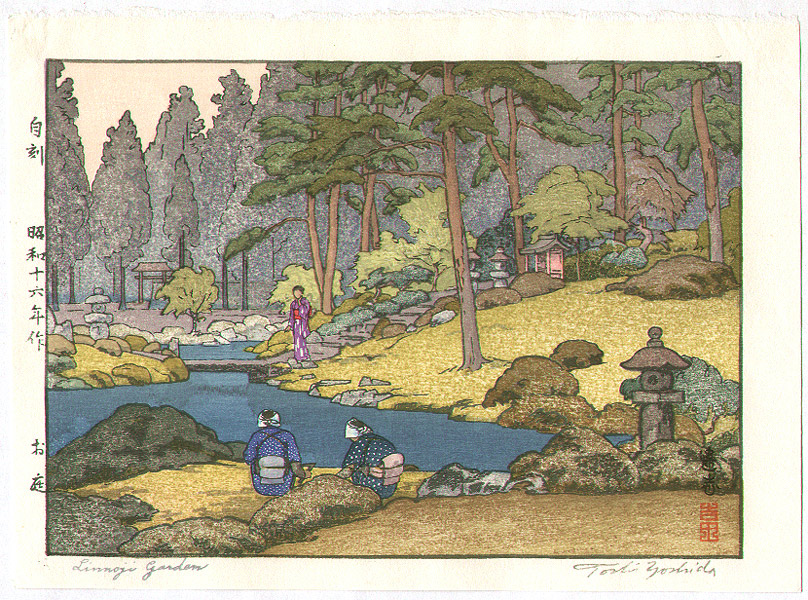
Linno-ji Garden
Woodblock print
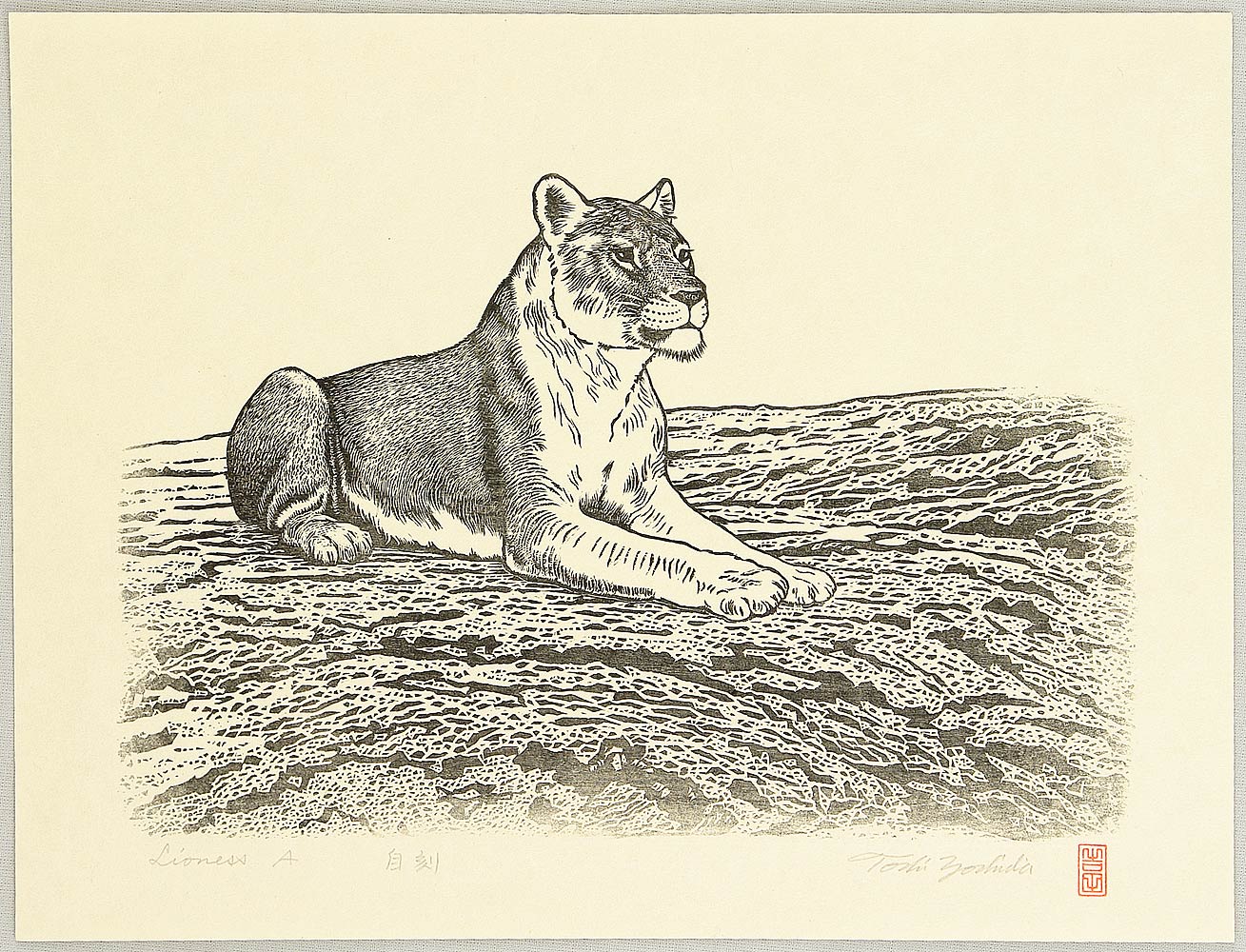
Lioness A
Woodblock print
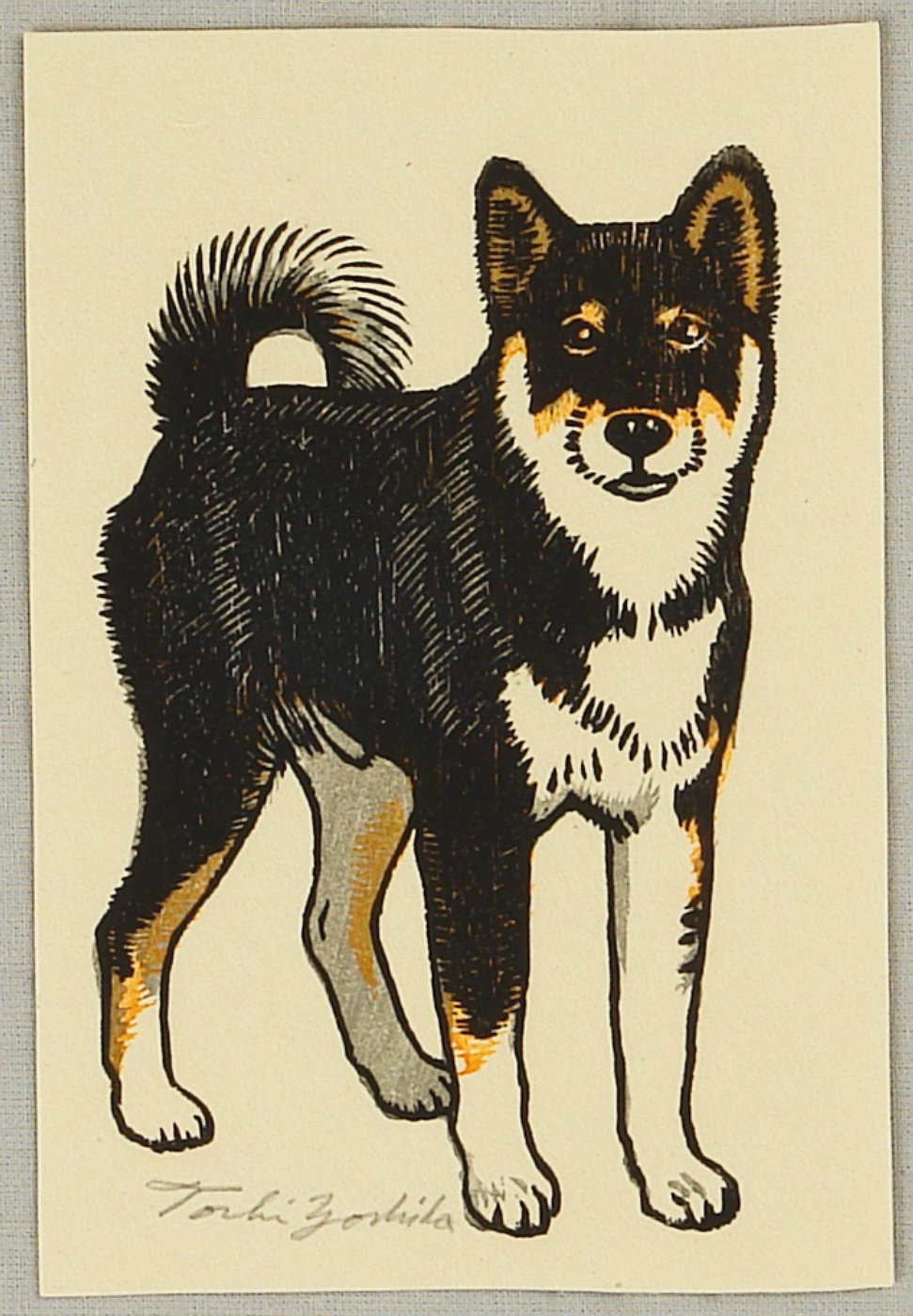
Manjiro
Woodblock print
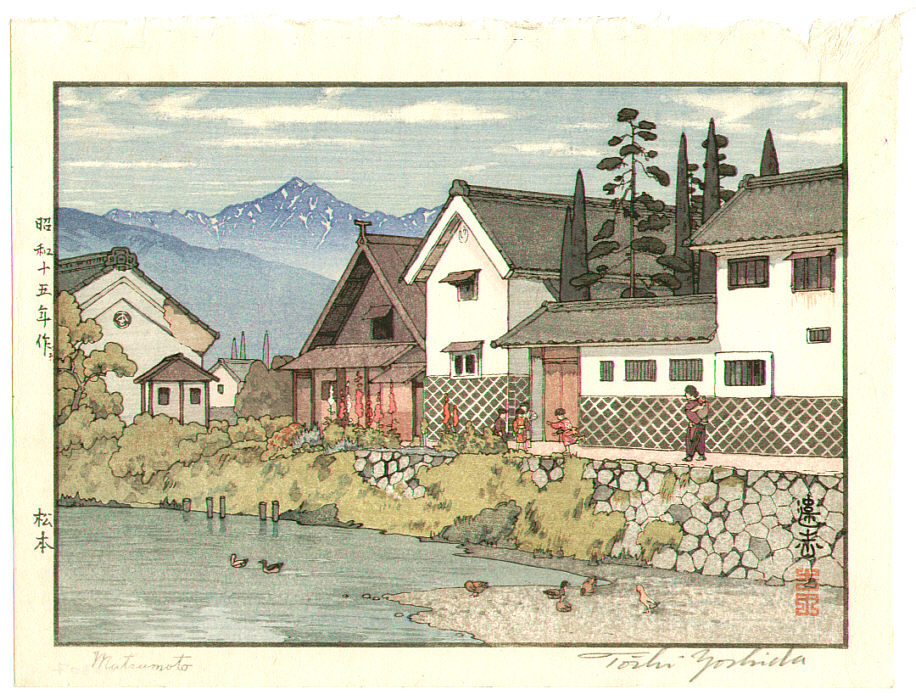
Matsumoto
Woodblock print
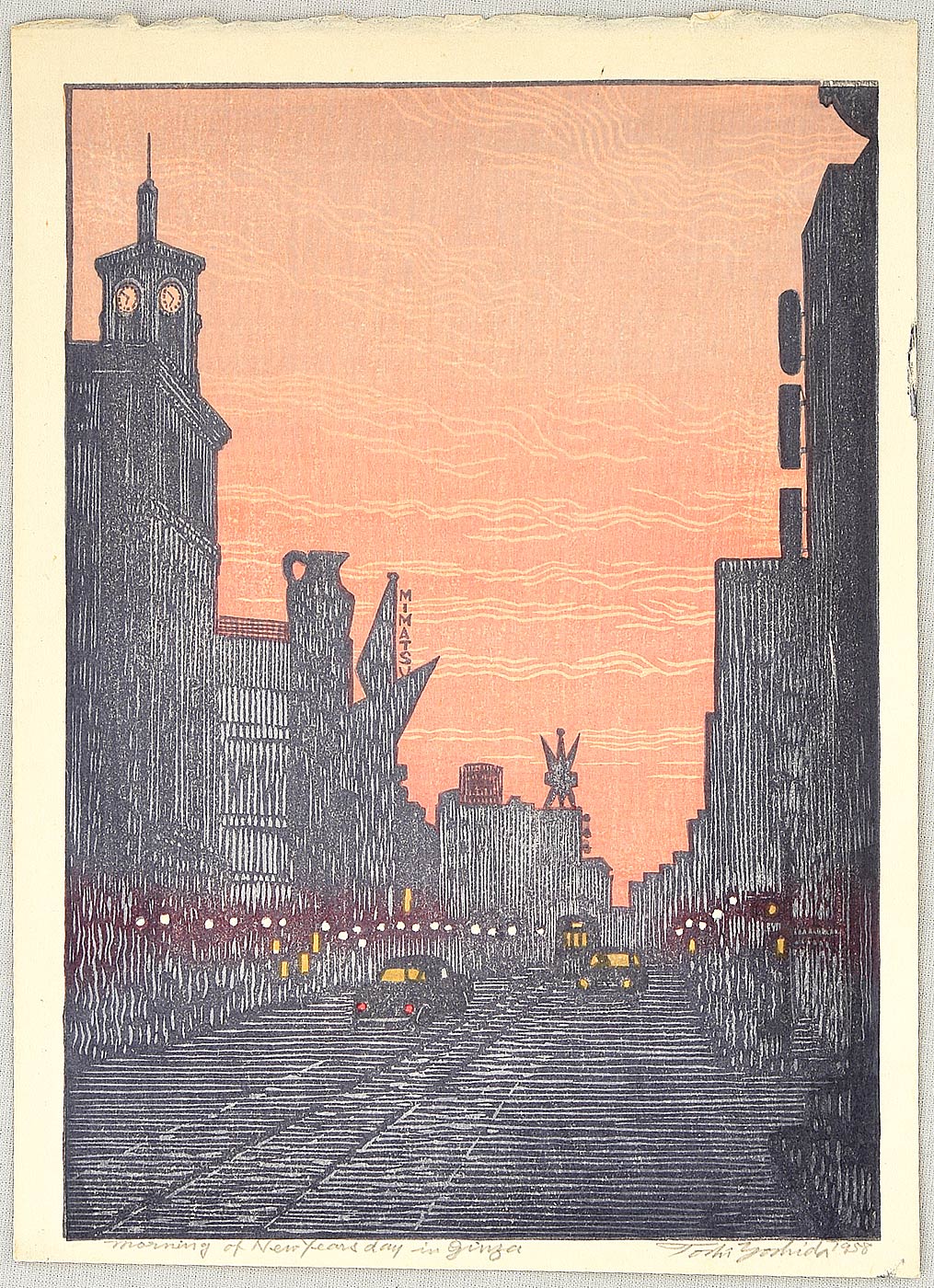
Morning of New Year's Day in Ginza
Woodblock print
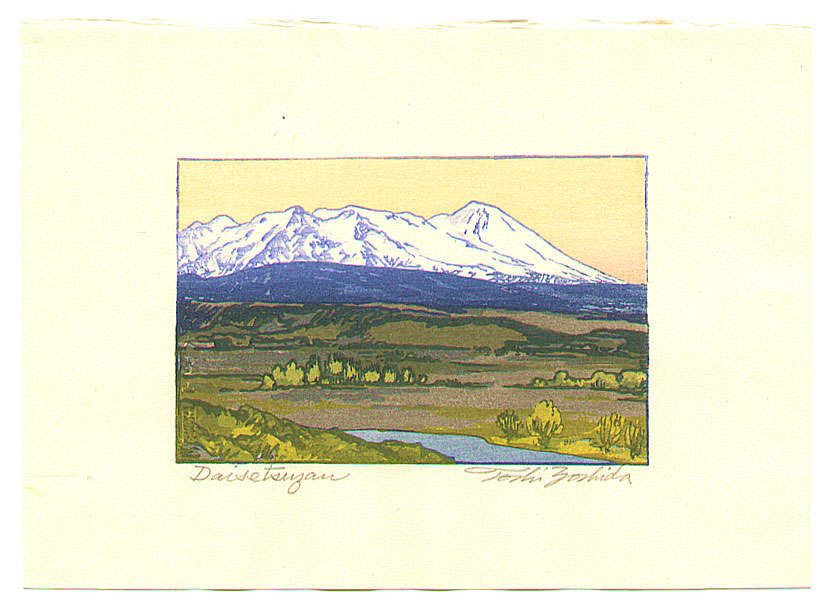
Mt. Daisetsu
Woodblock print
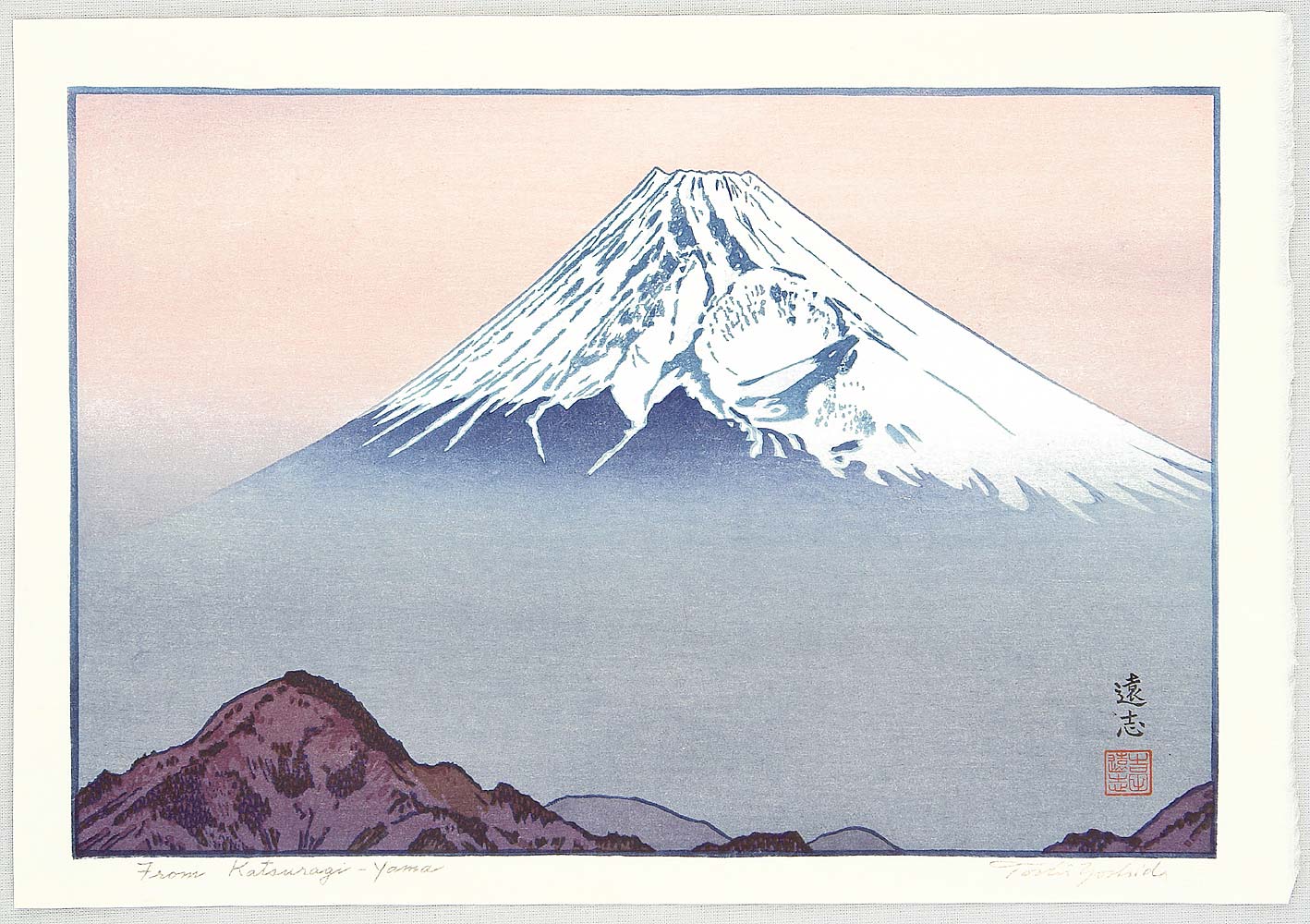
Mt. Fuji from Mt. Katsuragi
Woodblock print
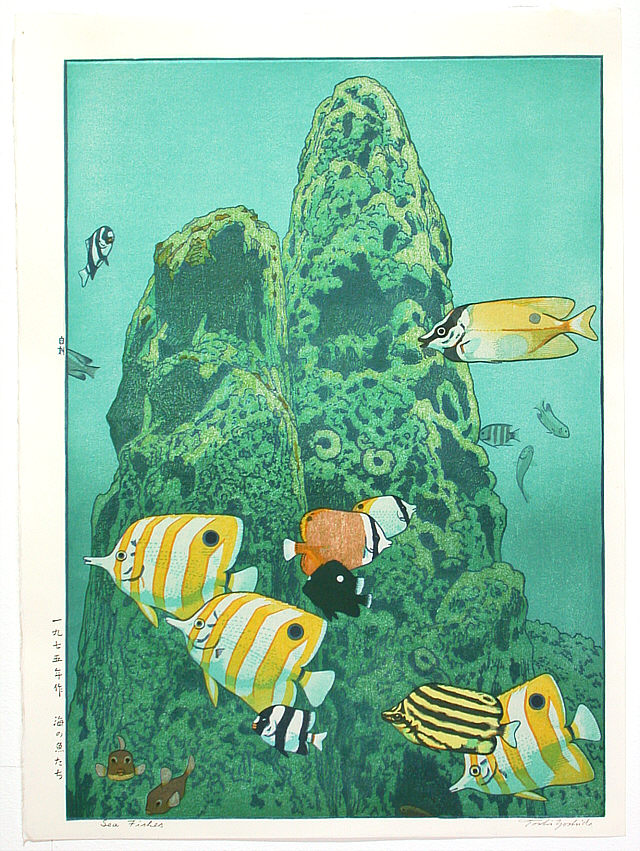
Sea Fish
Woodblock print

Sea Gull of Antarctic
Woodblock print
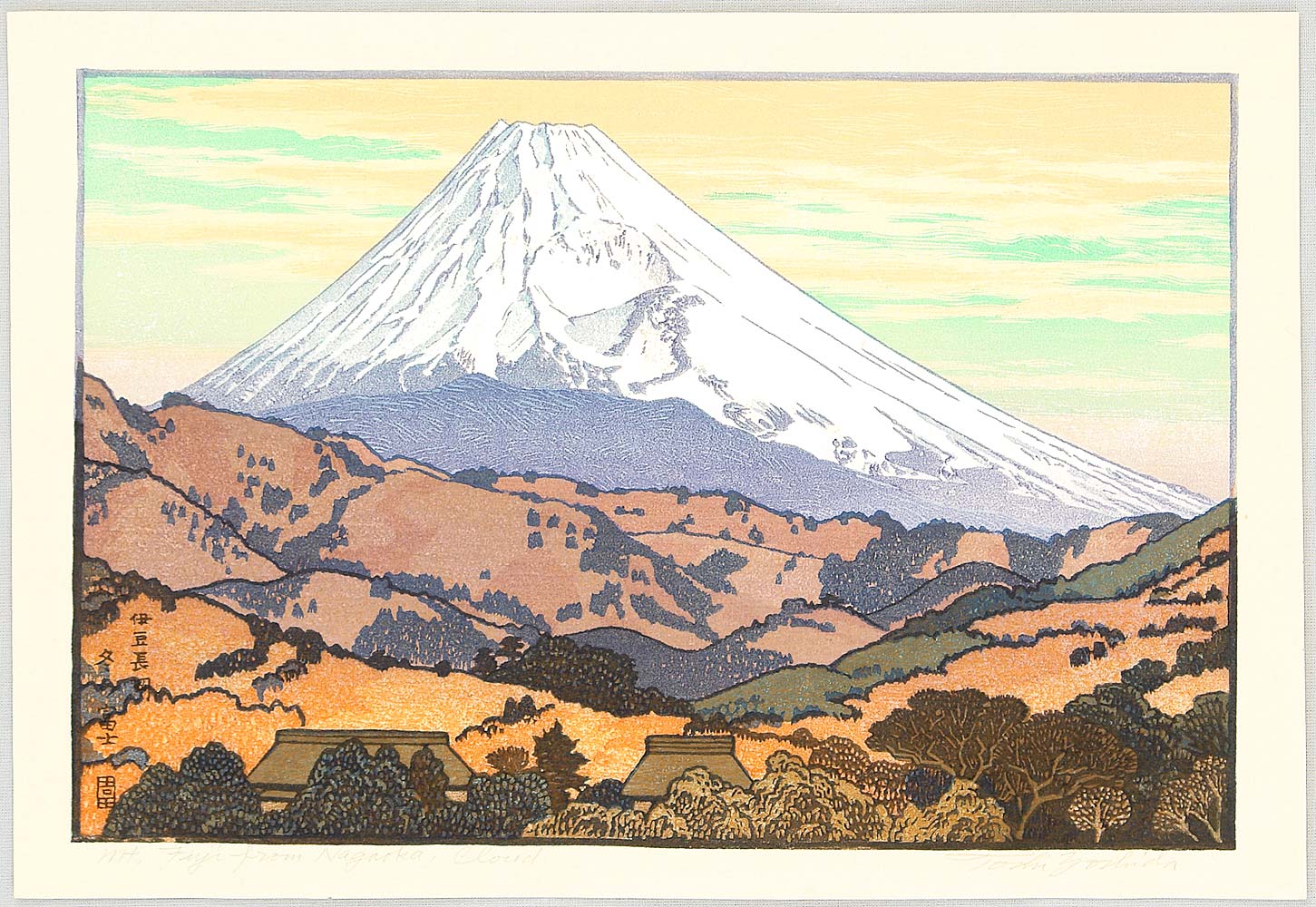
Mt. Fuji from Nagaoka, Cloud
Woodblock print
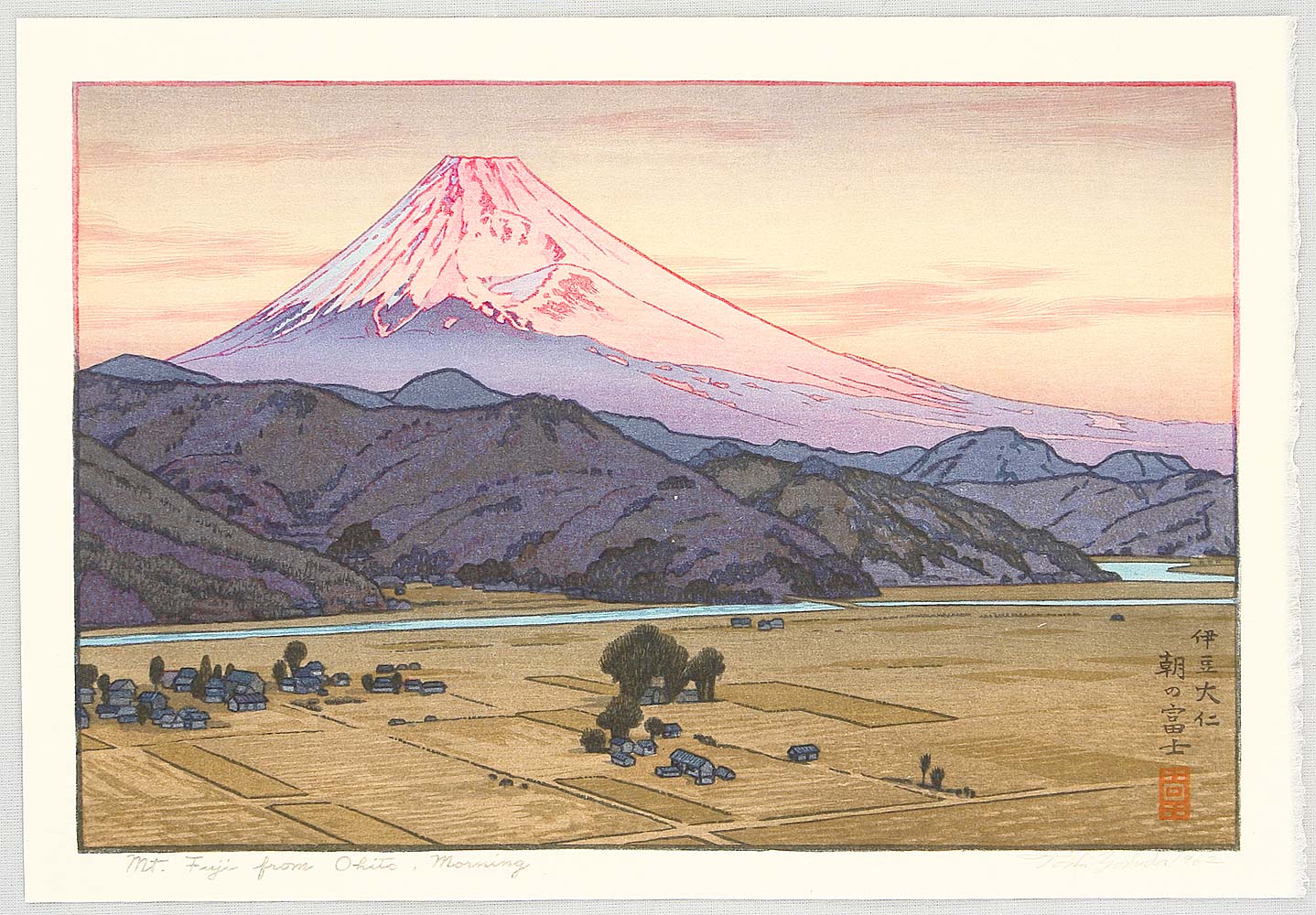
Mt. Fuji from Ohito, Morning
Woodblock print
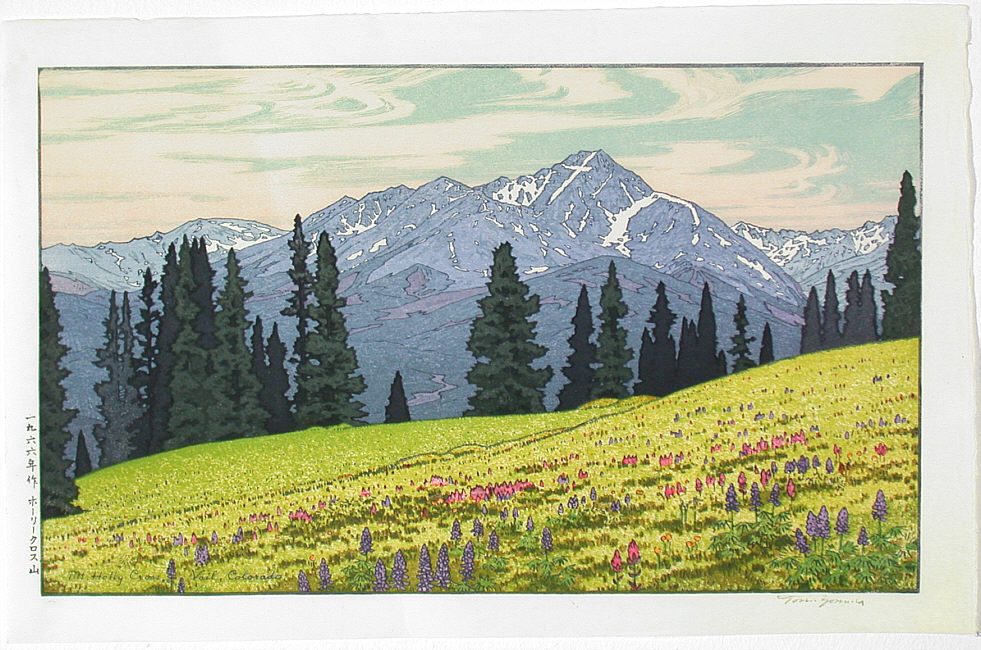
Mt. Holy Cross
Woodblock print
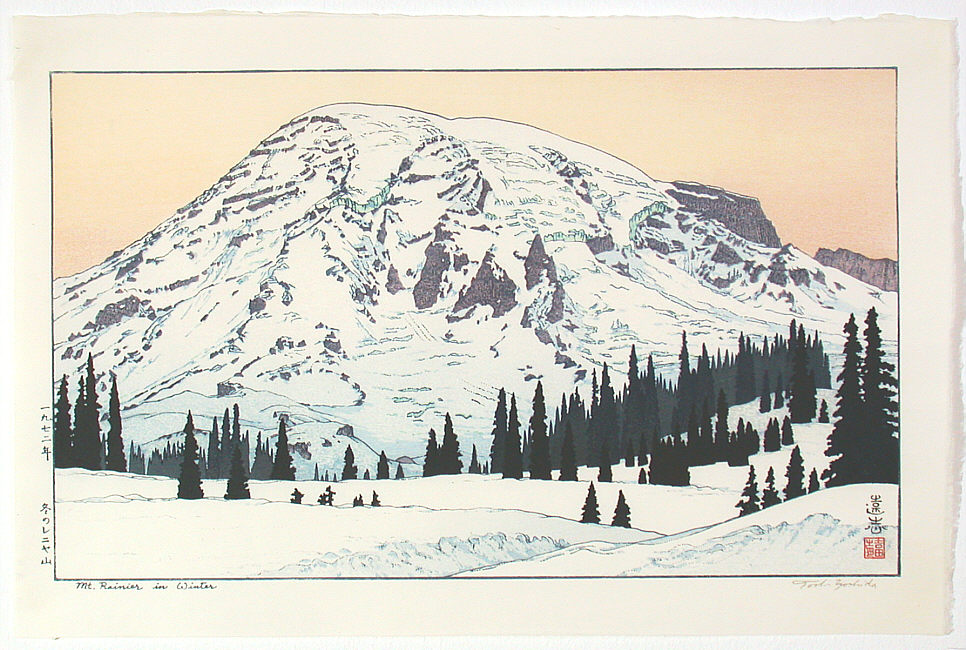
Mt. Rainier
Woodblock print
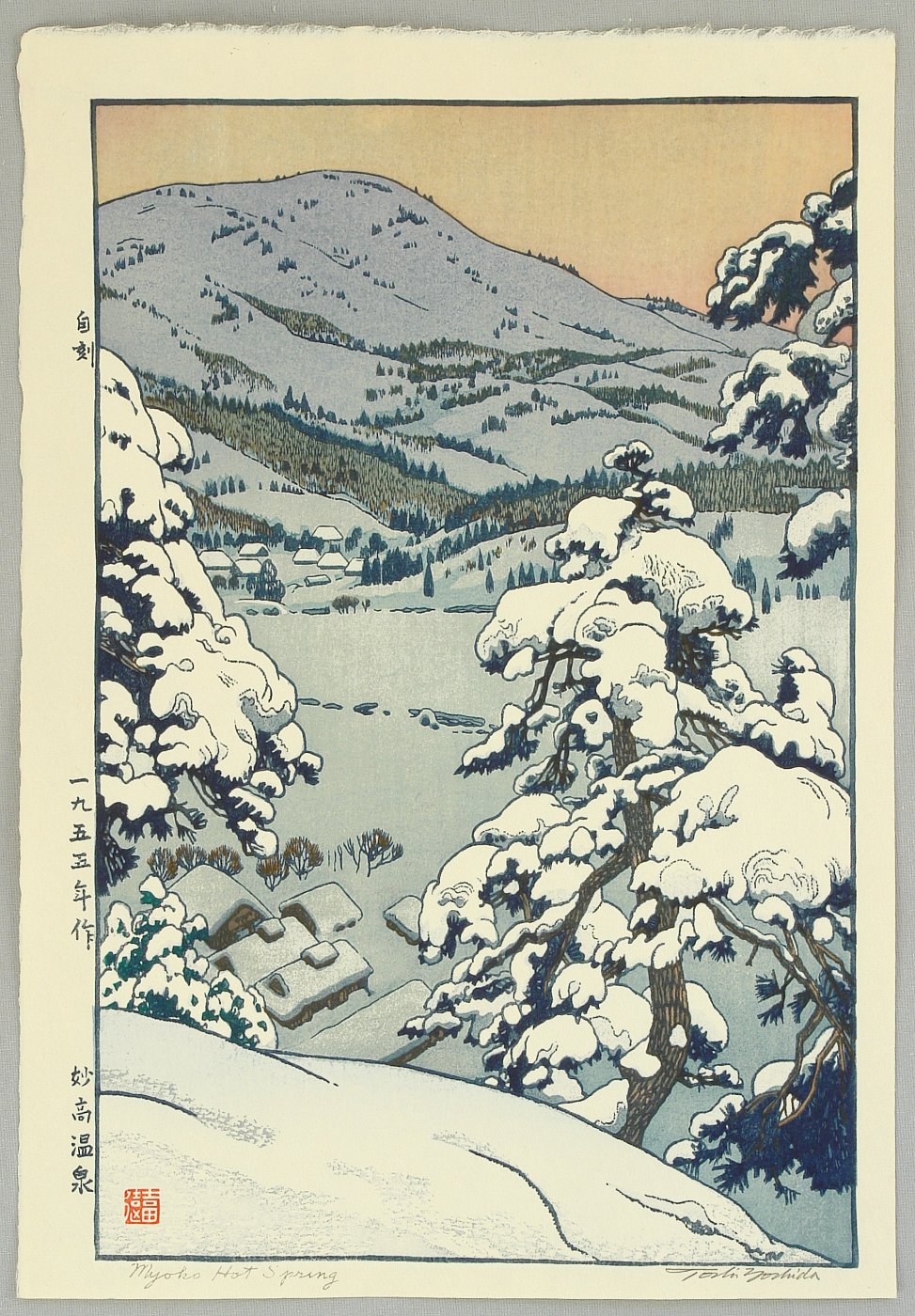
Myoko Hot Spring
Woodblock print
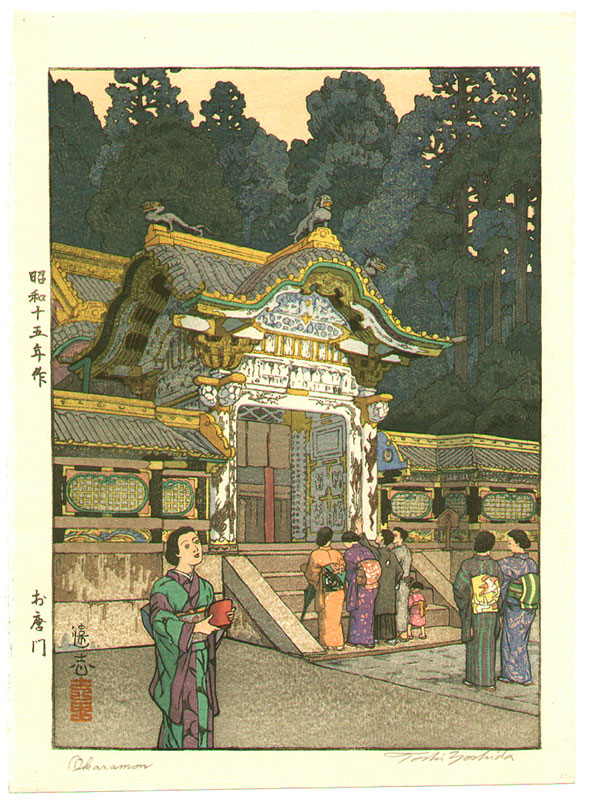
Okaramon
Woodblock print

Okaramon (hand signed)
Woodblock print
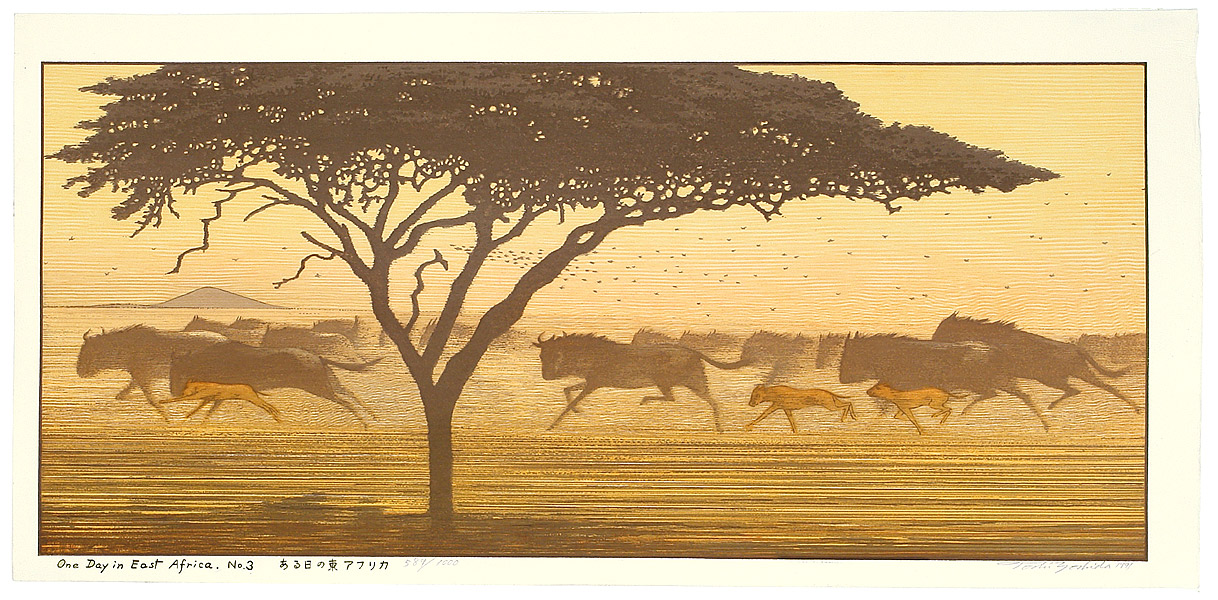
One Day in East Africa No. 3
Woodblock print
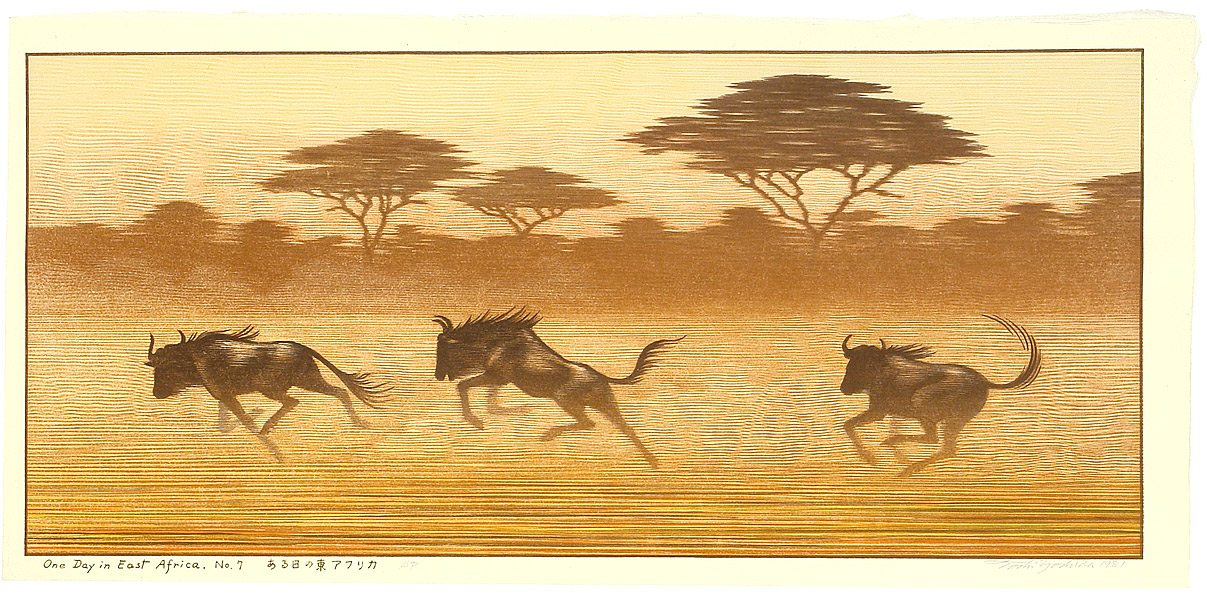
One Day in East Africa No. 7
Woodblock print
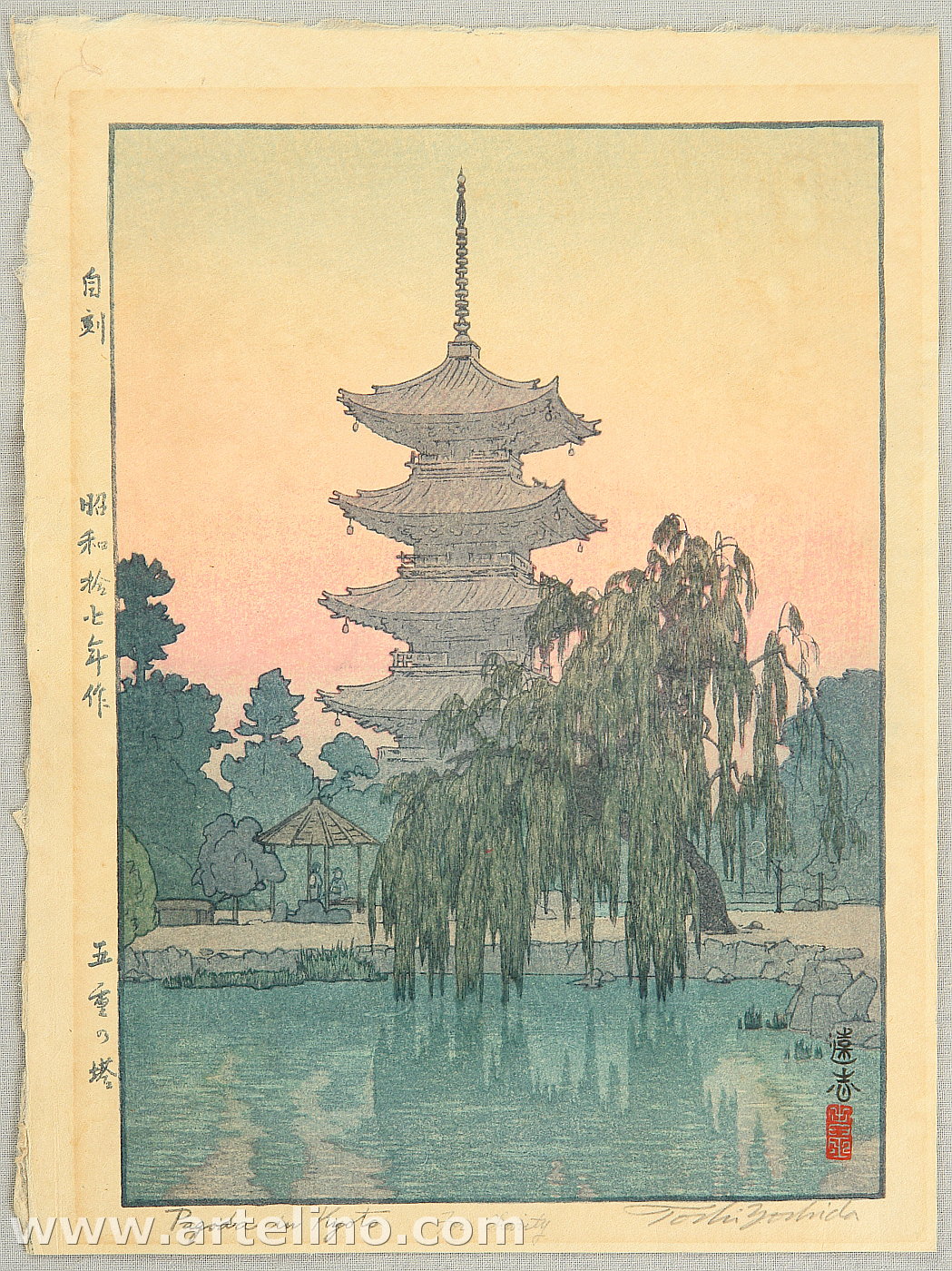
Pagoda in Kyoto
Woodblock print
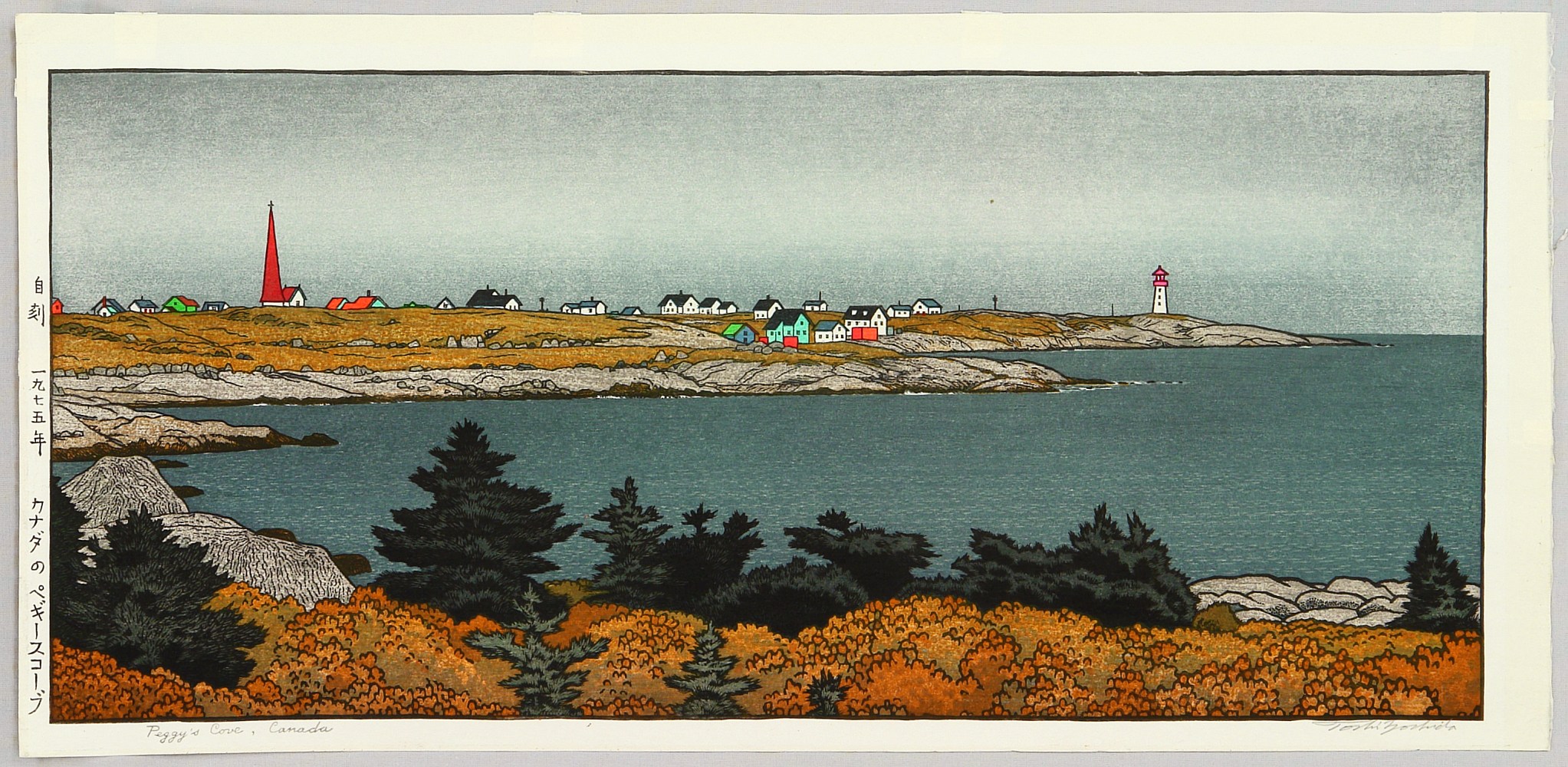
Peggy's Cove, Canada
Woodblock print
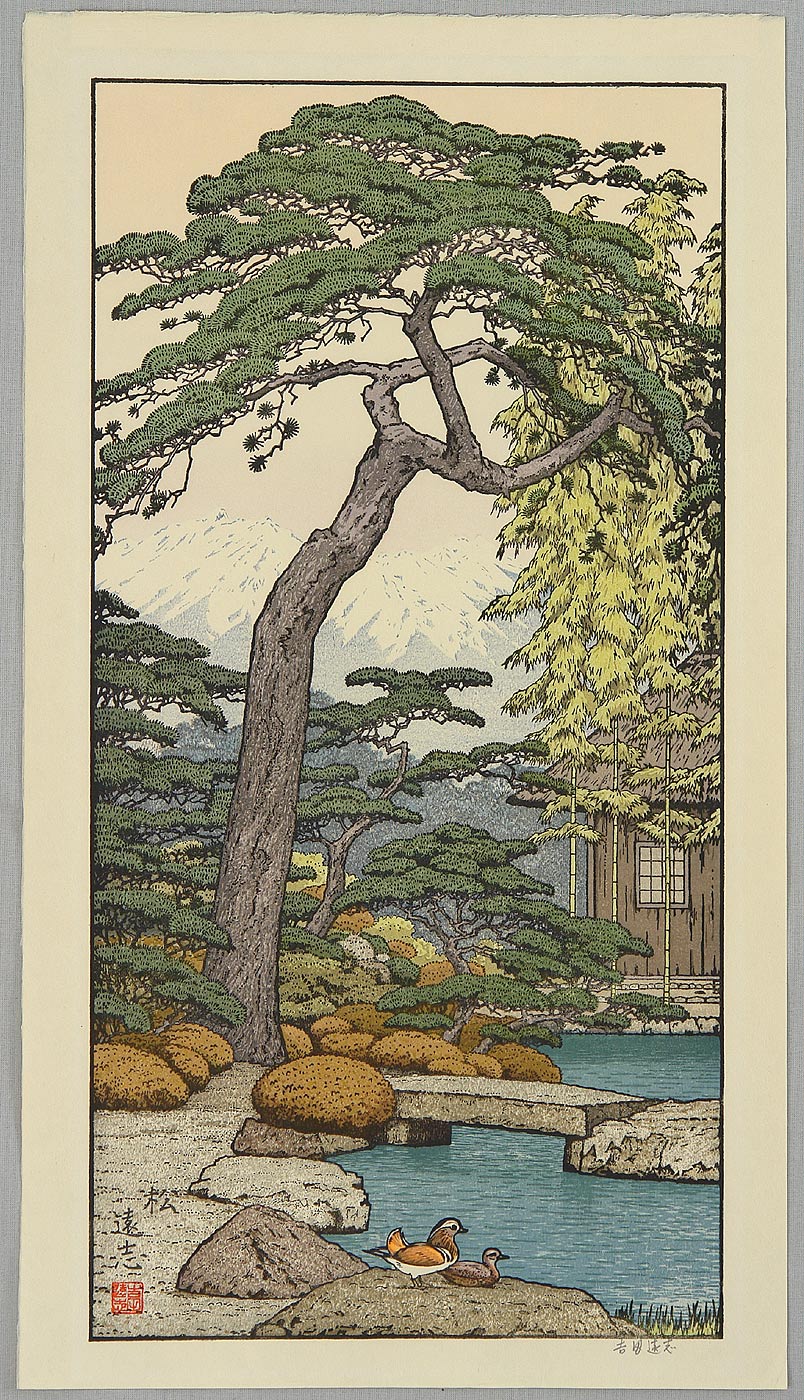
Pine Tree
Woodblock print
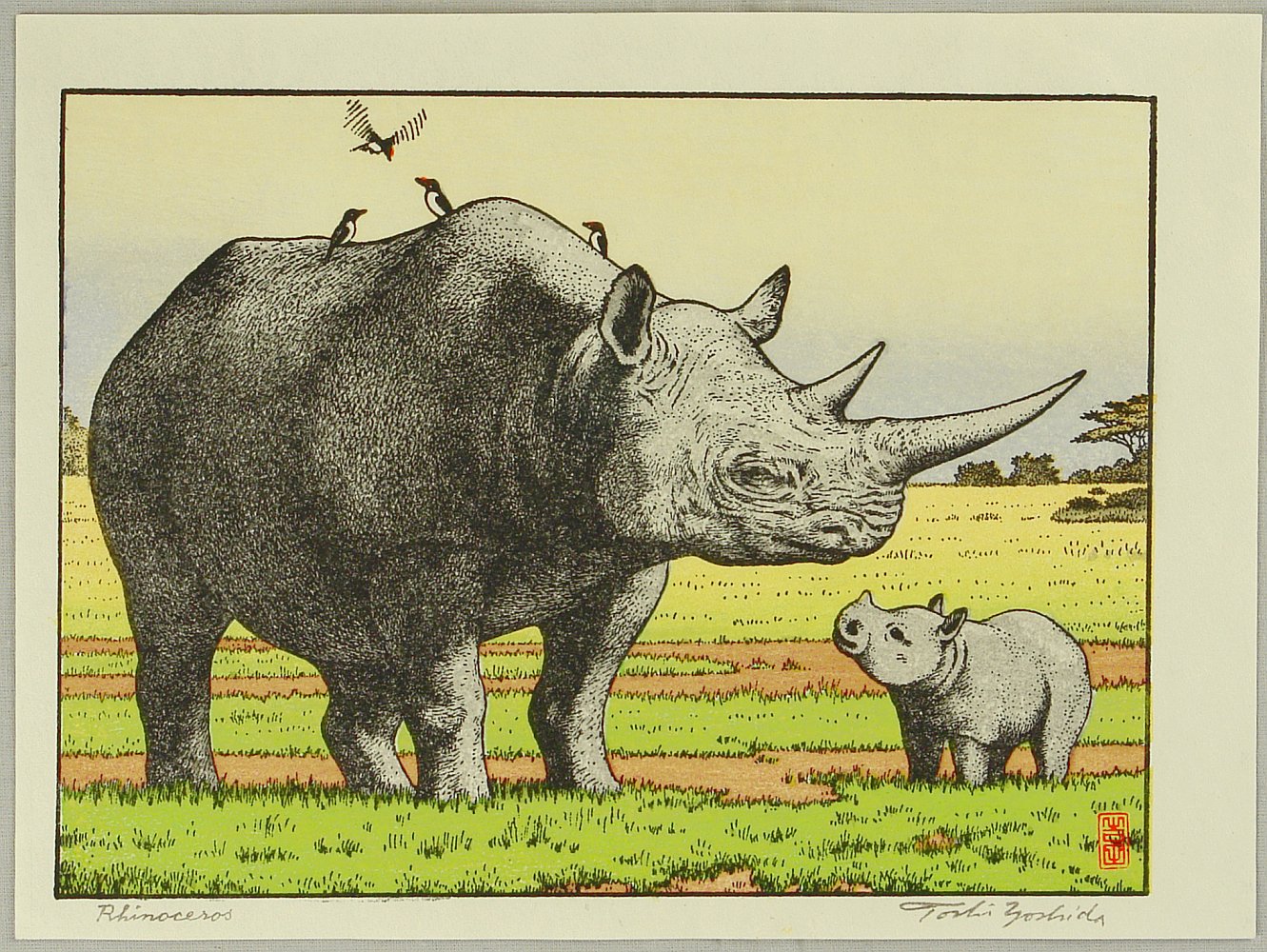
Rhinoceros
Woodblock print