Biography
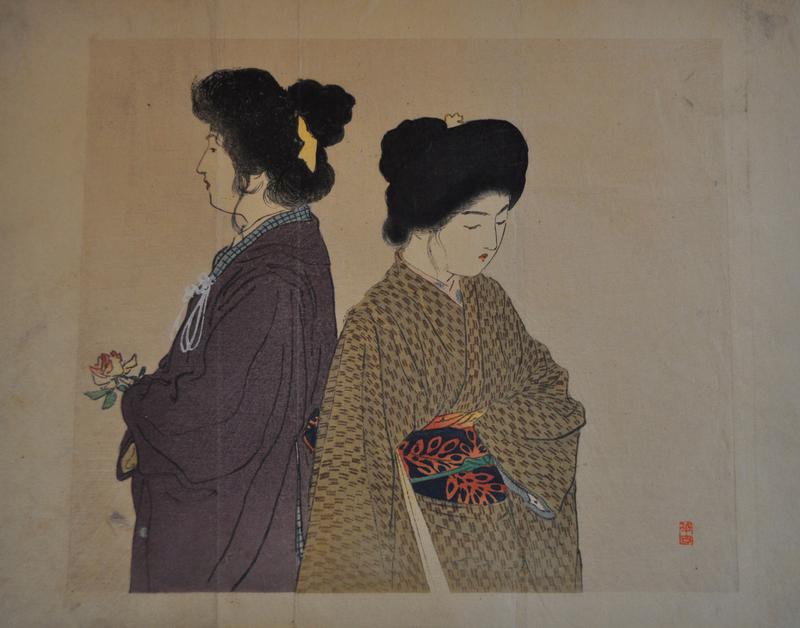
Kajita Hanko (梶田半古, 1870–1917) was a refined nihonga painter and illustrator of the Meiji and Taisho eras, known for his elegant historical subjects, literary illustrations, and his influential role as a teacher who trained the next generation of nihonga artists, most notably Komura Settai, who would become one of the leading illustrators and print designers of the twentieth century.
Born in Tokyo on February 12, 1870, Hanko studied nihonga painting and developed a style characterized by its historical erudition, meticulous attention to period costume and setting, and a delicate refinement of line and color that marked him as an heir to the classical traditions of Japanese painting. He was trained in the techniques of traditional brush painting, mineral pigment application, and the compositional principles that had guided Japanese artists for centuries, and he applied this training with particular distinction to subjects drawn from Japanese history and classical literature.
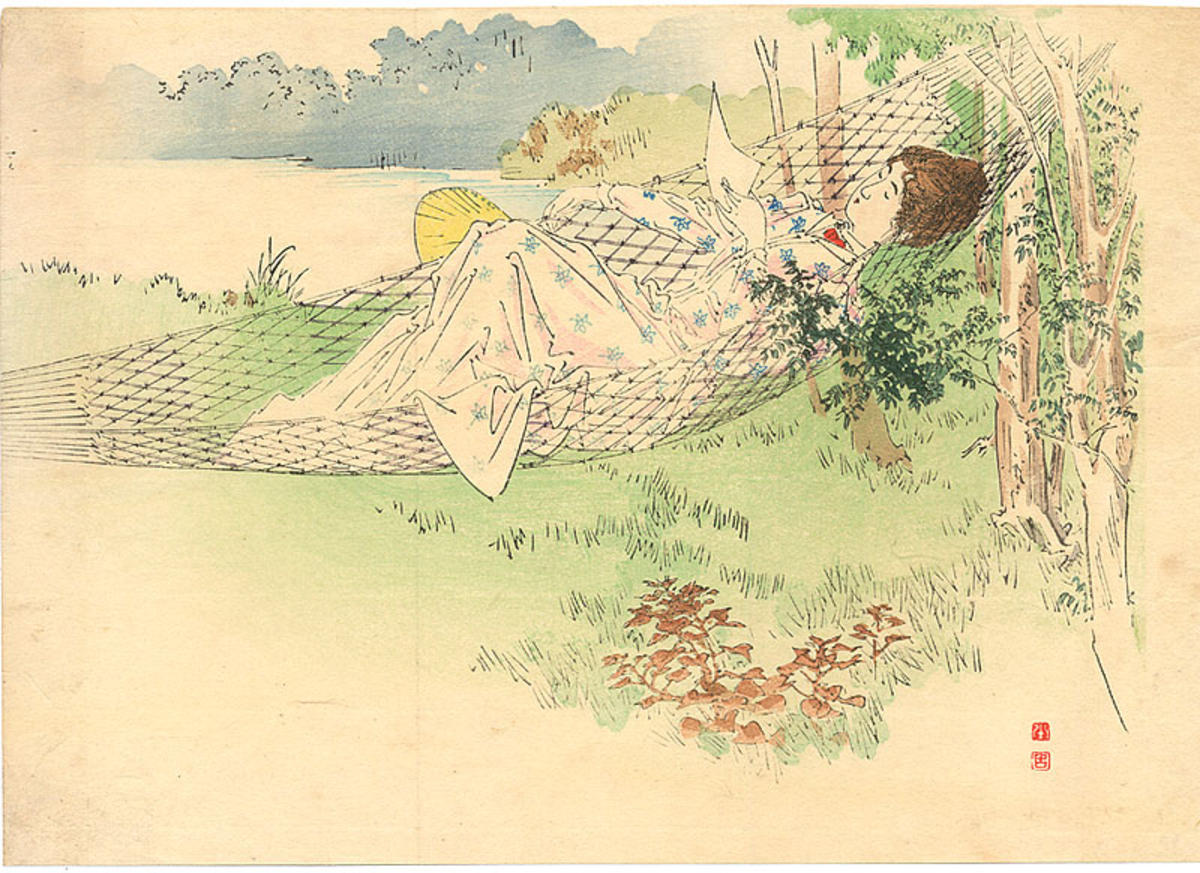
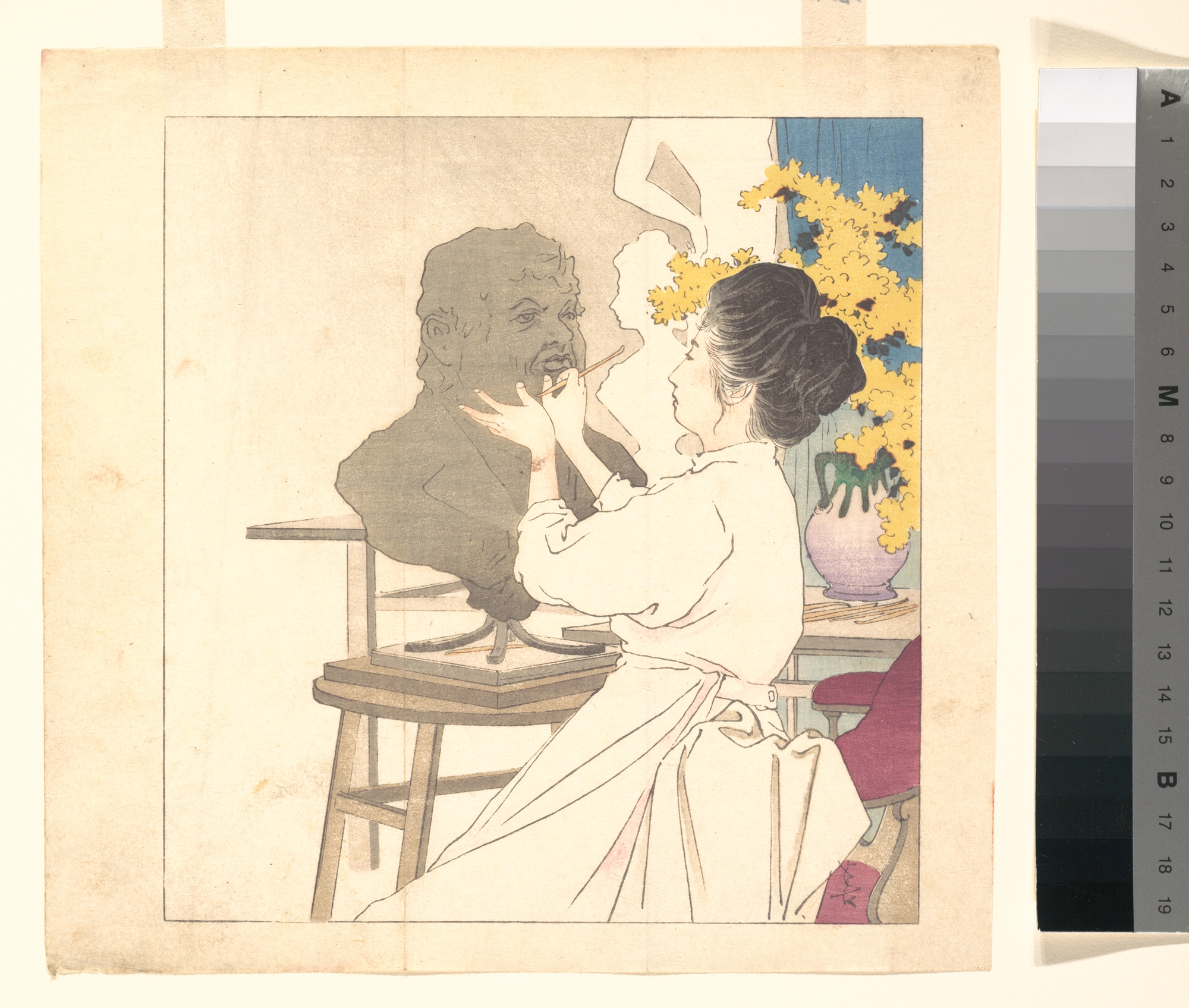
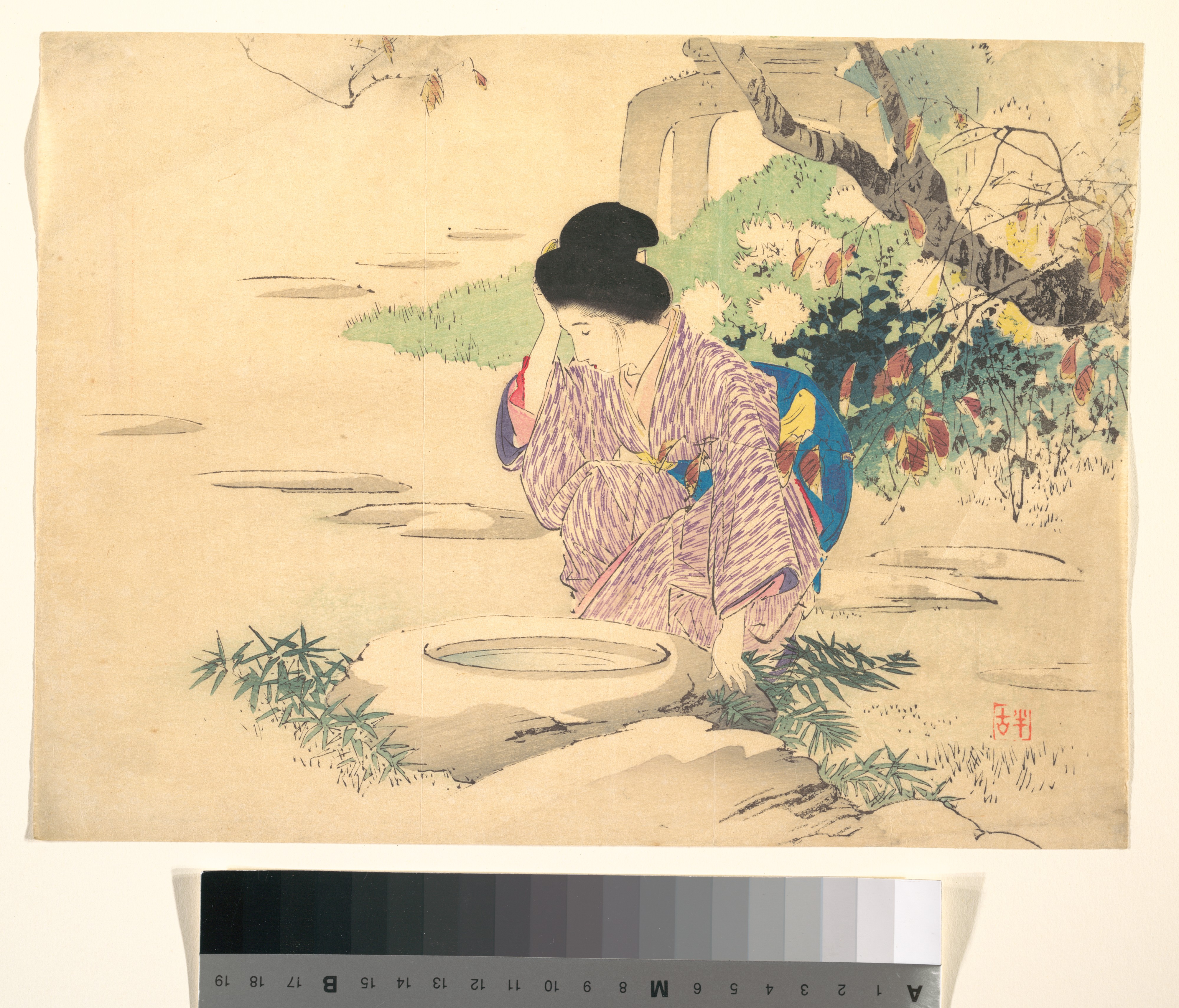
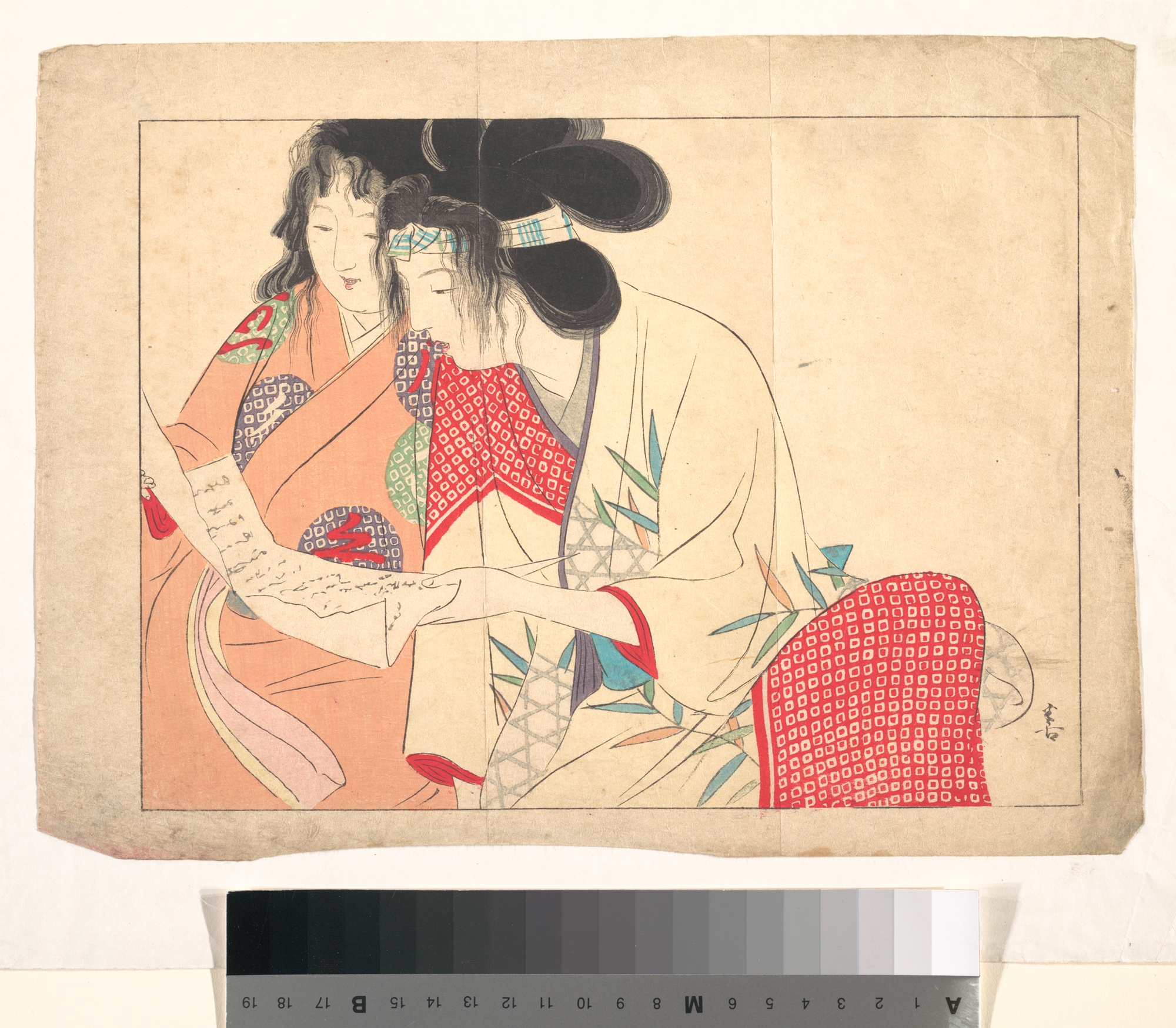
Hanko established his reputation through his paintings of historical subjects — scenes from the Heian, Kamakura, and Muromachi periods depicted with scholarly accuracy and aesthetic grace. His images of court nobles, warriors, and literary figures are rendered with meticulous attention to the details of armor, kimono patterns, architectural settings, and ritual objects, reflecting deep research into the material culture of earlier eras. This combination of artistic skill and historical knowledge made his work highly regarded among connoisseurs and collectors who valued both visual beauty and documentary accuracy.
In addition to his historical paintings, Hanko was a prolific illustrator who contributed designs to books, magazines, and other publications. His illustration work brought his refined artistic sensibility to a broader audience and demonstrated his versatility as a visual storyteller capable of working across scales and formats. His illustrations for literary works are particularly admired for their ability to evoke the mood and atmosphere of the texts they accompany.
Hanko's importance as a teacher may equal or exceed his significance as an artist in his own right. His student Komura Settai (1887–1940) became one of the most celebrated nihonga-influenced illustrators and print designers of the twentieth century, known for his sophisticated images of Edo-period women and his designs for woodblock prints that combined traditional elegance with modern design sensibility. Through Settai and other students, Hanko's commitment to refined draftsmanship and historical awareness was transmitted to the next generation of Japanese artists.
Hanko died on February 28, 1917, at the age of forty-seven, a relatively early death that cut short a distinguished career. His works are held in Japanese institutional collections, where they are recognized for their contribution to the nihonga tradition and their role in maintaining the connection between historical Japanese painting and the modern visual arts.
Key Facts
- Active Period
- 1870–1917
- Nationality
- 🇯🇵Japan
- Movements
- Meiji/Taishō PrintsShin-hanga
- Works Indexed
- 87
Frequently Asked Questions
What is Kajita Hanko known for?
Kajita Hanko (梶田半古, 1870–1917) was a refined nihonga painter and illustrator of the Meiji and Taisho eras, known for his elegant historical subjects, literary illustrations, and his influential role as a teacher who trained the next generation of nihonga artists, most notably Komura Settai, who would become one of the leading illustrators and print designers of the twentieth century.
When was Kajita Hanko active?
Kajita Hanko was active from 1870 to 1917. They were associated with the Meiji/Taishō Prints and Shin-hanga movements.
What artistic movements influenced Kajita Hanko?
Kajita Hanko's work was shaped by the Meiji/Taishō Prints and Shin-hanga traditions in Japanese woodblock printmaking. Meiji/Taishō Prints: Meiji and Taishō era prints (1868–1926) bridge the transition from traditional ukiyo-e to the modern shin-hanga and sosaku-hanga movements. Shin-hanga: The "new prints" movement (c.
Where can I see Kajita Hanko's original prints?
Original prints by Kajita Hanko can be found in collections including ukiyo-e.org, Honolulu Museum of Art, Japanese Art Open Database, Art Gallery of Greater Victoria.
Woodblock Prints by Kajita Hanko (87)
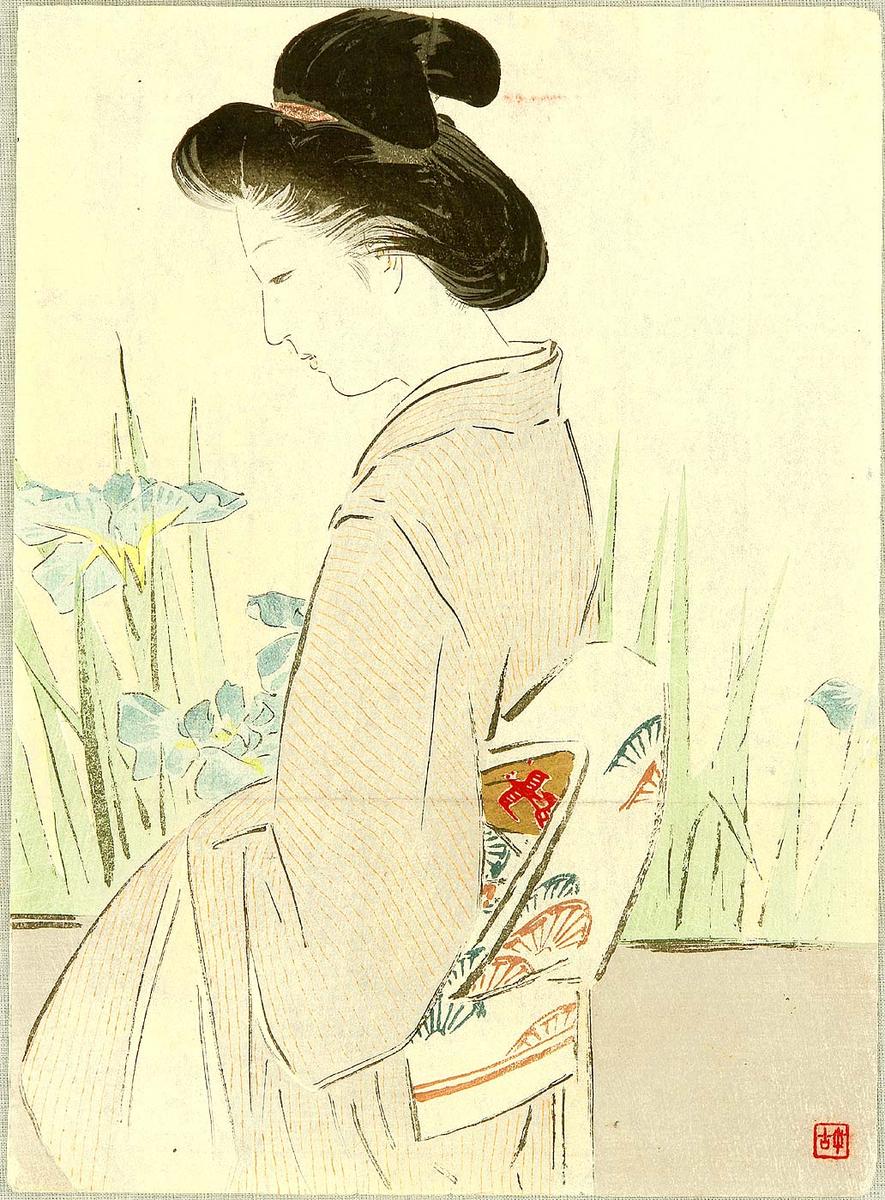
Untitled (kajita-hanko)
Woodblock print
Untitled (kajita-hanko)
Woodblock print
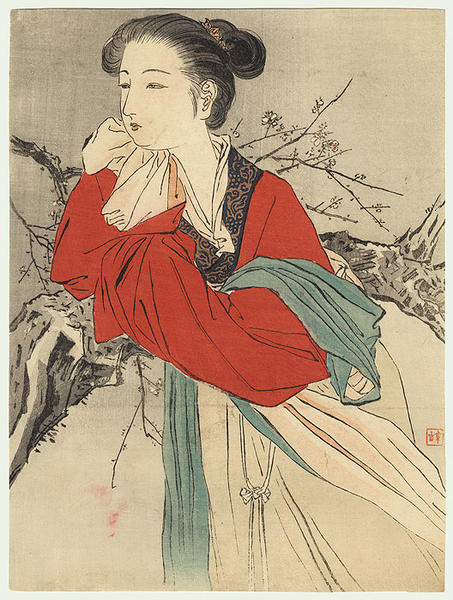
Untitled (kajita-hanko)
Woodblock print
Untitled (kajita-hanko)
Woodblock print
Untitled (kajita-hanko)
Woodblock print
Untitled (kajita-hanko)
Woodblock print
Untitled (kajita-hanko)
Woodblock print
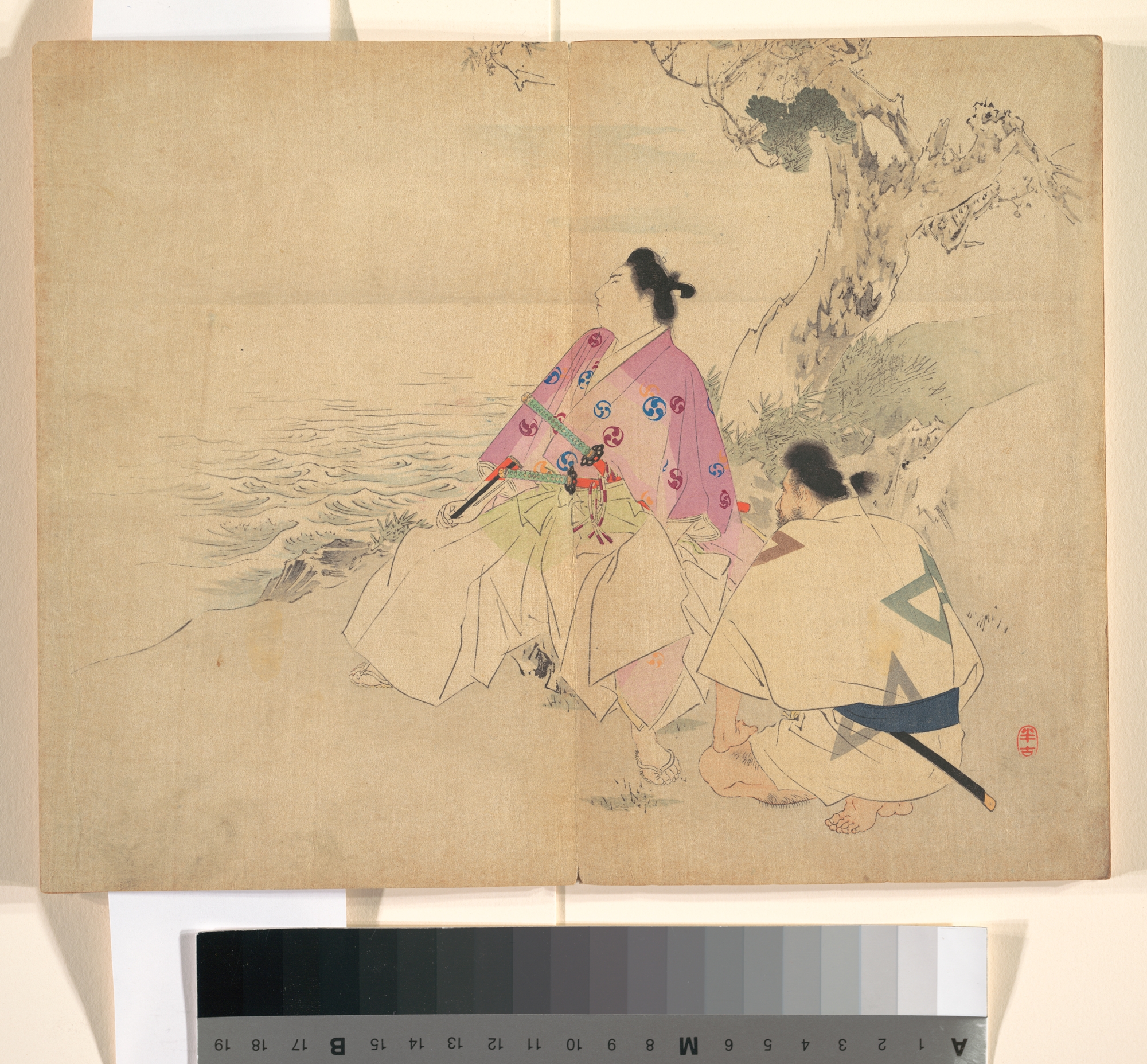
Untitled (kajita-hanko)
Woodblock print
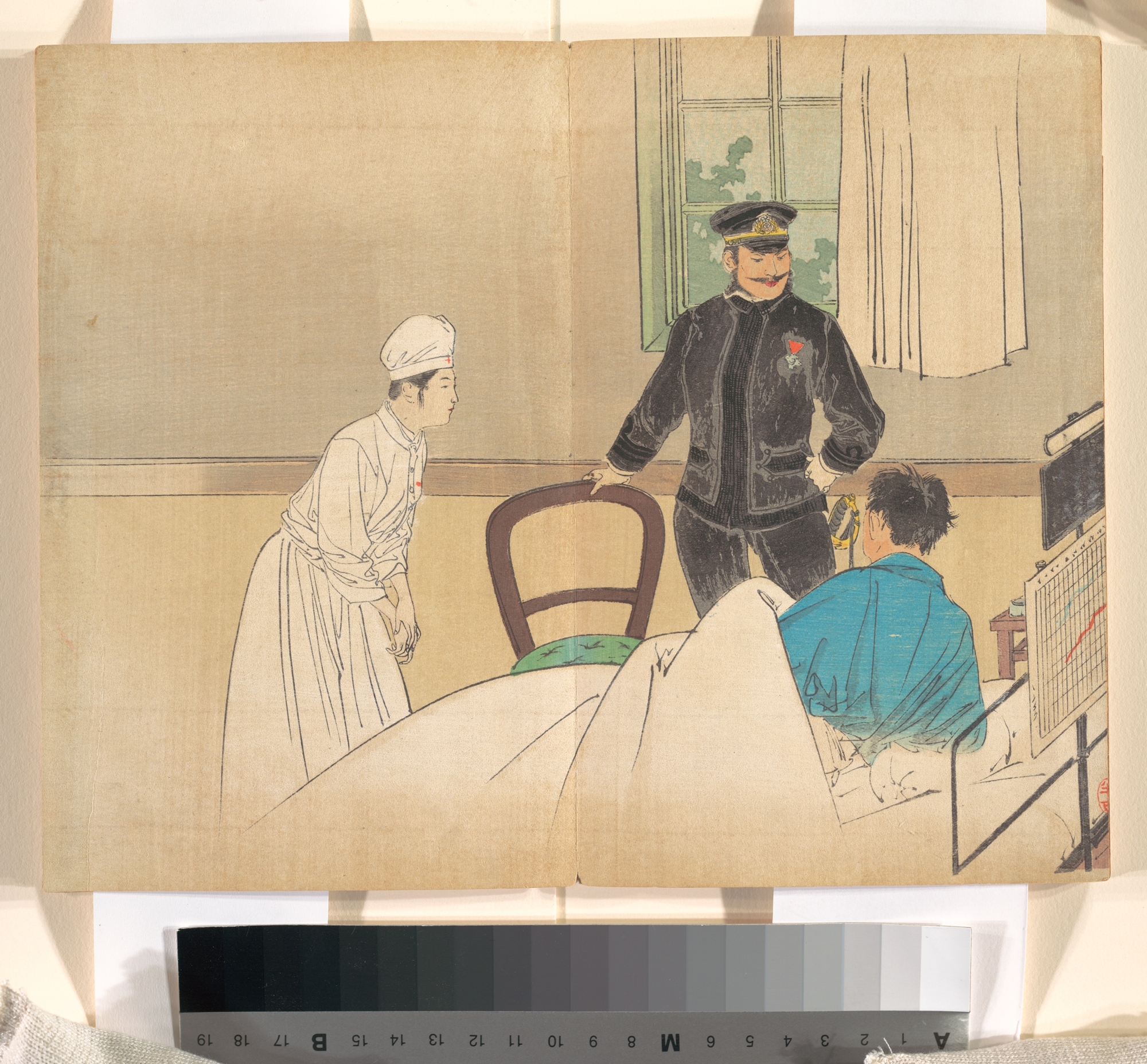
Untitled (kajita-hanko)
Woodblock print

Untitled (kajita-hanko)
Woodblock print
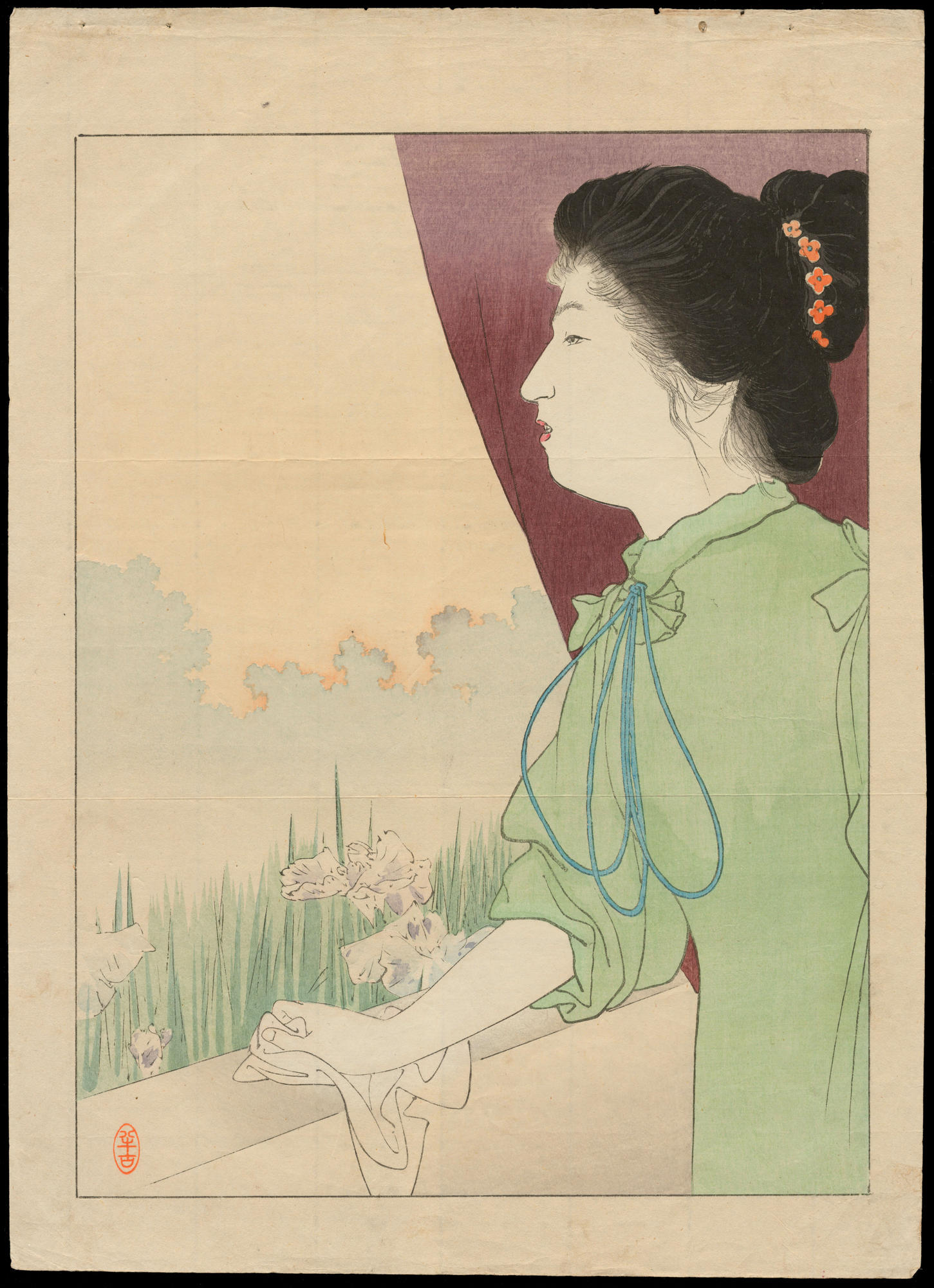
Untitled (kajita-hanko)
Woodblock print
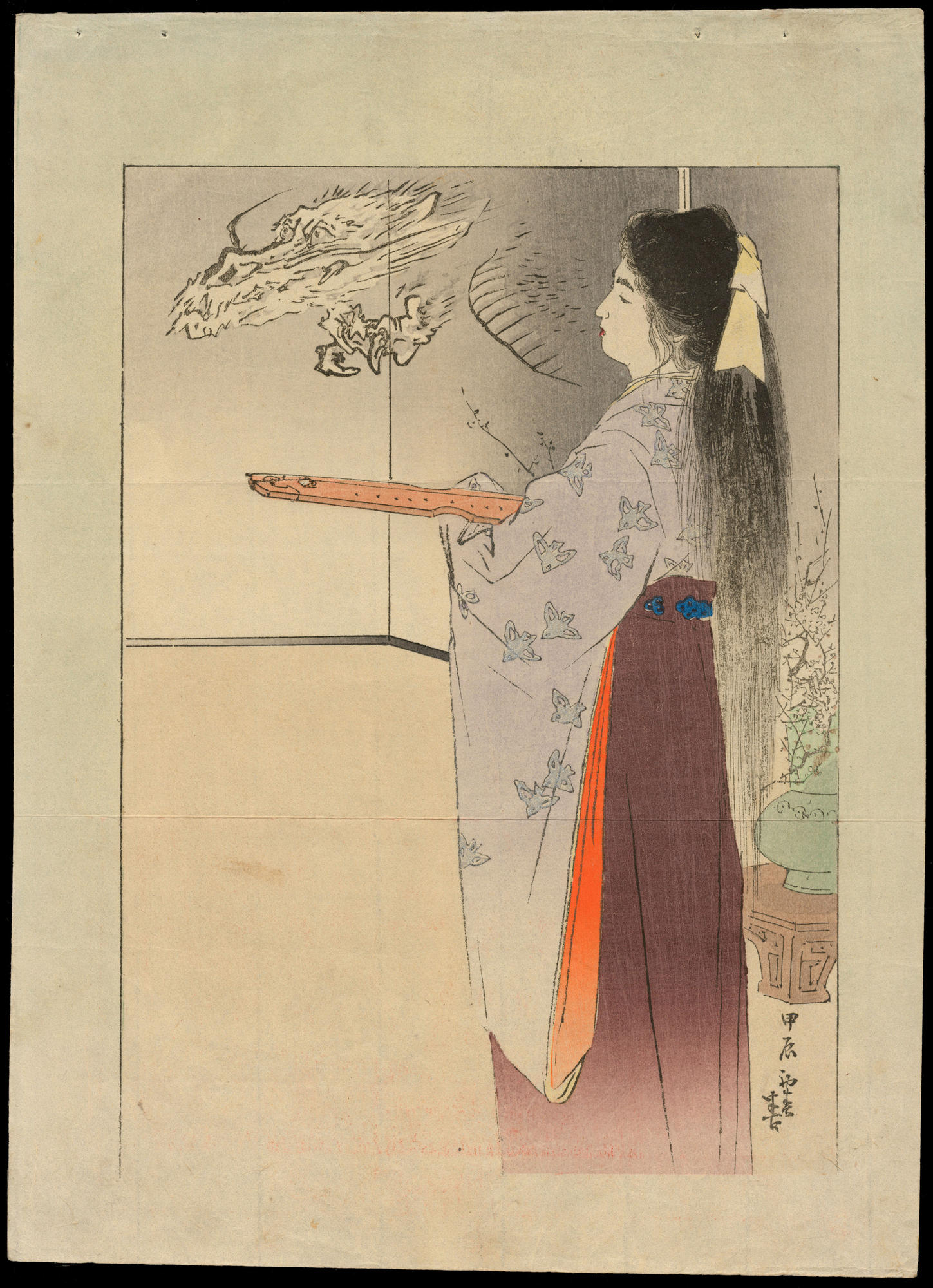
Untitled (kajita-hanko)
Woodblock print
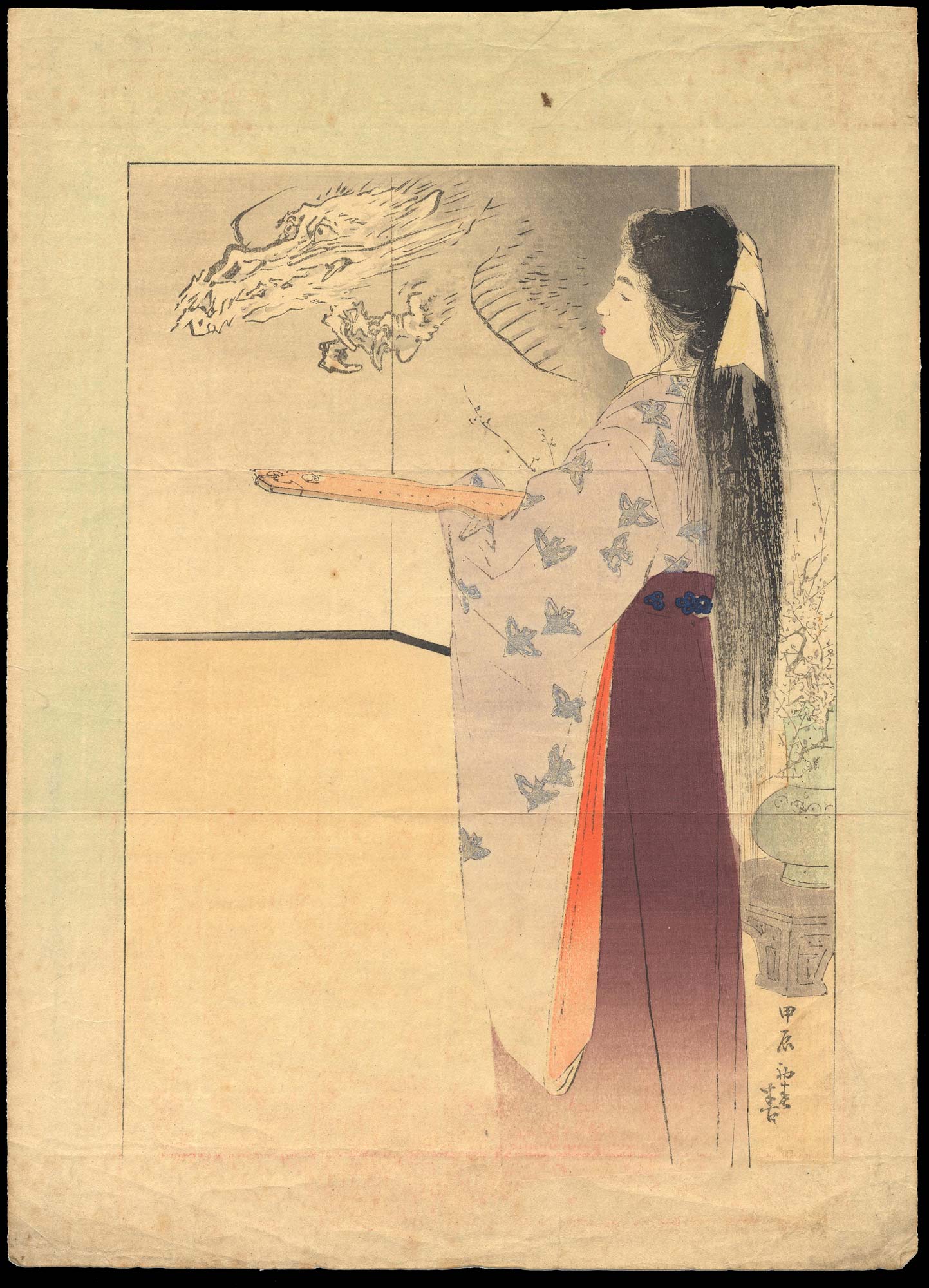
Untitled (kajita-hanko)
Woodblock print
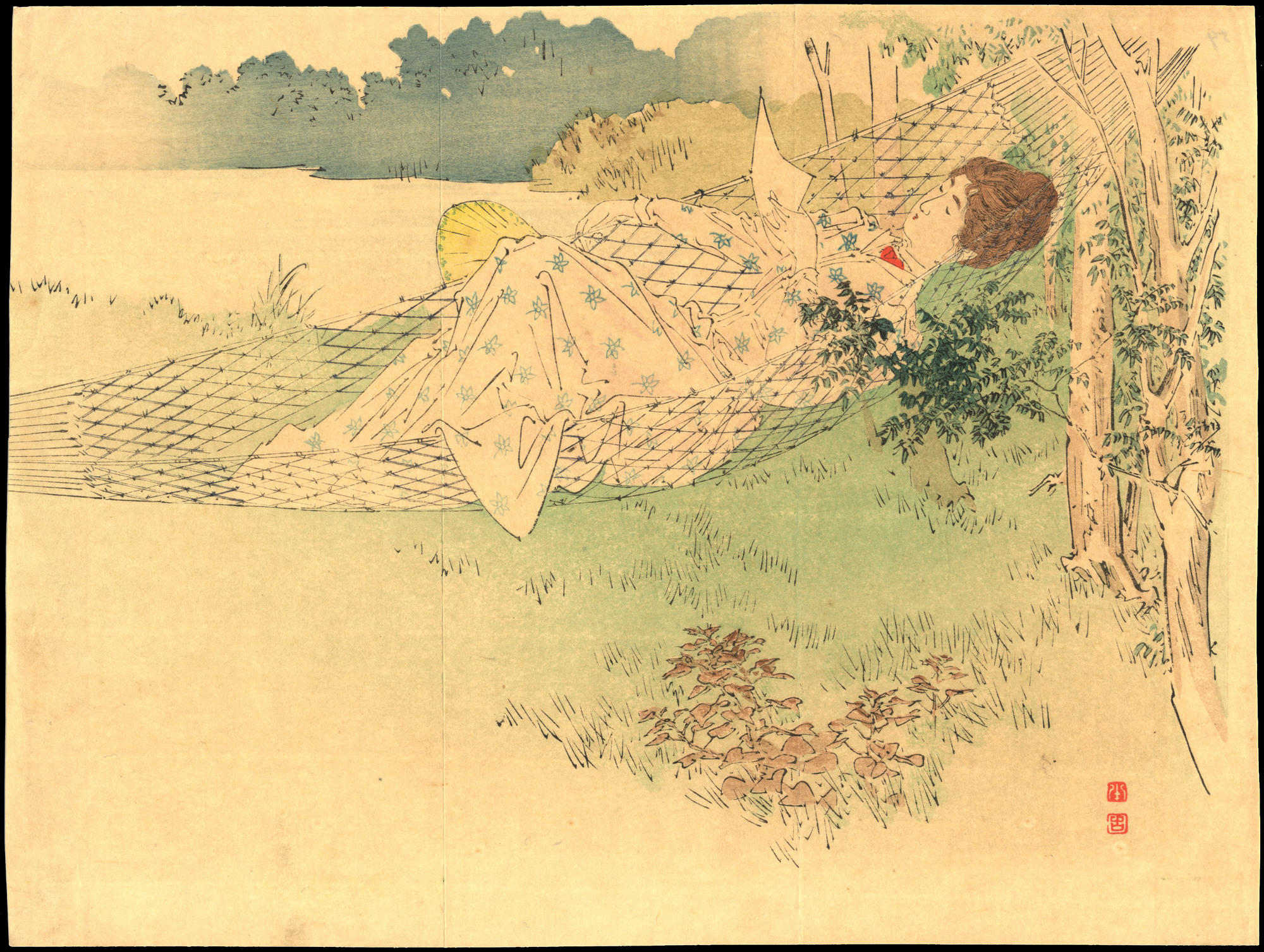
Untitled (kajita-hanko)
Woodblock print
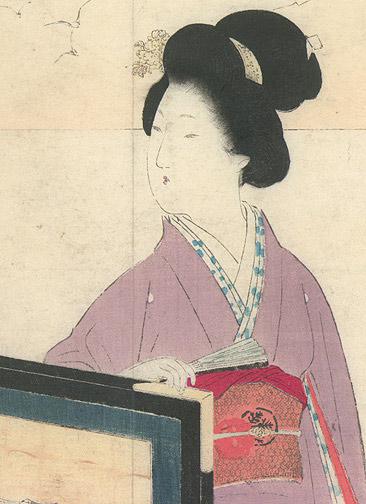
Untitled (kajita-hanko)
Woodblock print
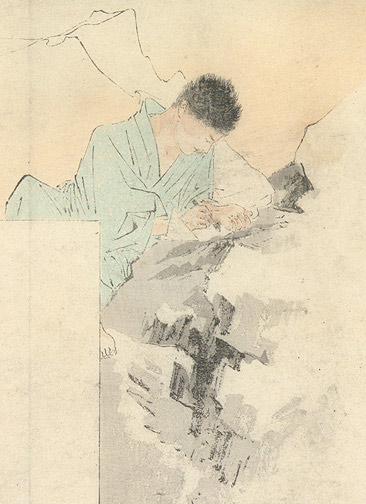
Untitled (kajita-hanko)
Woodblock print
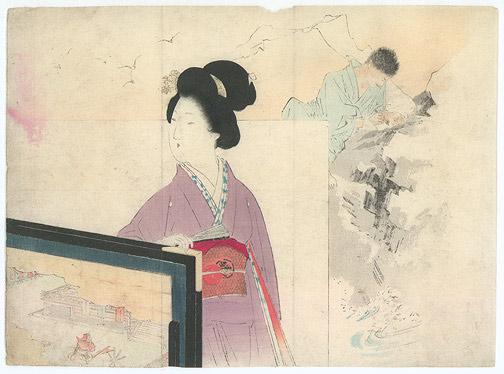
Untitled (kajita-hanko)
Woodblock print
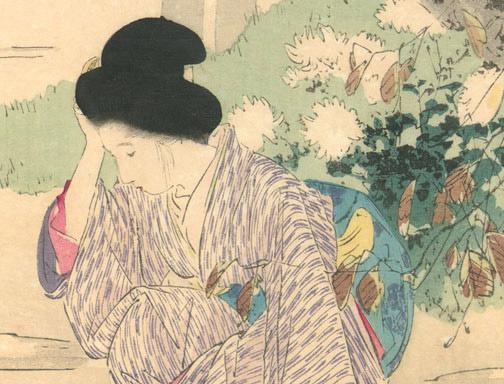
Untitled (kajita-hanko)
Woodblock print
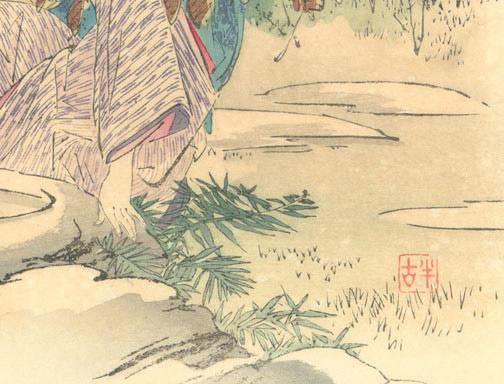
Untitled (kajita-hanko)
Woodblock print
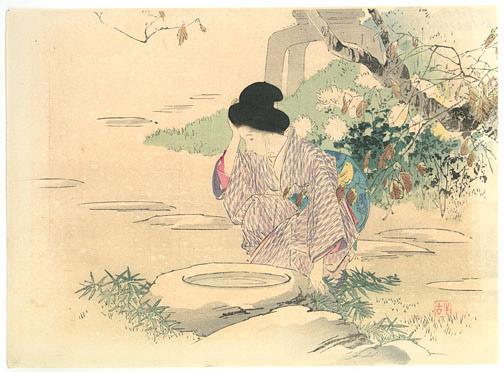
Untitled (kajita-hanko)
Woodblock print
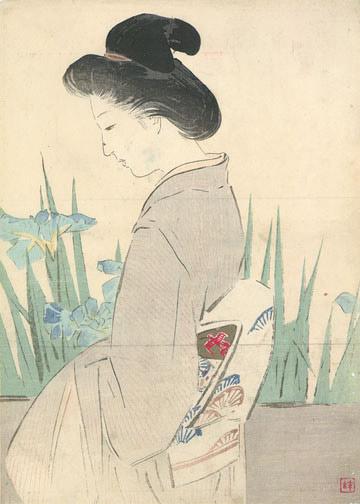
Untitled (kajita-hanko)
Woodblock print
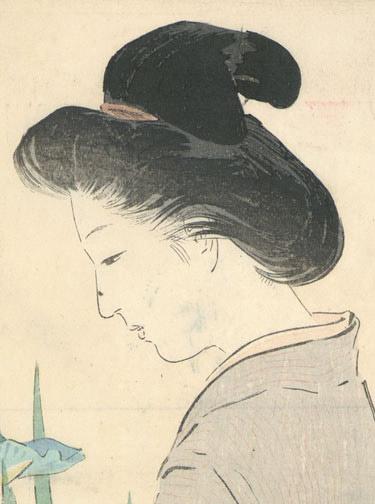
Untitled (kajita-hanko)
Woodblock print
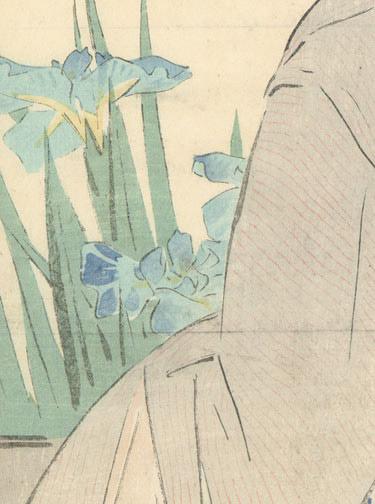
Untitled (kajita-hanko)
Woodblock print
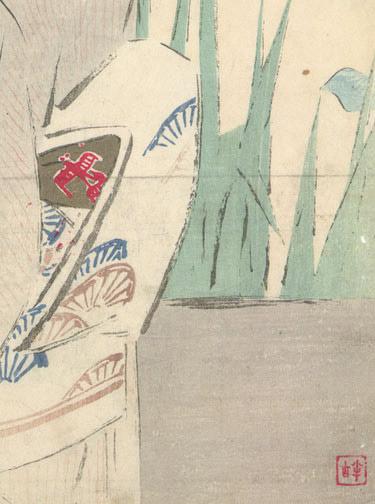
Untitled (kajita-hanko)
Woodblock print
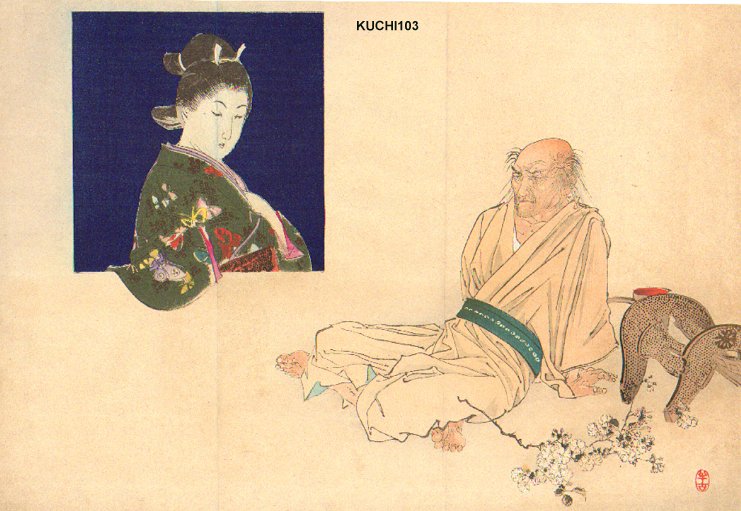
Untitled (kajita-hanko)
Woodblock print
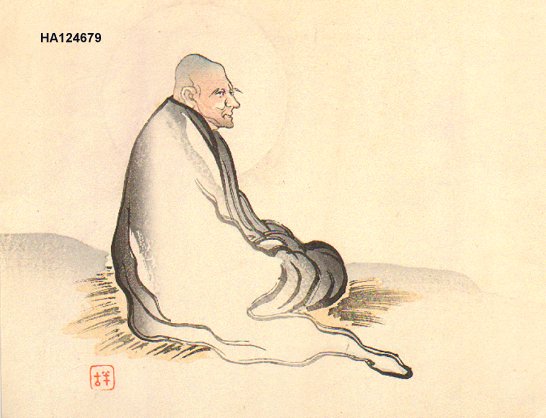
Untitled (kajita-hanko)
Woodblock print
Untitled [Two women]
19th century
Woodblock print, ink and color on paper