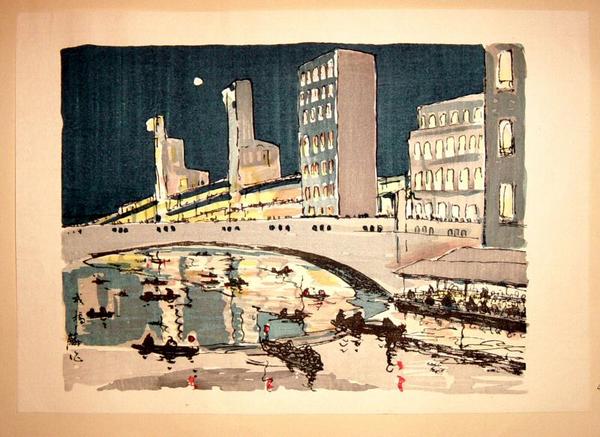
Biography
Akamatsu Rinsaku (赤松麟作, 1878–1953) was a Japanese Western-style (yoga) painter and occasional printmaker who worked during the transformative period spanning the late Meiji, Taisho, and early Showa eras. While he is primarily remembered as a painter working in the European oil painting tradition, his engagement with printmaking connects him to the broader artistic ferment of early twentieth-century Japan, when artists of all orientations were exploring new modes of visual expression.
Born in 1878, Akamatsu studied Western-style painting during a period when yoga was establishing itself as a serious artistic discipline in Japan, competing with and complementing the traditional nihonga painting schools. He trained under the methods introduced by foreign instructors and their Japanese followers, learning the techniques of oil painting, perspective, and life drawing that formed the core of the yoga curriculum.
Akamatsu's career as a painter placed him within the yoga movement that was transforming Japanese visual culture during the Meiji and Taisho periods. His paintings reflected the influence of European academic and Impressionist traditions, filtered through the particular concerns and sensibilities of Japanese artists grappling with the challenge of integrating Western artistic methods with their own cultural heritage.
In addition to painting, Akamatsu produced prints that demonstrate the cross-pollination between different artistic media during this period. Many yoga painters experimented with printmaking — both Western techniques such as etching and lithography and the traditional Japanese woodblock method — as part of a broader exploration of artistic possibilities that characterized the early twentieth-century Japanese art world.
Akamatsu died in 1953, having lived through one of the most tumultuous and creative periods in Japanese art history. His works are preserved primarily in Japanese collections, where they contribute to the documentation of the yoga movement's development during the Meiji-Taisho transition.
Key Facts
- Active Period
- 1878–1953
- Nationality
- 🇯🇵Japan
- Movement
- Meiji/Taishō Prints
- Works Indexed
- 8
Frequently Asked Questions
What is Akamatsu Rinsaku known for?
Akamatsu Rinsaku (赤松麟作, 1878–1953) was a Japanese Western-style (yoga) painter and occasional printmaker who worked during the transformative period spanning the late Meiji, Taisho, and early Showa eras. While he is primarily remembered as a painter working in the European oil painting tradition, his engagement with printmaking connects him to the broader artistic ferment of early twentieth-century Japan, when artists of all orientations were exploring new modes of visual expression.
When was Akamatsu Rinsaku active?
Akamatsu Rinsaku was active from 1878 to 1953. They were associated with the Meiji/Taishō Prints movement.
What artistic movements influenced Akamatsu Rinsaku?
Akamatsu Rinsaku's work was shaped by the Meiji/Taishō Prints tradition in Japanese woodblock printmaking. Meiji/Taishō Prints: Meiji and Taishō era prints (1868–1926) bridge the transition from traditional ukiyo-e to the modern shin-hanga and sosaku-hanga movements.
Where can I see Akamatsu Rinsaku's original prints?
Original prints by Akamatsu Rinsaku can be found in collections including ukiyo-e.org, Japanese Art Open Database, British Museum.
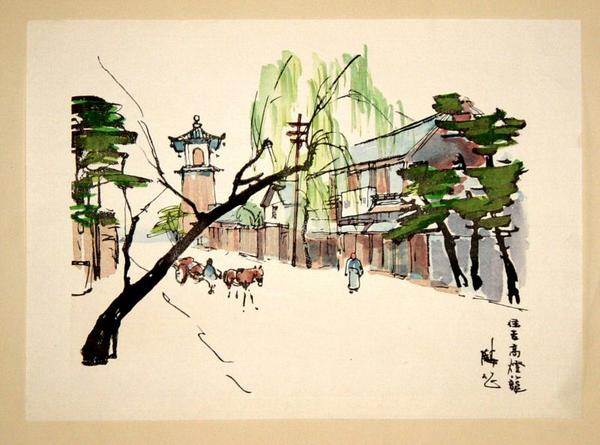
Woodblock Prints by Akamatsu Rinsaku (8)
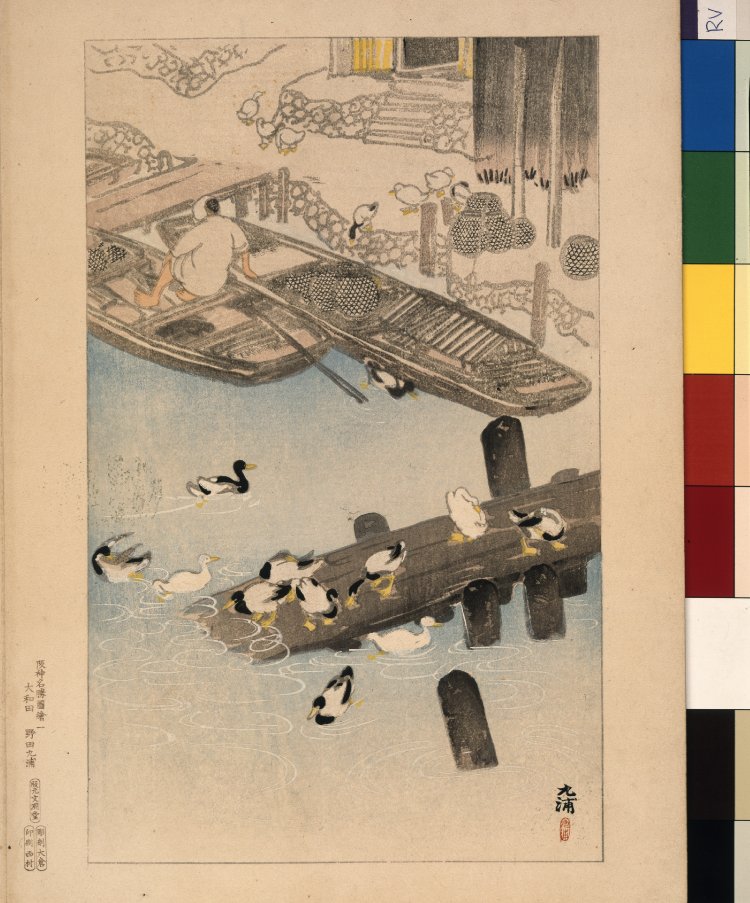
An00224774 001 L
Woodblock print
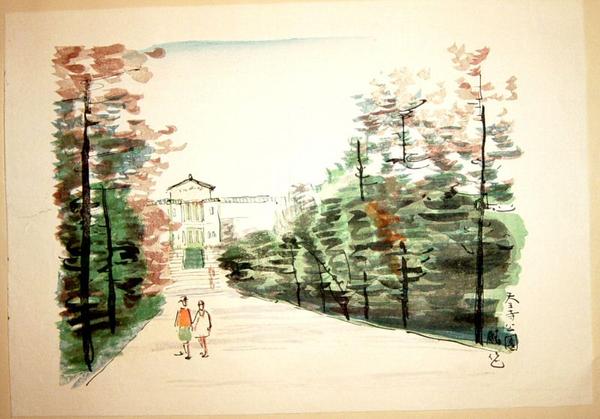
British Museum
Woodblock print
36 Views Of Osaka The Ebisubashi Bridge
Woodblock print
Japanese Art Open Database
Woodblock print
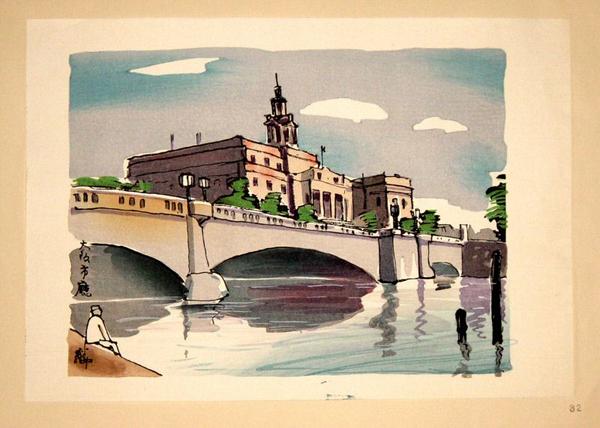
Osaka Municipal Office
Woodblock print
totalCount
Woodblock print
Untitled (akamatsu-rinsaku)
Woodblock print
Untitled (akamatsu-rinsaku)
Woodblock print