
Biography
Wada Sanzo was a prominent Japanese painter and printmaker whose career spanned the late Meiji, Taisho, and Showa periods. Born in 1883 in Hyogo Prefecture, Japan, he became one of the most distinctive artistic voices documenting Japanese working life and occupational culture through both oil painting and woodblock prints. His remarkable ability to capture the dignity and character of ordinary workers and tradespeople earned him recognition both domestically and internationally, and his contributions to Japanese visual culture remain influential to this day.
Wada showed artistic talent from an early age and pursued formal training at the Tokyo School of Fine Arts (Tokyo Bijutsu Gakko), where he studied Western-style oil painting (yoga) under the guidance of Kuroda Seiki, one of the most important figures in the introduction of Western painting techniques to Japan. Kuroda's emphasis on plein-air painting and naturalistic observation deeply influenced Wada's approach to depicting the human figure and everyday scenes. At the school, Wada developed a strong foundation in academic drawing, composition, and color theory that would serve him throughout his career.
After completing his studies, Wada quickly established himself as a talented painter in the Western style. In 1907, at the age of just twenty-four, he achieved a major breakthrough when his painting "Minami Kaze" (South Wind), depicting a powerful scene of laborers on a boat, won the second prize at the prestigious Bunten exhibition, the government-sponsored annual art salon that served as the most important venue for Western-style painting in Japan. This early recognition helped launch his career and established his reputation as a painter of working people and maritime subjects. The painting demonstrated his characteristic interest in the muscular effort and concentrated attention of workers engaged in physical labor.
Following this early success, Wada traveled to Europe to further his artistic education, spending time in France and other countries studying European painting traditions firsthand. His exposure to European art, particularly the work of social realist painters and Impressionists, broadened his palette and refined his technique. He was particularly drawn to artists who depicted laborers and common people with empathy and grandeur, an approach he would carry throughout his own career. Upon returning to Japan, he continued to exhibit at the Bunten and its successor exhibitions, winning multiple awards and establishing himself as one of the leading yoga painters of his generation.
Wada's career took a distinctive turn when he began producing woodblock prints alongside his oil paintings. Unlike the collaborative shin-hanga model where a publisher would coordinate the work of a designer, carver, and printer, Wada's prints were produced in a more independent fashion, aligning him with the creative spirit of the sosaku-hanga movement even though he did not formally identify with it. His prints often depicted Japanese workers, tradespeople, and people in traditional occupations, rendered with the same sympathetic attention to character and physical presence that distinguished his oil paintings. These occupational prints became some of his most beloved works, offering a vivid and affectionate portrait of Japanese working life.
Among his most celebrated print series is a collection depicting various Japanese occupations and trades. These prints show fishermen, carpenters, blacksmiths, farmers, street vendors, and other workers engaged in their daily tasks. Wada brought a painter's eye for color and composition to these prints, using bold outlines and rich, carefully modulated colors to create images that were both decorative and documentary. Each print captures not just the physical actions of the workers but their dignity and the cultural significance of their labor. The series serves as a valuable record of traditional Japanese occupations, many of which were already beginning to disappear during Wada's lifetime due to industrialization and modernization.
Wada's artistic style in his prints is characterized by strong, confident drawing, a warm and varied color palette, and a remarkable ability to convey personality and character through pose, gesture, and facial expression. His figures are typically shown in three-quarter or full-length views, often set against simple backgrounds that focus attention on the human subject. The influence of his Western painting training is visible in his use of light and shadow, anatomical accuracy, and compositional sophistication, while his subject matter and certain stylistic elements remain firmly rooted in Japanese artistic traditions. This synthesis of Eastern and Western approaches gives his prints a distinctive quality that sets them apart from both purely traditional ukiyo-e and the work of the shin-hanga movement.
In addition to his occupational prints, Wada produced landscapes, portraits, and scenes of Japanese daily life. He was also active as an educator and arts administrator, serving on juries for major exhibitions and helping to shape the direction of Japanese art during a period of rapid change. His dual career as both a painter and a printmaker was unusual for his time and reflected his broad artistic vision and his desire to reach different audiences through different media.
Wada's international recognition came through his participation in numerous overseas exhibitions, where his work was admired for its combination of Western technical proficiency and Japanese sensibility. He received prizes at international expositions and his prints were collected by museums and private collectors around the world. His work helped to demonstrate that Japanese artists could work successfully in Western media while maintaining a distinctly Japanese perspective and subject matter.
During the postwar period, Wada continued to paint and create prints, adapting to the changing times while maintaining his commitment to depicting the human figure and Japanese life. He received numerous honors in recognition of his long and productive career, including being designated a Person of Cultural Merit by the Japanese government. He was also influential in the development of the modern Japanese color palette, contributing to the standardization of traditional Japanese color names and their application in industrial design and everyday life.
Wada Sanzo passed away in 1967 at the age of eighty-four, leaving behind a substantial body of work that spans painting, printmaking, design, and art education. His occupational prints, in particular, have enjoyed enduring popularity and are now recognized as important cultural documents as well as works of art. They capture a Japan that was rapidly changing and preserve the images of workers and trades that might otherwise have been forgotten. Today, his prints are held in major collections worldwide, including the Museum of Fine Arts, Boston, the British Museum, and numerous Japanese museums. Wada's legacy is that of an artist who used his considerable talent to celebrate the dignity of labor and the richness of ordinary Japanese life, creating images that continue to resonate with viewers more than half a century after his death.
Key Facts
- Active Period
- 1883–1967
- Nationality
- 🇯🇵Japan
- Movement
- Sōsaku-hanga
- Works Indexed
- 20
Frequently Asked Questions
What is Wada Sanzo known for?
Wada Sanzo was a prominent Japanese painter and printmaker whose career spanned the late Meiji, Taisho, and Showa periods. Born in 1883 in Hyogo Prefecture, Japan, he became one of the most distinctive artistic voices documenting Japanese working life and occupational culture through both oil painting and woodblock prints. His remarkable ability to capture the dignity and character of ordinary workers and tradespeople earned him recognition both domestically and internationally, and his contributions to Japanese visual culture remain influential to this day.
When was Wada Sanzo active?
Wada Sanzo was active from 1883 to 1967. They were associated with the Sōsaku-hanga movement.
What artistic movements influenced Wada Sanzo?
Wada Sanzo's work was shaped by the Sōsaku-hanga tradition in Japanese woodblock printmaking. Sōsaku-hanga: The "creative prints" movement (c.
What subjects did Wada Sanzo depict?
Wada Sanzo's prints frequently feature portraits, landscapes, urban scenes, seascapes, mountains, temples & shrines.
How much do Wada Sanzo prints cost?
Wada Sanzo prints are among the most affordable in the shin-hanga market, making them an excellent choice for new collectors or those building a diverse collection on a moderate budget. Best known for his series of prints depicting Japanese occupational figures and street vendors, Wada's work combines ethnographic documentation with artistic charm. Most prints sell for $200–$1,500. Wada's prints were primarily published by Watanabe Shozaburo. The edition types follow the Watanabe pattern, though with lower price points than better-known Watanabe artists. Pre-earthquake editions (before September 1923): $800–$1,500+ for his earliest designs, though these are rare since much of his work came later. Lifetime Watanabe editions: $500–$1,200. Posthumous Watanabe editions: $200–$600. Look for the Watanabe publisher seal to identify the printing era. Wada's prints are generally well-printed with characteristic flat color areas and strong outlines that reproduce well even in later editions. His "Occupations" series (Shokugyou zukushi) is the most collected body of work, depicting fishermen, farmers, merchants, and craftsmen in traditional dress. These prints appeal both to shin-hanga collectors and to those interested in Japanese cultural history and costume. Individual prints from this series in lifetime editions: $500–$1,200. Posthumous editions: $200–$500. His figure studies are generally more valuable than his landscape compositions. Wada represents a genuinely affordable entry into Watanabe-published shin-hanga, and his prints' documentary value ensures steady collector interest.
External Resources
Woodblock Prints by Wada Sanzo (20)
South Wind
南風
1907
Oil on canvas
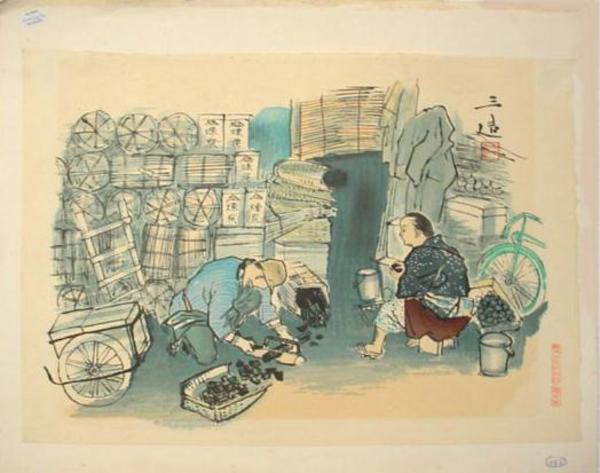
Charcoal Maker
炭焼き
c. 1940
Color woodblock print
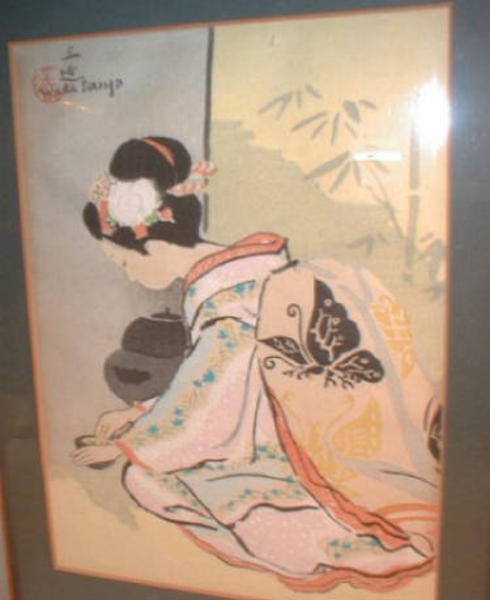
Rice Dealer
米屋
c. 1940
Color woodblock print
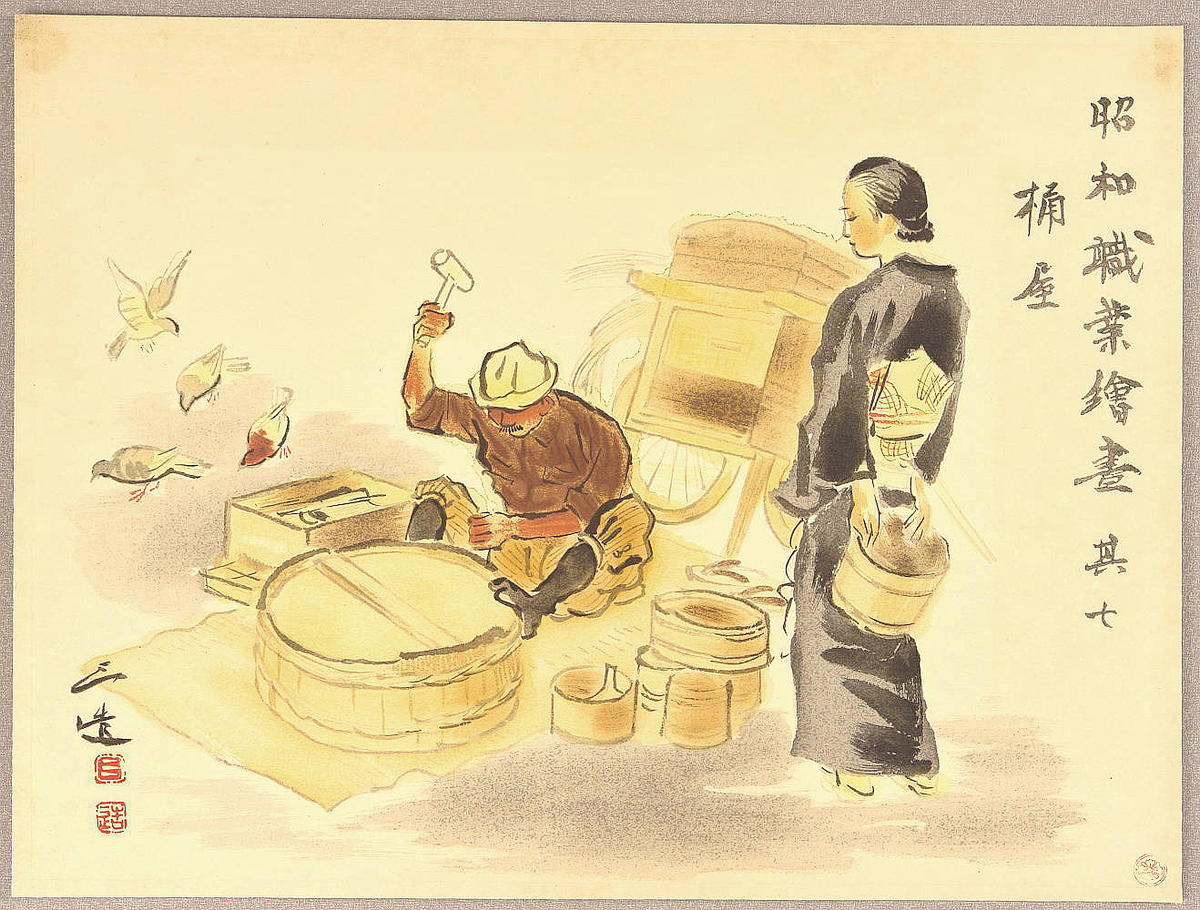
Cooper
桶屋
c. 1940
Color woodblock print
Tea Picker
茶摘み
c. 1940
Color woodblock print
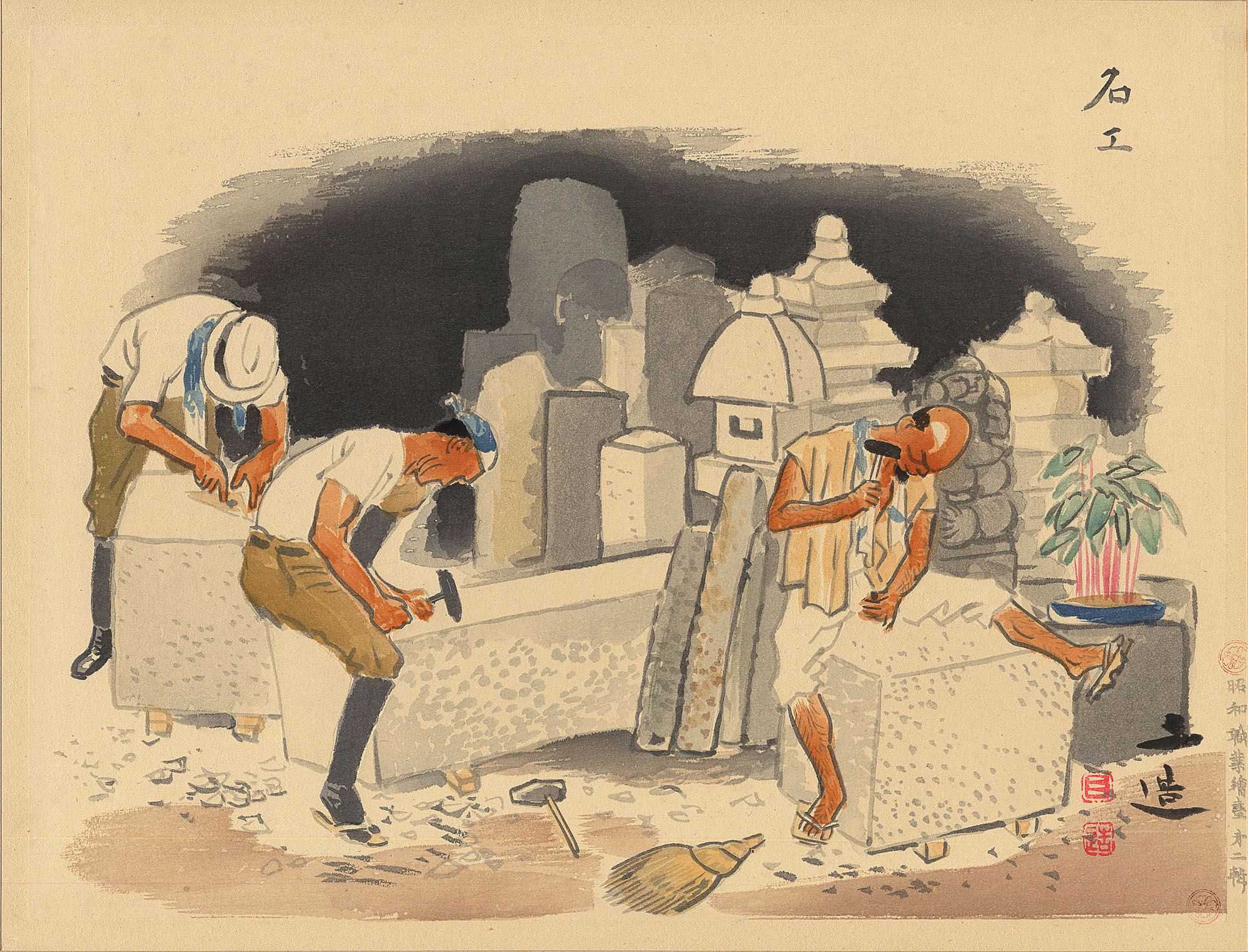
Stone Mason
石工
c. 1940
Color woodblock print
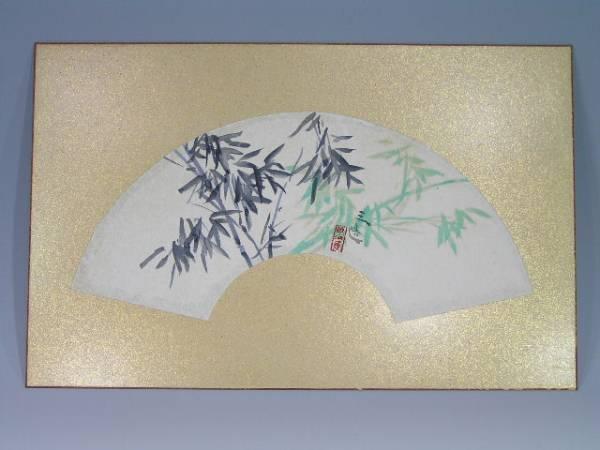
Bamboo Craftsman
竹細工師
c. 1940
Color woodblock print
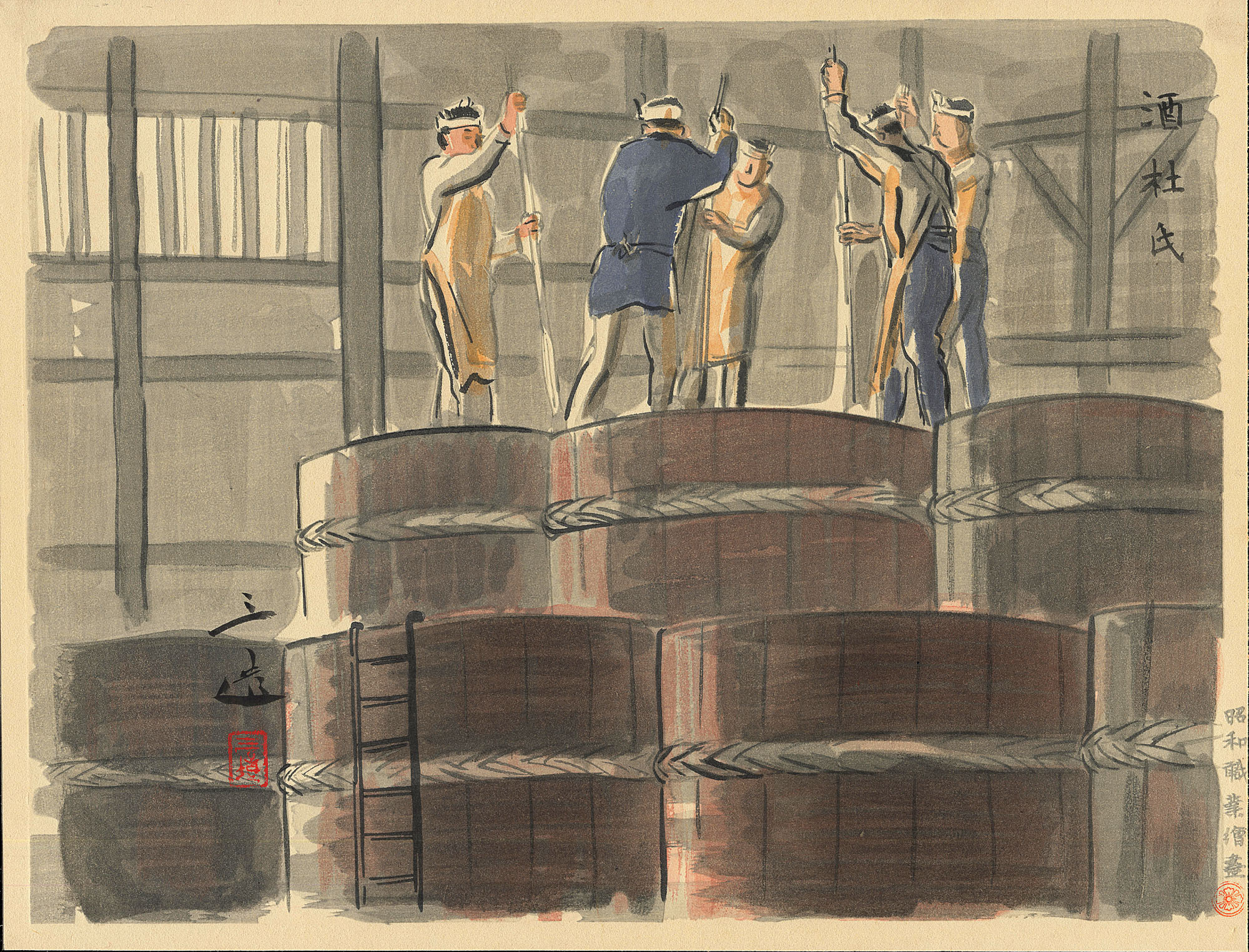
Sake Brewer
杜氏
c. 1940
Color woodblock print
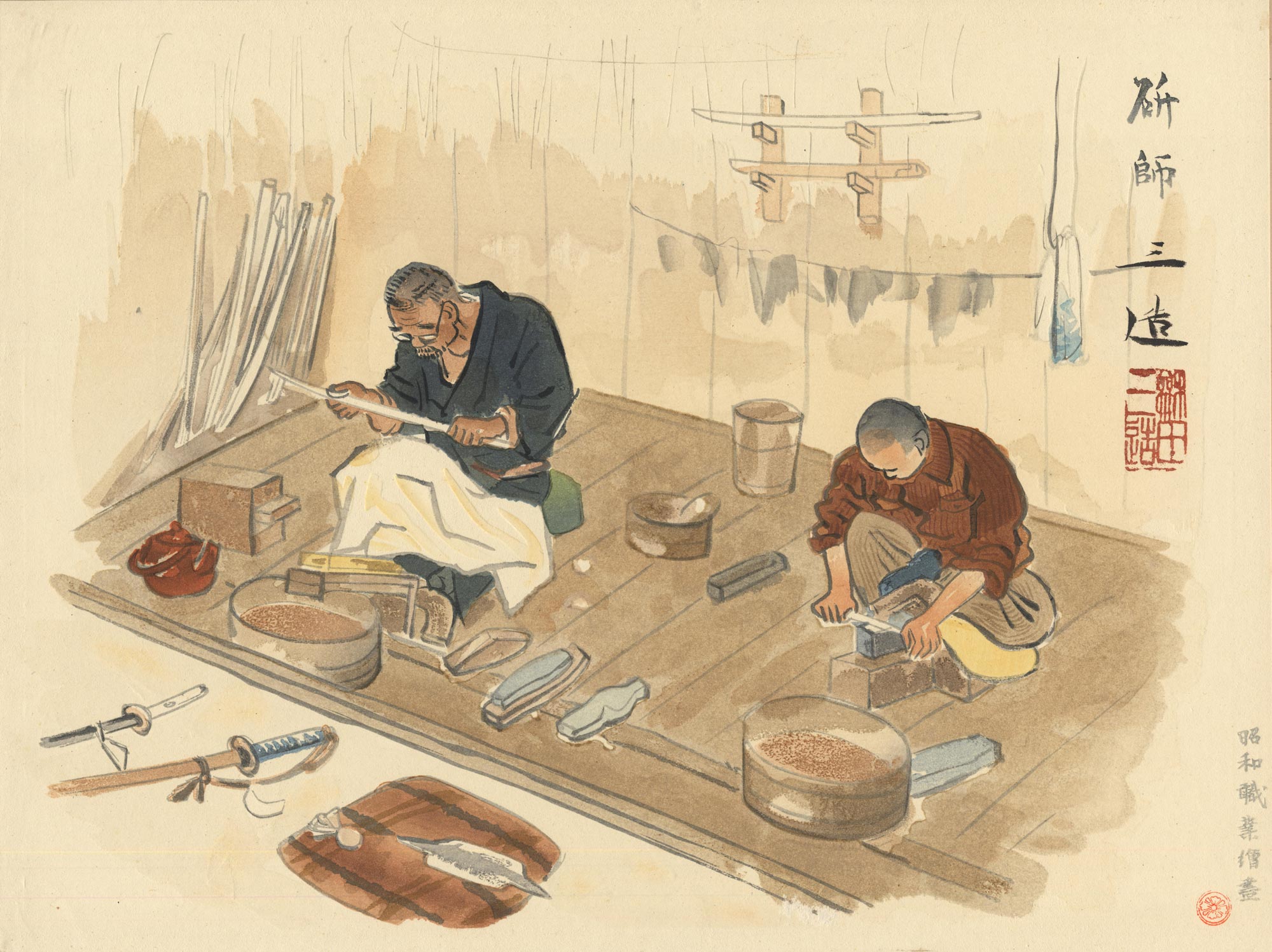
Sword Polisher
研ぎ師
c. 1940
Color woodblock print
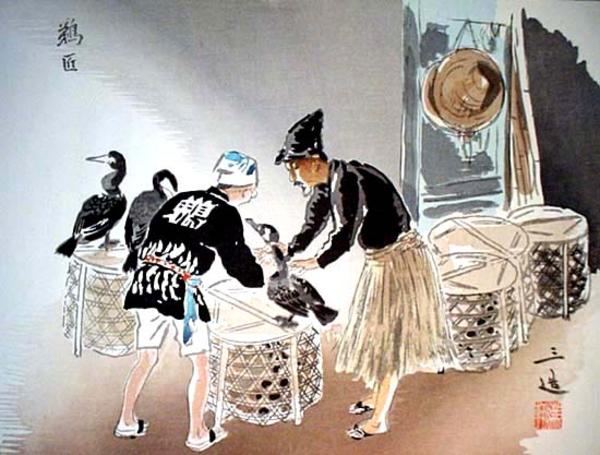
Fisherman
漁夫
c. 1940
Color woodblock print
Farmer
農夫
c. 1940
Color woodblock print
Carpenter
大工
c. 1940
Color woodblock print
Dyer
紺屋
c. 1940
Color woodblock print
Lacquer Worker
漆工
c. 1940
Color woodblock print
Papermaker
紙漉き
c. 1940
Color woodblock print
Plasterer
左官
c. 1940
Color woodblock print
Street Vendor
行商人
c. 1940
Color woodblock print
Tile Maker
瓦職人
c. 1940
Color woodblock print
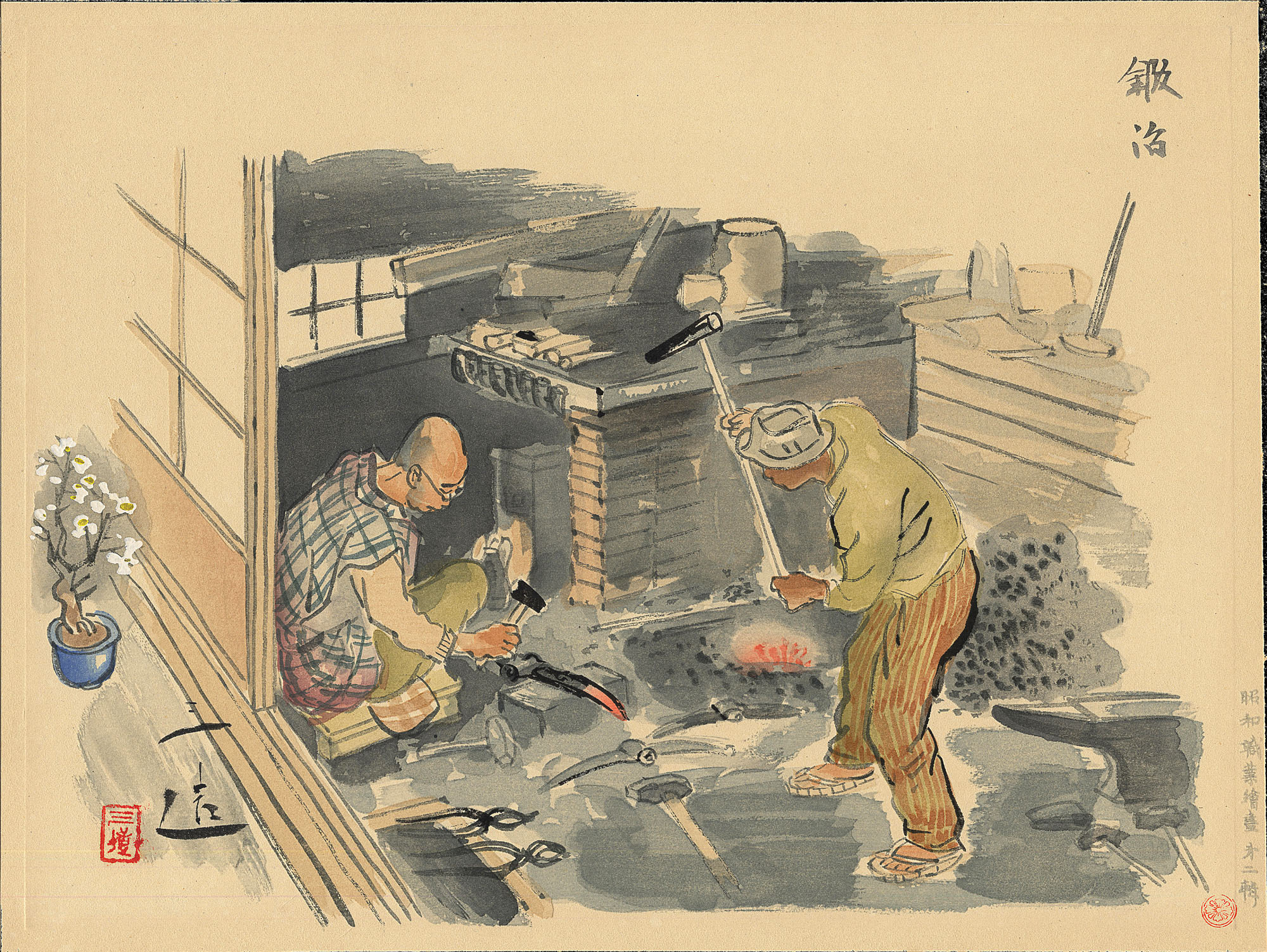
Blacksmith
鍛冶屋
c. 1940
Color woodblock print
Weaver
機織り
c. 1940
Color woodblock print