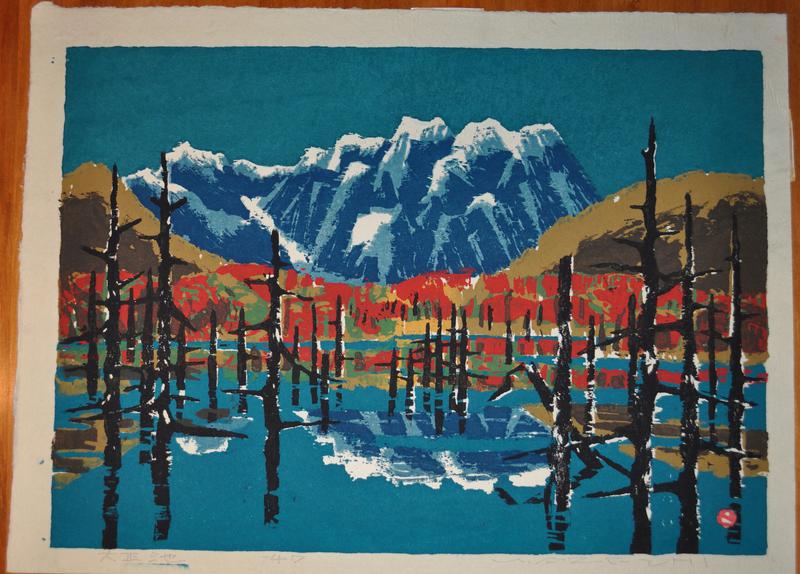
Biography
Umetaro Azechi (畦地梅太郎, 1902–1999) was a Japanese woodblock print artist celebrated for his bold, colorful depictions of mountain landscapes and mountaineers. Over a career spanning nearly a century of life, Azechi developed a distinctively joyful and accessible visual language that made him one of the most beloved figures in the sosaku-hanga movement, bringing the rugged beauty of Japan's alpine world to audiences both at home and abroad.
Born on December 28, 1902, in Uwajima, Ehime Prefecture on the island of Shikoku, Azechi grew up surrounded by the mountainous terrain that would become his lifelong artistic subject. As a young man he moved to Tokyo, where he initially worked as a sign painter while pursuing his artistic education. He was largely self-taught in printmaking, though he studied with the painter and printmaker Oda Kazuma and was profoundly influenced by the sosaku-hanga philosophy of artistic self-sufficiency — the principle that the artist should design, carve, and print all of his own work.
Azechi began exhibiting prints in the 1920s and gradually developed the style that would become his signature: simplified, powerfully colored compositions depicting mountain climbers, hikers, and alpine scenery. His figures are typically compact, sturdy characters bundled in climbing gear, rendered with an appealing warmth and humor that gives them an almost folk-art quality. These mountaineers, often shown trudging up slopes, resting at summits, or gazing at panoramic vistas, became emblematic of Azechi's art and earned him the affectionate nickname "the mountain print artist."
His deep love of mountaineering was not merely an artistic subject but a personal passion. Azechi was an avid climber who spent decades exploring the peaks of Japan's Northern Alps, the Japan Alps, and other mountain ranges. This firsthand experience lent his prints an authenticity and specificity that distinguished them from merely decorative treatments of landscape. He understood the textures of rock and ice, the quality of light at high altitude, the physical effort and spiritual exhilaration of the climb, and these experiences infused his prints with a vitality that transcended their simplified forms.
Technically, Azechi's prints are characterized by bold outlines, flat areas of vivid color, and a deliberate rejection of conventional perspective and atmospheric effects. He favored strong primary colors — deep blues, brilliant reds, warm yellows, and rich greens — applied in broad, unmodulated areas that give his compositions a poster-like directness and impact. The influence of European modernism, particularly Fauvism and German Expressionism, is evident in his use of color and simplified form, but Azechi absorbed these influences into a visual language that remained distinctly personal and deeply rooted in Japanese sensibility.
The postwar period brought Azechi growing international recognition. He exhibited at major international print exhibitions, including the São Paulo Biennale and the Ljubljana Biennale of Graphic Arts, where his work won prizes and attracted critical attention. His prints were acquired by museums and collectors worldwide, and he became one of the sosaku-hanga artists most widely known outside Japan. The accessible, cheerful quality of his mountain prints gave them broad appeal, attracting collectors who might have found other sosaku-hanga work too austere or abstract.
Azechi continued working with remarkable energy well into his nineties, producing prints, paintings, and illustrated books. His late work maintained the vigor and inventiveness of his earlier production, with some critics noting a deepening spiritual quality in the mountain landscapes of his final decades. He published several books on mountain art and mountaineering, further cementing his reputation as the artistic voice of Japan's alpine culture.
Azechi died on April 12, 1999, at the age of ninety-six, having witnessed and participated in nearly the entire history of the sosaku-hanga movement from its early decades to the end of the twentieth century. His works are held in major collections including the Museum of Modern Art in New York, the British Museum, the Art Institute of Chicago, the Honolulu Museum of Art, and the Ehime Prefectural Museum of Art, which houses a major collection of his work. His legacy endures as one of the most distinctive and beloved voices in modern Japanese printmaking, an artist who found in the mountain landscape an inexhaustible source of visual poetry.
Key Facts
- Active Period
- 1902–1999
- Nationality
- 🇯🇵Japan
- Movement
- Sōsaku-hanga
- Works Indexed
- 157
Frequently Asked Questions
What is Umetaro Azechi known for?
Umetaro Azechi (畦地梅太郎, 1902–1999) was a Japanese woodblock print artist celebrated for his bold, colorful depictions of mountain landscapes and mountaineers. Over a career spanning nearly a century of life, Azechi developed a distinctively joyful and accessible visual language that made him one of the most beloved figures in the sosaku-hanga movement, bringing the rugged beauty of Japan's alpine world to audiences both at home and abroad.
When was Umetaro Azechi active?
Umetaro Azechi was active from 1902 to 1999. They were associated with the Sōsaku-hanga movement.
What artistic movements influenced Umetaro Azechi?
Umetaro Azechi's work was shaped by the Sōsaku-hanga tradition in Japanese woodblock printmaking. Sōsaku-hanga: The "creative prints" movement (c.
Where can I see Umetaro Azechi's original prints?
Original prints by Umetaro Azechi can be found in collections including Art Institute of Chicago, Victoria and Albert Museum, Art of Japan, Japanese Art Open Database.
How much do Umetaro Azechi prints cost?
Umetaro Azechi is one of the most accessible and widely collected sosaku-hanga artists, beloved for his colorful, cheerful depictions of mountain climbers and alpine landscapes. His long career spanning nearly a century means a substantial body of work is available, and prices remain relatively affordable compared to other major sosaku-hanga names. Most prints sell in the $500-$2,000 range. Azechi designed, carved, and printed all his own works in the sosaku-hanga tradition. Editions typically range from 30 to 100 impressions, signed and numbered in pencil. His mountain climber subjects are the most collected and recognizable, while abstract or non-mountain compositions attract less collector interest. Prints from his peak period of the 1950s through 1970s are generally the most sought-after. Smaller prints or late-career works: $200-$500. Typical signed mountain-themed prints from mid-career: $800-$2,000. Large-format exhibition pieces from the 1950s-1960s: $2,000-$8,000. Azechi's market is steady and accessible, making him an excellent entry point for collectors interested in sosaku-hanga. His work frequently appears at both Japanese and Western auction houses.
Woodblock Prints by Umetaro Azechi (157)
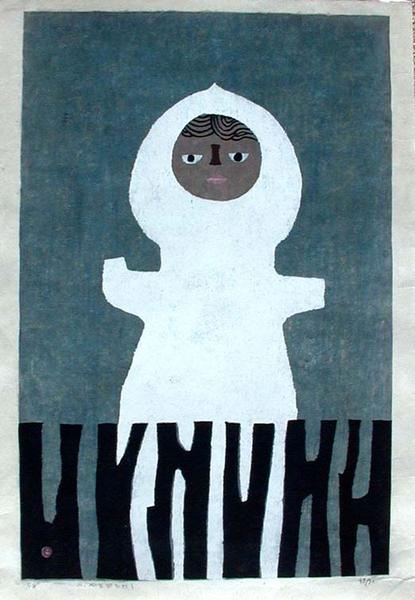
White Figure
Woodblock print
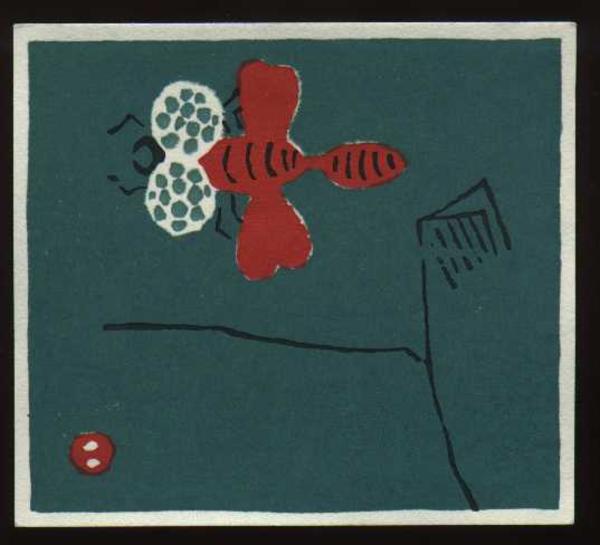
Flying insect
Woodblock print
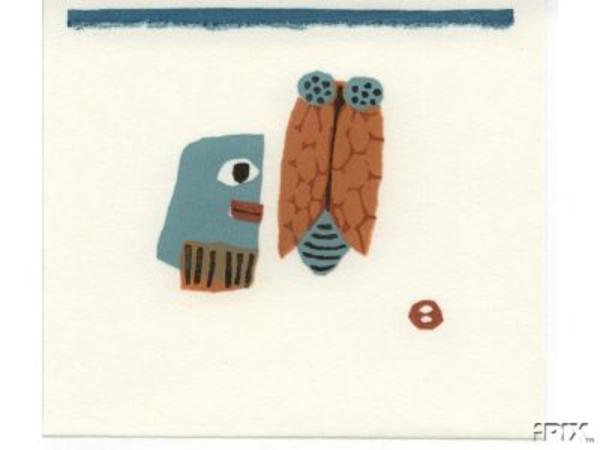
A man and a cicada
Woodblock print

Unknown
Woodblock print
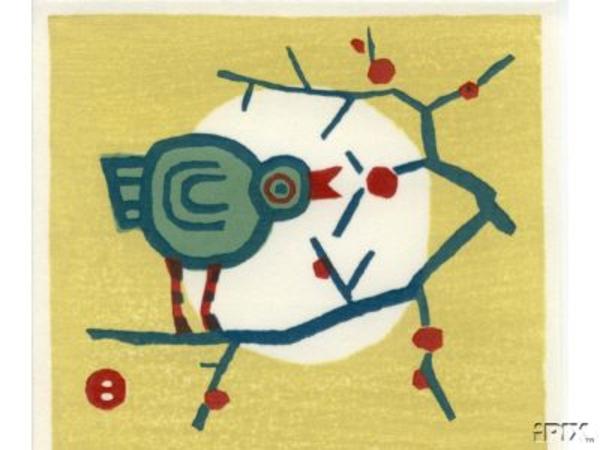
Bird Perched On A Cherry Tree Branch
Woodblock print
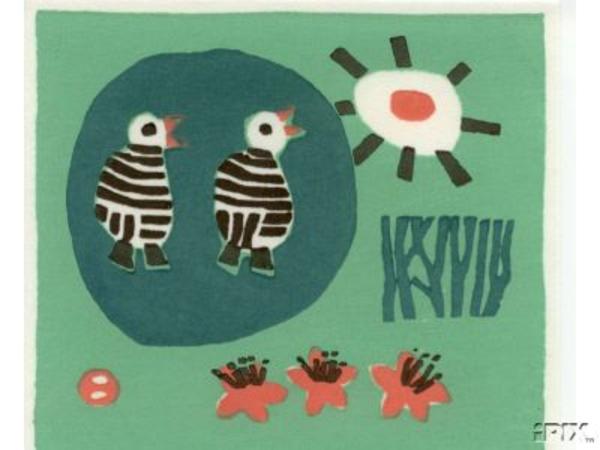
Two Birds Walking In The Sun
Woodblock print
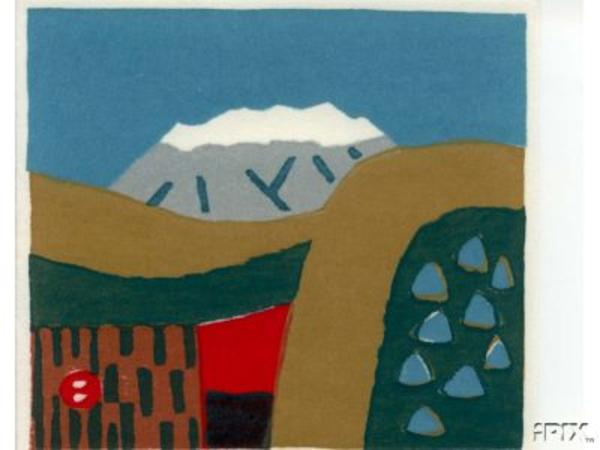
A Mountain In The Japanese Alps
Woodblock print
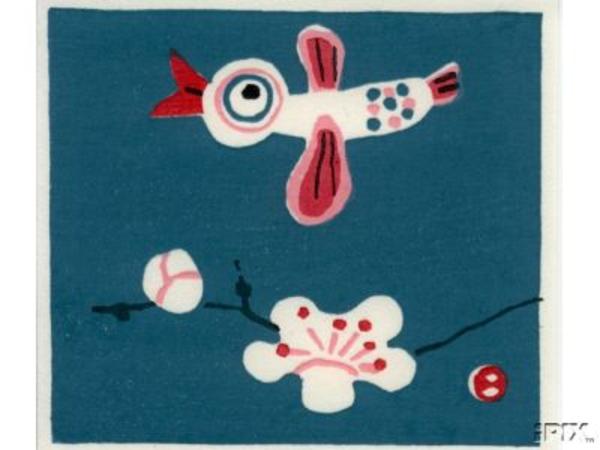
A Bird Flying Over A Cherry Tree Blossom
Woodblock print
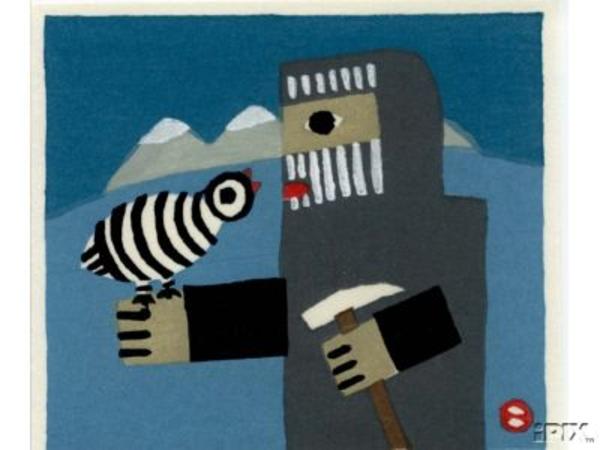
A Mountain man With Bird
Woodblock print
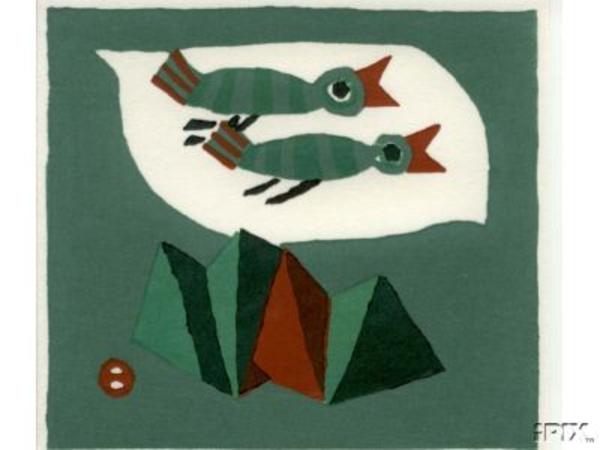
Two Birds Flying Over Mountains
Woodblock print
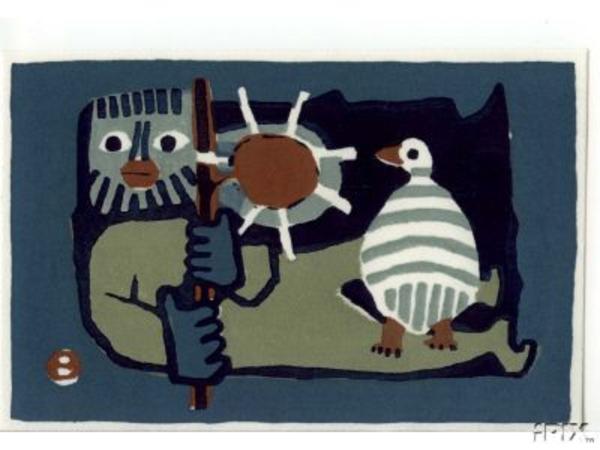
A Bird Walking On A Man
Woodblock print
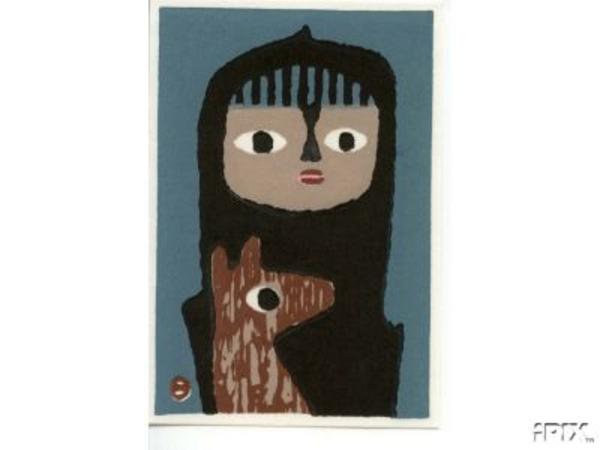
A Boy And His Dog
Woodblock print

Unknown - man eating
Woodblock print
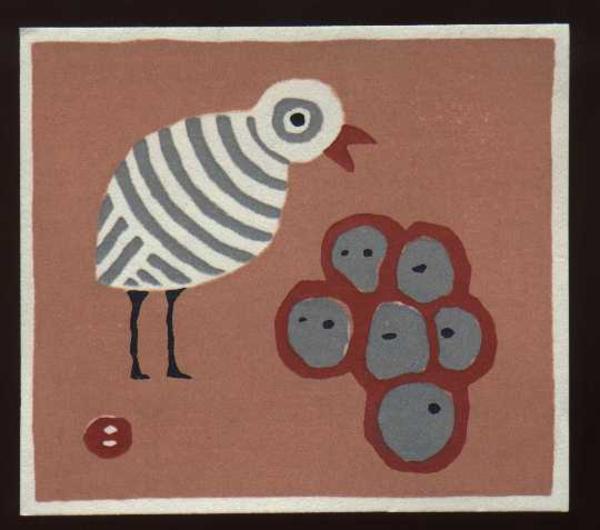
Bird and Six Mountain Men
Woodblock print
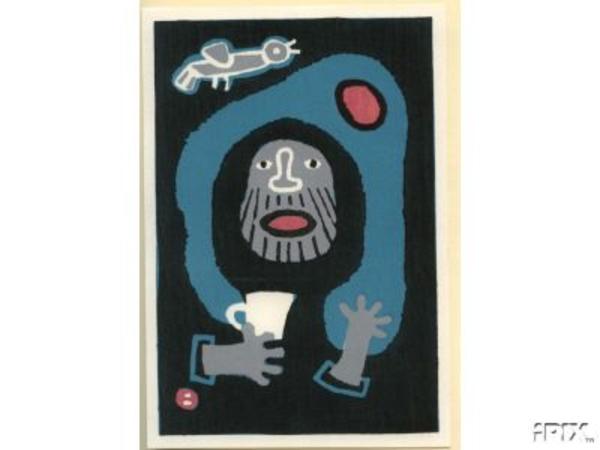
Repose
Woodblock print
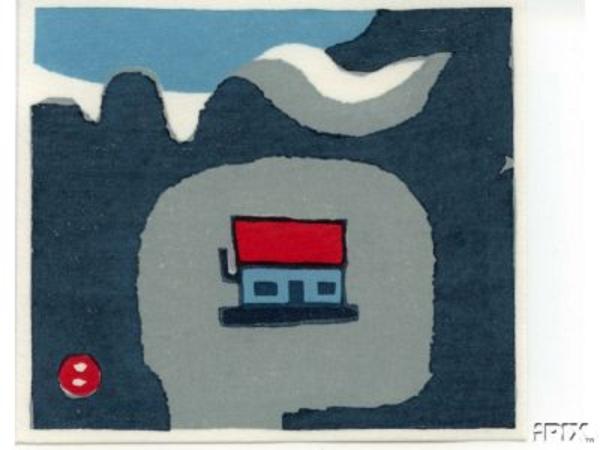
Mountain Home
Woodblock print

Calling To the Mountain — Yama ni Sakebu
Woodblock print
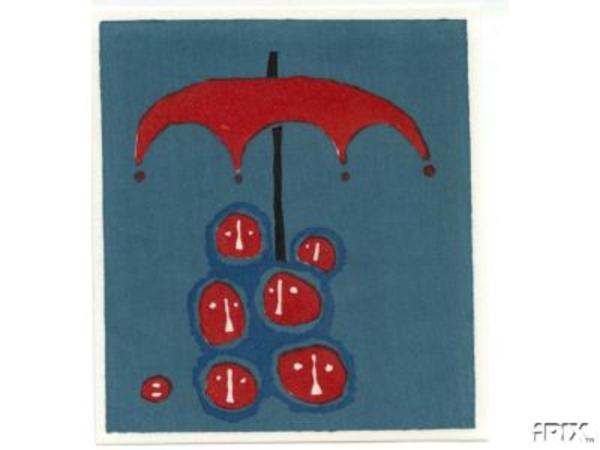
Rainy Day
Woodblock print
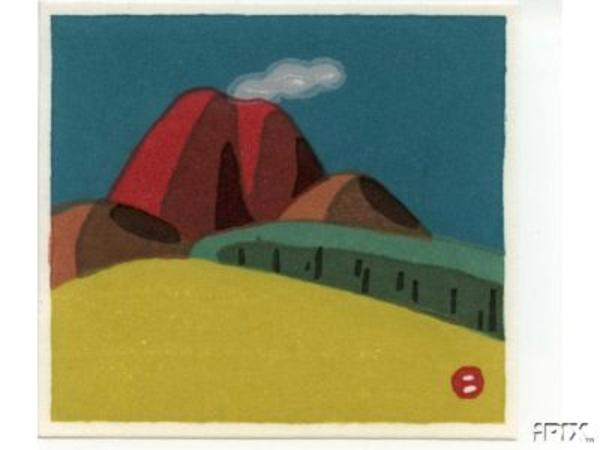
A Volcanic Mountain
Woodblock print
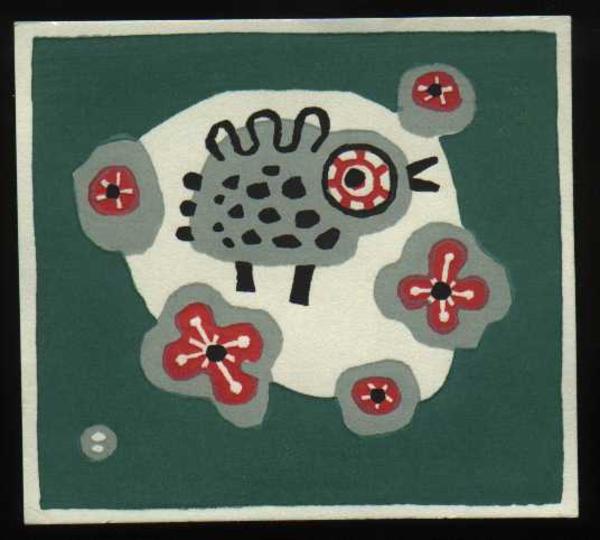
Bird and Flowers
Woodblock print
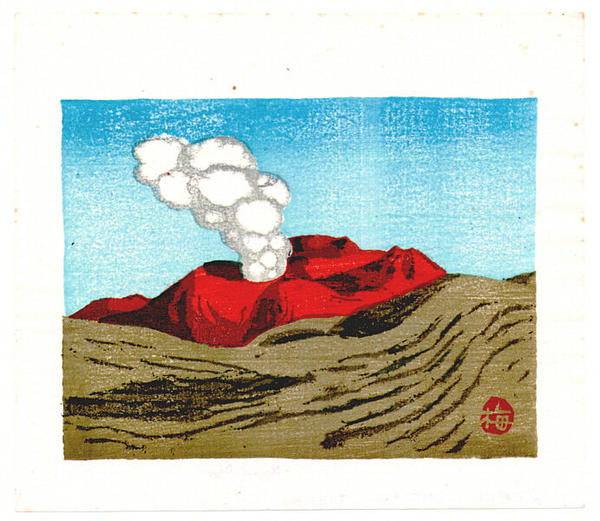
Mt. Aso in the Kyushu Island
Woodblock print
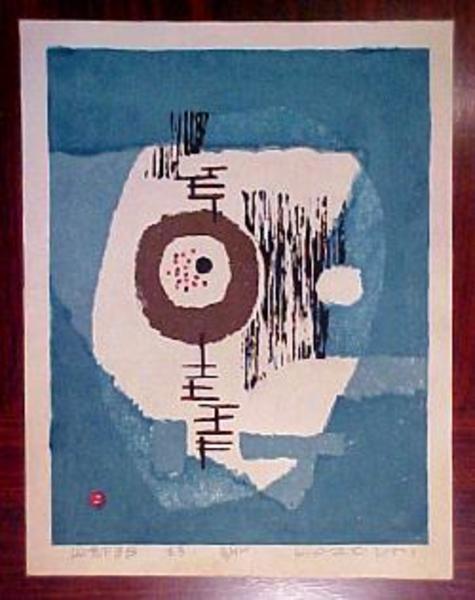
Descending the Mountain
Woodblock print
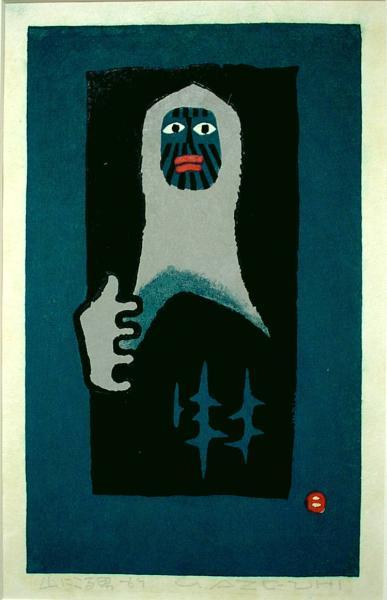
Man devoted to Mountains — 山にころ男
Woodblock print
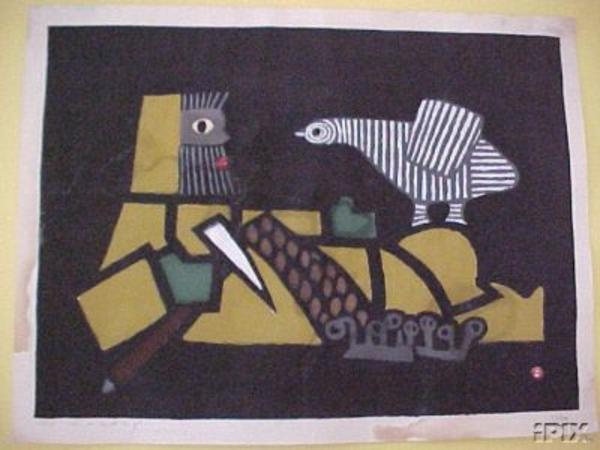
Asking the Bird — Tori ni Kiku
Woodblock print
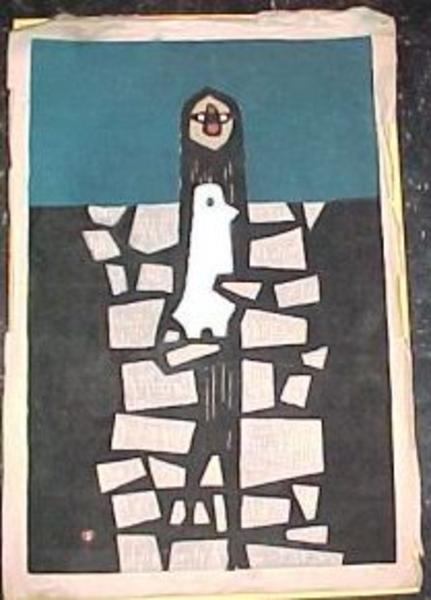
Unknown 1 - Snow man
Woodblock print
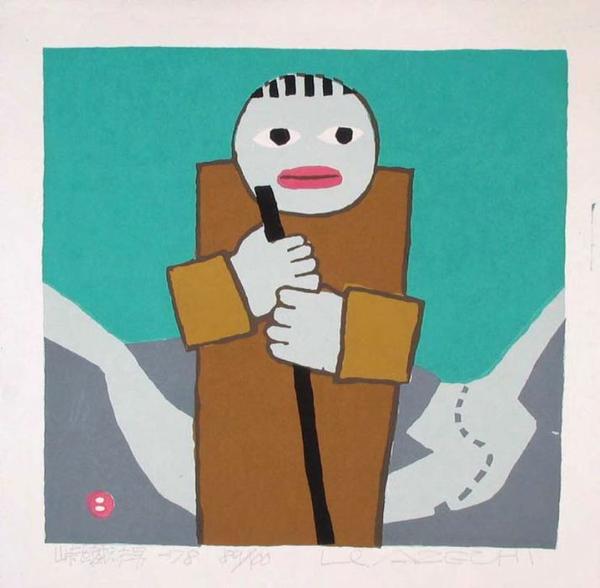
Man Who Returned From the Summit
Woodblock print
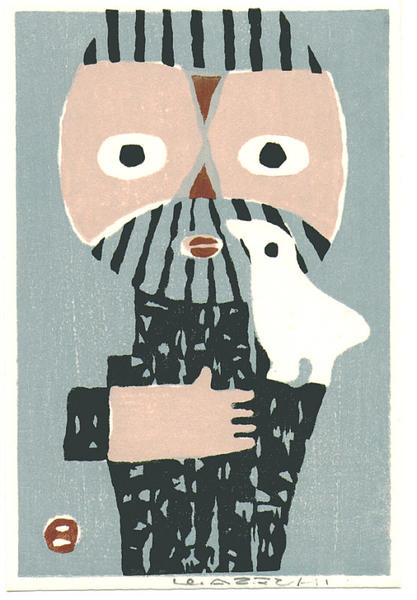
Mman and a white bird
Woodblock print
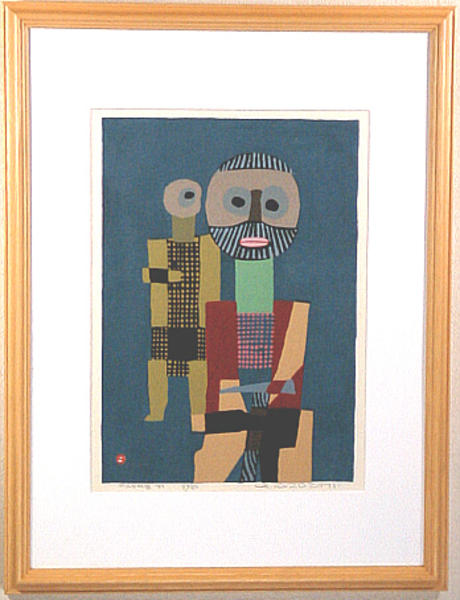
Two Mountain Men — 二人の山男
Woodblock print
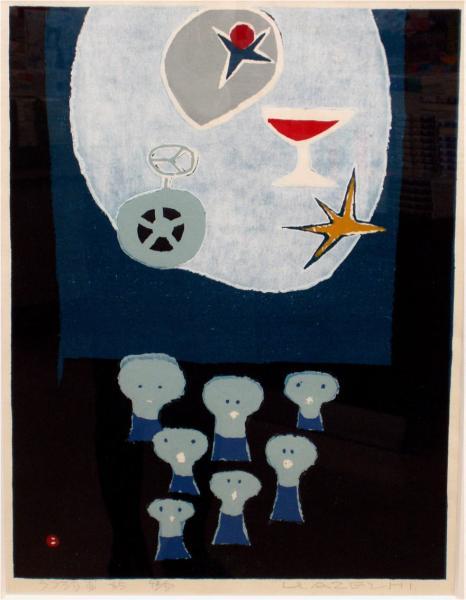
Space Voice — うつろな声
Woodblock print
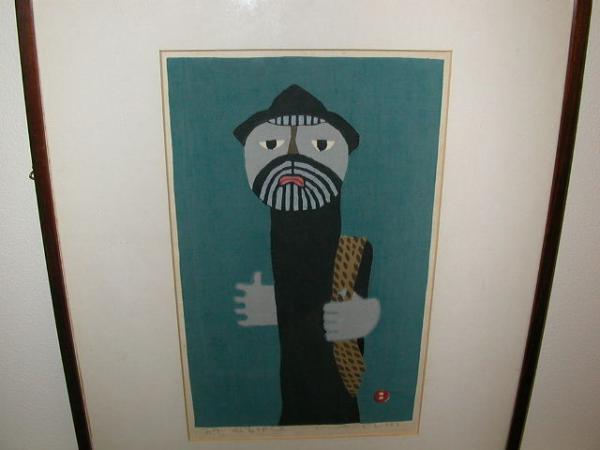
Man going to the mountain — 山をゆく人
Woodblock print
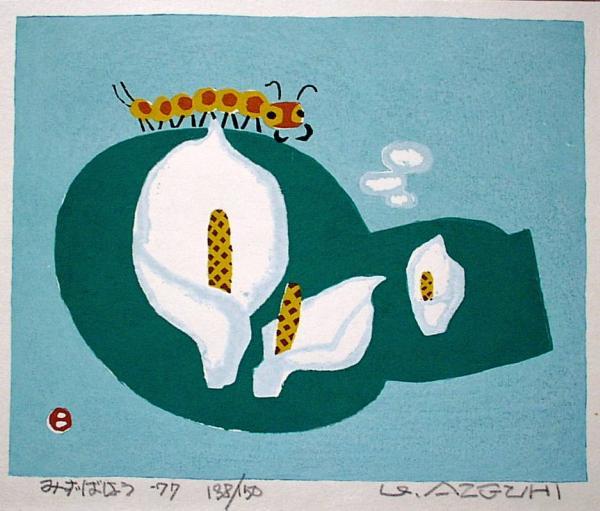
Skunk cabbage — みずばしょう, 水芭蕉
Woodblock print
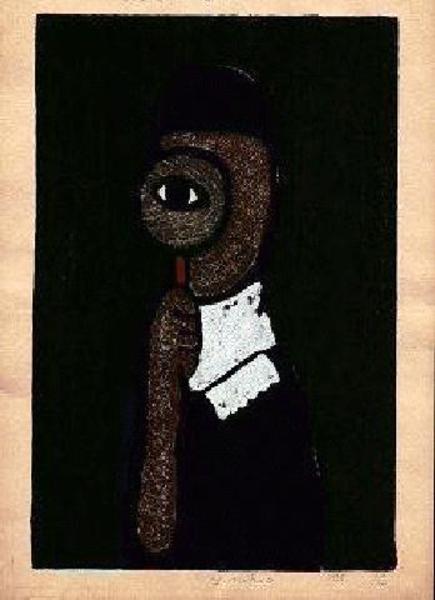
Nakao Yoshitaka
Woodblock print
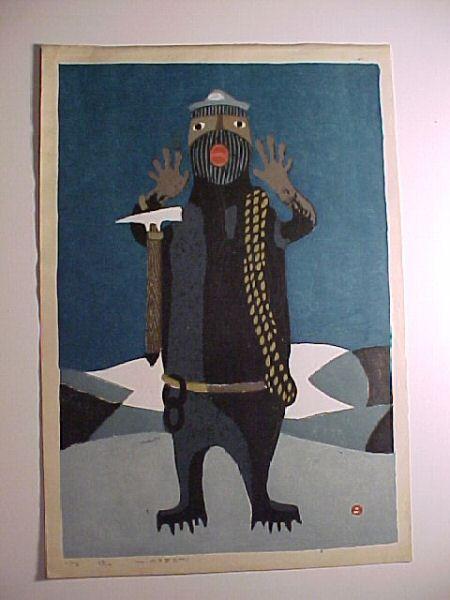
Top of the Mountain
Woodblock print
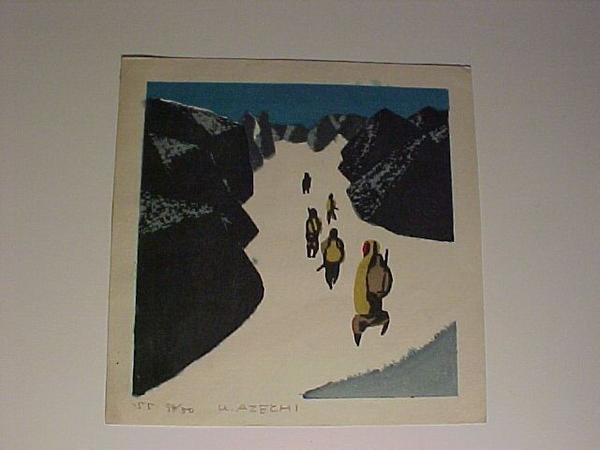
Mountain Scene
Woodblock print
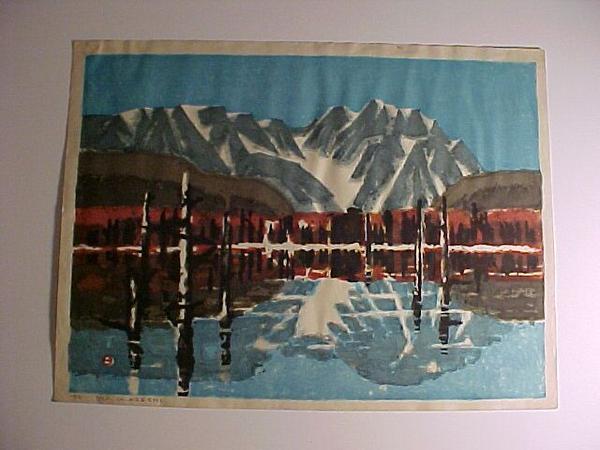
Lake Taishon
Woodblock print

Ziel- Pickel
Woodblock print
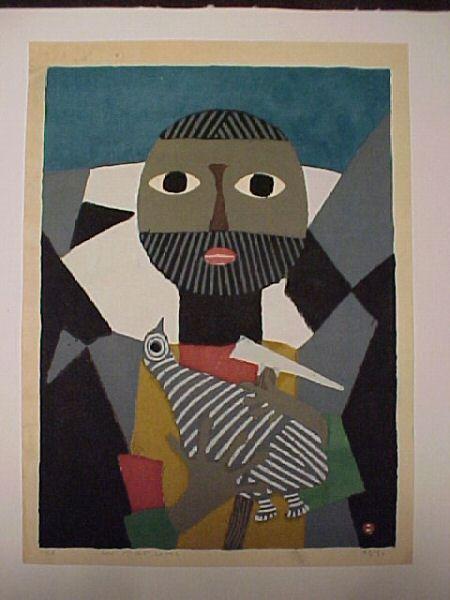
Mountain Climber Holding Bird
Woodblock print