Biography
Toko Shinoda (篠田桃紅, 1913–2021) was a Japanese abstract artist who achieved international renown for her luminous sumi ink paintings and lithographs that bridged traditional Japanese calligraphy and Western abstract art. Living to the extraordinary age of 107, she maintained an active artistic practice for more than eight decades, producing a body of work that ranks among the most significant contributions to postwar Japanese art. While primarily a lithographer and painter rather than a woodblock printmaker, Shinoda's art embodied the sosaku-hanga ethos of individual creative expression and her prints are closely associated with the broader movement of modern Japanese creative printmaking.
Born on March 28, 1913, in Dalian, Manchuria (then under Japanese administration), Shinoda grew up in a cultured household that valued traditional Japanese arts. She began studying calligraphy at the age of six, learning the ancient discipline of brush and ink that would remain the foundation of her art throughout her extraordinarily long life. The family returned to Japan, and Shinoda continued her calligraphic training in Tokyo, eventually mastering the classical forms while already sensing that her artistic destiny lay beyond the boundaries of traditional practice.
In her twenties, Shinoda began experimenting with abstract compositions derived from calligraphic forms, retaining the essential gestures and rhythms of brush and ink while freeing them from the obligation to represent specific characters. This was a radical departure in prewar Japan, where calligraphy was still closely bound to its literary function. Shinoda's abstract ink works attracted attention for their fusion of traditional technique with contemporary sensibility, but it was not until the postwar period that her art reached its full flowering.
The 1950s marked a transformative period for Shinoda. In 1956, she traveled to the United States and spent several years in New York, where she encountered the Abstract Expressionist movement at its height. The work of artists such as Franz Kline, Robert Motherwell, and Mark Tobey — some of whom were themselves influenced by Asian calligraphy — offered Shinoda a Western context for her own explorations of abstract brushwork. But rather than simply absorbing American influences, Shinoda recognized that her Japanese calligraphic training had already given her access to the same essential concerns — the expressive power of the gesture, the dynamic relationship between mark and space, the spiritual dimension of the creative act.
During her time in America, Shinoda exhibited widely, including at galleries in New York, and her work was enthusiastically received by American audiences who appreciated its synthesis of Eastern and Western aesthetic values. She returned to Japan with an international reputation and a deepened conviction in her artistic direction.
Throughout the 1960s and subsequent decades, Shinoda developed the mature style for which she is best known. Her works typically feature bold, sweeping strokes of sumi ink — sometimes a single decisive gesture, sometimes a constellation of marks — set against expansive fields of white or subtly toned paper. The compositions are spare and meditative, each mark carrying enormous visual weight against the surrounding emptiness. She often incorporated vermillion, gold, or silver accents that introduced notes of warmth and luminosity into the predominantly monochromatic palette.
It was in lithography that Shinoda found her primary printmaking medium. Unlike woodblock printing, lithography allowed her to transfer the spontaneous, gestural quality of her brushwork directly to the printing surface, preserving the calligraphic energy that was essential to her art. Her lithographs reproduce the nuances of her ink work with remarkable fidelity — the pooling of wet ink, the dry-brush texture of a rapid stroke, the gradual thinning of a line as the brush lifts from the surface. These prints were produced in numbered editions and became her most widely collected works, reaching audiences far beyond those who could acquire her unique paintings.
Shinoda also created monumental works for architectural settings, including a large-scale mural for the lobby of a New York skyscraper and installations for buildings in Tokyo and other Japanese cities. These commissions demonstrated the scalability of her art, from intimate lithographs to wall-sized compositions that transformed public spaces with the power of abstract brushwork.
Her longevity was remarkable even by the standards of Japanese artists, who have often enjoyed long productive lives. Shinoda continued to create art well past her hundredth birthday, giving interviews and publishing essays on art and life that revealed a philosophical depth and dry wit that endeared her to the Japanese public. Her book "103 Years of Solitude," published when she was 103, became a bestseller in Japan, establishing her as a cultural icon beyond the art world.
Shinoda died on March 1, 2021, at the age of 107, in Tokyo. Her works are held in major collections worldwide, including the Museum of Modern Art in New York, the Metropolitan Museum of Art, the British Museum, the National Museum of Modern Art in Tokyo, and the Gifu Prefectural Museum of Art. Her legacy lies in demonstrating that the ancient discipline of East Asian brush and ink could be a vehicle for the most contemporary forms of artistic expression, creating a body of work that transcends cultural and temporal boundaries.
Key Facts
- Active Period
- 1913–2021
- Nationality
- 🇯🇵Japan
- Movement
- Sōsaku-hanga
- Works Indexed
- 35
Frequently Asked Questions
What is Toko Shinoda known for?
Toko Shinoda (篠田桃紅, 1913–2021) was a Japanese abstract artist who achieved international renown for her luminous sumi ink paintings and lithographs that bridged traditional Japanese calligraphy and Western abstract art. Living to the extraordinary age of 107, she maintained an active artistic practice for more than eight decades, producing a body of work that ranks among the most significant contributions to postwar Japanese art. While primarily a lithographer and painter rather than a woodblock printmaker, Shinoda's art embodied the sosaku-hanga ethos of individual creative expression and her prints are closely associated with the broader movement of modern Japanese creative printmaking.
When was Toko Shinoda active?
Toko Shinoda was active from 1913 to 2021. They were associated with the Sōsaku-hanga movement.
What artistic movements influenced Toko Shinoda?
Toko Shinoda's work was shaped by the Sōsaku-hanga tradition in Japanese woodblock printmaking. Sōsaku-hanga: The "creative prints" movement (c.
Where can I see Toko Shinoda's original prints?
Original prints by Toko Shinoda can be found in collections including Art Institute of Chicago, Harvard Art Museums, robynbuntin, Minneapolis Institute of Art.
How much do Toko Shinoda prints cost?
Toko Shinoda is one of the most internationally celebrated Japanese artists of the twentieth century, known for her abstract sumi ink paintings and lithographs that bridge calligraphy and modern abstract art. Her extraordinary longevity — she lived to 107 and worked past her hundredth birthday — contributed to a vast body of work. Lithographic prints, her most accessible medium, typically sell for $1,000-$8,000, while unique paintings can reach six figures. Shinoda's prints are lithographs, not woodblock prints. They were produced in numbered editions of 30 to 100, signed in pencil. The lithographic medium captures the spontaneous brushwork quality that is central to her art. Prints with additional hand-applied accents in vermillion, gold, or silver are particularly sought-after and command premiums over standard monochromatic editions. Smaller or standard lithographs: $500-$2,000. Signed mid-career lithographs with strong compositions: $2,000-$8,000. Major lithographs with hand-coloring and exhibition provenance: $10,000-$50,000. Unique ink paintings: $20,000-$200,000+. Shinoda's market is strong in both Japan and the West, driven by her international reputation and her appeal to collectors of both Japanese art and Western abstraction.
Woodblock Prints by Toko Shinoda (35)

A Grove
20th century
Lithograph on paper; edition 32/50
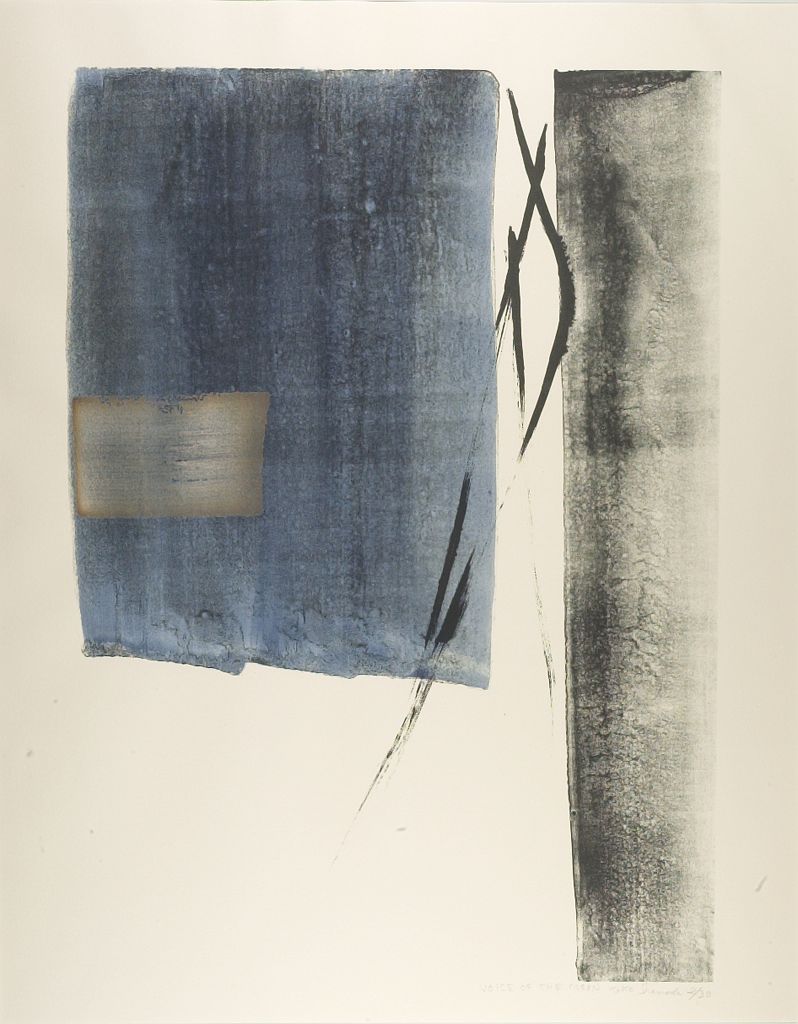
Voice of The Moon, Shôwa period, dated March 1979
Shôwa period, 1926-1989
Woodblock print
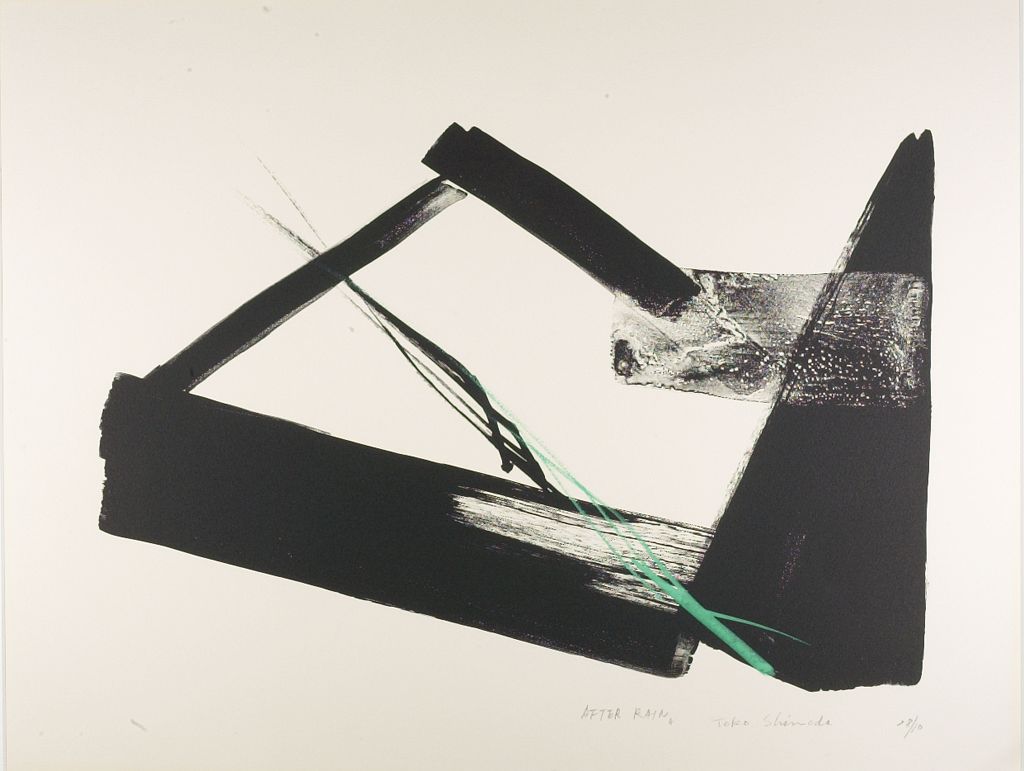
After Rain A, Shôwa period, circa 1970s
Shôwa period, 1926-1989
Woodblock print
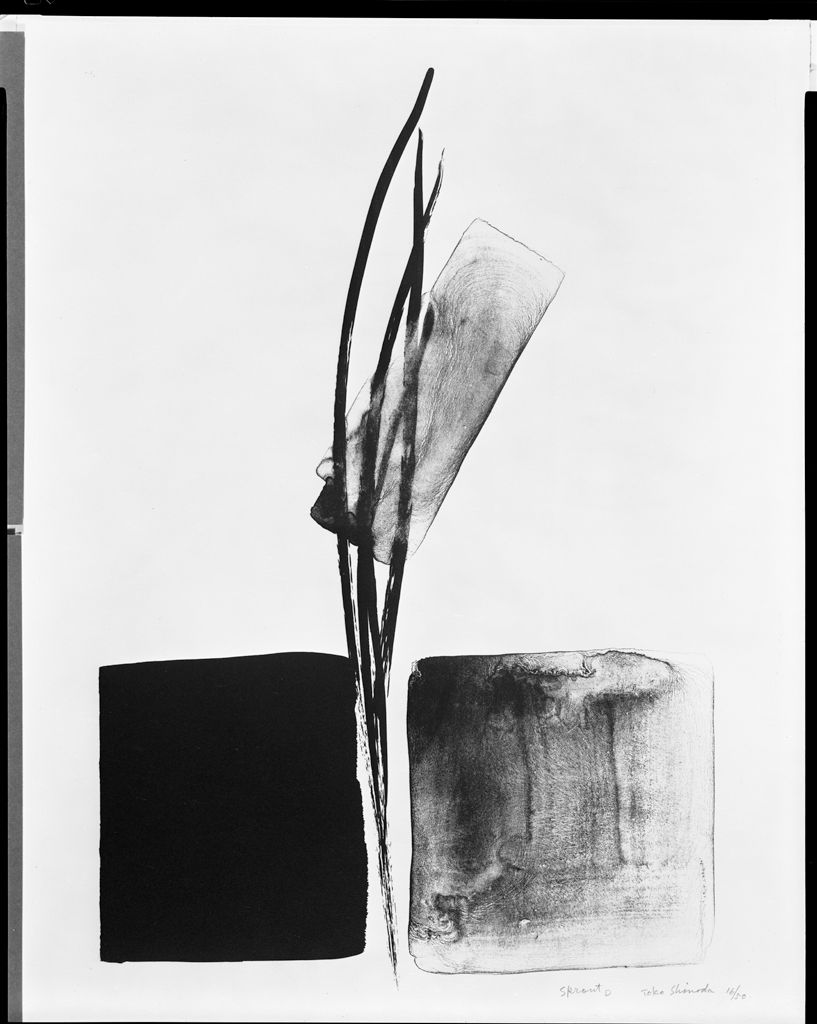
Sprout D, Shôwa period,
Shôwa period, 1926-1989
Woodblock print
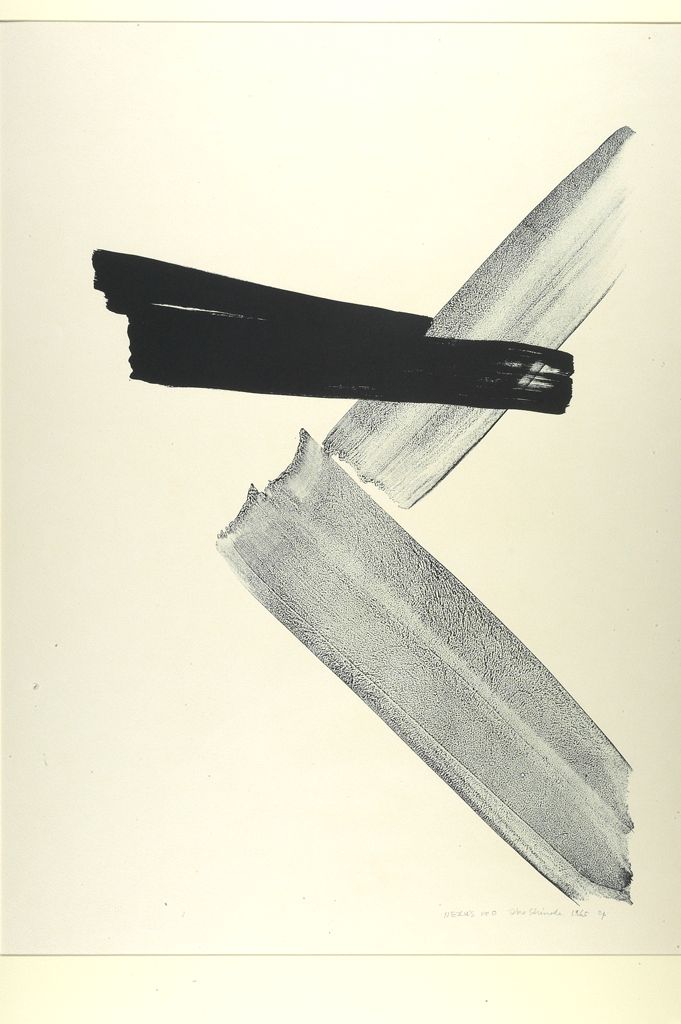
Nexu's No O, Shôwa period, dated 1965
Shôwa period, 1926-1989
Woodblock print

Untitled
1965
Lithograph on paper; edition 10/15

Nexus No. 0
1965
Lithograph on paper; edition 6/15
Title unknown [Abstract image with lines]
1968
Lithograph, ink on paper (?)
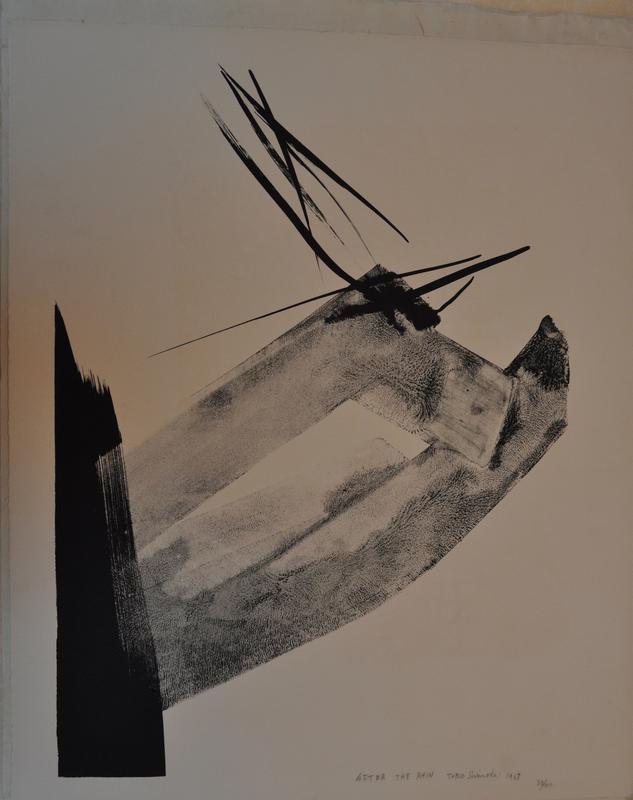
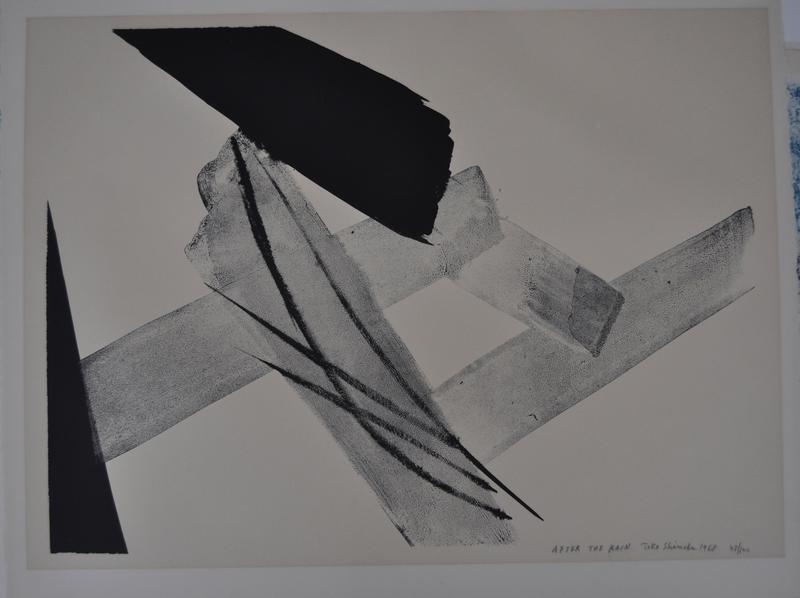
After the Rain
1968
Woodblock print, ink on paper
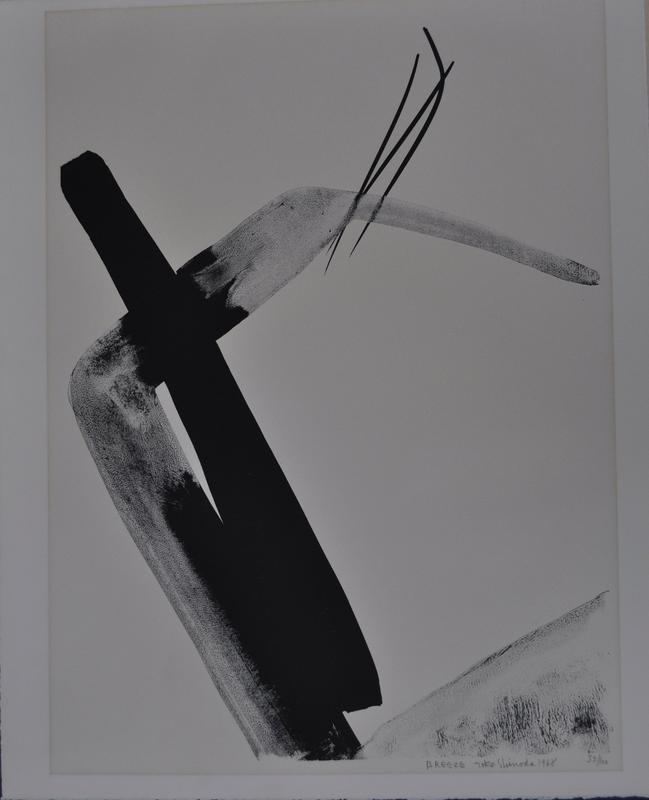
Breeze
1968
Woodblock print, ink on paper
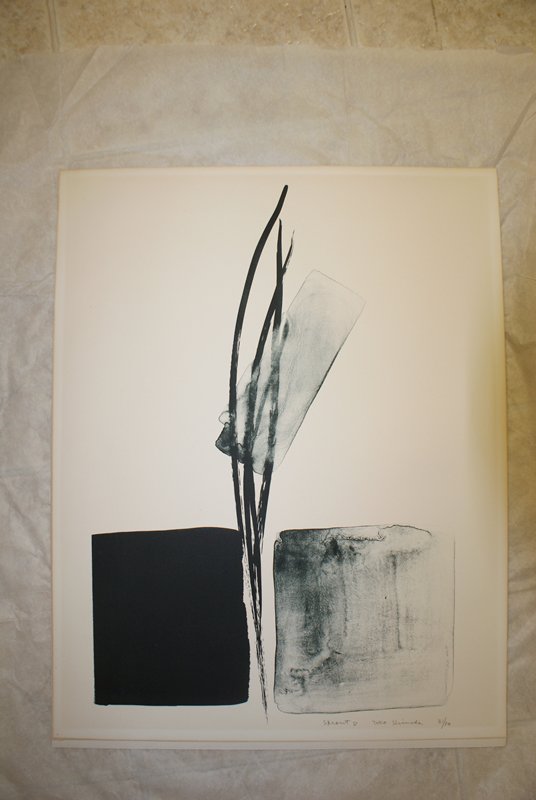
Sprout D
1980s
Woodblock print, ink on paper
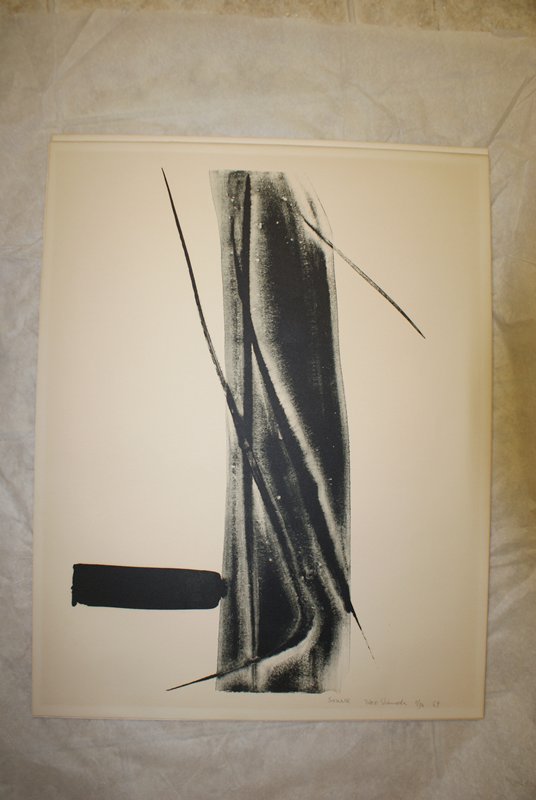
Source
1980s
Woodblock print, ink on paper
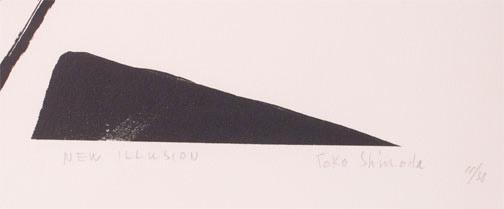
TotalCount
1985
Woodblock print
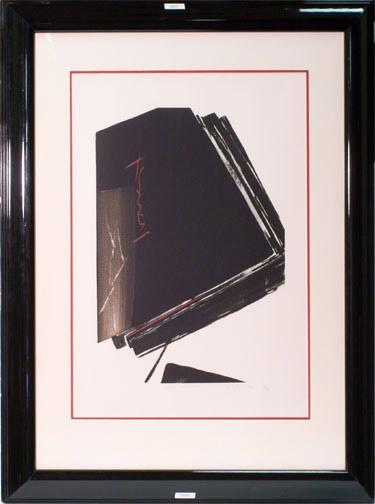
New Illusion (11/38)
1985
Woodblock print
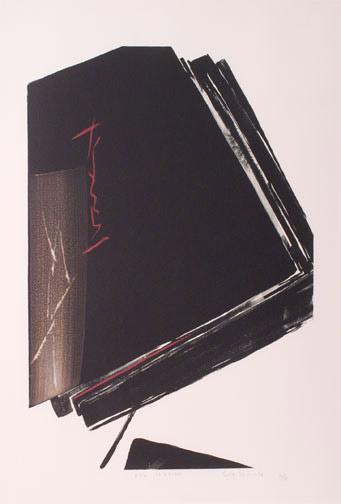
New Illusion (11/38)
1985
Woodblock print
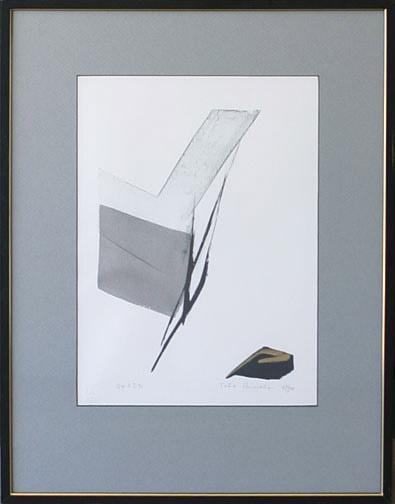
An Ode
1988
Woodblock print
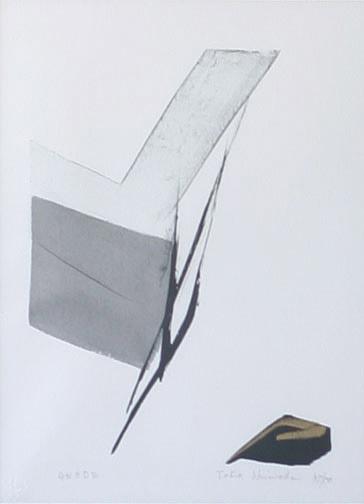
An Ode
1988
Woodblock print
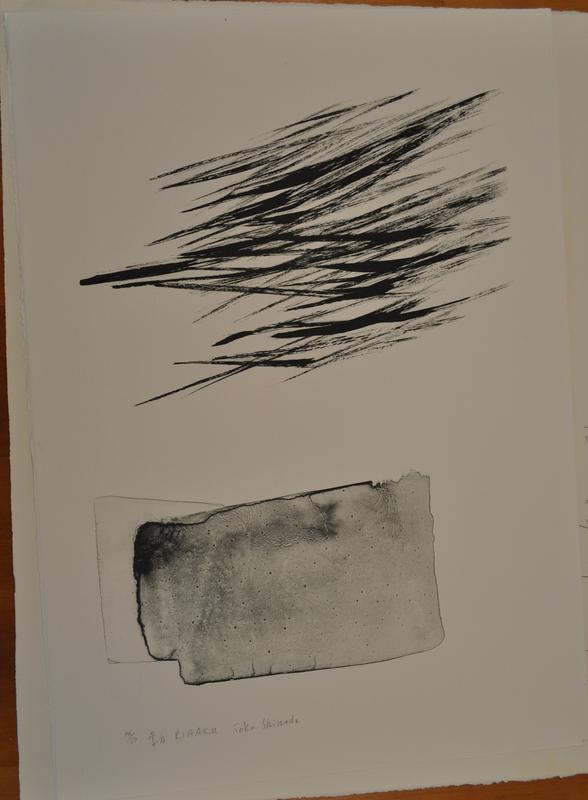
Rihaku
1990
Lithograph, ink on paper with hand coloring
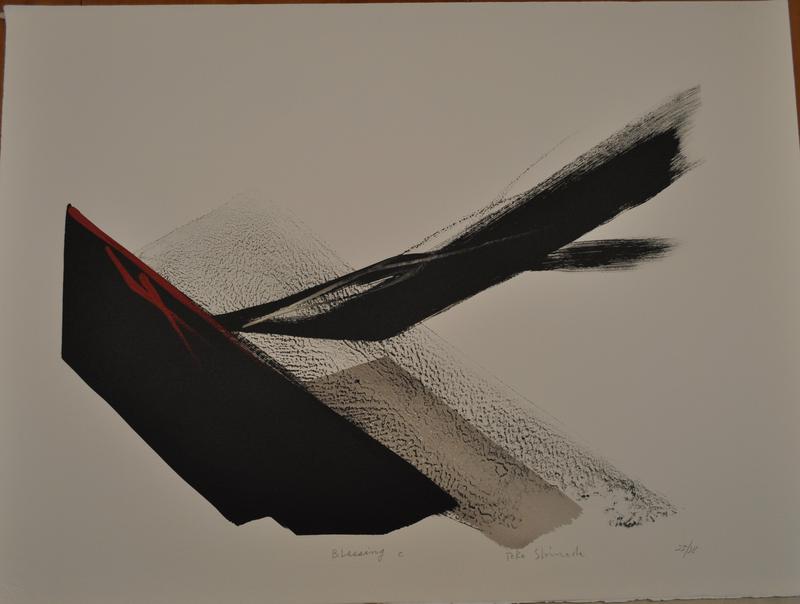
Blessing C
20th century
Woodblock print, ink and color on paper
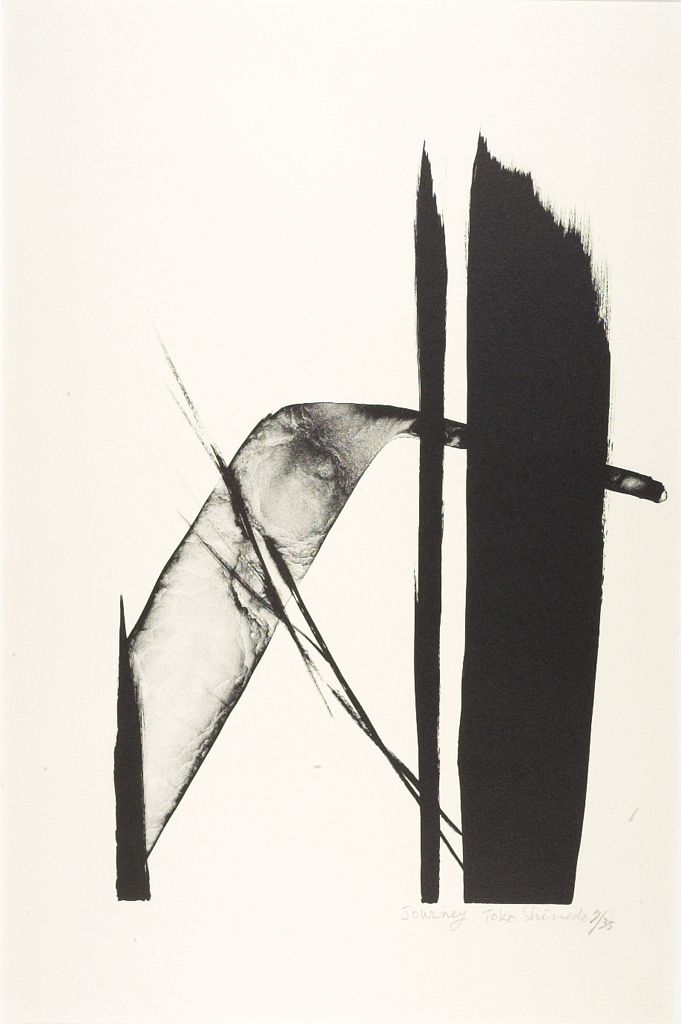
SHINODA TOKO
c. 1940–2020
Woodblock print
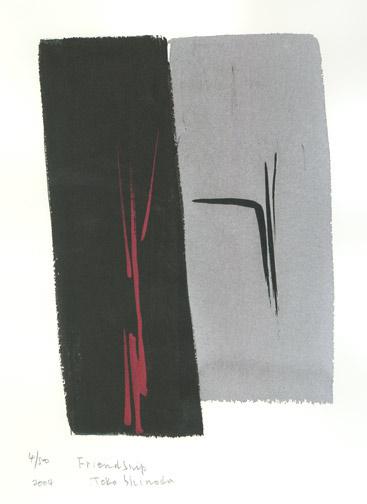
Friendship
Contemporary.
Woodblock print

Amity
Contemporary.
Woodblock print
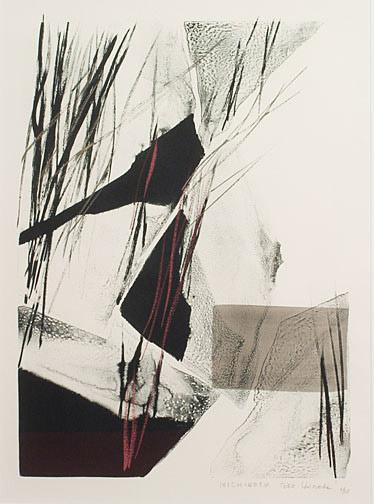
Michinoku
Contemporary
Woodblock print

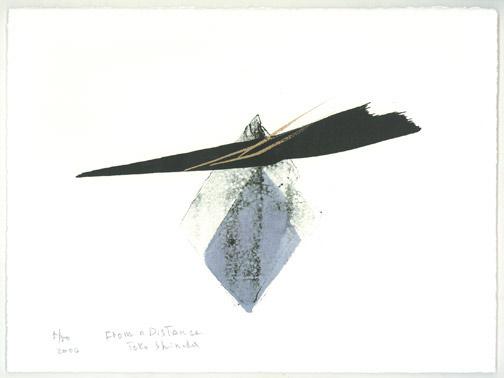
From a Distance
Contemporary.
Woodblock print
From a Distance
Contemporary.
Woodblock print
Untitled (toko-shinoda)
c. 1940–2020
Woodblock print
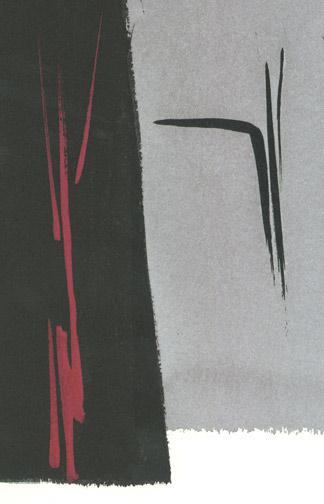
Friendship
Contemporary.
Woodblock print
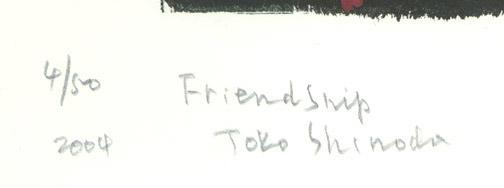
Friendship
Contemporary.
Woodblock print
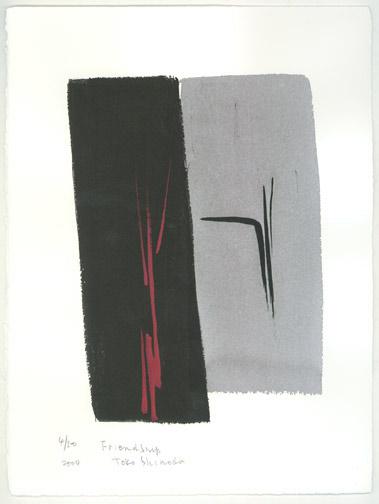
Friendship
Contemporary.
Woodblock print
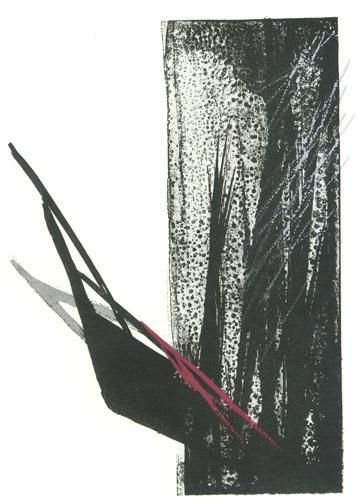
Amity
Contemporary.
Woodblock print
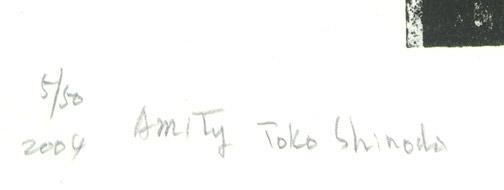
Amity
Contemporary.
Woodblock print
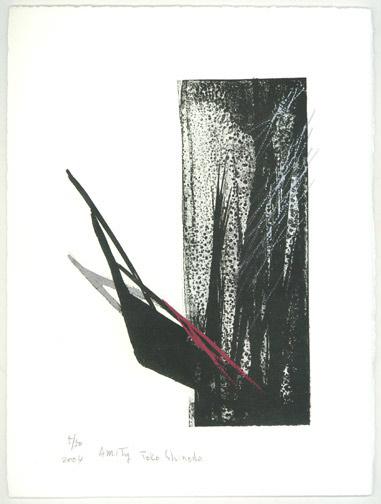
Amity
Contemporary.
Woodblock print
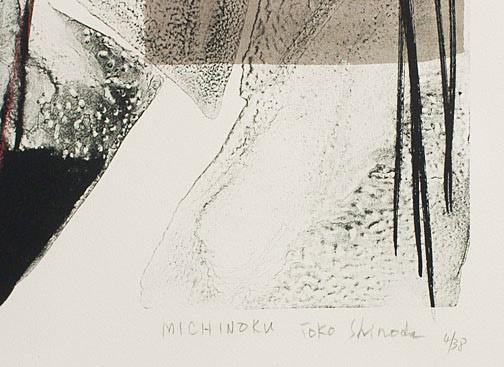
Michinoku
Contemporary
Woodblock print

Michinoku
Contemporary
Woodblock print
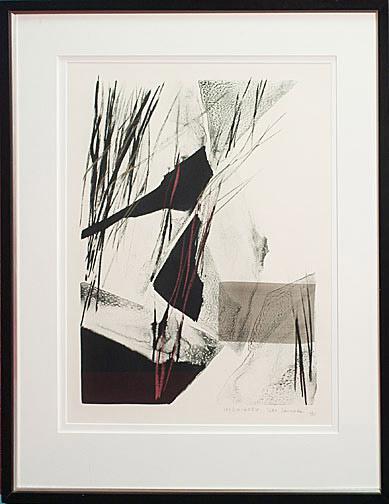
Michinoku
Contemporary
Woodblock print