
Biography
Tadashi Nakayama (中山正, 1927–2014) was a Japanese woodblock print artist celebrated for his bold, dynamic depictions of horses and other animals that became some of the most popular and widely collected images in the postwar sosaku-hanga movement. His powerful compositions, characterized by sweeping lines, vigorous movement, and rich earth tones, captured the energy and spirit of his animal subjects with an expressiveness that transcended cultural boundaries and won him an international following.
Born in 1927 in Otaru, Hokkaido, Nakayama grew up on Japan's northern island, where the sight of working horses was a familiar part of rural life. These early impressions of powerful draft horses laboring in Hokkaido's harsh landscape would later become the foundation of his artistic career. After studying art, Nakayama committed himself to the sosaku-hanga approach of designing, carving, and printing his own works, joining the movement at a time when it was gaining both domestic and international recognition.
Nakayama's artistic identity crystallized around his depiction of horses, which became his signature subject from the late 1950s onward. His horse prints are instantly recognizable — muscular, dynamic figures rendered with bold, confident lines carved directly into the woodblock. The horses charge, rear, gallop, and stand in compositions of tremendous vitality, their powerful forms filling the picture plane with an energy that seems barely contained by the paper's edges. Nakayama's carving technique was deliberately rough and expressive, leaving visible gouge marks and wood grain that added texture and movement to the printed image.
The color palette of Nakayama's horse prints typically favored warm, earthy tones — deep browns, rich ochres, burnt siennas, and black — punctuated by occasional accents of brighter color. He applied color in broad, flat areas that emphasized the graphic power of the composition rather than atmospheric subtlety. This bold, poster-like quality gave his prints strong visual impact and contributed to their popularity as decorative works as well as fine art.
Beyond horses, Nakayama also produced prints depicting other animals — bulls, eagles, cats, and fish — as well as landscapes and abstract compositions. His bull prints, in particular, share the same dynamic energy as his horse subjects, with massive forms rendered in bold strokes that convey raw physical power. However, it was always the horse that remained at the center of his artistic vision, and it is for these prints that he is best remembered.
Nakayama exhibited extensively in Japan and internationally throughout his career, participating in major print biennials and winning numerous awards. His work gained particular popularity in the United States, where the combination of bold graphic design and animal subjects resonated with American collectors. His prints were sold through galleries across North America, Europe, and Japan, and he developed a substantial international collector base.
The commercial success of Nakayama's work, like that of his contemporary Kaoru Kawano, has sometimes led critics to underestimate his artistic achievement. However, the best of his horse prints demonstrate genuine mastery of the woodblock medium — the ability to convey movement and power through carved line, the sophisticated use of wood grain as an expressive element, and the compositional skill to create dynamic, balanced designs from subjects in violent motion. His work stands as a distinctive contribution to the sosaku-hanga tradition.
Nakayama died in 2014 at the age of eighty-seven, having produced a large body of work over more than five decades. His prints continue to be actively collected and are held in museum collections including the Honolulu Museum of Art, the Portland Art Museum, the Cincinnati Art Museum, and the National Museum of Modern Art in Tokyo.
Key Facts
- Active Period
- 1927–2014
- Nationality
- 🇯🇵Japan
- Movement
- Sōsaku-hanga
- Works Indexed
- 60
Frequently Asked Questions
What is Tadashi Nakayama known for?
Tadashi Nakayama (中山正, 1927–2014) was a Japanese woodblock print artist celebrated for his bold, dynamic depictions of horses and other animals that became some of the most popular and widely collected images in the postwar sosaku-hanga movement. His powerful compositions, characterized by sweeping lines, vigorous movement, and rich earth tones, captured the energy and spirit of his animal subjects with an expressiveness that transcended cultural boundaries and won him an international following.
When was Tadashi Nakayama active?
Tadashi Nakayama was active from 1927 to 2014. They were associated with the Sōsaku-hanga movement.
What artistic movements influenced Tadashi Nakayama?
Tadashi Nakayama's work was shaped by the Sōsaku-hanga tradition in Japanese woodblock printmaking. Sōsaku-hanga: The "creative prints" movement (c.
Where can I see Tadashi Nakayama's original prints?
Original prints by Tadashi Nakayama can be found in collections including Art Institute of Chicago, wbp, Art Gallery of Greater Victoria, Harvard Art Museums.
How much do Tadashi Nakayama prints cost?
Tadashi Nakayama's bold horse prints are among the most recognizable and widely collected images in the sosaku-hanga movement. His dynamic compositions of galloping, rearing, and charging horses have broad appeal that extends beyond dedicated Japanese print collectors to include horse art enthusiasts and general art lovers. Prices are moderate, making his work accessible to new collectors. Nakayama produced substantial editions throughout his long career, and his prints appear frequently on the secondary market. Supply is plentiful for most subjects, which keeps prices moderate. The key value factors are size (larger prints command higher prices), condition (strong colors are essential), and the dynamism of the specific composition. His most dramatic galloping horse scenes are the most sought-after. The market for Nakayama has been stable, with consistent demand from a broad collector base. His prints represent excellent value for sosaku-hanga, offering bold, visually striking works at accessible prices. Common subjects: $100–$300. Medium horse compositions: $400–$1,000. Major large-format works: $2,000–$5,000.
Woodblock Prints by Tadashi Nakayama (60)
A Horse
1959
Color woodblock print with metal leaf; edition 45/50

Incarnation
1958
Color woodblock print

Horse in the Wind
1959
Color woodblock print; edition 80/80

Horse
1963
Color woodblock print; edition 24/65

Saddle
1963
Color woodblock print; edition 72/80
![Untitled [Horse] by Tadashi Nakayama](https://1.api.artsmia.org/800/132718.jpg)
Untitled [Horse]
1968
Woodblock print, ink and color on paper
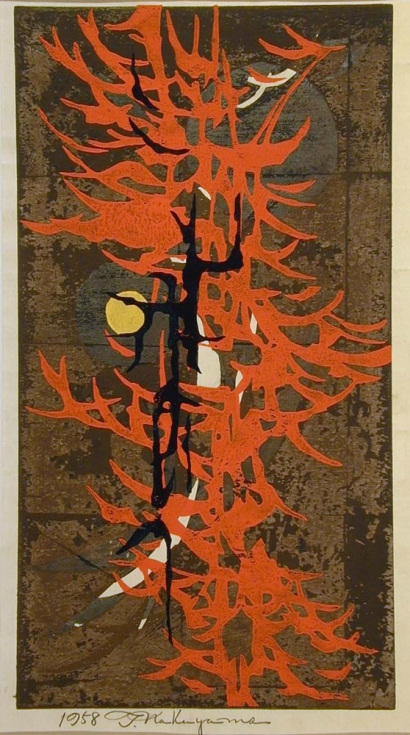
Buffoonery
Woodblock print
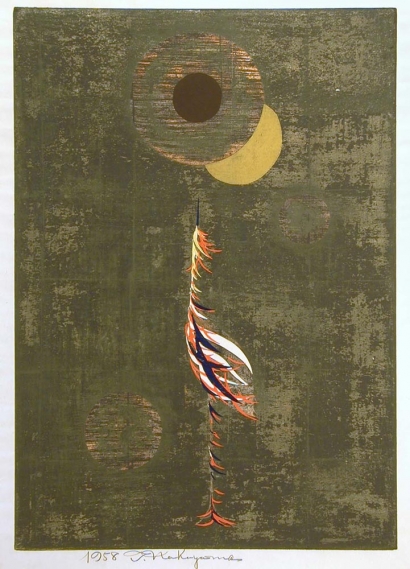
Fledgling
Woodblock print
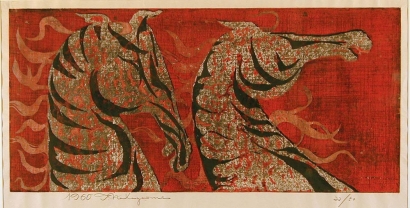
Whirlwind
Woodblock print
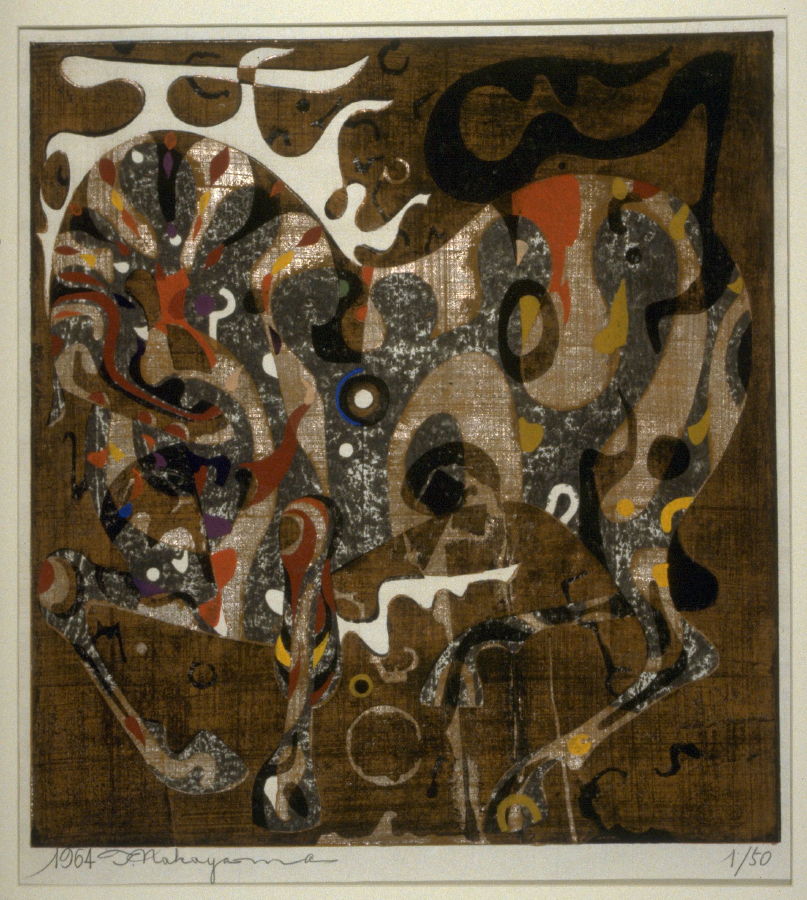
Flaming horse
Woodblock print

Stone Garden of Ryoanji Temple, Kyoto (Ryoan Fixed Stones)
Woodblock print
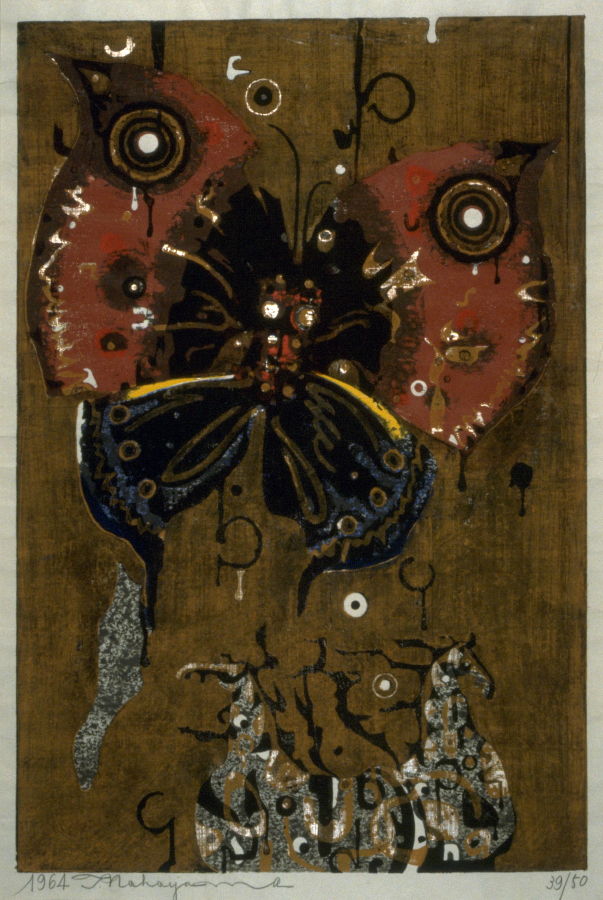
Cheerful Afternoon
Woodblock print
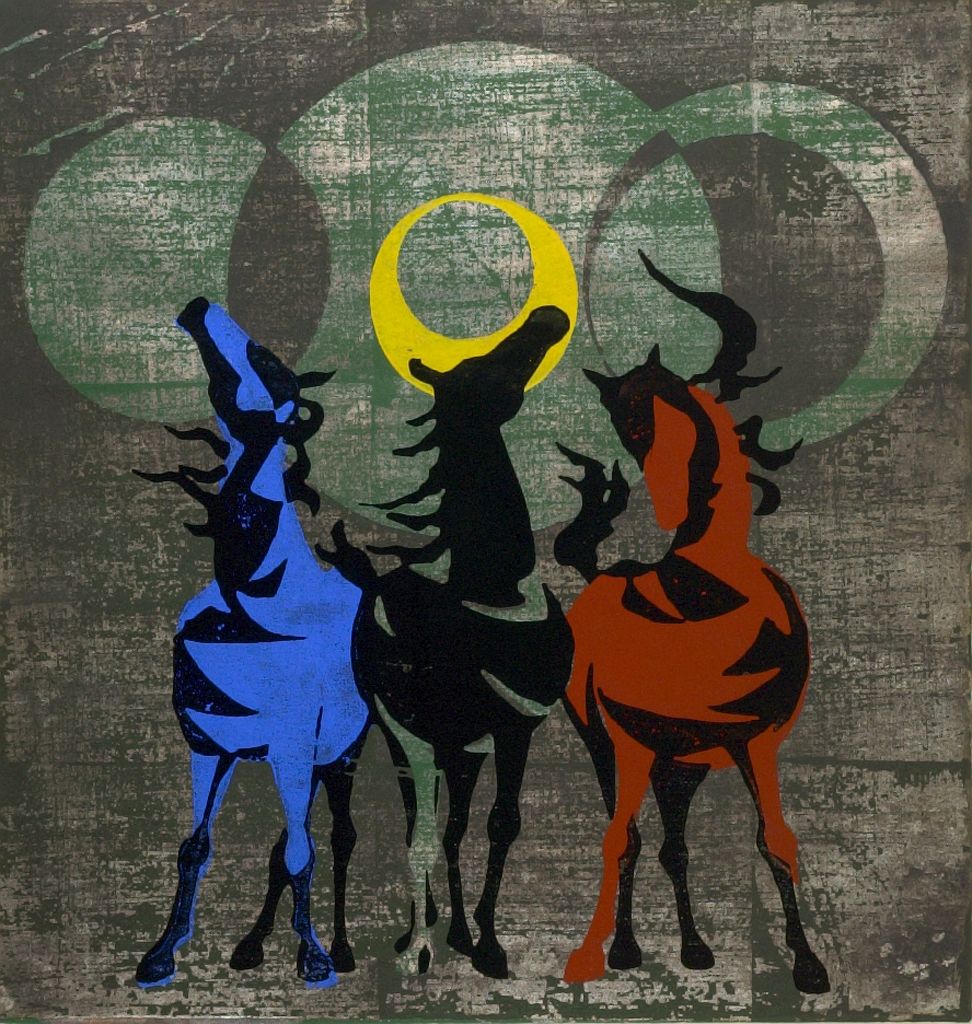
Neighing Horses (Kaze ni hoyu / Uma), Shôwa period, dated 1958
Woodblock print
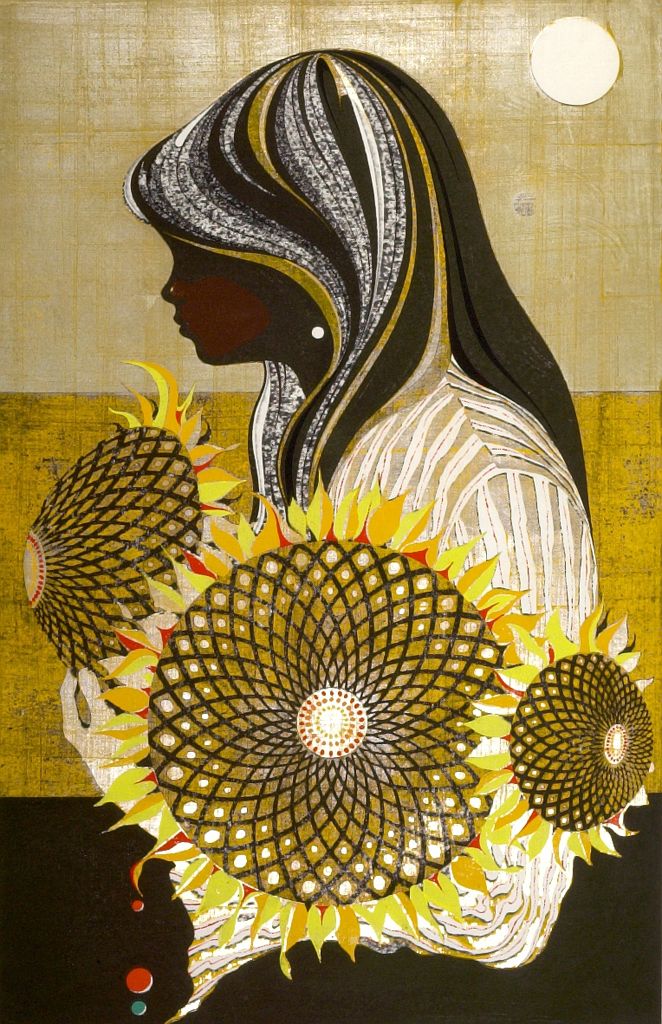
Summer Afternoon (Natsu no gogo), Shôwa period, dated 1969
Woodblock print
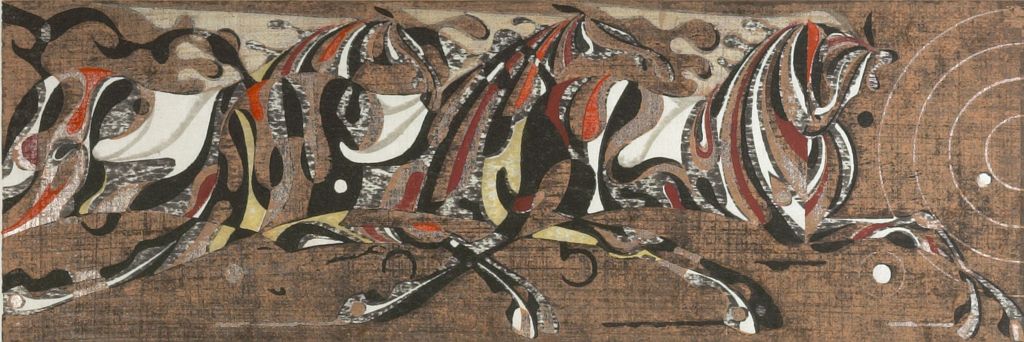
Running Horses B (Sôma B), Shôwa period, dated 1967
Woodblock print
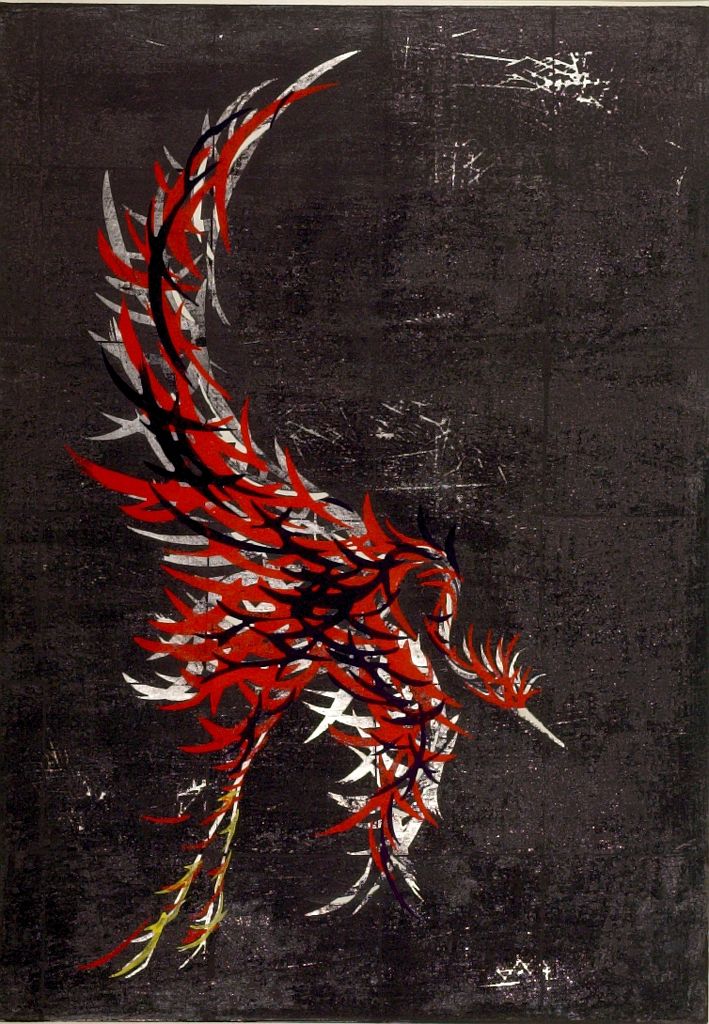
Incarnation / Raku (Keshin / Raku), Shôwa period, dated 1958
Woodblock print
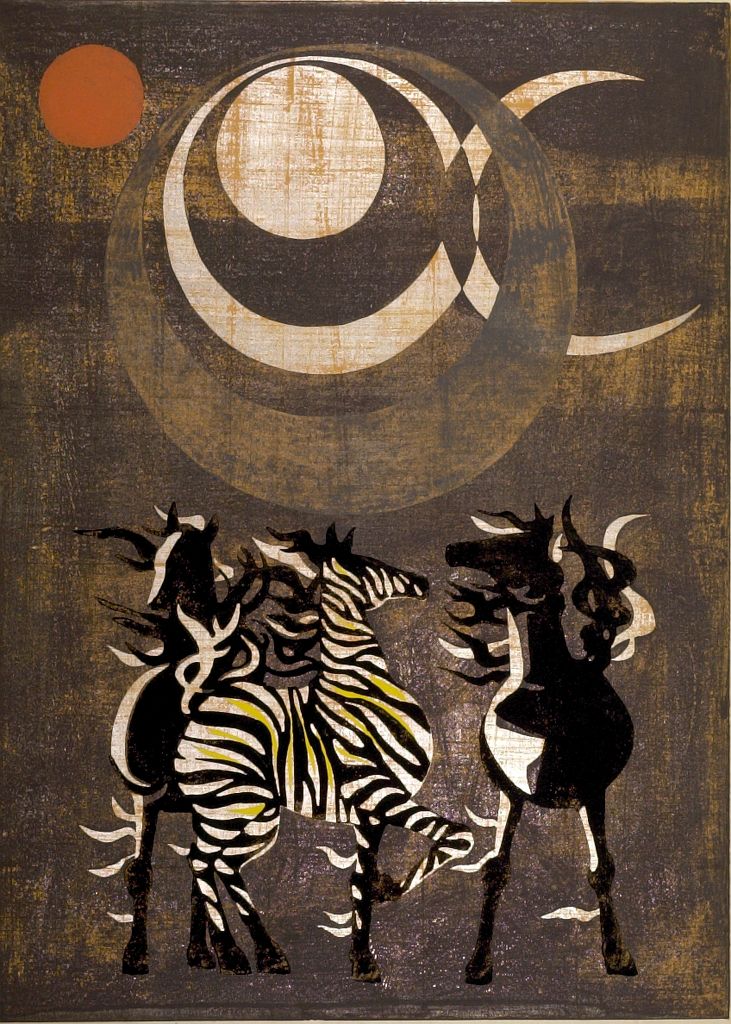
East Wind / Moon Wind (Tôhô no kaze / Tsuki kaze), Shôwa period, dated 1959
Woodblock print
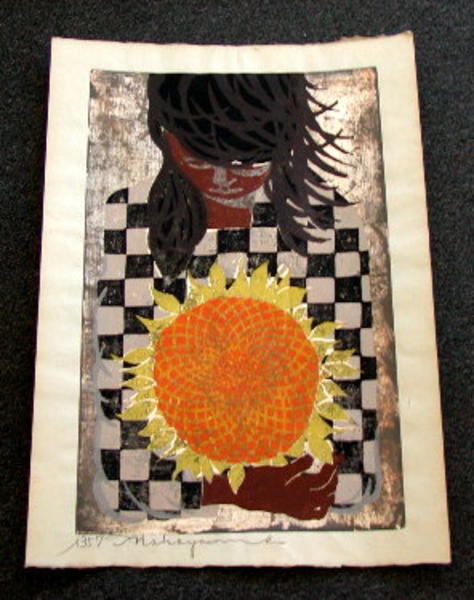
Girl with sunflower
Woodblock print
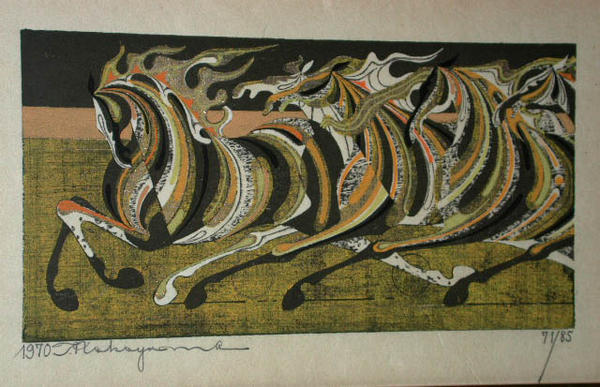
five horses running
Woodblock print

Unknown, child in wind
Woodblock print
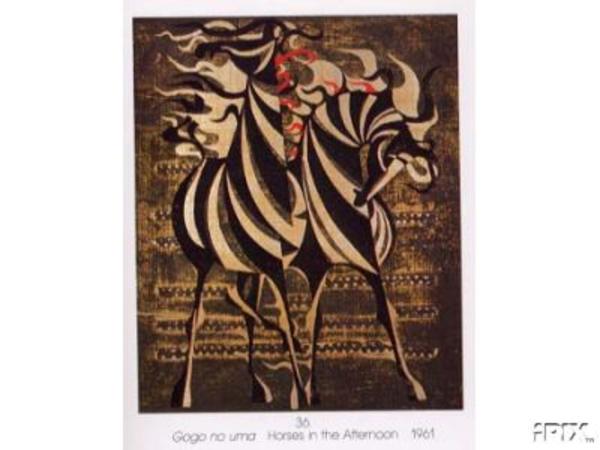
Horses in the Afternoon
Woodblock print
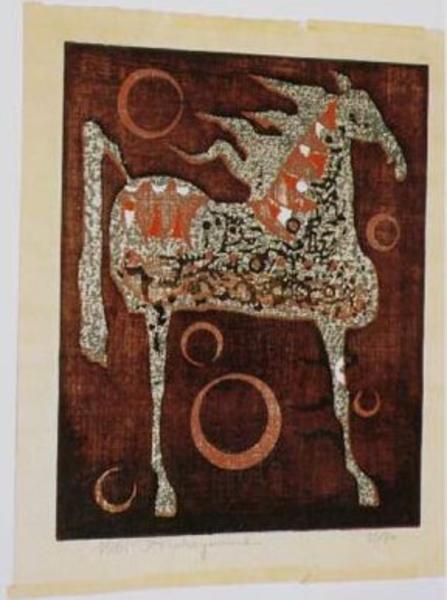
Unknown, horse 1
Woodblock print

Untitled- bird in flight
Woodblock print
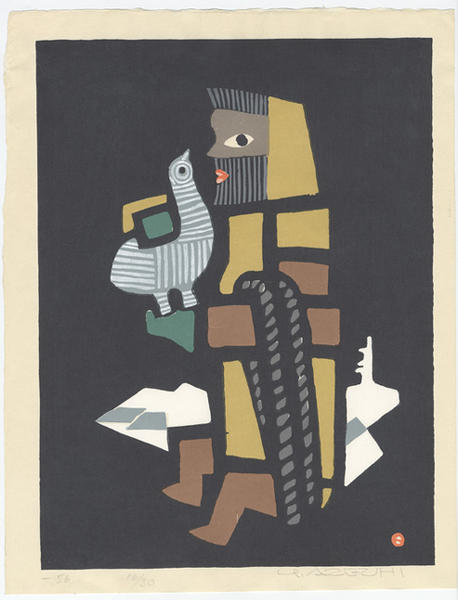
Friends of the mountain
Woodblock print
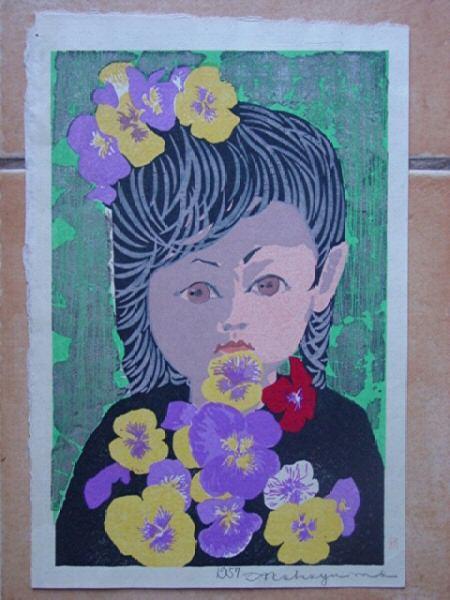
Child with Flowers
Woodblock print
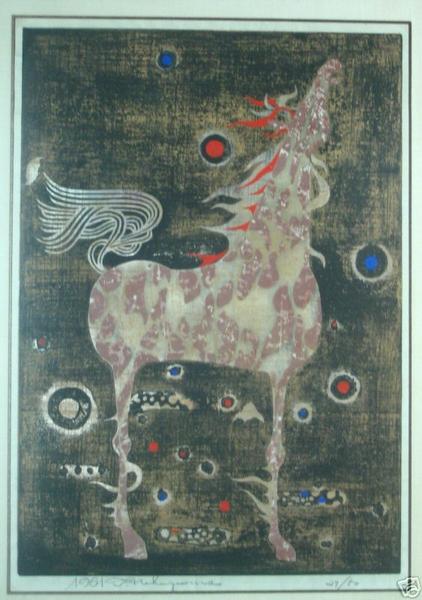
Unknown, horse 1- LE
Woodblock print
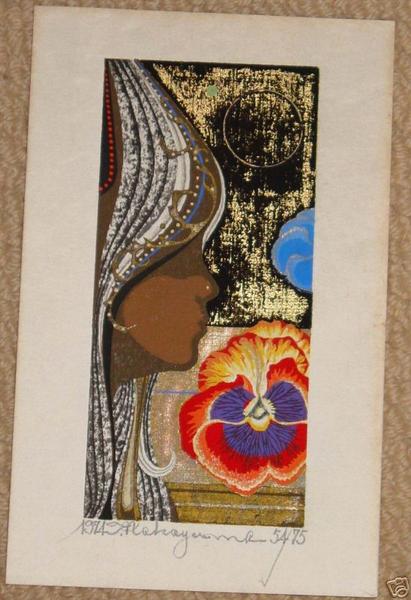
Number 170
Woodblock print
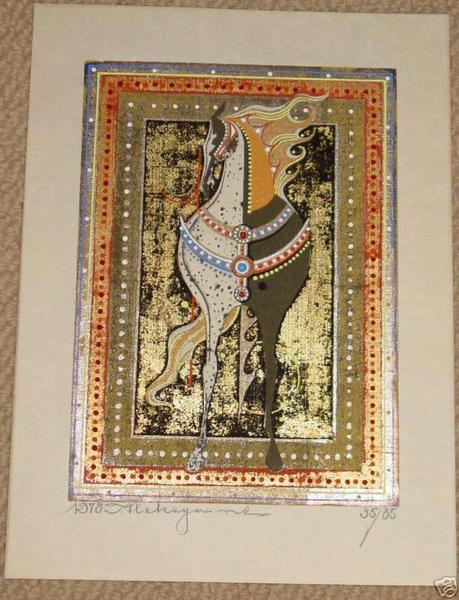
Number 187
Woodblock print
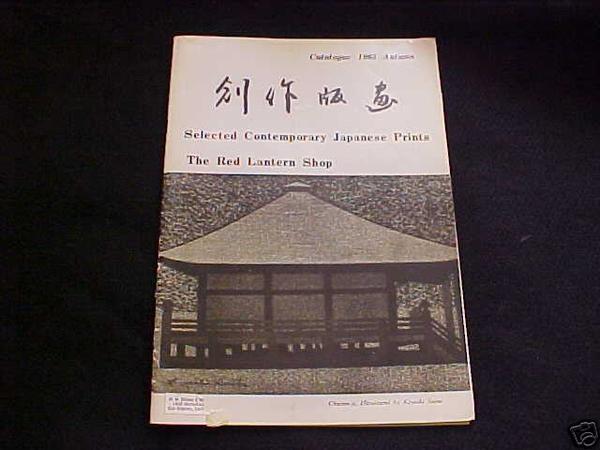
Red Lantern Shop
Woodblock print
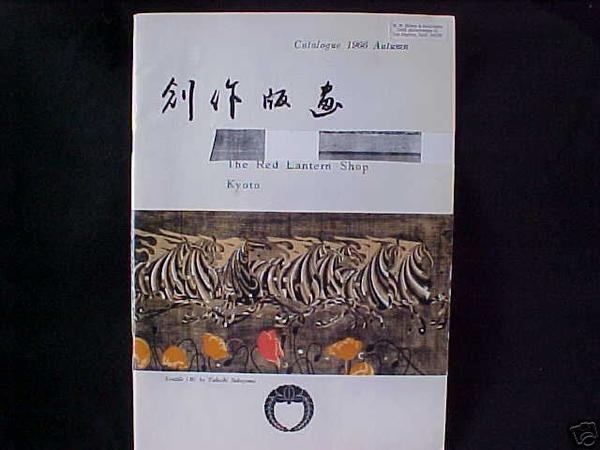
1966 Autumn Catalog
Woodblock print
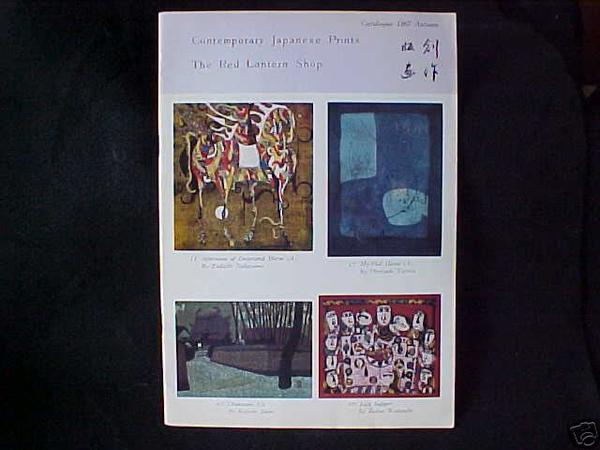
1967 Autumn Catalog
Woodblock print
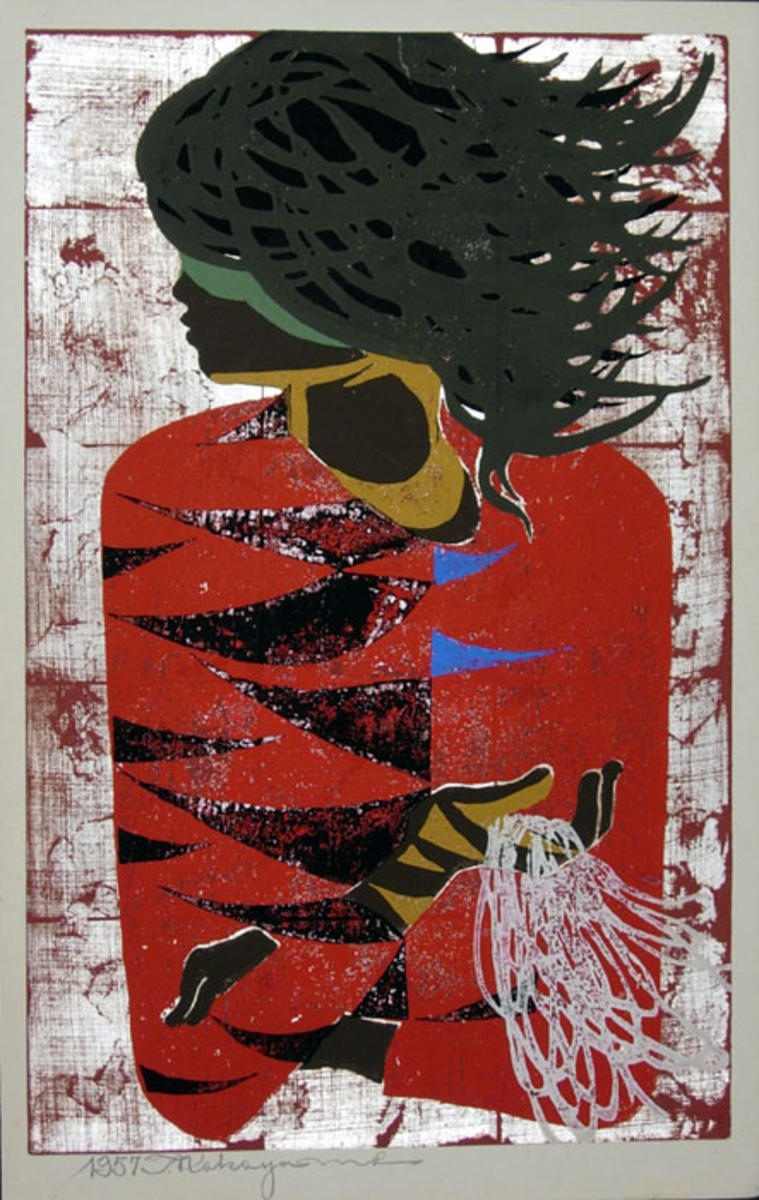
Red Coat
Woodblock print
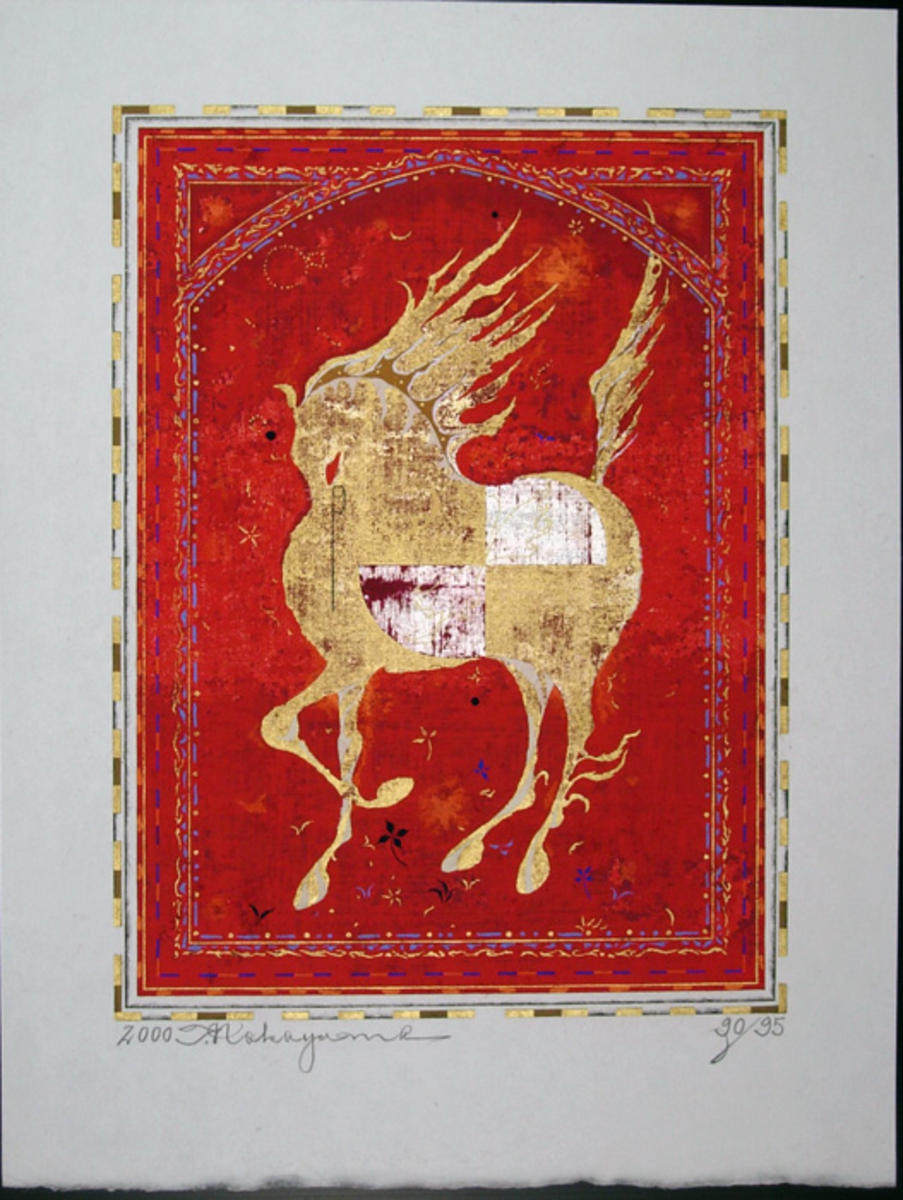
Red Horse
Woodblock print
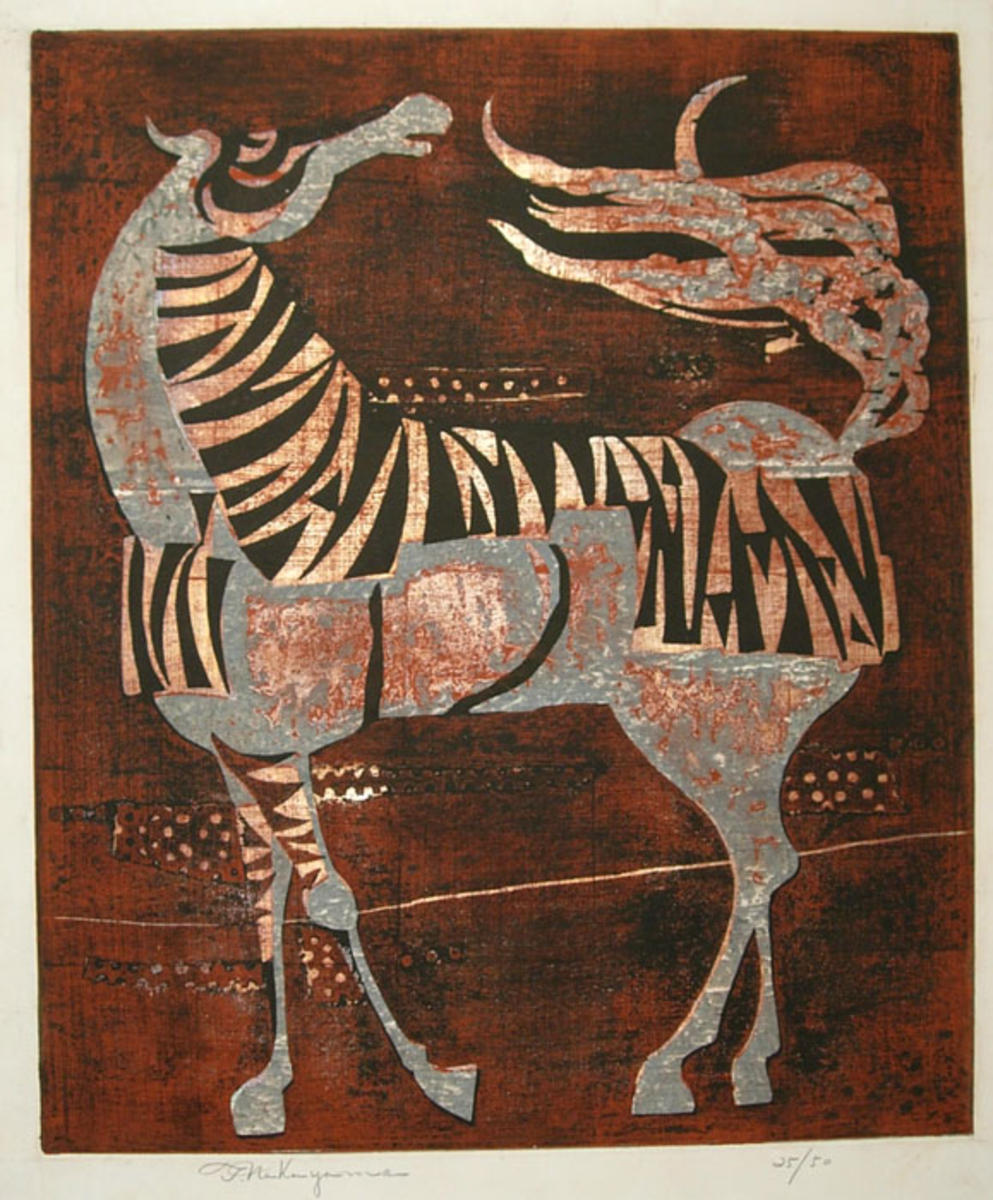
Horse in Armor- A
Woodblock print
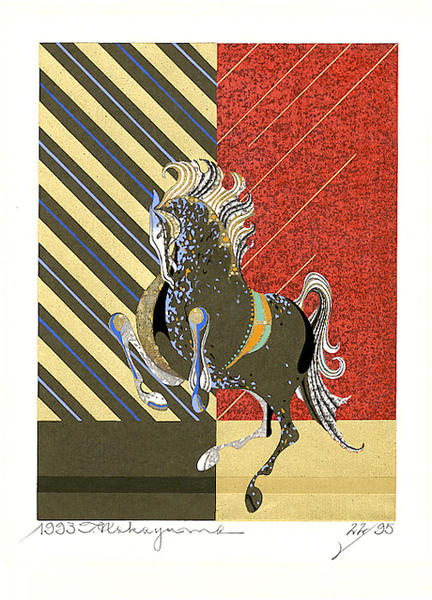
Swift Horse- B
Woodblock print

Blue Horse
Woodblock print
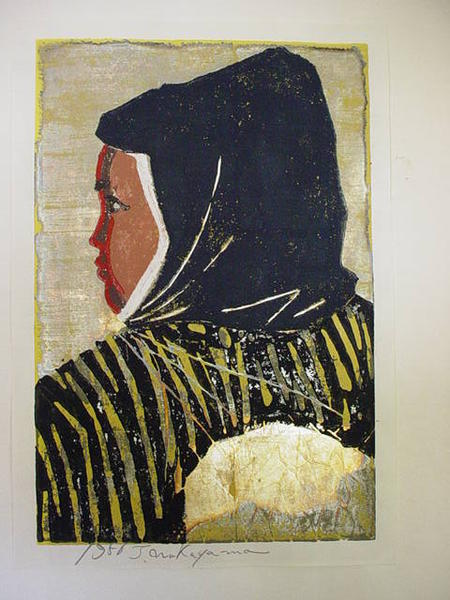
Working Woman
Woodblock print
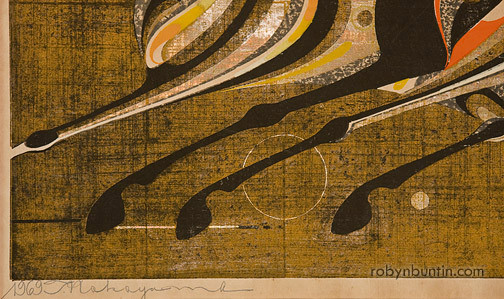
Running Horses of the Festival (11/69)
Woodblock print
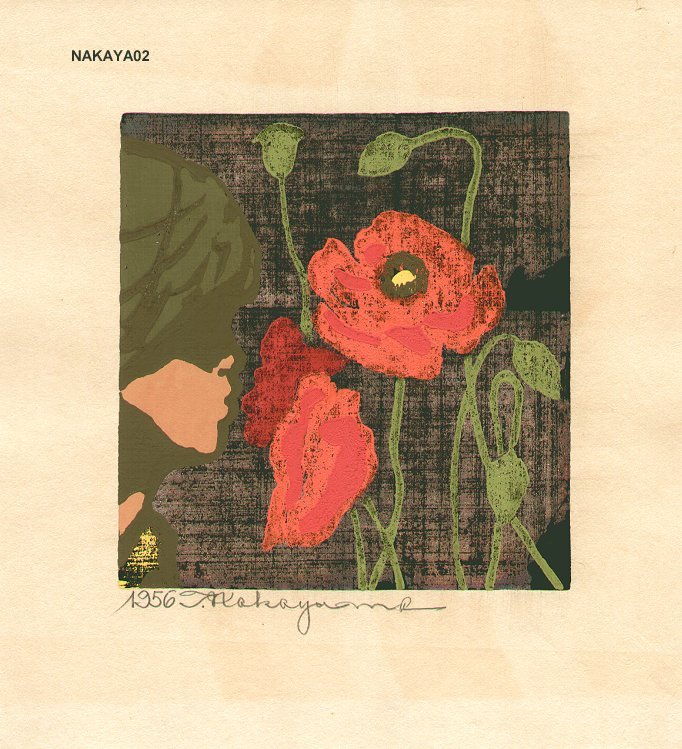
Girl and Flowers
Woodblock print
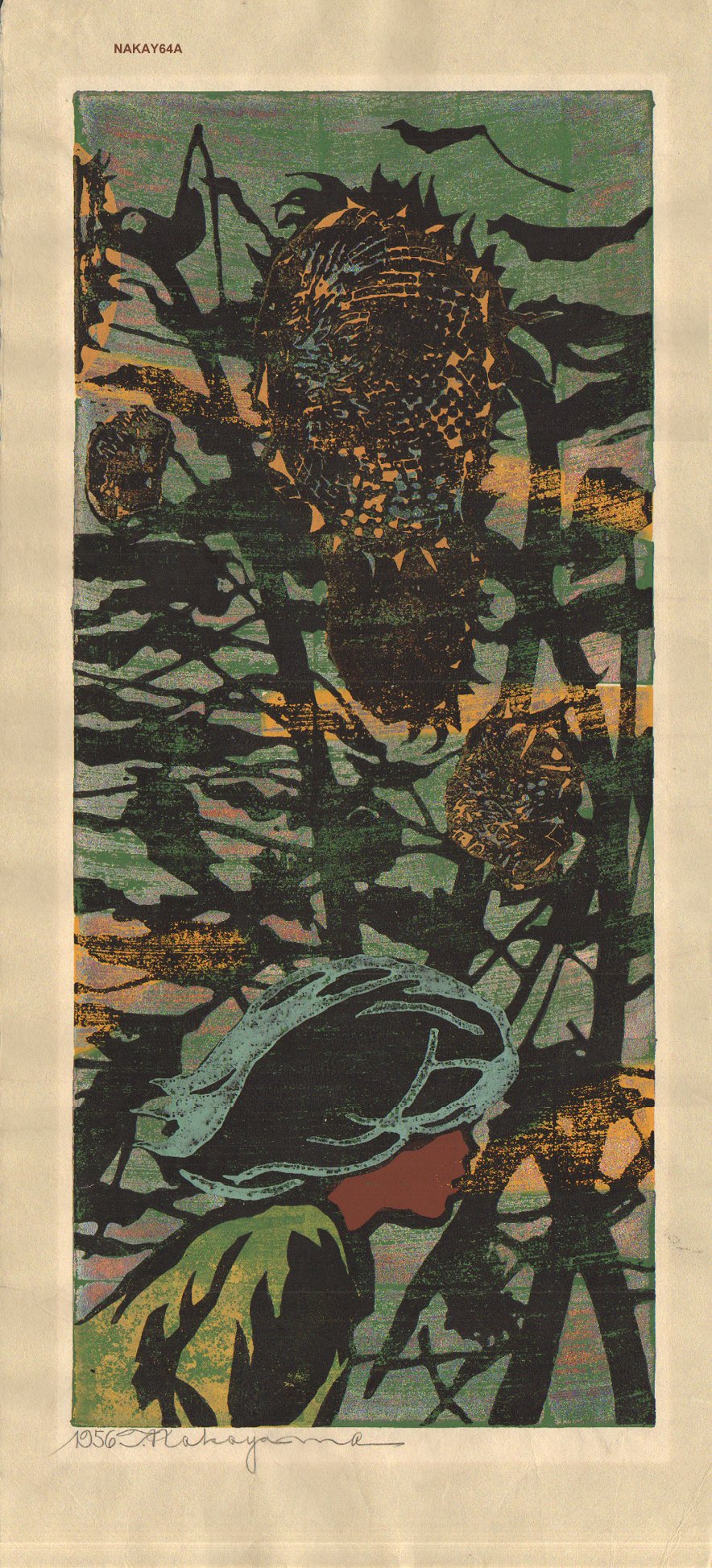
Girl and Sunflowers
Woodblock print
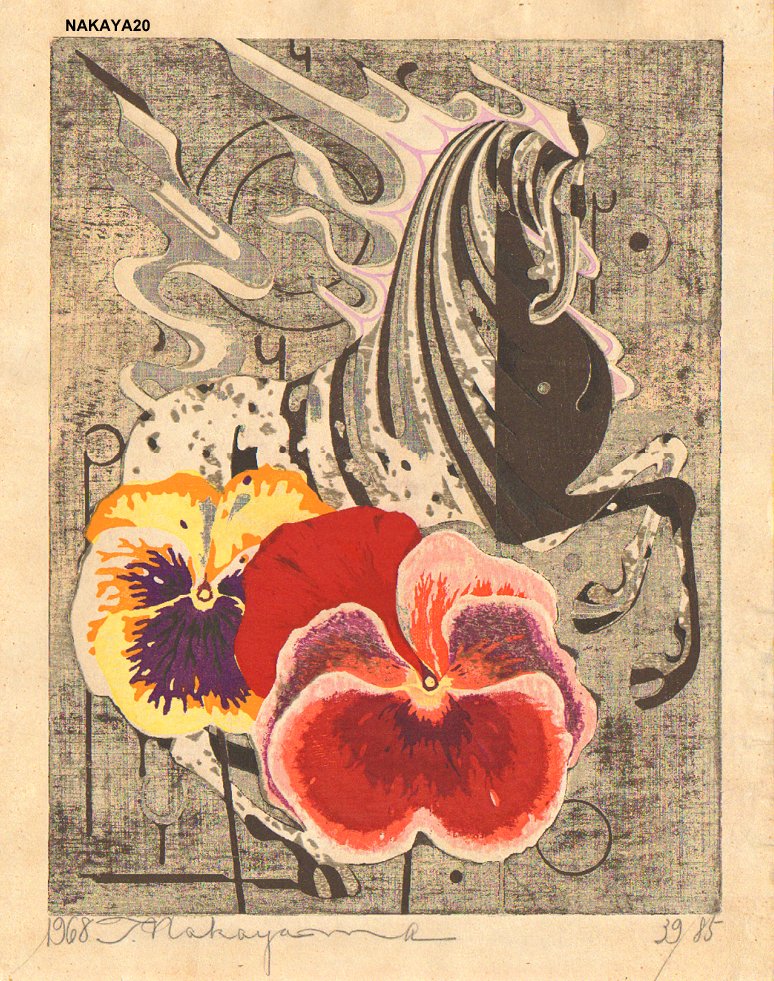
HANA TO KIBA (Flowers and Riding Horse)
Woodblock print

Horses above the Yellow Horizon
Woodblock print
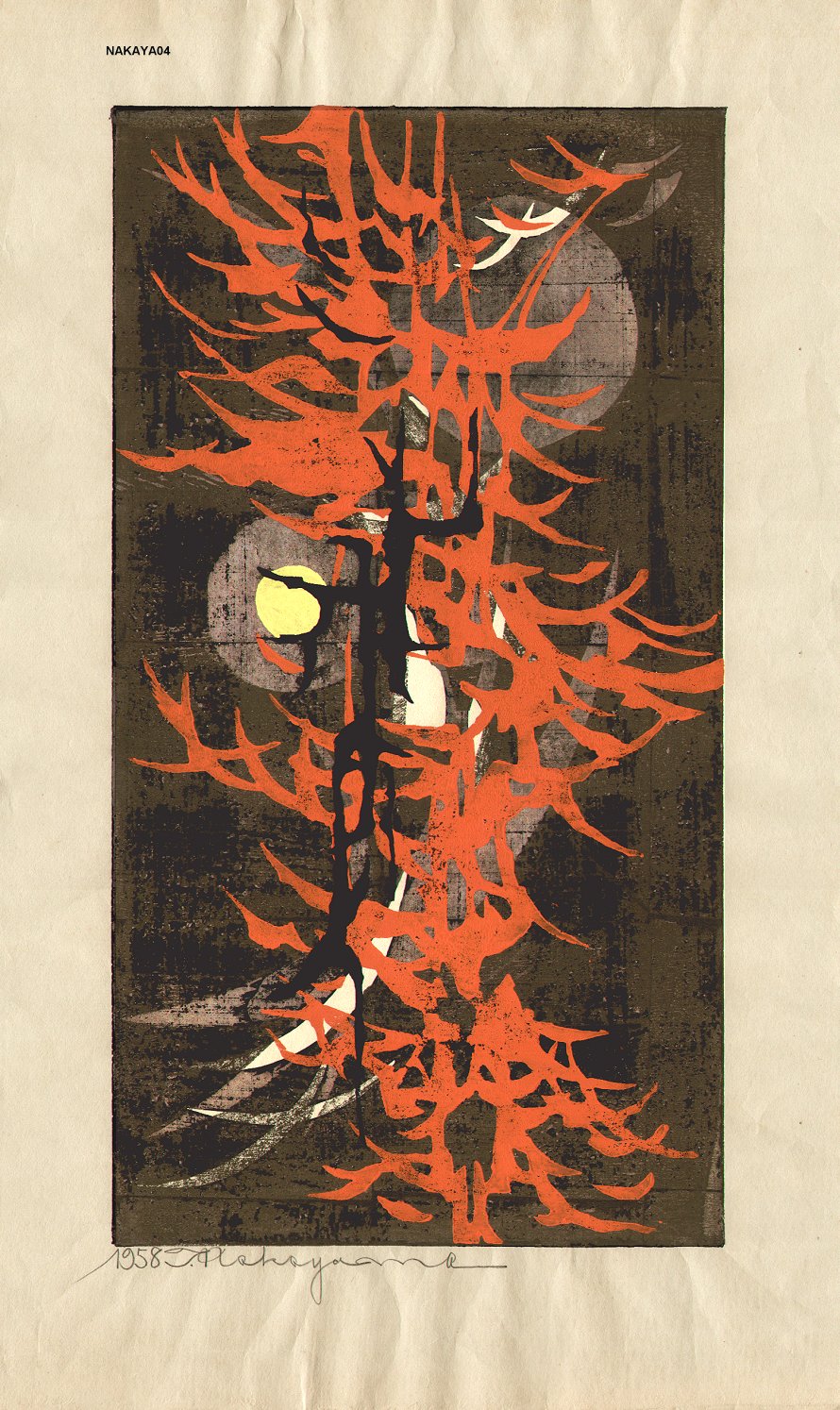
Clown (Pierrot)
Woodblock print
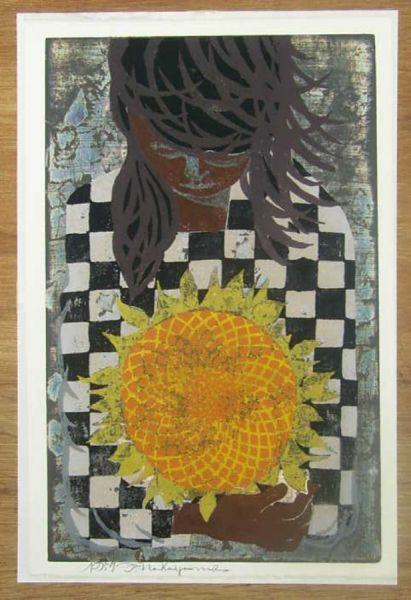
Untitled (tadashi-nakayama)
Woodblock print
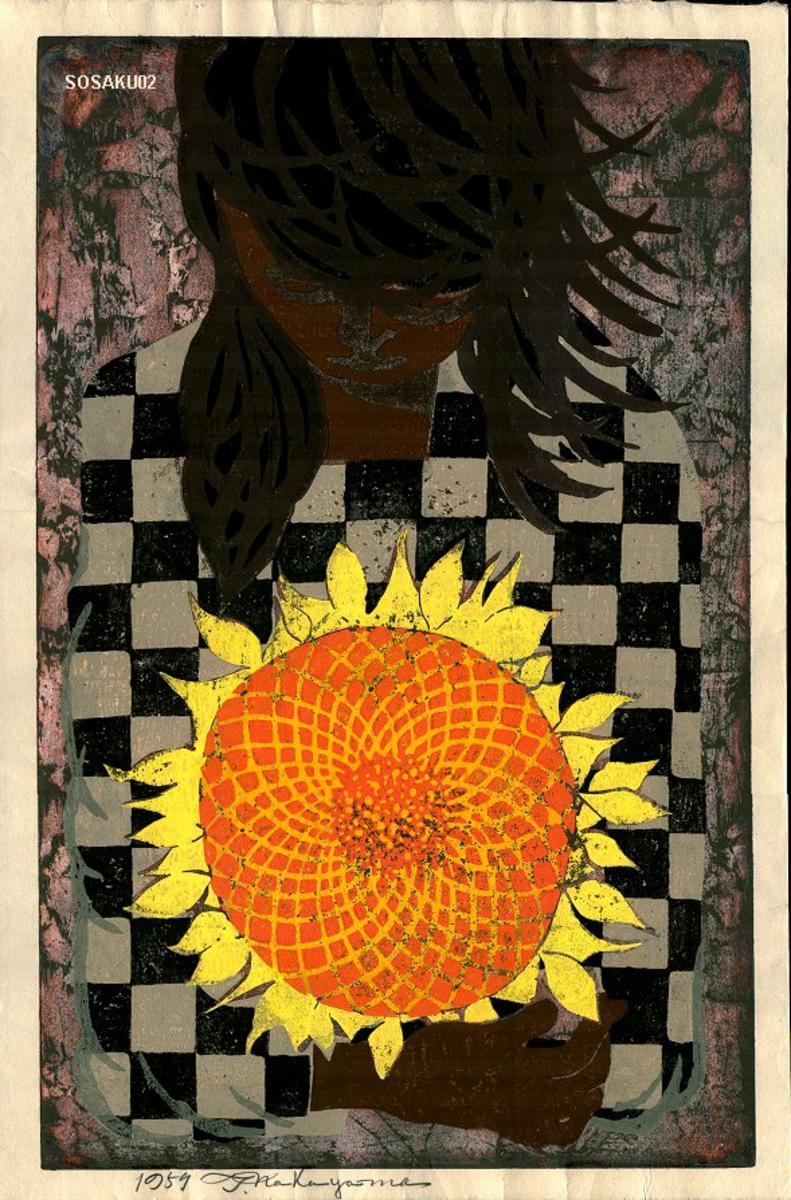
Untitled (tadashi-nakayama)
Woodblock print
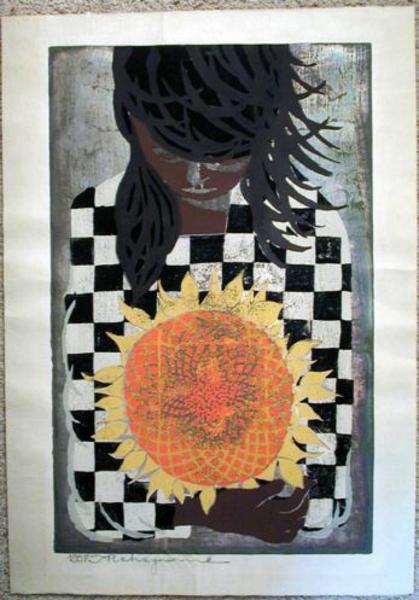
Untitled (tadashi-nakayama)
Woodblock print
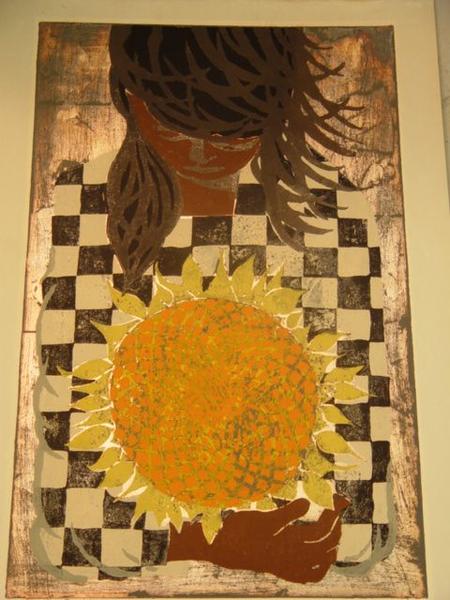
Untitled (tadashi-nakayama)
Woodblock print

Untitled (tadashi-nakayama)
Woodblock print
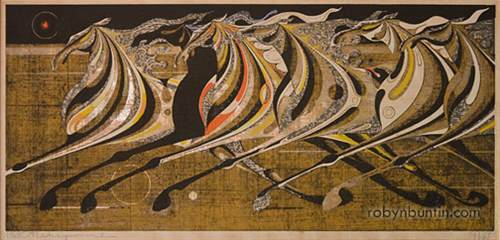
Untitled (tadashi-nakayama)
Woodblock print
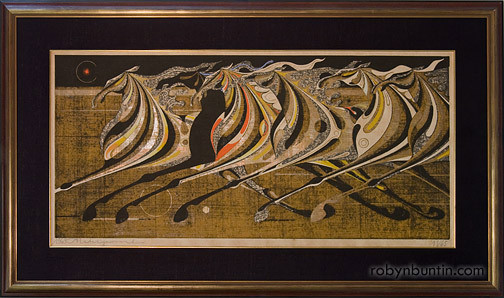
Untitled (tadashi-nakayama)
Woodblock print
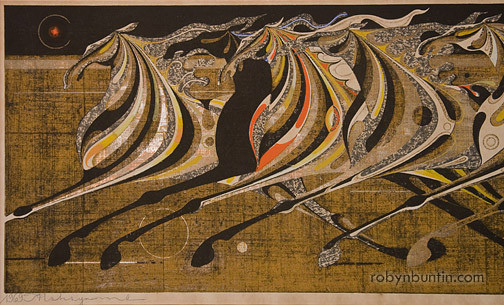
Untitled (tadashi-nakayama)
Woodblock print
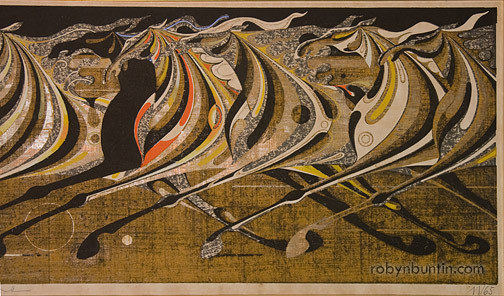
Untitled (tadashi-nakayama)
Woodblock print
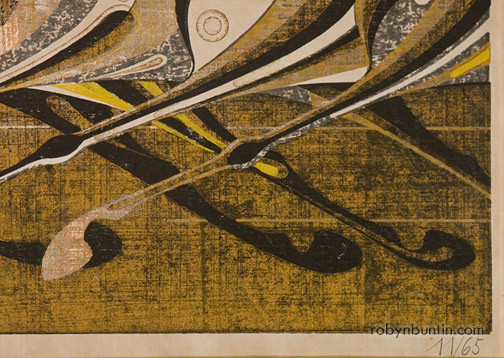
Untitled (tadashi-nakayama)
Woodblock print
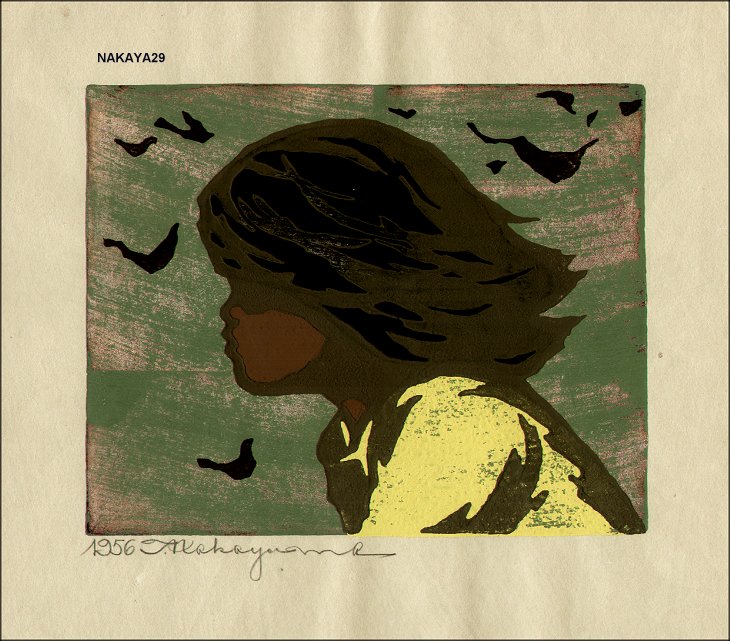
Untitled (tadashi-nakayama)
Woodblock print
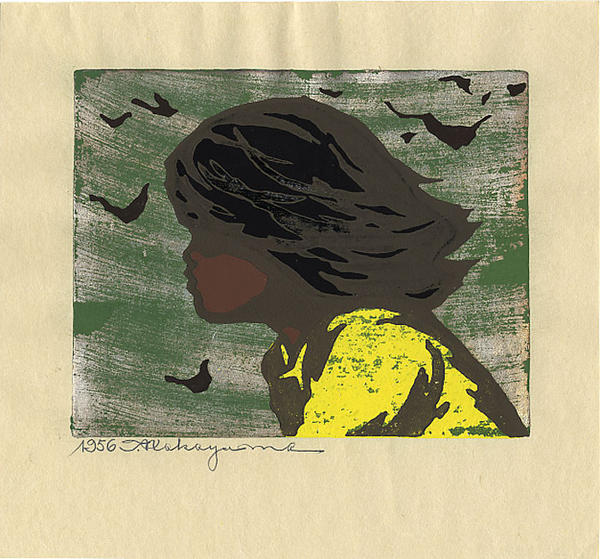
Untitled (tadashi-nakayama)
Woodblock print
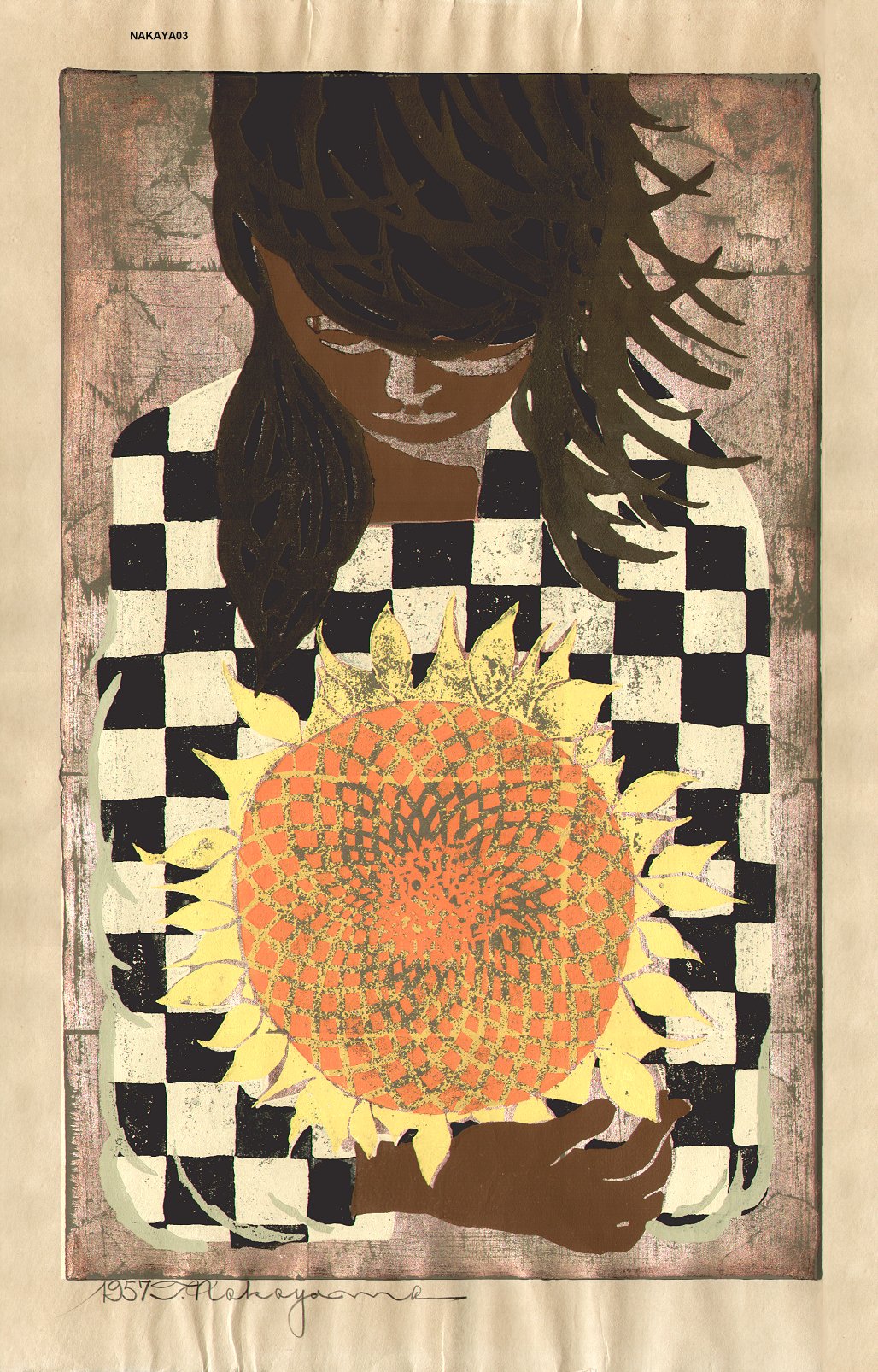
Holding a Sunflower
Woodblock print
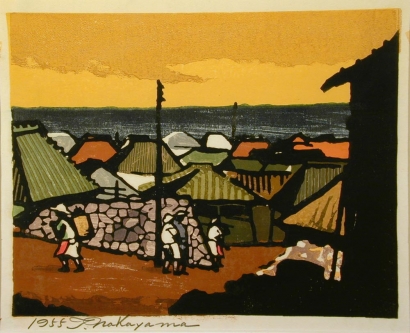
Nakayama, Tadashi
Woodblock print
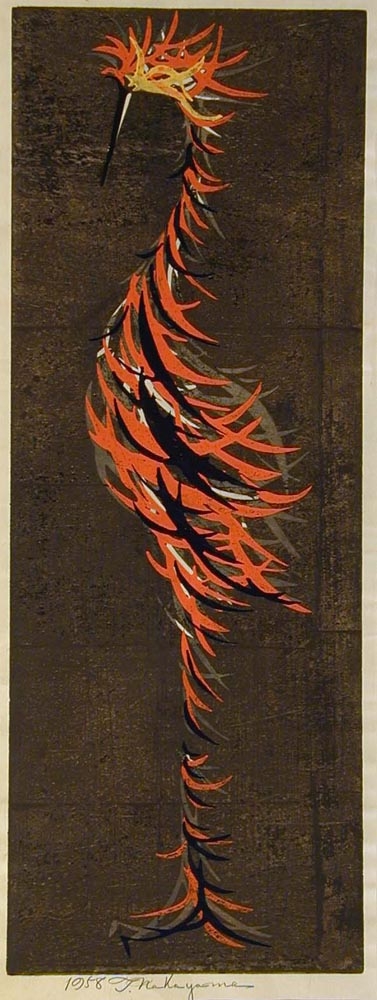
Incarnation (Moku)
Woodblock print

Horses in the Afternoon (Gogo no uma), Shôwa period, dated 1961
Woodblock print
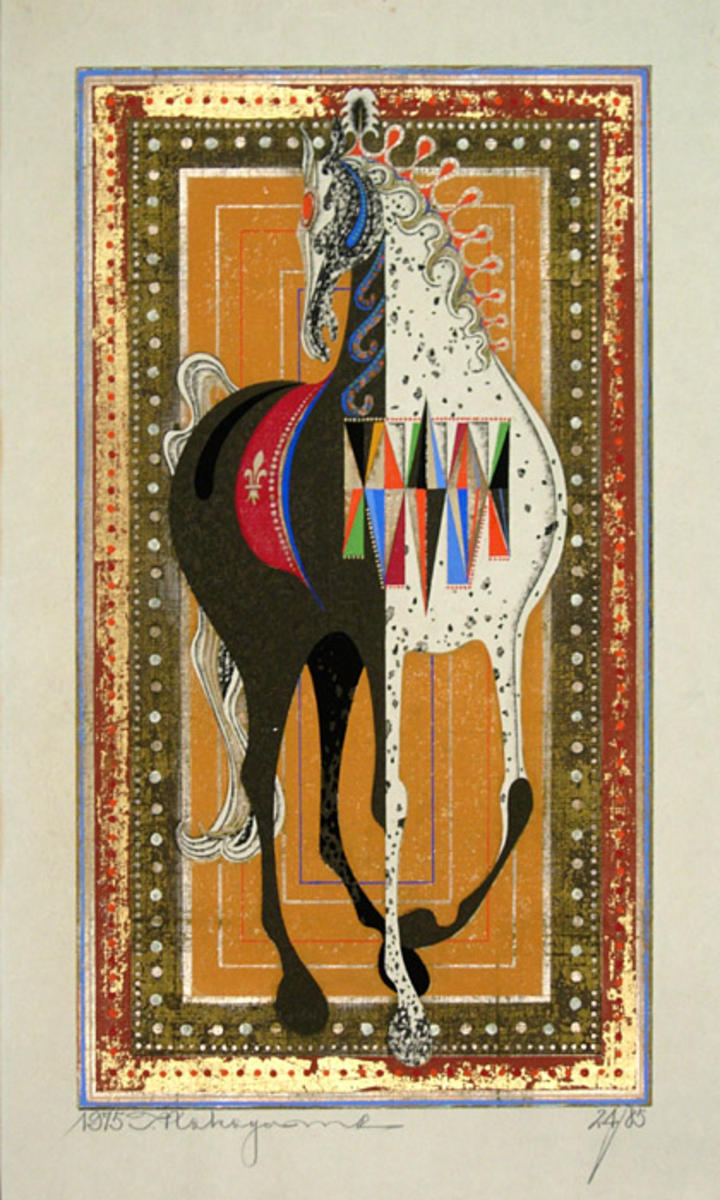
Ema- F
Woodblock print