Biography
Paul Binnie (born 1967) is a Scottish artist who has established himself as one of the most accomplished contemporary practitioners of traditional Japanese woodblock printmaking, creating works that engage directly with the great themes and techniques of ukiyo-e and shin-hanga while bringing a fresh, sometimes provocative contemporary perspective. His prints, which encompass bijin-ga (beautiful women), kabuki actors, landscapes, and figure studies, are produced using the traditional collaborative shin-hanga method — with Binnie creating the designs and master craftsmen in Japan carving and printing the blocks — resulting in prints of extraordinary technical quality.
Born in Edinburgh, Scotland, in 1967, Binnie studied at the Edinburgh College of Art, where he received a thorough grounding in drawing, painting, and printmaking. His encounter with Japanese woodblock prints proved transformative, and he became deeply engaged with the tradition, studying its history, techniques, and aesthetic principles with scholarly intensity. Unlike many Western artists who draw superficial inspiration from Japanese prints, Binnie committed himself to working within the tradition at the highest technical level, learning to create designs that fully exploit the possibilities of the collaborative woodblock process.
Binnie's relationship with Japan deepened over the years through extended periods of residence and work in the country. He developed professional relationships with skilled block carvers and printers, enabling him to produce prints through the traditional shin-hanga model of artist-designer, carver, and printer working in close collaboration. This commitment to the collaborative process distinguishes him from most contemporary Western printmakers and connects his work directly to the tradition of Watanabe Shozaburo's shin-hanga publications of the early twentieth century.
His bijin-ga prints are among his most acclaimed works. These images of beautiful women draw on the grand tradition of Japanese figure prints while introducing contemporary subjects and sensibilities. His women are rendered with the elegant line work and careful color harmonies of classical bijin-ga, but they are often contemporary figures in modern settings, creating a provocative dialogue between traditional aesthetics and present-day life. His kabuki actor prints similarly engage with classical conventions while bringing a fresh perspective to a venerable genre.
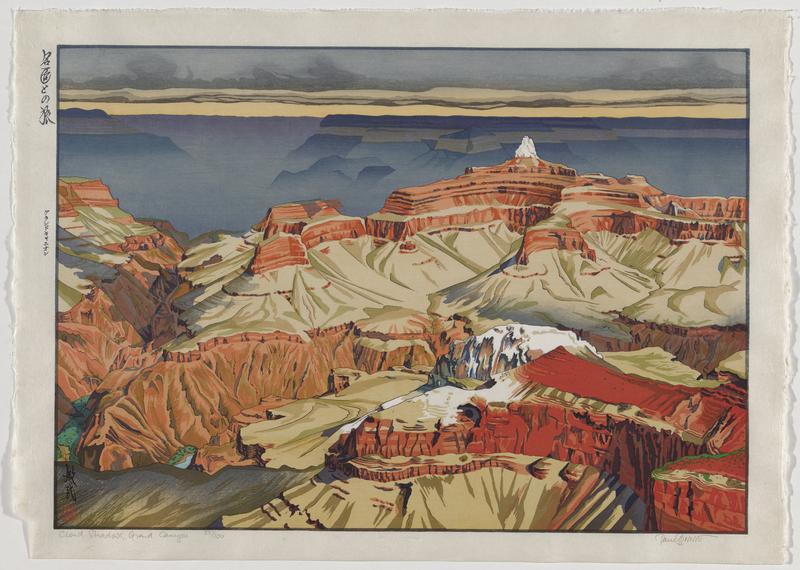
Binnie's landscape prints demonstrate his mastery of atmospheric effects and his deep appreciation for Japan's scenic beauty. Views of mountains, coastlines, and urban scenes are rendered with the luminous color and graduated tonal effects that characterize the finest shin-hanga landscapes, while his compositional choices and color sensibility reflect his contemporary artistic intelligence.
His prints are published in small editions, typically limited to fewer than one hundred impressions, and are sold through galleries in Japan, the United Kingdom, and the United States. His work is held in collections including the British Museum, the Art Institute of Chicago, the Honolulu Museum of Art, and the Museum of Fine Arts Boston. He has exhibited widely in Japan and internationally, and his prints are recognized by both Japanese and Western connoisseurs as among the finest contemporary contributions to the Japanese woodblock tradition.
Key Facts
- Active Period
- 1967
- Nationality
- 🇬🇧United Kingdom
- Movement
- Contemporary Mokuhanga
- Works Indexed
- 101
Frequently Asked Questions
What is Paul Binnie known for?
Paul Binnie (born 1967) is a Scottish artist who has established himself as one of the most accomplished contemporary practitioners of traditional Japanese woodblock printmaking, creating works that engage directly with the great themes and techniques of ukiyo-e and shin-hanga while bringing a fresh, sometimes provocative contemporary perspective. His prints, which encompass bijin-ga (beautiful women), kabuki actors, landscapes, and figure studies, are produced using the traditional collaborative shin-hanga method — with Binnie creating the designs and master craftsmen in Japan carving and printing the blocks — resulting in prints of extraordinary technical quality.
When was Paul Binnie active?
Paul Binnie was active born in 1967. They were associated with the Contemporary Mokuhanga movement.
What artistic movements influenced Paul Binnie?
Paul Binnie's work was shaped by the Contemporary Mokuhanga tradition in Japanese woodblock printmaking. Contemporary Mokuhanga: Contemporary mokuhanga (literally "wood-block print") encompasses artists working from approximately 1970 to the present who continue or reinvent traditional Japanese woodblock printing techniques.
Where can I see Paul Binnie's original prints?
Original prints by Paul Binnie can be found in collections including Scholten Japanese Art, Ohmi Gallery, Japanese Art Open Database.
How much do Paul Binnie prints cost?
Paul Binnie is one of the most respected and highly valued contemporary artists working in the Japanese woodblock print tradition. His prints, produced through the traditional shin-hanga collaborative method with master Japanese carvers and printers, command prices that reflect their exceptional technical quality and artistic ambition. Most prints sell in the $1,500-$3,500 range, with major works reaching $5,000-$10,000. Binnie's position in the market is unique — a Western artist producing prints of a quality and ambition that rival the finest historical shin-hanga, collected by connoisseurs of both contemporary art and traditional Japanese prints. His small edition sizes and the high cost of traditional collaborative production ensure scarcity, supporting strong resale values. His bijin-ga prints are the most sought-after category. For collectors, Binnie's prints offer the opportunity to acquire contemporary work produced to the highest standards of traditional Japanese craftsmanship. His prints are held in major museum collections worldwide, lending institutional validation to his market position. As one of the leading figures in the contemporary shin-hanga revival, his work has strong long-term collecting potential.
Woodblock Prints by Paul Binnie (101)
Travels with the Master: Cloud Shadows, Grand Canyon (Meishou To No Tabi: Guranndo Kyanionn)
2004–2007
Woodblock print, ink and color on paper
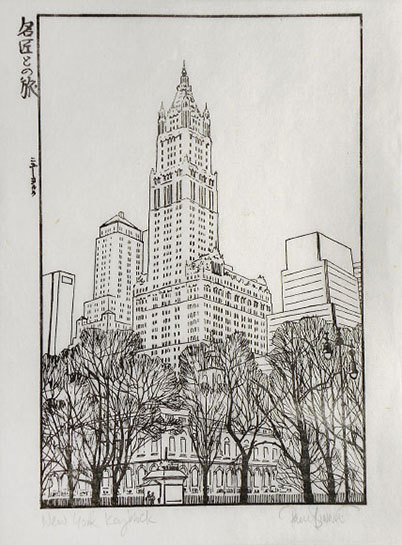
Travels with the Master: New York Night T/P (gomazuri sky - black/ultramarine blue-green) (Meishou To No Tabi: Nyu-yoruku)
Woodblock print

Paul Binnie (Binnie, Paul)
Woodblock print
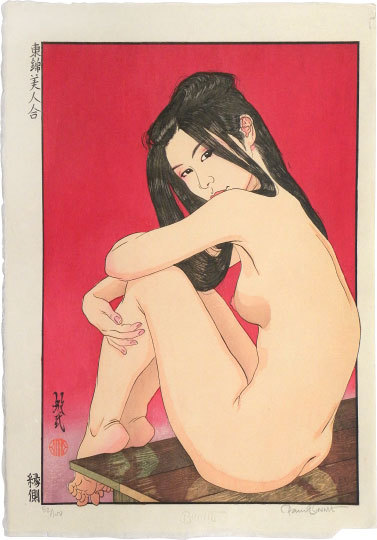
A Collection of Eastern Brocade Beauties: Twilight (Azuma nishiki bijin awase: Tasogare)
Woodblock print
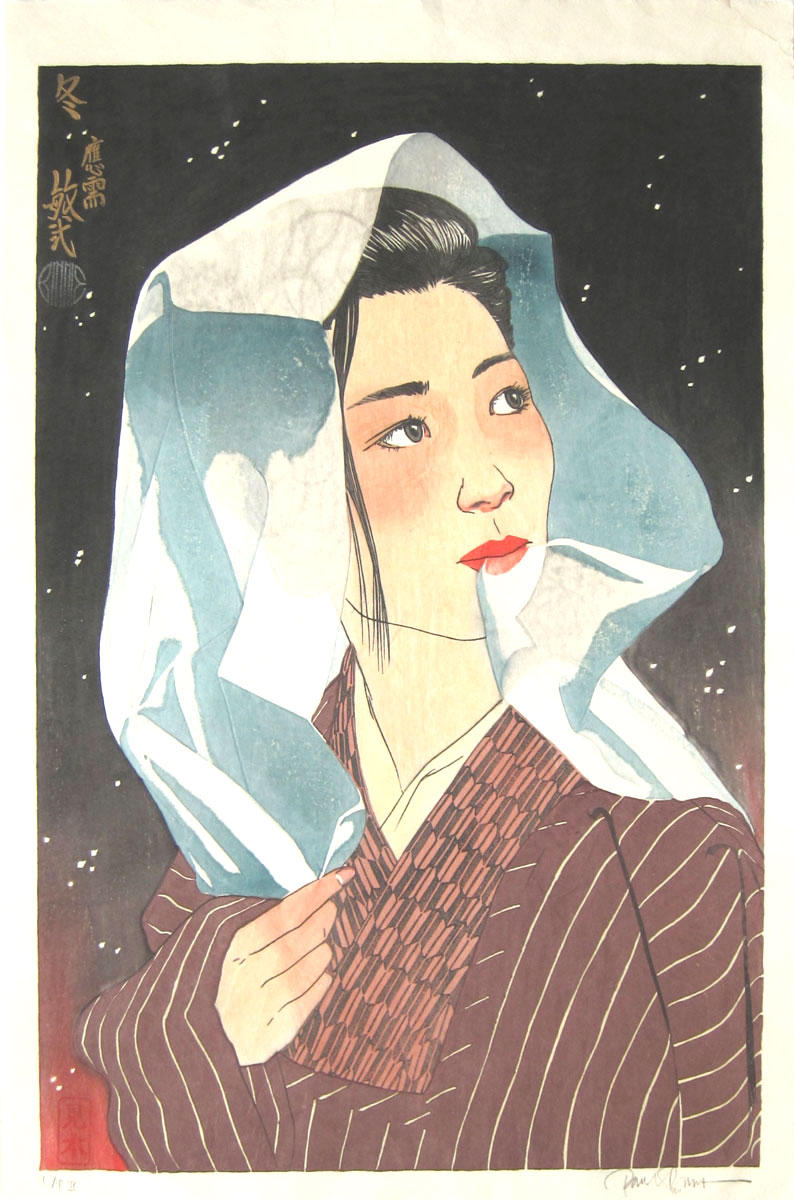
Winter- Fuyu- alternative state 2
Woodblock print

Snow, Moon and Flowers in Downtown Tokyo: Moon at Shinobazu (Shitamachi setsugekka: Shinobazu no tsuki)
Woodblock print
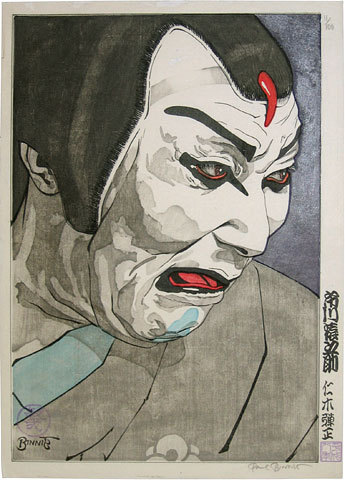
Large-head Kabuki Portraits: Ichikawa Ennosuke as Nikki Danjo (Kabuki okubi-e: Ennosuke - Nikki Danjo)
Woodblock print
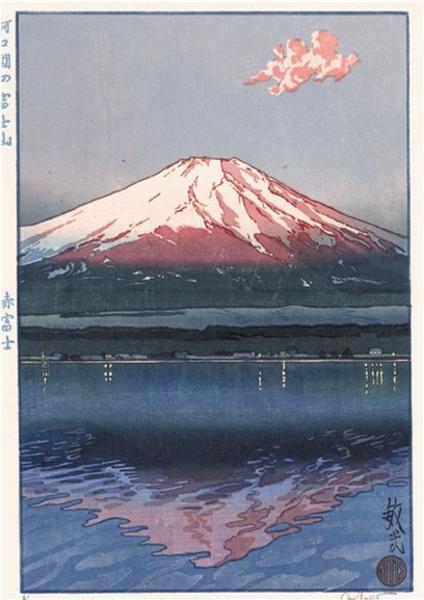
Red Fuji
Woodblock print
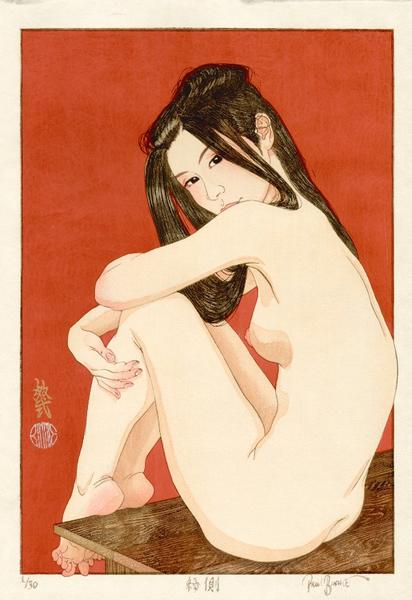
Engawa- Veranda
Woodblock print

Haru- Spring
Woodblock print
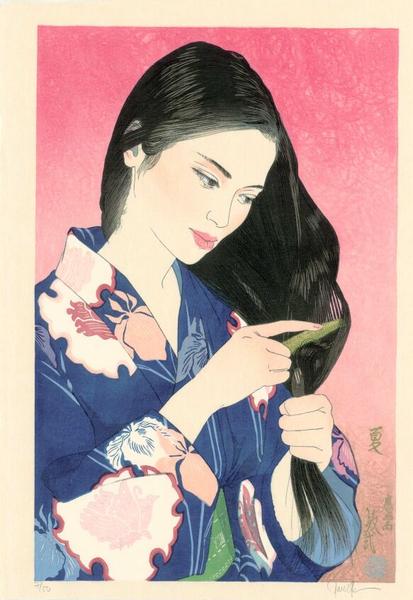
Summer- Natsu
Woodblock print
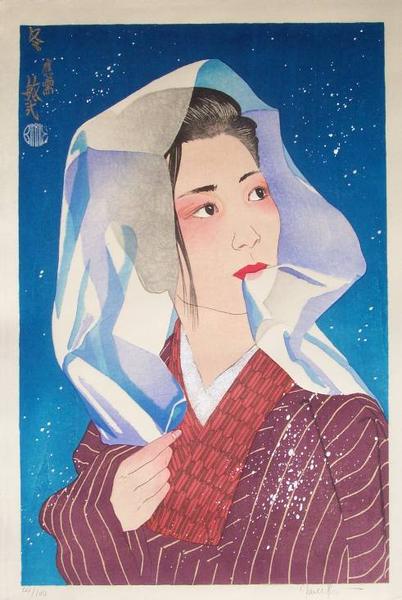
Winter- Fuyu
Woodblock print

After a Bath
Woodblock print
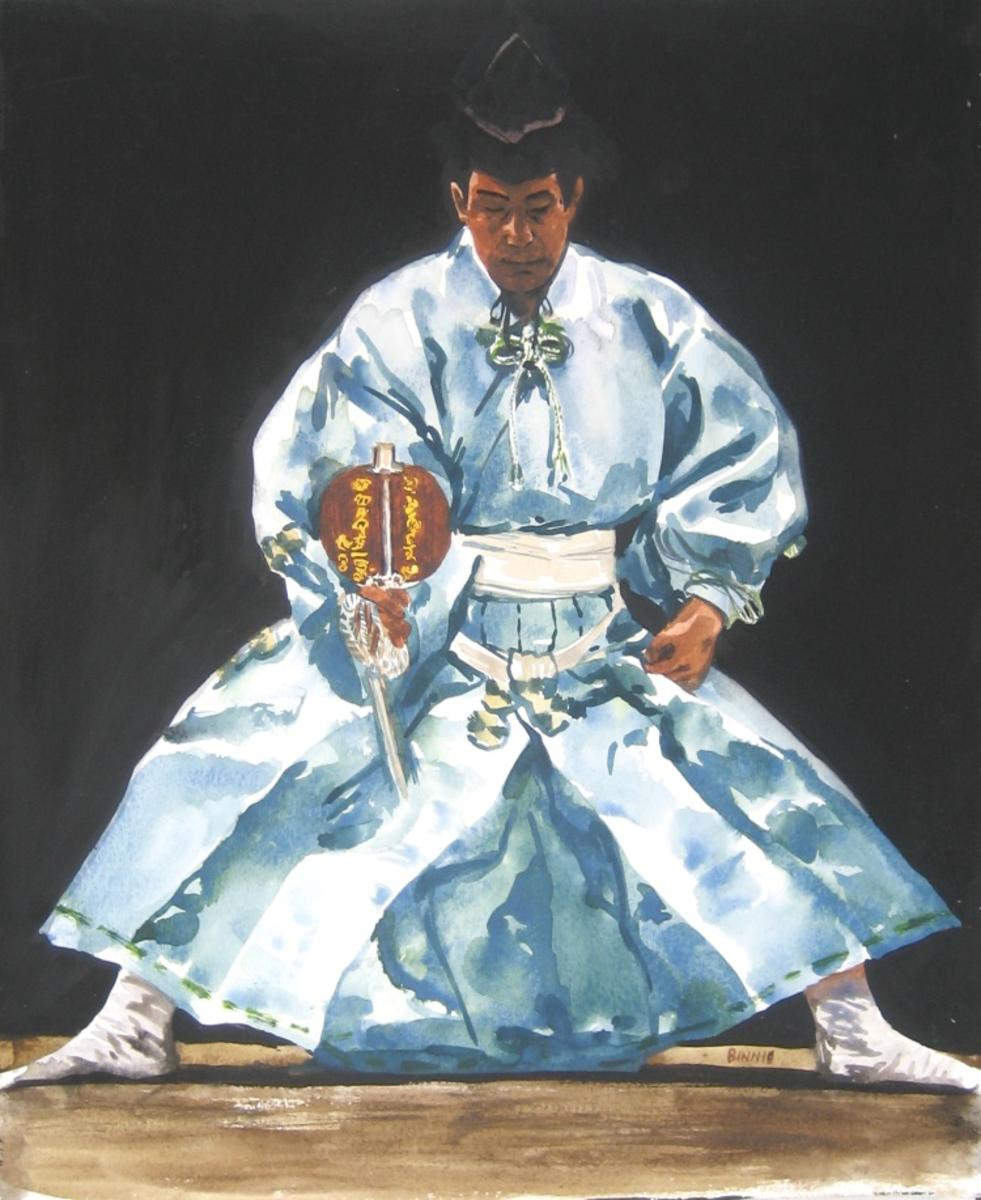
Sumo umpire II
Woodblock print
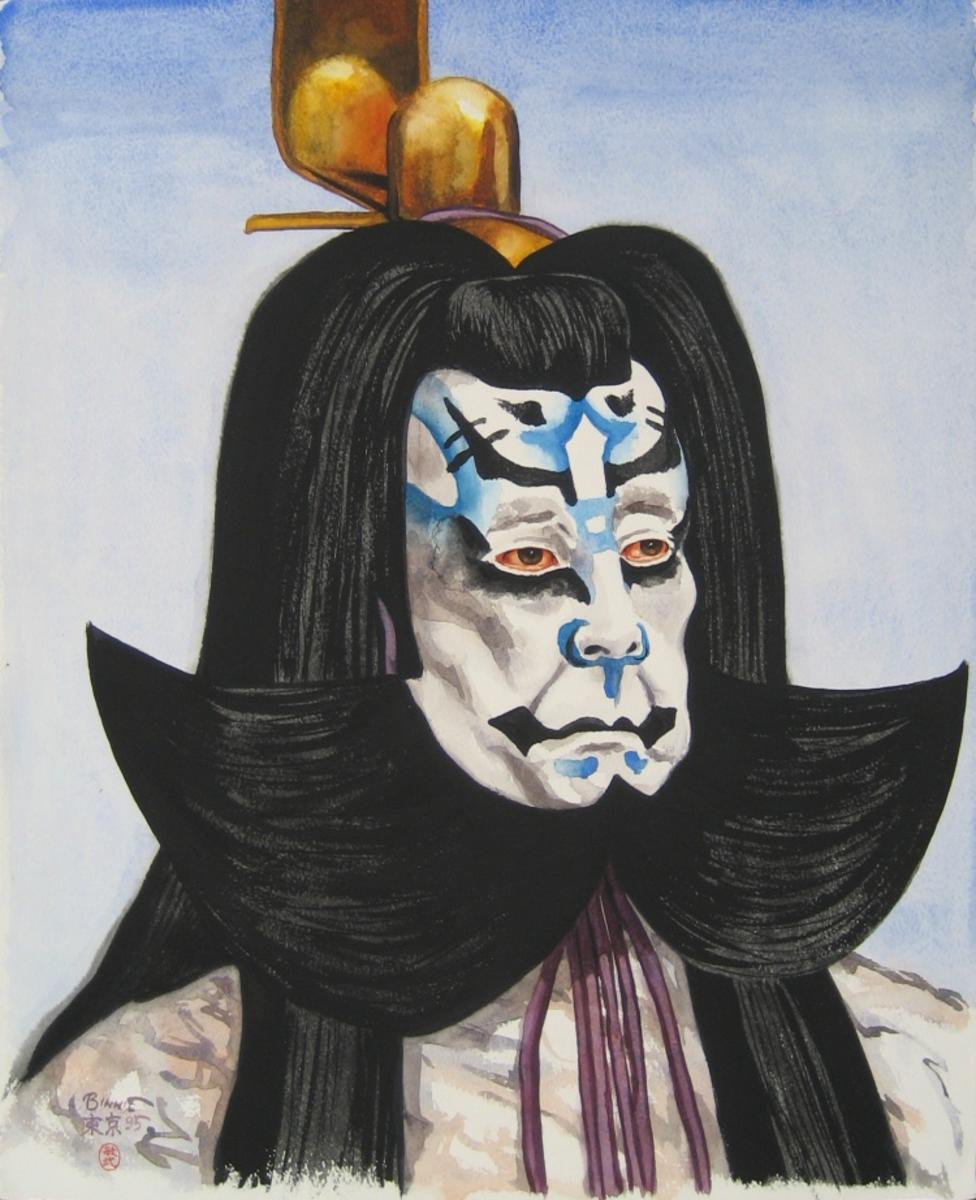
Kitaoka Nizaemon as the villain
Woodblock print
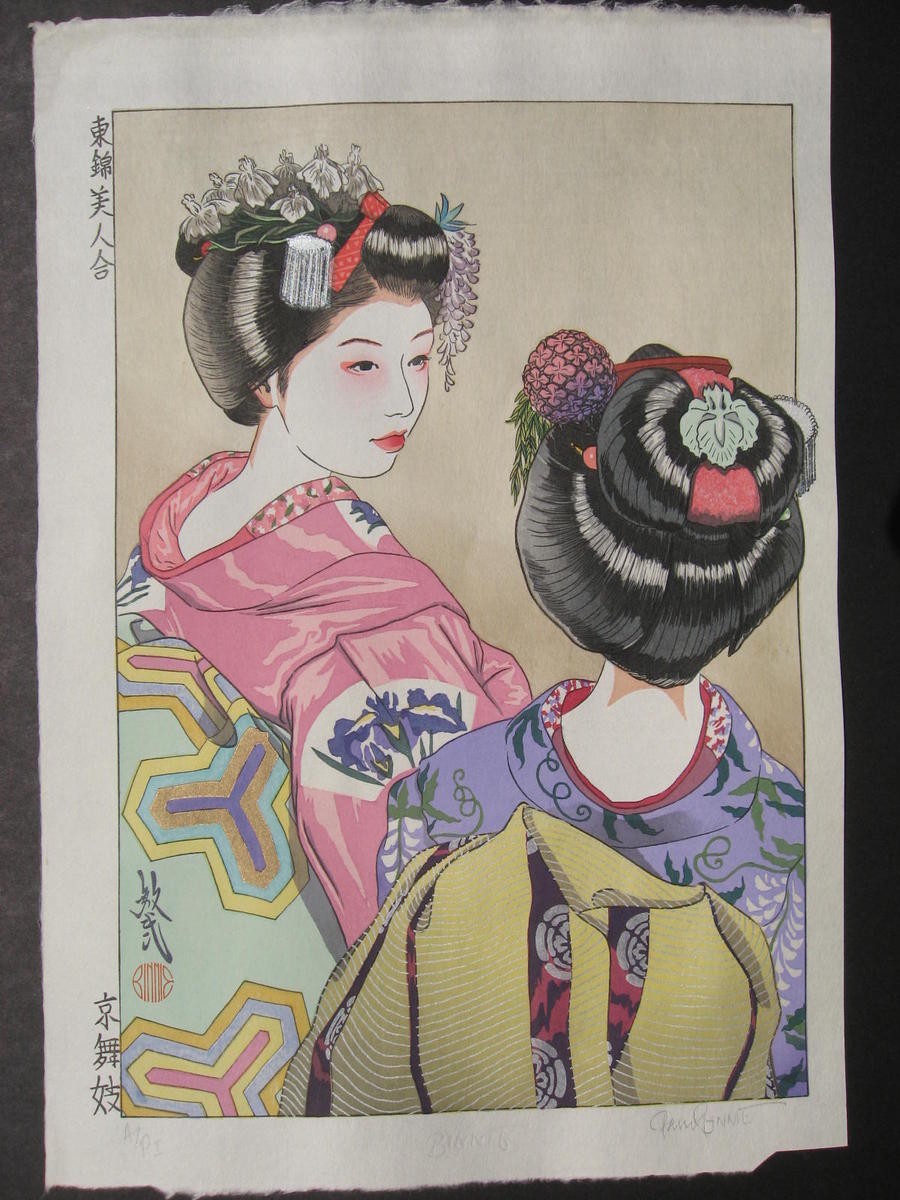
Kyu Maiko
Woodblock print
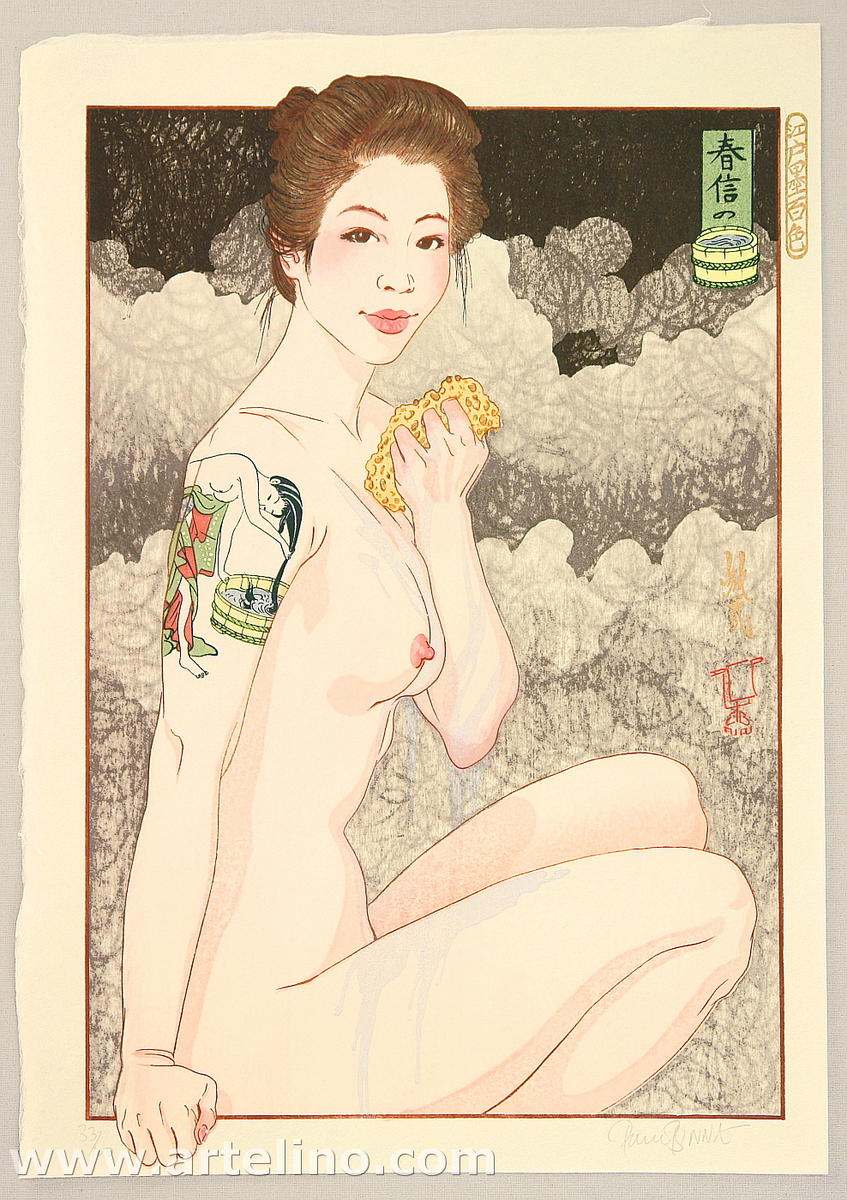
Harunobu's Bathtub
Woodblock print
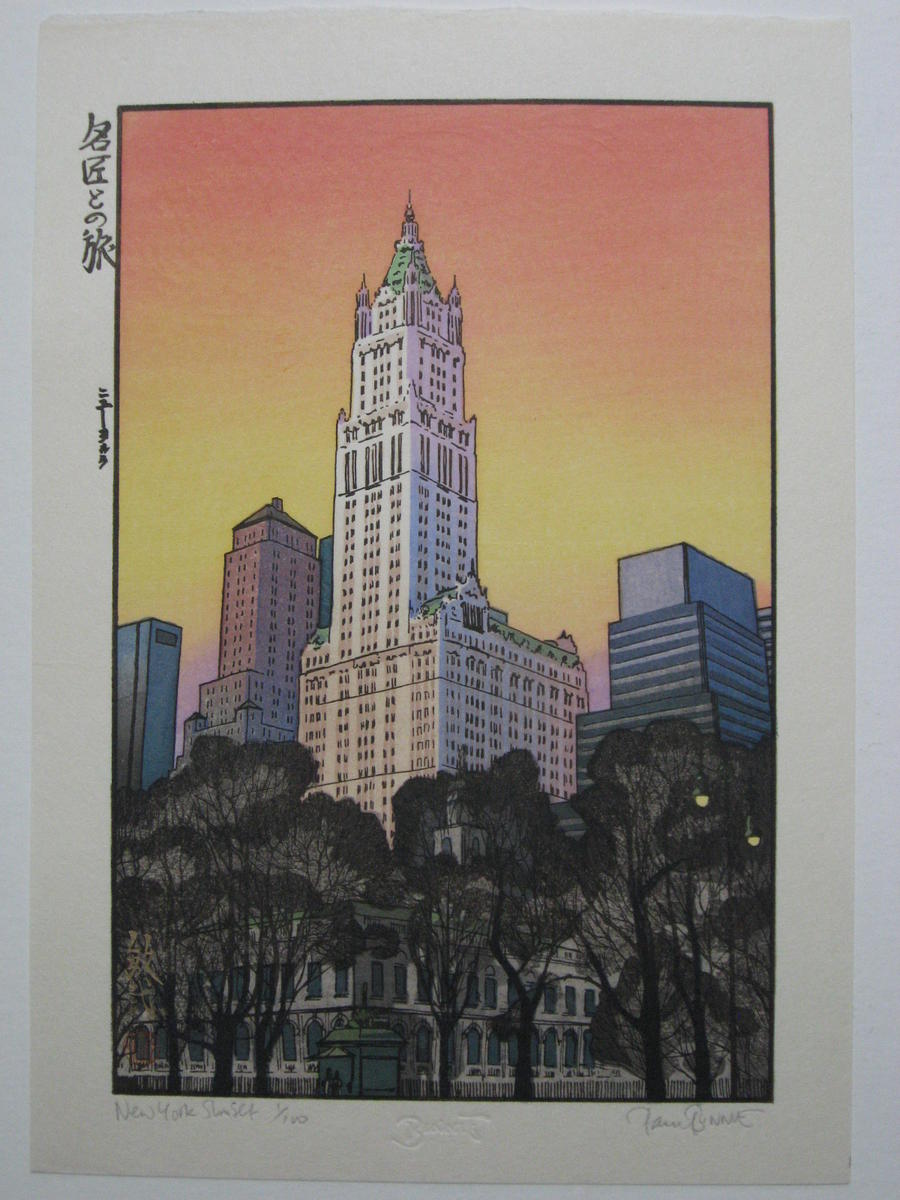
New York Sunset
Woodblock print
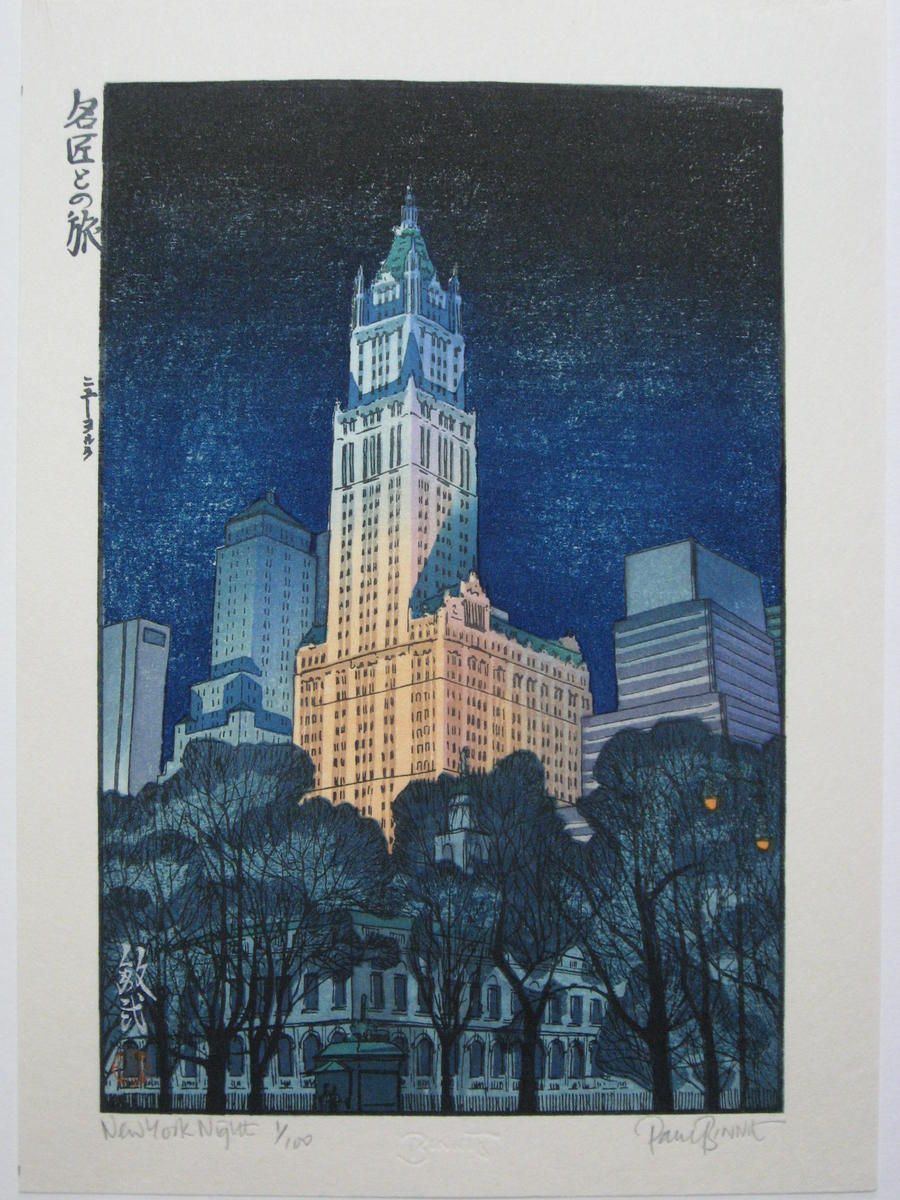
New York Night
Woodblock print
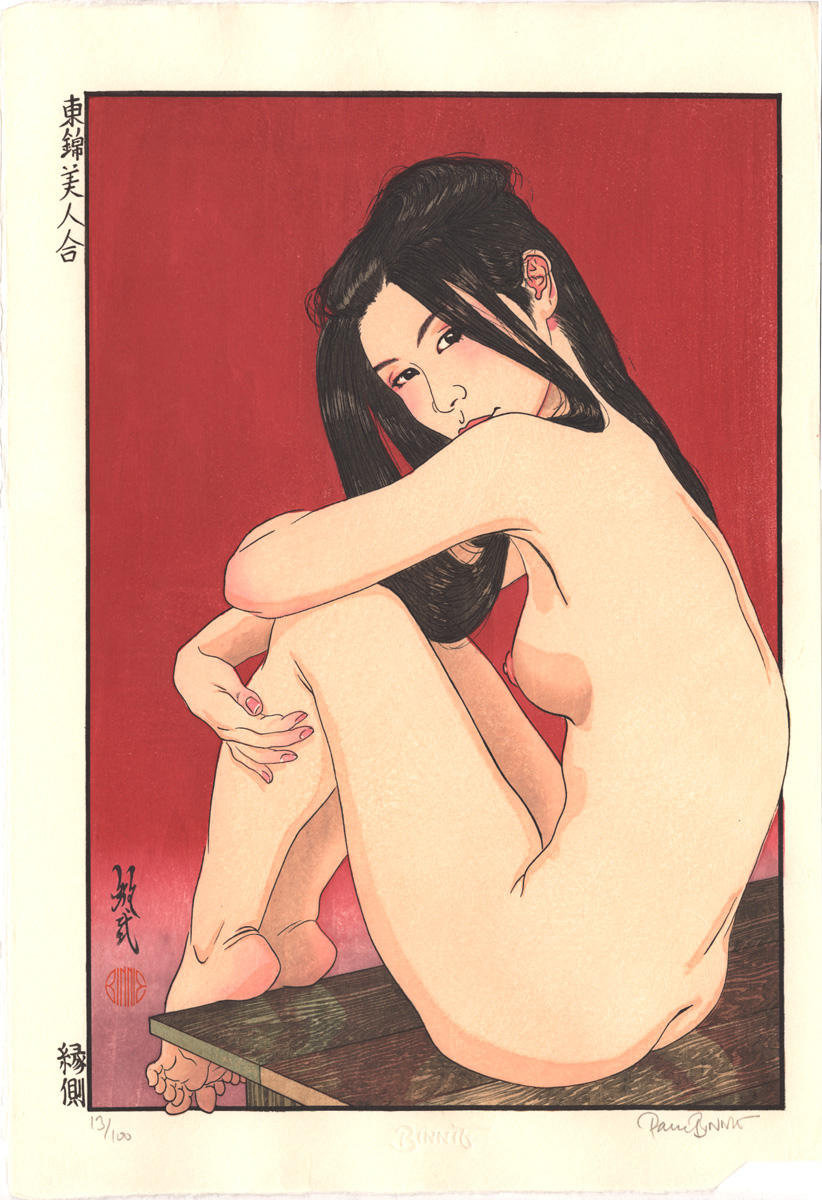
Engawa- Veranda- 2nd edition
Woodblock print

Twilight- drawing — Tasogare
Woodblock print
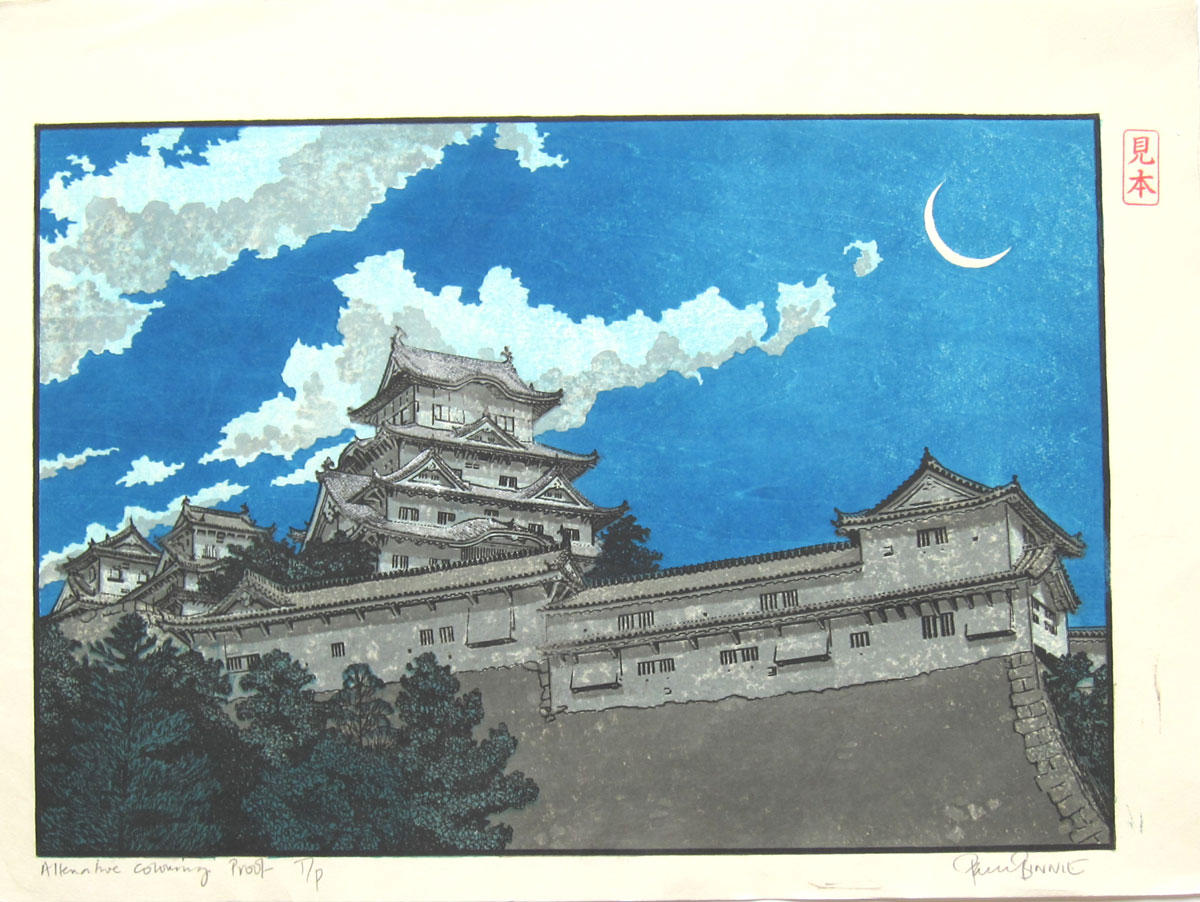
Himeji Castle- proof
Woodblock print
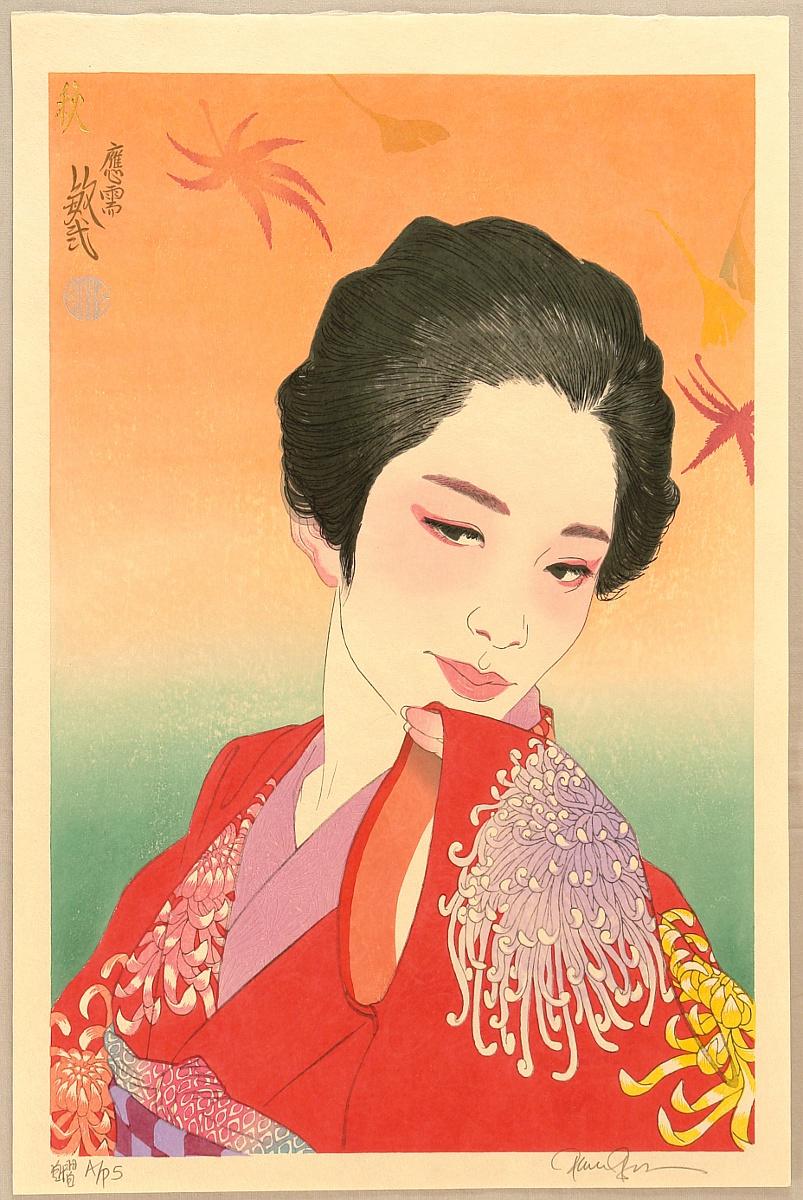
Autumn — 秋
Woodblock print

Sankeien Gardens — 三渓園
Woodblock print
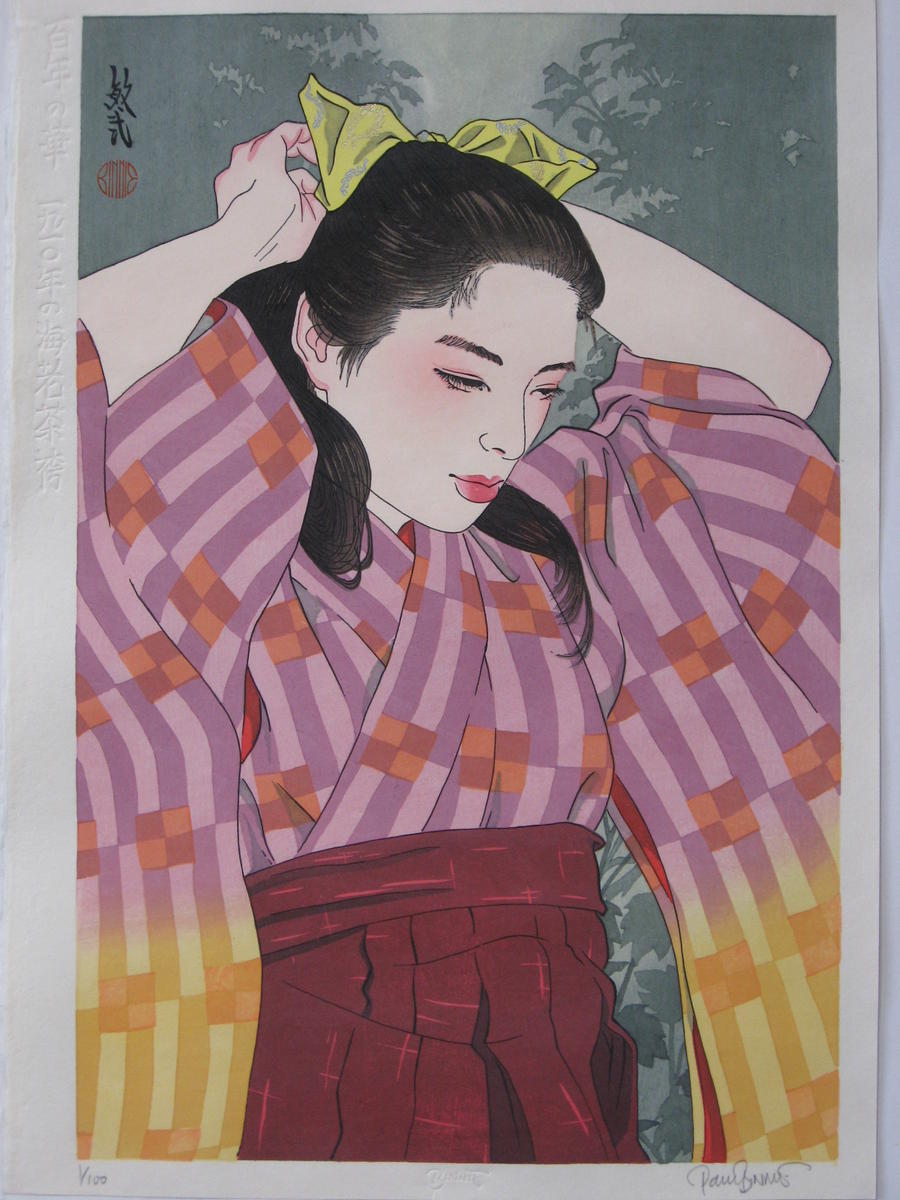
Ebicha Hakama — 海老茶袴
Woodblock print
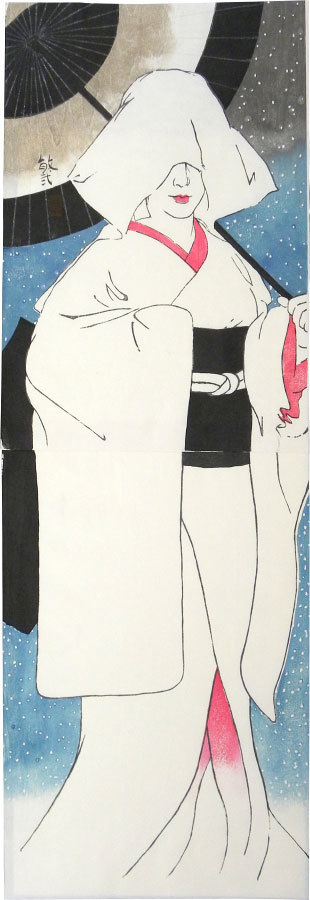
Heron Maiden (Sagi musume)
Woodblock print
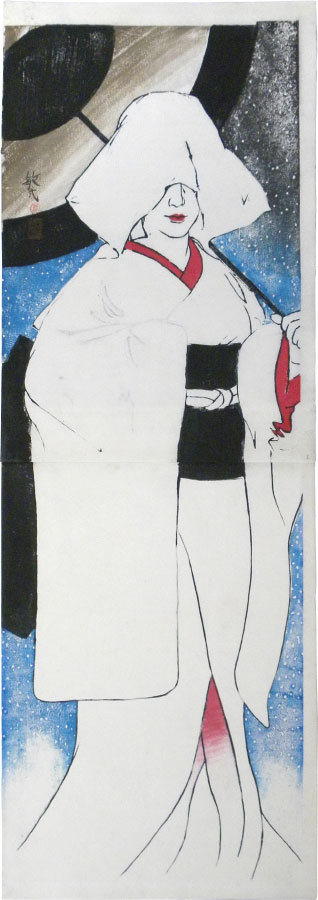
totalCount
Woodblock print
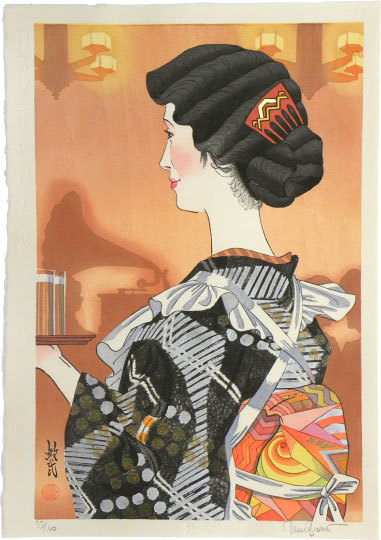
Flowers of a Hundred Years: Café Waitress of 1930 (Hyakunen no Hana: Kafé no Jokyu)
Woodblock print
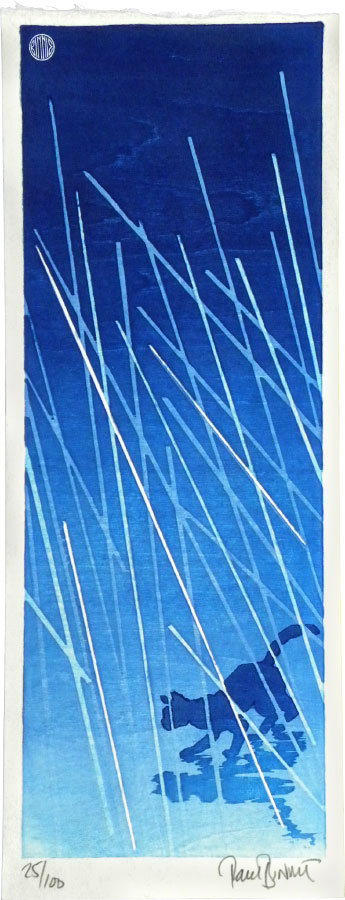
Cat in the Rain (Ame ni Neko)
Woodblock print
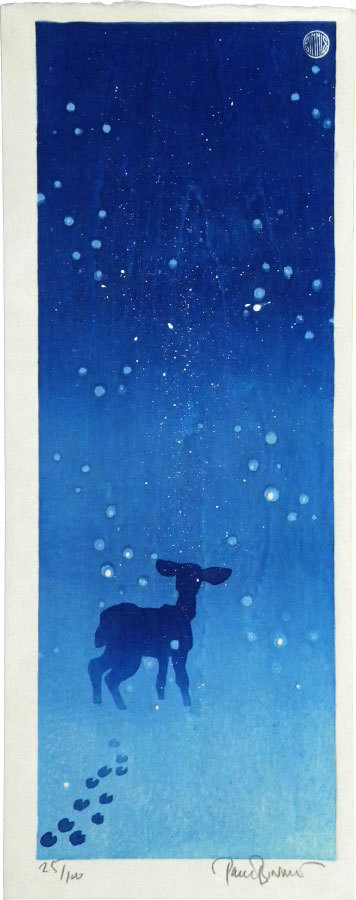
Deer in the Snow (Yuki ni Shika)
Woodblock print
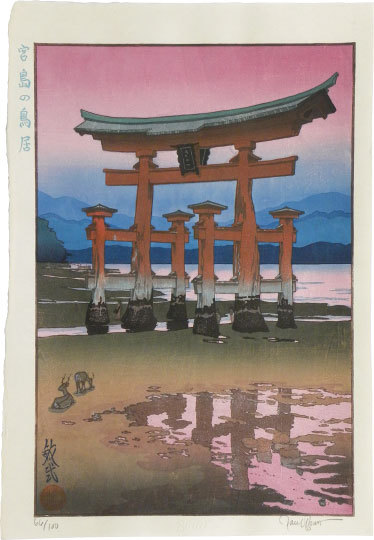
Famous Views of Japan: The Torii Gate at Miyajima (Nihon meisho zu-e: Miyajima no torii)
Woodblock print
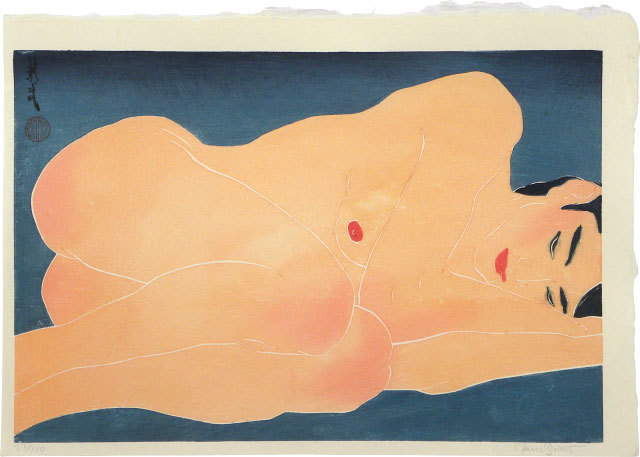
Sleeping Woman (Nemuru onna)
Woodblock print
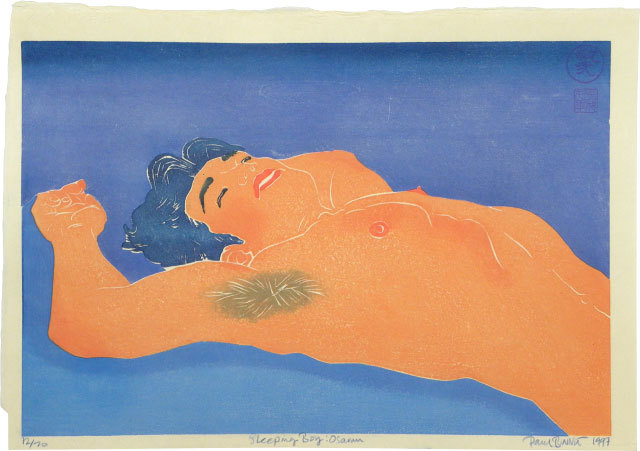
Sleeping Boy: Osamu (Nemuro otoko: Osamu)
Woodblock print
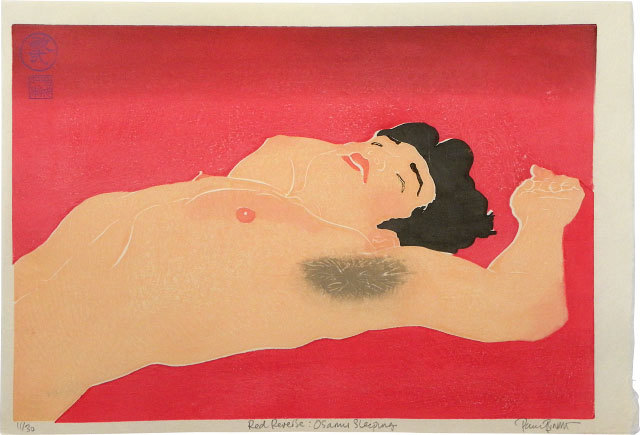
Red Reverse: Osamu Sleeping
Woodblock print
![Flowers of a Hundred Years: A Modern Girl [of 1920] (Hyakunen no Hana: Senkyuhakunijuunen no Moga) by Paul Binnie](https://data.ukiyo-e.org/scholten/images/690574bb534eeb48008c57562d14b274.jpg)
Flowers of a Hundred Years: A Modern Girl [of 1920] (Hyakunen no Hana: Senkyuhakunijuunen no Moga)
Woodblock print
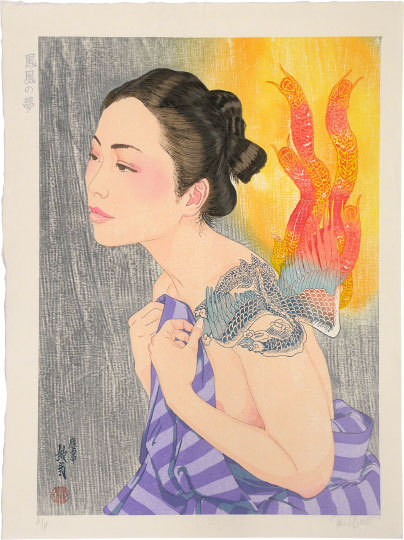
Phoenix Dream (Ho-o no yume)
Woodblock print
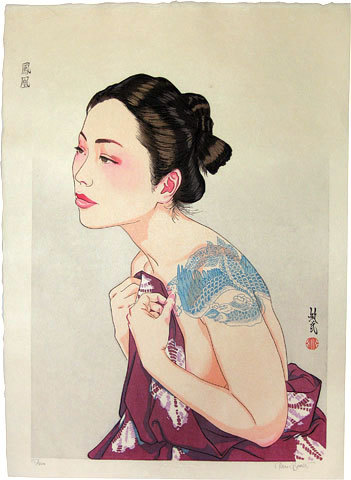
Phoenix (Ho-o)
Woodblock print
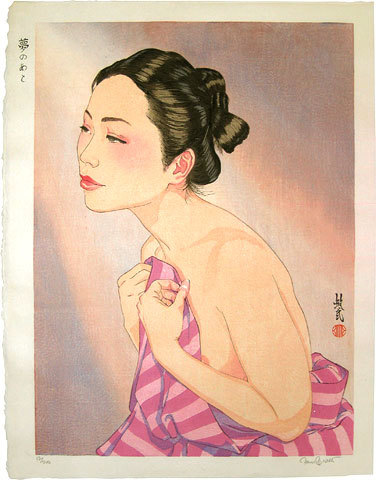
Lingering Dreams (Yume no ato)
Woodblock print
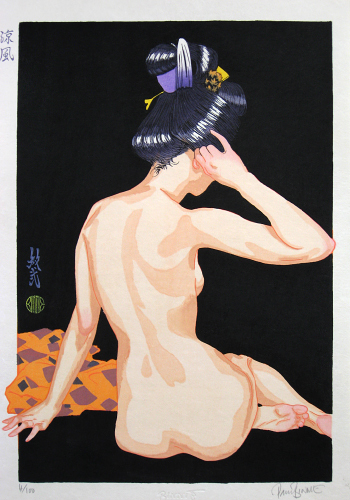
Cool Breeze (Suzukaze)
Woodblock print

A Collection of Eastern Brocade Beauties: First Night (Azuma nishiki bijin awase: Shoya)
Woodblock print

Kyo Maiko original conte drawing
Woodblock print
![Flowers of a Hundred Years: Maroon Hakama [of 1910] (Hyakunen no Hana: Senkyuhakujuunen no Ebicha Hakama) by Paul Binnie](https://data.ukiyo-e.org/scholten/images/285335f6d01f0c19240edc2e924072b3.jpg)
Flowers of a Hundred Years: Maroon Hakama [of 1910] (Hyakunen no Hana: Senkyuhakujuunen no Ebicha Hakama)
Woodblock print
![Flowers of a Hundred Years: A Frontispiece Illustration [of 1900] (Hyakunen no Hana: Senkyuhyaku-nen no Kuchi-e) by Paul Binnie](https://data.ukiyo-e.org/scholten/images/32add46a27aa73ab6f68c7449562327a.jpg)
Flowers of a Hundred Years: A Frontispiece Illustration [of 1900] (Hyakunen no Hana: Senkyuhyaku-nen no Kuchi-e)
Woodblock print

White Cat
Woodblock print

A Hundred Shades of Ink of Edo: Kuniyoshi's Cats (Edo zumi hyaku shoku: Kuniyoshi no neko)
Woodblock print
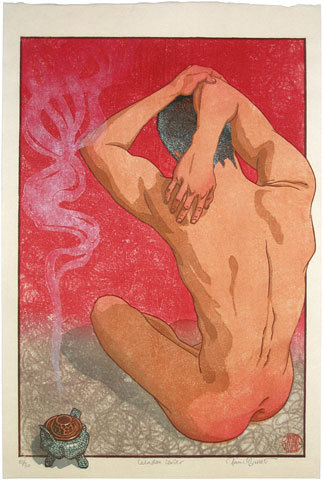
Celadon Censer
Woodblock print
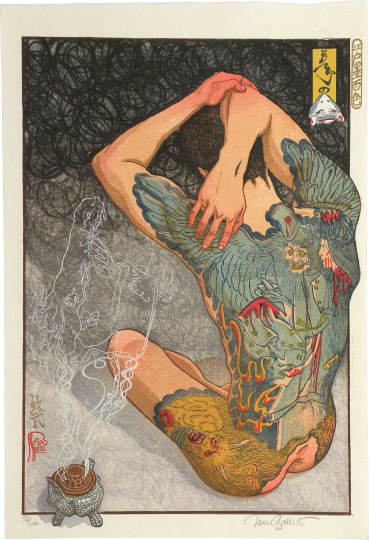
A Hundred Shades of Ink of Edo: Yoshitoshi's Ghosts (Edo zumi hyaku shoku: Yoshitoshi no Bakemono)
Woodblock print
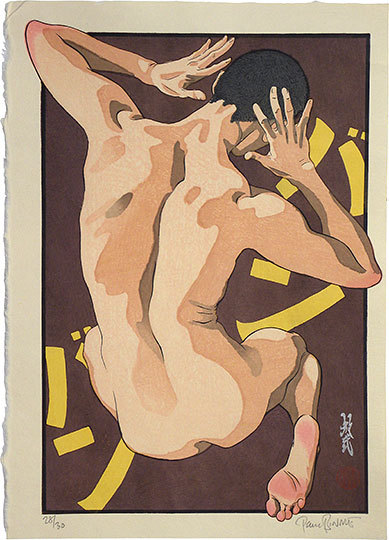
Bang Bang (Ban Ban)
Woodblock print
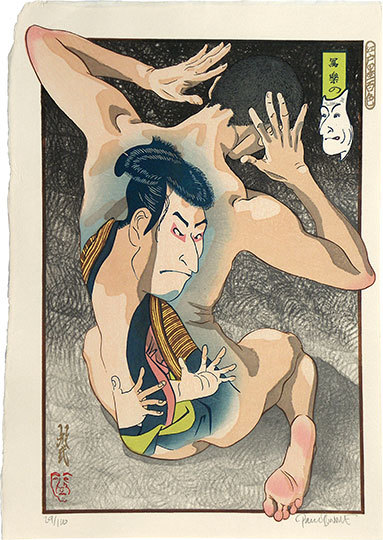
A Hundred Shades of Ink of Edo: Sharaku's Caricatures (Edo zumi hyaku shoku: Sharaku no Giga)
Woodblock print
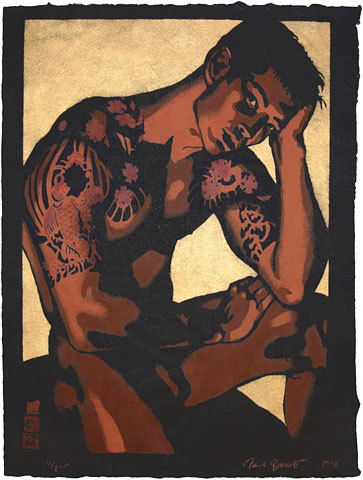
Carp (Koi)
Woodblock print
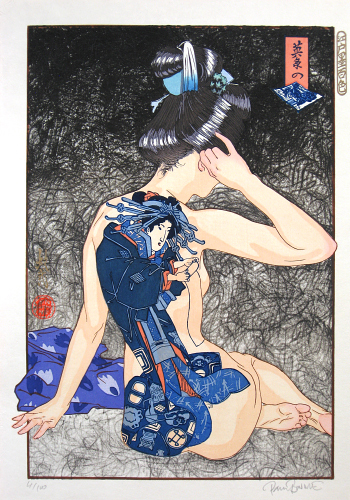
A Hundred Shades of Ink of Edo: Eisen's Blue-Printed Pictures (Edo zumi hyaku shoku: Eisen no Aizuri-e)
Woodblock print
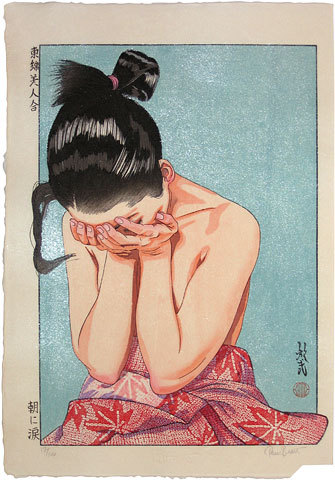
A Collection of Eastern Brocade Beauties: Morning Tears (Azuma nishiki bijin awase: Asa ni Namida)
Woodblock print

Tears (Namida)
Woodblock print
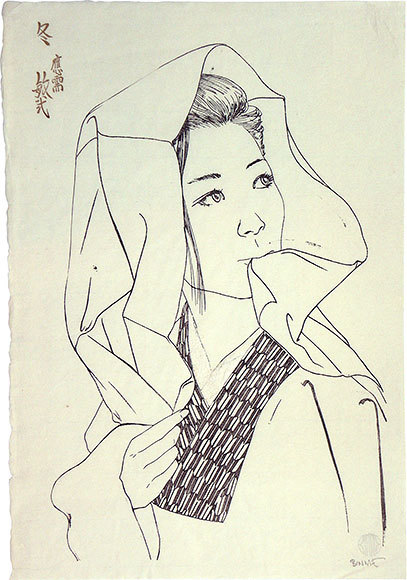
Four Seasons: Winter (Shiki: Fuyu)
Woodblock print
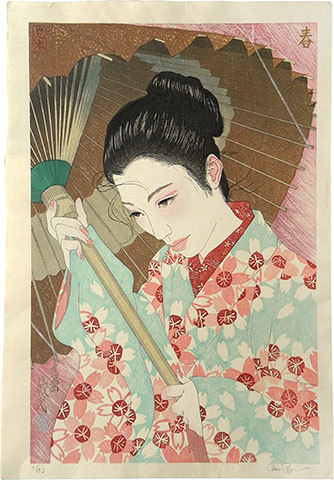
Four Seasons: Spring (Shiki: Haru)
Woodblock print
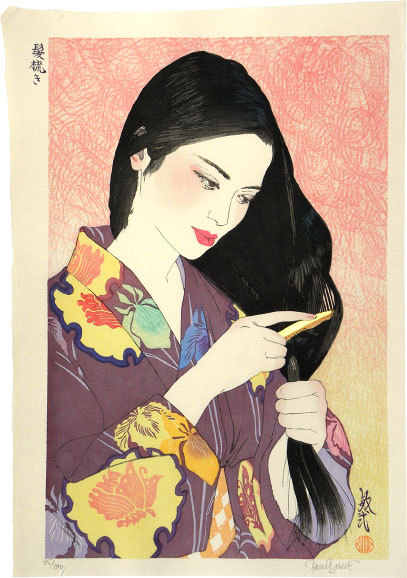
Hair Combing (Kamisuki)
Woodblock print
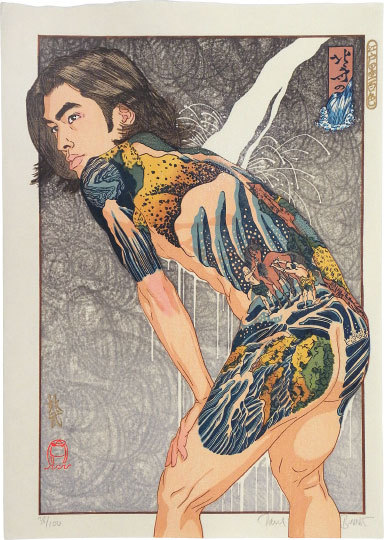
A Hundred Shades of Ink of Edo: Hokusai's Waterfalls (Edo zumi hyaku shoku: Hokusai no Taki)
Woodblock print

Shower
Woodblock print
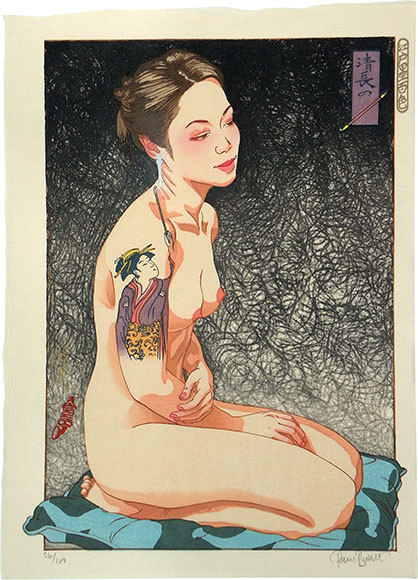
A Hundred Shades of Ink of Edo: Kiyonaga's Pipe (Edo zumi hyaku shoku: Kiyonaga no kiseru)
Woodblock print
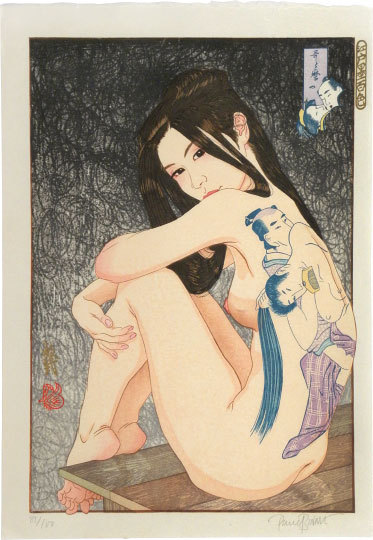
A Hundred Shades of Ink of Edo: Utamaro's Erotica (Edo zumi hyaku shoku: Utamaro no Shunga)
Woodblock print