
Biography
Maki Haku (巻白, 1924–2000), born Maejima Tadaaki, was a Japanese printmaker who pioneered a radically original approach to the woodblock medium, creating abstract compositions that incorporated cement, embossing, and mixed media techniques to produce prints of striking three-dimensional texture and meditative power. His work pushed the boundaries of what could be achieved within the printmaking tradition, establishing him as one of the most innovative and internationally celebrated artists of the sosaku-hanga movement.
Born on October 5, 1924, in Ibaraki Prefecture, northeast of Tokyo, Maejima Tadaaki (he adopted the art name Maki Haku in the 1960s) grew up during a period of intense cultural ferment in Japan. He studied painting and printmaking in Tokyo and began exhibiting in the late 1940s, initially working in a figurative style influenced by European modernism. However, through the 1950s he moved steadily toward abstraction, a trajectory shared by many Japanese artists of his generation who were absorbing the lessons of Abstract Expressionism, Art Informel, and other international avant-garde movements while seeking to ground their work in distinctly Japanese aesthetic traditions.
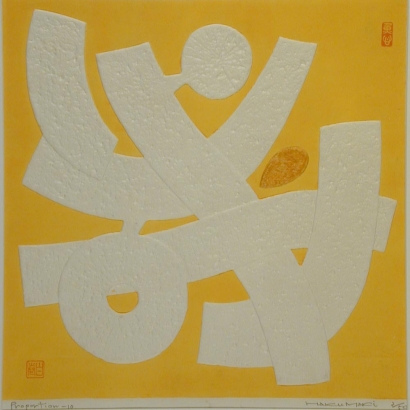
The breakthrough that defined Maki Haku's mature style came in the early 1960s, when he began experimenting with cement and plaster as printmaking materials. He developed a technique in which he applied cement or plaster to woodblocks, creating raised surfaces that could be inked and printed to produce deeply embossed, textured impressions on paper. This innovation allowed him to create prints with a sculptural quality unprecedented in the woodblock medium — works that existed in a borderland between two and three dimensions, their surfaces rising and falling in ridges and depressions that caught light and cast shadows.
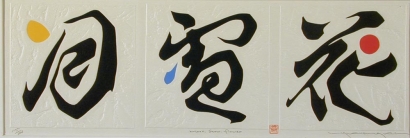
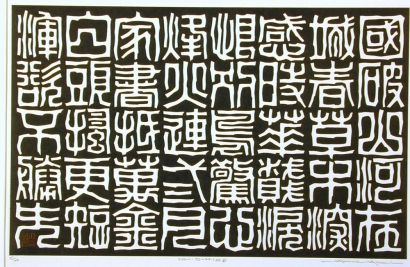
His mature prints are characterized by their austere, contemplative beauty. Working primarily in a palette of whites, grays, blacks, and muted earth tones — occasionally punctuated by a single area of subdued color — Maki Haku created compositions that evoke the meditative stillness of Zen gardens, the weathered surfaces of ancient temple walls, and the abstract patterns found in natural rock formations. Many of his works incorporate calligraphic elements, with single Japanese or Chinese characters carved into the cement surface and printed in relief, their ancient forms becoming abstract design elements as much as linguistic symbols.
The "Poem" series, which occupied Maki Haku for much of his career, is perhaps his most celebrated body of work. In these prints, individual kanji characters — often drawn from classical Japanese and Chinese poetry — float within fields of textured white or gray, their forms simultaneously legible as writing and appreciable as pure abstract shapes. The series demonstrated Maki Haku's ability to bridge Eastern calligraphic tradition and Western abstract art, creating works that spoke to audiences in both cultures.
Maki Haku achieved significant international success from the 1960s onward. He exhibited widely in the United States, Europe, and Asia, winning prizes at major international print exhibitions. His work was acquired by the Museum of Modern Art in New York, the Smithsonian Institution, the British Museum, the National Museum of Modern Art in Tokyo, and numerous other institutions. American and European collectors were particularly drawn to the contemplative quality of his prints, which seemed to offer a visual analogue to the Zen philosophy that was attracting growing Western interest during this period.
Despite his international orientation, Maki Haku remained deeply connected to Japanese aesthetic traditions. His use of washi (handmade Japanese paper) was integral to his technique — the absorbent, fibrous quality of traditional paper was essential for receiving the deep embossed impressions created by his cement-and-wood blocks. He also drew inspiration from Japanese calligraphy, garden design, and the aesthetic of wabi-sabi, the appreciation of beauty in imperfection and impermanence.
Maki Haku continued working productively throughout the 1980s and 1990s, refining his technique and exploring new variations within his established aesthetic framework. He died in 2000 at the age of seventy-five, leaving behind a body of work that expanded the definition of what a woodblock print could be. His influence is visible in subsequent generations of printmakers who have continued to explore the sculptural and textural possibilities of the print medium.
Key Facts
- Active Period
- 1924–2000
- Nationality
- 🇯🇵Japan
- Movement
- Sōsaku-hanga
- Works Indexed
- 140
Frequently Asked Questions
What is Maki Haku known for?
Maki Haku (巻白, 1924–2000), born Maejima Tadaaki, was a Japanese printmaker who pioneered a radically original approach to the woodblock medium, creating abstract compositions that incorporated cement, embossing, and mixed media techniques to produce prints of striking three-dimensional texture and meditative power. His work pushed the boundaries of what could be achieved within the printmaking tradition, establishing him as one of the most innovative and internationally celebrated artists of the sosaku-hanga movement.
When was Maki Haku active?
Maki Haku was active from 1924 to 2000. They were associated with the Sōsaku-hanga movement.
What artistic movements influenced Maki Haku?
Maki Haku's work was shaped by the Sōsaku-hanga tradition in Japanese woodblock printmaking. Sōsaku-hanga: The "creative prints" movement (c.
Where can I see Maki Haku's original prints?
Original prints by Maki Haku can be found in collections including Art Institute of Chicago, Harvard Art Museums, wbp, robynbuntin.
How much do Maki Haku prints cost?
Maki Haku is widely collected for his distinctive abstract prints that incorporate cement, embossing, and calligraphic elements. His work appeals to collectors of both Japanese prints and Western abstract art, giving him a broad market. Most prints sell in the $800-$3,000 range, making him a moderately priced sosaku-hanga artist. His prints are produced in numbered editions of 50 to 150, signed in pencil. The 'Poem' series, featuring individual kanji characters within textured white or gray fields, is the most recognized and collected body of work. Because his technique relies heavily on embossing and raised cement surfaces, condition is critical — prints with flattened or damaged embossing are significantly less valuable than crisp, well-preserved examples. Small prints or later works: $300-$700. Mid-career 'Poem' series prints: $1,500-$3,000. Large-format exhibition pieces from the 1960s-1970s: $4,000-$12,000. Maki Haku's market benefits from strong demand in both Japan and the West, and his prints appear regularly at auction. His meditative, Zen-influenced aesthetic has proven enduringly attractive to collectors.
Woodblock Prints by Maki Haku (140)
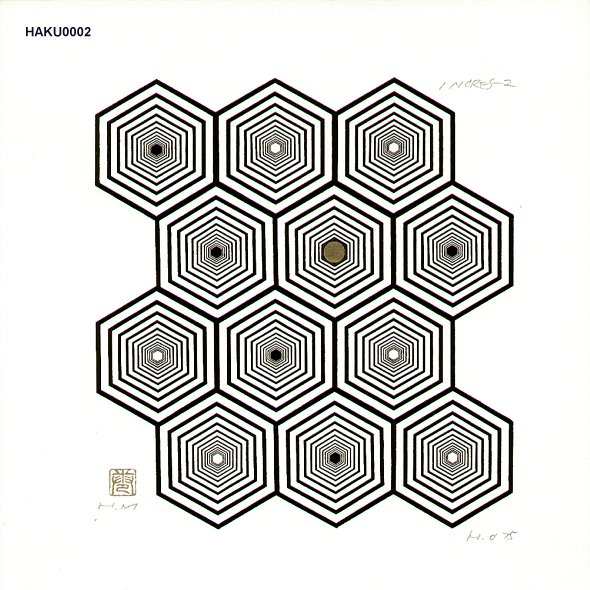
Incres-2
Woodblock print
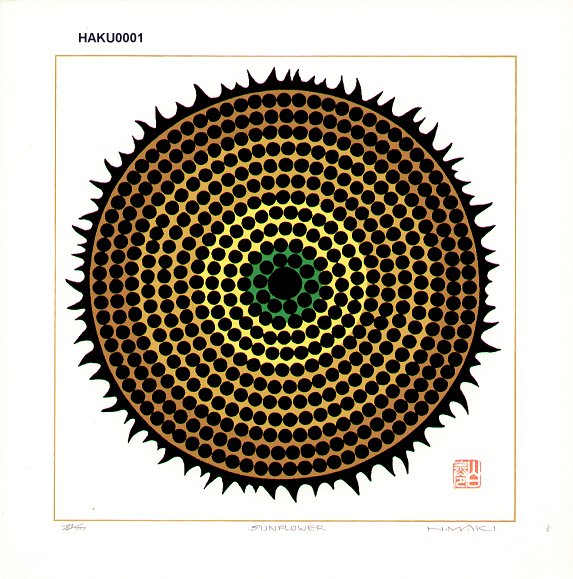
Sunflower
Woodblock print
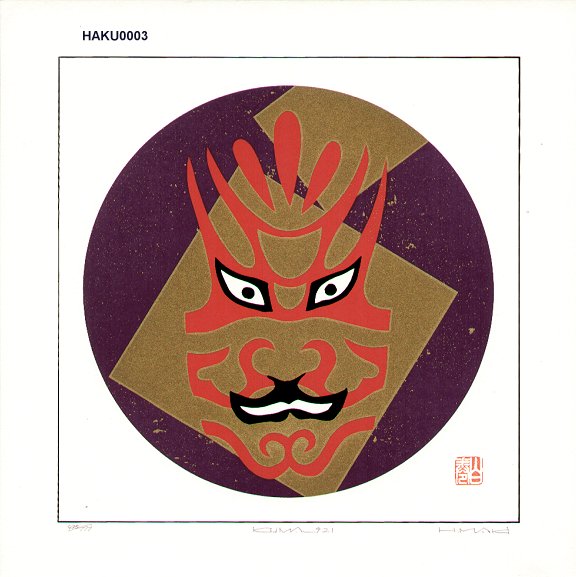
Kuma 921
Woodblock print
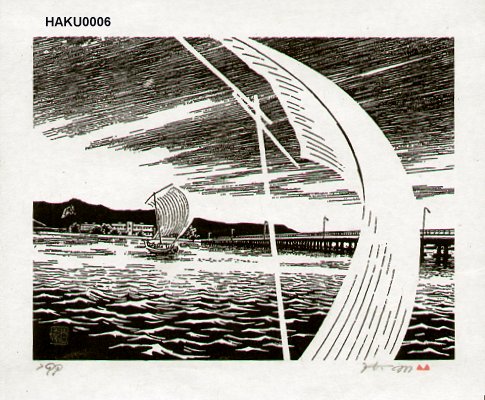
Sail boats
Woodblock print
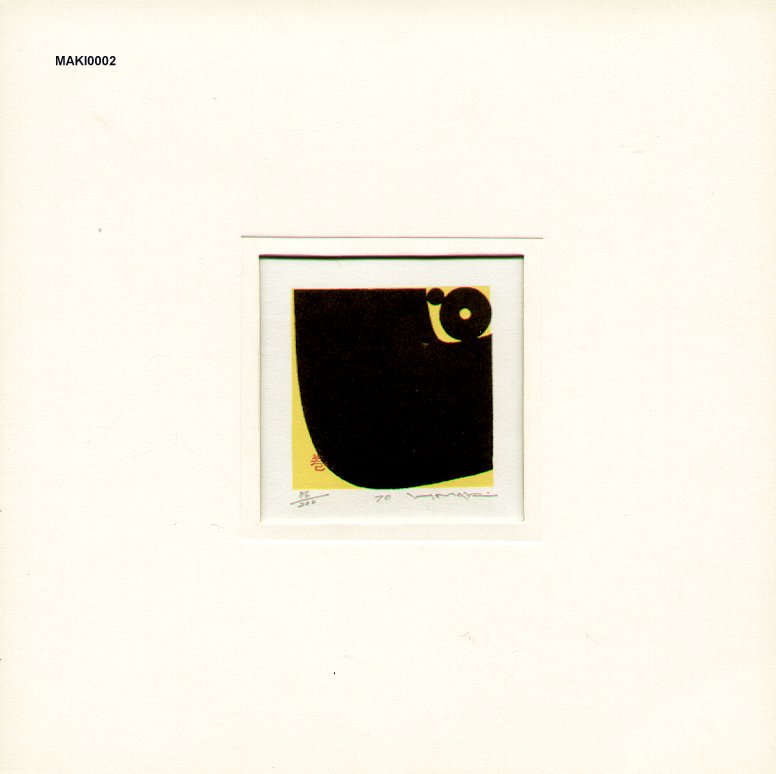
Number 70
Woodblock print
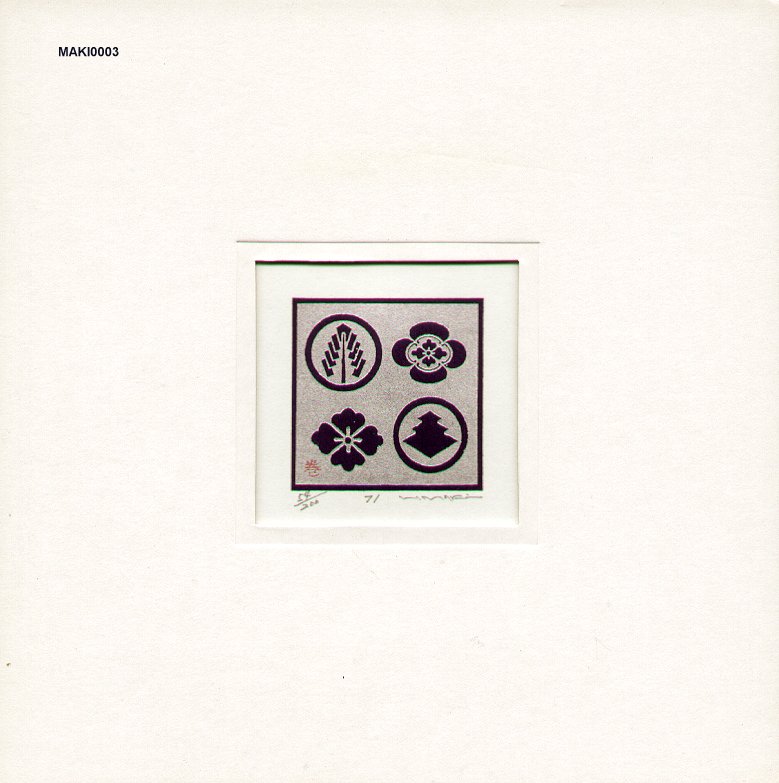
Number 71
Woodblock print
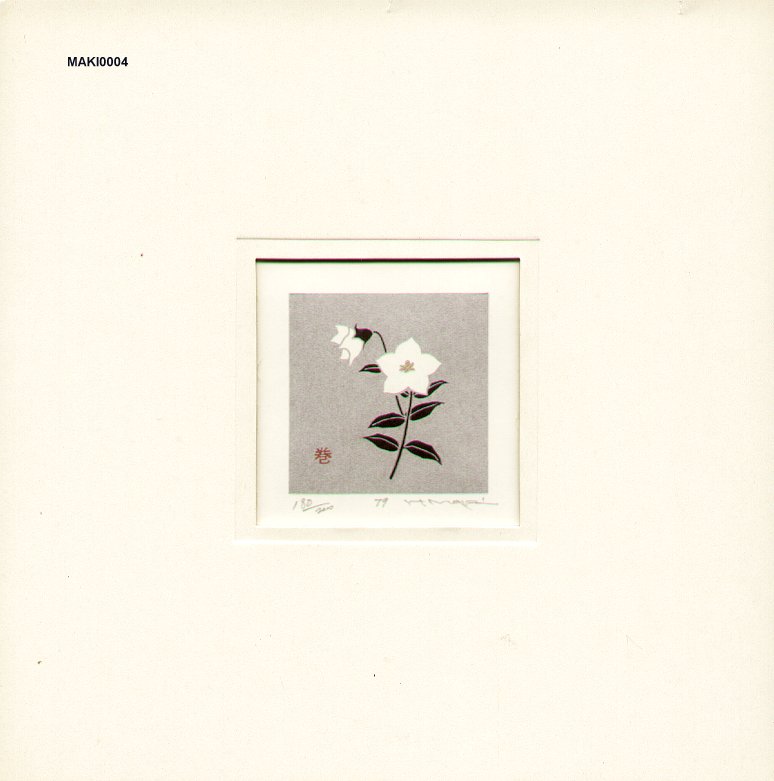
Number 79
Woodblock print
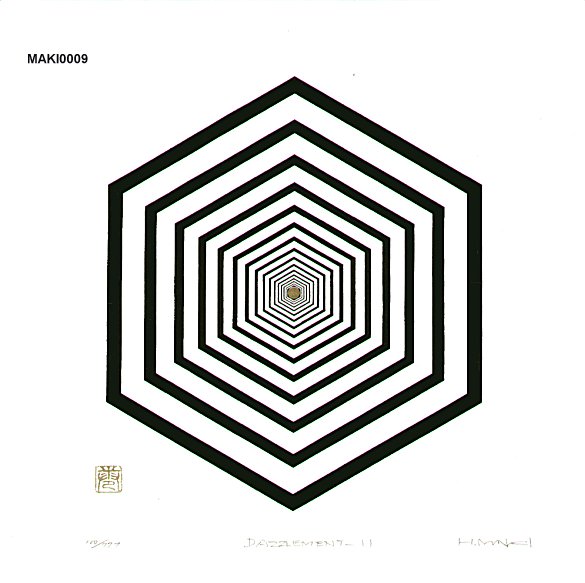
Dazzlement-11
Woodblock print
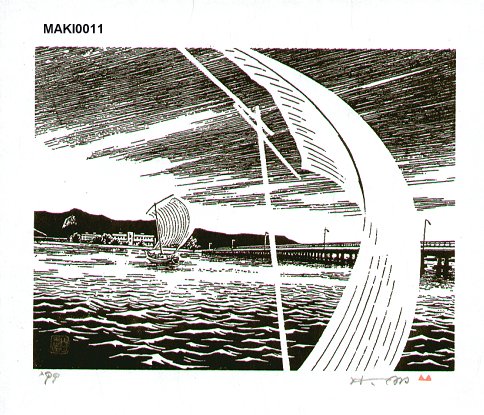
Sailboat
Woodblock print
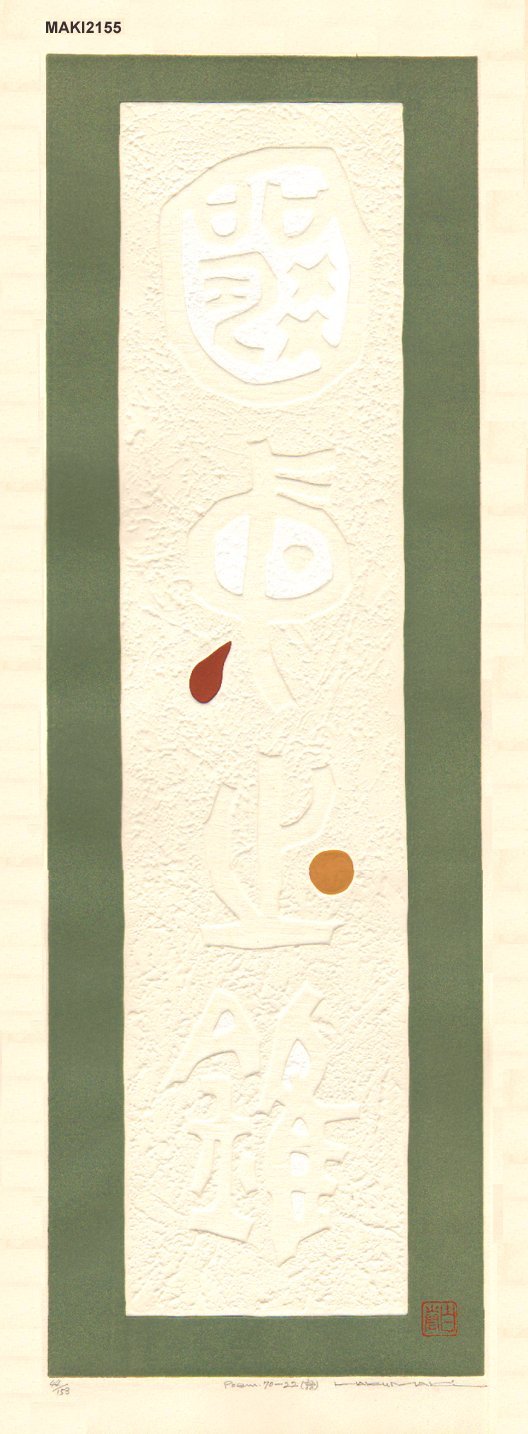
Poem 70-22 (Language)
Woodblock print
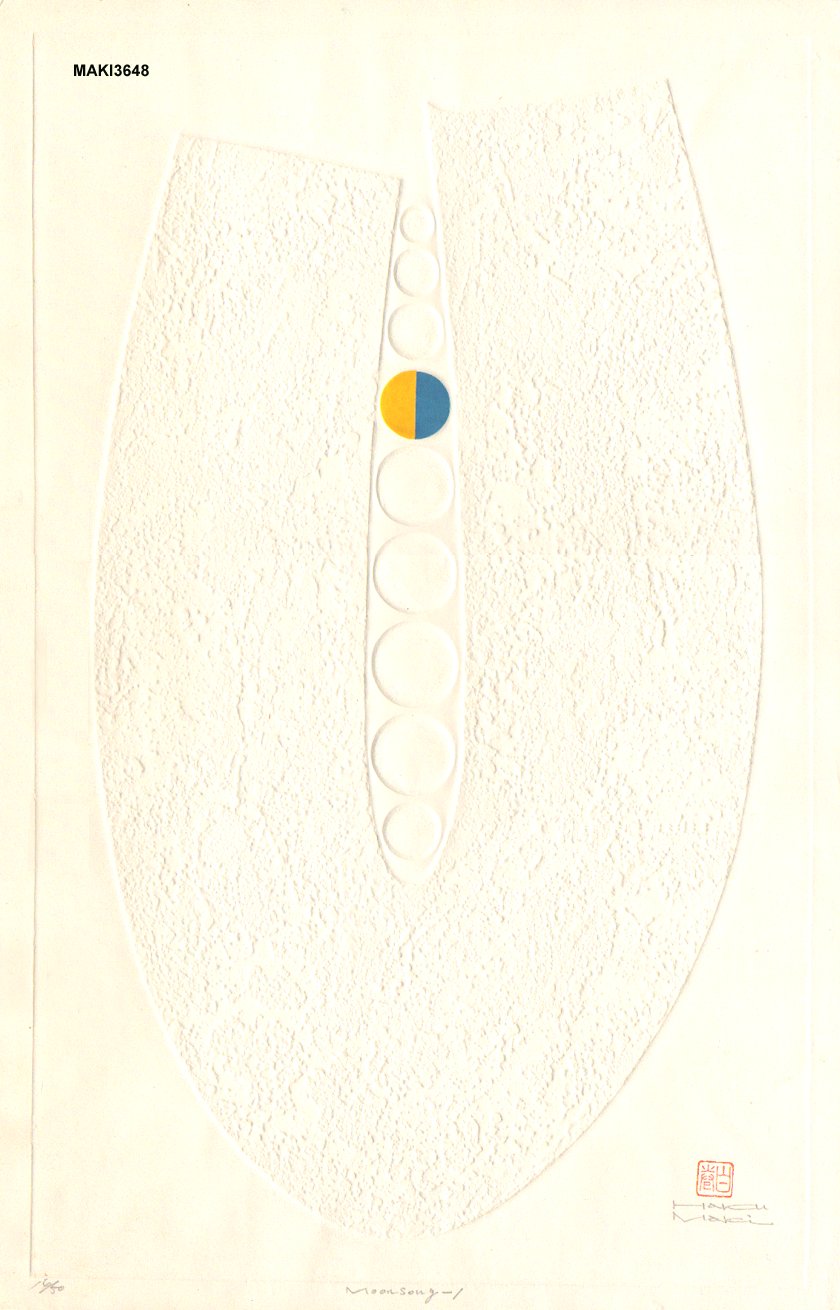
Moonsong-1
Woodblock print
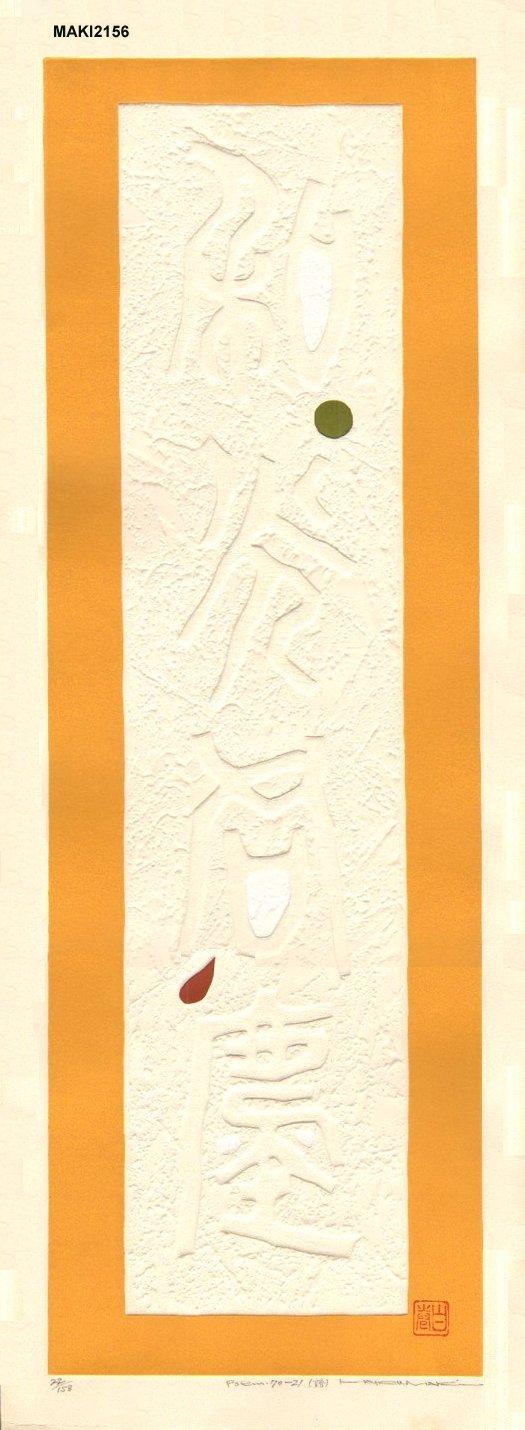
Poem 70-21 (Language)
Woodblock print
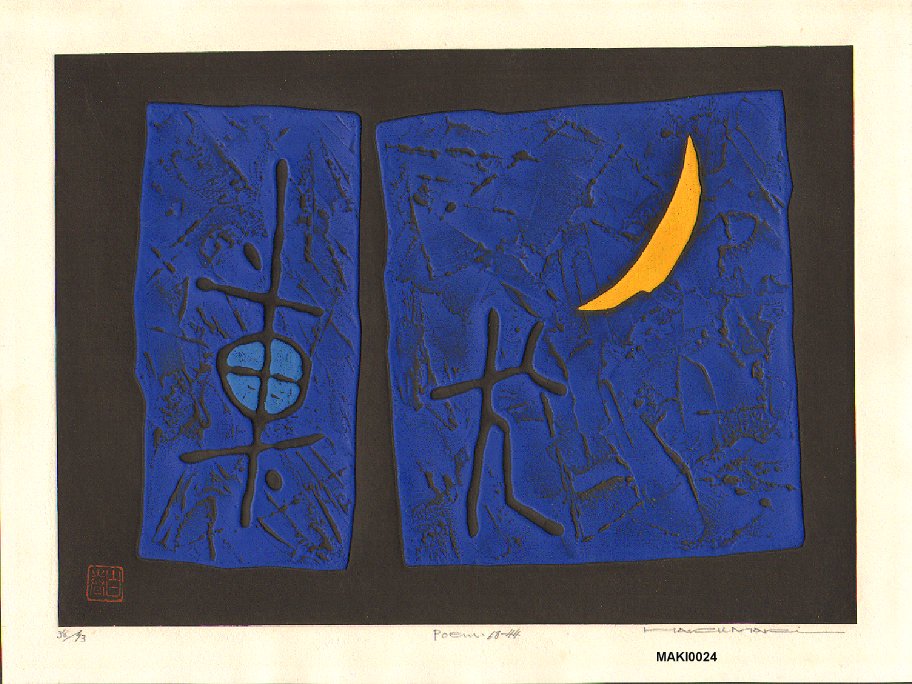
Poem 68-44
Woodblock print
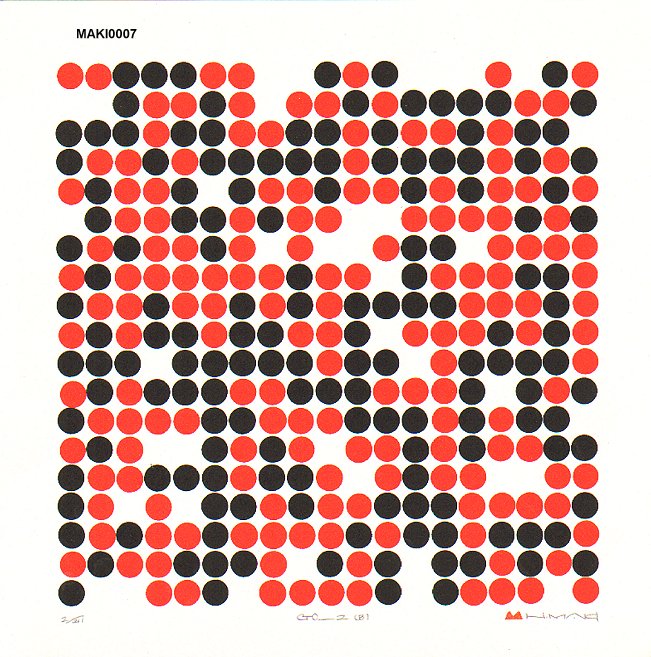
Go 2(B)
Woodblock print

Poem 71-55
Woodblock print
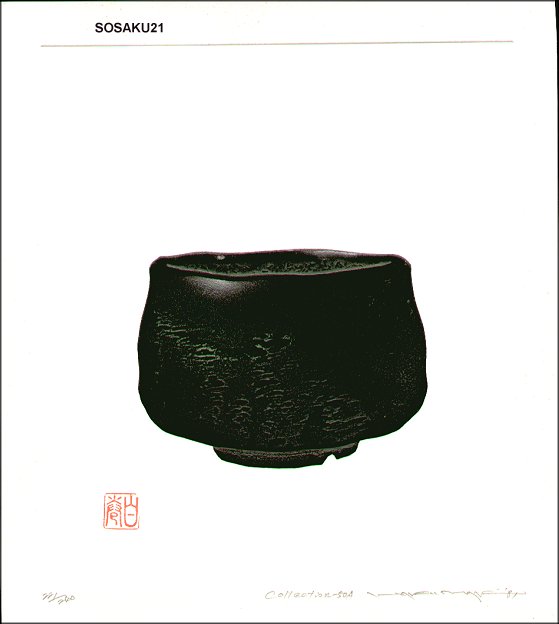
Collection 50A
Woodblock print
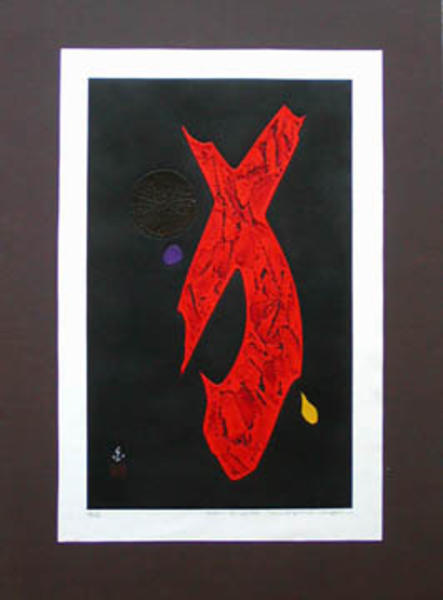
Untitled (maki-haku)
Woodblock print
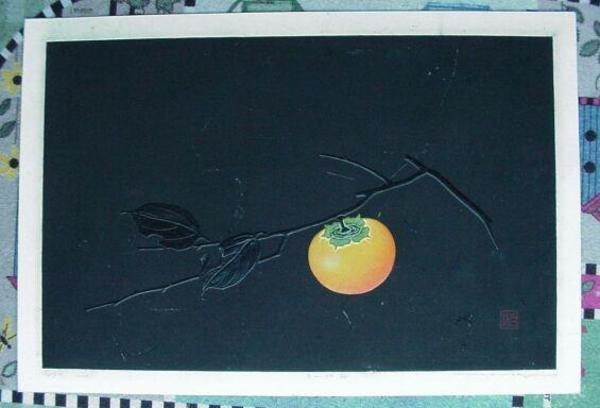
Untitled (maki-haku)
Woodblock print
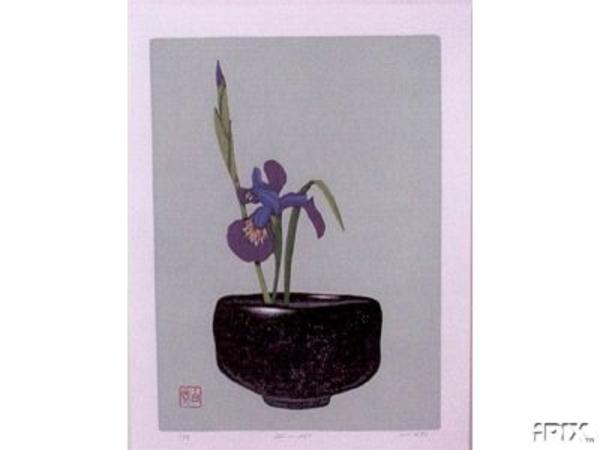
Untitled (maki-haku)
Woodblock print
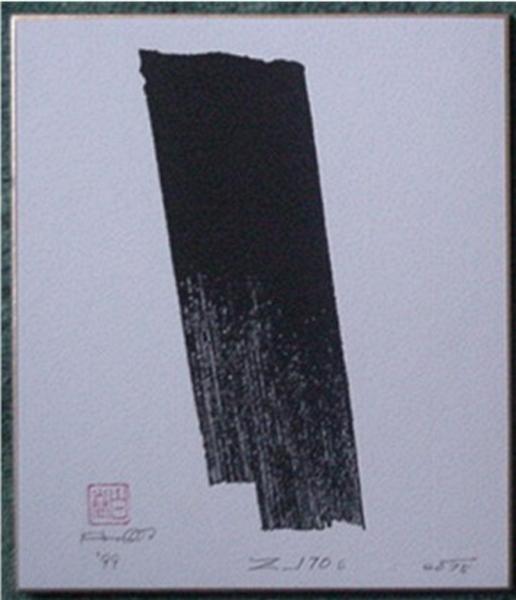
Untitled (maki-haku)
Woodblock print
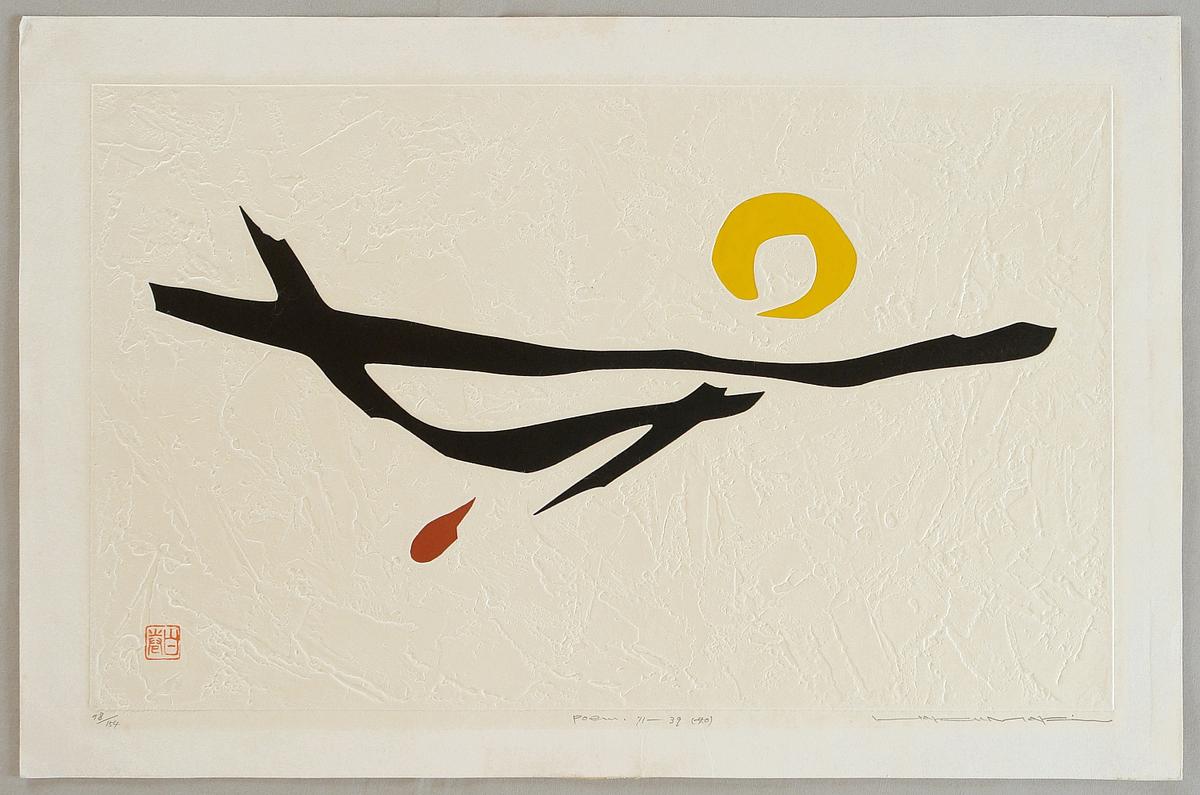
Untitled (maki-haku)
Woodblock print

Untitled (maki-haku)
Woodblock print
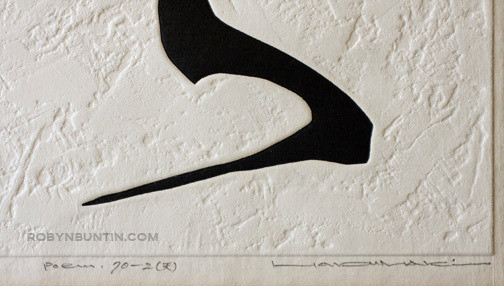
Untitled (maki-haku)
Woodblock print
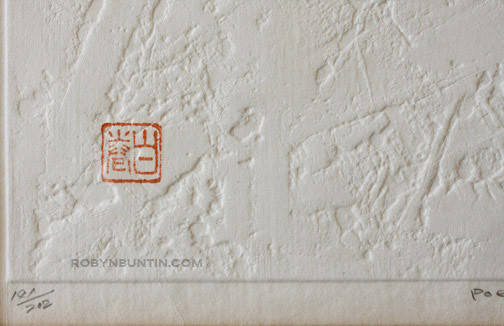
Untitled (maki-haku)
Woodblock print
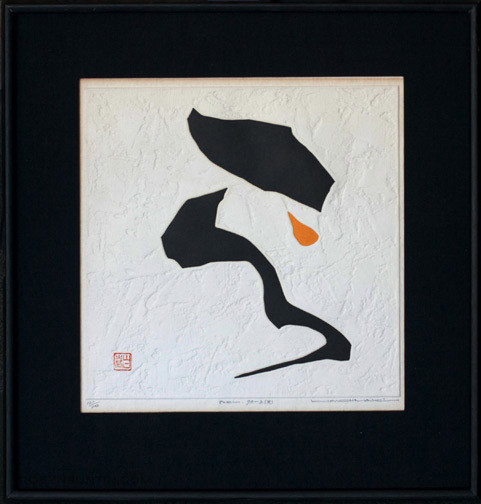
Untitled (maki-haku)
Woodblock print
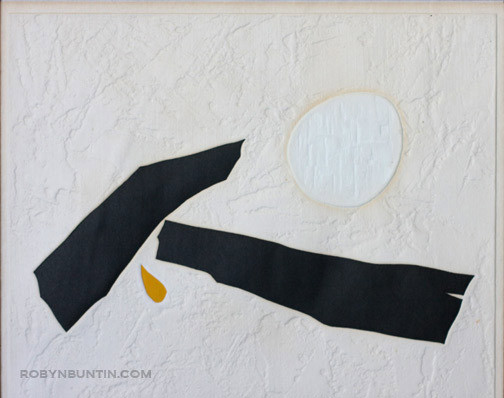
Untitled (maki-haku)
Woodblock print
Untitled (maki-haku)
Woodblock print
Untitled (maki-haku)
Woodblock print
Untitled (maki-haku)
Woodblock print
Untitled (maki-haku)
Woodblock print
Untitled (maki-haku)
Woodblock print
Untitled (maki-haku)
Woodblock print
Untitled (maki-haku)
Woodblock print
Untitled (maki-haku)
Woodblock print
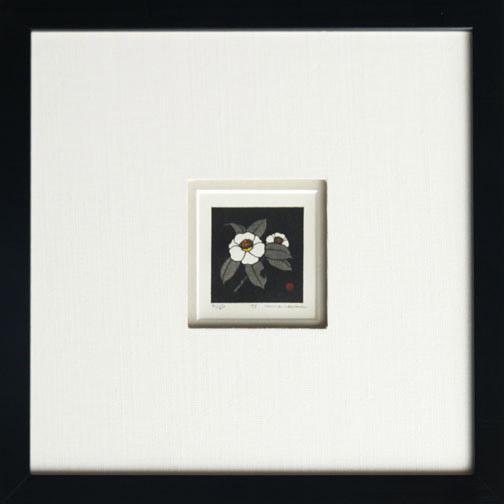
Untitled (maki-haku)
Woodblock print
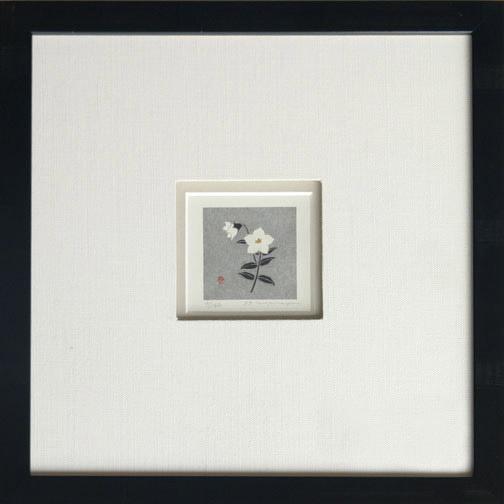
Untitled (maki-haku)
Woodblock print
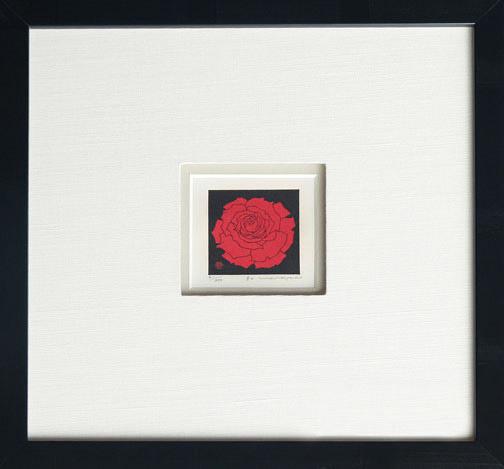
Untitled (maki-haku)
Woodblock print
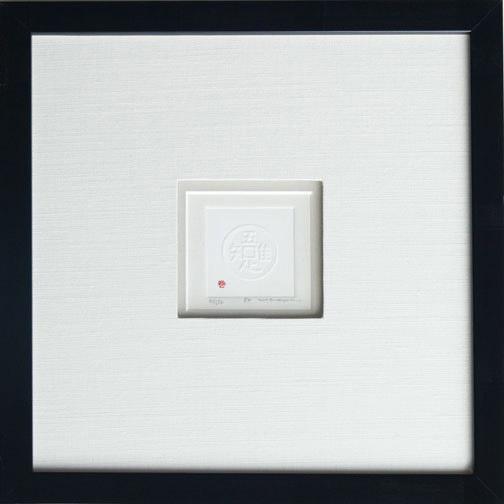
Untitled (maki-haku)
Woodblock print
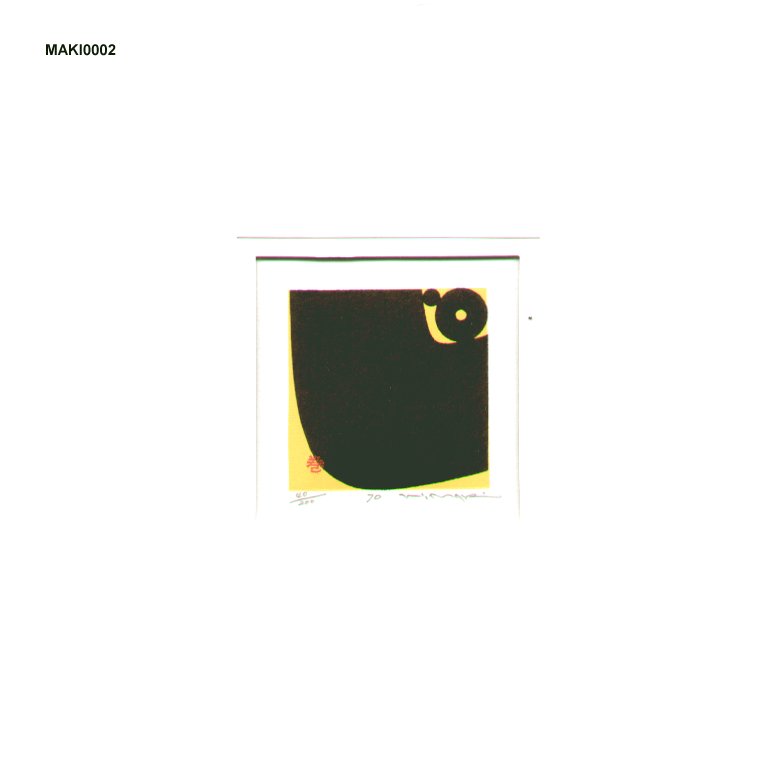
Untitled (maki-haku)
Woodblock print
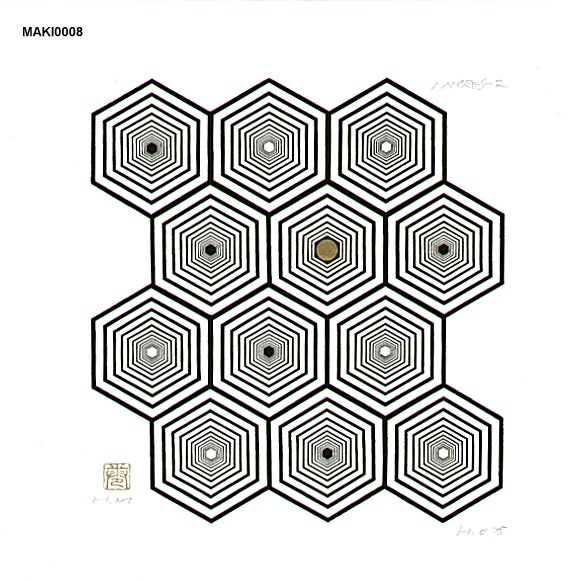
Untitled (maki-haku)
Woodblock print

Untitled (maki-haku)
Woodblock print
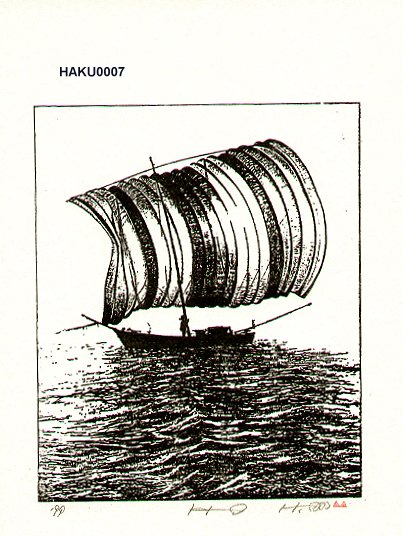
Sailing ship
Woodblock print
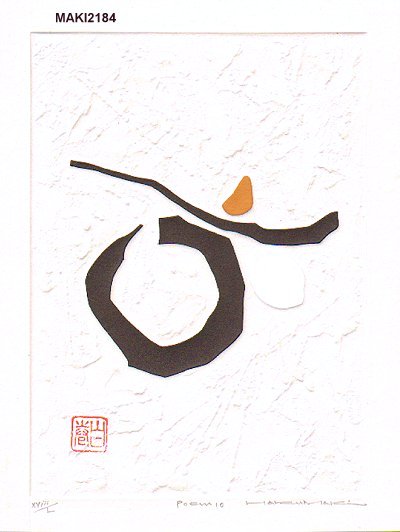
Poem 10, self printed, with original folio
Woodblock print
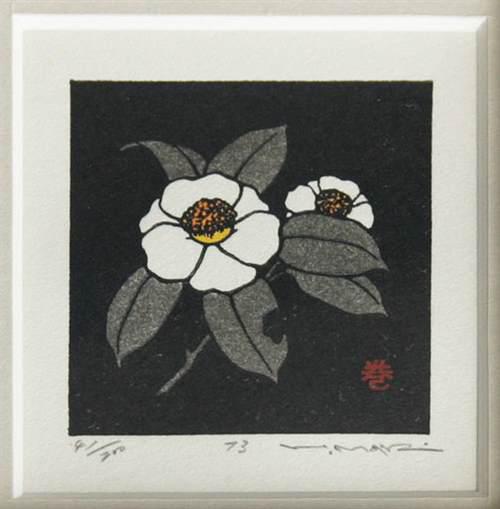
San Mon Ban (Flowers)
Woodblock print
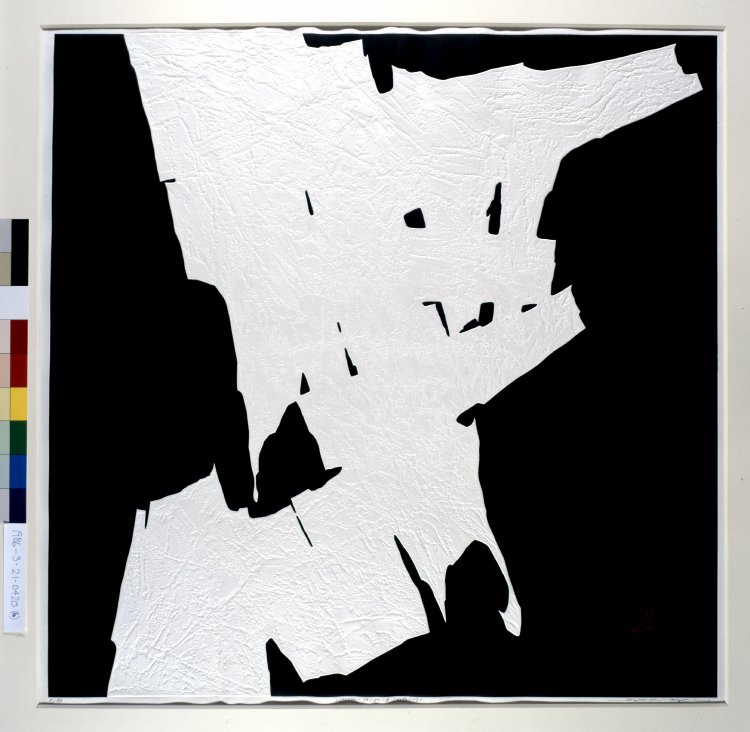
Work 73-50-B (Nothing)
Woodblock print
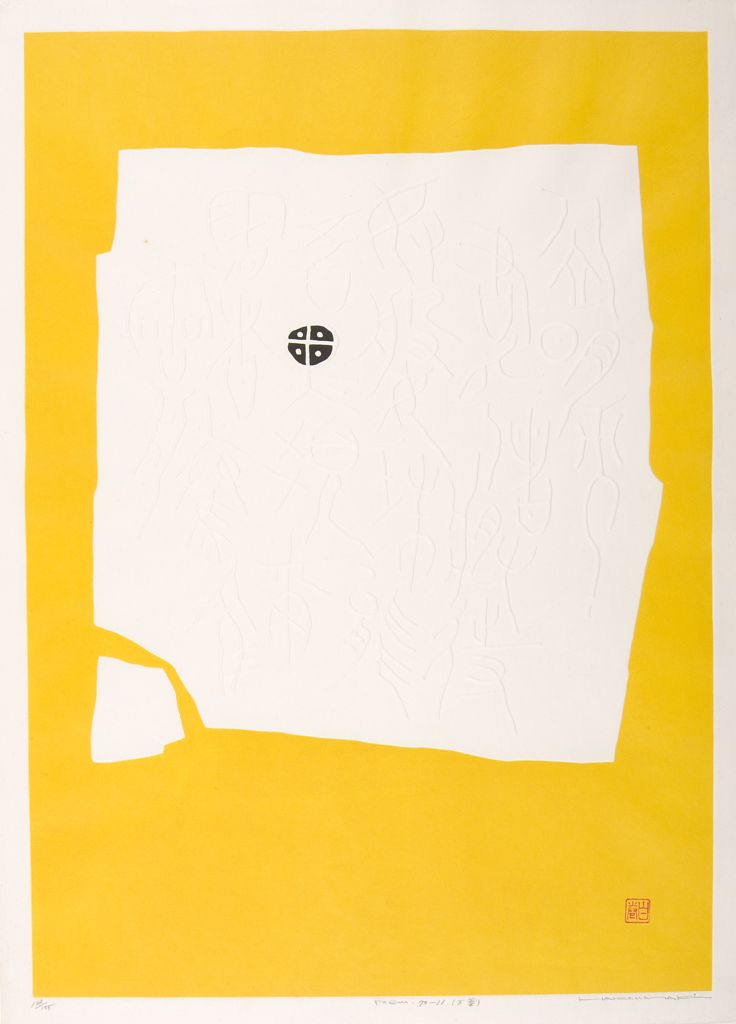
Poem 70-11, Shôwa period, 1970
Woodblock print
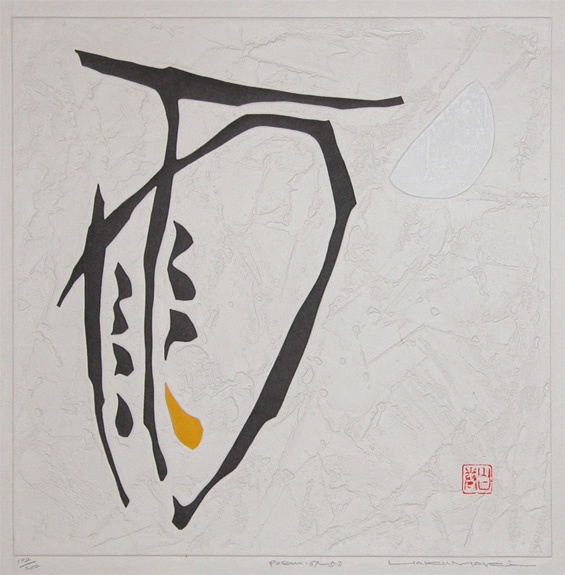
Poem, 69-53 (Rain)
Woodblock print
Gessekka
Woodblock print
Kaki
Woodblock print

Ox
Woodblock print
Poem 72-42
Woodblock print
Proportion -10
Woodblock print
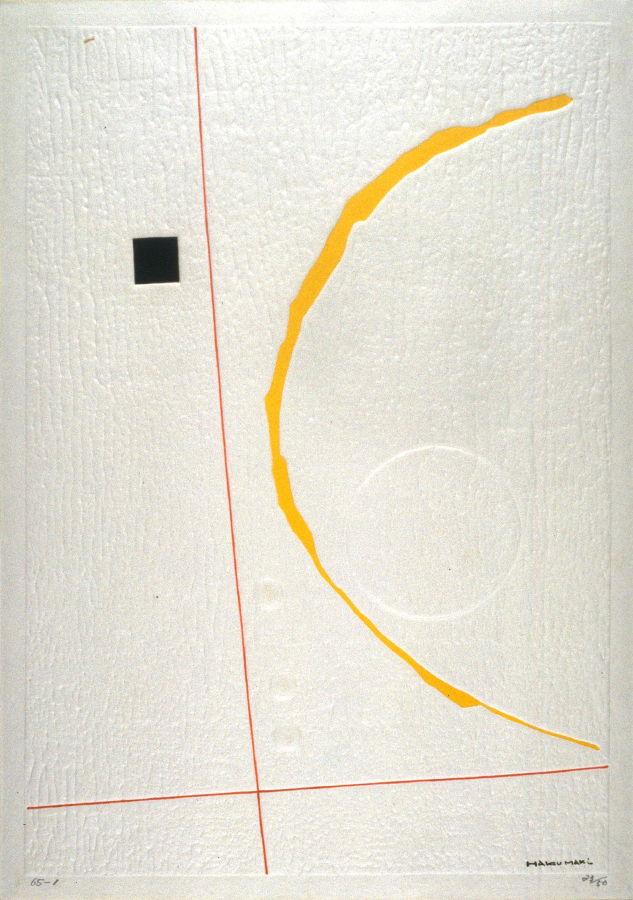
Legion of Honor
Woodblock print

Emanation - 103, Shôwa period,
Woodblock print

Symbol 61-1, Shôwa period,
Woodblock print
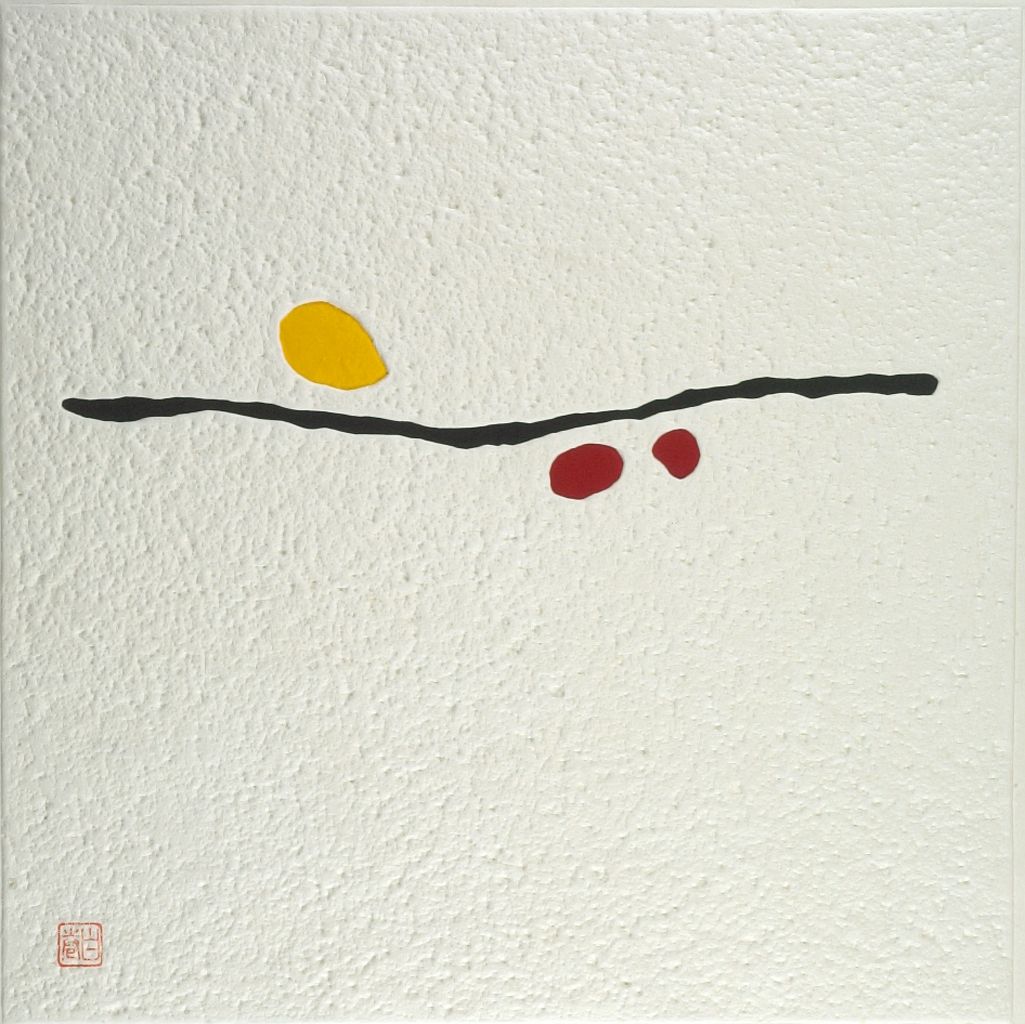
Poem - 7, Shôwa period,
Woodblock print
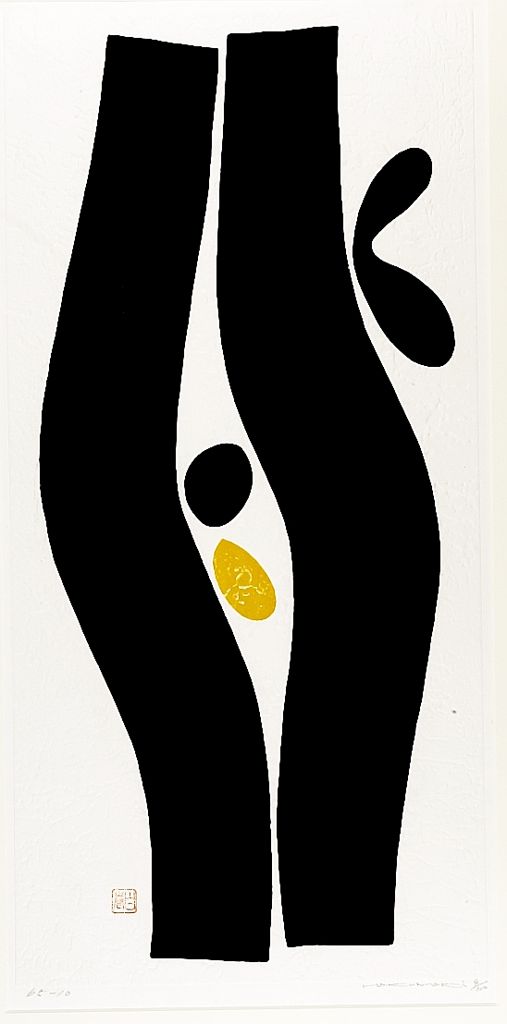
Design 65-10, Shôwa period, dated 1965
Woodblock print

Poem 69-8, Shôwa period, 1969
Woodblock print
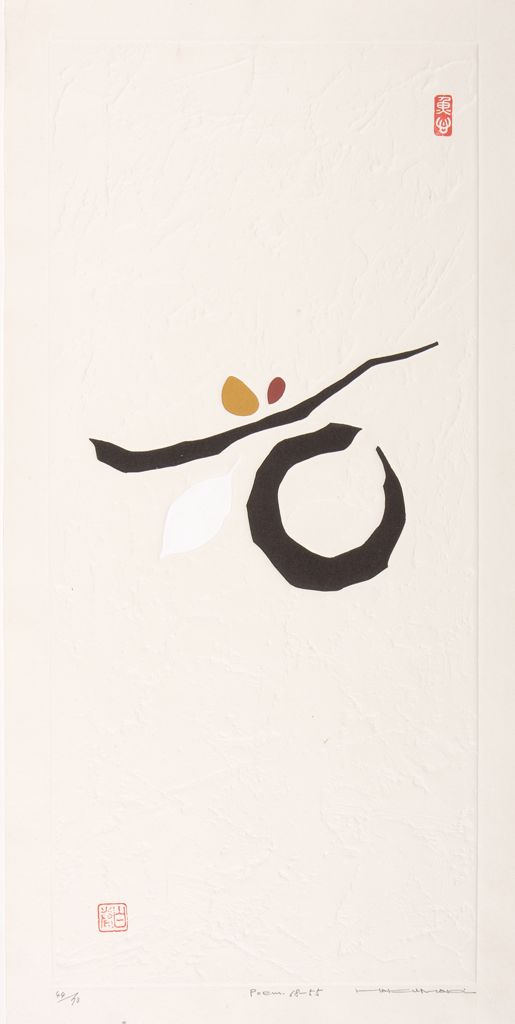
Poem 68-55, Shôwa period, 1968
Woodblock print
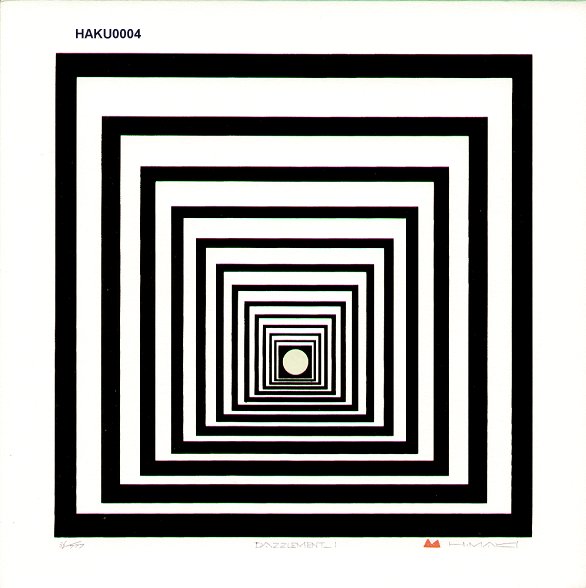
Dazzlement 1
Woodblock print