Biography
Maekawa Senpan was one of the founding figures of the sosaku-hanga (creative print) movement in Japan, an artist whose warmth, humor, and unpretentious approach to printmaking helped define an entirely new direction for Japanese woodblock prints in the twentieth century. Born as Maekawa Unpei in 1888 in Kyoto, he became known by his art name Senpan and dedicated his career to creating prints that celebrated the beauty of ordinary life, the pleasures of nature, and the simple joys of the human body with a directness and sincerity that set him apart from his contemporaries.
Maekawa grew up in Kyoto, a city steeped in artistic tradition, and his early exposure to the rich cultural heritage of the ancient capital undoubtedly shaped his aesthetic sensibility. He showed artistic inclinations from a young age and pursued training in both Japanese and Western painting techniques. His early studies included nihonga (Japanese-style painting) as well as exposure to Western art through books and reproductions that were becoming increasingly available in Japan during the Meiji period. This dual exposure to Eastern and Western artistic traditions gave him a broad foundation upon which to build his own distinctive style.
Maekawa's career took a decisive turn when he became involved with the nascent sosaku-hanga movement in the early twentieth century. The sosaku-hanga philosophy held that the artist should be responsible for every stage of the printmaking process — designing, carving, and printing — in contrast to the traditional collaborative system of ukiyo-e and shin-hanga where these tasks were divided among specialists. For Maekawa, this philosophy was not merely a technical preference but a deeply held artistic conviction. He believed that the direct involvement of the artist's hand at every stage of production gave the print an authenticity, expressiveness, and personal quality that could not be achieved through the collaborative system.
In 1918, Maekawa became one of the founding members of the Nihon Sosaku Hanga Kyokai (Japan Creative Print Association), alongside other pioneering artists such as Yamamoto Kanae, Tobari Kogan, and Hiratsuka Un'ichi. This organization was instrumental in promoting the sosaku-hanga philosophy and providing a forum for artists who shared the conviction that printmaking should be recognized as a fine art medium for individual creative expression. Maekawa's involvement with the association from its inception placed him at the very center of one of the most important artistic movements in modern Japanese art history.
Maekawa's prints are characterized by a warmth and accessibility that distinguish them from the more austere or intellectually rigorous work of some of his sosaku-hanga colleagues. He had a gift for finding beauty and interest in the everyday scenes of Japanese life — women bathing in hot springs, children playing, farmers working in the fields, travelers resting at country inns, and the changing seasons reflected in the landscapes of rural Japan. His approach was never didactic or pretentious; instead, his prints convey a genuine delight in the subjects they depict and an invitation to the viewer to share in that delight.
Among his most celebrated subjects are his depictions of bathing women, a theme that connects his work to the long tradition of bijin-ga in Japanese art while taking the subject in a distinctly modern direction. Unlike the highly stylized and idealized beauties of traditional ukiyo-e, Maekawa's bathing women are rendered with a naturalism and warmth that emphasize their humanity rather than their decorative qualities. His women are shown relaxing in hot springs (onsen), washing at communal baths, or enjoying the therapeutic pleasures of water, depicted with an easy, unselfconscious physicality that reflects both the artist's skilled observation and the Japanese cultural comfort with communal bathing. These prints are among the finest examples of the nude in Japanese printmaking, handling the subject with a combination of artistic sophistication and unpretentious honesty.
Maekawa's landscape prints demonstrate a similarly personal and direct approach. Rather than depicting famous scenic views or dramatic natural phenomena, he tended to focus on quiet, intimate landscapes — a mountain path in autumn, a village under snow, a river seen through trees, or a garden in summer. His landscapes have a quality of personal experience and emotional response that gives them a lyrical, almost poetic character. The viewer senses that these are places the artist knew well and loved, rendered not from convention but from memory and feeling.
Technically, Maekawa's prints show the hand of an artist deeply engaged with his materials and process. His carving is confident and expressive, using the grain and texture of the wood as elements of the design rather than simply as a surface to be carved away. His printing demonstrates a sensitive control of ink and pressure, achieving rich, nuanced tones and textures that give his prints their characteristic warmth and depth. He often used a relatively limited palette, relying on earth tones, soft greens, and warm browns that contribute to the gentle, natural quality of his images.
Maekawa was also notable for his illustrations, book designs, and his contributions to children's literature. His gentle humor and gift for characterization made him a natural illustrator, and his book illustrations display the same qualities of warmth and accessibility that distinguish his prints. He was an active participant in the Japanese art world throughout his career, exhibiting regularly and contributing to the growth and recognition of the sosaku-hanga movement.
Throughout his career, Maekawa maintained his commitment to the sosaku-hanga ideal of the artist as sole creator. He continued to design, carve, and print his own works, viewing the process not as a burden but as an essential part of his artistic practice. For Maekawa, the physical act of cutting wood and pressing paper was inseparable from the creative act of making art, and this integration of conception and execution gives his prints their distinctive character and vitality.
Maekawa Senpan died in 1960 at the age of seventy-two, leaving behind a body of work that is admired for its artistic quality, its human warmth, and its important place in the history of modern Japanese printmaking. His prints are held in major collections worldwide, including the Museum of Fine Arts, Boston, the Art Institute of Chicago, the British Museum, and numerous Japanese institutions. As a founding member of the Nihon Sosaku Hanga Kyokai and a lifelong practitioner of the sosaku-hanga philosophy, Maekawa helped establish the creative print as a legitimate and vital form of artistic expression in Japan. His legacy endures both in the beauty of his individual prints and in the broader influence he exerted on the development of modern Japanese art. His work continues to appeal to collectors and art lovers who appreciate prints that combine technical skill with genuine emotional warmth and an abiding love for the pleasures of daily life.
Key Facts
- Active Period
- 1888–1960
- Nationality
- 🇯🇵Japan
- Movement
- Sōsaku-hanga
- Works Indexed
- 85
Frequently Asked Questions
What is Maekawa Senpan known for?
Maekawa Senpan was one of the founding figures of the sosaku-hanga (creative print) movement in Japan, an artist whose warmth, humor, and unpretentious approach to printmaking helped define an entirely new direction for Japanese woodblock prints in the twentieth century. Born as Maekawa Unpei in 1888 in Kyoto, he became known by his art name Senpan and dedicated his career to creating prints that celebrated the beauty of ordinary life, the pleasures of nature, and the simple joys of the human body with a directness and sincerity that set him apart from his contemporaries.
When was Maekawa Senpan active?
Maekawa Senpan was active from 1888 to 1960. They were associated with the Sōsaku-hanga movement.
What artistic movements influenced Maekawa Senpan?
Maekawa Senpan's work was shaped by the Sōsaku-hanga tradition in Japanese woodblock printmaking. Sōsaku-hanga: The "creative prints" movement (c.
What subjects did Maekawa Senpan depict?
Maekawa Senpan's prints frequently feature landscapes, portraits, mountains, urban scenes, autumn foliage, seascapes.
Where can I see Maekawa Senpan's original prints?
Original prints by Maekawa Senpan can be found in collections including Art Institute of Chicago, British Museum, Japanese Art Open Database, mfa.
How much do Maekawa Senpan prints cost?
Maekawa Senpan prints are relatively affordable and represent excellent value for collectors interested in the sosaku-hanga movement. Known for his vibrant, cheerful depictions of rural Japanese customs, festivals, and daily life, Senpan's work has a warmth and accessibility that appeals to a wide range of collectors. Most prints sell for $300–$2,000. As a sosaku-hanga artist, Senpan designed, carved, and printed his own works. All editions are therefore original artist-pulled impressions — there are no publisher-made or posthumous editions. His prints are typically numbered in limited editions of 30 to 80 copies. Look for the edition number, his signature in pencil, and often a red artist seal in the margin. Because Senpan's editions were small and his market visibility is lower than that of better-known sosaku-hanga artists like Munakata or Saito, his prints can be genuinely undervalued when they appear at auction. Early works from the 1930s–1940s and prints with exhibition provenance are the most valuable, typically selling for $1,000–$2,000. His festival and village scenes from the 1950s–1960s are the most popular subjects among collectors. Smaller prints and later career works: $300–$800. Larger, exhibition-quality works: $800–$2,000. Senpan's market remains modest compared to his artistic stature, making his prints one of the better value opportunities in the sosaku-hanga field.
External Resources
Woodblock Prints by Maekawa Senpan (85)

Mountain Road
20th century
Color woodblock print

Lake in Winter
20th century
Color woodblock print

Coast
20th century
Color woodblock print
Riverside in Summer
夏の川辺
c. 1928
Color woodblock print
Summer Evening
夏の夕べ
c. 1930
Color woodblock print

Autumn Mountain Path
秋の山道
c. 1930
Color woodblock print
Children at Play
遊ぶ子供たち
c. 1930
Color woodblock print
Bathing Women
入浴する女
c. 1930
Color woodblock print
Spring Garden
春の庭
c. 1930
Color woodblock print
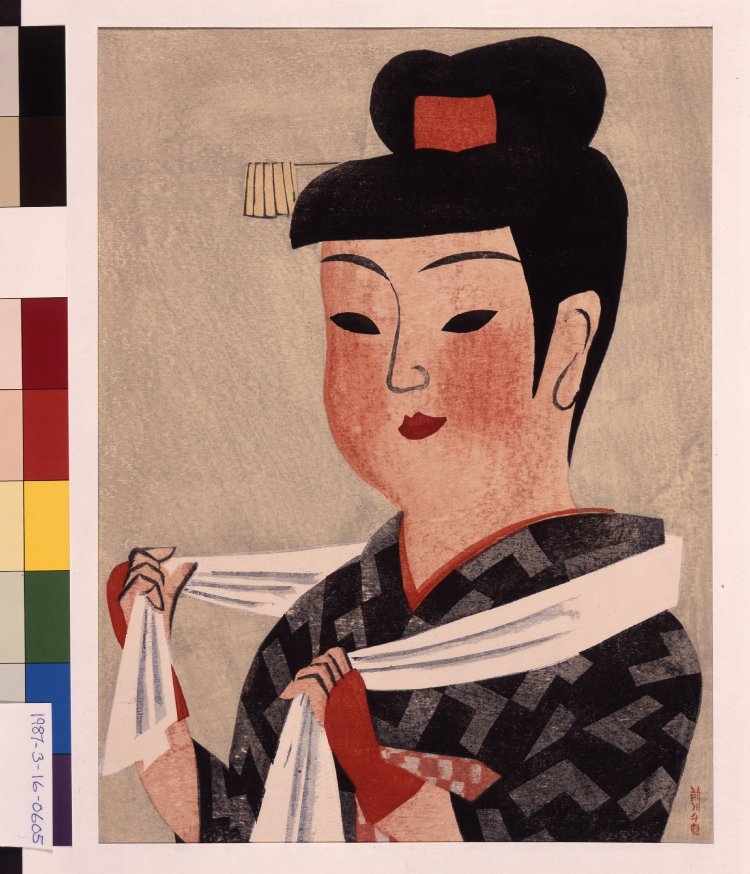
Woman Washing Hair
髪を洗う女
c. 1932
Color woodblock print
Farmers at Rest
休む農夫たち
c. 1932
Color woodblock print
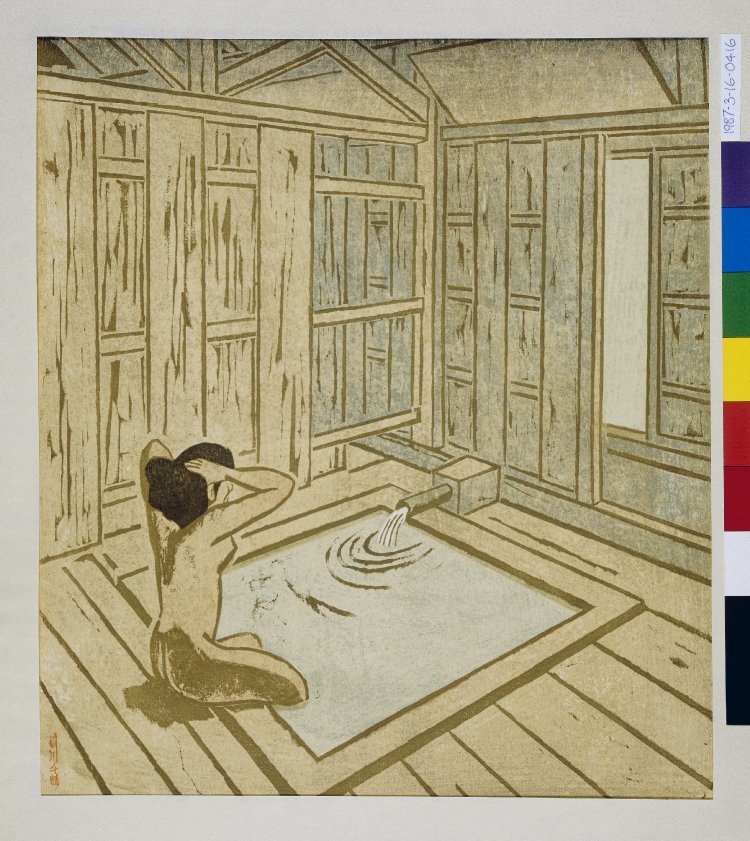
Woman at Bath
湯浴みする女
c. 1933
Color woodblock print
Persimmon Tree
柿の木
c. 1934
Color woodblock print
Cat Napping
昼寝する猫
c. 1935
Color woodblock print
Thatched Roof Farmhouse
茅葺きの農家
c. 1935
Color woodblock print
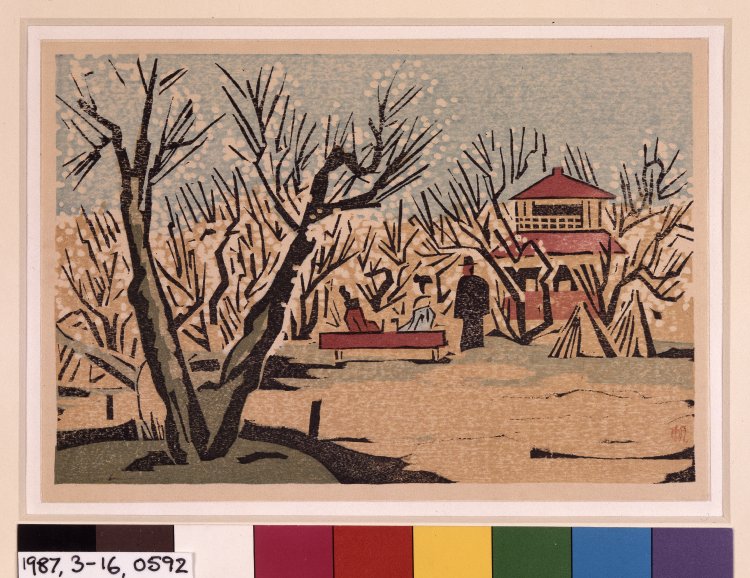
Women at Onsen
温泉の女
c. 1935
Color woodblock print
Village in Snow
雪の村
c. 1935
Color woodblock print

Sketch for the print "View of Mount Bandai"
c. 1941
Watercolor and pencil sketch (woodblock print: 1962.247)
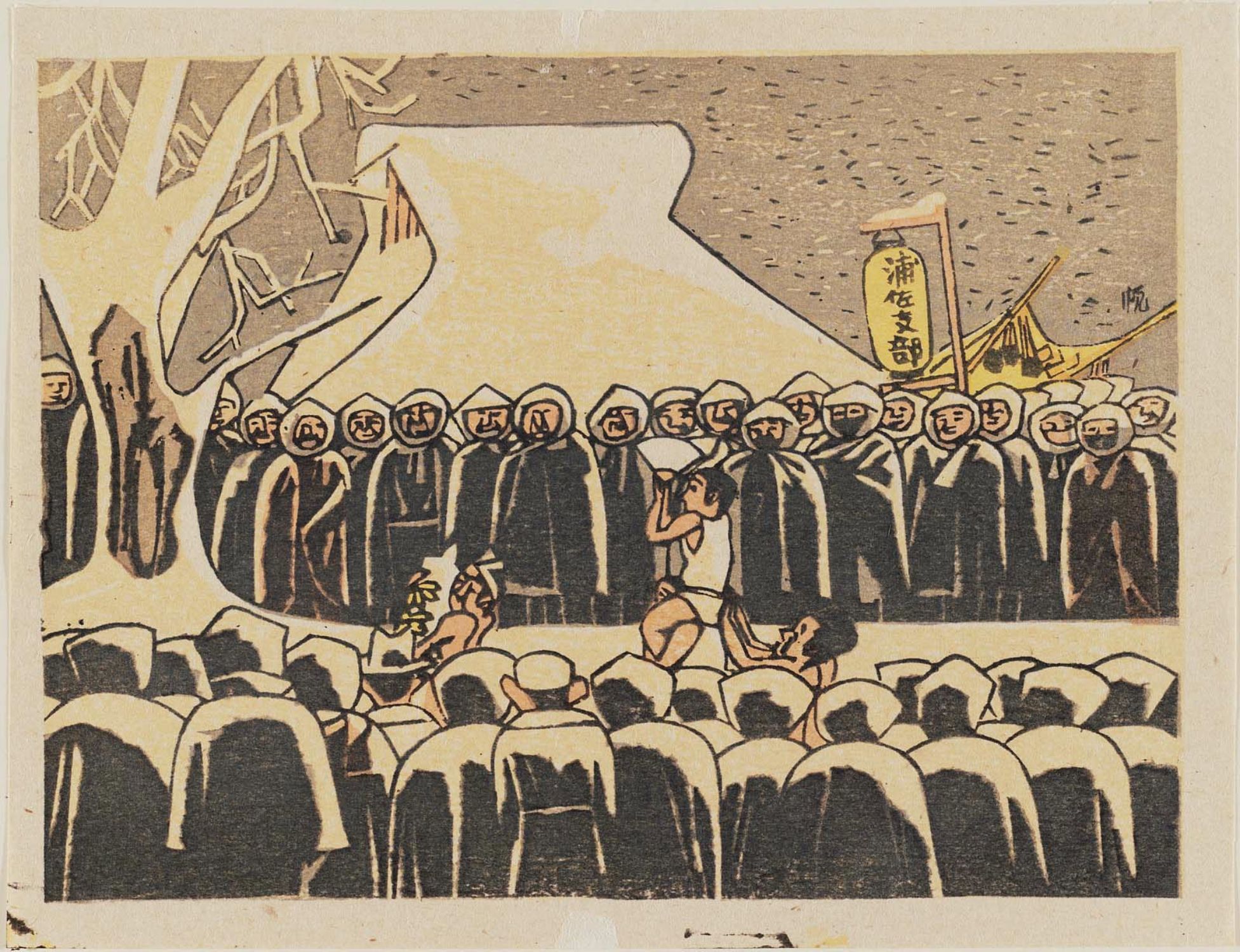
Winter Landscape
冬景色
c. 1936
Color woodblock print
Harbor Scene
港の風景
c. 1936
Color woodblock print
Rainy Day
雨の日
c. 1938
Color woodblock print
Fishing Village
漁村
c. 1938
Color woodblock print

Woman of Ohara
1940s
Color woodblock print
Temple Garden
寺の庭
c. 1940
Color woodblock print
Mountain Hot Spring
山の温泉
c. 1940
Color woodblock print

View of Mount Bandai
1941
Color woodblock print

Plum Orchard at Yoshino
1943
Color woodblock print

Night View of Shinjuku, from the series Recollections of Tokyo
1945
Color woodblock print

Industrial District in Honjo, from the series Recollections of Tokyo
1945
Color woodblock print

A Flower Seller
1951
Color woodblock print

Girl holding Red Fan
1952
Color woodblock print with traces of mica

Dancer
1953
Color woodblock print

Titmouse and Girl
1955
Color woodblock print

Evening Moon and Foal
1955
Color woodblock print

Titmouse and Bird Cage
1960
Color woodblock print

Plum orchard.
Woodblock print
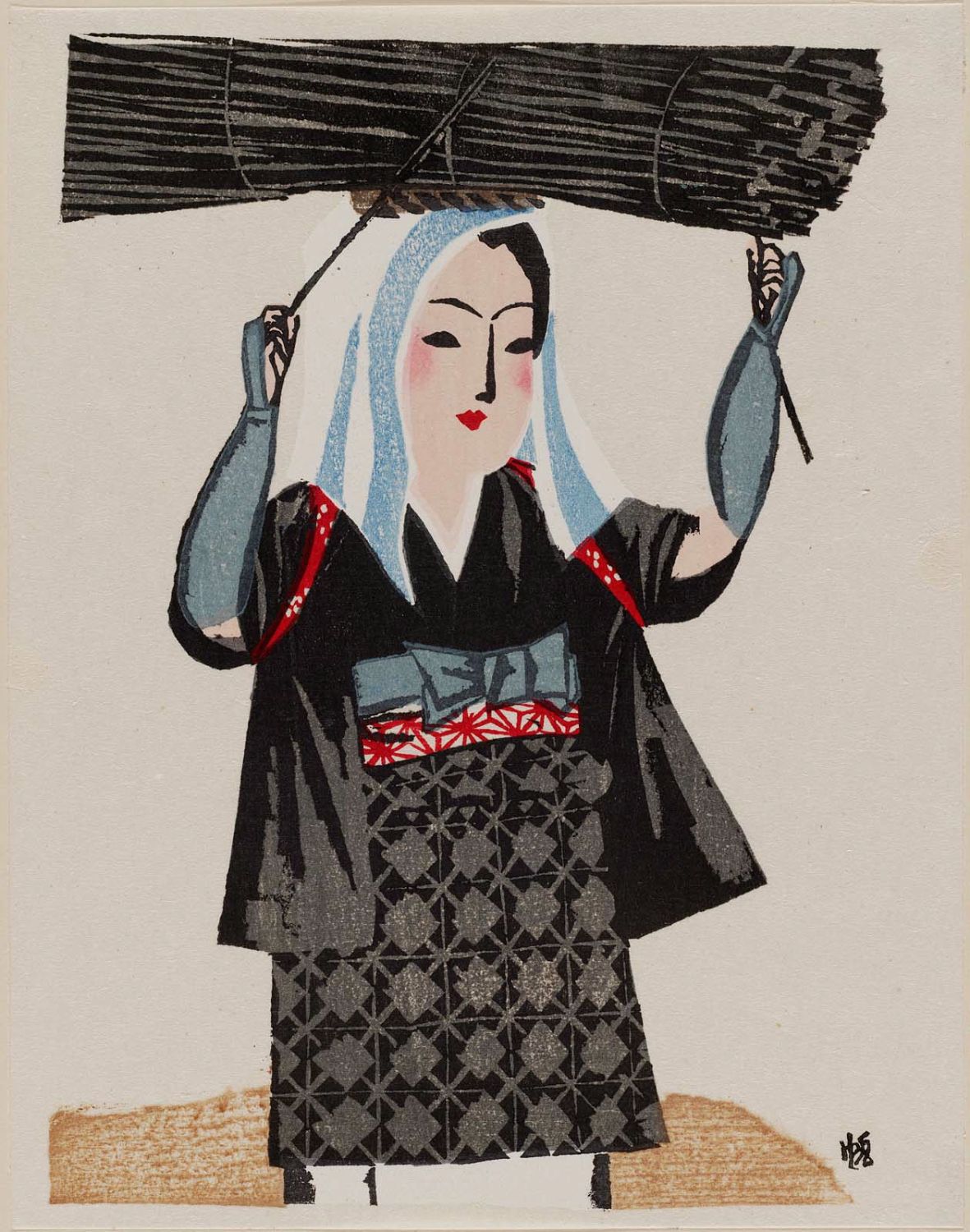
Ohara-me
Woodblock print
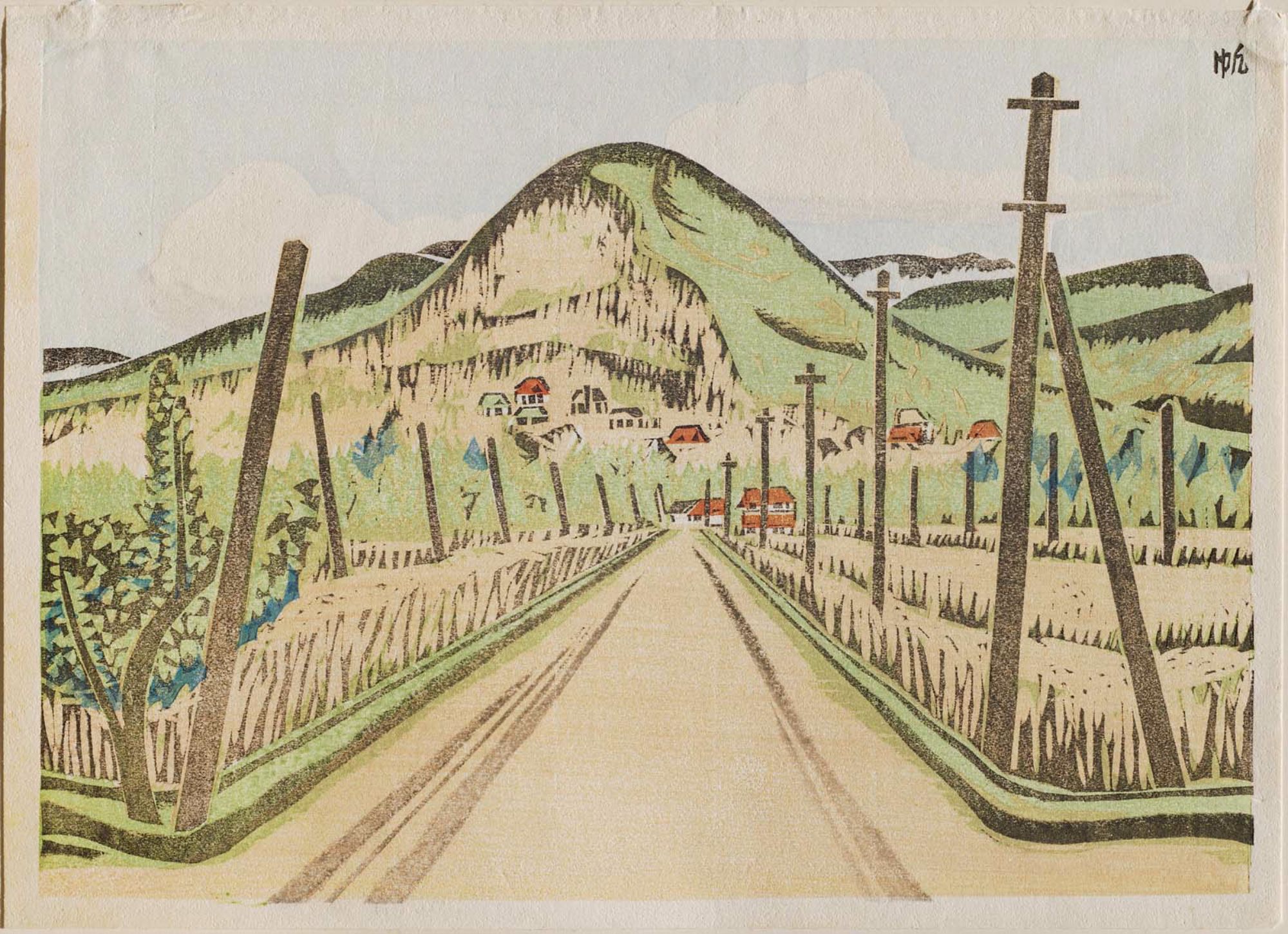
Karuizawa New Road
Woodblock print
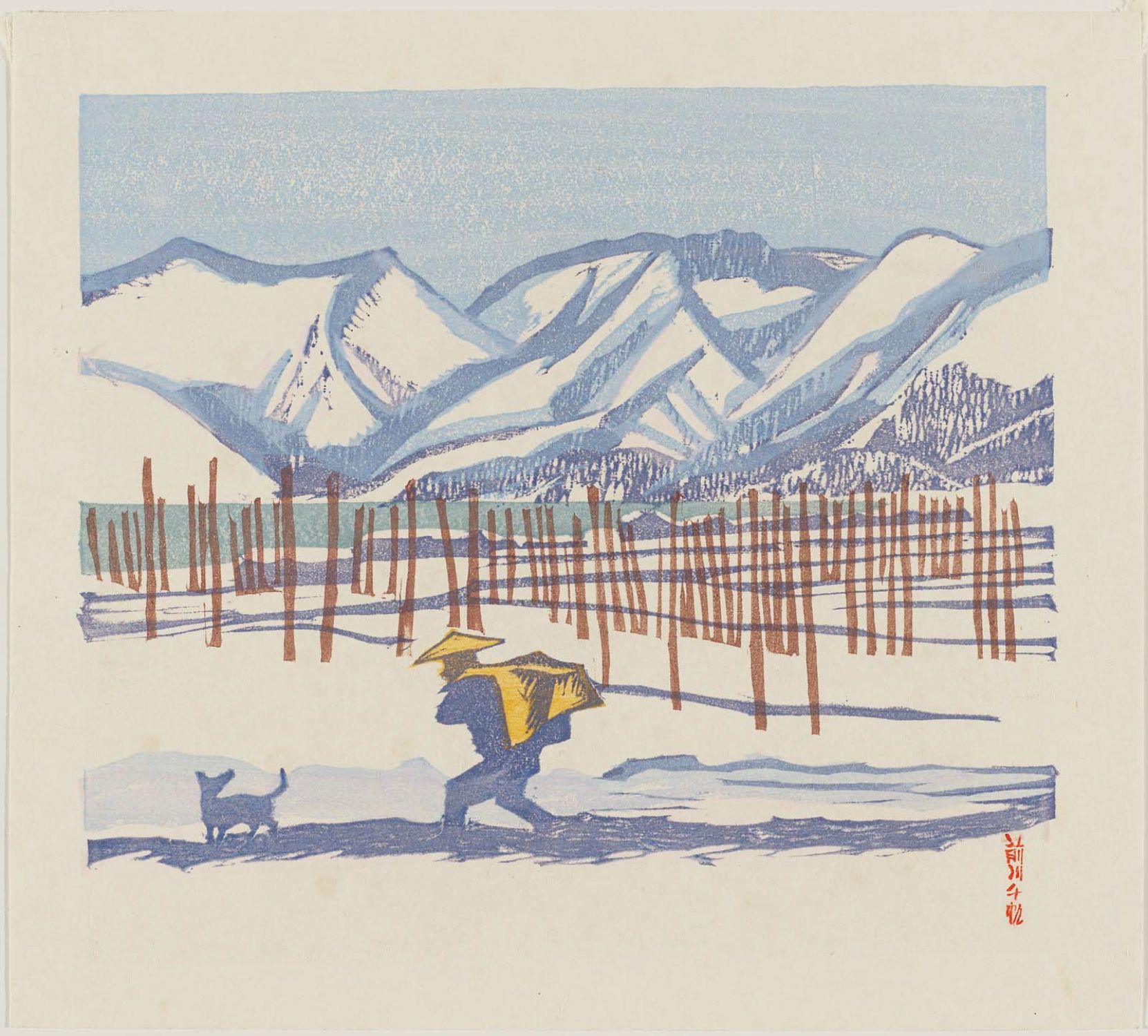
By the Lake in Snow (Kohan no Yuki)
Woodblock print
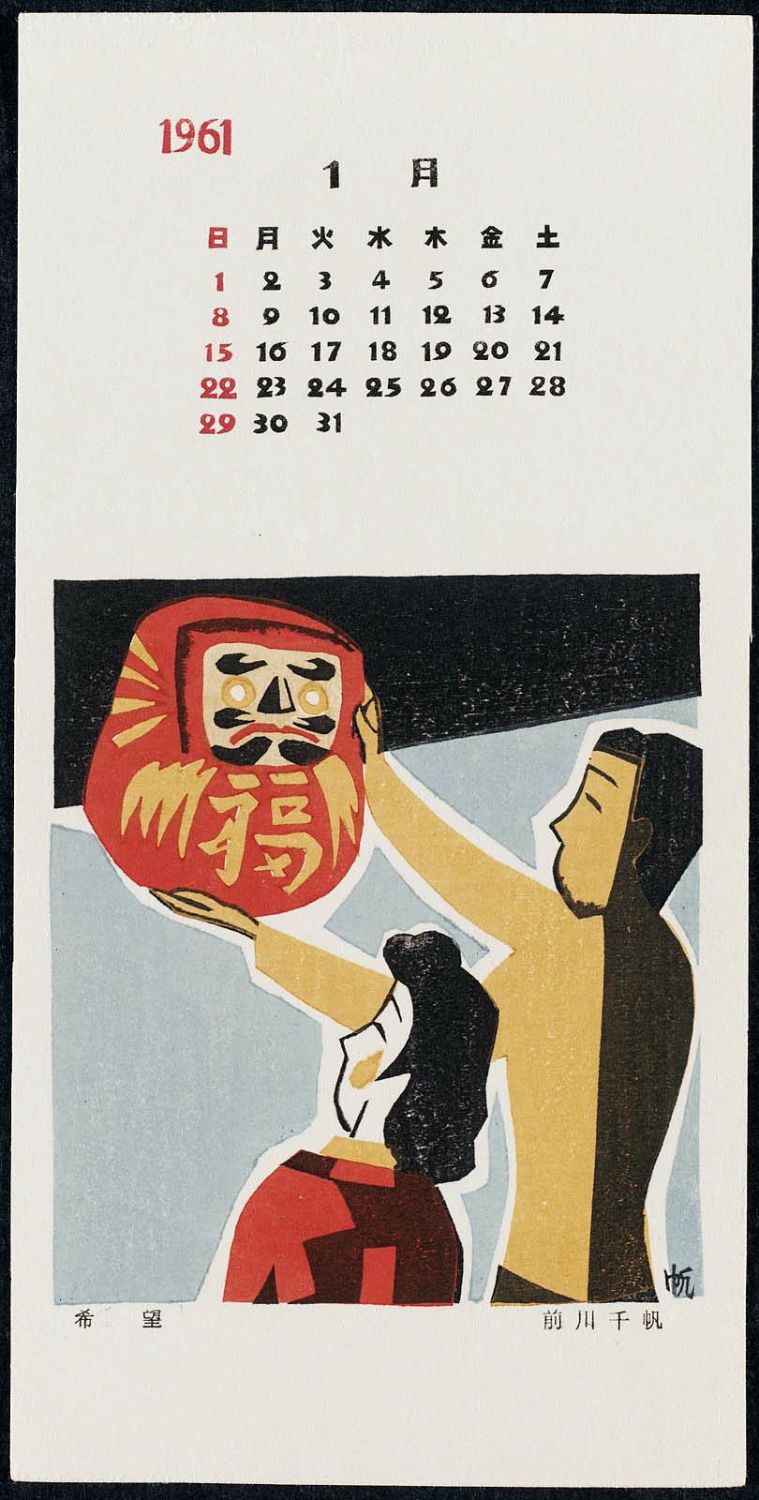
Aspirations (Kibo)
Woodblock print
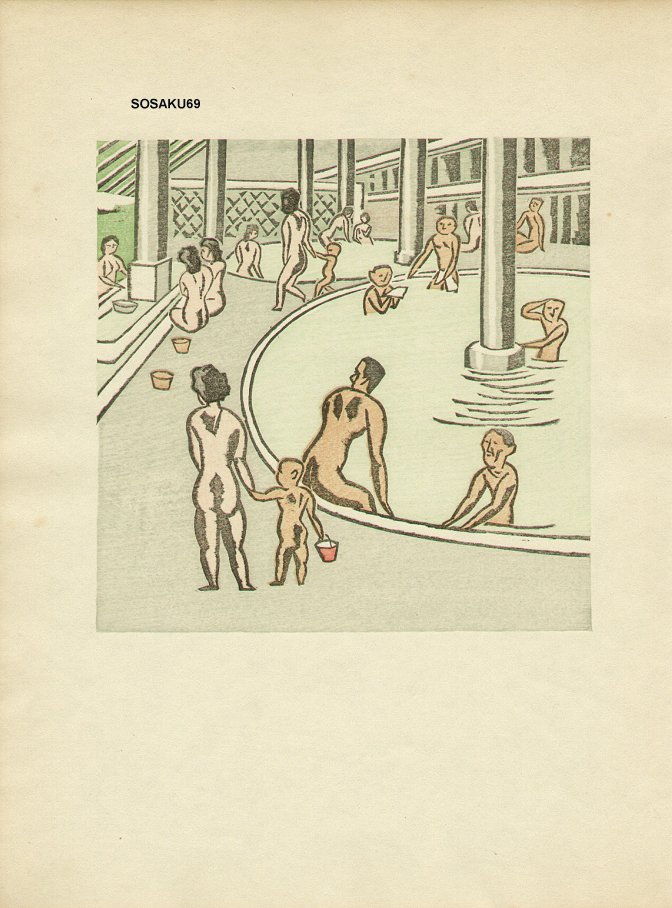
Noboribetsu
Woodblock print
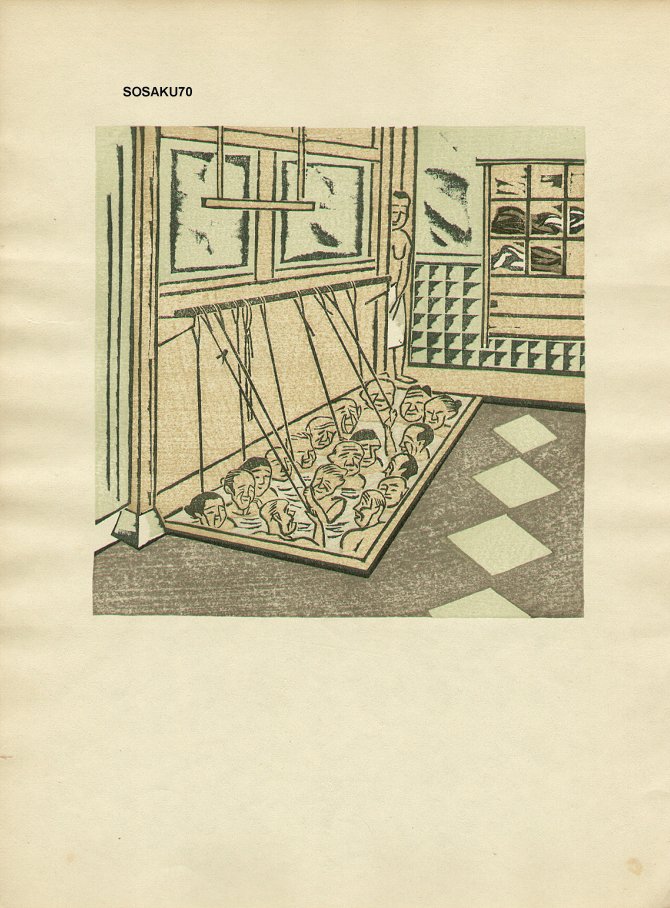
Itamuro
Woodblock print
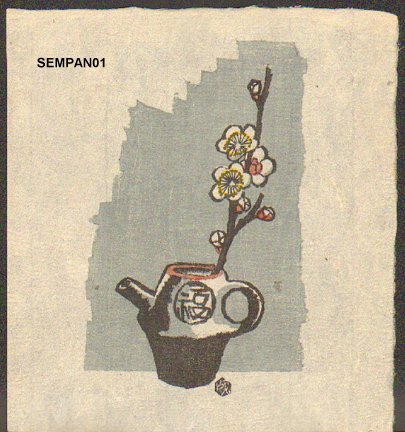
Plum blossoms
Woodblock print
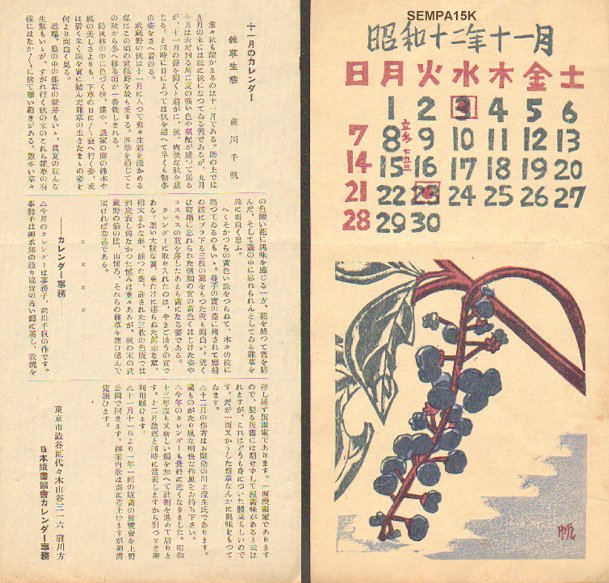
November
Woodblock print
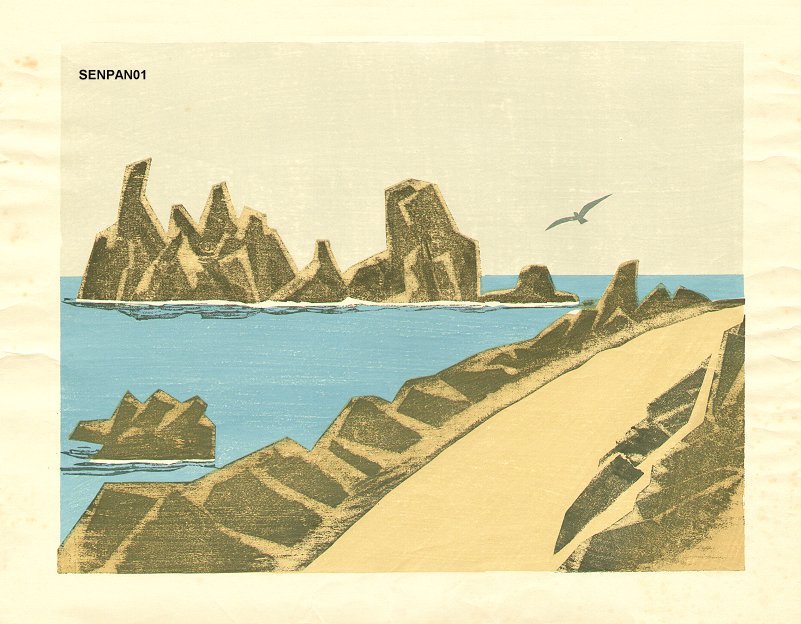
Izu Nantan
Woodblock print
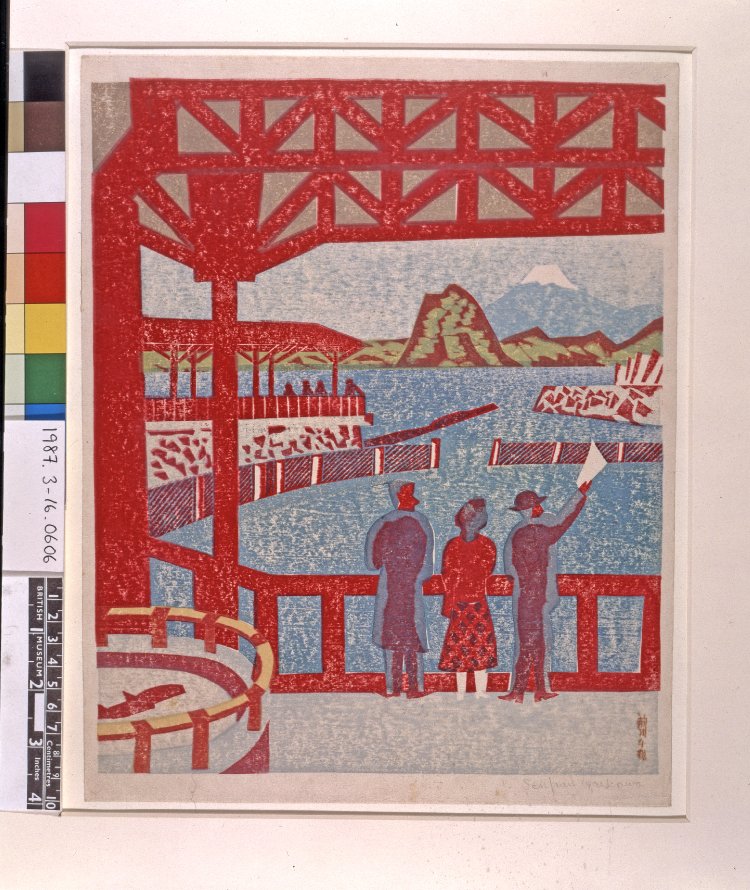
Untitled (maekawa-senpan)
Woodblock print
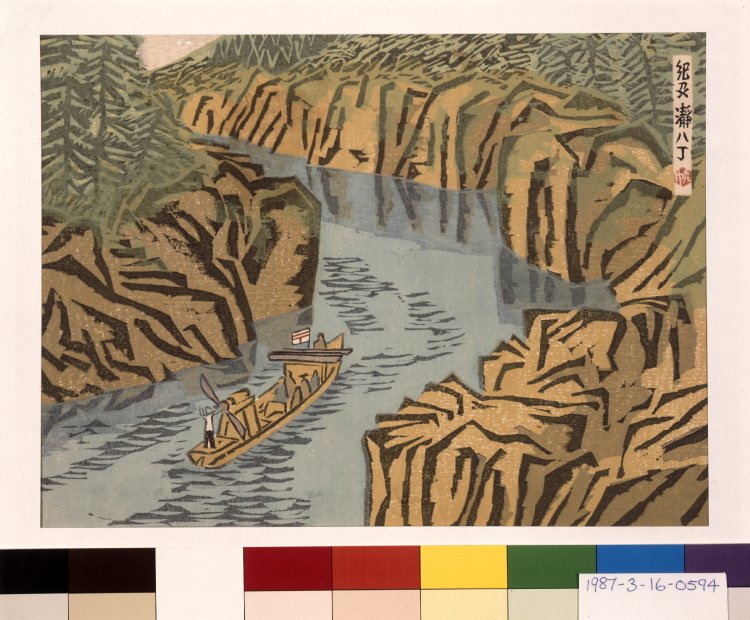
Untitled (maekawa-senpan)
Woodblock print
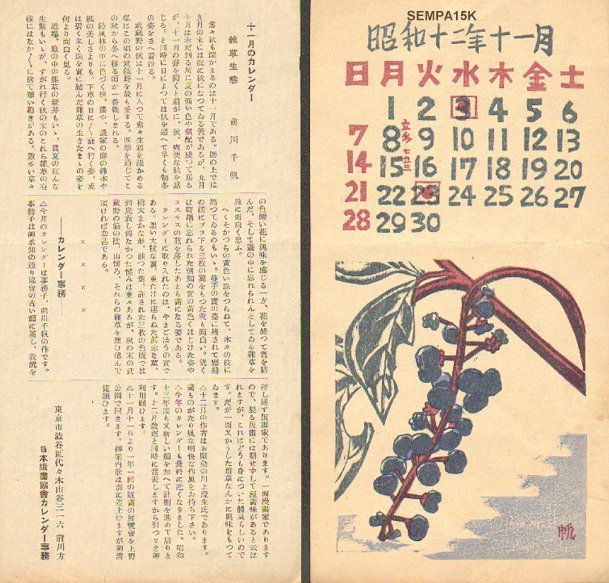
Untitled (maekawa-senpan)
Woodblock print
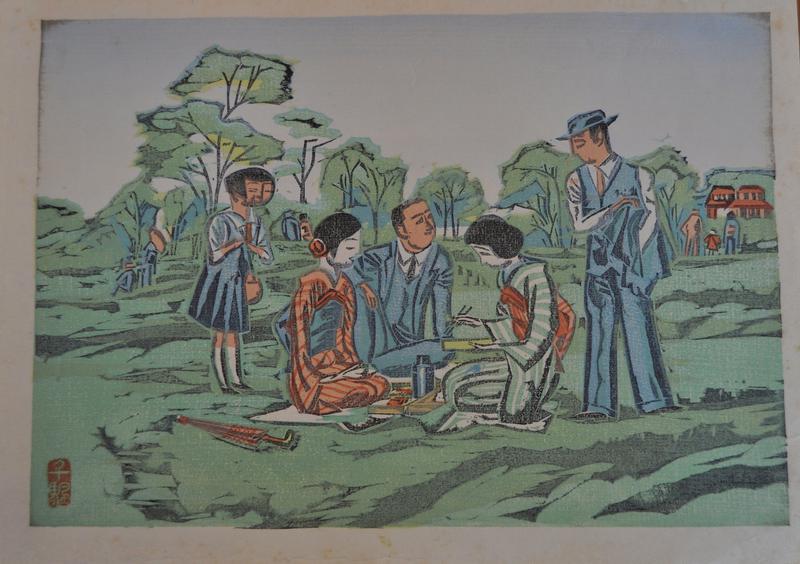
Picnic
mid 20th century
Woodblock print, ink on paper
![Title unknown [boaters on a mountain lake] by Maekawa Senpan](https://1.api.artsmia.org/800/136047.jpg)
Title unknown [boaters on a mountain lake]
mid 20th century
Woodblock print, ink on paper
![Title unknown [Cow and figures] by Maekawa Senpan](https://1.api.artsmia.org/800/132673.jpg)
Title unknown [Cow and figures]
mid 20th century
Woodblock print, color on paper
Akita Dancer
Woodblock print
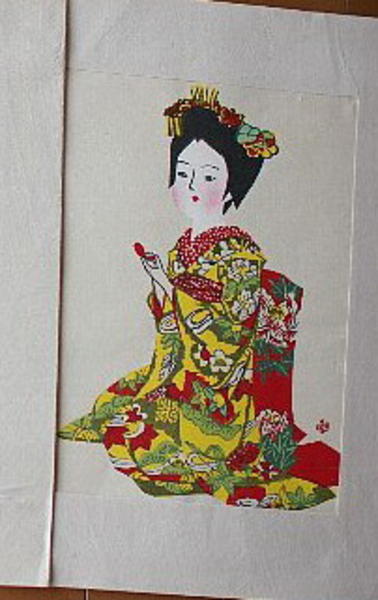
Maiko — 舞妓
Woodblock print
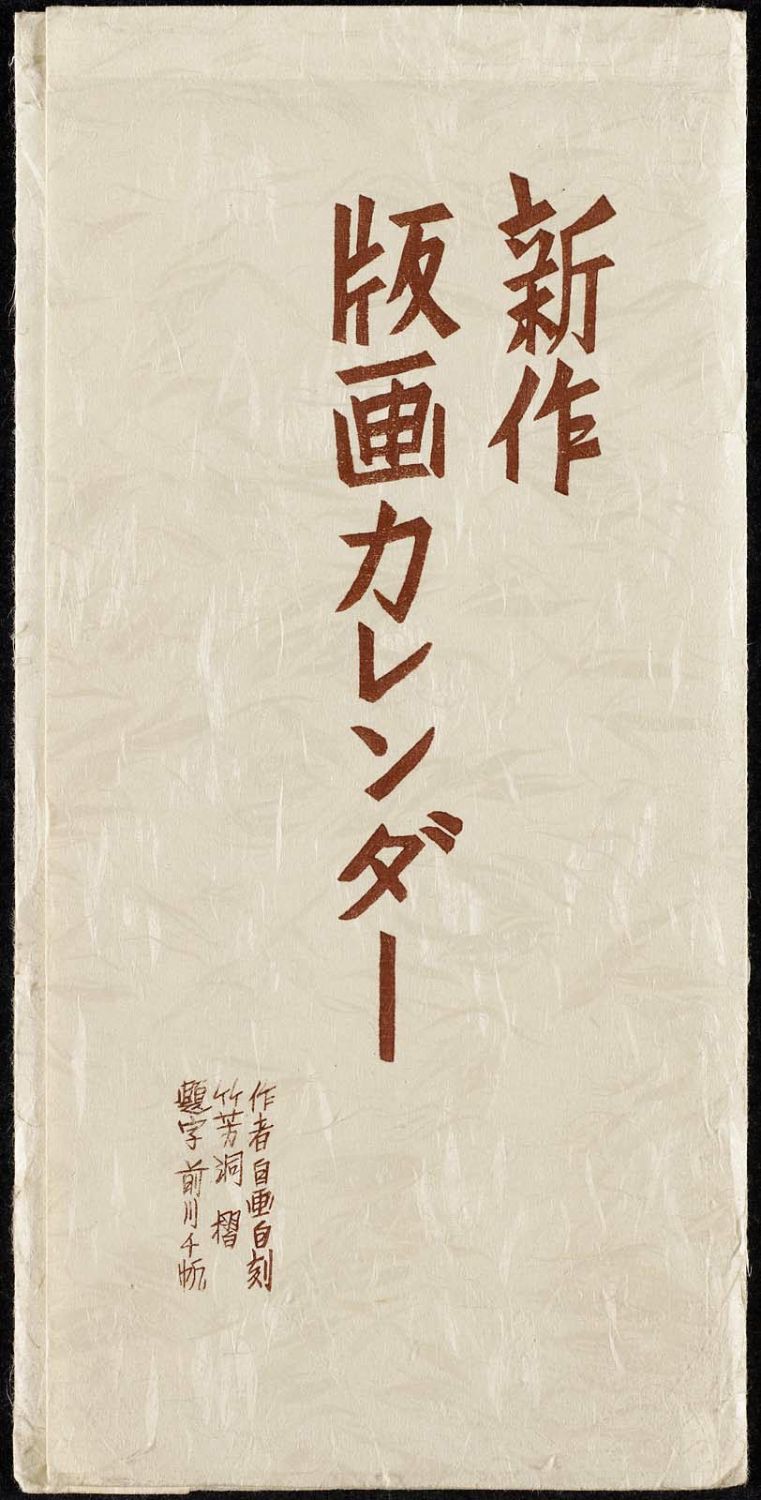
Cover of Shinsaku hanga karenda 1961
Woodblock print
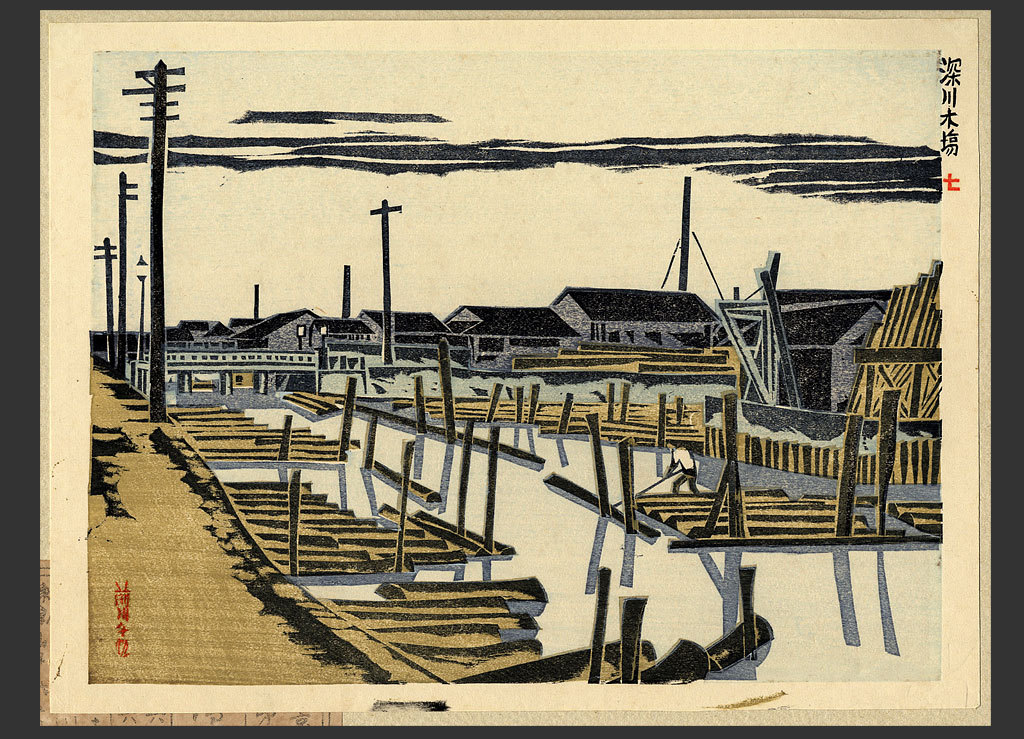
#57 Lumber yard at Fukugawa
Woodblock print
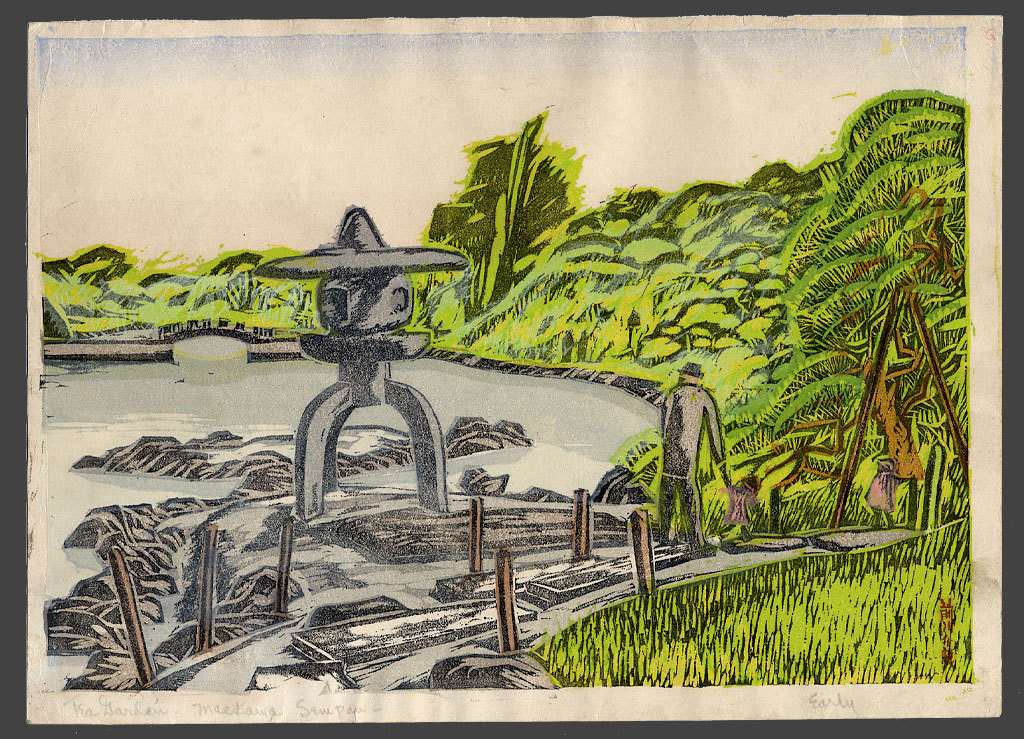
Strolling in a Japanese Garden
Woodblock print
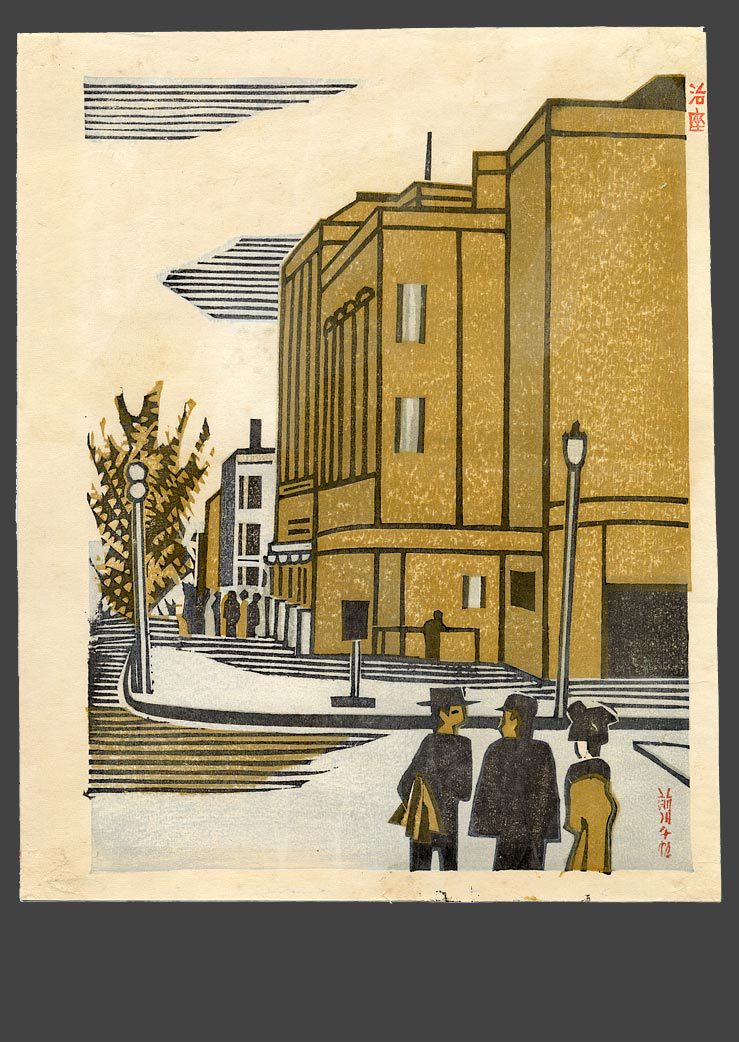
#52 Meiji za
Woodblock print

Tori-no-Ichi Fair
Woodblock print
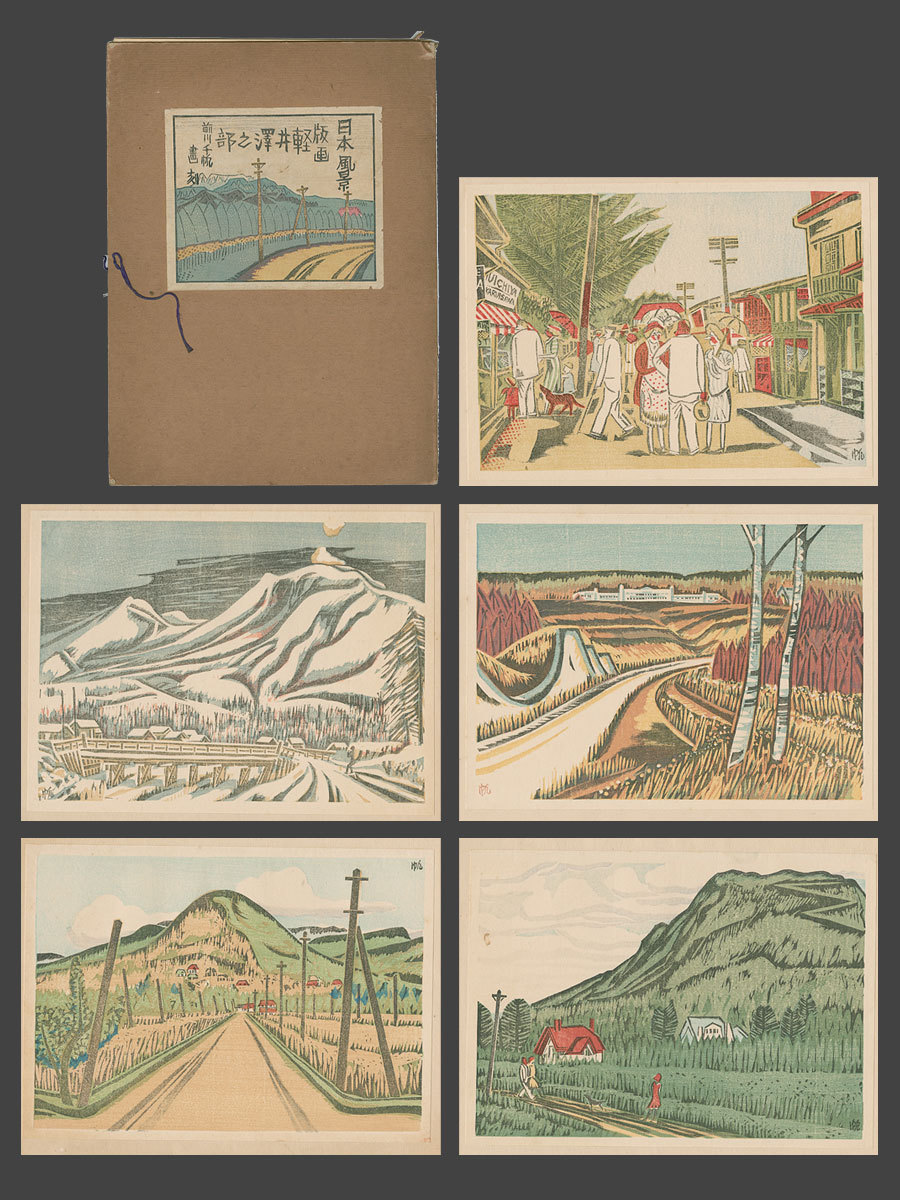
Japan Scenery Prints, Karuizawa Region (Nihon fukei hanga Karuizawa no bu)
Woodblock print
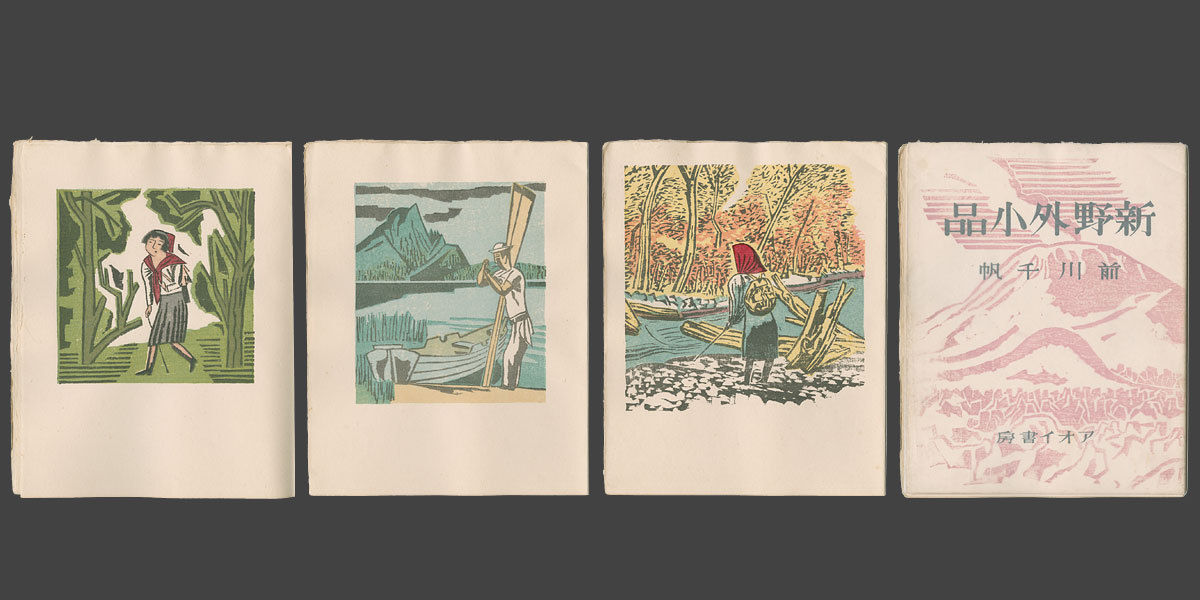
New Sketches of the Field (Shin yagai shohin)
Woodblock print