
Biography
Kishio Koizumi (小泉癸巳男, 1893–1945) was a Japanese printmaker who occupies a unique position in the history of modern Japanese prints, bridging the shin-hanga and sosaku-hanga movements through his monumental series "One Hundred Views of Great Tokyo." In this landmark work, he depicted the familiar topographic subjects of shin-hanga — temples, bridges, gardens, and urban landmarks — but designed, carved, and printed every image himself, fulfilling the sosaku-hanga principle of the artist as sole creator. This synthesis of shin-hanga subject matter with sosaku-hanga methodology makes Koizumi one of the most distinctive and historically significant printmakers of the interwar period.
Born in 1893 in Tokyo, Koizumi grew up in a city that was rapidly modernizing, its traditional landscape of wooden buildings, canals, and temple precincts giving way to steel, concrete, and electric light. He studied painting and printmaking and developed a deep attachment to the changing urban landscape of his native city, which would become his primary artistic subject.
Koizumi's masterwork, "One Hundred Views of Great Tokyo" (Shin Tokyo Hyakkei), was produced over a period spanning the late 1920s through the early 1940s. The series, explicitly referencing Hiroshige's famous "One Hundred Famous Views of Edo," documented Tokyo's landmarks, neighborhoods, and scenic spots in a style that combined topographic accuracy with atmospheric sensitivity. Unlike the shin-hanga publishers who engaged professional carvers and printers to execute their artists' designs, Koizumi performed every step of production himself. He designed each composition, carved the woodblocks, mixed the pigments, and hand-printed each impression on washi paper, fully realizing the sosaku-hanga ideal of artistic self-sufficiency.
The prints in the series reveal Koizumi's considerable technical skill and his sensitivity to light, weather, and season. Scenes of temples in snow, bridges in rain, cherry blossoms along the Sumida River, and the bustling streets of Ginza and Asakusa are rendered with a fidelity to observed reality that connects them to the topographic tradition of shin-hanga, while the directness and occasional roughness of the hand-printing give them the personal quality that distinguishes sosaku-hanga from its more commercially polished counterpart.
Koizumi's career was shaped by the turbulent history of early twentieth-century Tokyo. The Great Kanto Earthquake of 1923 destroyed vast sections of the city, and many of the views he subsequently depicted showed Tokyo in its rebuilt, modernized form. The contrasts between old and new Tokyo — traditional wooden buildings alongside reinforced concrete structures, rickshaws sharing streets with automobiles and streetcars — are a recurring theme in his prints, lending the series a documentary value beyond its purely aesthetic qualities.
Working outside the commercial publishing system, Koizumi produced his prints in small editions and sold them through direct subscriptions and exhibitions. This independent approach aligned with the sosaku-hanga movement's emphasis on artistic autonomy but also meant that his work reached a smaller audience than the commercially published shin-hanga prints of Kawase Hasui or Hiroshi Yoshida. As a result, his prints remained relatively obscure for decades before being rediscovered by collectors and scholars who recognized their exceptional quality and historical significance.
Koizumi died in 1945, the same year that devastating air raids destroyed much of the Tokyo he had spent decades documenting. His "One Hundred Views of Great Tokyo" thus serves as both an artistic achievement and a historical record, preserving images of a city that would be profoundly transformed by war and postwar reconstruction. His works are held in several Japanese museum collections and have gained increasing recognition among collectors of modern Japanese prints who appreciate his unique position at the crossroads of the shin-hanga and sosaku-hanga traditions.
Key Facts
- Active Period
- 1893–1945
- Nationality
- 🇯🇵Japan
- Movements
- Shin-hangaSōsaku-hanga
- Works Indexed
- 33
Frequently Asked Questions
What is Kishio Koizumi known for?
Kishio Koizumi (小泉癸巳男, 1893–1945) was a Japanese printmaker who occupies a unique position in the history of modern Japanese prints, bridging the shin-hanga and sosaku-hanga movements through his monumental series "One Hundred Views of Great Tokyo." In this landmark work, he depicted the familiar topographic subjects of shin-hanga — temples, bridges, gardens, and urban landmarks — but designed, carved, and printed every image himself, fulfilling the sosaku-hanga principle of the artist as sole creator. This synthesis of shin-hanga subject matter with sosaku-hanga methodology makes Koizumi one of the most distinctive and historically significant printmakers of the interwar period.
When was Kishio Koizumi active?
Kishio Koizumi was active from 1893 to 1945. They were associated with the Shin-hanga and Sōsaku-hanga movements.
What artistic movements influenced Kishio Koizumi?
Kishio Koizumi's work was shaped by the Shin-hanga and Sōsaku-hanga traditions in Japanese woodblock printmaking. Shin-hanga: The "new prints" movement (c. Sōsaku-hanga: The "creative prints" movement (c.
Where can I see Kishio Koizumi's original prints?
Original prints by Kishio Koizumi can be found in collections including Art Institute of Chicago, Art of Japan, Fine Arts Museums of San Francisco, Japanese Art Open Database.
How much do Kishio Koizumi prints cost?
Kishio Koizumi is increasingly recognized as one of the most distinctive Japanese printmakers of the interwar period, best known for his monumental 'One Hundred Views of Great Tokyo' series. His unique position bridging shin-hanga subject matter with sosaku-hanga methodology makes his prints particularly interesting to collectors. Most prints sell in the $1,000-$4,000 range, though rare views command more. Koizumi designed, carved, and printed all his own works in very small editions, making his prints scarcer than commercially published shin-hanga. The 'One Hundred Views of Great Tokyo' series, his masterwork, comprises views of temples, bridges, gardens, and urban landmarks rendered with atmospheric sensitivity. Because he worked outside the commercial publishing system, his prints are less frequently encountered than those of shin-hanga contemporaries like Kawase Hasui. Minor views or average condition: $500-$1,000. Popular landmark subjects in good condition: $1,500-$4,000. Rare atmospheric views of famous Tokyo sites: $5,000-$15,000. Koizumi's market has been growing as more collectors and scholars recognize his achievements. His prints appear most often at Japanese auction houses and specialized print dealers.
Woodblock Prints by Kishio Koizumi (33)
The Memorial Hall of the Earthquake in Honjo, from the series One Hundred Views of Great Tokyo in the Showa Era
1932
Color woodblock print; oban

Sengakuji Temple in Snow (Yuki no Sengakuji), from the series "One Hundred Views of Great Tokyo in the Showa Era (Showa dai Tokyo fukei hyaku zue hanga)"
1932
Color woodblock print; oban

Autumn Color along the Moat at Hanzo Gate (Hanzomon go-horihata no aki iro), from the series "One Hundred Views of Great Tokyo in the Showa Era (Showa dai Tokyo fukei hyaku zue hanga)"
1934
Color woodblock print; oban

Hoshifuri Pine at Zen'yoji Temple in Edogawa (Edogawa-ku Zen'yoji Hoshifuri matsu), from the series "One Hundred Views of Great Tokyo in the Showa Era (Showa dai Tokyo fukei hyaku zue hanga)"
1935
Color woodblock print; oban
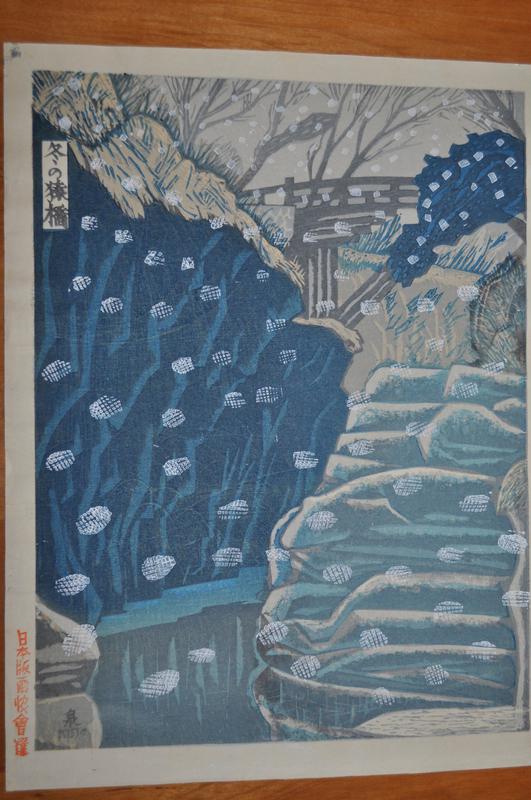
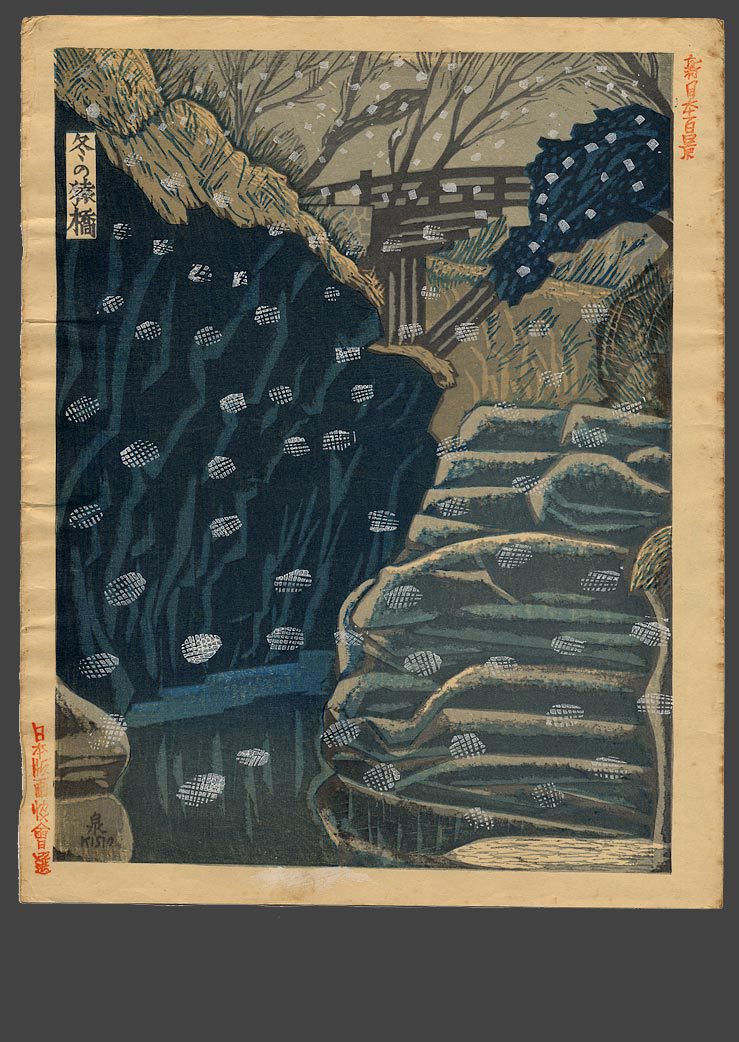
Saruhashi Bridge in Winter
1939
Woodblock print, ink and color on paper

Spring Snow at Hamacho Park in Nihonbashi (Nihonbashi-ku Hamacho koen shunsetsu) from the series "One Hundred Views of Great Tokyo in the Showa Era (Showa dai Tokyo fukei hyaku zue hanga)"
1940
Color woodblock print; oban
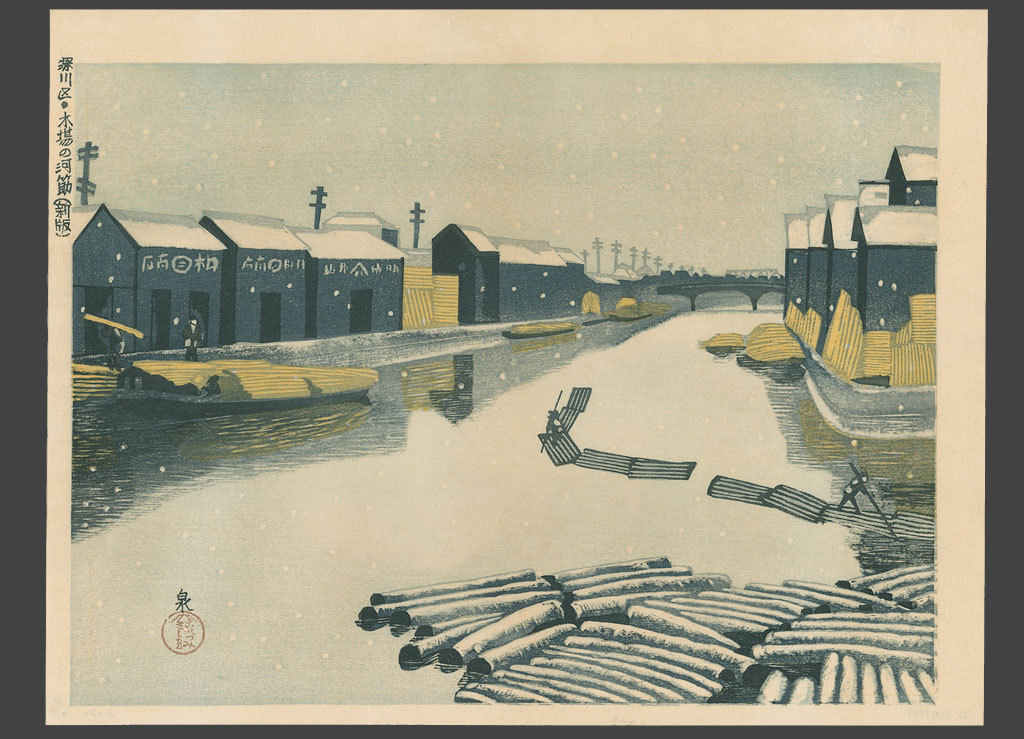
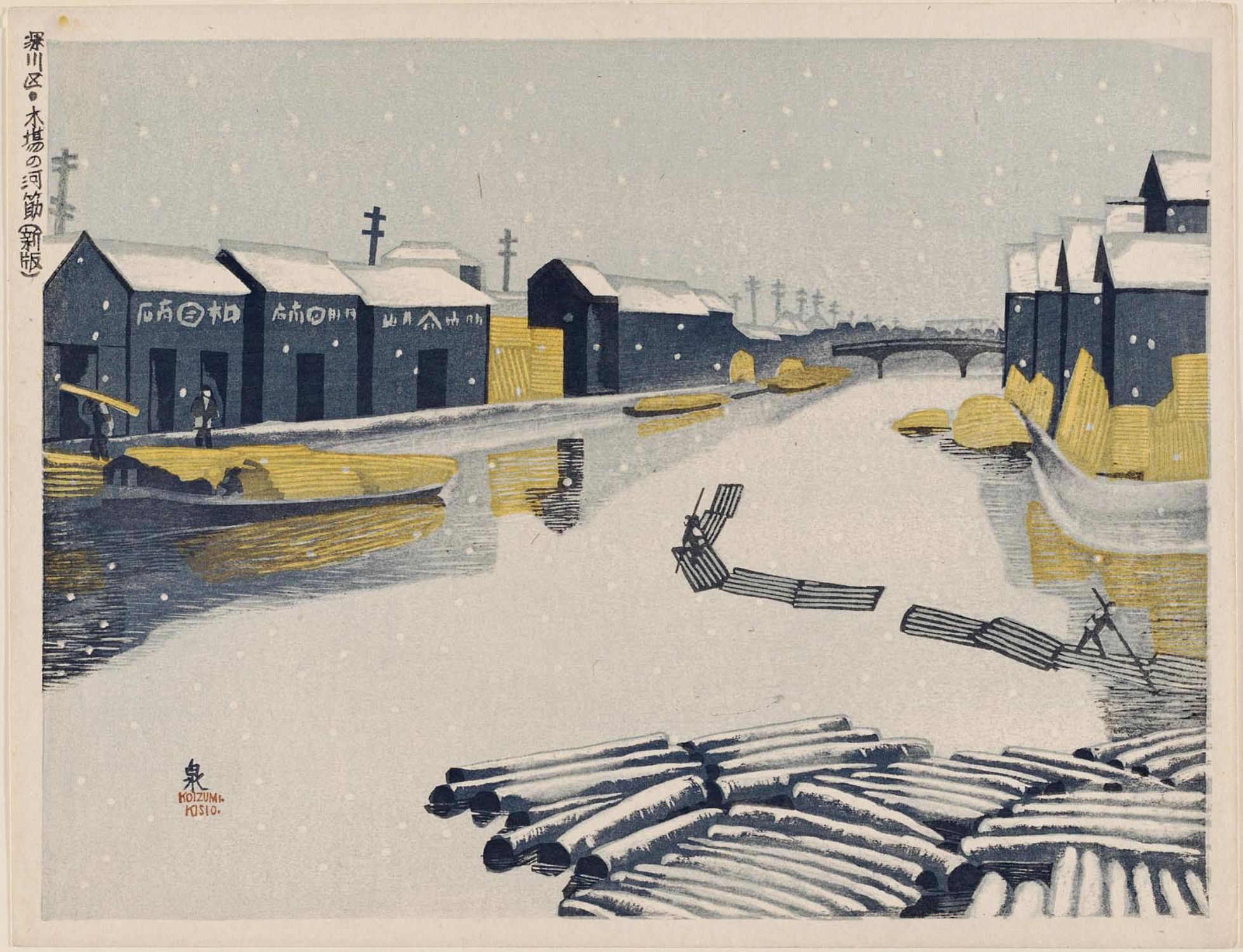
![Kiba Lumberyard along the River at Fukugawa (New Edition) [Fukagawa-ku, kiba no kawasuji (shinpan)], from the series "One Hundred Views of Great Tokyo in the Showa Era (Showa dai Tokyo fukei hyaku zue hanga)" by Kishio Koizumi](https://www.artic.edu/iiif/2/f6380c15-6d23-c26a-899d-08ead4db792b/full/843,/0/default.jpg)
Kiba Lumberyard along the River at Fukugawa (New Edition) [Fukagawa-ku, kiba no kawasuji (shinpan)], from the series "One Hundred Views of Great Tokyo in the Showa Era (Showa dai Tokyo fukei hyaku zue hanga)"
1940
Color woodblock print; oban
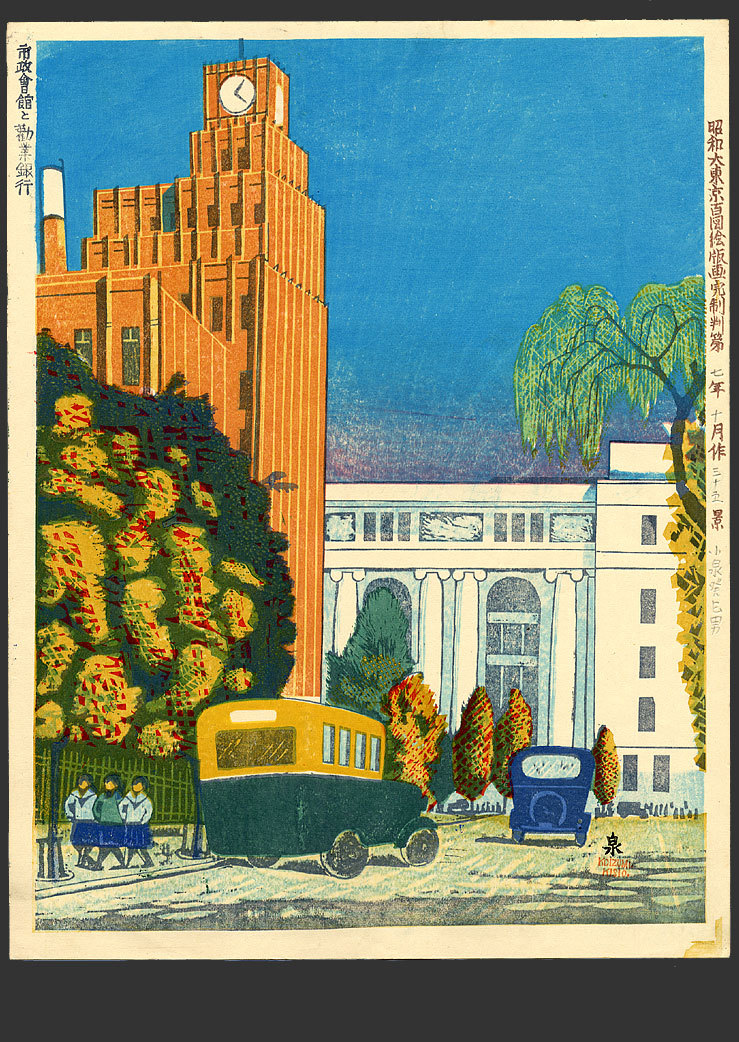
#35 Municipal Hall
Woodblock print
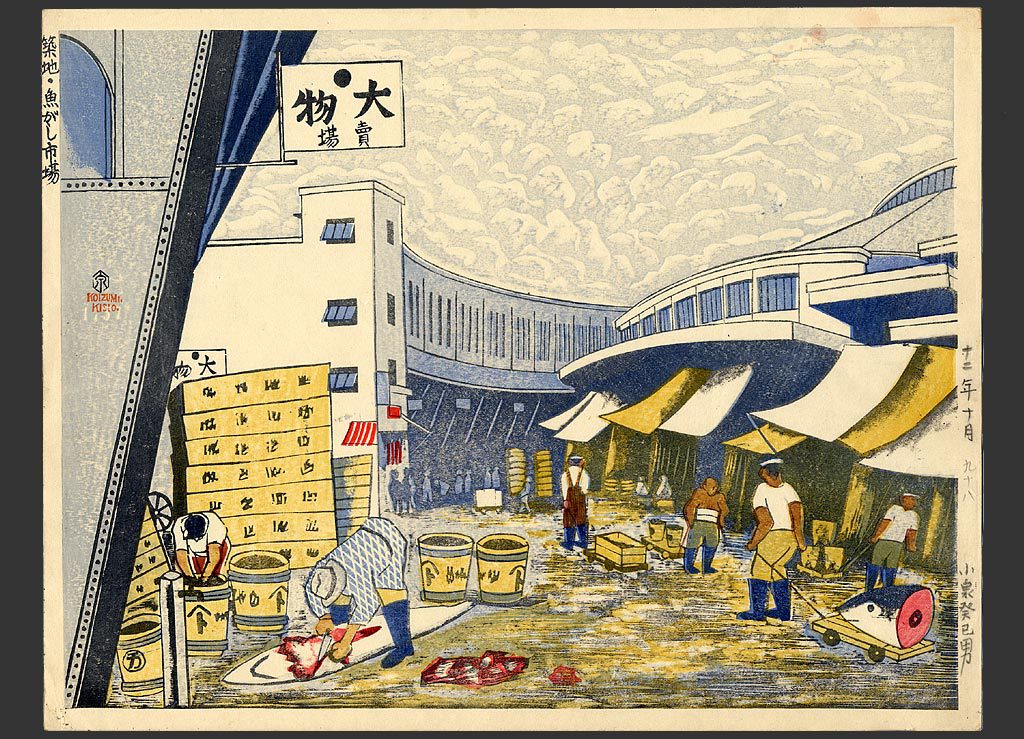
#98 tsukiji fish market
Woodblock print
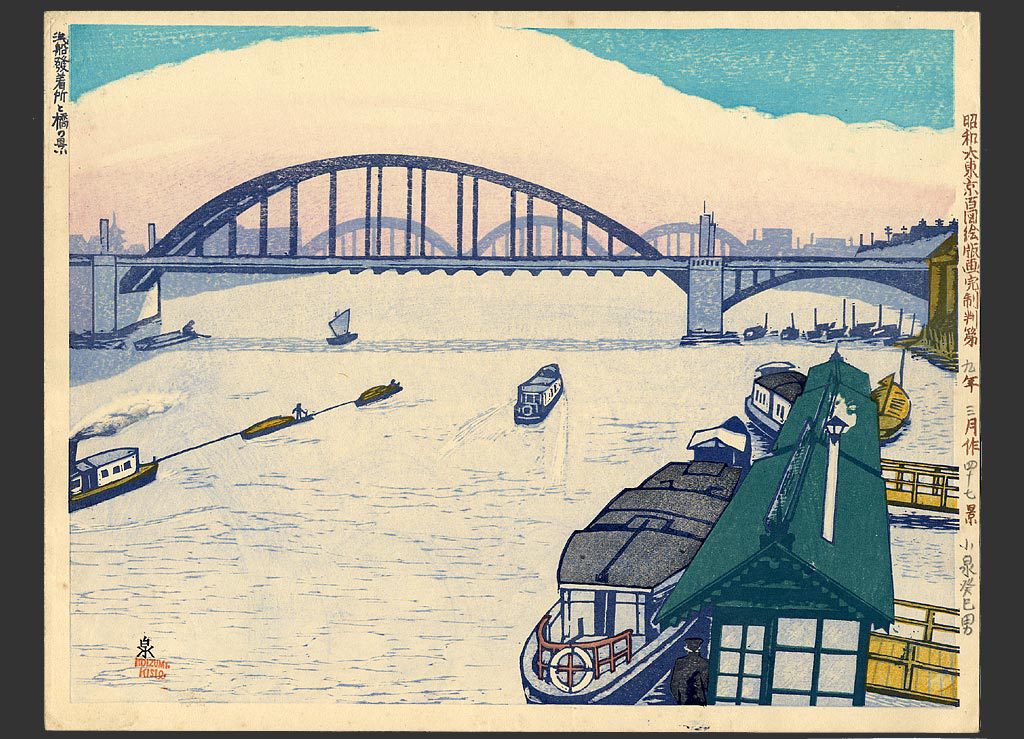
Untitled (kishio-koizumi)
Woodblock print
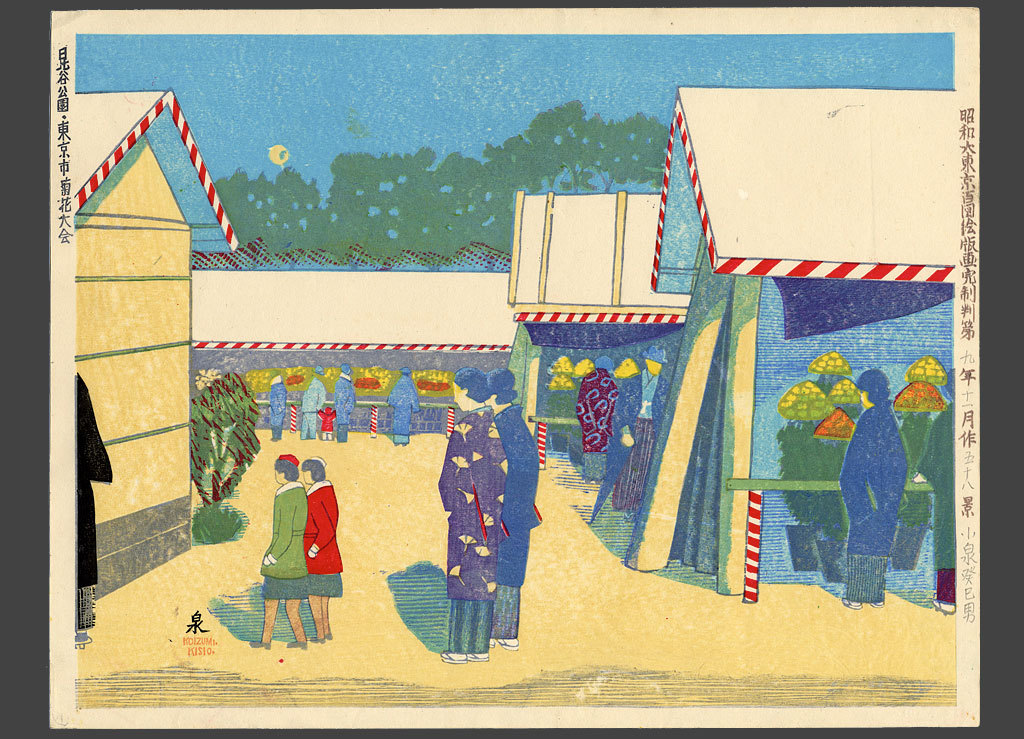
Untitled (kishio-koizumi)
Woodblock print
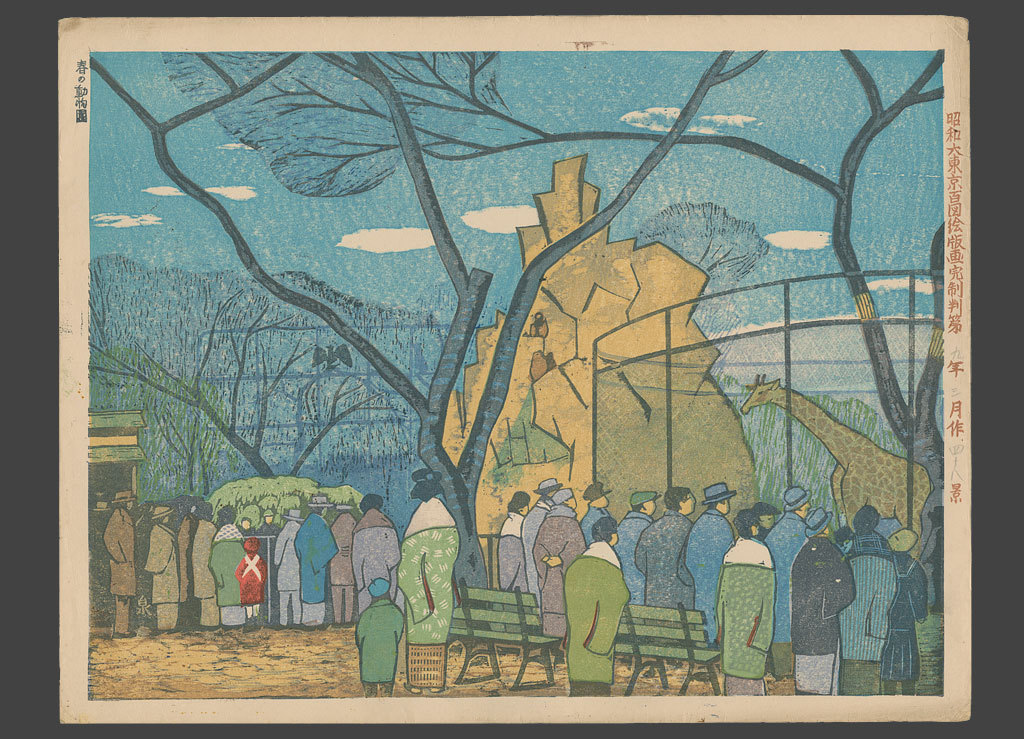
Untitled (kishio-koizumi)
Woodblock print
Untitled (kishio-koizumi)
Woodblock print

Untitled (kishio-koizumi)
Woodblock print

Untitled (kishio-koizumi)
Woodblock print
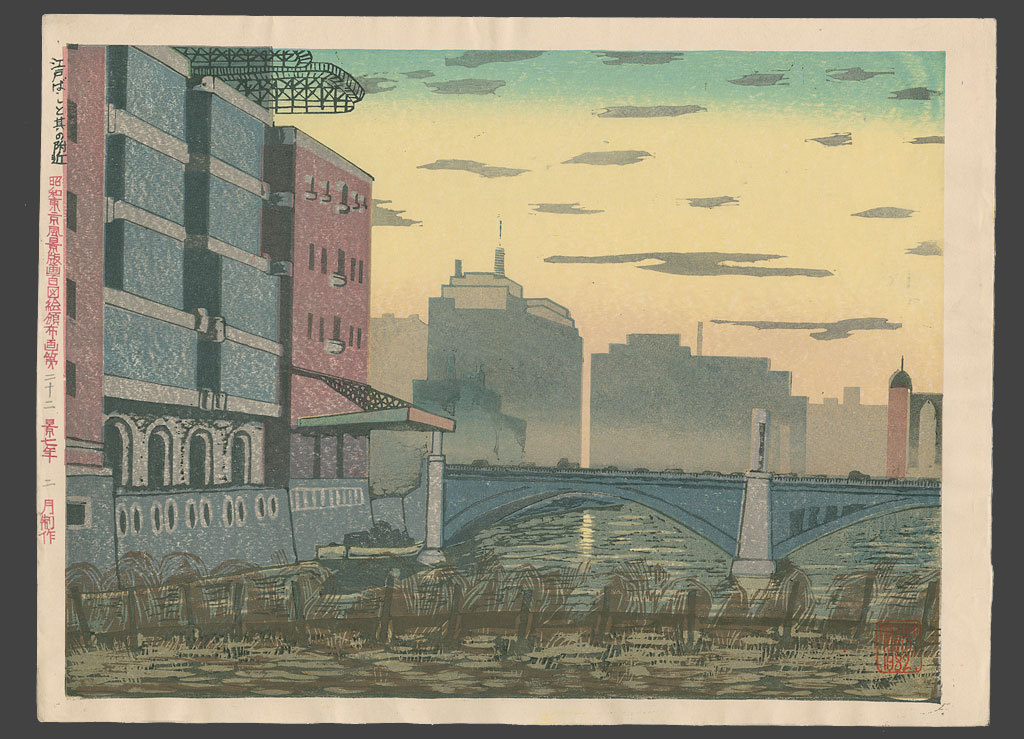
Untitled (kishio-koizumi)
Woodblock print
Untitled (kishio-koizumi)
Woodblock print
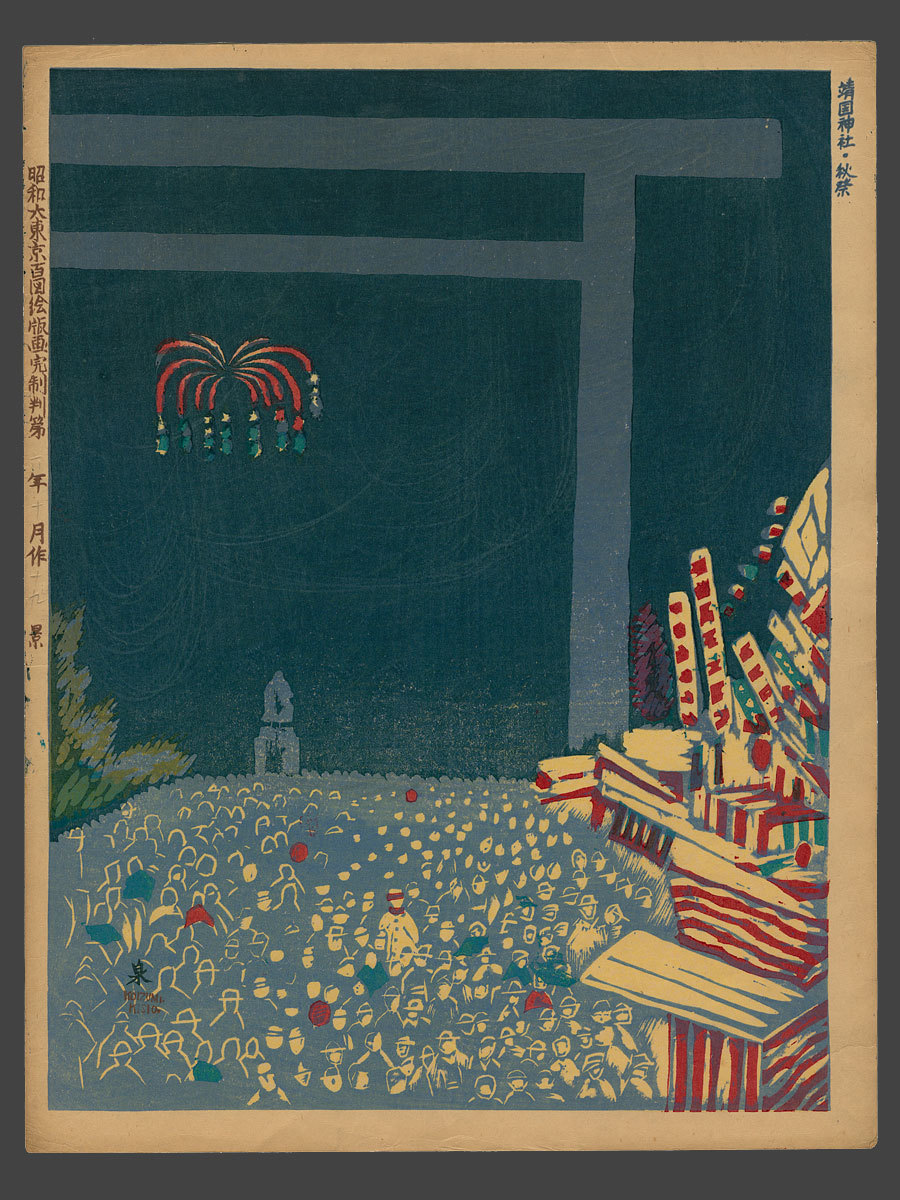
Untitled (kishio-koizumi)
Woodblock print
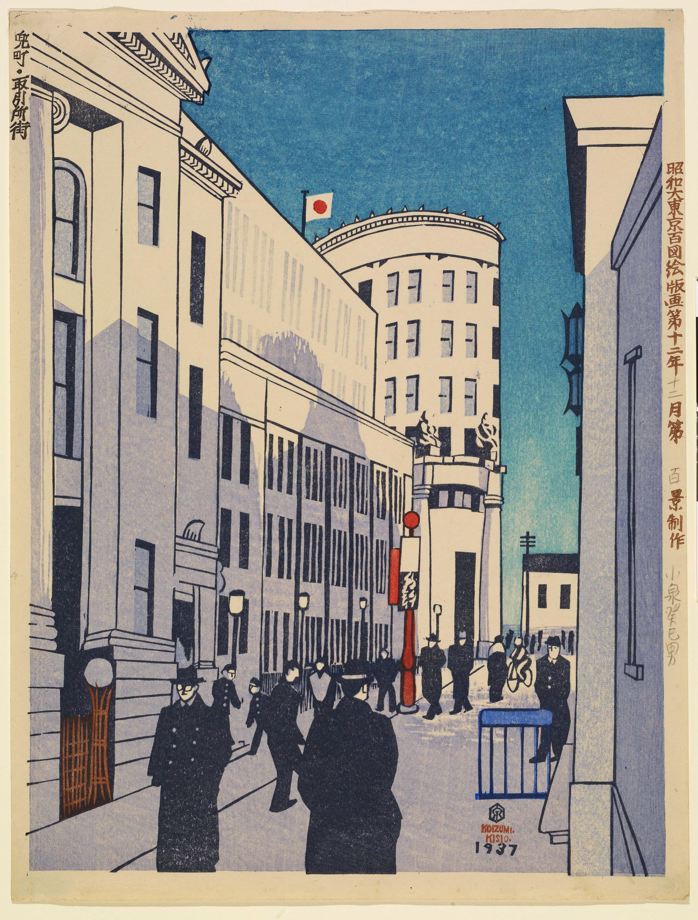
Untitled (kishio-koizumi)
Woodblock print
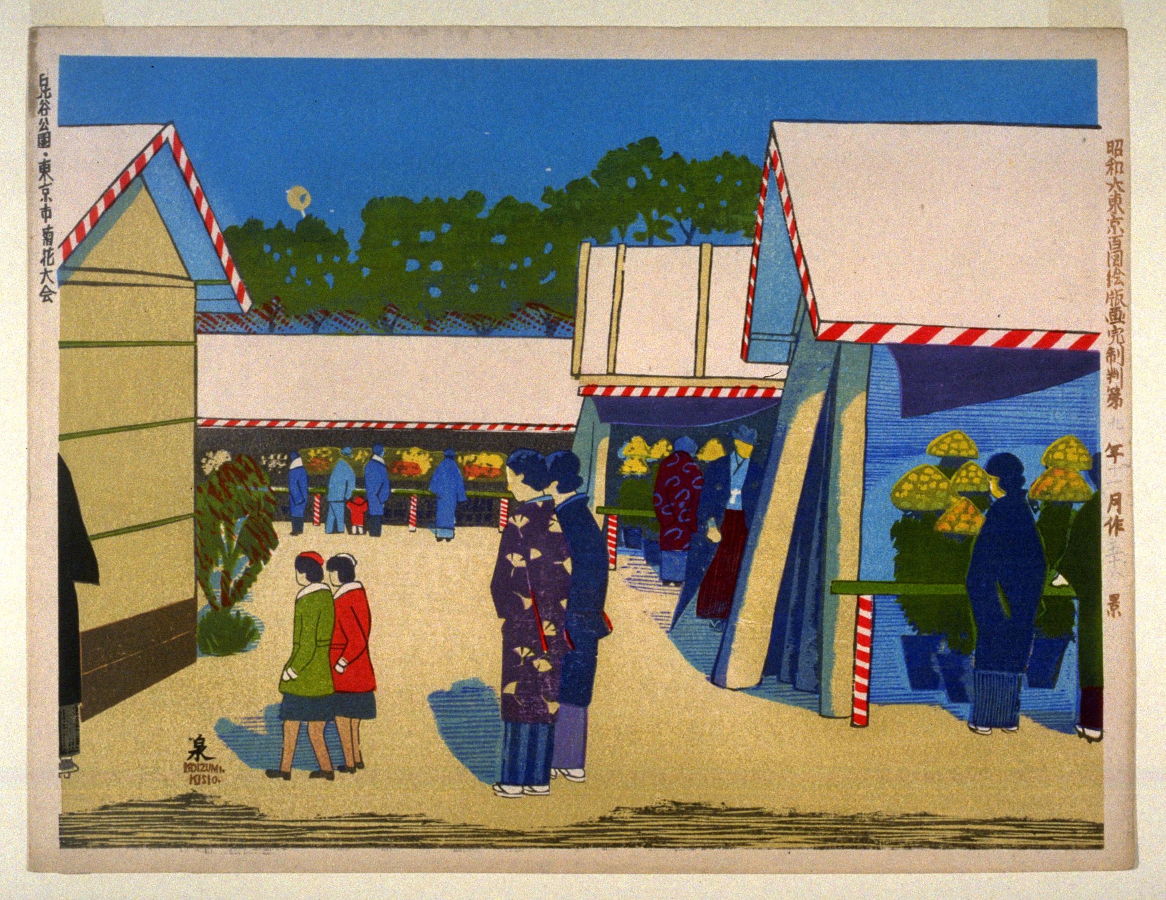
Untitled (kishio-koizumi)
Woodblock print
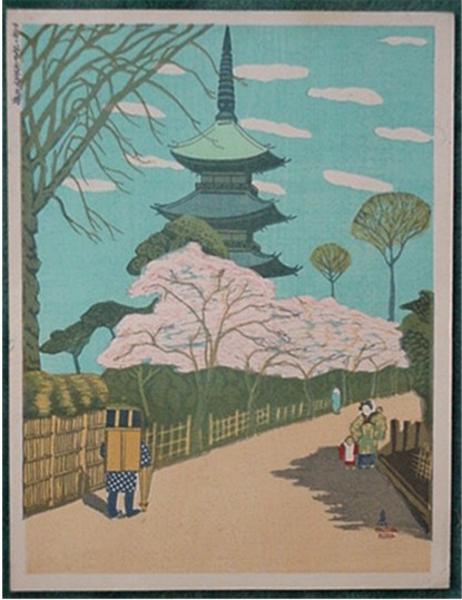
Untitled (kishio-koizumi)
Woodblock print
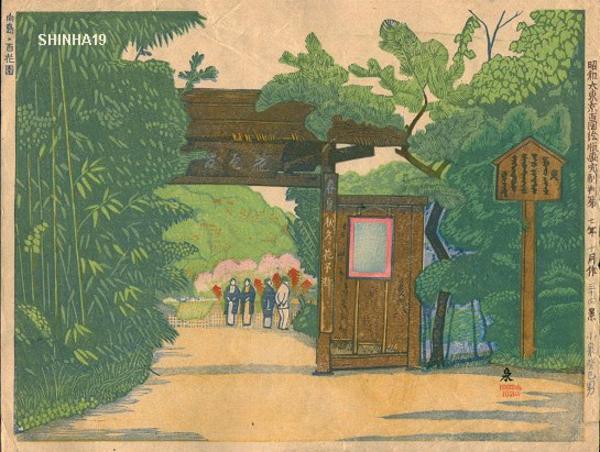
Untitled (kishio-koizumi)
Woodblock print
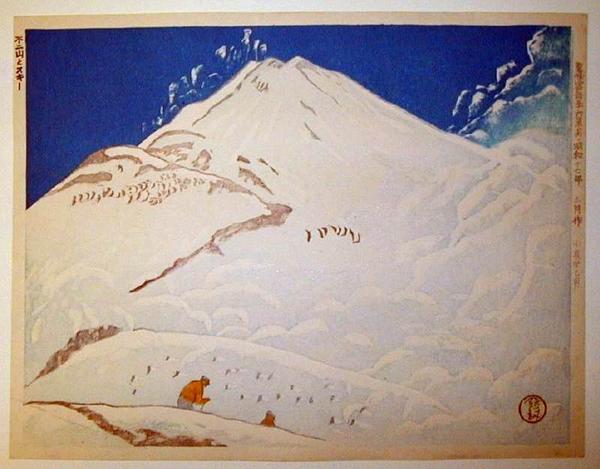
Untitled (kishio-koizumi)
Woodblock print
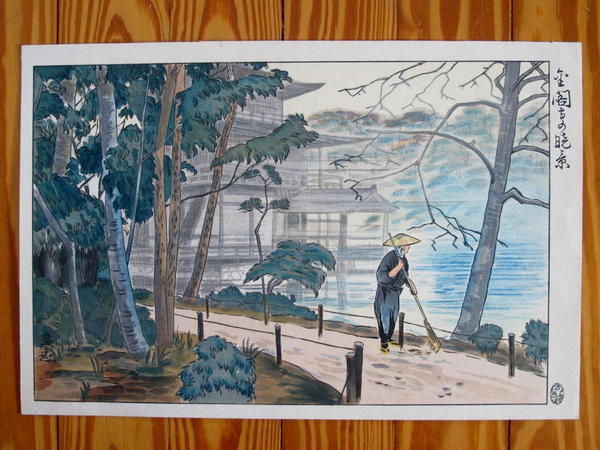
Untitled (kishio-koizumi)
Woodblock print
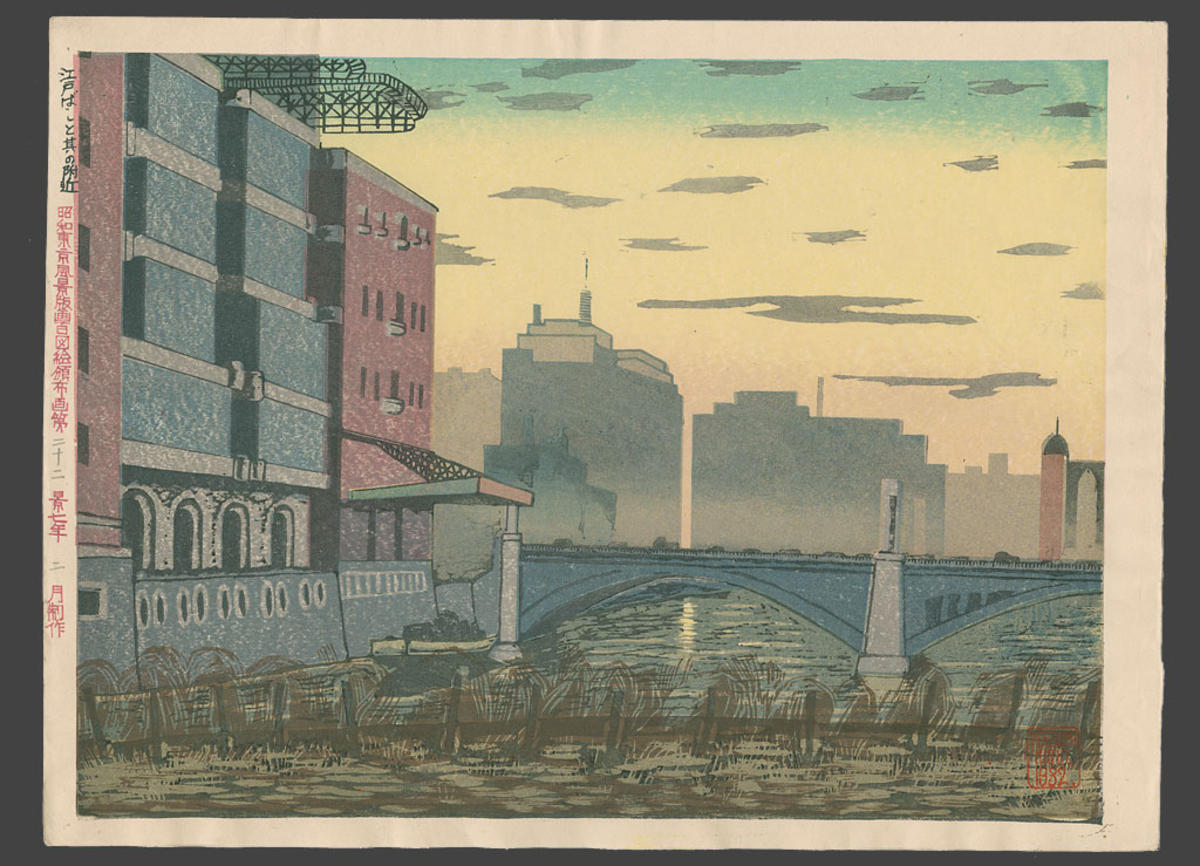
Untitled (kishio-koizumi)
Woodblock print
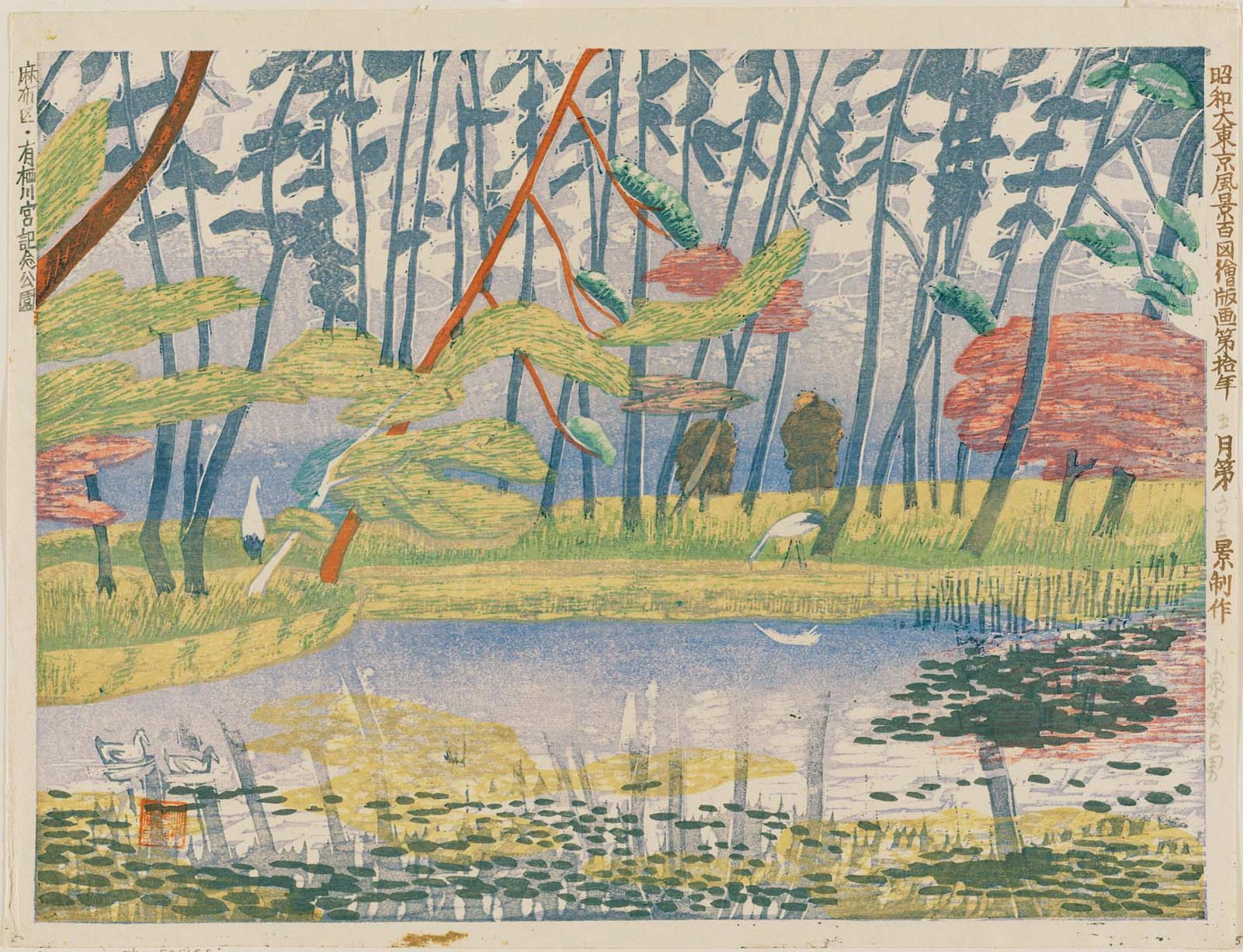
Untitled (kishio-koizumi)
Woodblock print
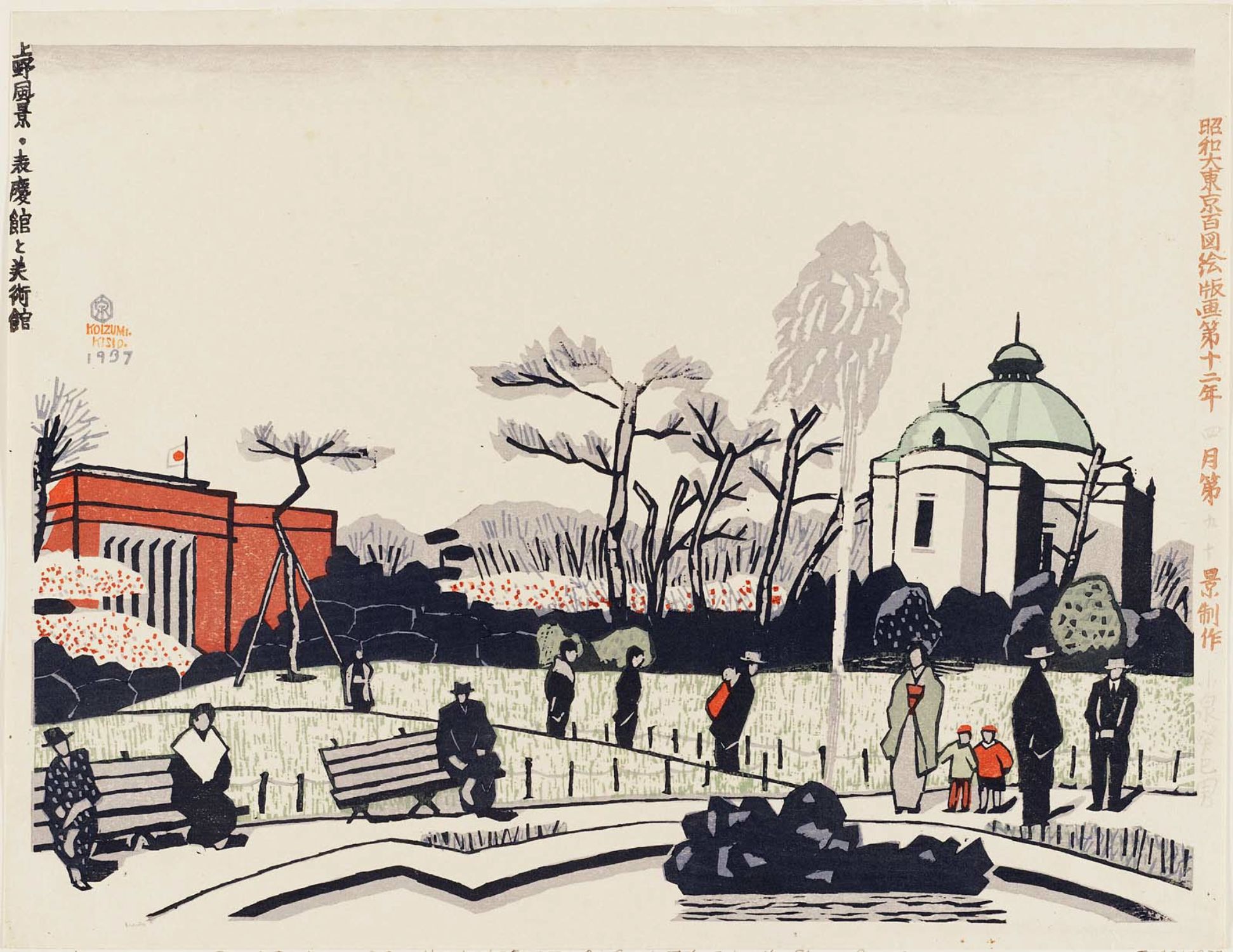
Untitled (kishio-koizumi)
Woodblock print
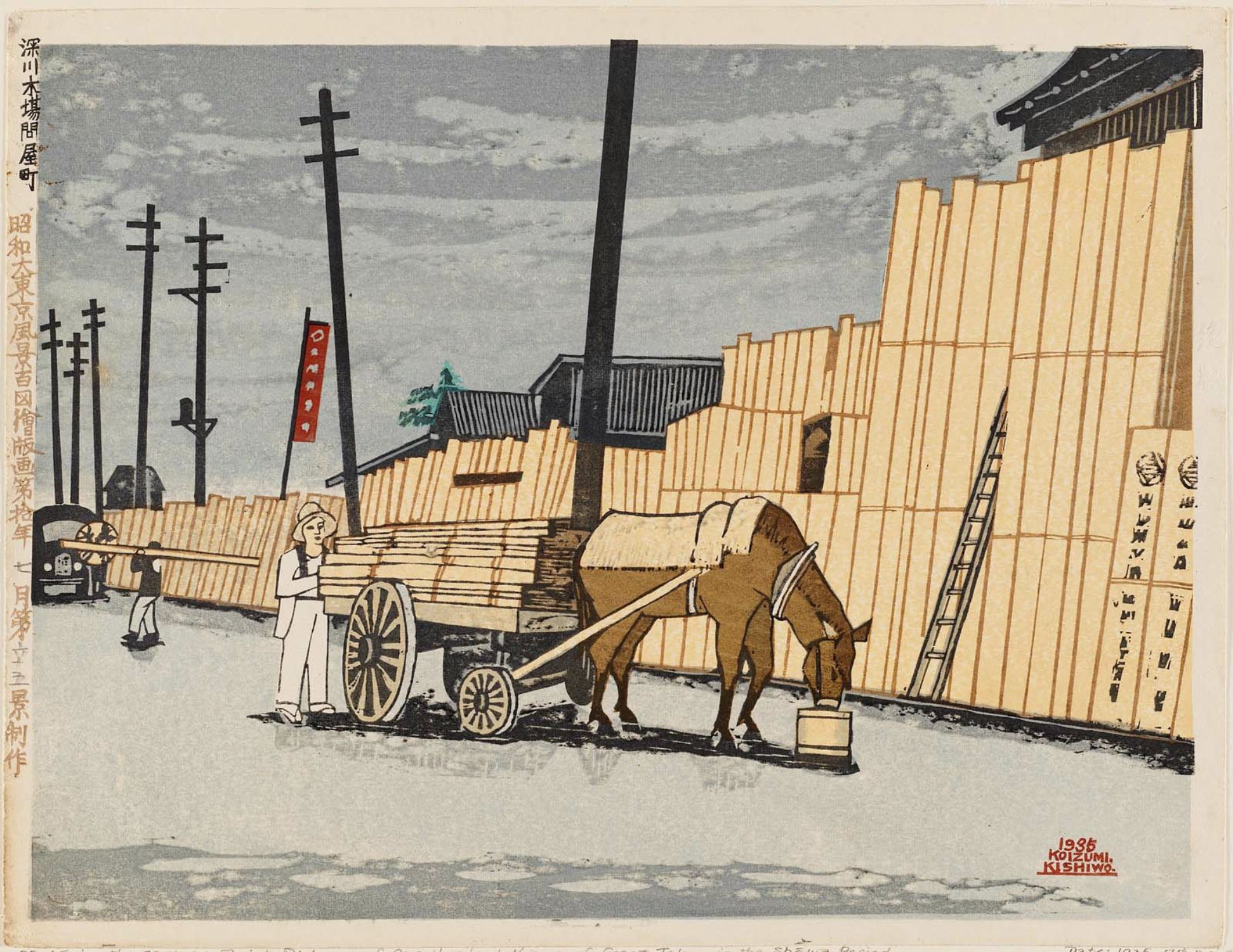
Untitled (kishio-koizumi)
Woodblock print
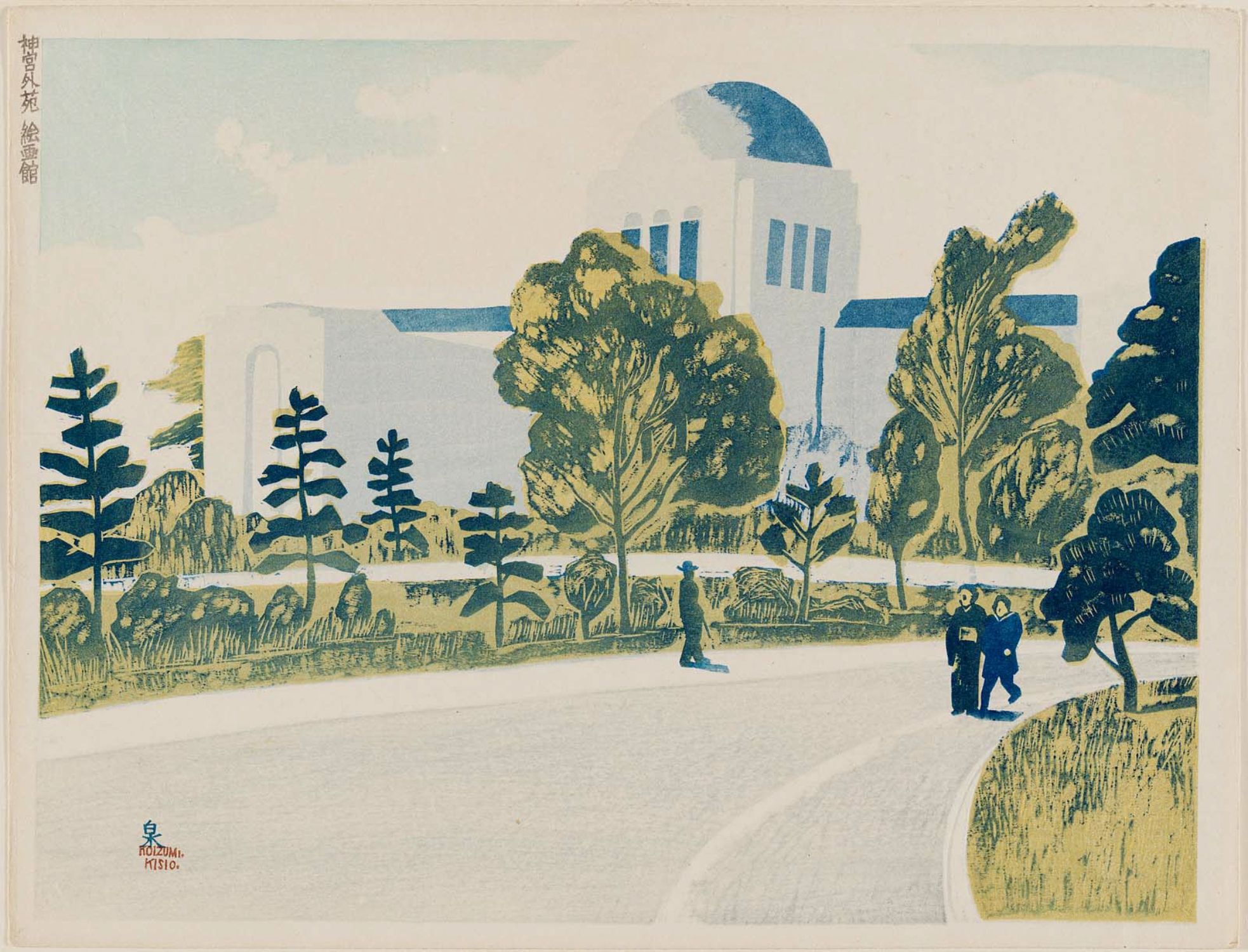
Untitled (kishio-koizumi)
Woodblock print
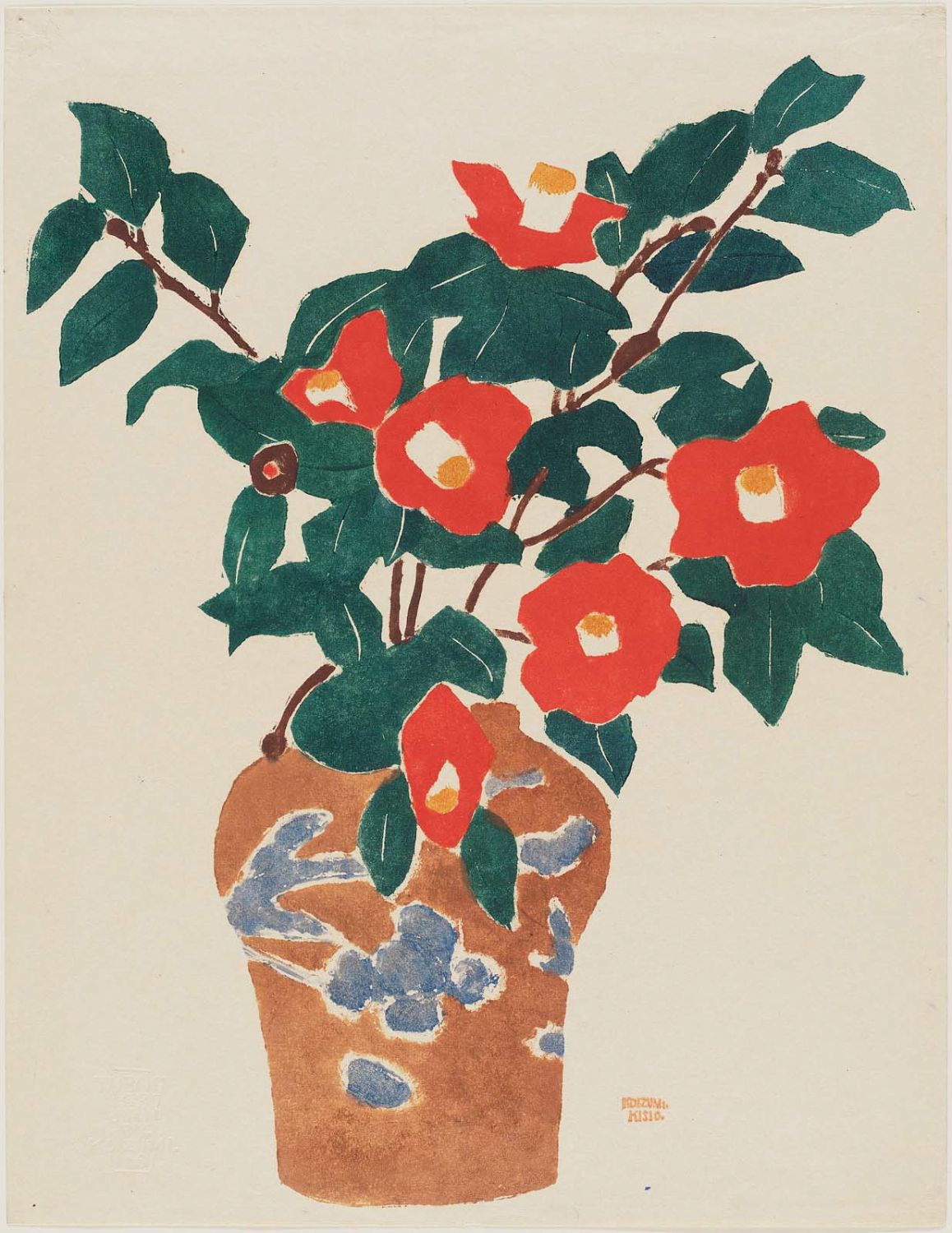
Untitled (kishio-koizumi)
Woodblock print
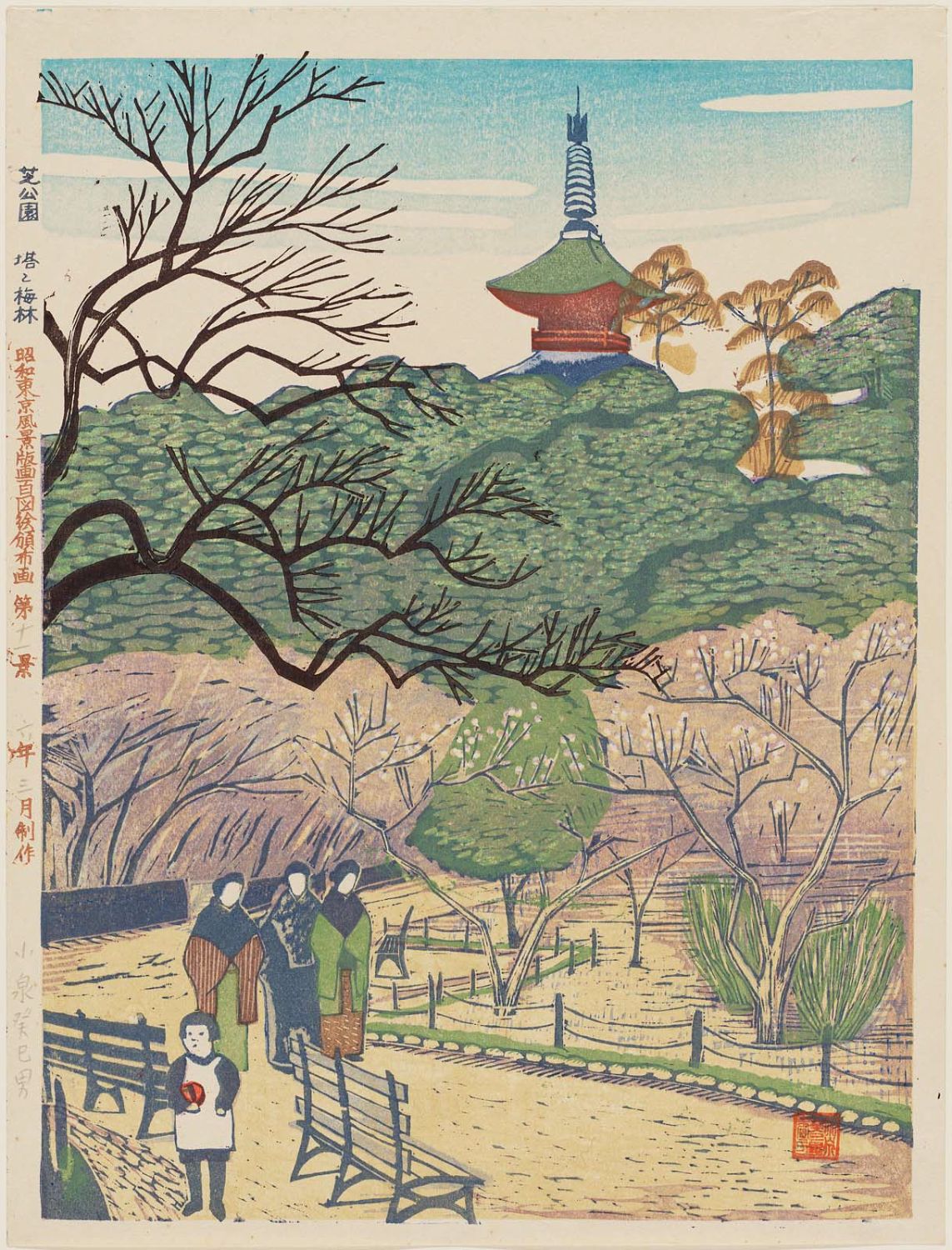
Untitled (kishio-koizumi)
Woodblock print
Untitled (kishio-koizumi)
Woodblock print
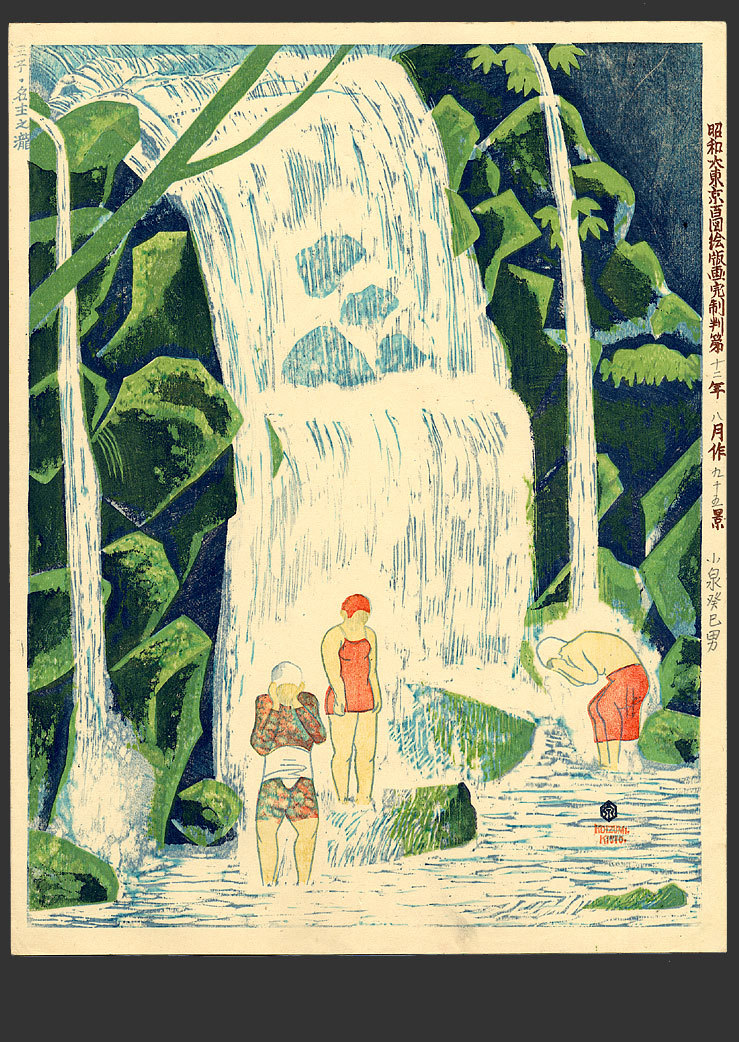
# 95 Nanuji Falls at Oji
Woodblock print