
Biography
Kaoru Kawano (川野薫, 1916–1965) was a Japanese sosaku-hanga artist best known for his striking depictions of women, particularly his "Dancing Figure" series, which combined traditional bijin-ga subject matter with the bold, expressive carving style of the creative print movement. His prints of graceful female figures, often rendered in strong outlines with areas of vivid color, became enormously popular with Western collectors and remain among the most recognizable images of postwar Japanese printmaking.
Born in 1916 in Hokkaido, Japan's northernmost main island, Kawano studied art in Tokyo and became associated with the sosaku-hanga movement, which insisted that the artist should design, carve, and print every work personally, in contrast to the collaborative model of shin-hanga. This philosophy of direct artistic control suited Kawano's expressive temperament, and he developed a distinctive style that married elegant figure drawing with bold, confident woodblock carving.
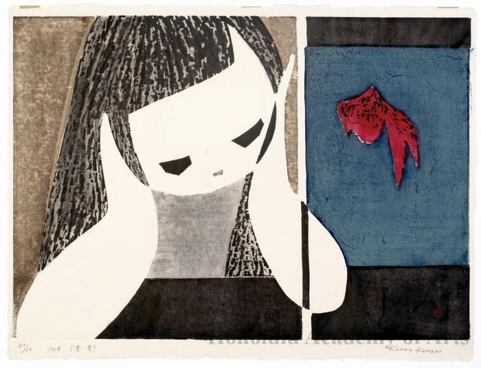
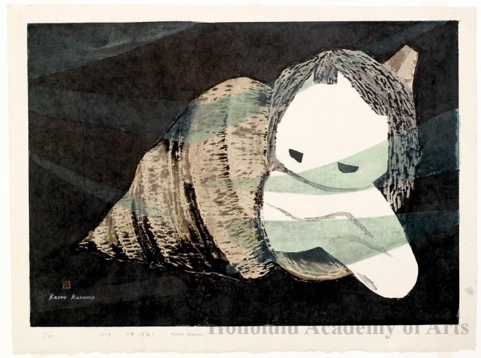
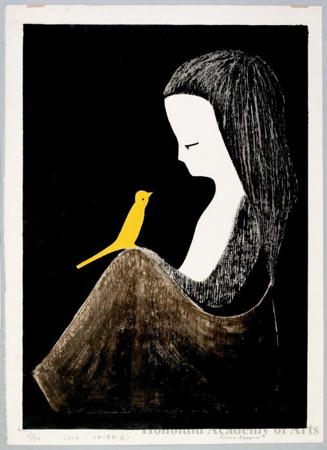
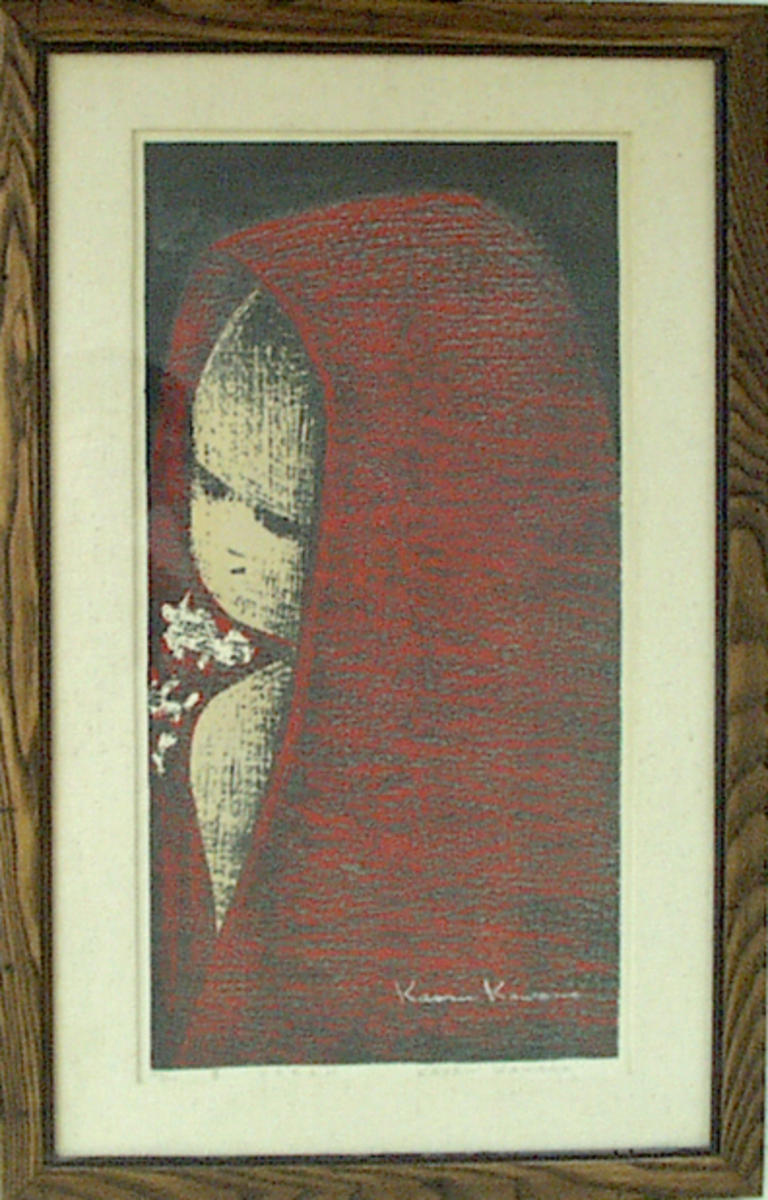
Kawano's most celebrated works are his prints of women — dancers, musicians, and figures from Japanese classical theater and folklore. His "Dancing Figure" series, produced throughout the 1950s and early 1960s, depicts women in flowing kimono captured in mid-movement, their garments swirling around them in dynamic curves. The figures are typically rendered with strong, sweeping outlines carved directly into the woodblock, filled with areas of flat, saturated color — deep reds, rich blues, and warm oranges — that give the prints a graphic boldness unusual in Japanese figure printmaking. The faces of Kawano's women often show the influence of Buddhist iconography, with serene, mask-like expressions that contrast with the dynamic energy of their poses.
Beyond his figure prints, Kawano also produced images of children, animals, and Buddhist subjects. His prints of children at play have a warmth and charm that made them popular as gifts and decorative items. His Buddhist-themed works, including images of Kannon (the bodhisattva of compassion) and other deities, reveal a spiritual dimension to his art that connects with the deeper currents of Japanese religious aesthetics.
Kawano's prints achieved widespread popularity in the United States during the 1950s and 1960s, a period when American interest in Japanese art and culture was at a peak. His work was sold through galleries and department stores across the country, and his "Dancing Figure" prints became familiar images in American homes. This commercial success, while it brought Kawano financial stability and international recognition, has sometimes led art historians to undervalue his artistic achievement, dismissing his work as merely decorative. However, the best of Kawano's prints demonstrate genuine artistic skill — the confident, fluid line of his carving, the sophisticated use of color, and the ability to capture movement and grace in the woodblock medium mark him as a printmaker of real accomplishment.
Kawano died in 1965 at the age of just forty-nine, cutting short a career that had been marked by both popular success and artistic ambition. His prints continue to be widely collected, particularly in the United States, where they appear frequently at auction and in galleries specializing in Japanese prints. His work is held in numerous museum collections, including the Honolulu Museum of Art, the Portland Art Museum, and the Cincinnati Art Museum.
Key Facts
- Active Period
- 1916–1965
- Nationality
- 🇯🇵Japan
- Movement
- Sōsaku-hanga
- Works Indexed
- 108
Frequently Asked Questions
What is Kaoru Kawano known for?
Kaoru Kawano (川野薫, 1916–1965) was a Japanese sosaku-hanga artist best known for his striking depictions of women, particularly his "Dancing Figure" series, which combined traditional bijin-ga subject matter with the bold, expressive carving style of the creative print movement. His prints of graceful female figures, often rendered in strong outlines with areas of vivid color, became enormously popular with Western collectors and remain among the most recognizable images of postwar Japanese printmaking.
When was Kaoru Kawano active?
Kaoru Kawano was active from 1916 to 1965. They were associated with the Sōsaku-hanga movement.
What artistic movements influenced Kaoru Kawano?
Kaoru Kawano's work was shaped by the Sōsaku-hanga tradition in Japanese woodblock printmaking. Sōsaku-hanga: The "creative prints" movement (c.
Where can I see Kaoru Kawano's original prints?
Original prints by Kaoru Kawano can be found in collections including Art Institute of Chicago, Japanese Art Open Database, Harvard Art Museums, Honolulu Museum of Art.
How much do Kaoru Kawano prints cost?
Kaoru Kawano's prints are among the most affordable and accessible works of the sosaku-hanga movement, making them an excellent entry point for new collectors. His 'Dancing Figure' series of graceful women in flowing kimono became enormously popular with American collectors in the 1950s and 1960s, and his prints remain widely available on the secondary market today. Because Kawano produced relatively large editions and his work was widely distributed through galleries and department stores in the United States, supply is plentiful and prices remain moderate. Most of his prints sell for $100-$800, with only exceptional examples breaking the $1,000 barrier. The key value factors are condition (strong, unfaded colors are essential), size (larger prints command higher prices), and subject (the dancing figures are the most popular). Kawano's market has been stable over the past decade, with consistent demand from collectors who appreciate the decorative appeal and graphic boldness of his work. His prints represent strong value in the Japanese print market, offering genuine sosaku-hanga craftsmanship at accessible price points. Common subjects: $100–$300. Well-preserved dancing figures: $400–$800. Exceptional large-format works: $1,000–$3,000.
Woodblock Prints by Kaoru Kawano (108)
Winter Mansion
n.d.
Color woodblock print

Tombstone (Ishibumi)
20th century
Color woodblock print
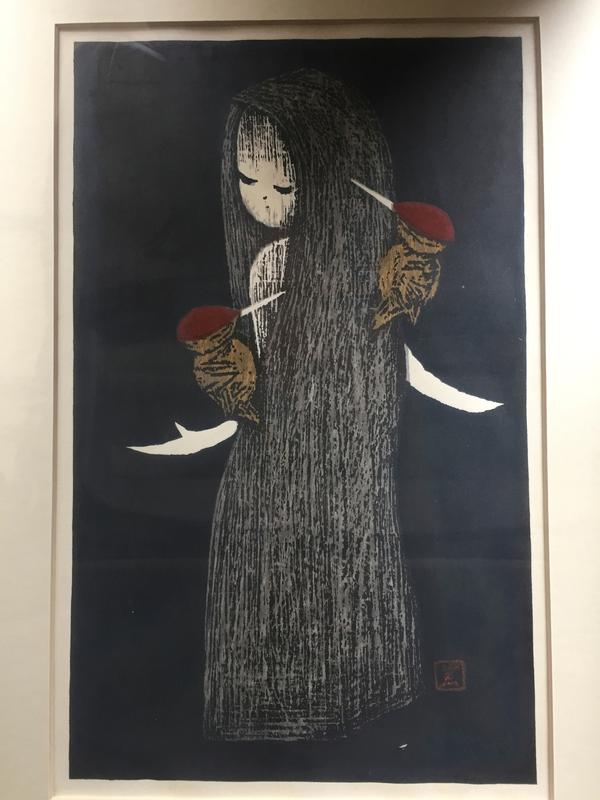
Woodpecker
1950s–1960s
Woodblock print, ink and color on paper
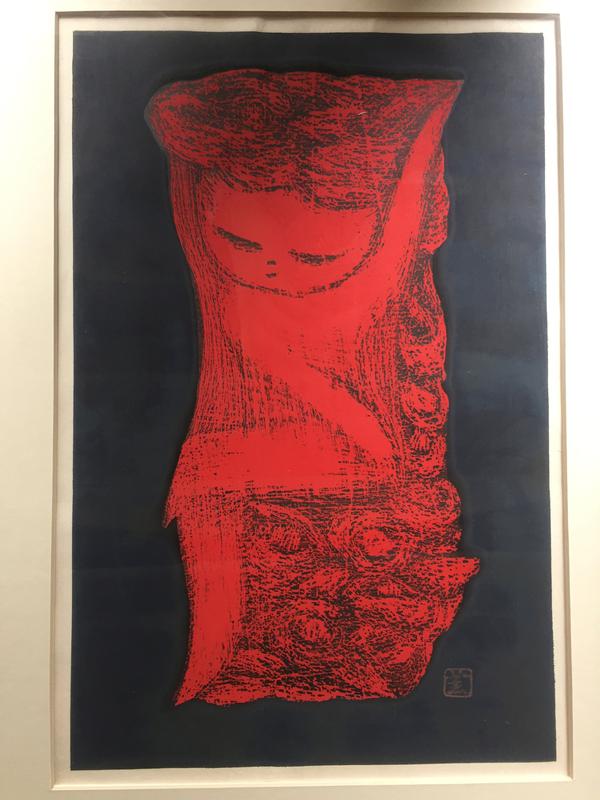
Little Flora - Shibaraku
1950s–1960s
Woodblock print, ink and color on paper

Small Bird (Kotori)
1957
Color woodblock print

Goldfish (Kingyo)
1958
Color woodblock print
![Woodpecker (B) [Kitsutsuki (B)] by Kaoru Kawano](https://www.artic.edu/iiif/2/bc4e25d8-39cc-0723-0ac3-5c17e5e5f5e9/full/843,/0/default.jpg)
Woodpecker (B) [Kitsutsuki (B)]
1962
Color woodblock print

Face
1964
Woodblock print, ink on paper
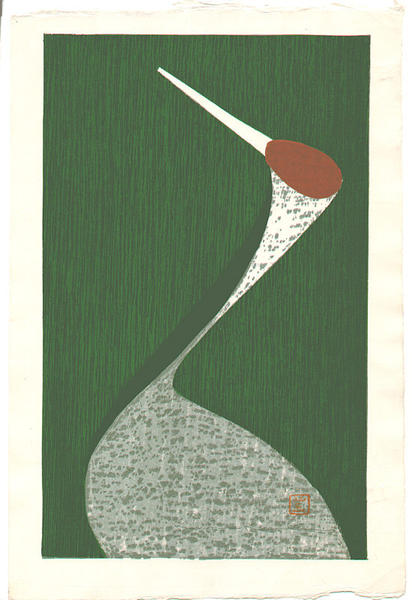
totalCount
Woodblock print
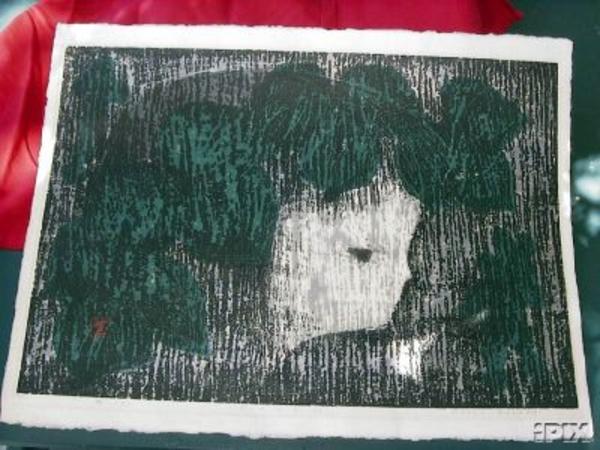
Face B- LE
Woodblock print
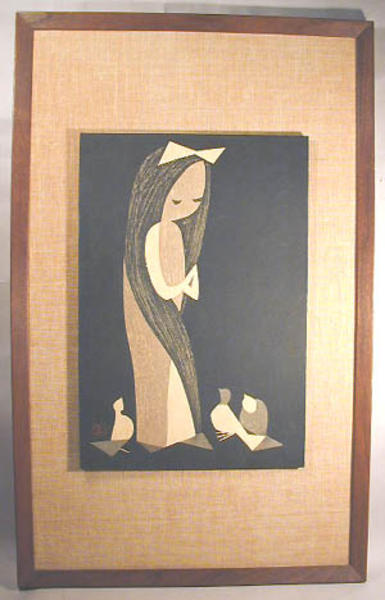
Doves and Girl- LE
Woodblock print
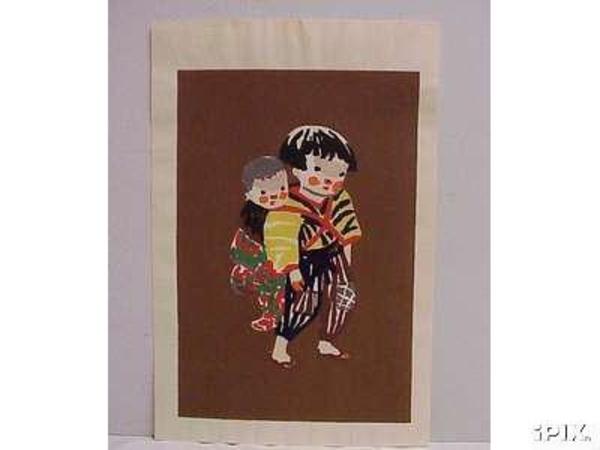
Child carrying a younger child 2
Woodblock print
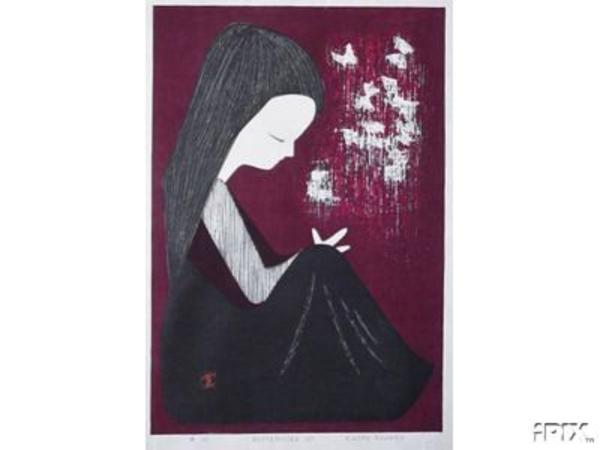
Butterflies ( c )
Woodblock print
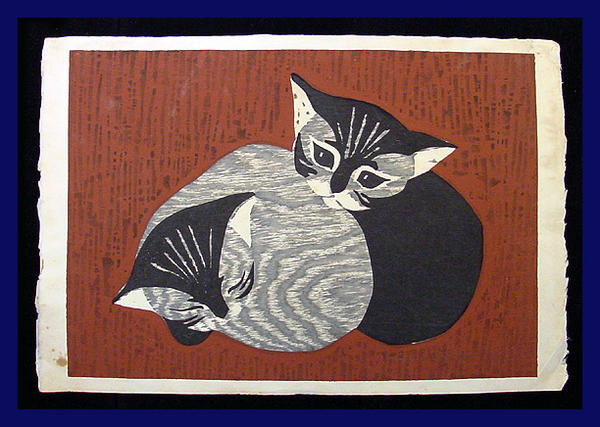
two kittens
Woodblock print
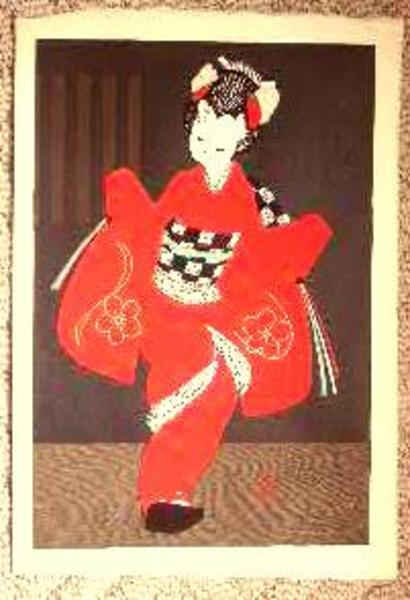
Dancing Figure (Eshima)- Oban
Woodblock print
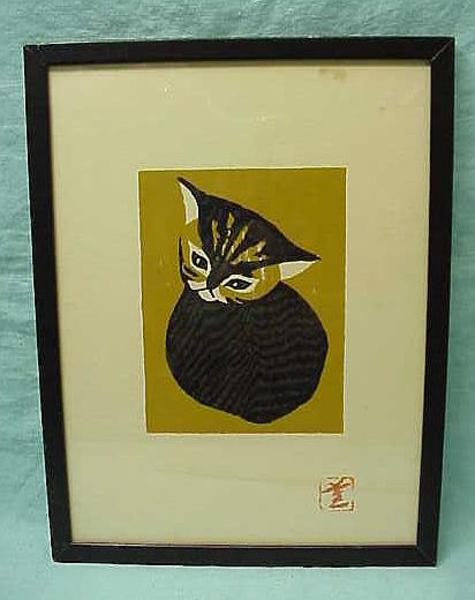
Cat
Woodblock print
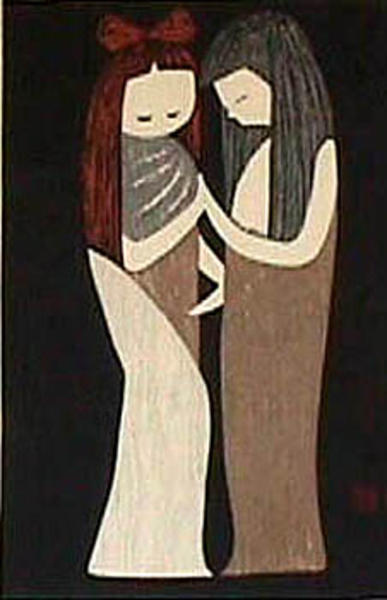
TWO GIRLS, Friends, Couple (8)
Woodblock print
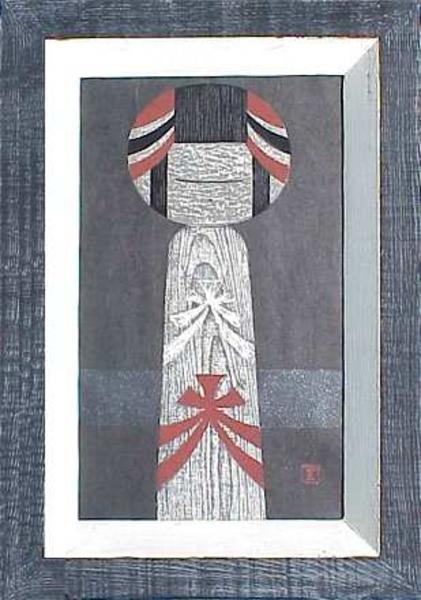
Kokeshi doll
Woodblock print
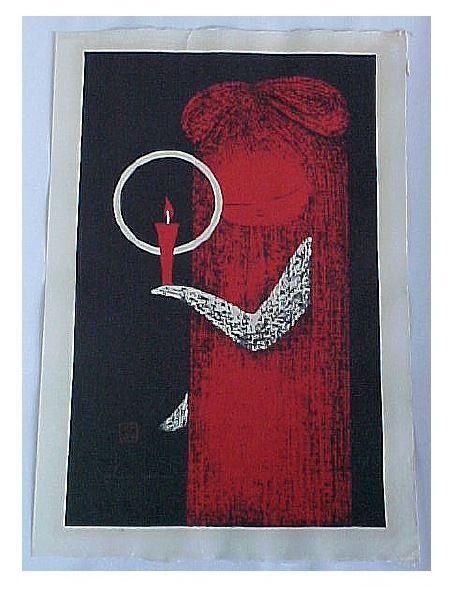
Candle Light
Woodblock print

Small Bird C- oban
Woodblock print

Unknown, Sacred Crane
Woodblock print
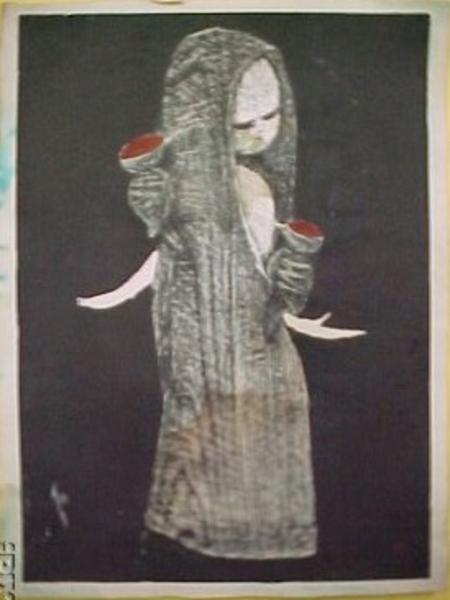
Woodpecker- LE — 啄木鳥
Woodblock print

Little Flora- LE — 花
Woodblock print
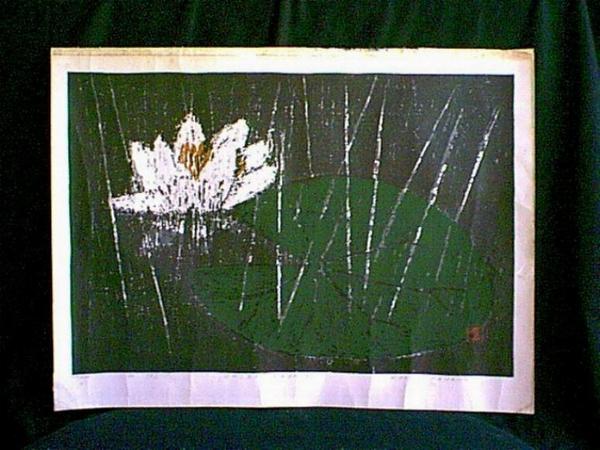
Quiet Rain (B)- LE
Woodblock print
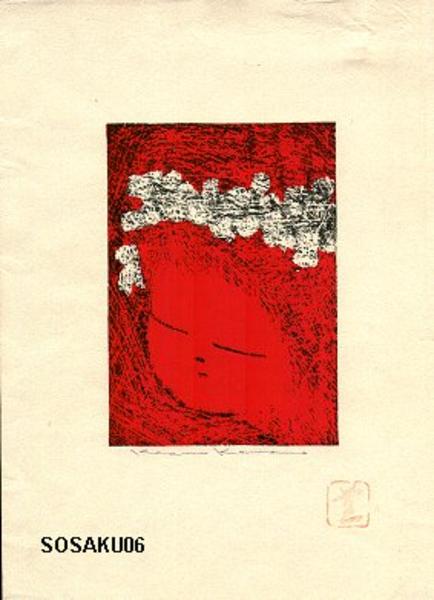
Unknown- girl with flowers in hair
Woodblock print
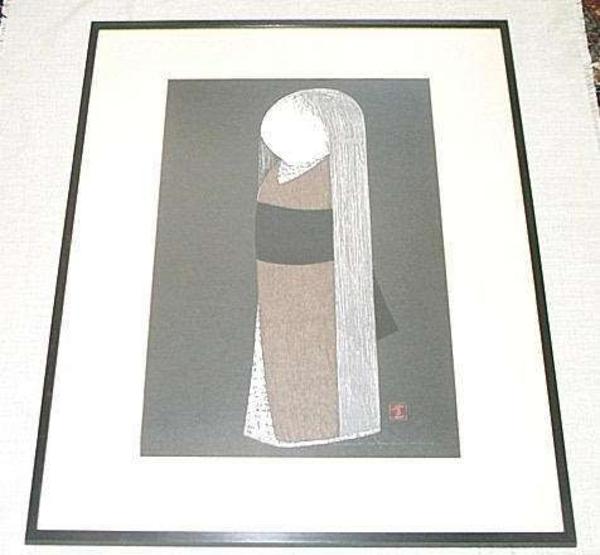
Hair, LE
Woodblock print
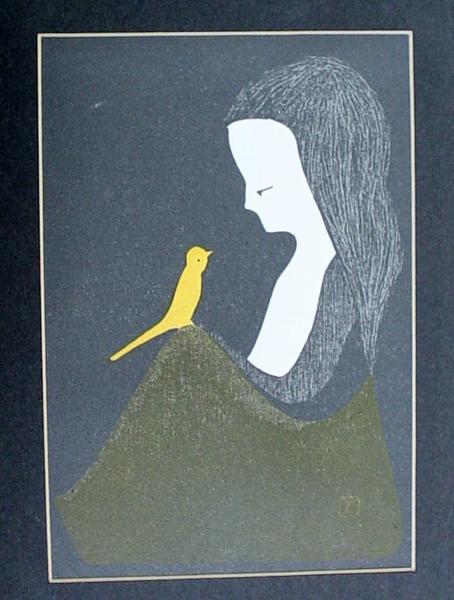
Yellow Canary
Woodblock print

Night Perfume LE — 夜の梅
Woodblock print
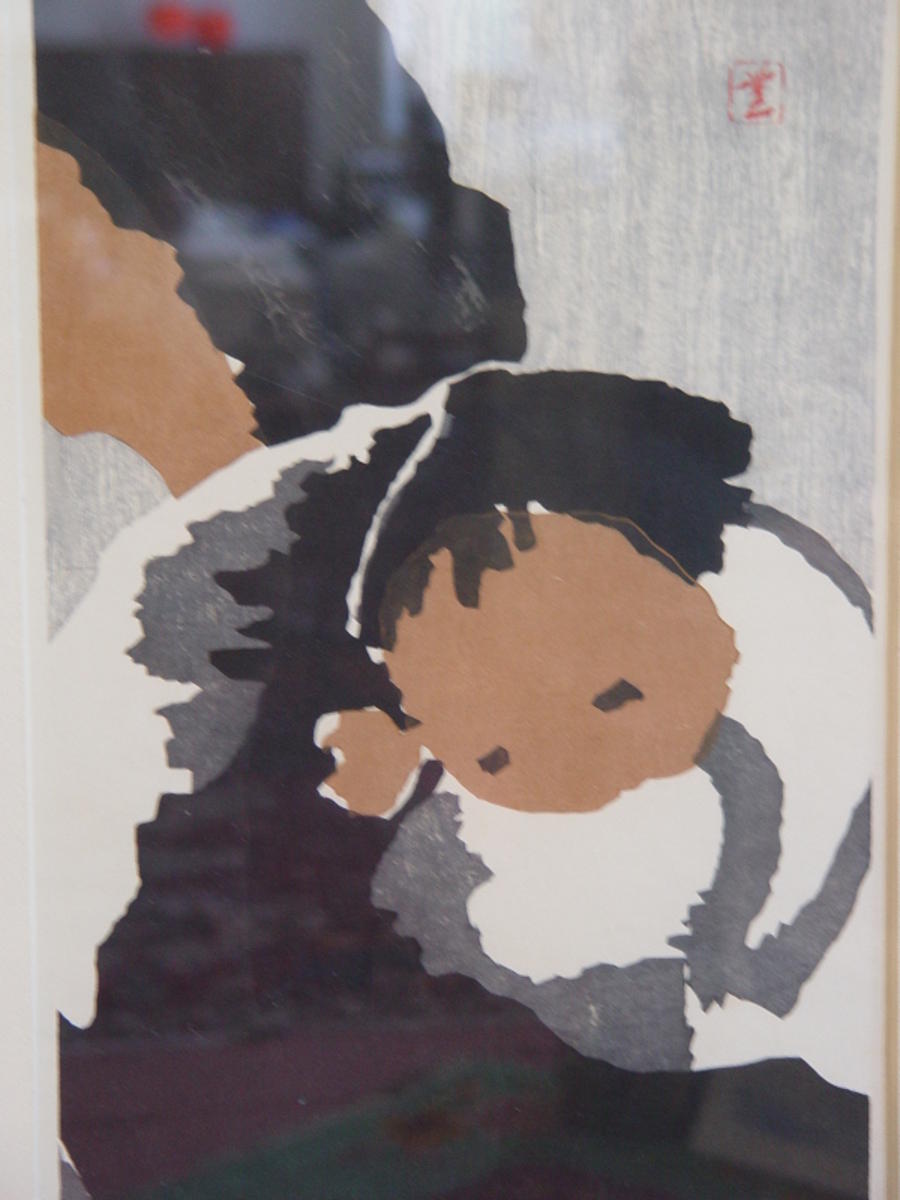
Mothers Love- Mother and Child
Woodblock print

Camellia D- LE
Woodblock print
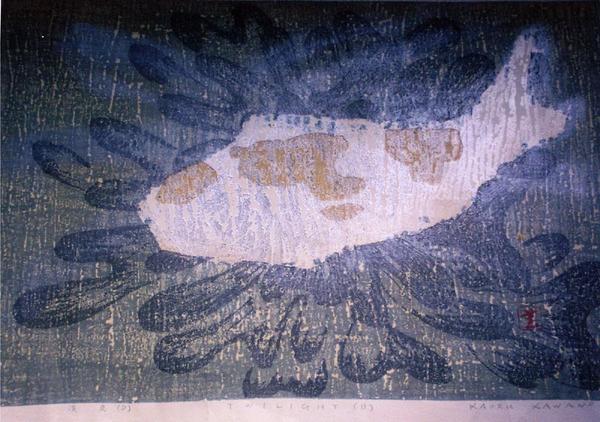
Twilight D- LE
Woodblock print
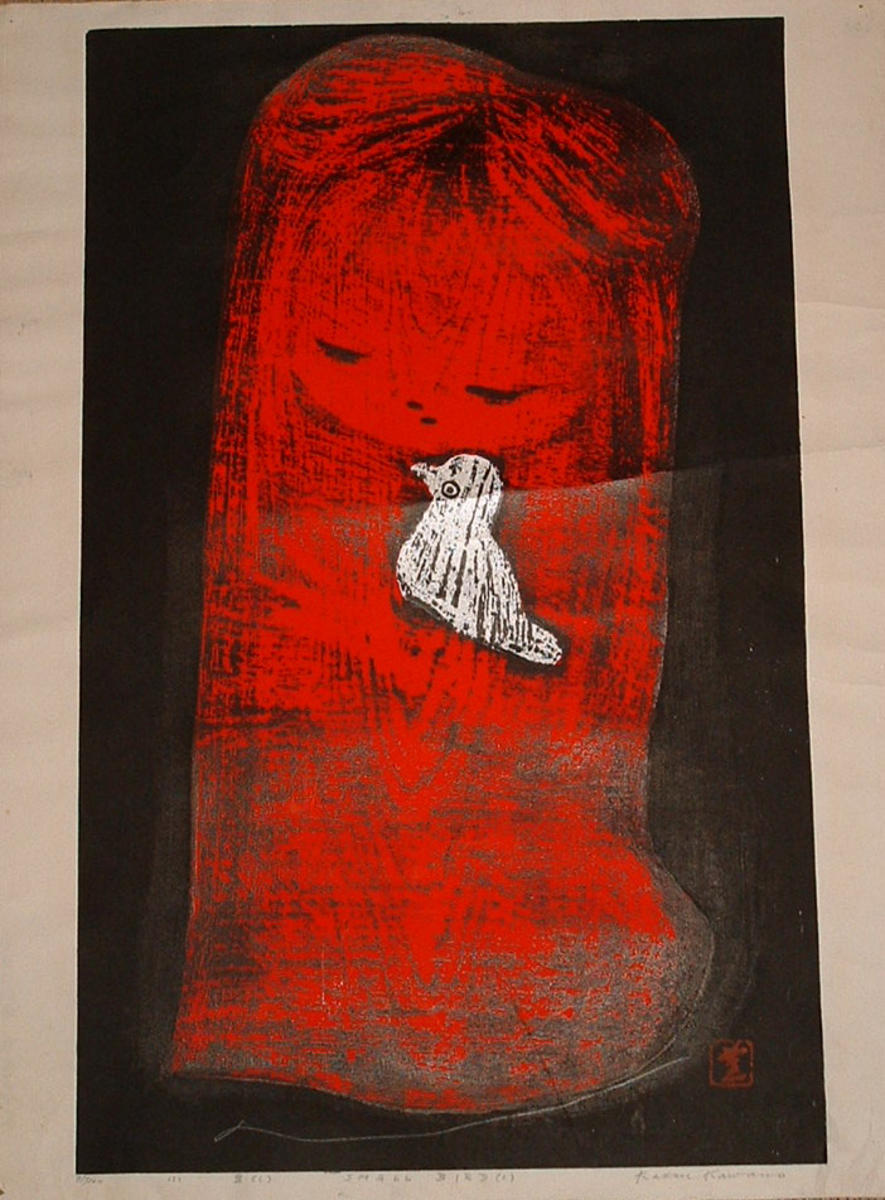
Small Bird C- LE
Woodblock print

Quiet Rain, Shôwa period,
Woodblock print
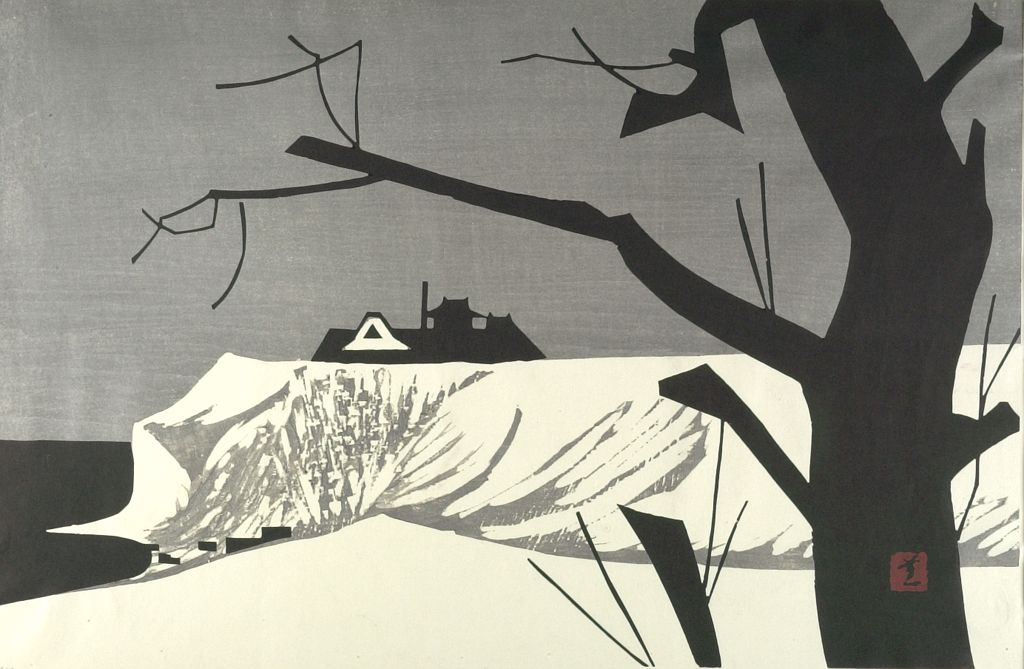
Winter Mansion (Girinsô), Shôwa period,
Woodblock print
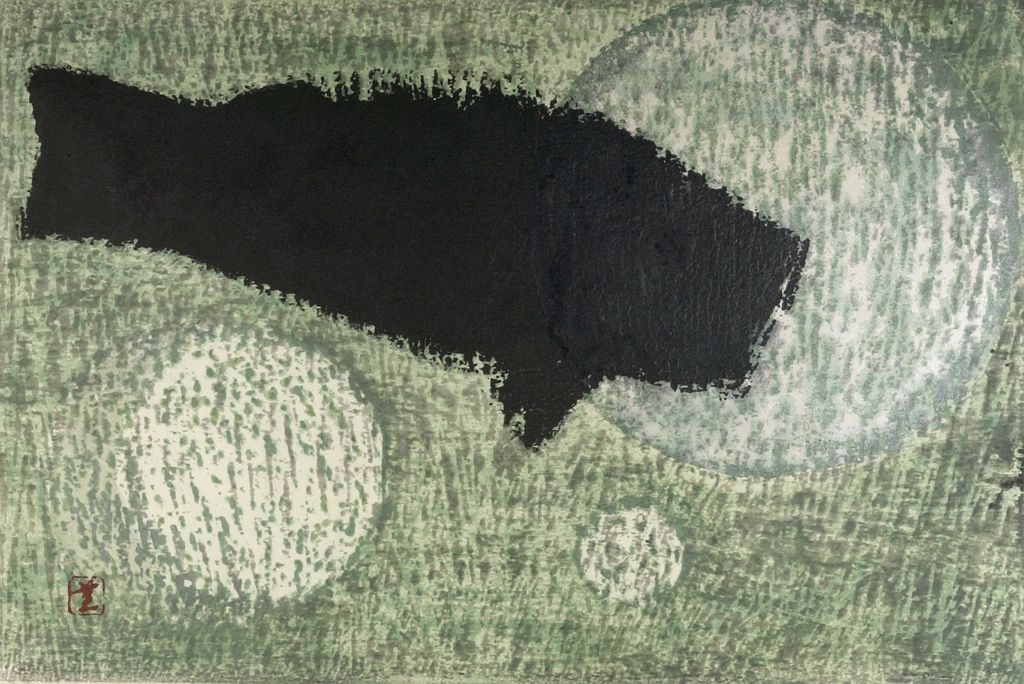
Twilight (B), Shôwa period,
Woodblock print
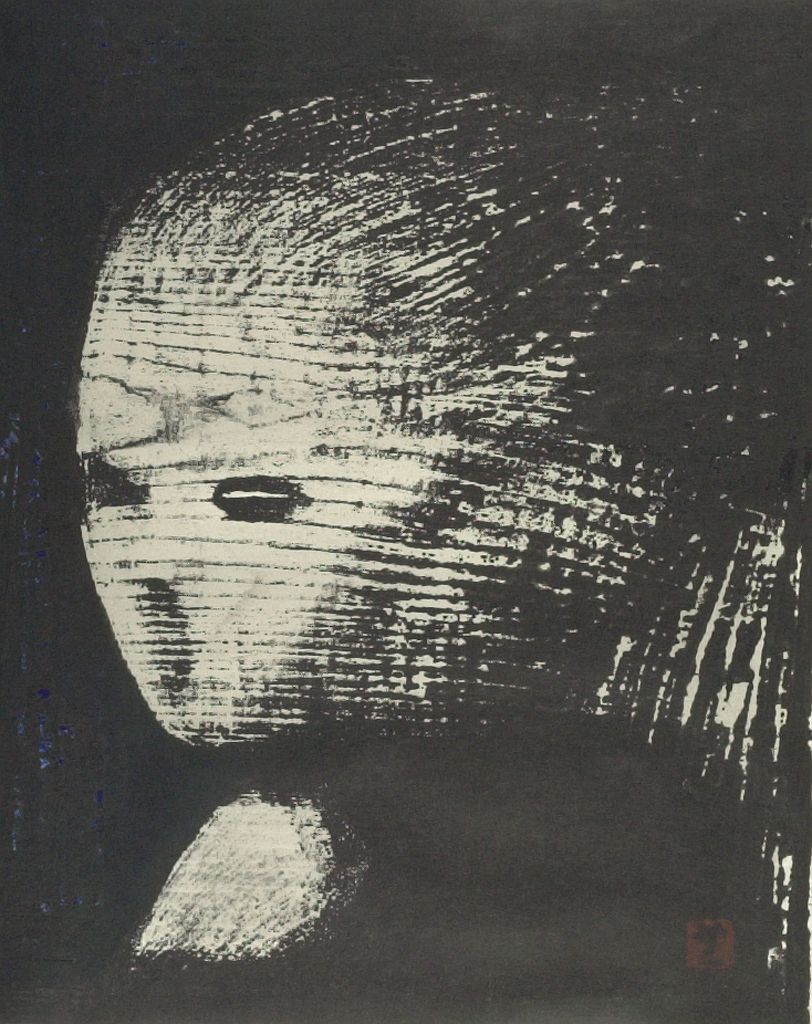
Face, Shôwa period,
Woodblock print
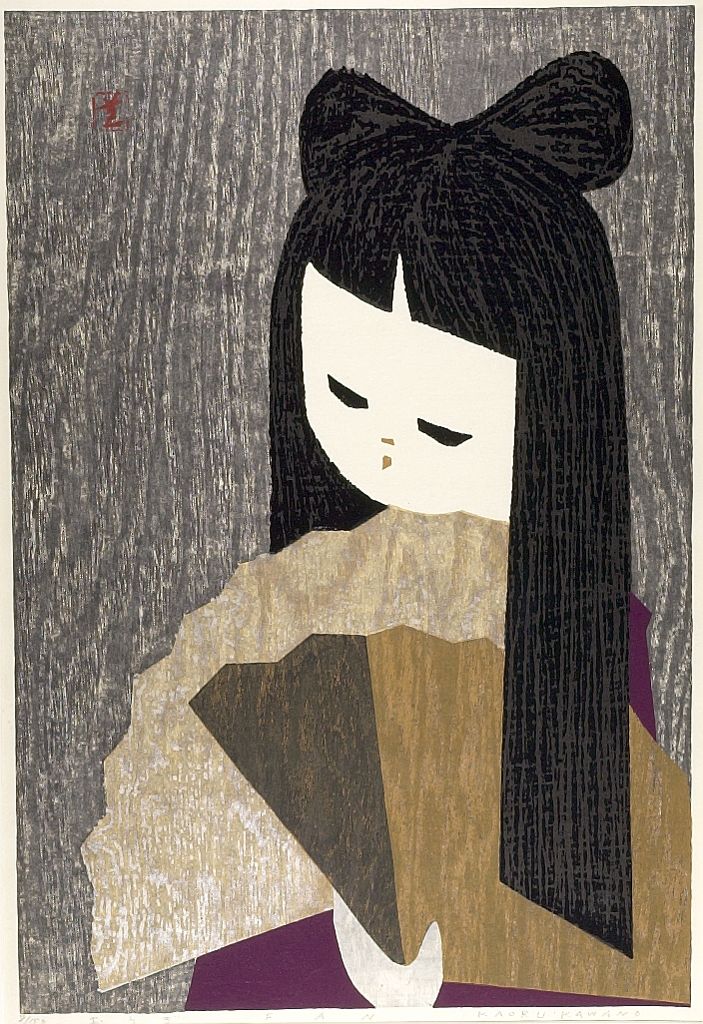
Fan, Shôwa period, before 1965
Woodblock print
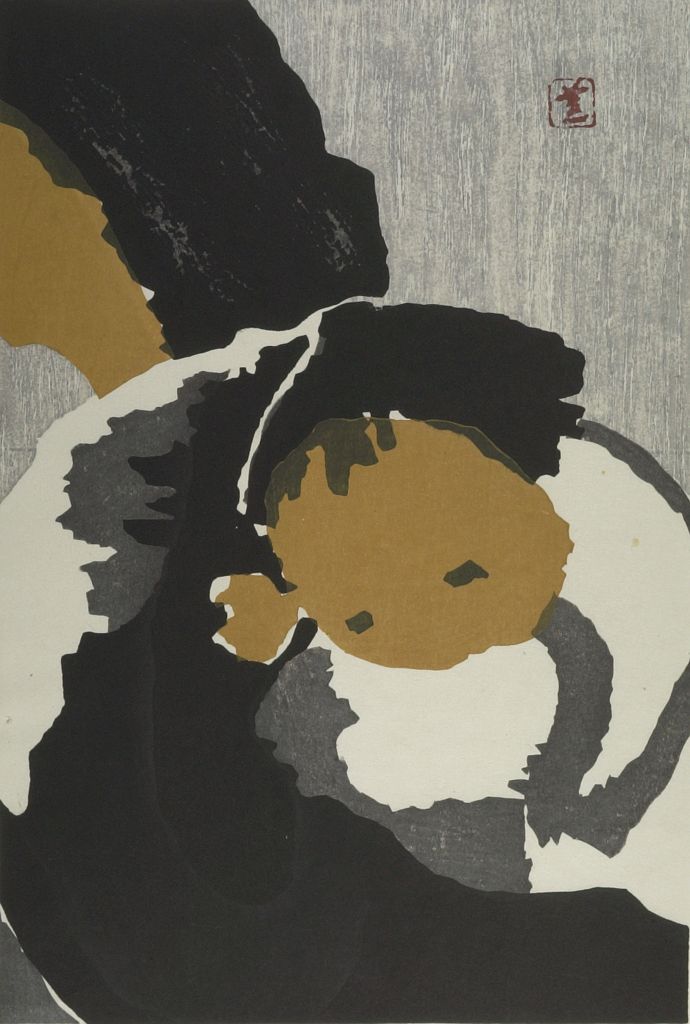
Mother's Love, Shôwa period,
Woodblock print
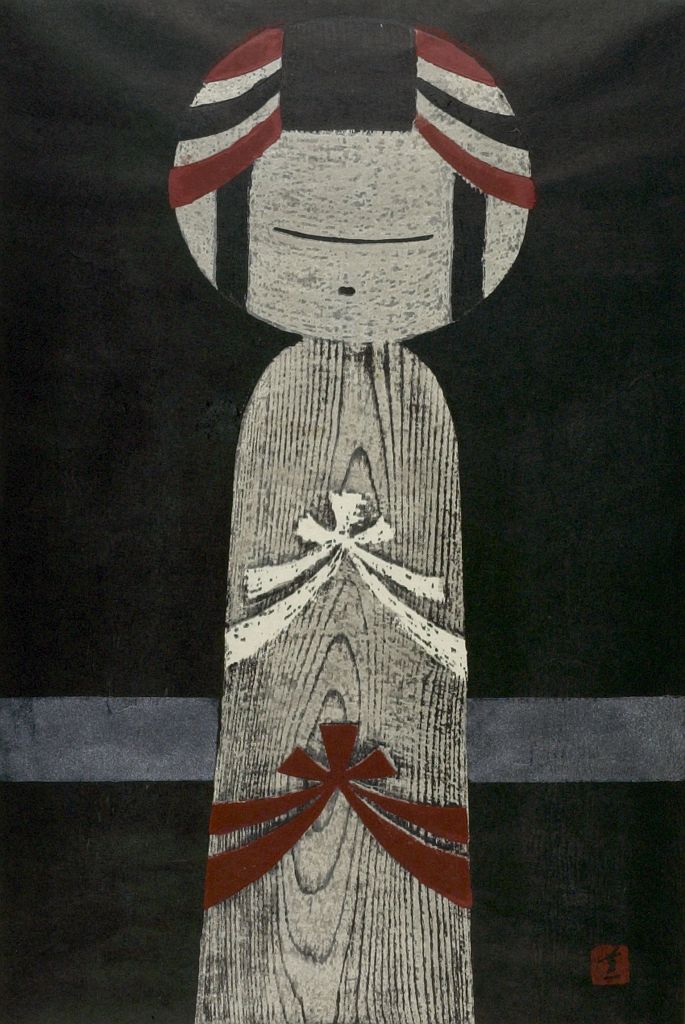
Kokeshi, Shôwa period,
Woodblock print
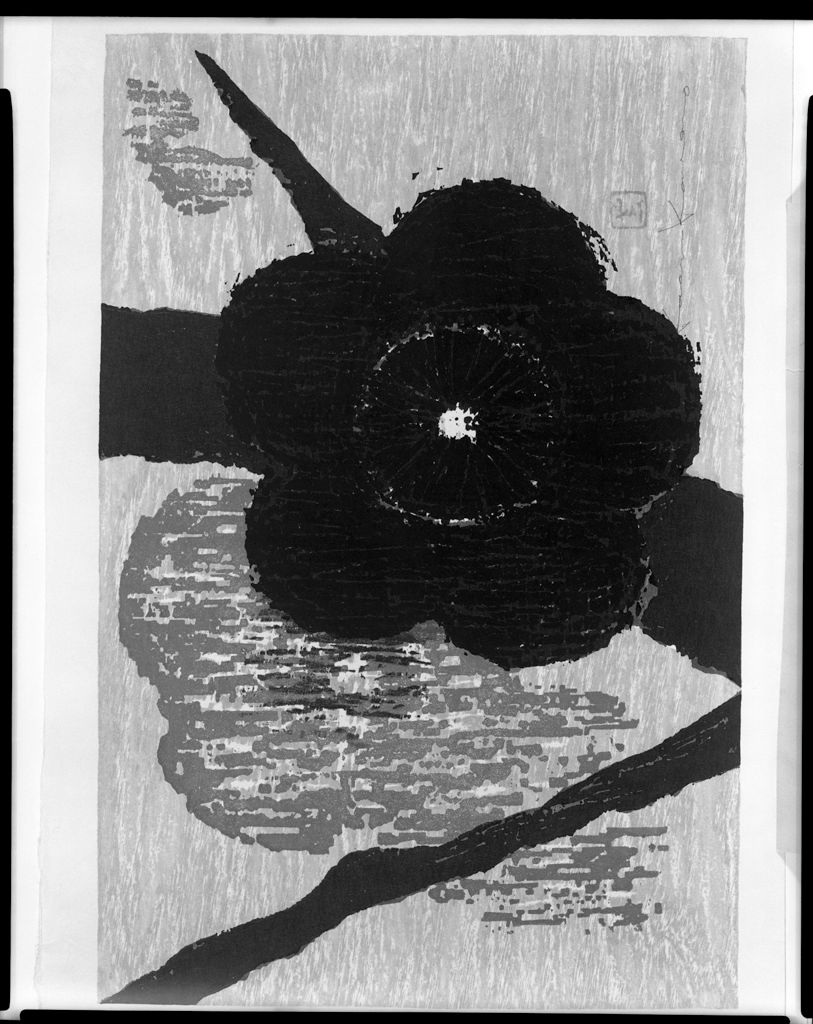
Black Plum, Shôwa period,
Woodblock print
Honolulu
Woodblock print
Young Lady and Seashell
Woodblock print
Young Lady with Yellow Bird
Woodblock print
Dream- LE
Woodblock print
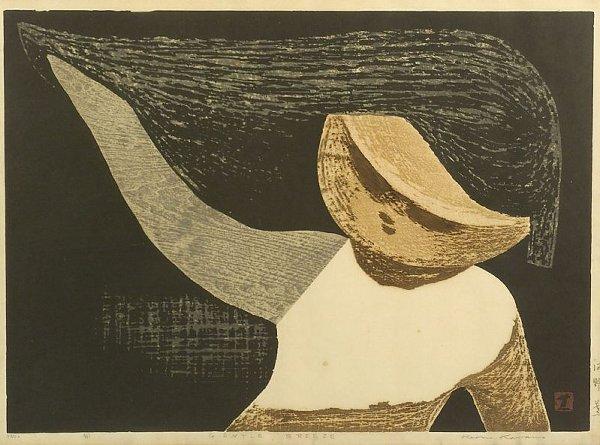
Gentle Breeze- LE
Woodblock print
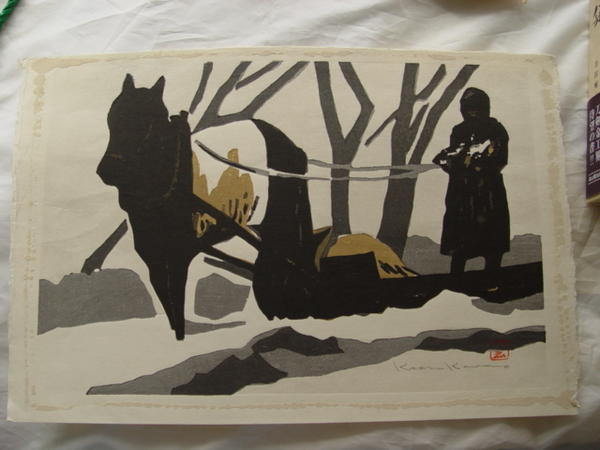
Horse pulling sled
Woodblock print
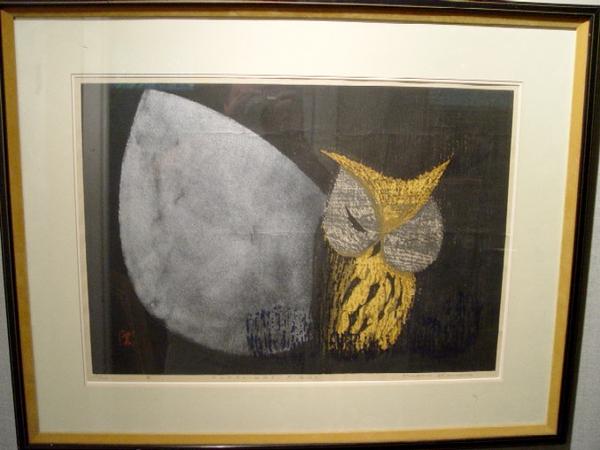
Moonlight Night- LE
Woodblock print
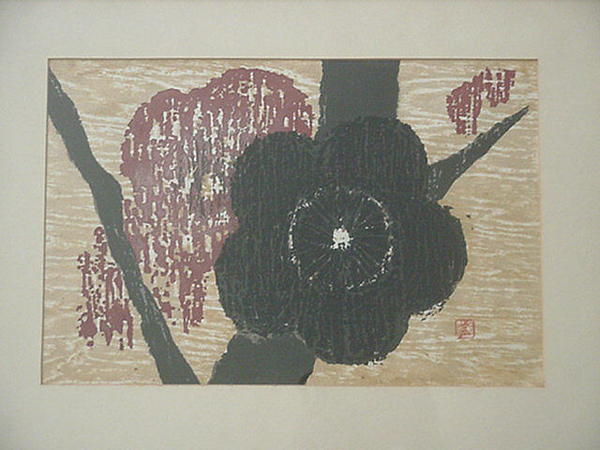
Night Perfume — 夜の梅
Woodblock print
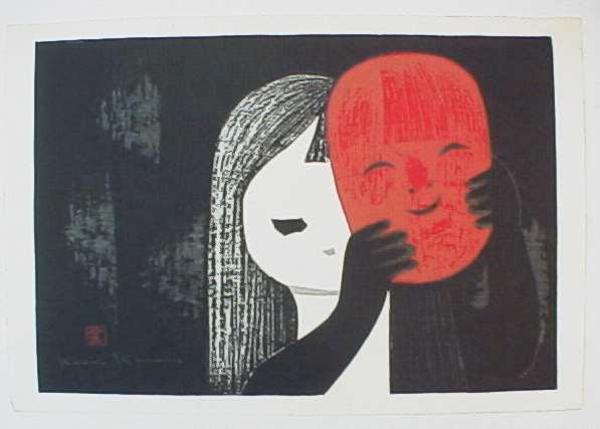
young girl with a mask
Woodblock print
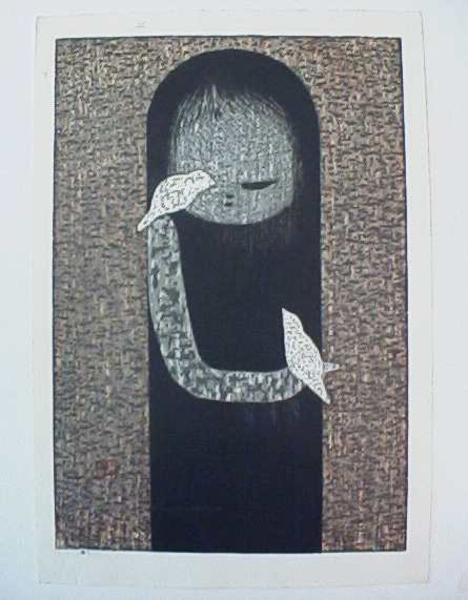
Small Birds — 小鳥
Woodblock print
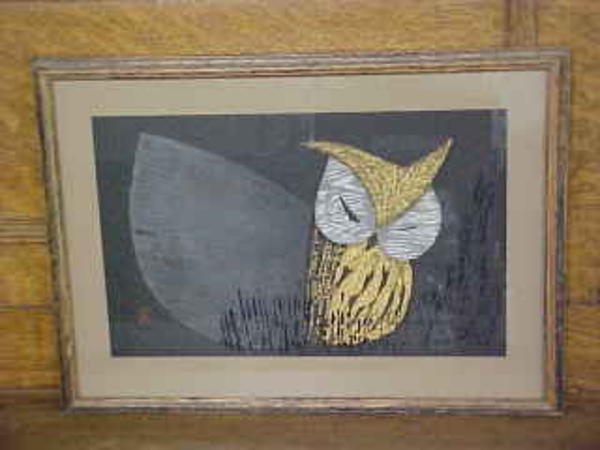
Moonlight Night- Oban
Woodblock print
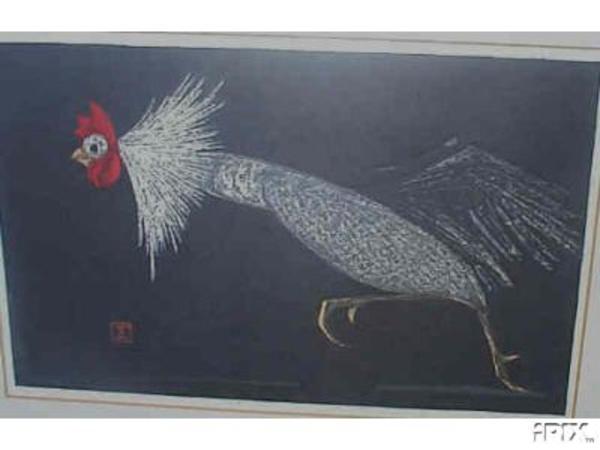
Rooster Running
Woodblock print
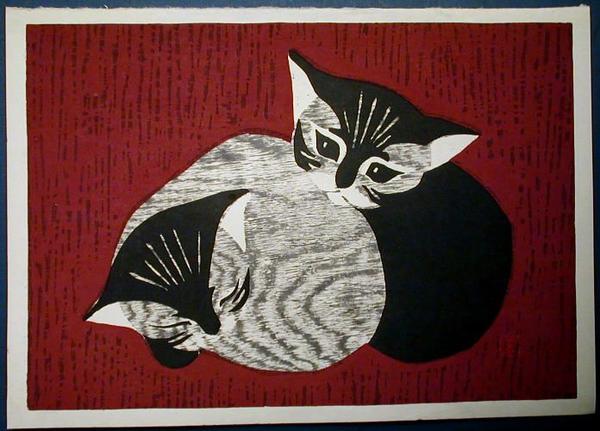
Kittens
Woodblock print
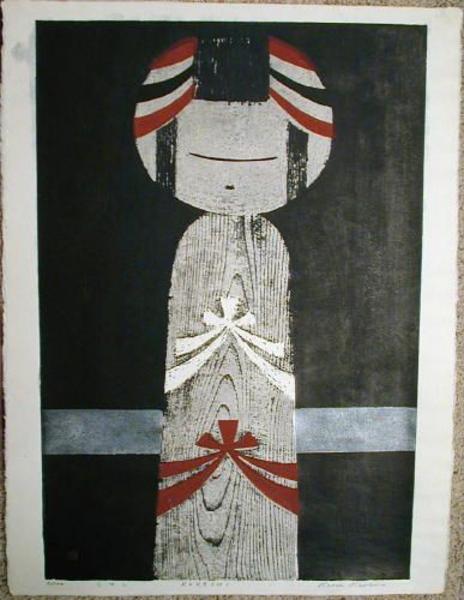
Kokeshi, LE
Woodblock print
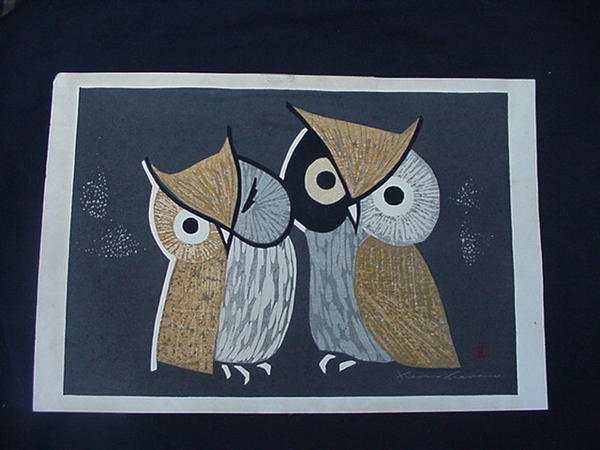
Three Eyes- oban
Woodblock print
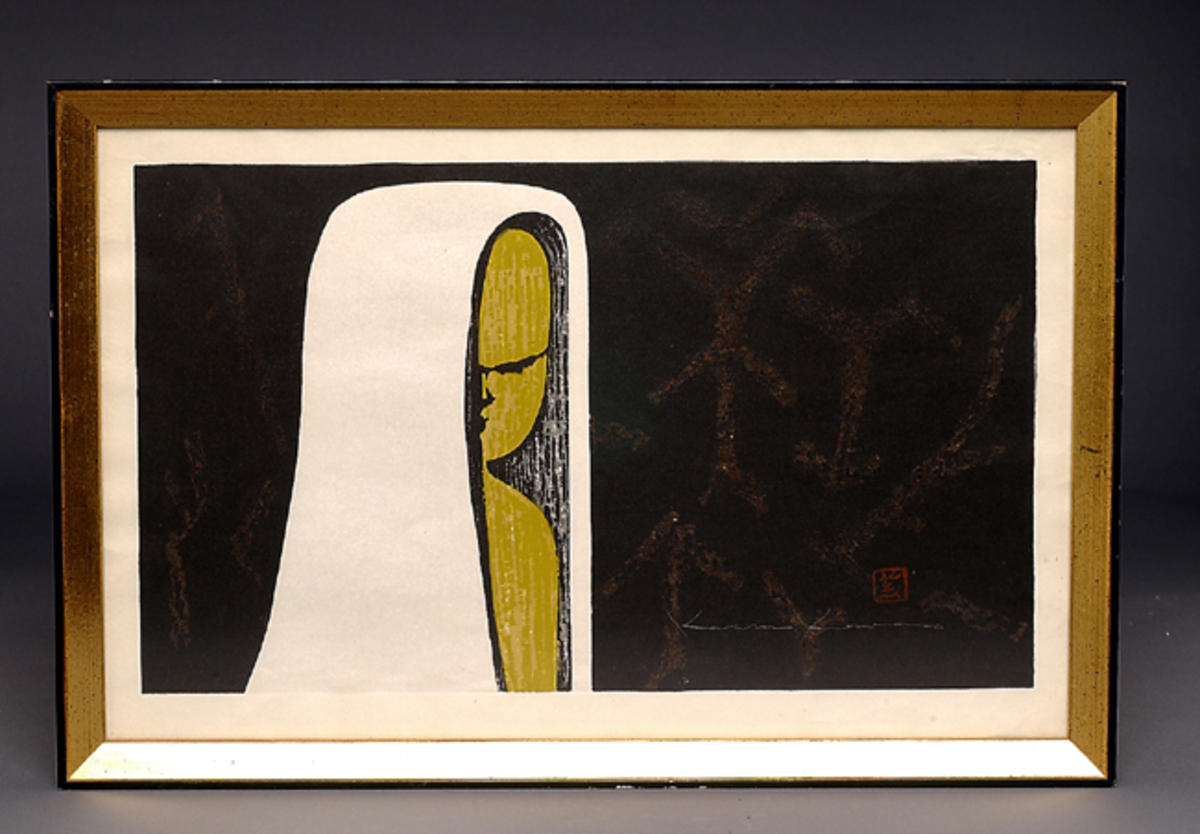
Mystery
Woodblock print

Conversation- Oban
Woodblock print
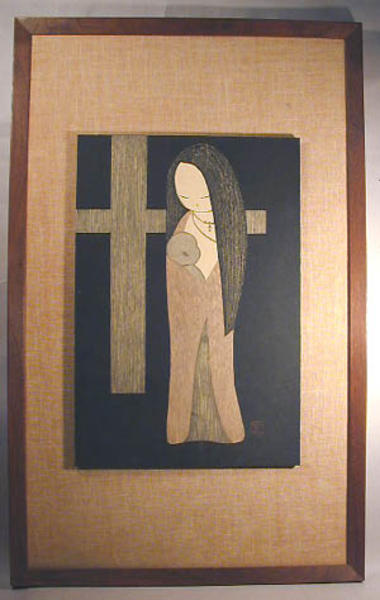
Woman Holding a Baby
Woodblock print
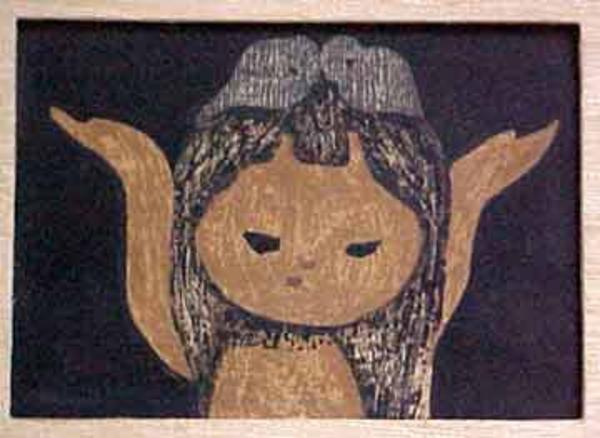
young girl with birds in her hair
Woodblock print
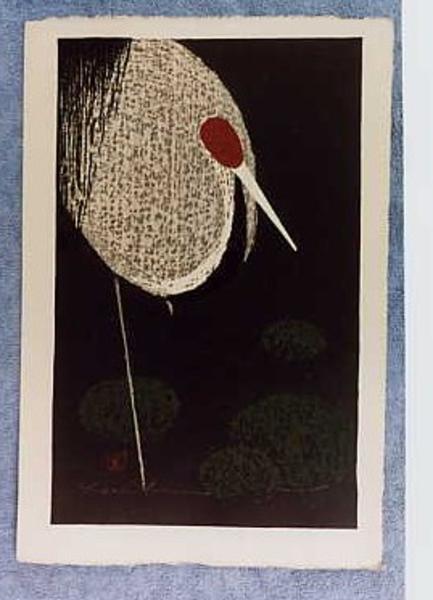
Sacred Lake
Woodblock print