Biography
Ishii Hakutei (石井柏亭, 1882–1958) was a Japanese painter, printmaker, and art critic who occupied a unique position in the history of modern Japanese printmaking as a figure who bridged the shin-hanga and sosaku-hanga movements. As a founding member of the Nihon Sosaku Hanga Kyokai (Japan Creative Print Association) in 1918 and simultaneously an artist who produced prints within the collaborative shin-hanga model, Hakutei embodied the creative tensions and ideological debates that shaped twentieth-century Japanese printmaking.
Born in 1882 in Tokyo, Hakutei came from an artistic family — his father Ishii Teiko was a painter — and received a thorough education in both Japanese and Western art. He studied Western-style painting (yoga) at the Tokyo School of Fine Arts under Kuroda Seiki, the leading Western-style painter of the Meiji era, while simultaneously developing knowledge of traditional Japanese painting and printmaking techniques. This dual training gave him an unusually broad artistic perspective and positioned him to move between the Japanese and Western artistic worlds with ease.
Hakutei's involvement with the sosaku-hanga (creative prints) movement began in its earliest years. He was present at the founding discussions that led to the establishment of the Nihon Sosaku Hanga Kyokai, an organization that promoted the ideal of the artist as sole creator — designing, carving, and printing woodblock prints without the assistance of professional craftsmen. This philosophy stood in direct opposition to the shin-hanga model championed by Watanabe Shozaburo, in which the artist provided the design while specialized carvers and printers executed the physical print. Hakutei's role as a founding member of the association placed him at the intellectual center of the creative print movement.
Yet Hakutei's own artistic practice did not adhere strictly to sosaku-hanga ideology. He produced prints both independently, carving and printing some works himself, and collaboratively, designing prints that were executed by professional craftsmen in the shin-hanga manner. This pragmatic approach reflected his belief that the quality of the finished work mattered more than the ideological purity of the production process — a position that placed him at odds with sosaku-hanga purists while earning him respect from artists and collectors who valued the results over the method.
As a painter, Hakutei worked primarily in watercolor and oil, producing landscapes and genre scenes that reflected his Western training. He was an active member of the Nika-kai (Second Section Society), a progressive art association, and exhibited widely. His art criticism was also influential, as he wrote perceptively about both Japanese and Western art, helping to shape public understanding of modern artistic movements.
Hakutei's woodblock prints encompass landscapes, cityscapes, and genre scenes rendered in a style that combines elements of Western observation with Japanese compositional sensibility. His landscape prints, in particular, demonstrate a fresh, direct approach to the Japanese countryside that avoids both the romantic idealization of shin-hanga and the self-conscious expressionism of some sosaku-hanga work.
He died in 1958, having lived through the entire arc of both the shin-hanga and sosaku-hanga movements. His legacy is that of a thoughtful, versatile artist who refused to be confined by the ideological boundaries that divided the Japanese print world, and whose work demonstrates that artistic quality can emerge from both collaborative and independent modes of creation. His works are held in collections including the National Museum of Modern Art in Tokyo and the Machida City Museum of Graphic Arts.
Key Facts
- Active Period
- 1882–1958
- Nationality
- 🇯🇵Japan
- Movements
- Shin-hangaSōsaku-hanga
- Works Indexed
- 39
Frequently Asked Questions
What is Ishii Hakutei known for?
Ishii Hakutei (石井柏亭, 1882–1958) was a Japanese painter, printmaker, and art critic who occupied a unique position in the history of modern Japanese printmaking as a figure who bridged the shin-hanga and sosaku-hanga movements. As a founding member of the Nihon Sosaku Hanga Kyokai (Japan Creative Print Association) in 1918 and simultaneously an artist who produced prints within the collaborative shin-hanga model, Hakutei embodied the creative tensions and ideological debates that shaped twentieth-century Japanese printmaking.
When was Ishii Hakutei active?
Ishii Hakutei was active from 1882 to 1958. They were associated with the Shin-hanga and Sōsaku-hanga movements.
What artistic movements influenced Ishii Hakutei?
Ishii Hakutei's work was shaped by the Shin-hanga and Sōsaku-hanga traditions in Japanese woodblock printmaking. Shin-hanga: The "new prints" movement (c. Sōsaku-hanga: The "creative prints" movement (c.
Where can I see Ishii Hakutei's original prints?
Original prints by Ishii Hakutei can be found in collections including Scholten Japanese Art, Japanese Art Open Database, Art of Japan, British Museum.
How much do Ishii Hakutei prints cost?
Ishii Hakutei is valued by collectors for his unique position bridging the shin-hanga and sosaku-hanga movements, as well as for the quality of his landscape and genre prints. His work appeals to collectors interested in the intellectual history of modern Japanese printmaking. Most prints sell in the $1,000–$4,000 range. As a founding member of the Nihon Sosaku Hanga Kyokai who also produced collaborative shin-hanga prints, Hakutei's work spans both production models. Self-carved prints are generally scarcer and attract sosaku-hanga specialists, while his collaborative prints follow standard shin-hanga market patterns. His significance as an art critic and movement organizer adds historical interest that can influence prices. Minor prints and average condition: $500–$1,500. Good landscape and genre prints: $2,000–$4,000. Major works with exhibition or publication provenance: $4,000–$10,000. Hakutei's market benefits from his recognized art-historical importance.
Woodblock Prints by Ishii Hakutei (39)
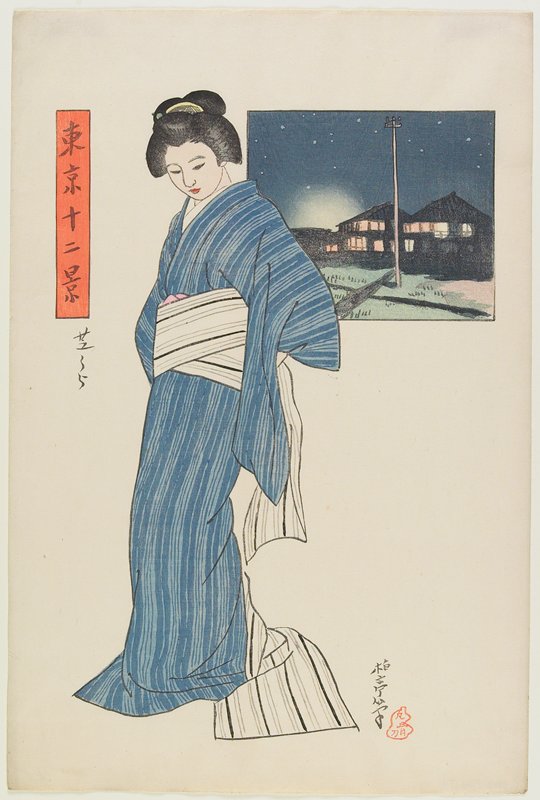
Shibaura
c. 1914–1916
Woodblock print, ink and color on paper
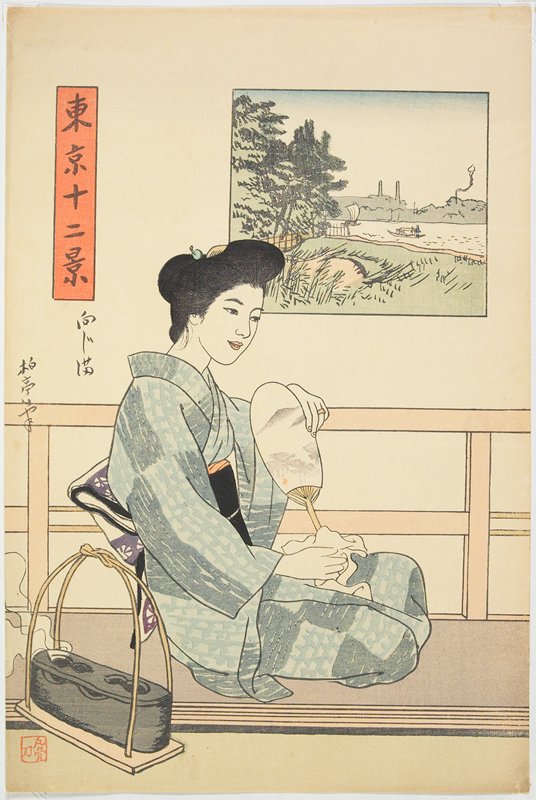
Mukōjima
c. 1914–1916
Woodblock print, ink and color on paper
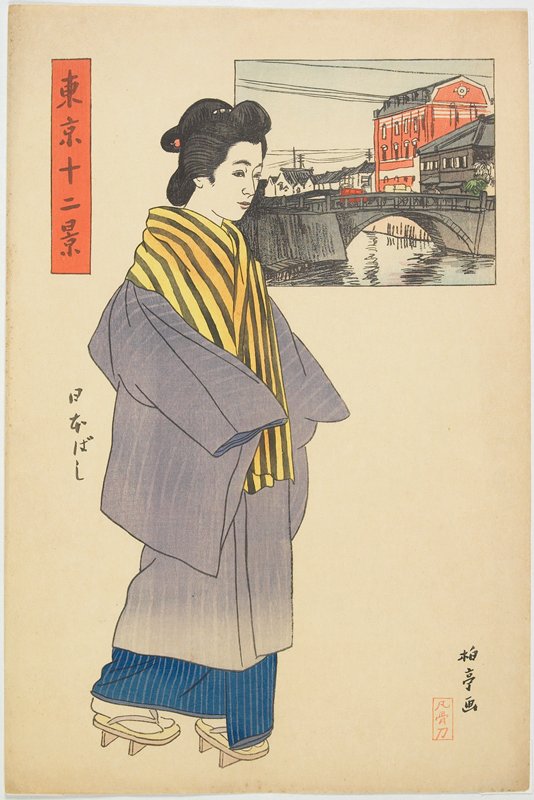
Nihonbashi
c. 1914–1916
Woodblock print, ink and color on paper
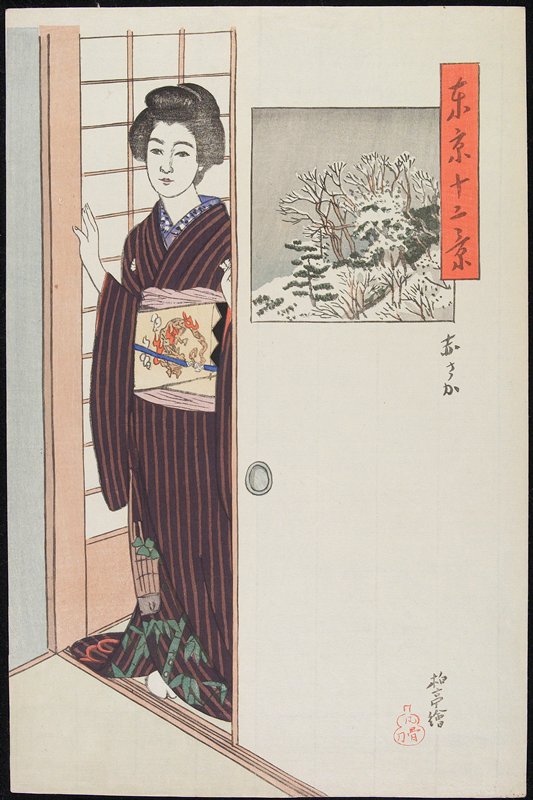
Akasaka
c. 1914–1916
Woodblock print, ink and color on paper
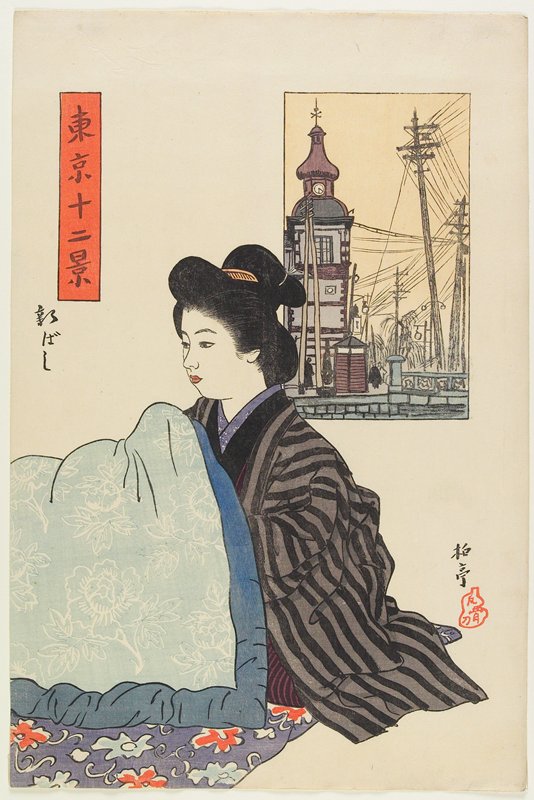
Shinbashi
c. 1914–1916
Woodblock print, ink and color on paper
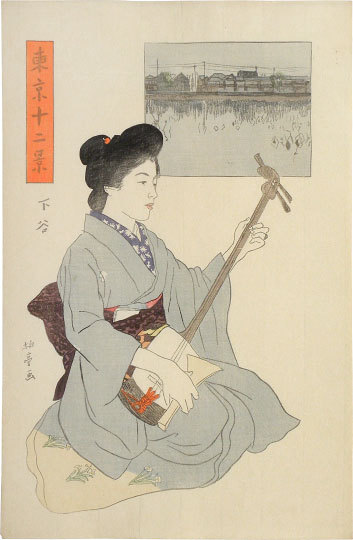
Twelve Views of Tokyo: Shitaya (Tokyo Junikei: Shitaya)
Woodblock print
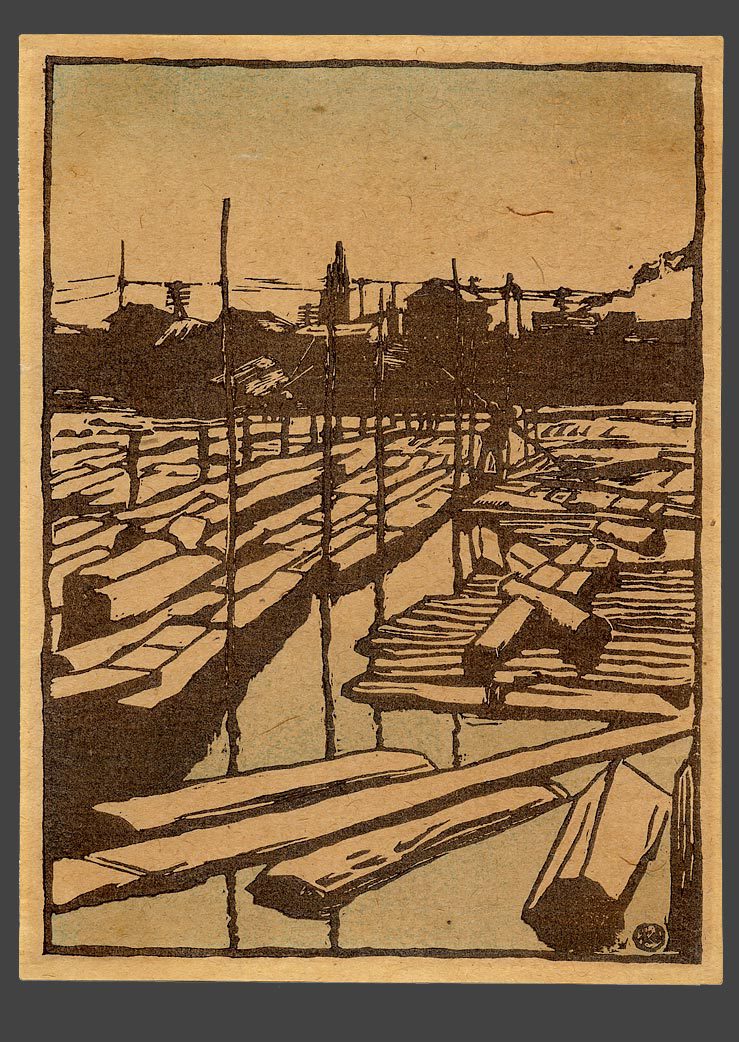
Kiba Lumberyard
Woodblock print
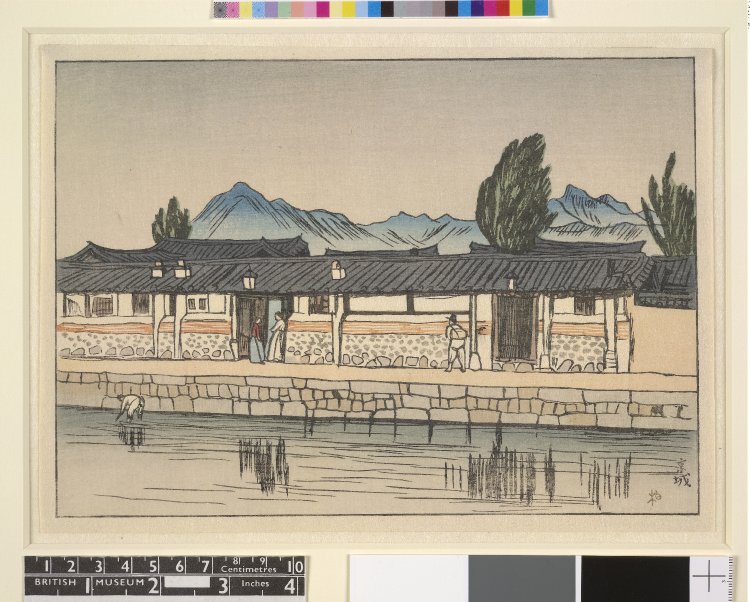
Keijo (Seoul) / Nihon fukei hanga dai-hachi shu Chosen no bu (Landscape Prints of Japan, Series Eight, Korea)
Woodblock print
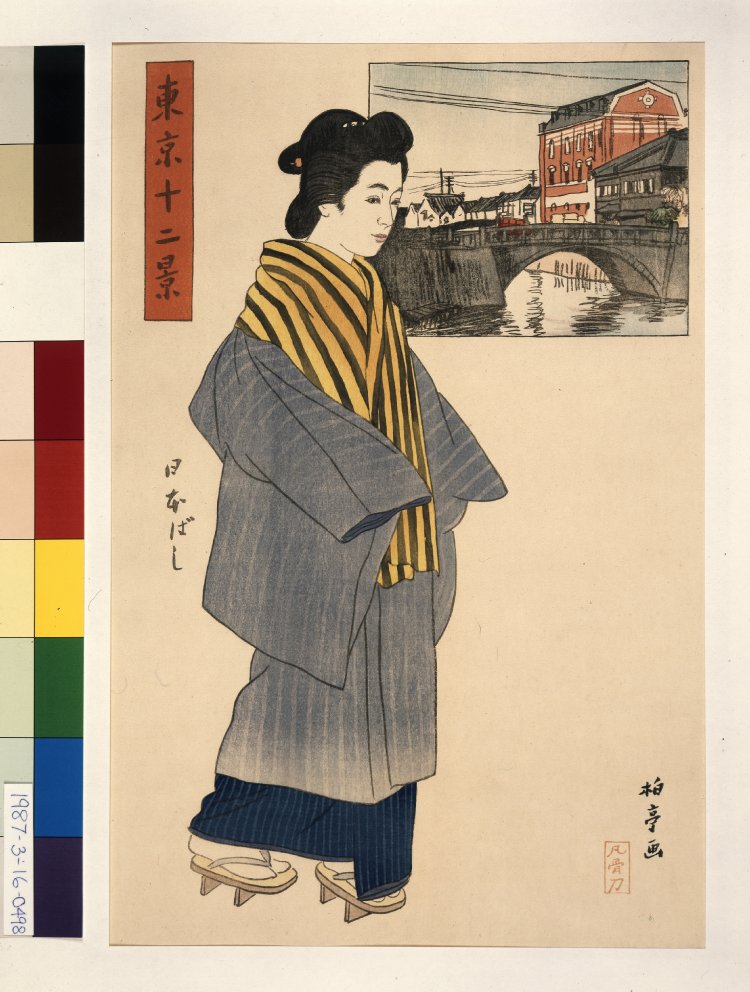
Nihonbashi (Japan Bridge) / Tokyo junikei (Twelve Views of Tokyo)
Woodblock print
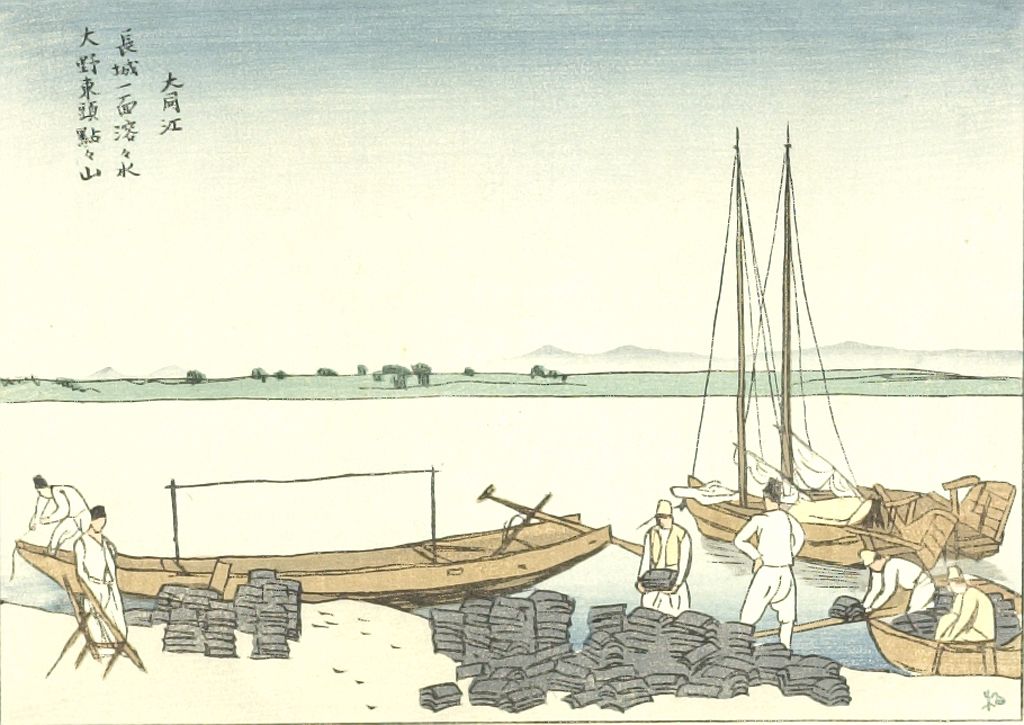
Daidoko, Taishô period?
Woodblock print
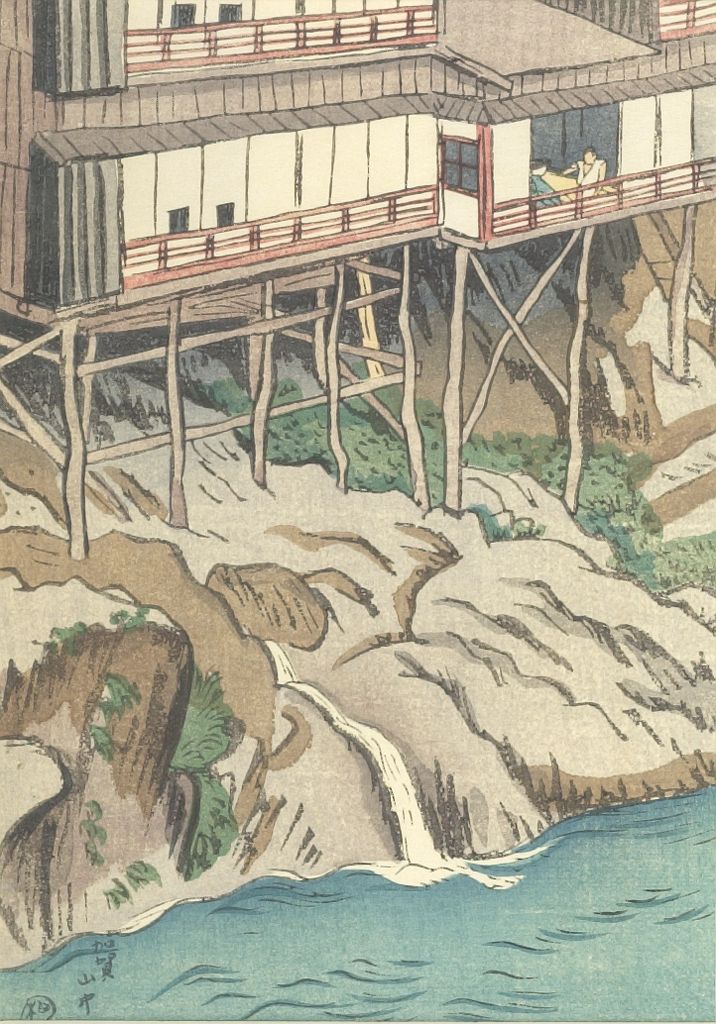
Kaga Sanchu, Taishô period?
Woodblock print
![Funabashi [in Chiba, Shimosa District, from the series Japan Scenery Prints (Nihon fûkei hanga)?], Taishô period, circa 1917 by Ishii Hakutei](https://data.ukiyo-e.org/harvard/images/HUAM-VRS17402.jpg)
Funabashi [in Chiba, Shimosa District, from the series Japan Scenery Prints (Nihon fûkei hanga)?], Taishô period, circa 1917
Woodblock print
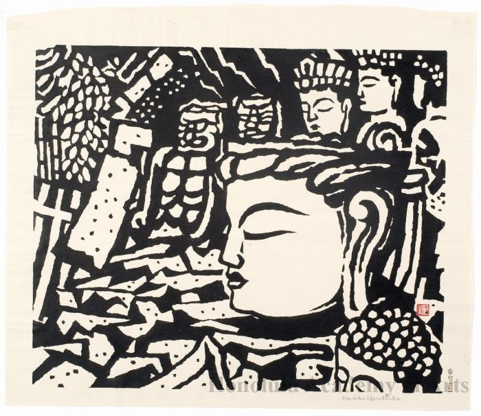
Hiratsuka Unichi
Woodblock print
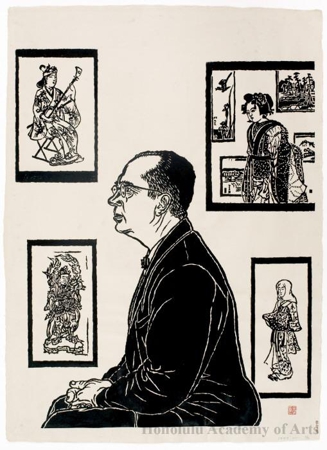
Portrait of James A. Michener
Woodblock print

Yanagibashi
Woodblock print
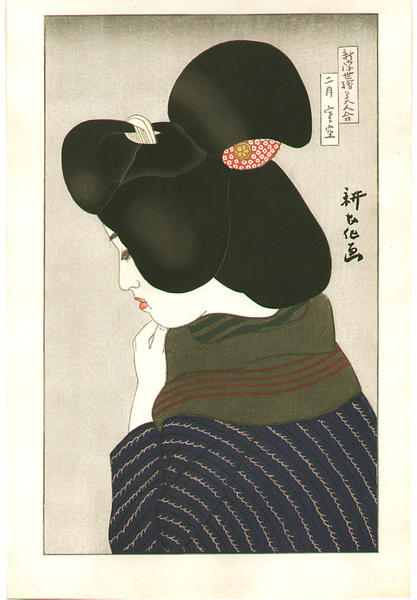
February - Wintry Sky
Woodblock print
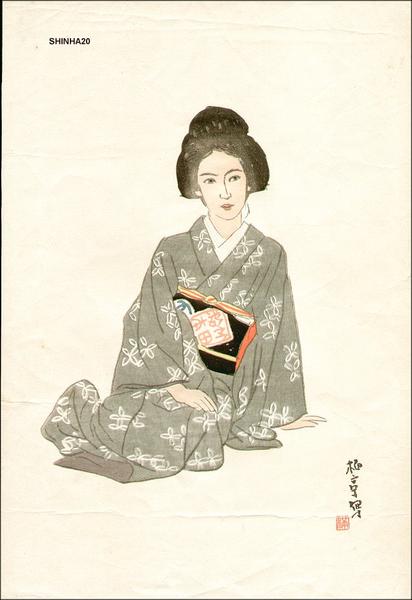
Bijin sitting
Woodblock print
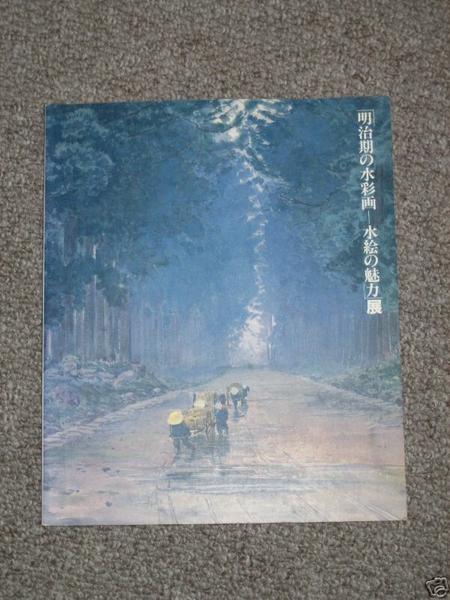
Various artists
Woodblock print
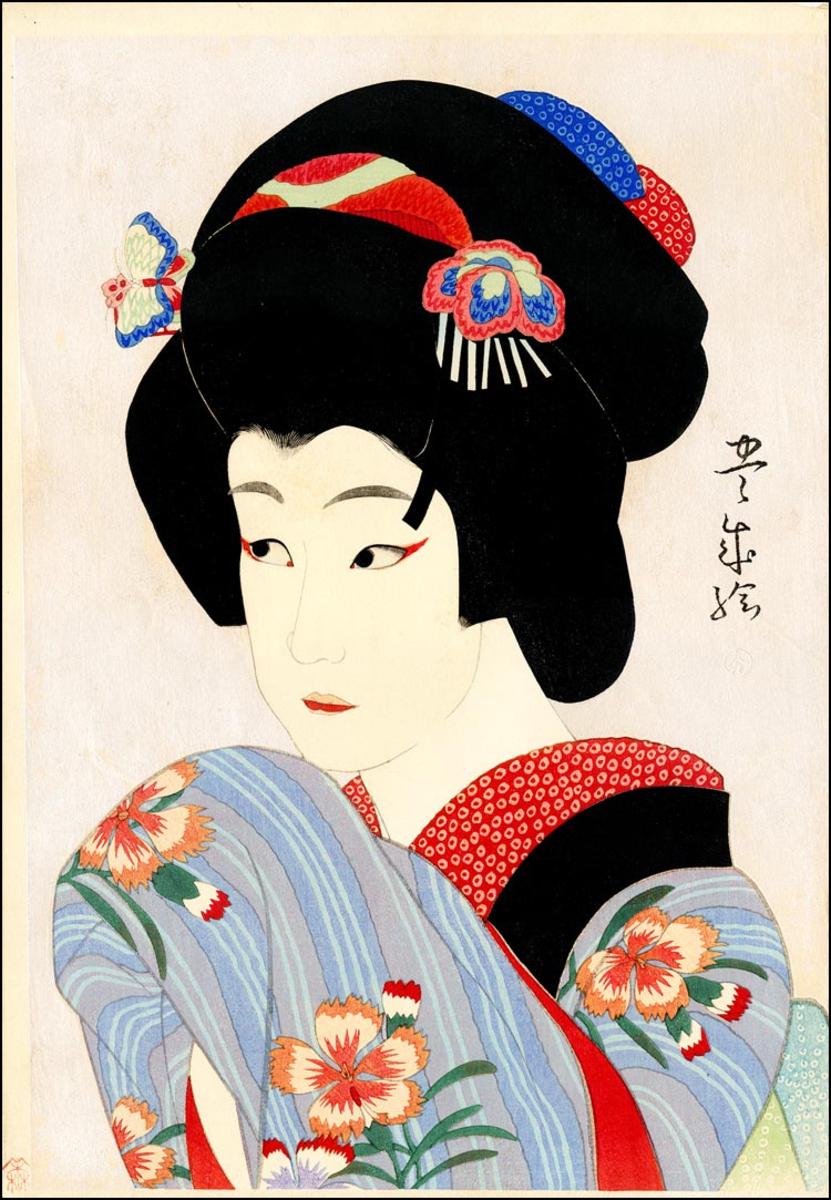
Ichikawa Shocho II as Oman
Woodblock print

Twelve Views of Tokyo: Twelve Views of Tokyo (Tokyo Junikei: Tokyo Junikei)
Woodblock print
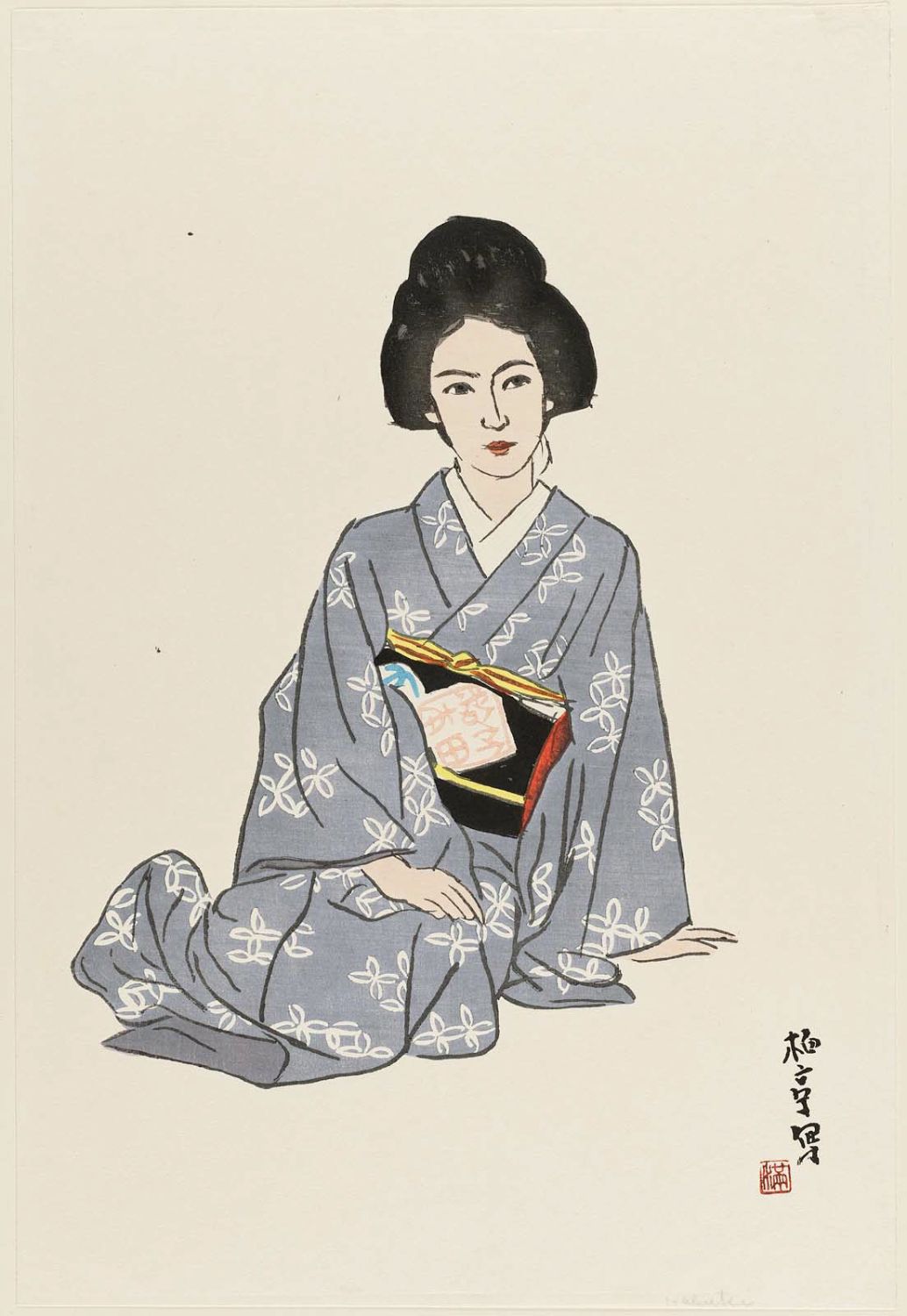
Woman in Gray Kimono
Woodblock print
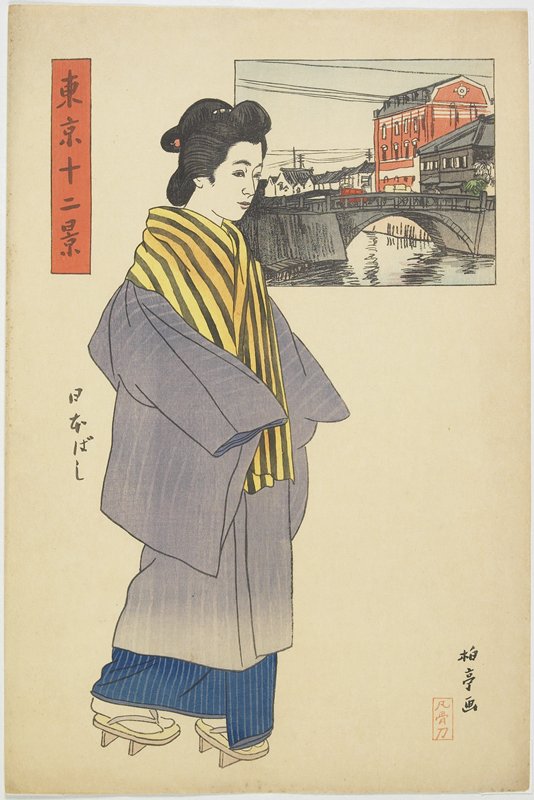
Nihon-bashi Bridge
Woodblock print
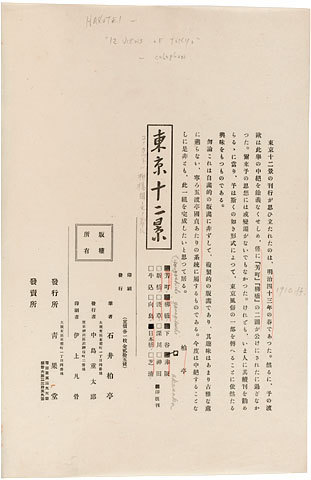
Twelve Views of Tokyo: title page
Woodblock print
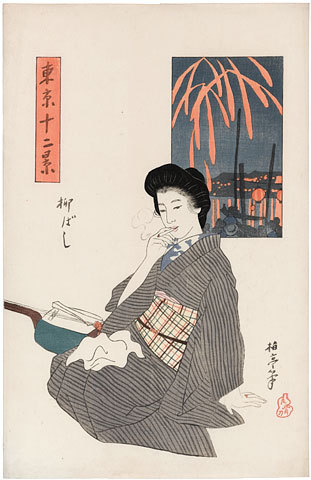
Twelve Views of Tokyo: Yanagibashi
Woodblock print
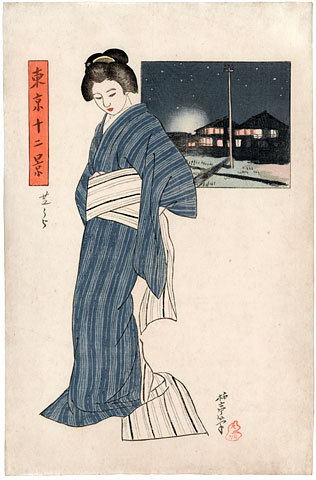
Twelve Views of Tokyo: Shibaura
Woodblock print
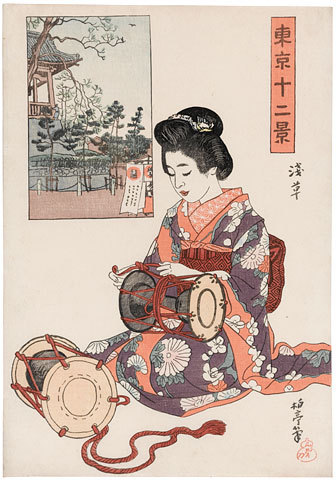
Twelve Views of Tokyo: Asakusa
Woodblock print
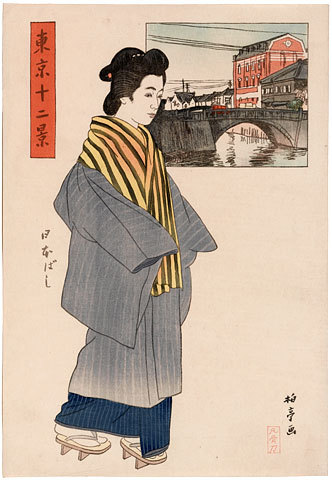
Twelve Views of Tokyo: Nihonbashi
Woodblock print
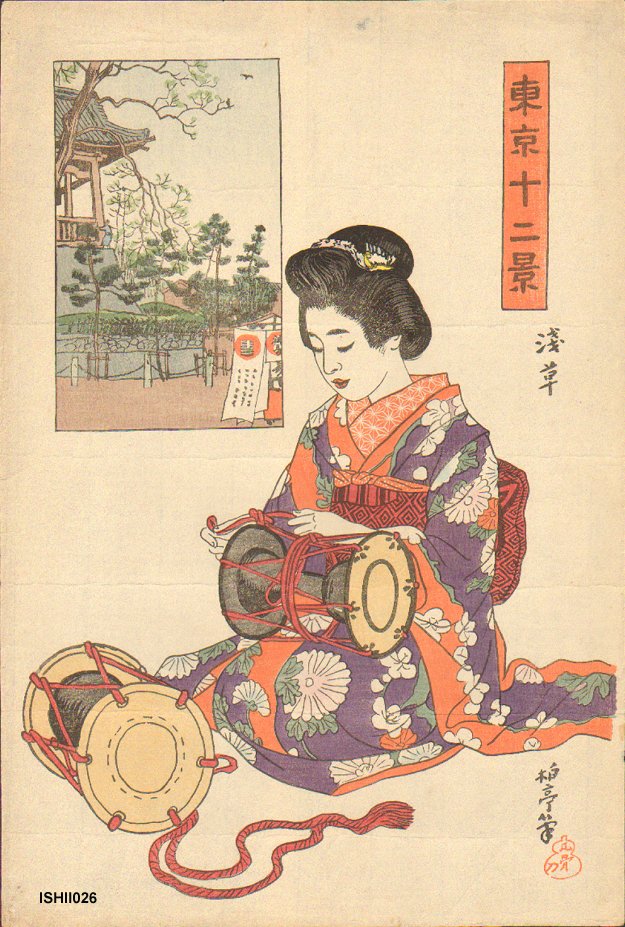
Asakusa
Woodblock print
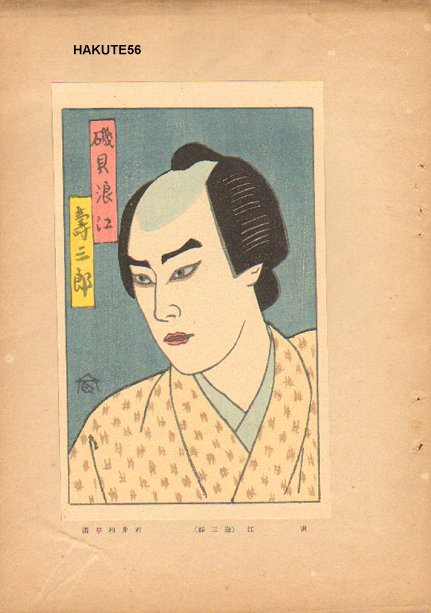
totalCount
Woodblock print
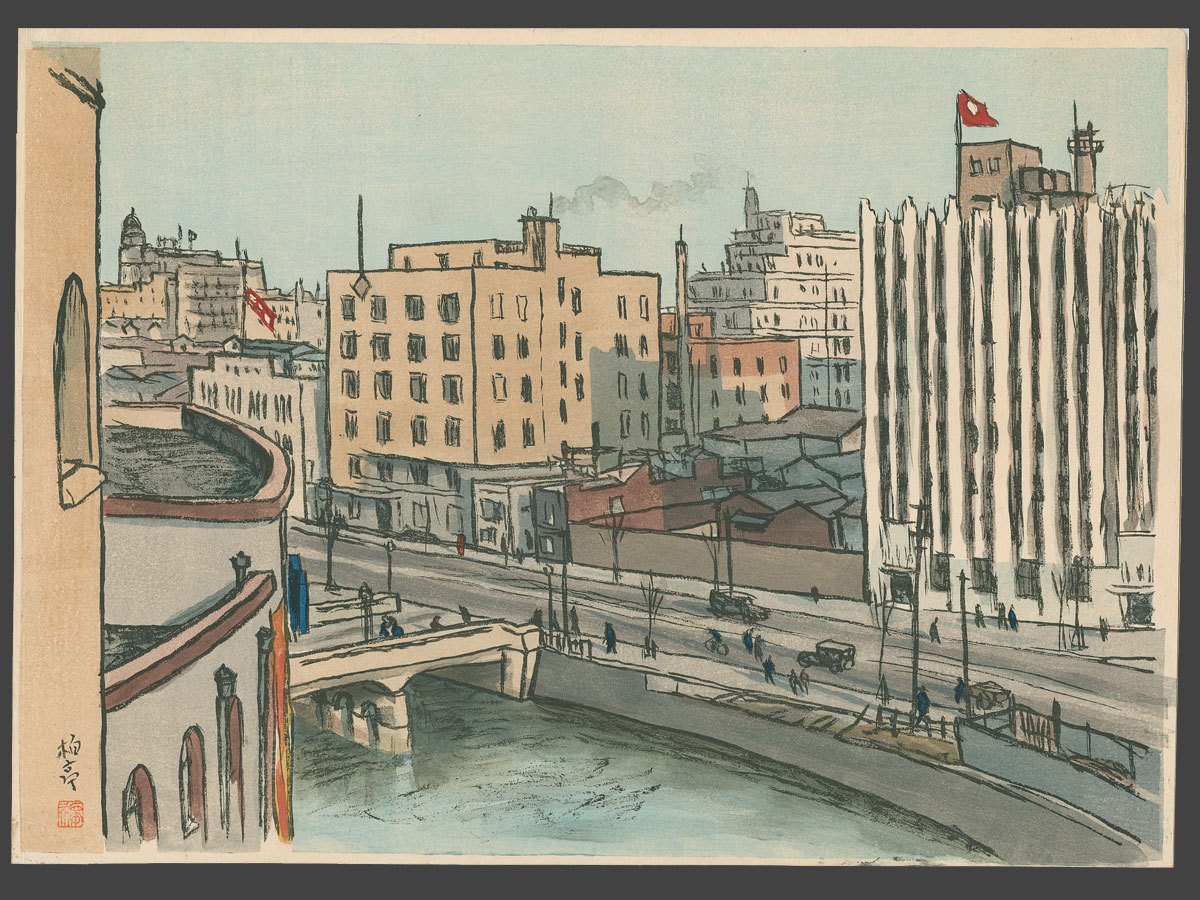
Untitled (ishii-hakutei)
Woodblock print
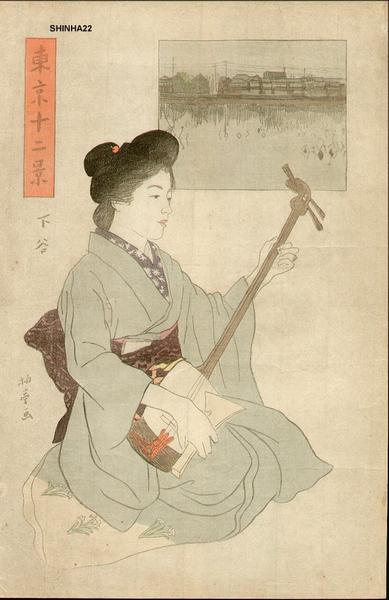
Untitled (ishii-hakutei)
Woodblock print
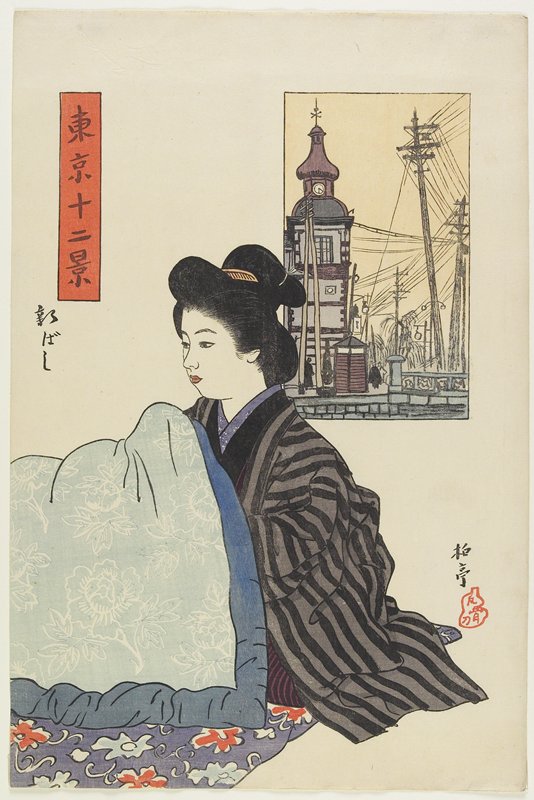
Untitled (ishii-hakutei)
Woodblock print
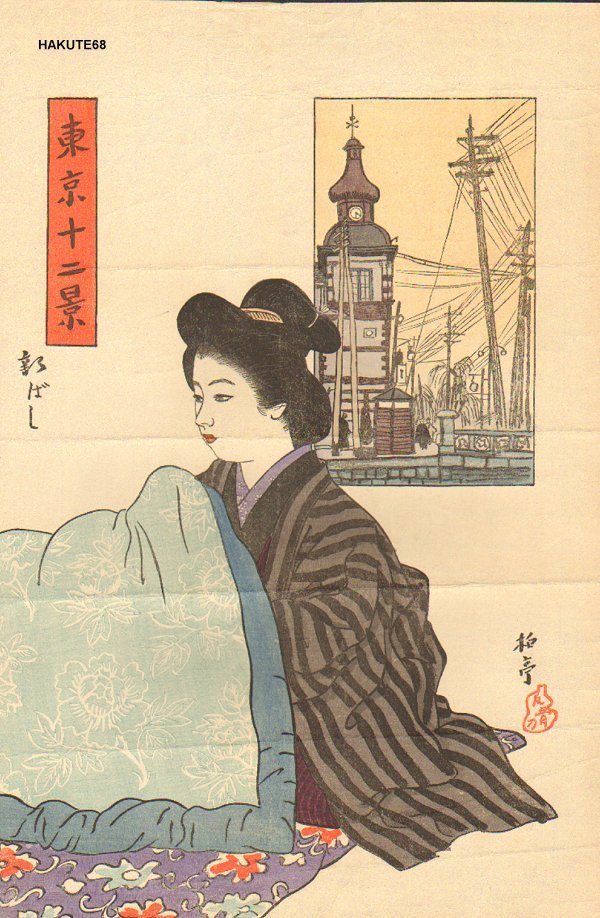
Untitled (ishii-hakutei)
Woodblock print
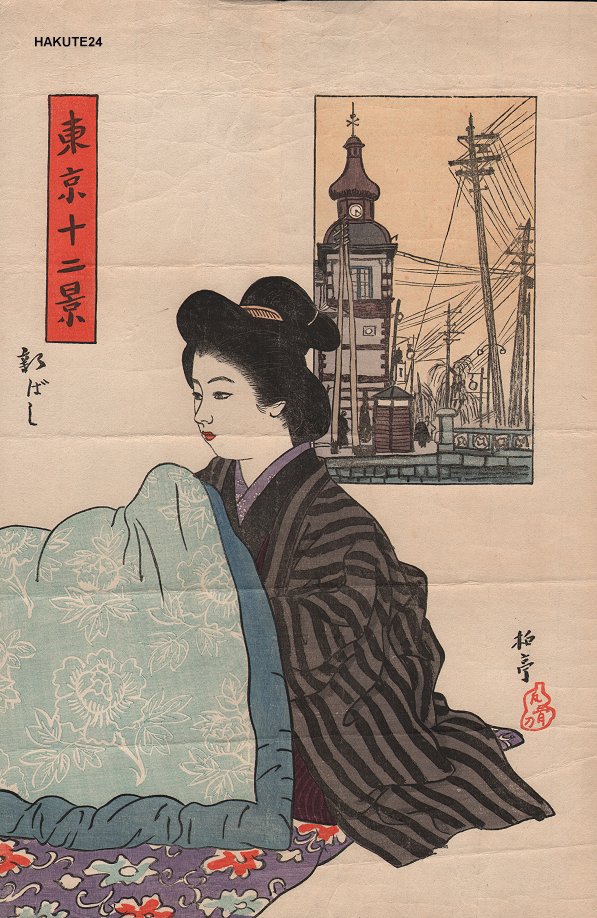
Untitled (ishii-hakutei)
Woodblock print
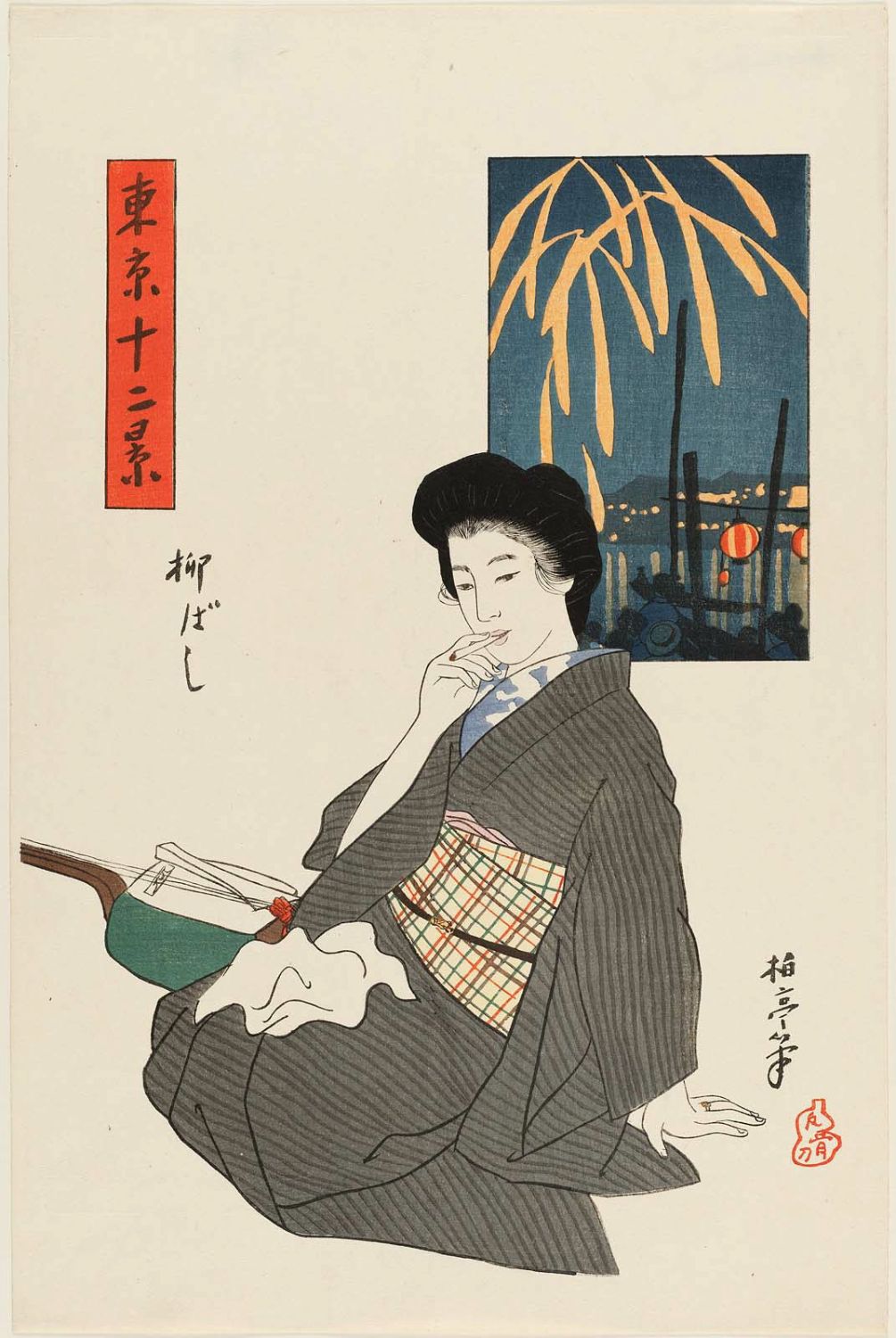
Yanagibashi Bridge, from the series Twelve Views of Tokyo (Tôkyô jûni kei)
Woodblock print
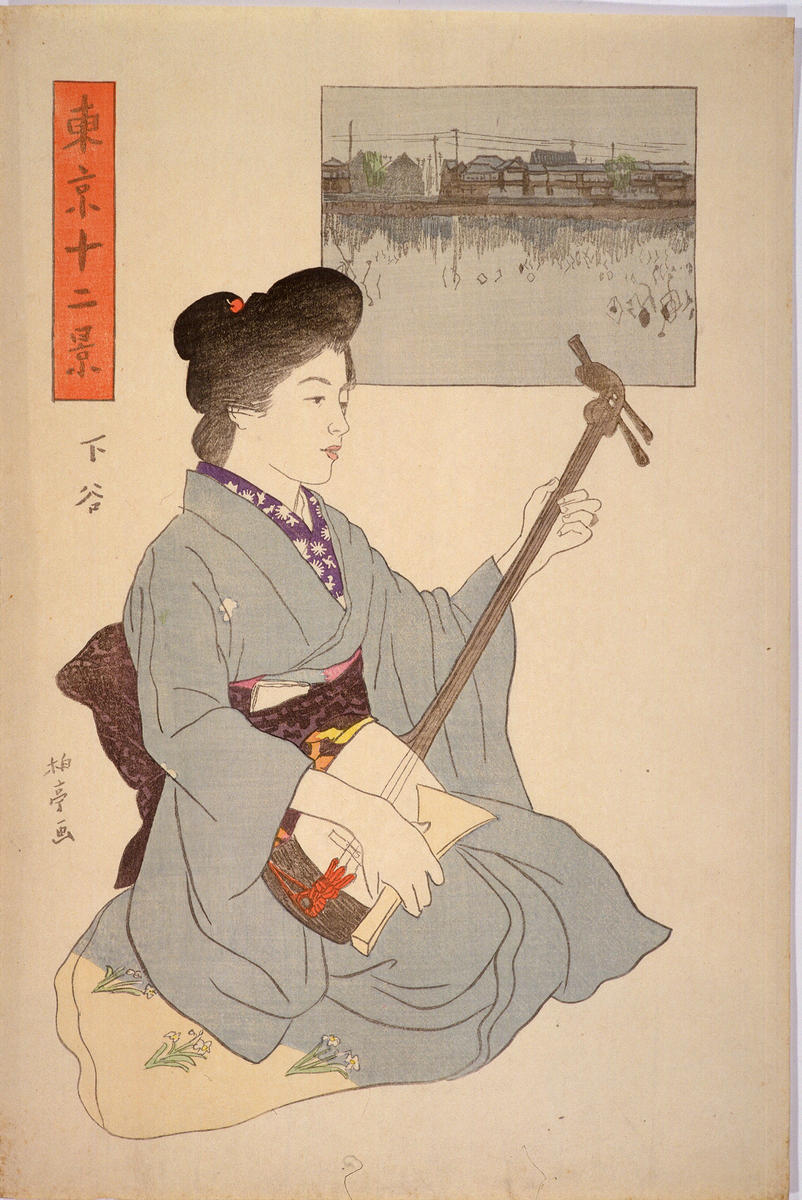
Shitaya, from the series Twelve Views of Tokyo (Tôkyô jûni kei)
Woodblock print
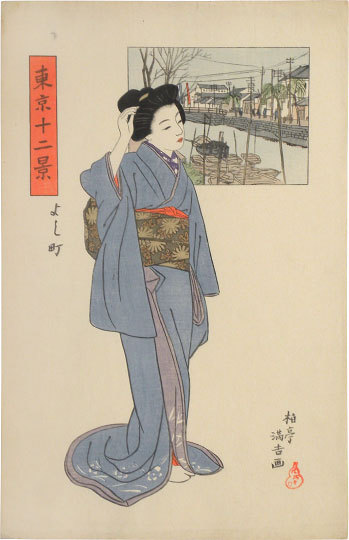
Twelve Views of Tokyo: Yoshicho (Tokyo Junikei: Yoshicho)
Woodblock print
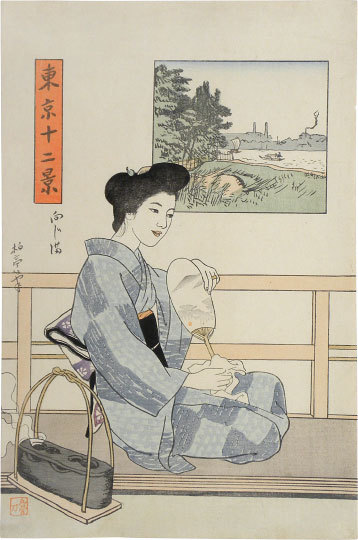
Twelve Views of Tokyo: Mukojima (Tokyo Junikei: Mukojima)
Woodblock print
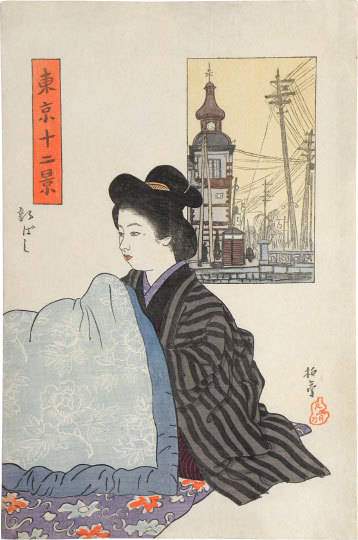
Twelve Views of Tokyo: Shinbashi (Tokyo Junikei: Shinbashi)
Woodblock print